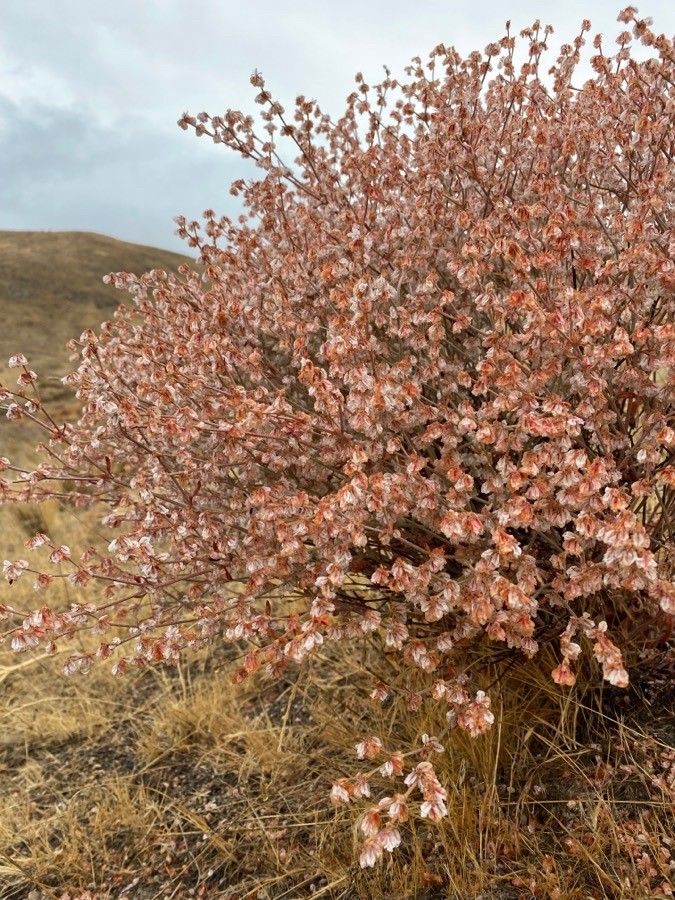
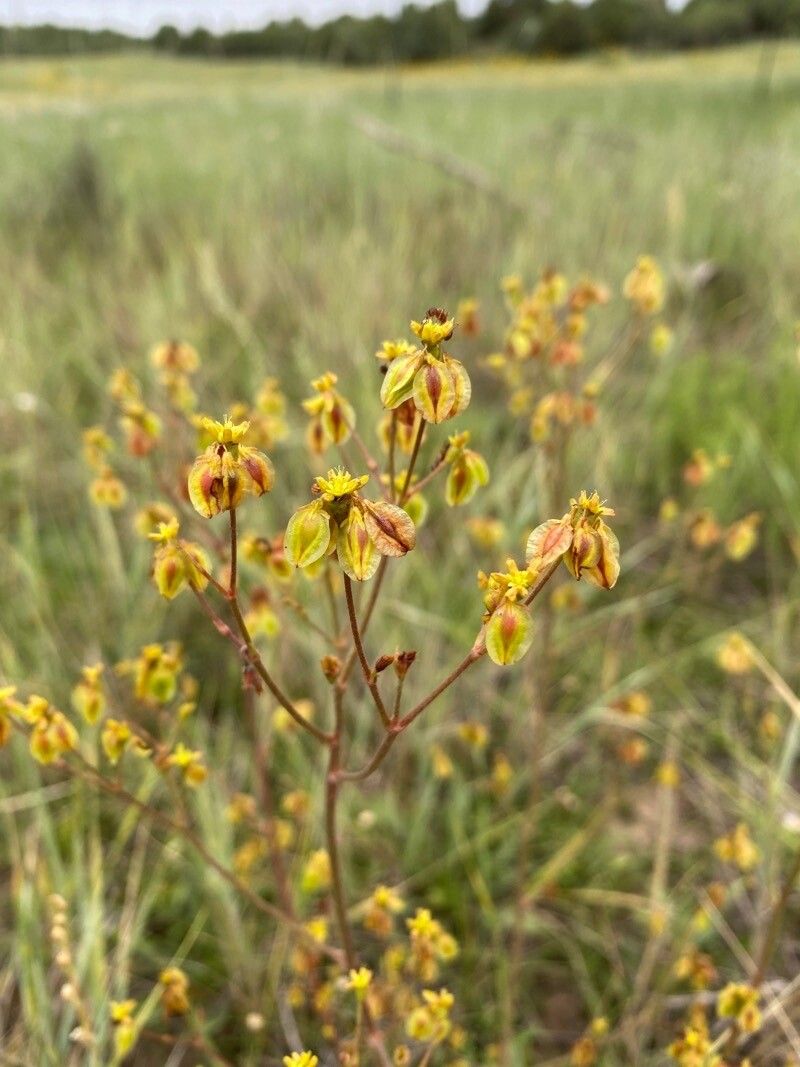
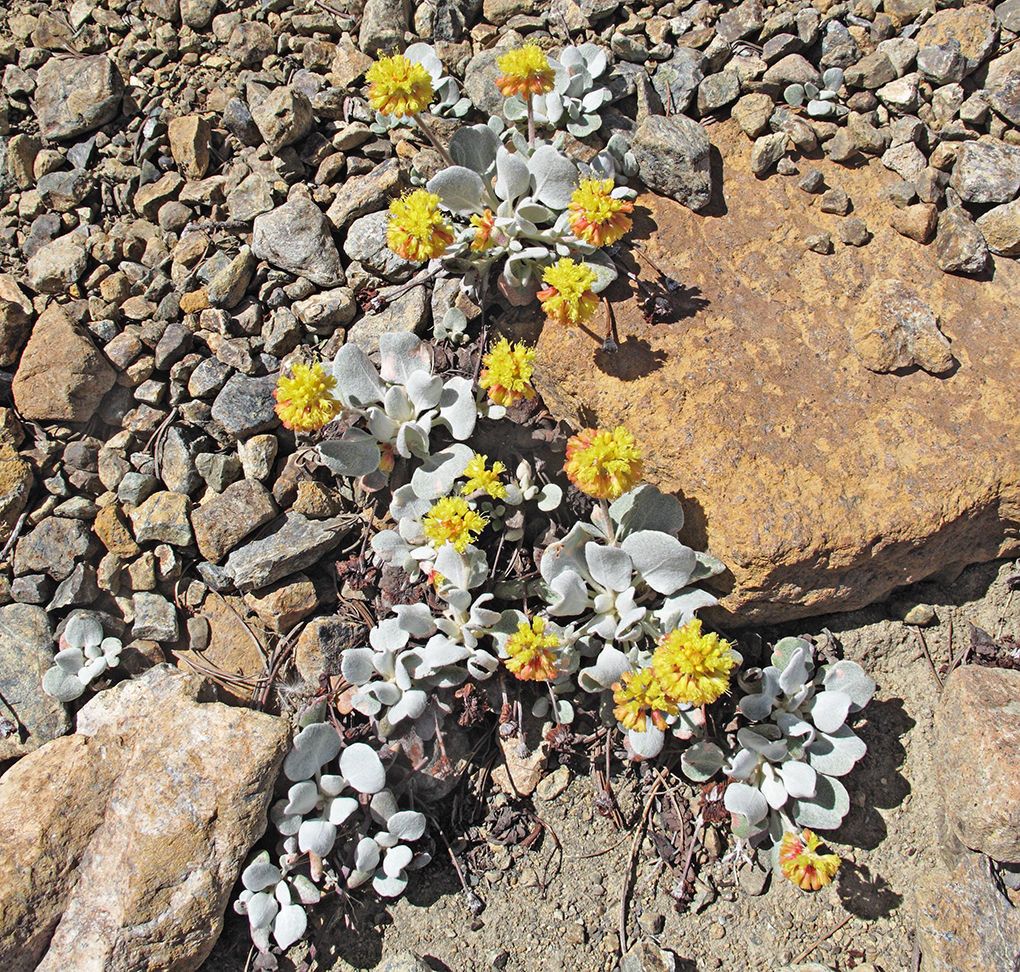
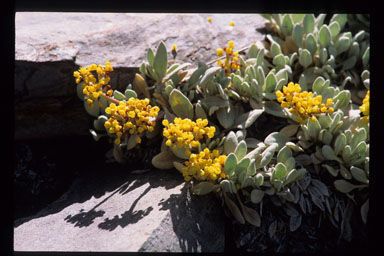
Eriogonum wrightii, commonly known as Wright's buckwheat, is a perennial plant species in the family Polygonaceae. Native to the southwestern United States and northern Mexico, it thrives in a variety of habitats, including deserts, grasslands, and rocky slopes.
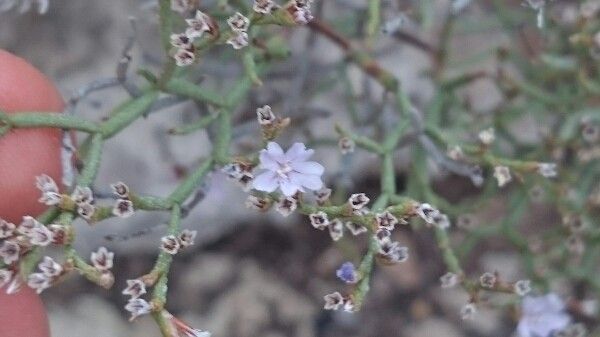
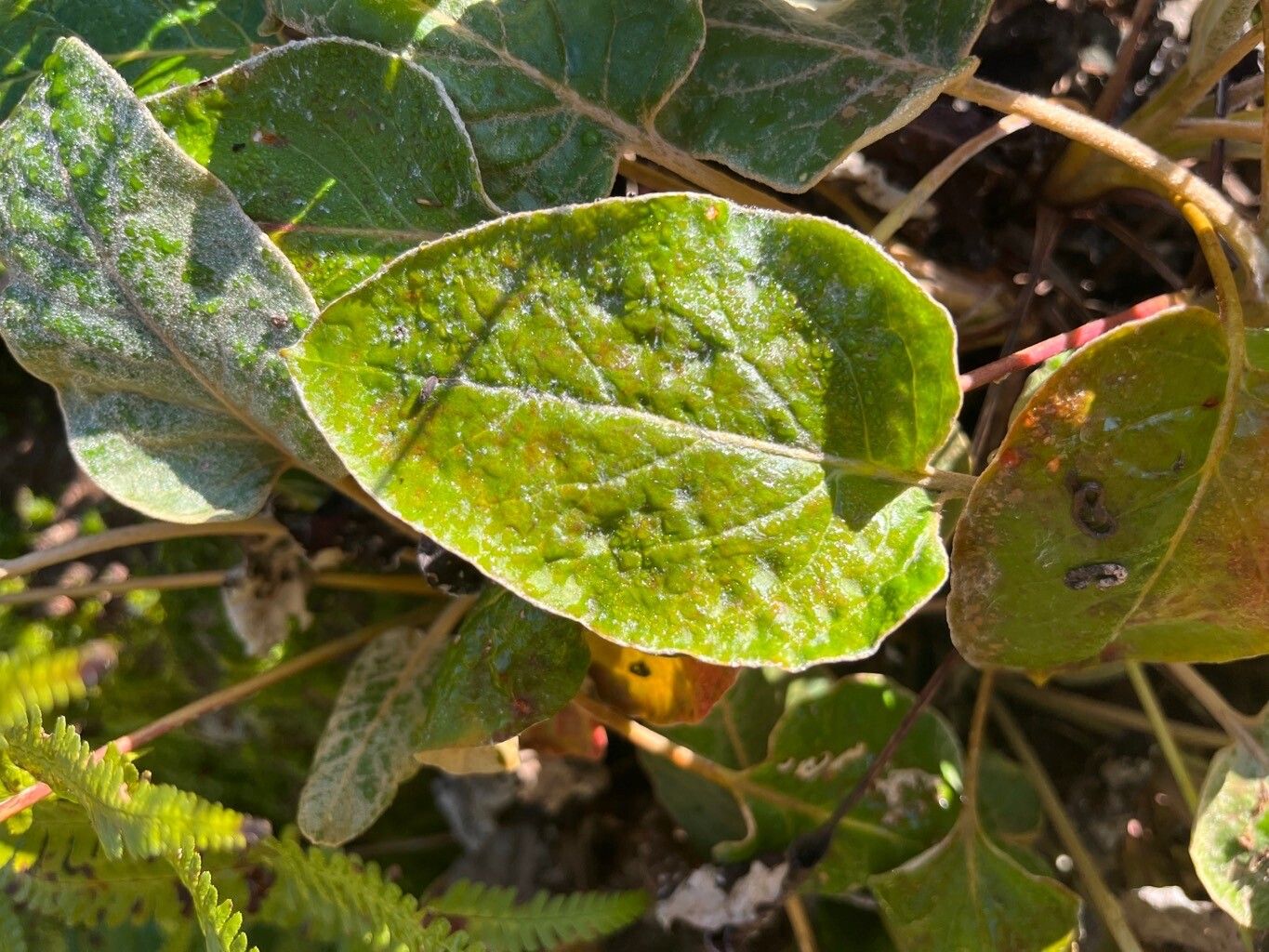
Typically, the plant reaches a height and width of 1 to 2 feet. It features small, narrow, and elongated green leaves with hairy undersides. The flowers, which are small and white or pinkish, form clusters at the ends of long stems.
Wright's buckwheat is crucial for wildlife, providing sustenance for various pollinators such as bees, butterflies, moths, and hummingbirds. Additionally, its seeds are a food source for birds such as quails.
Traditionally, Native Americans have utilized Eriogonum wrightii for medicinal purposes, including the treatment of stomach ailments.
Overall, Eriogonum wrightii is an attractive ornamental species ideal for gardens and landscaping projects. Its drought tolerance makes it especially suitable for arid regions where water conservation is essential.
Bastardsage has strong resistance to disease and is generally not prone to illnesses. Still, it can be affected by pests and diseases present in its environment. These problems are typically mild. Regarding care, the plant needs a moderate amount of upkeep. It should be pruned regularly to keep a tidy appearance and support healthy growth. Applying fertilizer can also help encourage flowering. Bastardsage is appropriate for anyone with an outdoor area, like a garden or patio, and does not require extensive care experience. It may demand more attention if cultivated indoors.
How to keep Eriogonum Wrightii.
Light
Bastardsage is a sun-loving herbaceous perennial native to open habitats, frequently thriving in meadows and grasslands. It favors full sun but can also tolerate partial sun.
Water
Bastardsage originates from arid regions and is well-suited to dry conditions. It is drought-tolerant and only needs watering once a week. To thrive, it requires well-drained soil to prevent overwatering. Typically grown outdoors, bastardsage efficiently stores water, allowing it to endure sporadic rainfall and extended periods of drought.
Temperature
Bastardsage originates from temperate regions and performs best at temperatures between 41 and 95 °F (5 to 35 ℃). During colder or hotter seasons, it is advisable to acclimate it gradually to its preferred temperature range for optimal growth.
Fertilizer
One fertilizer application in spring is typically enough for Bastardsage, though several feedings can maximize growth. Feed every month to six weeks. Fertilization improves the leaves’ appearance and function, helping maintain even color and a healthy texture. It also promotes root development and nutrient uptake for sustained plant health.
Pruning
To promote healthy growth, prune bastardsage from early to late spring. Start by removing any dead stems and lightly trimming elongated branches. This process encourages new growth, maintains the plant's shape, prevents disease, and improves air circulation and vitality. Regular pruning during this period also helps the plant avoid stress during its peak flowering times.
Botanical profile.
- Plant Type
- Herb, Shrub
- Life Cycle
- Perennial
- Genus
- Eriogonum
- Family
- Polygonaceae
- Hardiness Zone
- 4-9
- Mature Height
- 10 cm
- Mature Spread
- 91 cm
- Leaf Color
- Gray, Dark Gray
- Leaf Type
- Semi-evergreen
- Flower Color
- White, Pink
- Flower Size
- 0.13 cm to 0.51 cm
- Bloom Time
- Mid summer, Late summer, Early fall
- Planting Time
- Spring, Summer
- Harvest Time
- Fall
- Native Area
- Mexico
Other names.
Reader questions.
How should I water my Bastardsage plant?
When caring for the Bastardsage plant, it is important to use filtered water at room temperature or slightly warmer. Tap water may contain harmful particles for this plant's health. The plant prefers warm temperatures, so cold water should be avoided as it can shock the plant. It is best to water the plant by pouring filtered water directly onto the soil, instead of overhead watering, which can cause foliage problems. Soaking the soil thoroughly is beneficial as it helps moisten the roots and allows them to spread and gather the necessary nutrients.
What are the sunlight requirements for Bastardsage?
Bastardsage requires full sun, which means it needs more than 6 hours of sunlight daily. However, it can also tolerate partial sun conditions, receiving about 3-6 hours of sunlight. It's essential to observe the movement of sunlight through your garden to find spots that provide a balance of light and shade, ensuring your plants thrive well.
What is Bastardsage and where is it native to?
Bastardsage, botanically known as Eriogonum wrightii, is a plant native to temperate regions. It thrives best in temperatures ranging between 41 to 95 °F (5 to 35 °C), enjoying conditions typically found in these climates. This adaptability makes it suitable for a variety of temperate environments.
What should I do if I give my Bastardsage plant too much or too little water?
Overwatering and underwatering can harm your Bastardsage, but overwatering is more common. When the plant gets too much water, its stems and leaves may wilt and turn yellow. Overwatering for a long time can also cause root rot, mold, and mildew, which can be fatal for the plant. Underwatering is less likely, as the Bastardsage can tolerate drought well. However, it is still possible and can be identified by brittle, brown leaves. It is important to notice the signs of overwatering early when caring for your Bastardsage. Some diseases, like root rot, cannot be fixed if you wait too long. If you see early signs of overwatering, reduce watering immediately. Check the soil quality; if it drains poorly, replace it with well-draining potting mix. On the other hand, if the plant lacks water, increase watering until the signs disappear.
What are some essential facts about Bastardsage?
Bastardsage is a sun-loving perennial herbaceous plant that naturally grows in open habitats, such as meadows and grasslands. While it prefers full sun, partial sun is also acceptable for its growth. For indoor plants that can't get enough natural light, especially during winter or in less sunny spaces, artificial lighting is crucial for optimal growth. LED lights, positioned 12-36 inches above the plant and kept on for 8-12 hours per day, can provide the necessary light intensity and duration.
How does Bastardsage handle cold temperatures?
Bastardsage exhibits strong cold resistance, meaning special frost protection measures are not typically necessary. However, in extremely cold conditions where winter temperatures are expected to drop below -30°C, it's important to take measures to protect the plant. This can include covering the plant with soil or straw to insulate it. Also, watering the plant abundantly before the first freeze in autumn helps ensure the soil stays moist and prevents drought and water scarcity during the colder months.
How frequently do I need to water my Bastardsage?
If your Bastardsage plant is in a pot, the most precise way to determine if it needs water is by checking the soil with your finger. If the top two to three inches of soil are dry, it's time to water it. If you have your Bastardsage outdoors in the ground, you can use a similar method to test the soil. Water it when the top few inches of soil have dried out. In the spring and early fall, watering once a week is usually sufficient. However, during very hot weather, you may need to water it twice a week or more. It's important to note that mature and well-established Bastardsage plants can withstand drought to some extent.
What symptoms indicate inadequate lighting for Bastardsage?
When Bastardsage receives insufficient light, several symptoms may appear, including smaller new leaves, leggy or sparse growth, faster leaf drop, slower or no new growth, and lighter-colored new leaves. Chlorosis, which turns leaves yellow, and sunscald, which damages leaves and stems with intense light, are also symptoms. Furthermore, leaf curling, wilting, and leaf scorching are defense mechanisms and signs of stress due to poor lighting conditions.
What should be done if Bastardsage experiences very low temperatures?
In cases of very low temperatures, specifically falling below -25°C and especially below -30°C, Bastardsage is generally cold-tolerant but may experience reduced sprouting or fail to sprout in spring. If this occurs, it's advisable to remove any parts of the plant that have failed to sprout as part of the plant's spring care routine.
How much water does my plant, Bastardsage, need?
When watering your Bastardsage, it's important not to hold back on the amount of water you give. Make sure the top few inches of soil are dry before giving it a good, thorough watering. The goal is to completely saturate the soil, so add enough water that it flows through the drainage holes at the bottom of the pot. If you don't see excess water draining out, you may have not given enough water. However, be careful not to let water accumulate in the soil, as that can be harmful to the plant. On the other hand, if water doesn't drain well from the pot, it could mean that the soil isn't draining properly, which is not good for the plant's health. If the plant is outside, around 1 inch of rain per week should be enough.
How can I address lighting issues for Bastardsage indoors and outdoors?
For indoor Bastardsage plants struggling with light, gradually moving them to receive at least 6 hours of direct sunlight or using artificial lighting like desk lamps or grow lights for a minimum of 8 hours a day can help. For outdoor plants, moving them gradually to sunny spots while avoiding sudden changes in light intensity is crucial to prevent sunburn. It's also beneficial to prune obstructions like tree branches that block sunlight or to transplant smaller plants to sunnier locations during their dormant periods for better growth and health.
How should Bastardsage be cared for in high temperatures?
During the summer, keeping Bastardsage in temperatures below 35°C is optimal. If the temperature rises above 38°C, the plant may show signs of distress such as lighter colored leaves, curling, susceptibility to sunburn, and in extreme cases, wilting and drying out. To mitigate these effects, trim away sunburned and dried parts of the plant. Also, consider relocating the plant to an area with shade during the midday and afternoon sun or use a shade cloth. Regular watering in the morning and evening will help keep the soil moist and assist the plant in coping with the heat.