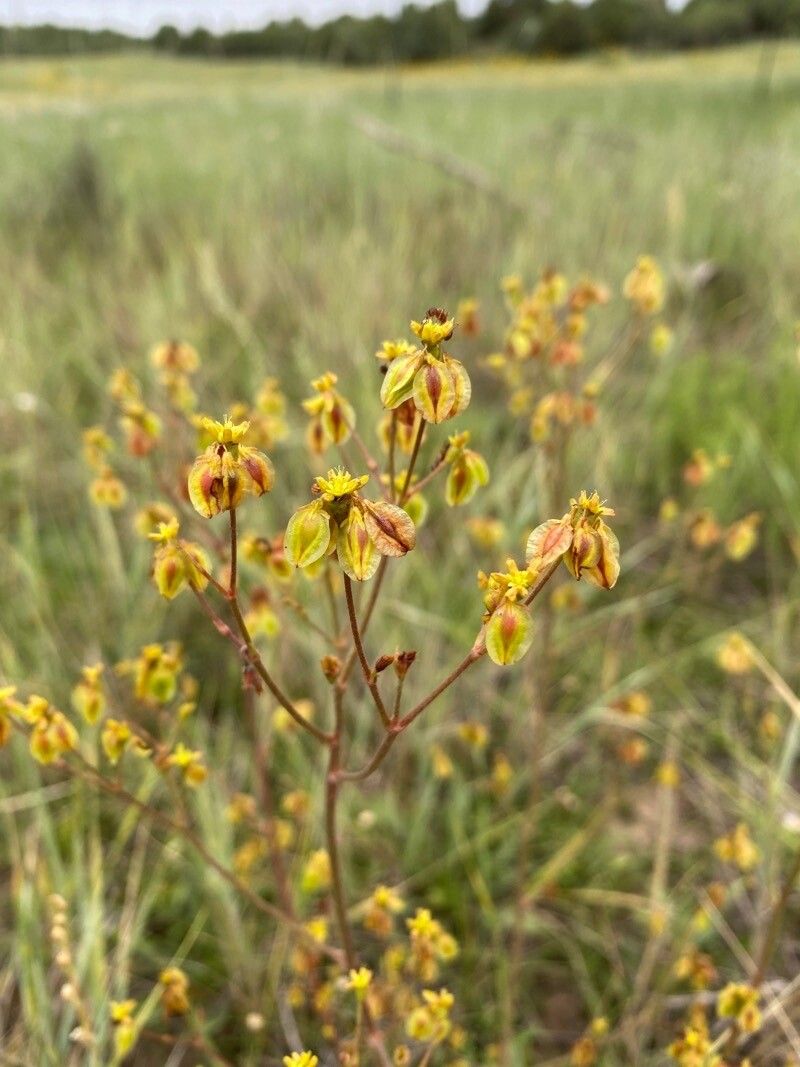
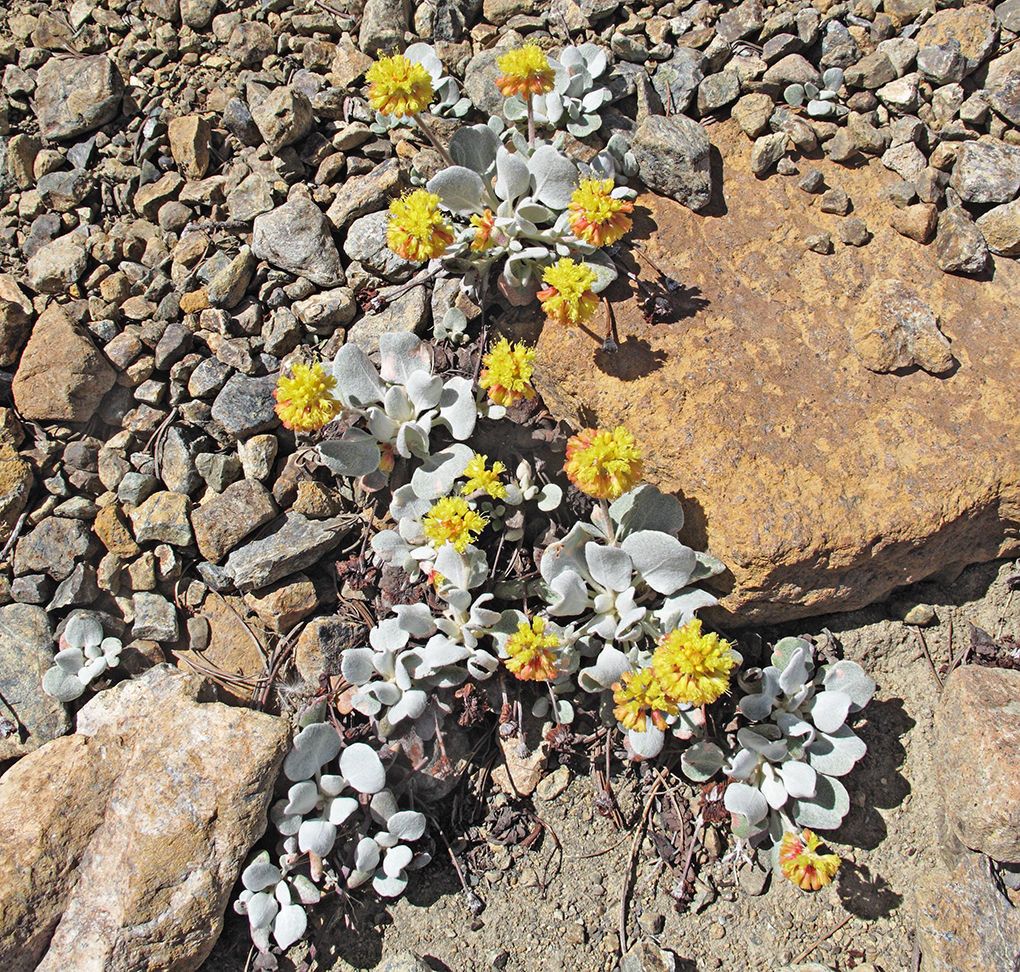
Eriogonum thomasii is a species of wild buckwheat known by the common name Thurber's buckwheat. It is native to the desert southwest of North America in Arizona, California, New Mexico and three desert states of Mexico, where it is common to abundant in many areas.
Thurber's buckwheat is fairly resistant to disease and is generally not affected by illnesses. Nonetheless, it can be vulnerable to pests and diseases present in its surroundings. Such infections are generally not serious. Regarding care, the plant needs moderate maintenance. Regular pruning is required to preserve a good appearance and encourage healthy growth. Applying fertilizer can also help stimulate flowering. Thurber's buckwheat is suitable for people with outdoor spaces, such as a garden or patio, and does not demand extensive care experience. It may need more attention when grown indoors.
How to keep Eriogonum Thurberi.
Fertilizer
Typically, one fertilizer application in the spring is enough for Thurber's buckwheat, but to optimize its growth, multiple feedings can be done. Dispense fertilizer every month to six weeks. This practice not only improves the look and performance of the leaves, ensuring a steady color and a robust texture but also fosters root development and nutrient uptake, contributing to the overall wellbeing of the plant in the long run.
Pruning
Thurber's buckwheat showcases dense clusters of tiny white to pink flowers and benefits from pruning in early spring. To encourage new growth and maintain an open structure that allows for good air circulation, it's essential to remove any dead stems. Additionally, regularly deadheading the spent blooms will extend the flowering period and improve the plant's overall health and visual appeal.
Botanical profile.
- Plant Type
- Herb
- Life Cycle
- Perennial
- Genus
- Eriogonum
- Family
- Polygonaceae
- Native Area
- Mexico