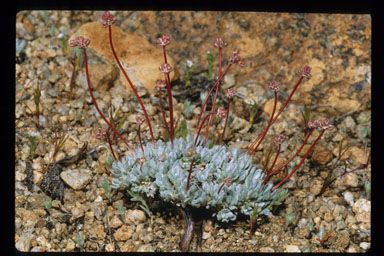
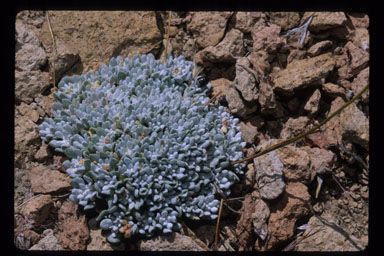
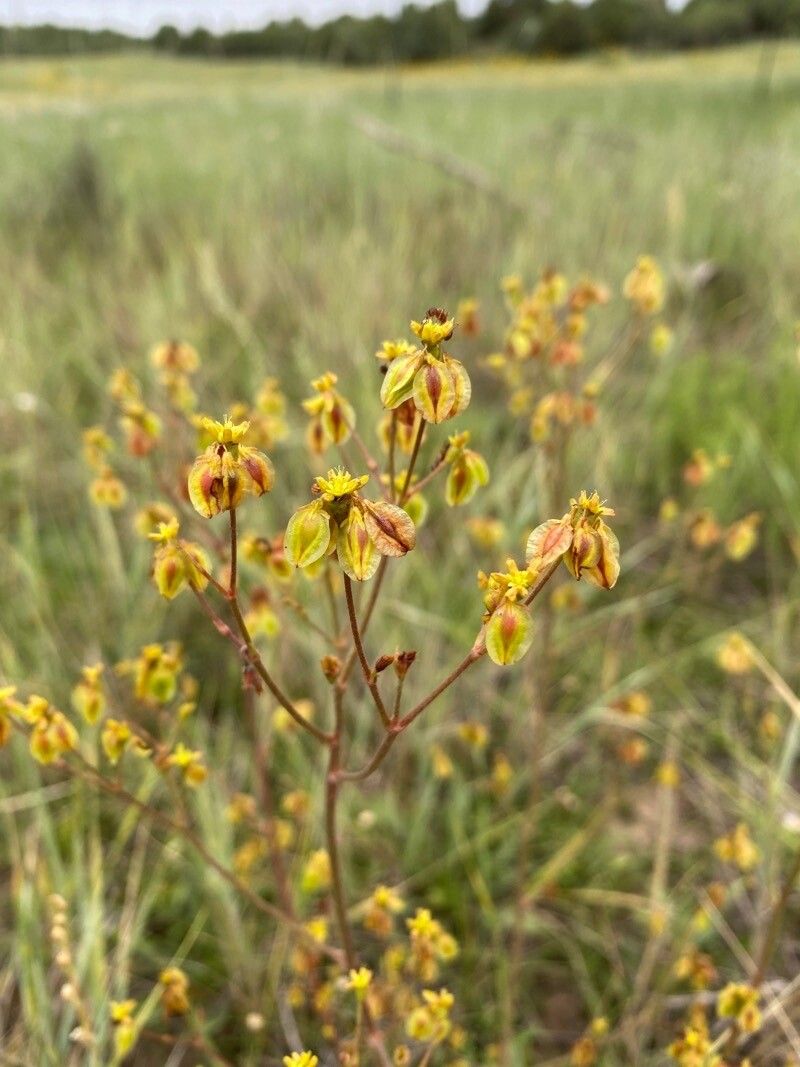
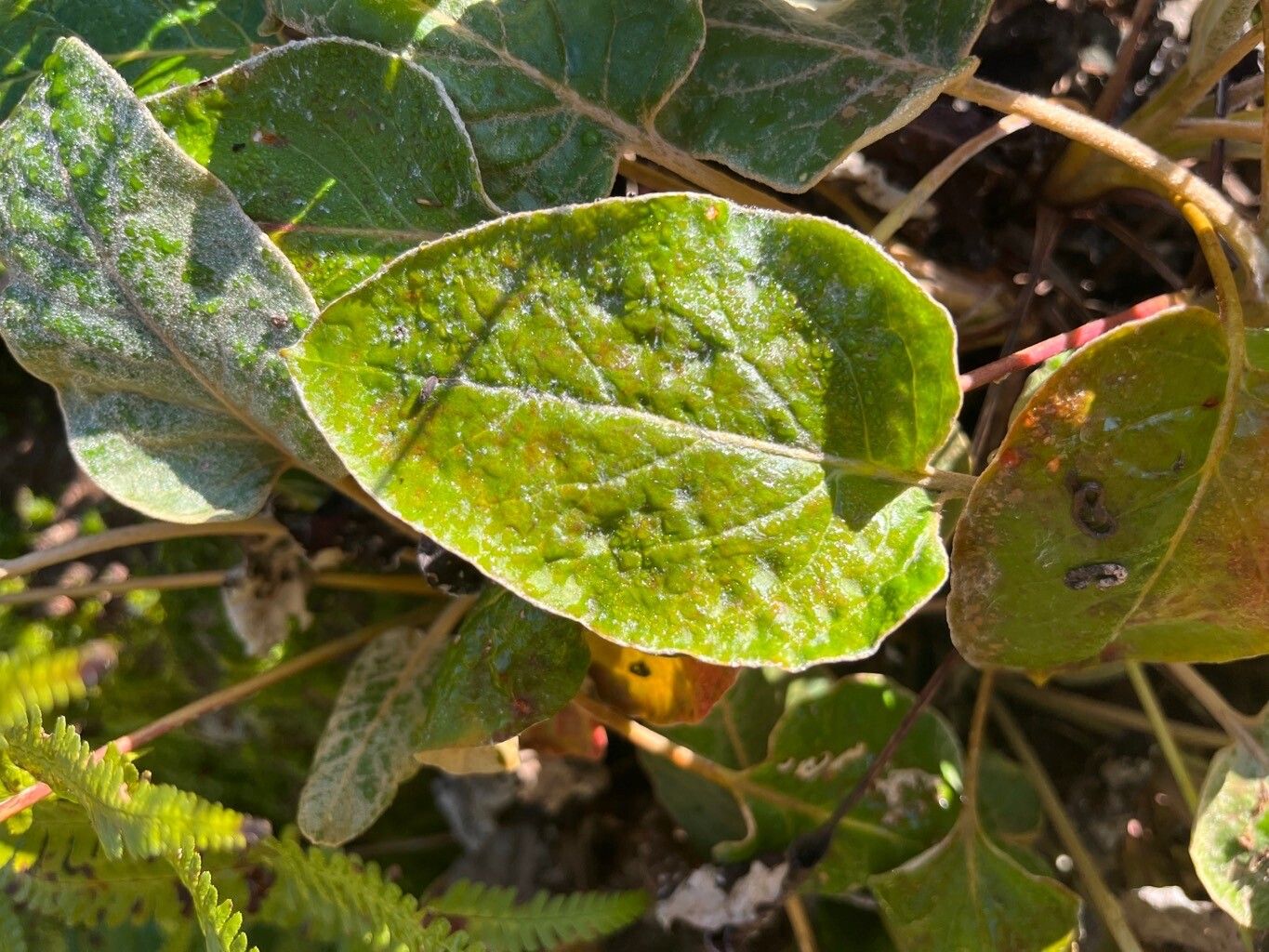
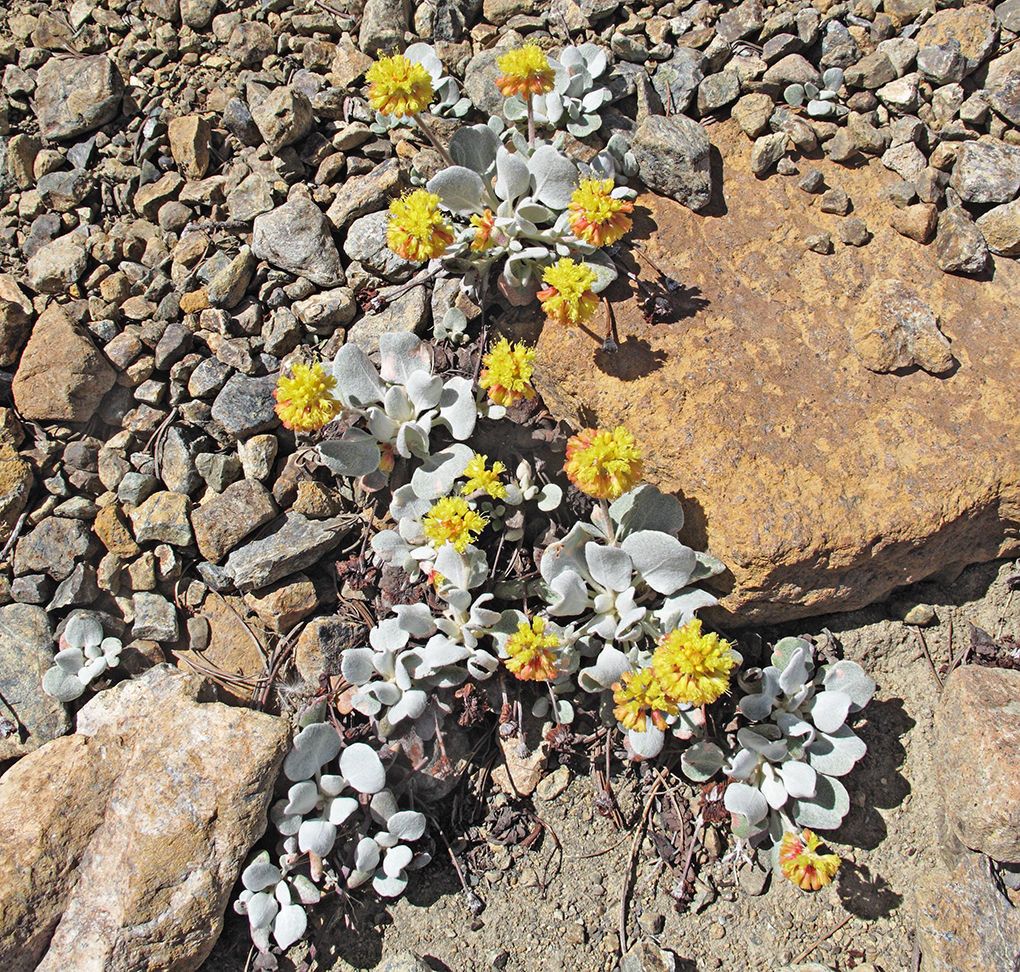
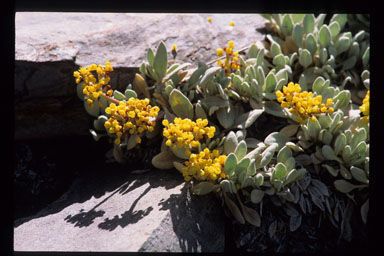
Eriogonum kennedyi is a species of wild buckwheat known by the common name Kennedy's buckwheat.
Kennedy's buckwheat is fairly disease-resistant and typically not easily affected by illnesses. Still, it can be vulnerable to pests and pathogens present in its surroundings. Such infections are usually not severe. In terms of care, the plant requires a moderate level of maintenance. Regular pruning is needed to keep a tidy appearance and support healthy growth. Fertilizing can also help encourage flowering. Kennedy's buckwheat is suitable for anyone with outdoor space, such as a garden or patio, and does not demand extensive gardening experience. It may require more attention when grown indoors.
How to keep Eriogonum Kennedyi.
Light
The perennial herbaceous plant, Kennedy's buckwheat, favors sunny environments and is native to open habitats, frequently flourishing in meadows and grasslands. While it primarily prefers full sunlight, it has the ability to withstand conditions of partial sun.
Fertilizer
Typically, Kennedy's buckwheat requires only one application of fertilizer in the spring, though its growth can be optimized with multiple feedings. Plan on feeding it once every one to one and a half months. Fertilization boosts the aesthetic and functional qualities of the plant's leaves, supporting even color and robust texture. Furthermore, it encourages root development and nutrient intake, contributing to the plant's sustained wellbeing.
Botanical profile.
- Plant Type
- Herb, Shrub
- Life Cycle
- Perennial
- Genus
- Eriogonum
- Family
- Polygonaceae
- Hardiness Zone
- 5-9
- Mature Height
- 5 cm to 15 cm
- Mature Spread
- 10 cm to 30 cm
- Leaf Color
- Gray, Silver
- Leaf Type
- Evergreen
- Flower Color
- White, Pink
- Flower Size
- 0.25 cm to 0.51 cm
- Bloom Time
- Summer
- Planting Time
- Spring, Summer, Autumn
- Harvest Time
- Late summer, Early fall, Mid fall
Other names.