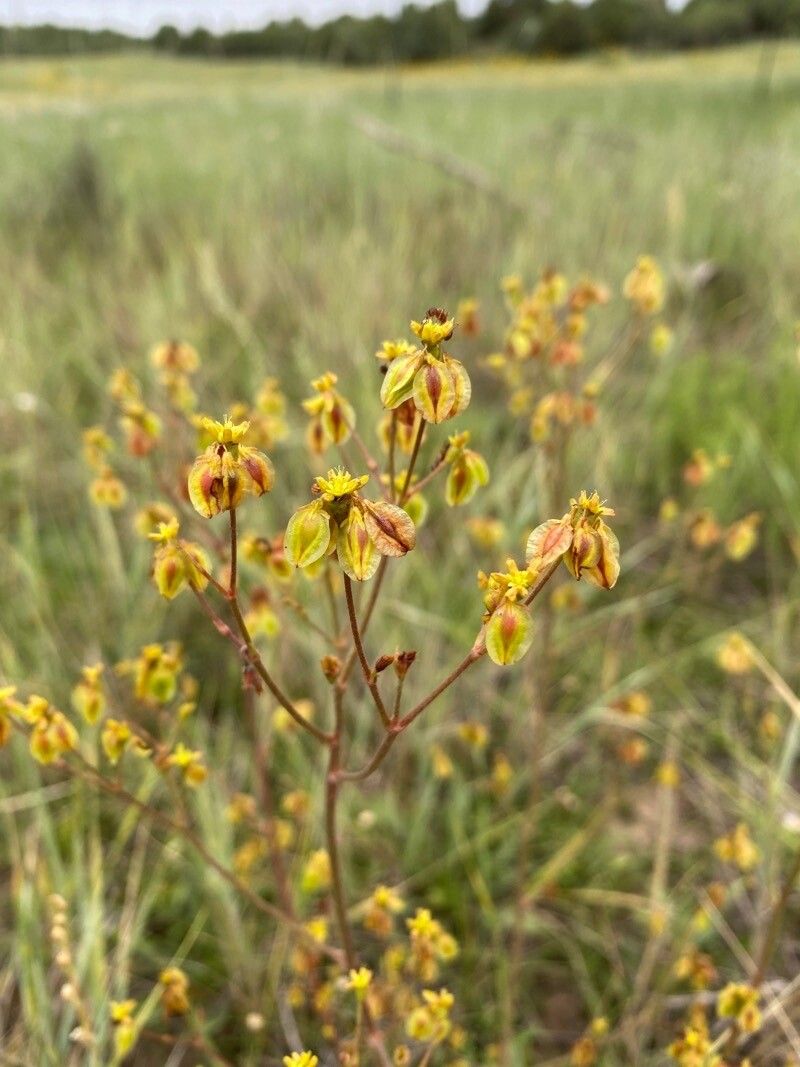
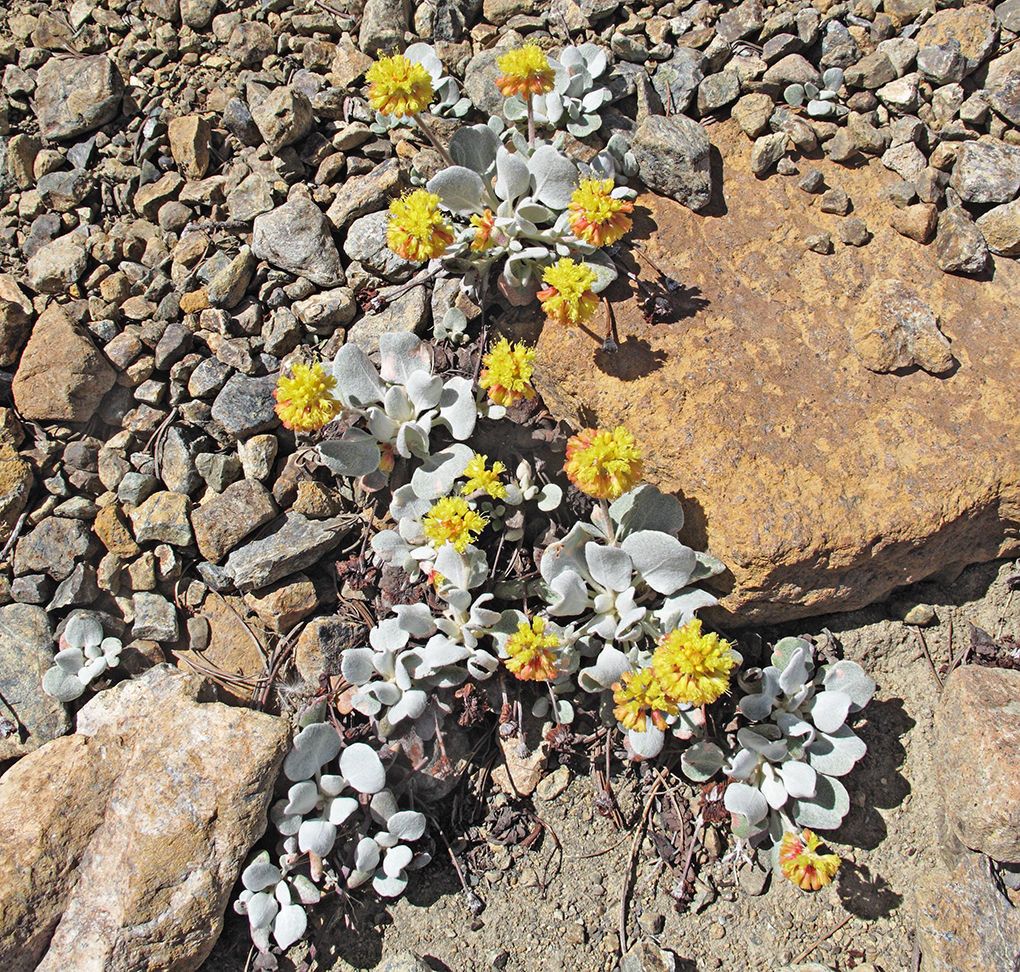
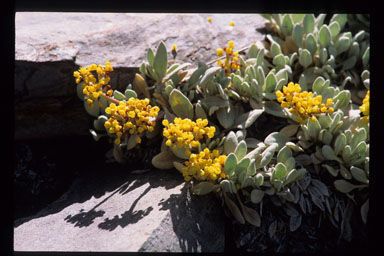
Eriogonum elatum, commonly known as tall wild buckwheat, is a perennial plant species in the family Polygonaceae. Native to western North America, it thrives in various habitats such as meadows, sagebrush flats, and rocky slopes. Typically, the plant grows up to 3 feet tall with a spread of 2-3 feet.
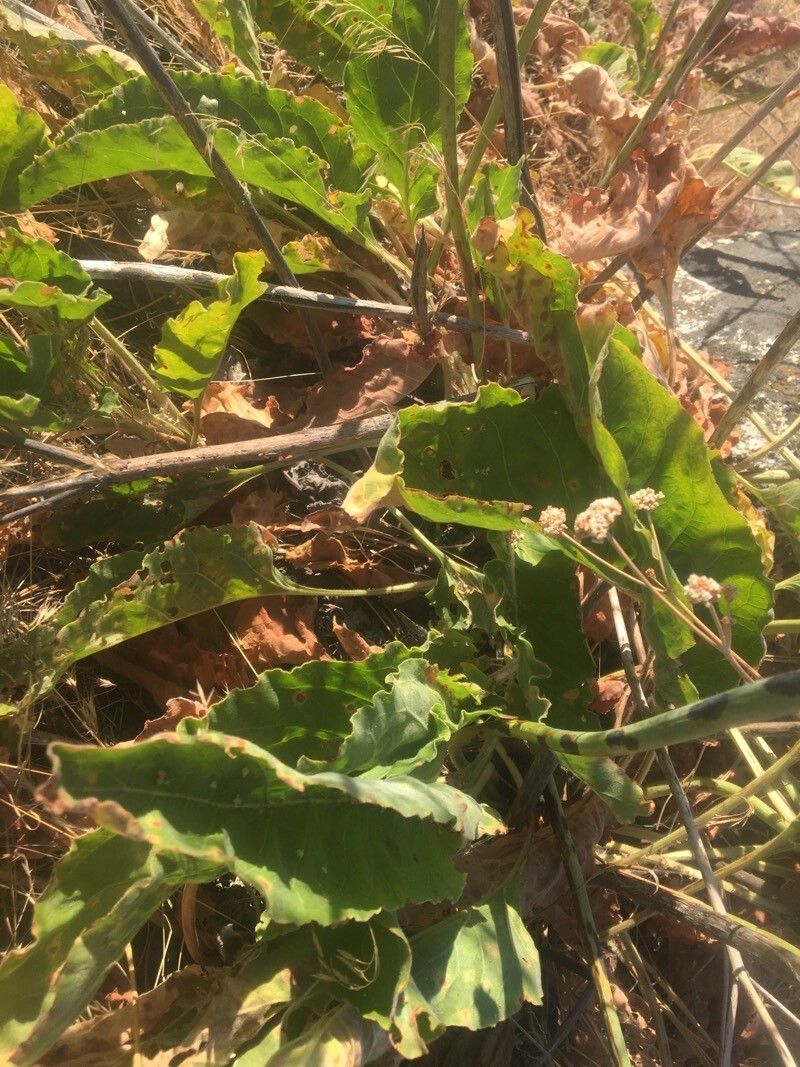
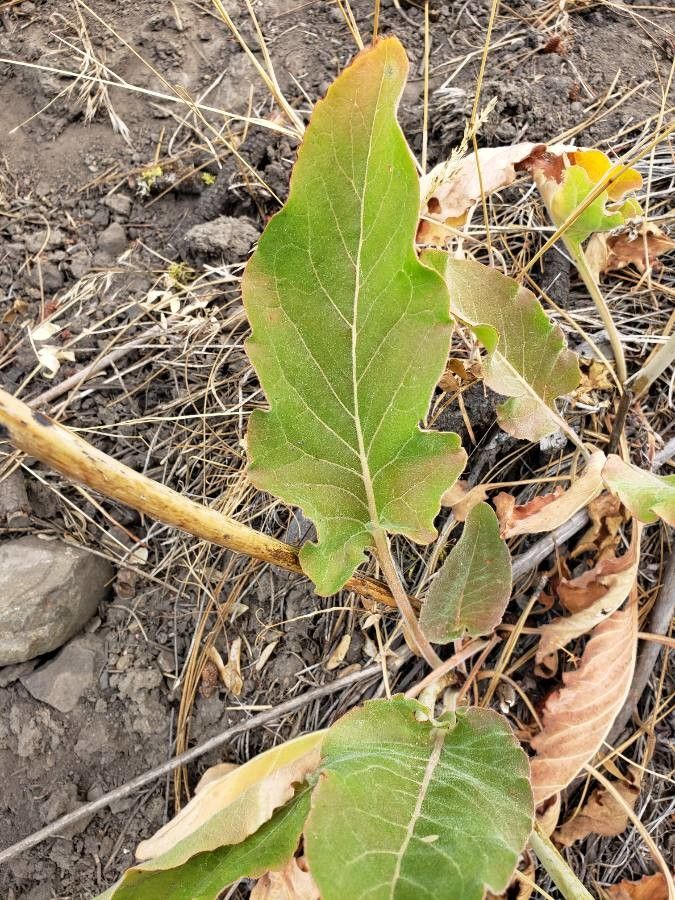
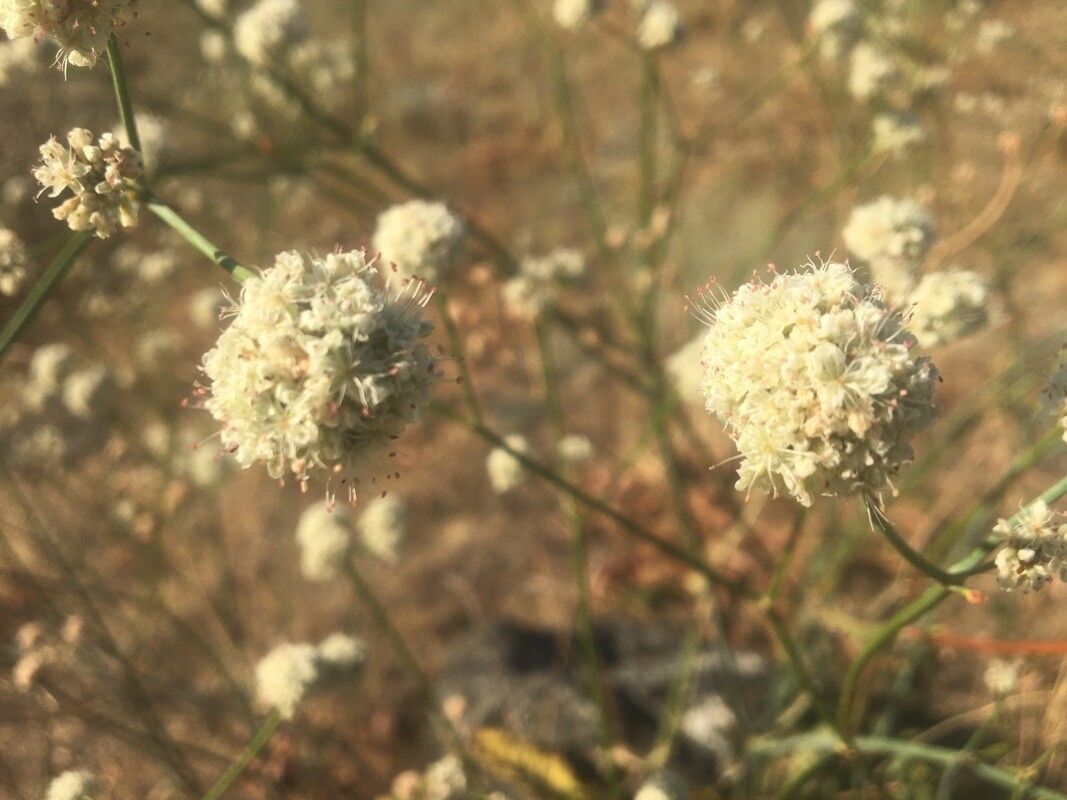
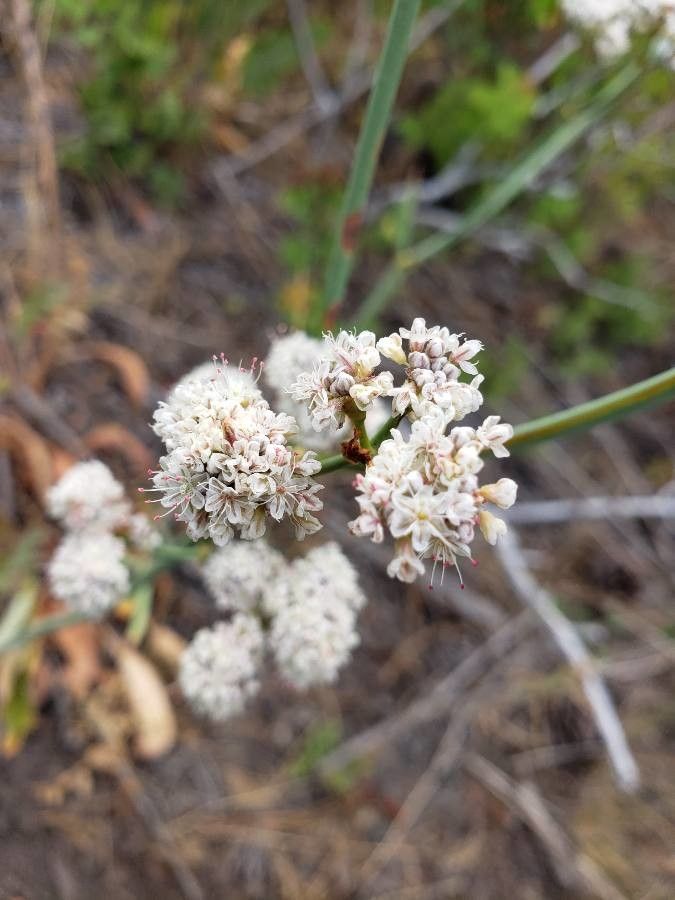
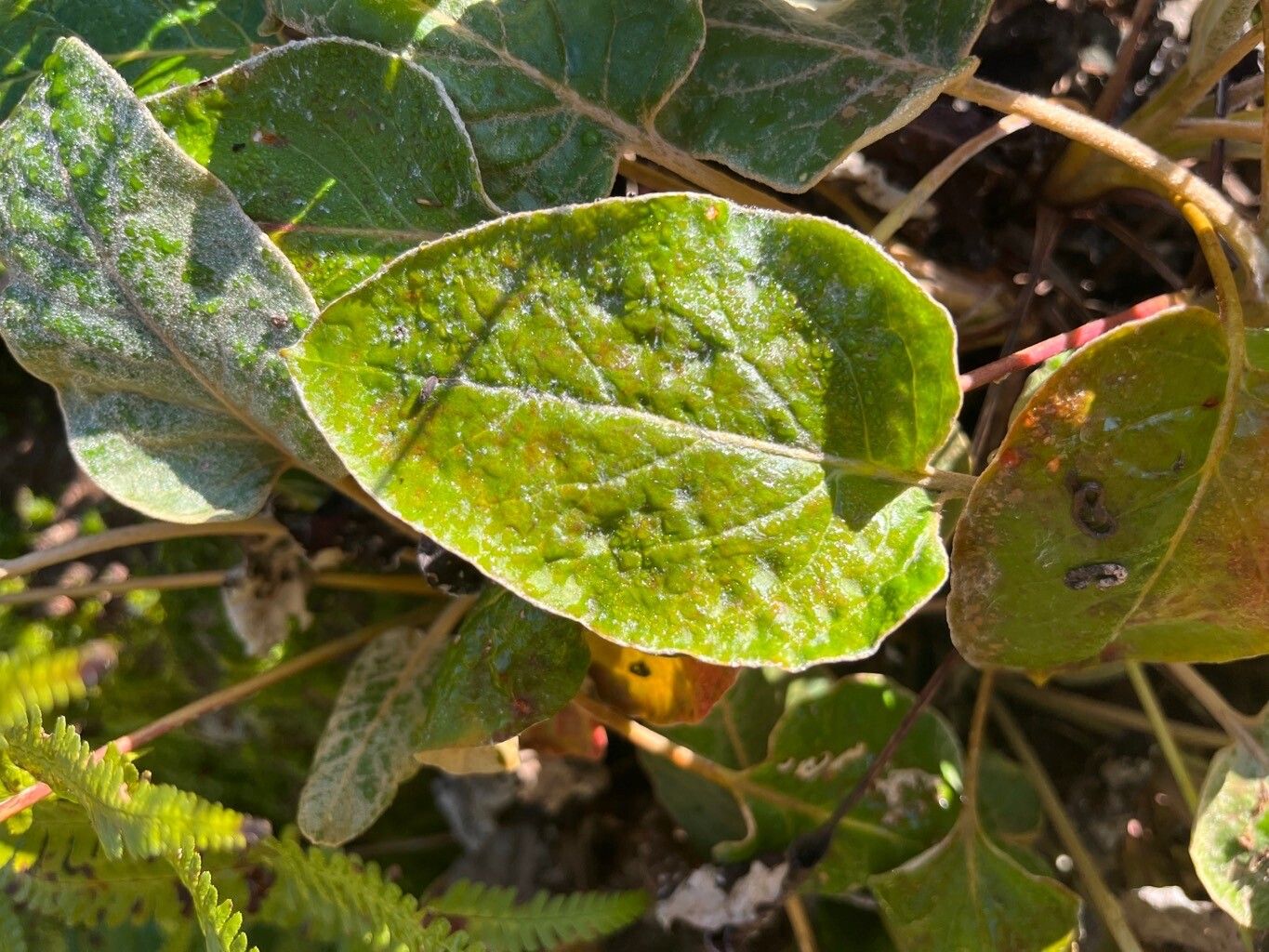
The leaves of Eriogonum elatum are basal, long, narrow, and gray-green. Its small flowers are white or pinkish and form clusters at the ends of long stems, blooming from June through September.
Eriogonum elatum serves as an important food source for various wildlife species, including deer, elk, bighorn sheep, rabbits, rodents, and birds. It also possesses medicinal properties; Native Americans traditionally used it to treat stomach ailments.
The plant requires full sun exposure but can tolerate some shade in hotter climates. It prefers well-drained soils but can also grow in rocky or sandy soils with low fertility levels.
Overall, Eriogonum elatum is an attractive ornamental plant that provides food for wildlife and holds medicinal significance. It plays an important role in western North American ecosystems, both ecologically and culturally, through its traditional use by Native Americans.
Tall woolly buckwheat shows strong disease resistance and is usually not very prone to illnesses. Nonetheless, it can be affected by pests and diseases present in its environment. These infections tend to be mild. For care, this plant requires moderate maintenance. Regular pruning is needed to keep a good appearance and support healthy growth. Applying fertilizer can also help encourage flowering. Tall woolly buckwheat is appropriate for anyone with outdoor space, such as a garden or patio, and does not demand extensive care experience. It may need more attention if grown indoors.
How to keep Eriogonum Elatum.
Light
Tall woolly buckwheat is a sun-loving perennial herbaceous plant native to open habitats, commonly found in meadows and grasslands. It prefers full sun but can also tolerate partial sun.
Temperature
Tall woolly buckwheat can tolerate a wide range of temperatures, but its distribution can still be constrained by various combinations of moisture and heat. It grows best in warm summer climates with sufficient rainfall or irrigation. Extended periods of cloudy, rainy weather or prolonged high temperatures increase the chance that Tall woolly buckwheat will die. In winter, adequate protection from cold can boost the plant's survival.
Fertilizer
One application of fertilizer in spring is typically enough for Tall woolly buckwheat, although multiple feedings can maximize growth. Feed every month to month and a half. Fertilization improves the appearance and function of the leaves, supporting uniform color and a healthy texture. It also promotes root growth and nutrient uptake, benefiting the plant's long-term health.
Pruning
Tall woolly buckwheat is characterized by its distinctive tall, woolly stems and clusters of small flowers. To improve its shape and increase air circulation, it is best to prune this plant in early spring. During this time, remove any dead branches. This practice encourages blooming and helps maintain the plant's size, all while respecting its natural growth cycle. Be careful not to over-prune, as this can affect the plant's health.
Botanical profile.
- Plant Type
- Herb
- Life Cycle
- Perennial
- Genus
- Eriogonum
- Family
- Polygonaceae
- Hardiness Zone
- 4-8
- Mature Height
- 0.4 m to 1.07 m
- Mature Spread
- 30 cm to 61 cm
- Leaf Color
- Green, Gray
- Leaf Type
- Deciduous
- Flower Color
- White, Pink
- Flower Size
- 0.25 cm to 0.51 cm
- Bloom Time
- Summer
- Planting Time
- Spring, Summer, Autumn
- Harvest Time
- Late summer, Early fall, Mid fall
Other names.