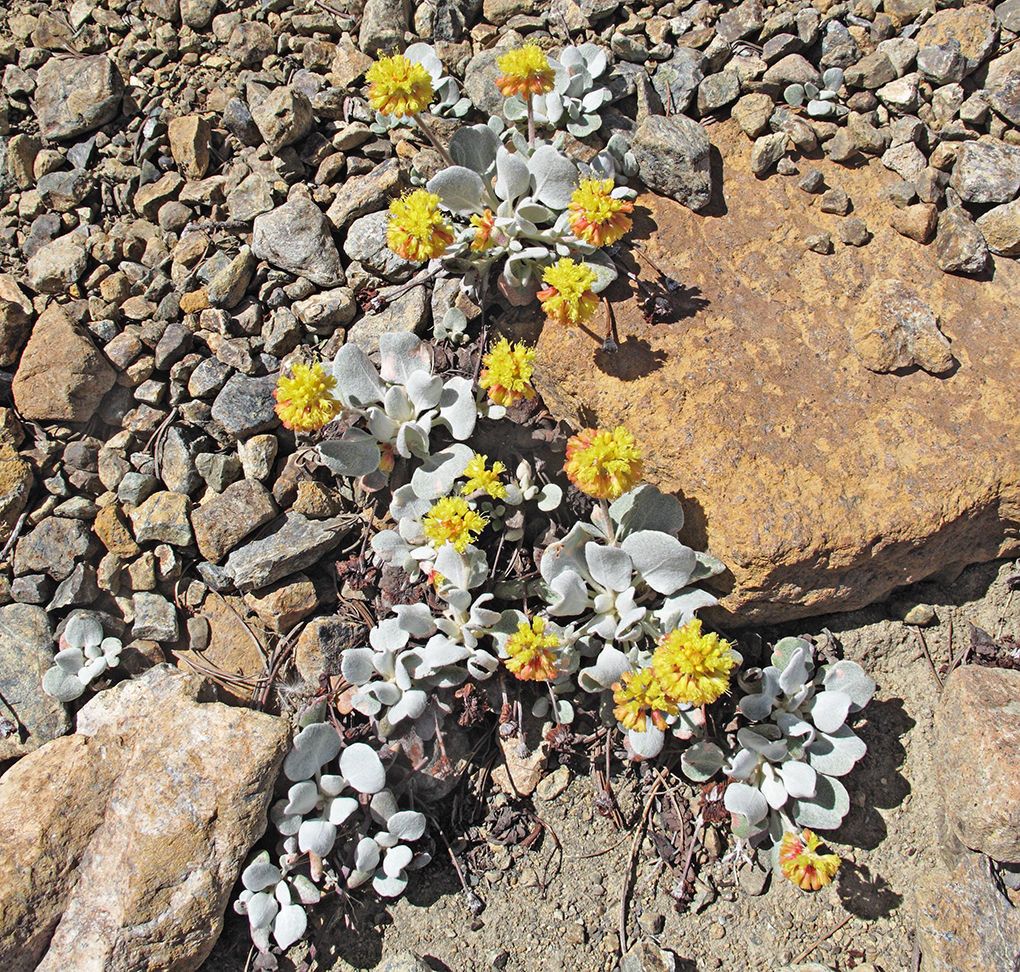
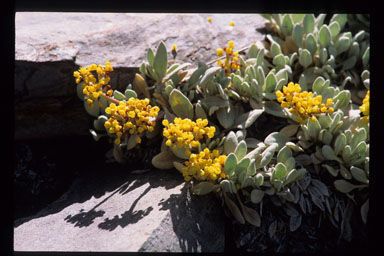
Eriogonum corymbosum, commonly known as paleleaf buckwheat, is a perennial plant in the Polygonaceae family. Native to western North America, it thrives in diverse habitats, including sagebrush steppe, pinyon-juniper woodlands, and montane meadows.
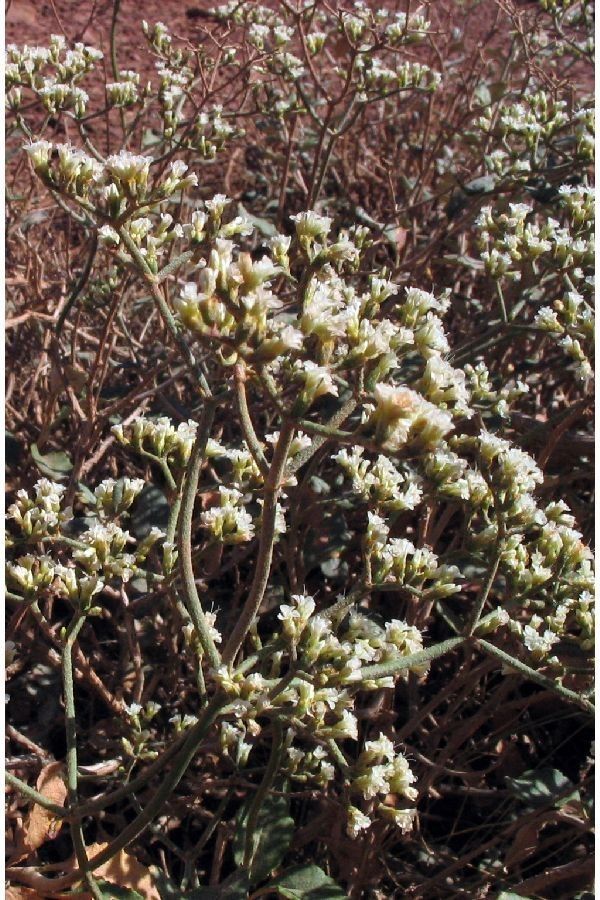
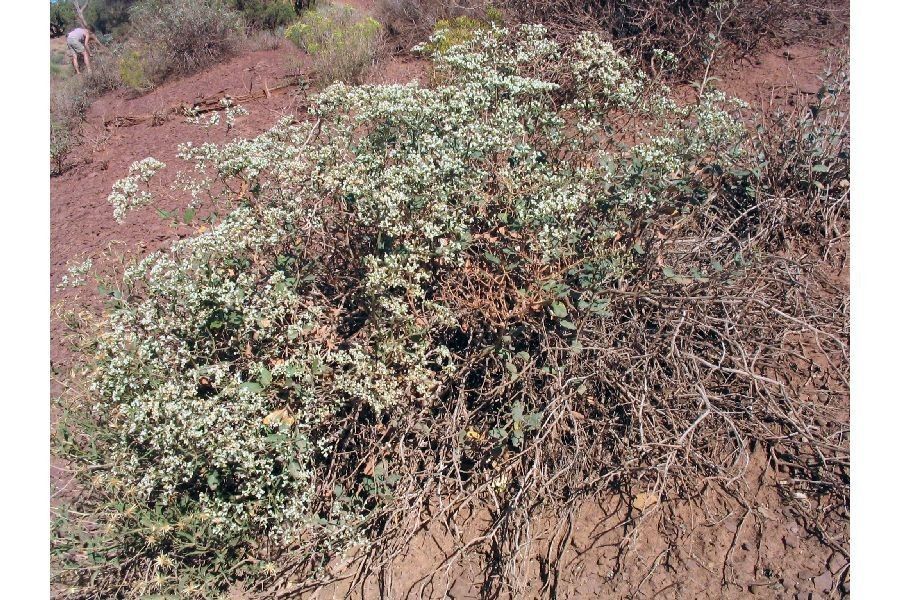
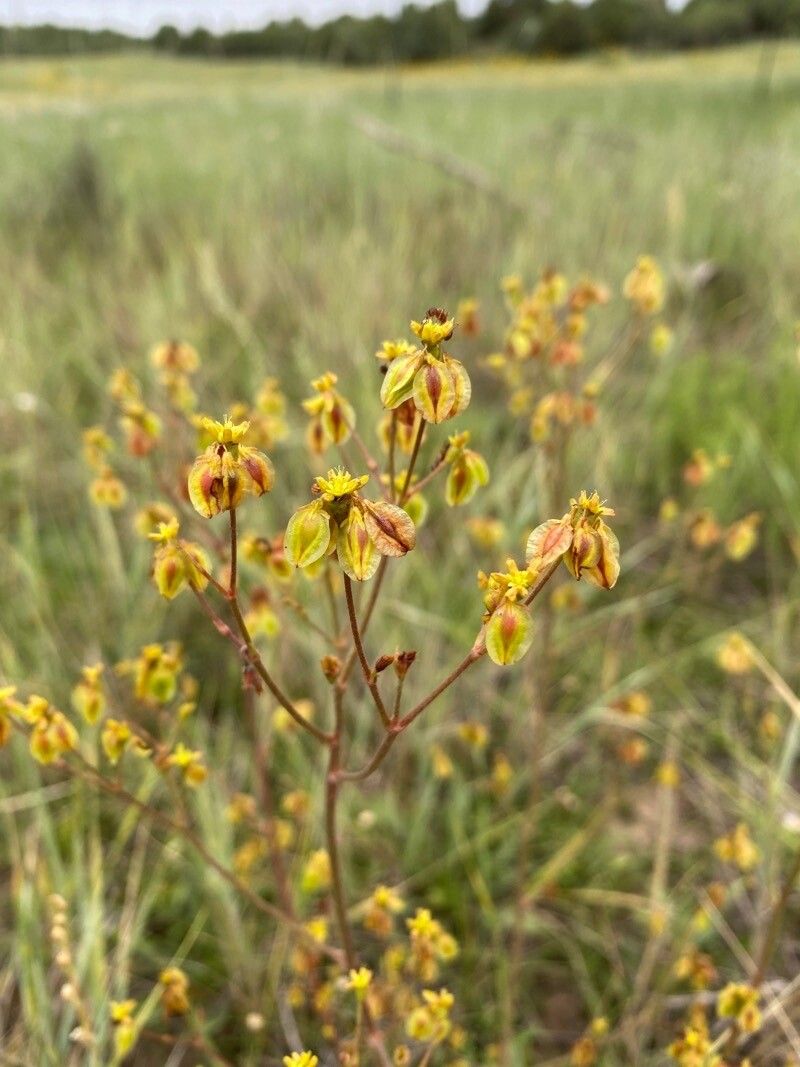
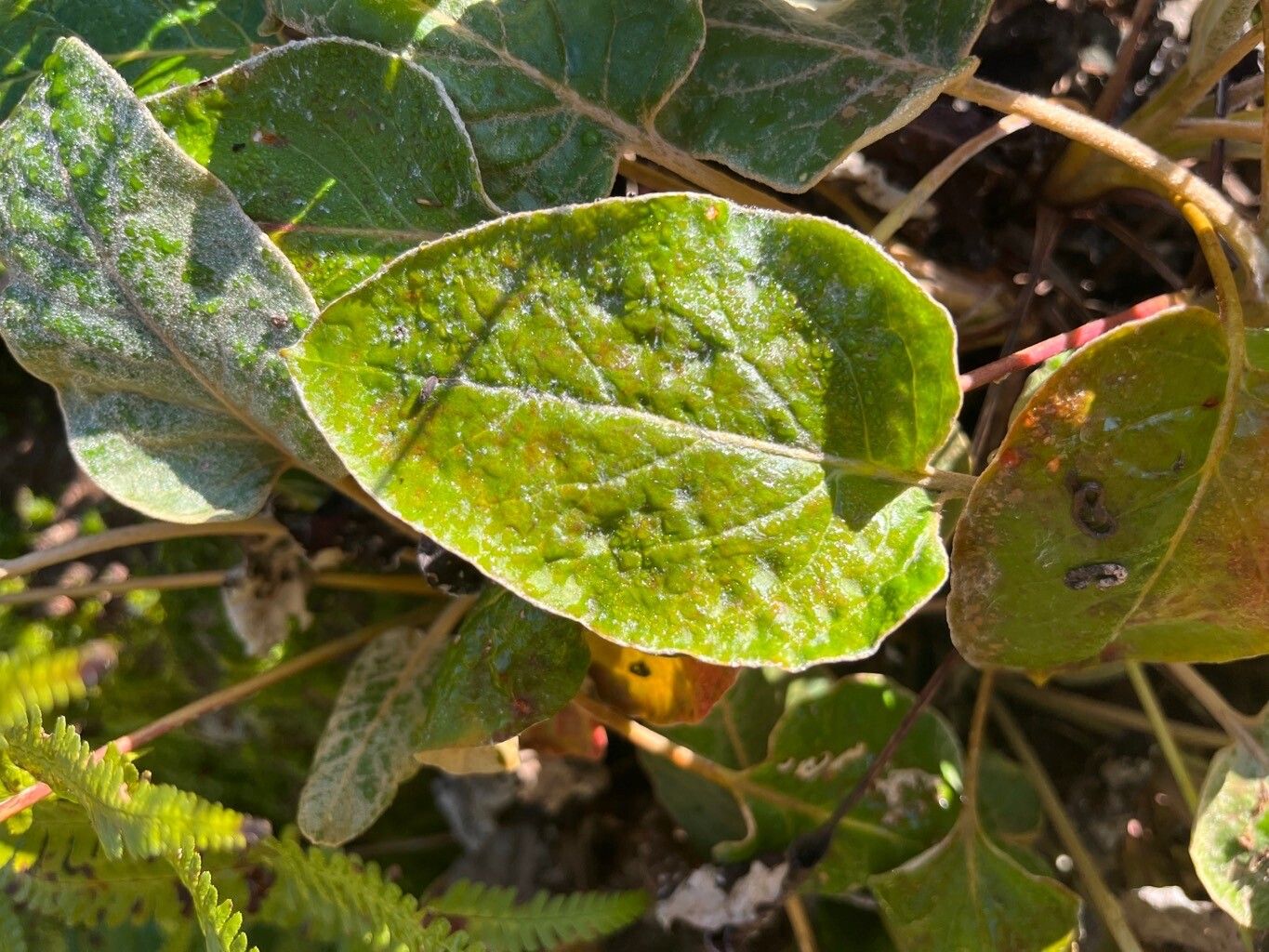
This plant typically grows to a height of 1-2 feet and features a rounded shape with numerous branches. Its leaves are pale green or grayish-green, displaying a woolly texture on both sides. The flowers are small, white or pinkish-white, and form dense clusters at the end of each branch.
Eriogonum corymbosum is a crucial food source for a variety of wildlife, including deer, elk, bighorn sheep, rabbits, and rodents. Additionally, it has medicinal properties that have been utilized by Native American tribes to treat ailments such as fever.
For optimal growth, paleleaf buckwheat requires well-drained soil and full sun exposure. It can be propagated through seeds or cuttings and requires minimal maintenance once established.
Overall, Eriogonum corymbosum is an attractive ornamental plant that offers ecological benefits and medicinal properties, making it a significant component of western North American flora biodiversity conservation efforts.
How to keep Eriogonum Corymbosum.
Pruning
Crispleaf buckwheat is a drought-tolerant shrub that benefits from regular pruning to maintain its shape and ensure its health. The key to effective pruning is removing dead stems and thinning the branches, ideally in early spring before new growth begins. Pruning encourages healthier growth and more abundant blooms. To prevent disease, always use clean, sharp tools when pruning.
Botanical profile.
- Life Cycle
- Perennial
- Genus
- Eriogonum
- Family
- Polygonaceae
Other names.