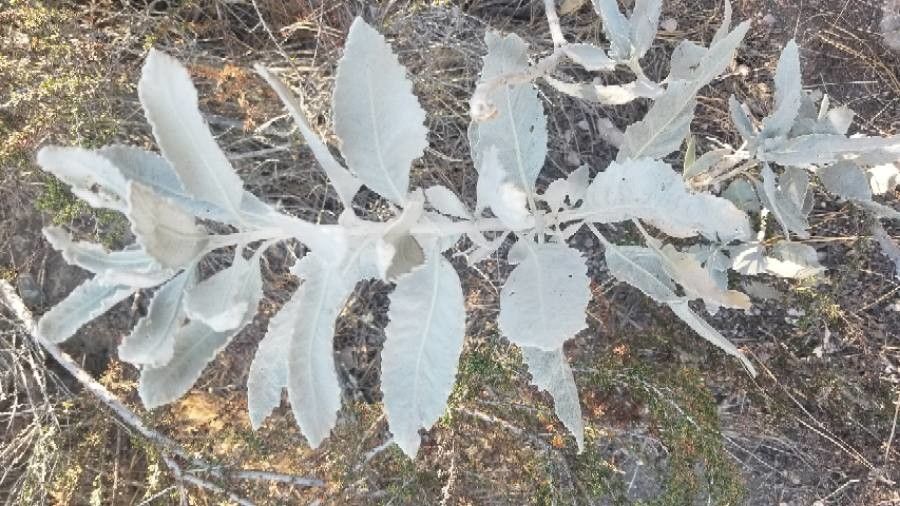
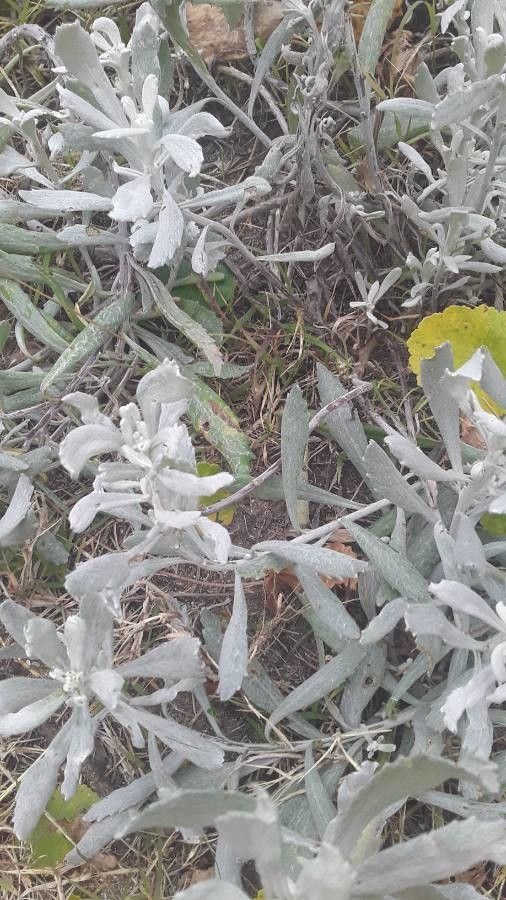
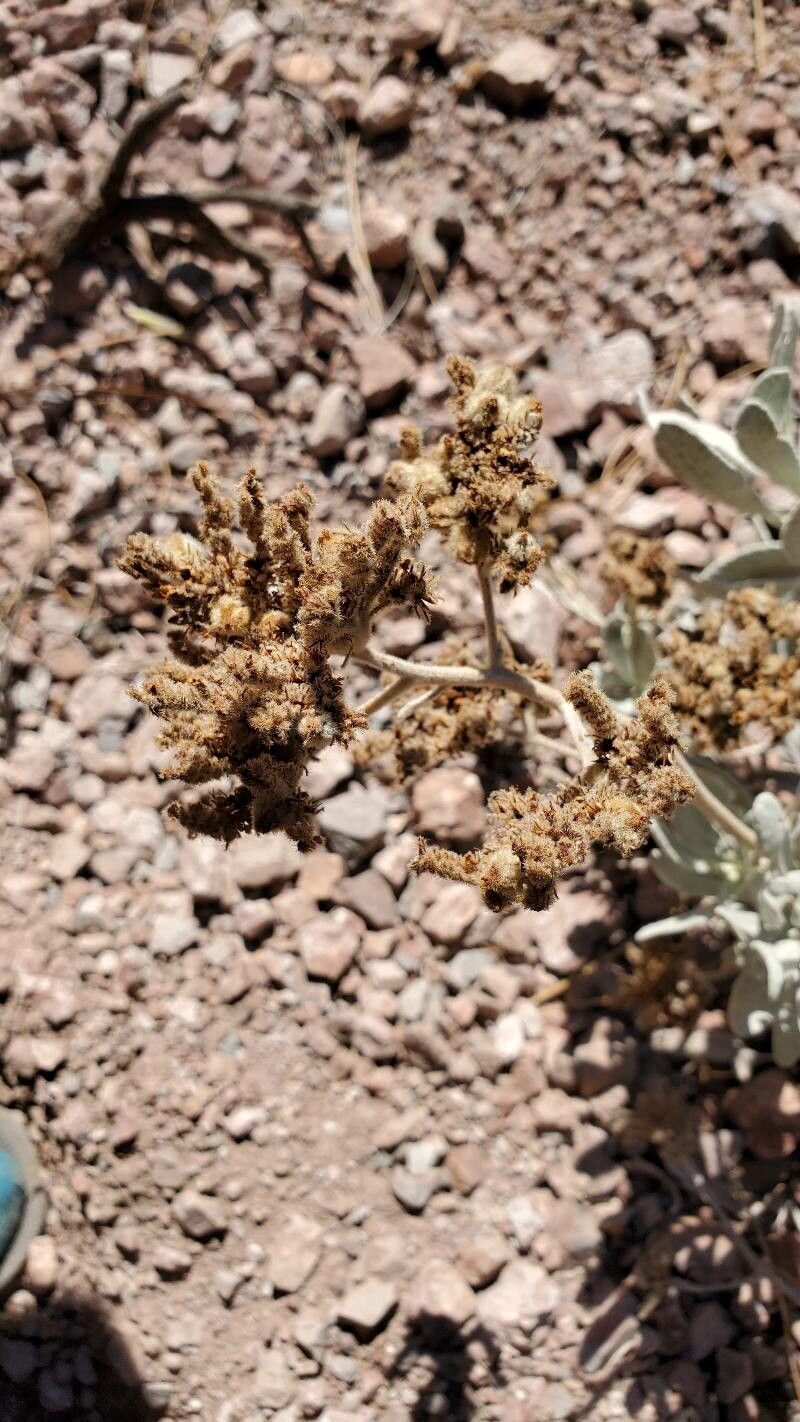
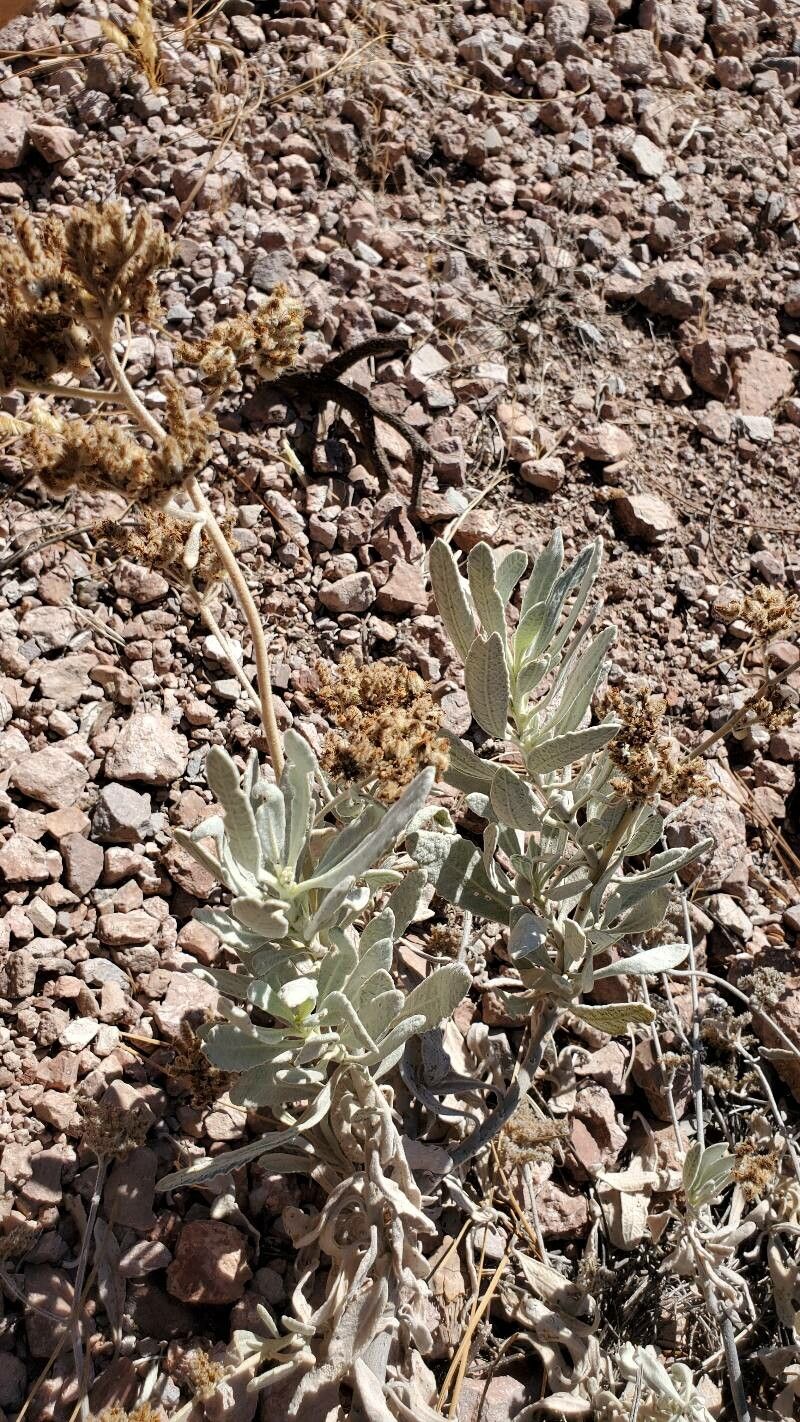
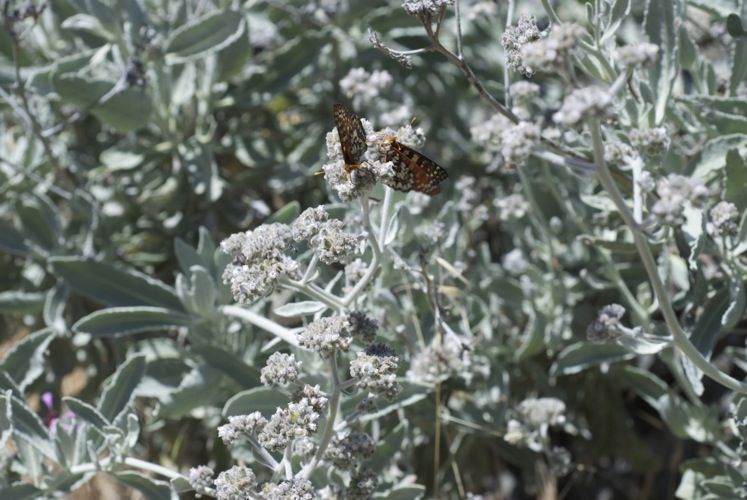
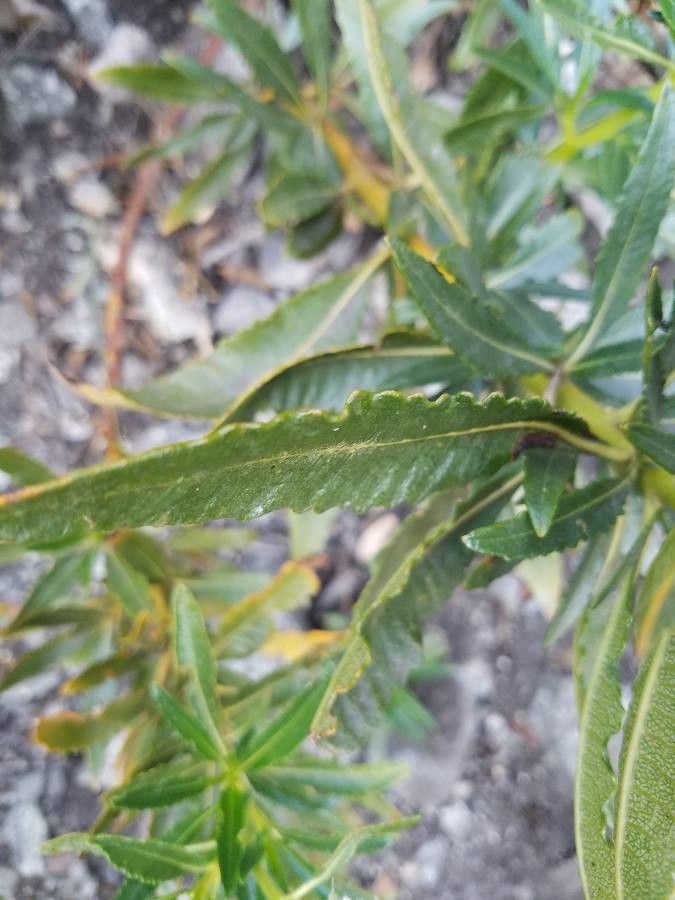
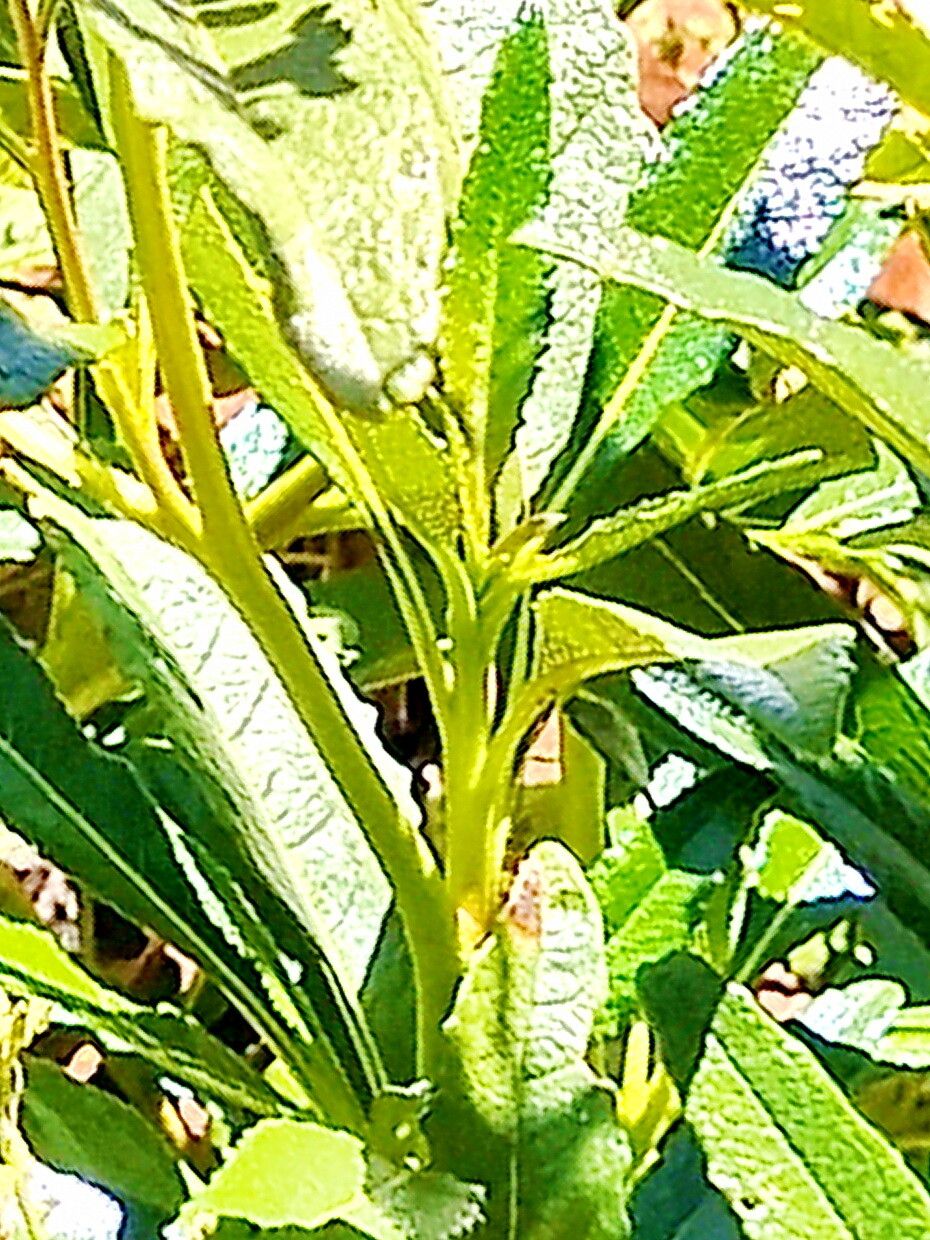
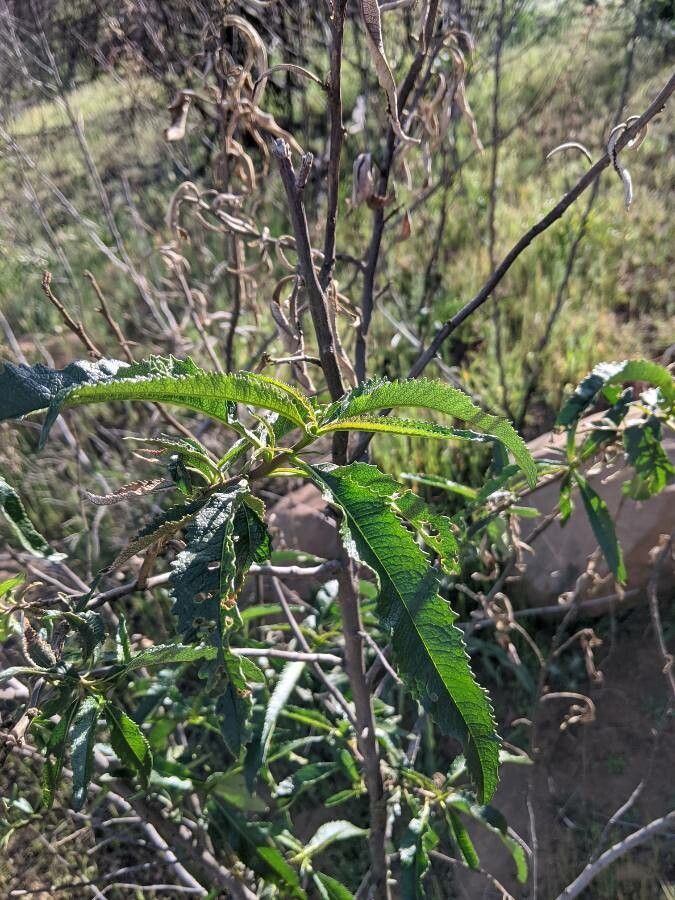
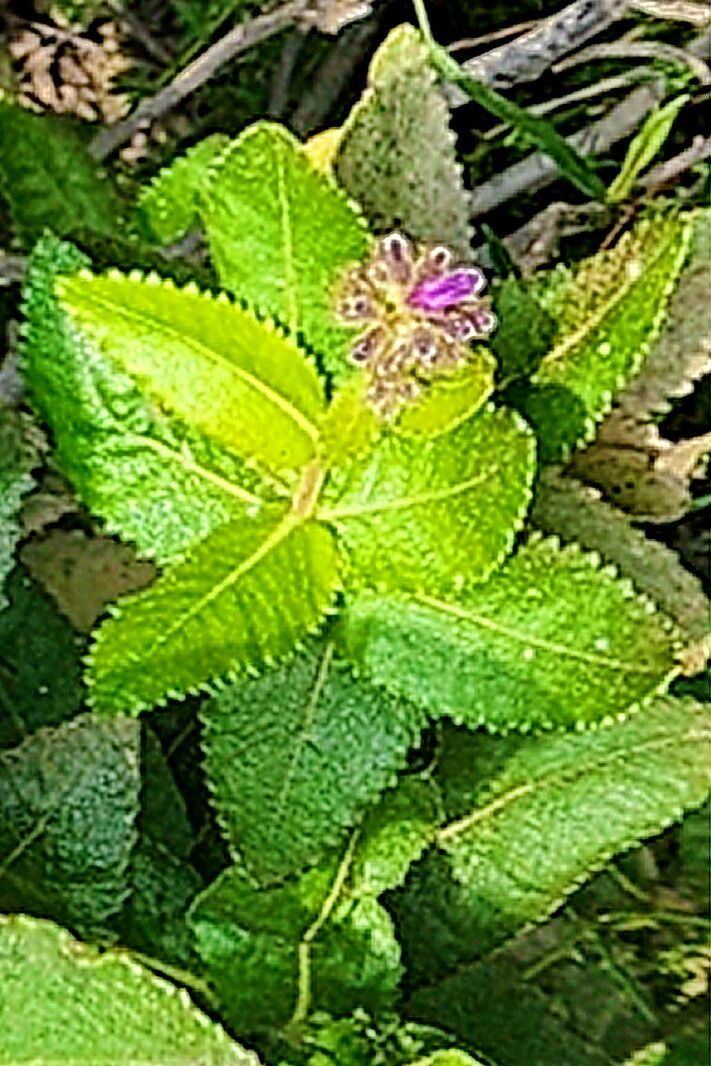
Eriodictyon tomentosum, commonly known as woolly yerba santa, is a perennial shrub native to California and Oregon in the United States. Belonging to the Boraginaceae family, this plant can grow up to six feet tall. It gets its common name from the dense covering of woolly hairs on its leaves and stems.
Woolly yerba santa is renowned for its medicinal properties and has been used by Native Americans for centuries as a natural remedy for respiratory ailments such as asthma, bronchitis, and coughs. The plant contains compounds with anti-inflammatory properties that help reduce inflammation in the respiratory tract.
The leaves of Eriodictyon tomentosum are also used in traditional medicine as an expectorant, helping to loosen phlegm from the lungs. Additionally, the plant's antibacterial properties make it useful for topical applications on wounds.
Woolly yerba santa prefers well-drained soil with full sun exposure or partial shade. While it is drought-tolerant once established, it requires regular watering during dry spells when young.
Overall, Eriodictyon tomentosum is an intriguing plant with numerous medicinal uses. It can be easily grown in suitable conditions, making it an excellent addition to any garden or natural medicine cabinet.
Woolly yerba santa shows strong resistance to disease and is typically not prone to illnesses. In terms of care, this plant is fairly low maintenance. Outdoors it needs minimal watering, and larger specimens usually do not require pruning. However, smaller ones should be trimmed after they finish blooming. Woolly yerba santat is suitable for anyone with outdoor space, such as a garden or deck, and does not require extensive care experience.
How to keep Eriodictyon Tomentosum.
Light
Woolly yerba santa comes from open habitats, such as sunny meadows and forest edges, which supply plenty of light. It performs best in full sun but can also tolerate partial sun, adjusting well to different light conditions.
Temperature
Woolly yerba santa is highly adaptable to a variety of climates, whether during hot summers or cold winters. Nevertheless, it has a preferred temperature range for growth. When temperatures become excessively high, the plant can experience stress from heat and humidity, which may lead to its death. In areas where temperatures approach the lower threshold of its cold tolerance, providing insulation to protect the plant is important.
Fertilizer
The timing of fertilizing Woolly yerba santa is important. Apply fertilizer in early spring and continue monthly until early summer. Fertilizer promotes attractive blooms and supplies energy during both dormant and active growth periods.
Pruning
Woolly yerba santa is known for its fuzzy leaves and aromatic properties. To keep it healthy and promote dense growth and flowering, prune it in early spring to remove any dead stems and improve air circulation. Make sure to use clean, sharp tools to prevent disease and ensure that the plant remains bushy and vibrant.
Botanical profile.
- Plant Type
- Shrub
- Life Cycle
- Perennial
- Genus
- Eriodictyon
- Family
- Boraginaceae
- Hardiness Zone
- 8-10
- Mature Height
- 0.91 m to 2.13 m
- Mature Spread
- 49 cm to 91 cm
- Leaf Color
- Gray, Light Gray
- Leaf Type
- Evergreen
- Flower Color
- Lavender
- Flower Size
- 1.02 cm to 1.52 cm
- Bloom Time
- Mid spring, Late spring, Early summer
- Planting Time
- Spring, Summer, Autumn
- Harvest Time
- Mid summer, Late summer, Early fall
Other names.