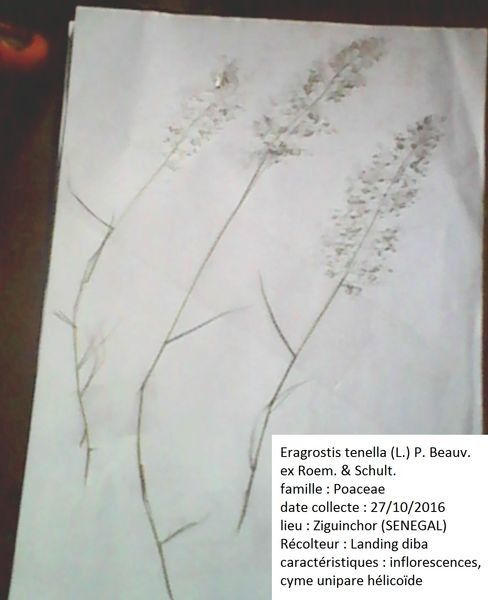
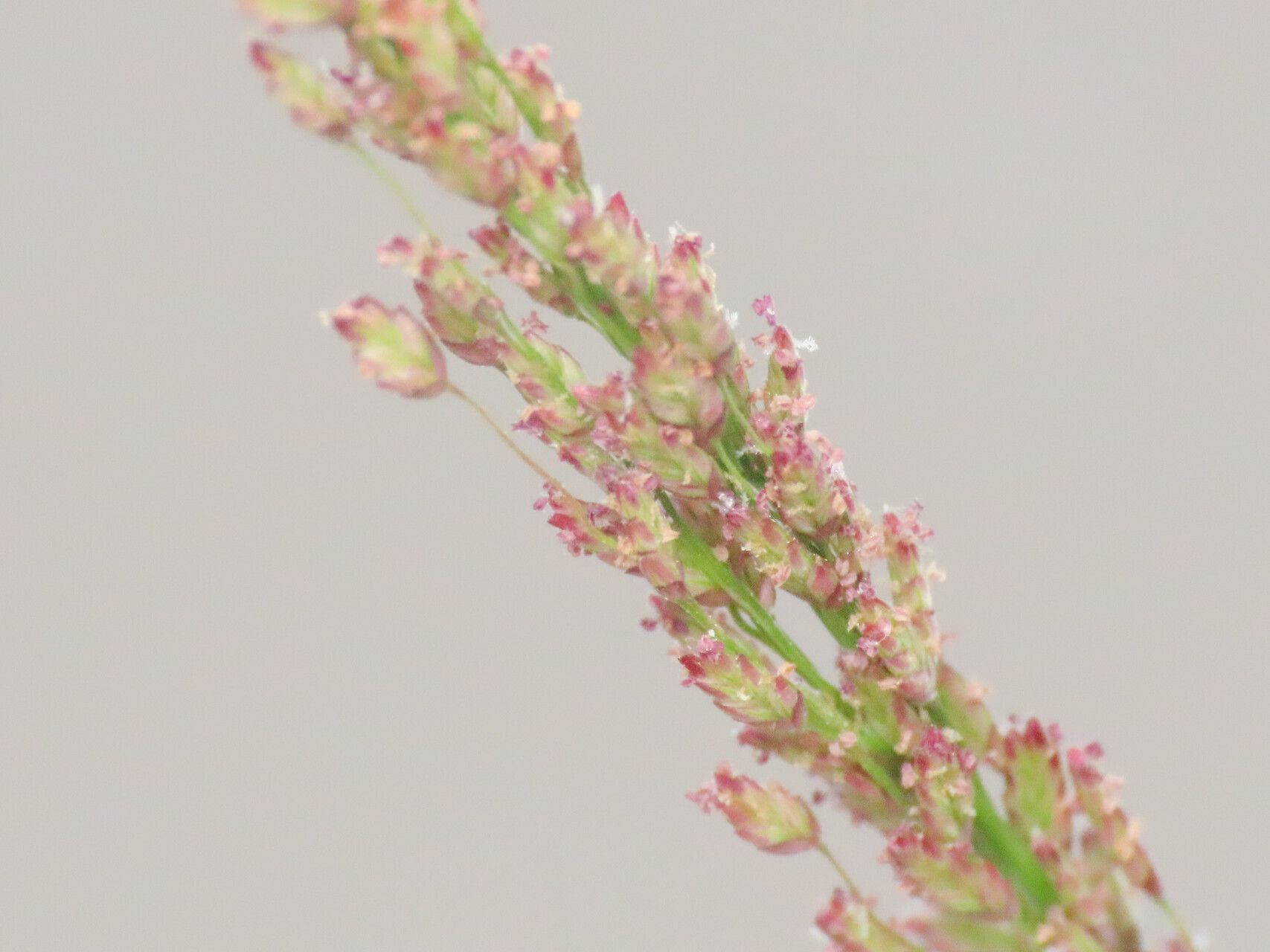
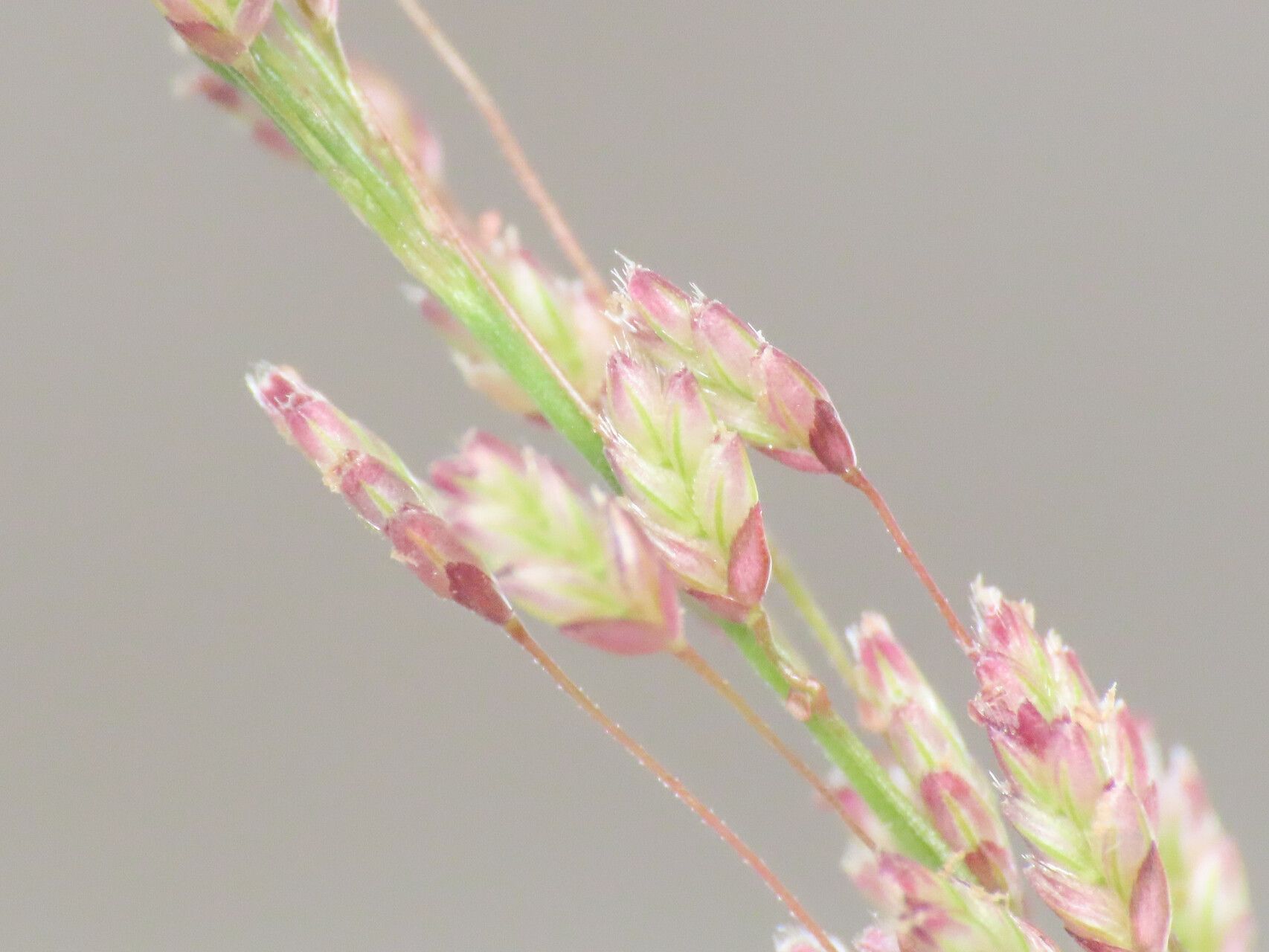
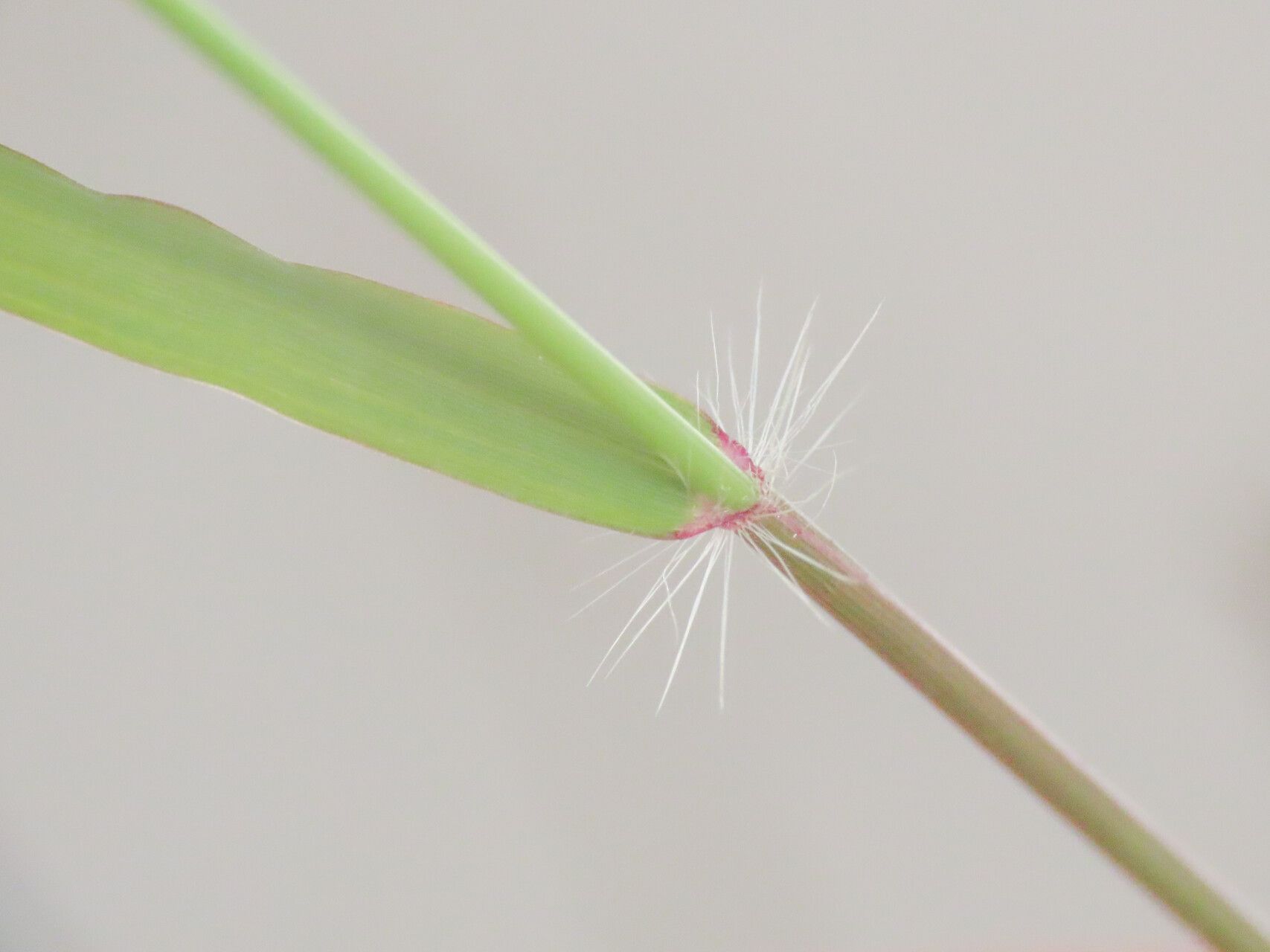
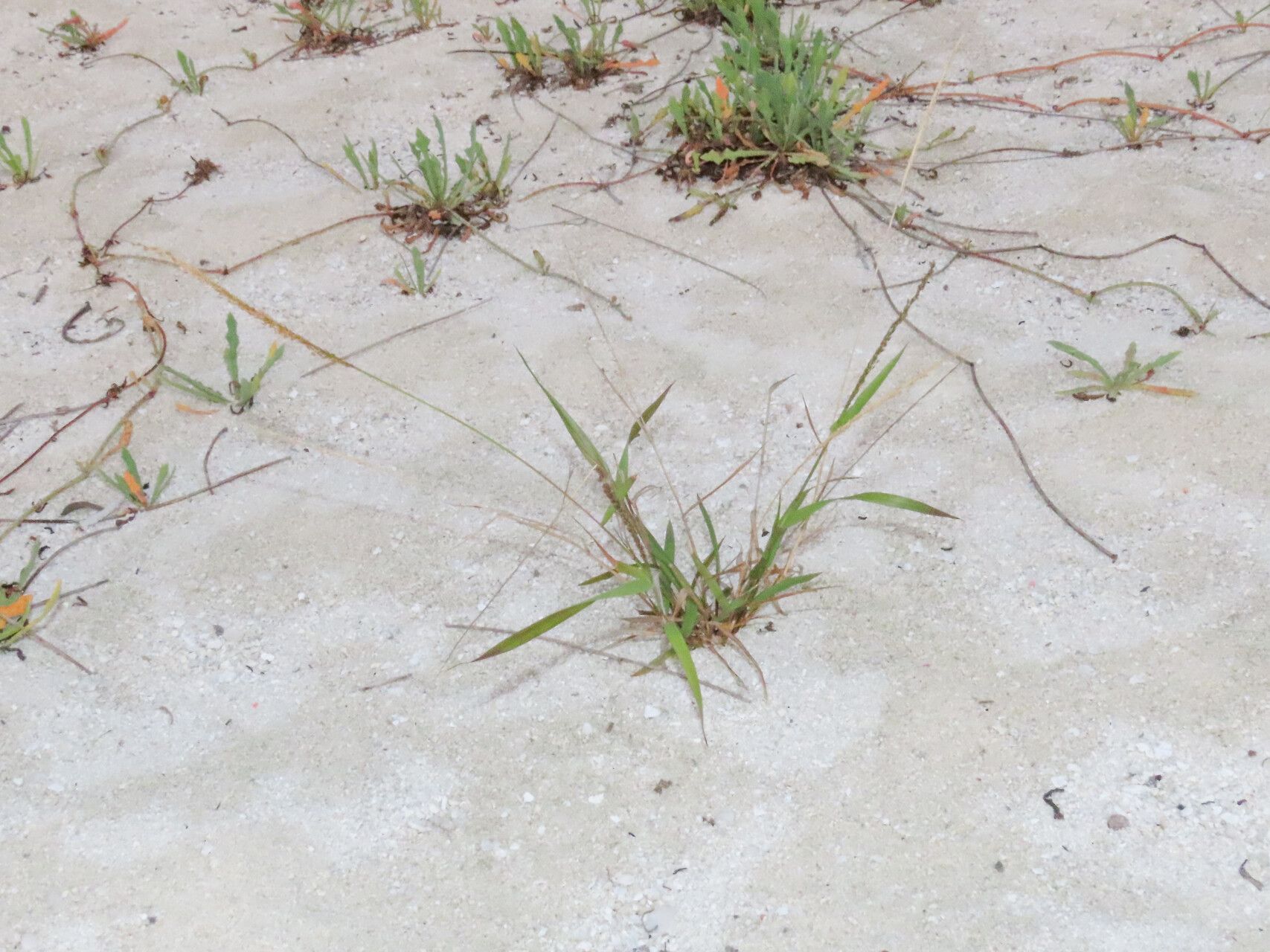
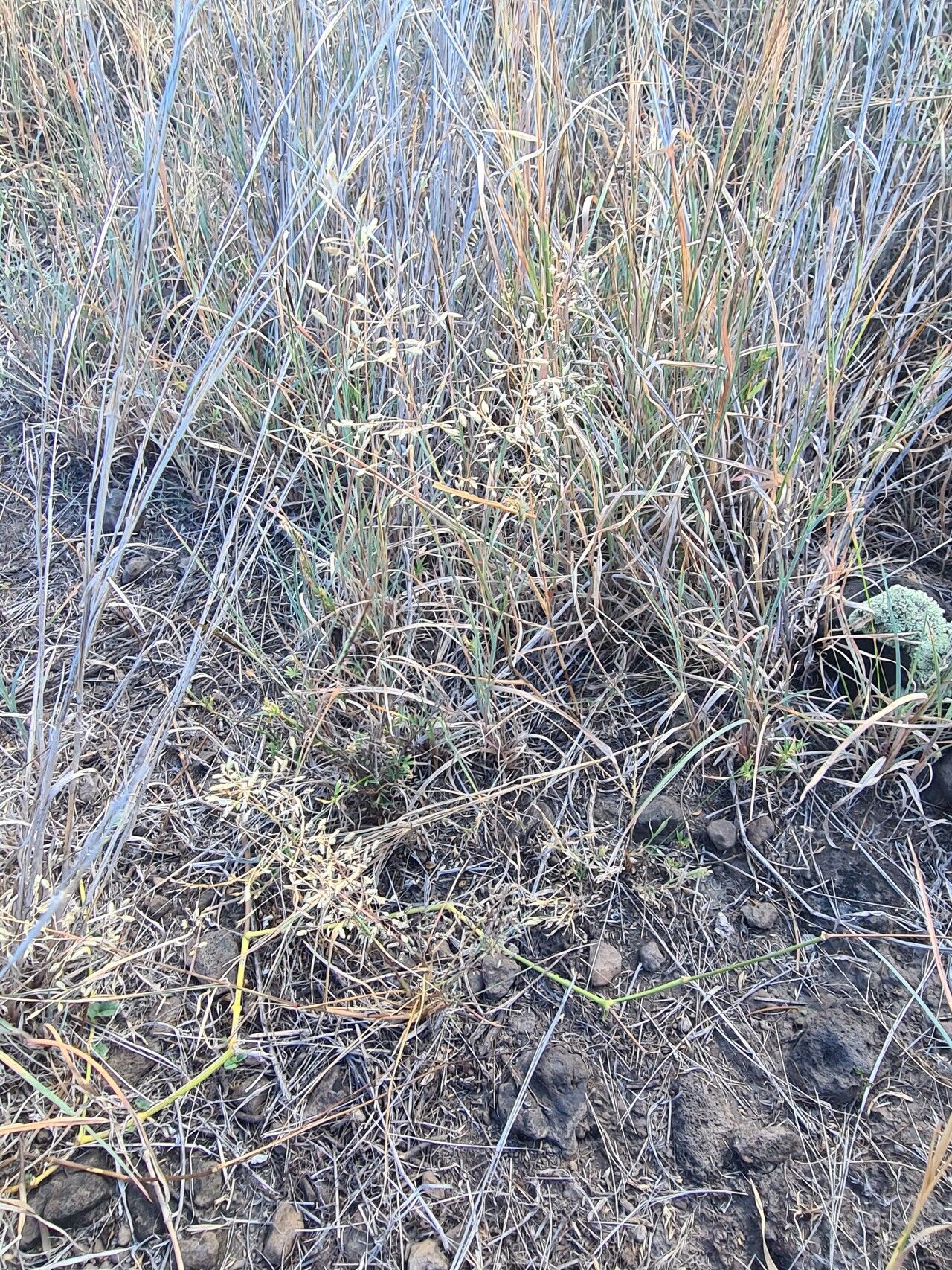
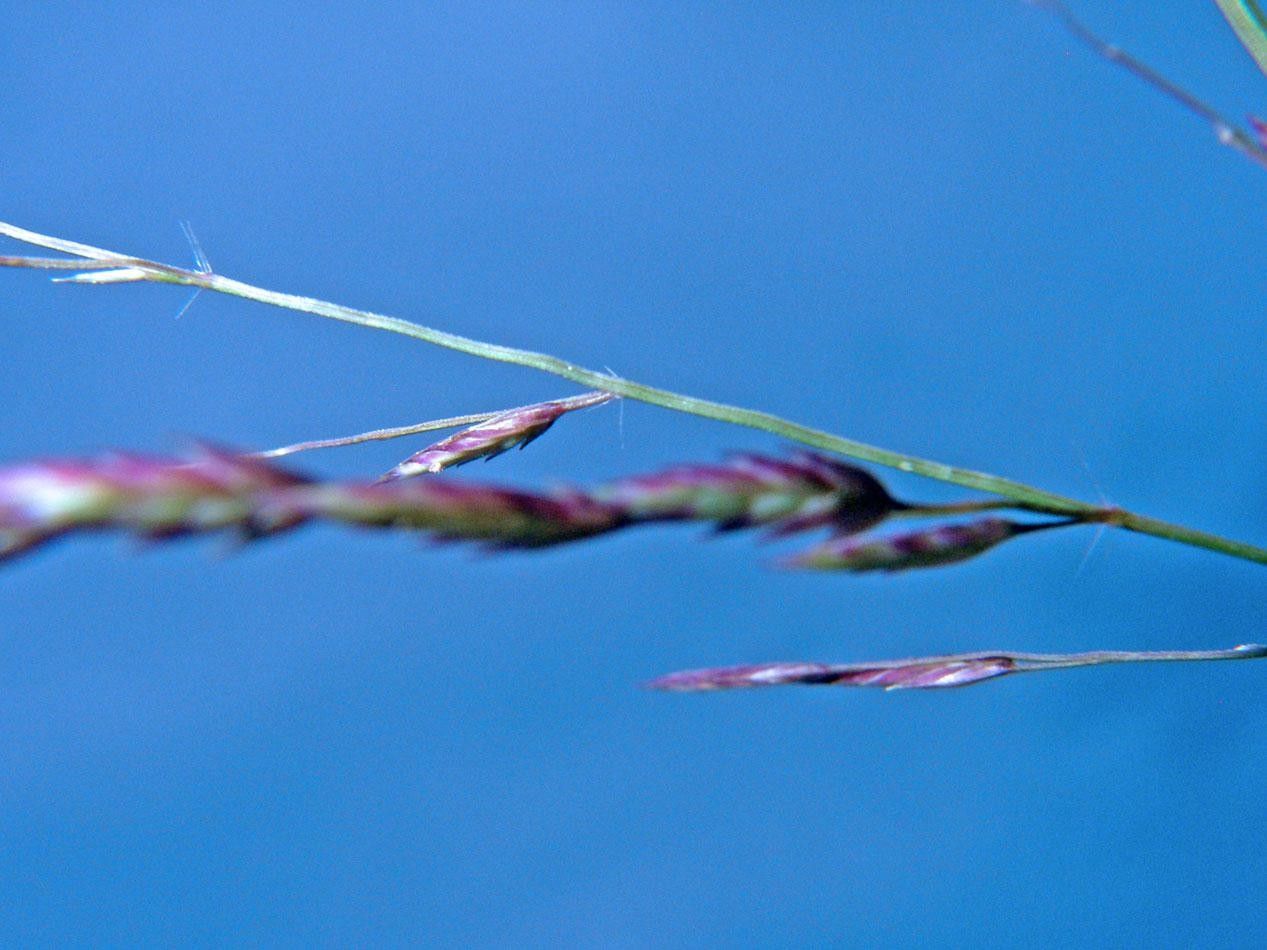
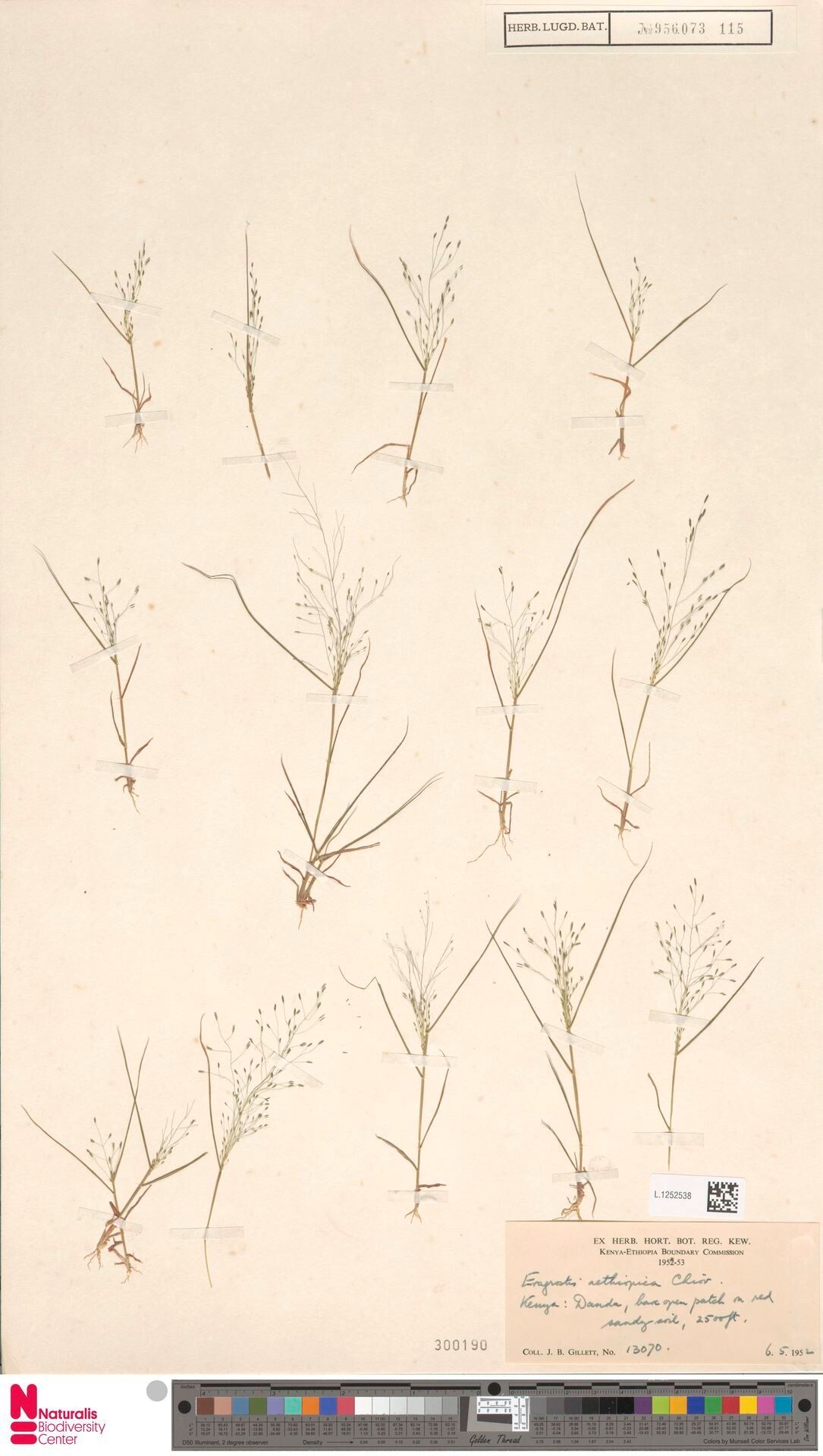
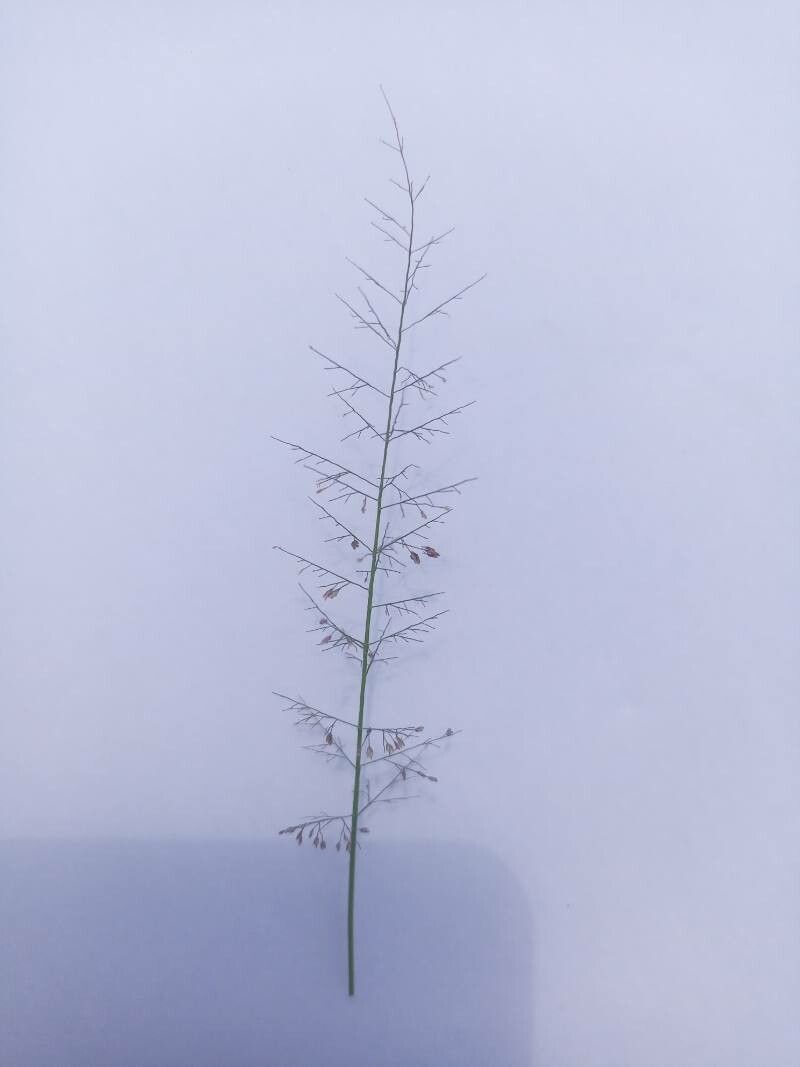
Eragrostis amabilis is a bunchgrass, in the subfamily Chloridoideae of Poaceae, native to Africa and southern Asia. Synonymy includes: Eragrostis tenella Benth., Eragrostis elegans Nees, and Eragrostis interrupta Lam. Döll.
Japanese lovegrass has strong disease resistance and is usually not vulnerable to infections. In terms of care, this plant is fairly low-maintenance. Planted outdoors, it needs only minimal watering, and larger plants normally do not require pruning. Smaller plants, however, should be pruned after they finish blooming. Japanese lovegrass is suitable for anyone with an outdoor area, like a garden or a deck, and does not require much care experience.
How to keep Eragrostis Tenella.
Light
Japanese lovegrass strongly prefers abundant sunlight, which is essential for healthy growth. It comes from sun-drenched open habitats. Insufficient sunlight can slow its growth, while excessive light does not have a negative effect. Its sunlight requirements remain similar throughout its life cycle.
Temperature
Japanese lovegrass comes from tropical areas, where the climate is generally warm and humid. As a result, it is adapted to high temperatures and humidity. It does not tolerate sudden temperature changes and prefers a stable thermal environment, so indoor temperature fluctuations should be avoided. It usually cannot withstand cold and needs relatively high temperatures for growth. If the surrounding temperature falls too low, the plant may stop growing or even die.
Botanical profile.
- Plant Type
- Grass
- Life Cycle
- Annual, Perennial
- Genus
- Eragrostis
- Family
- Poaceae
- Hardiness Zone
- 9-11
- Mature Height
- 34 cm
- Mature Spread
- 15 cm to 30 cm
- Leaf Color
- Light Green
- Leaf Type
- Semi-evergreen
- Flower Color
- White, Green
- Flower Size
- 3.05 cm to 5.08 cm
- Bloom Time
- Late spring, Summer, Early fall, Mid fall
- Planting Time
- Spring, Summer, Autumn
- Harvest Time
- Summer, Fall
- Native Area
- Pakistan, India, Malaysia
Other names.