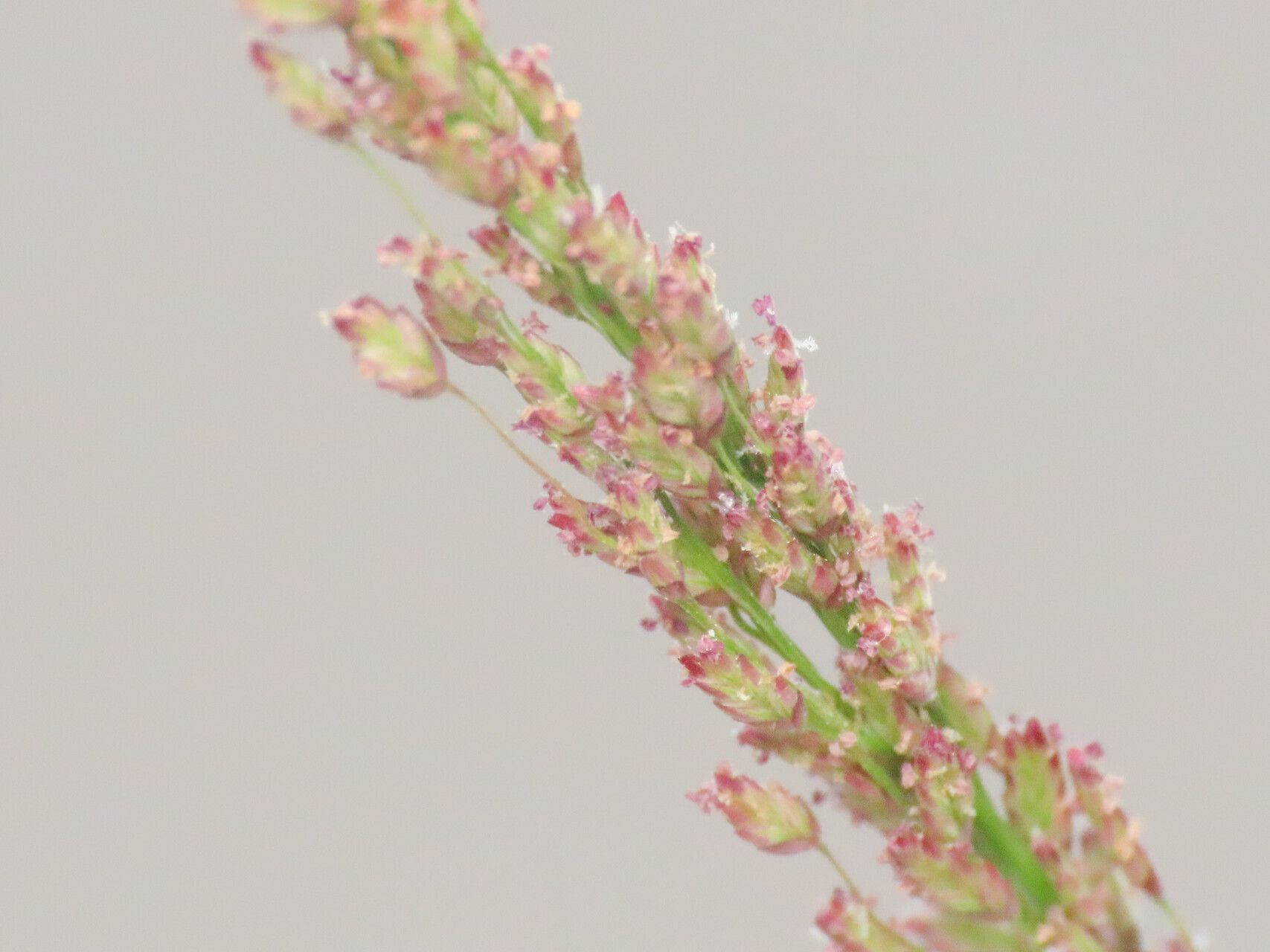
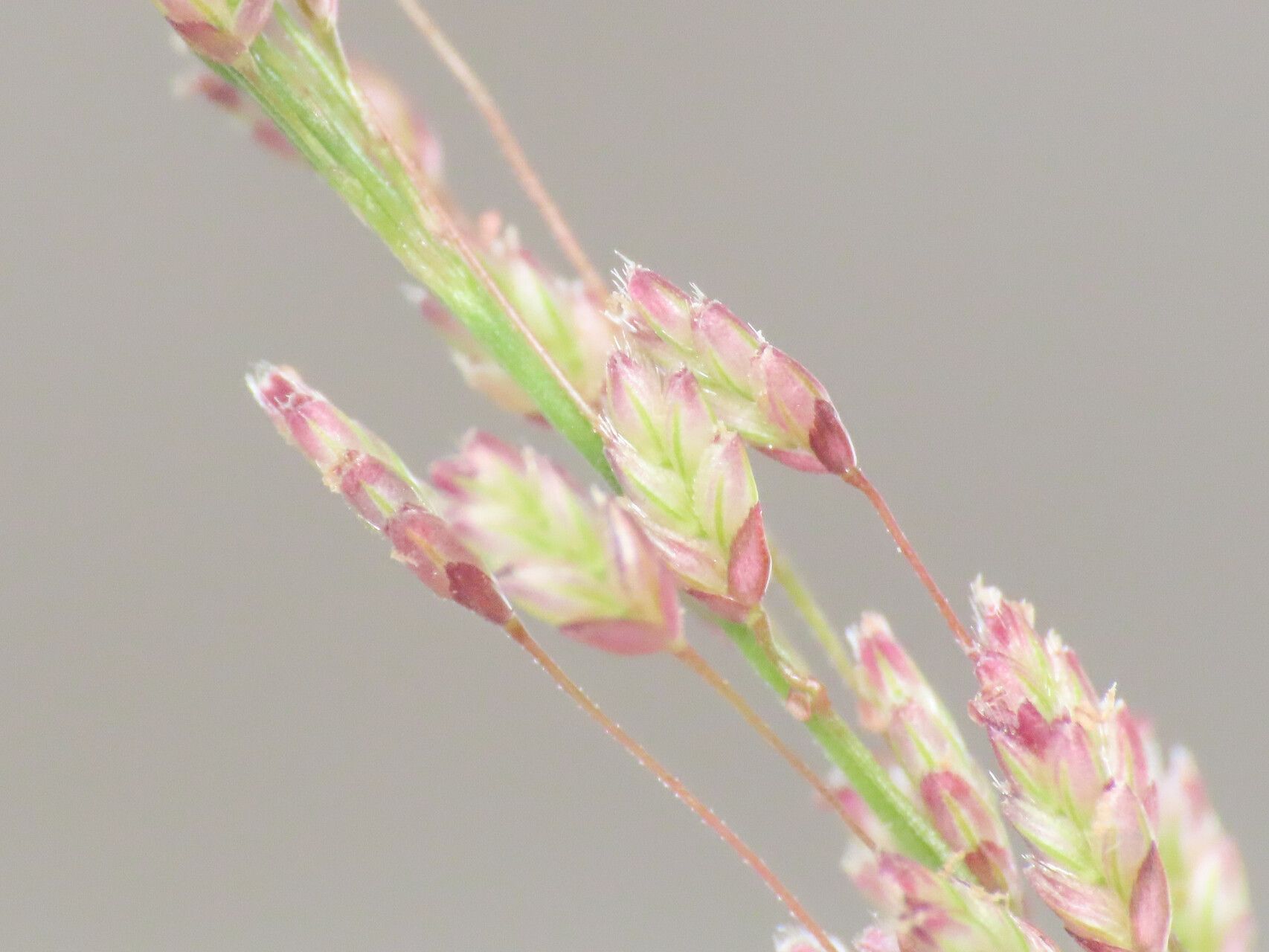
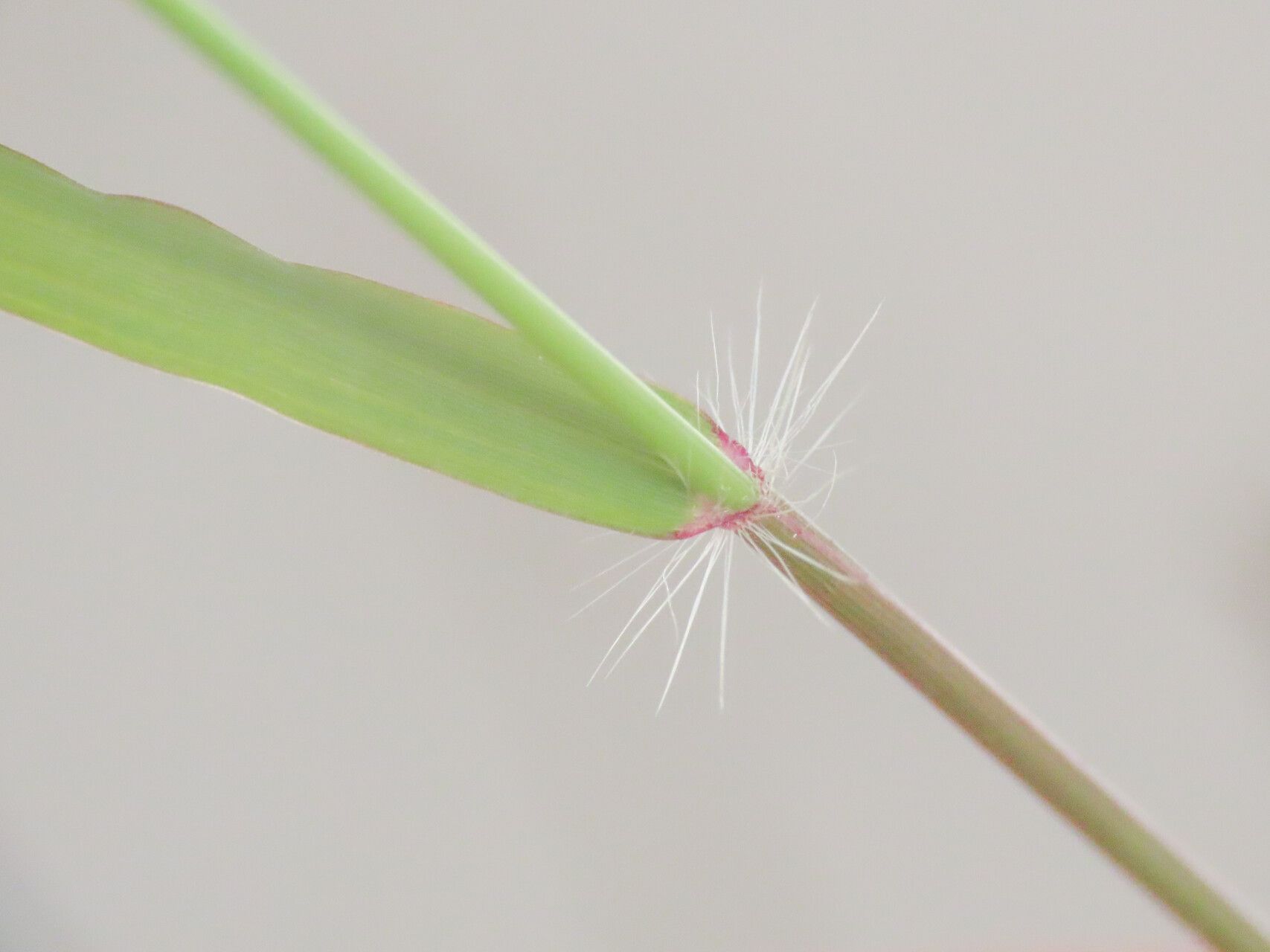
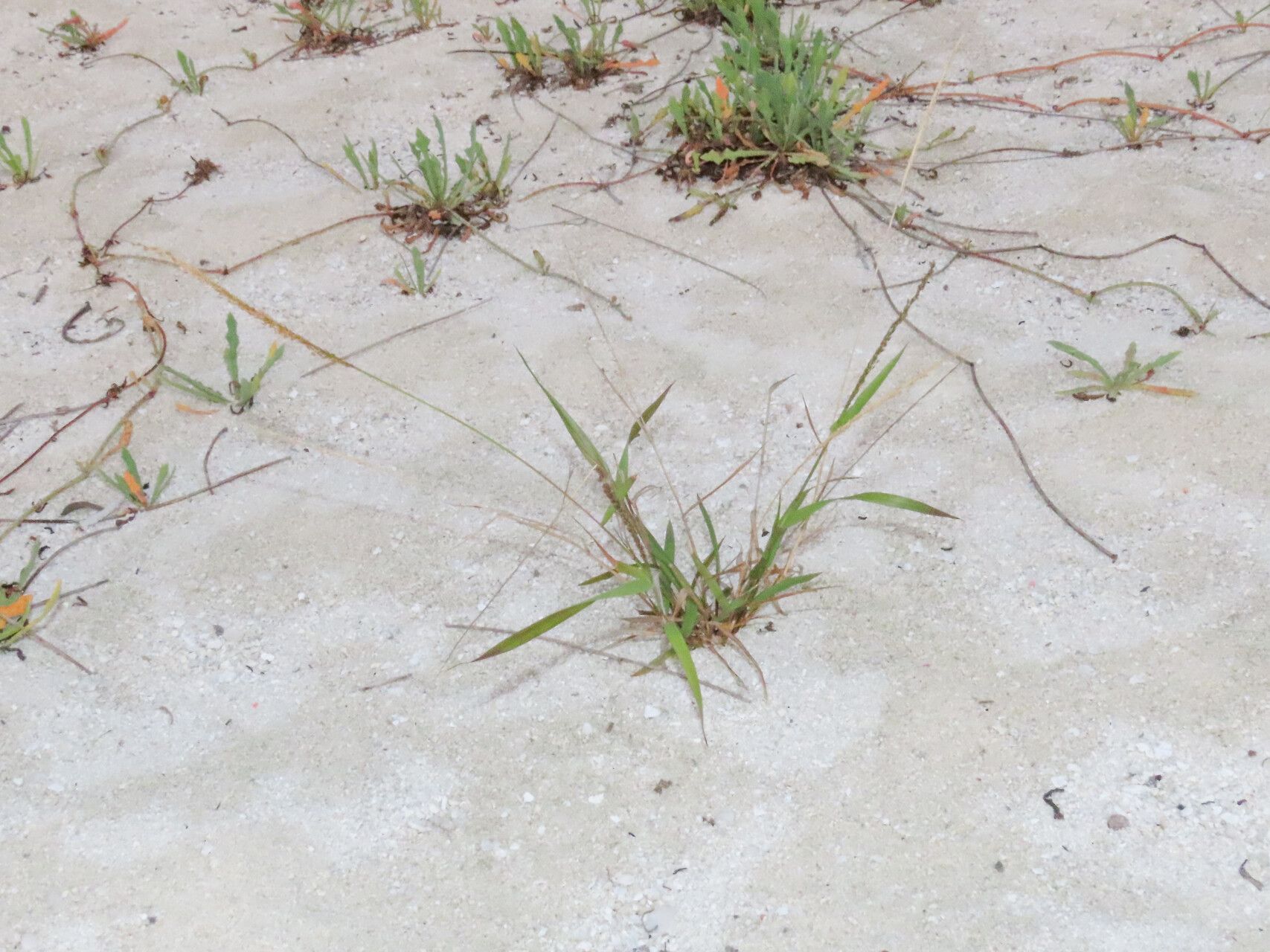
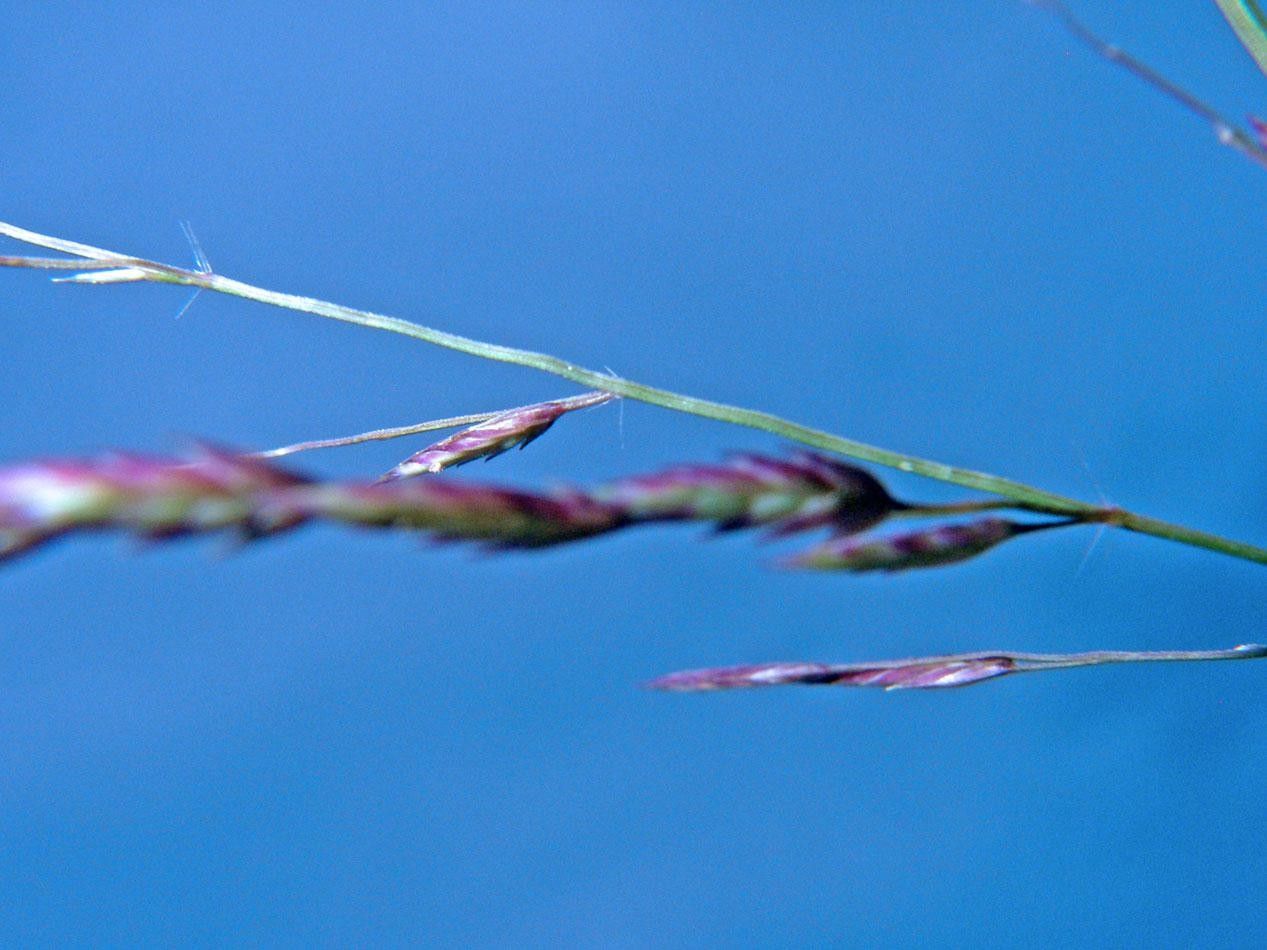
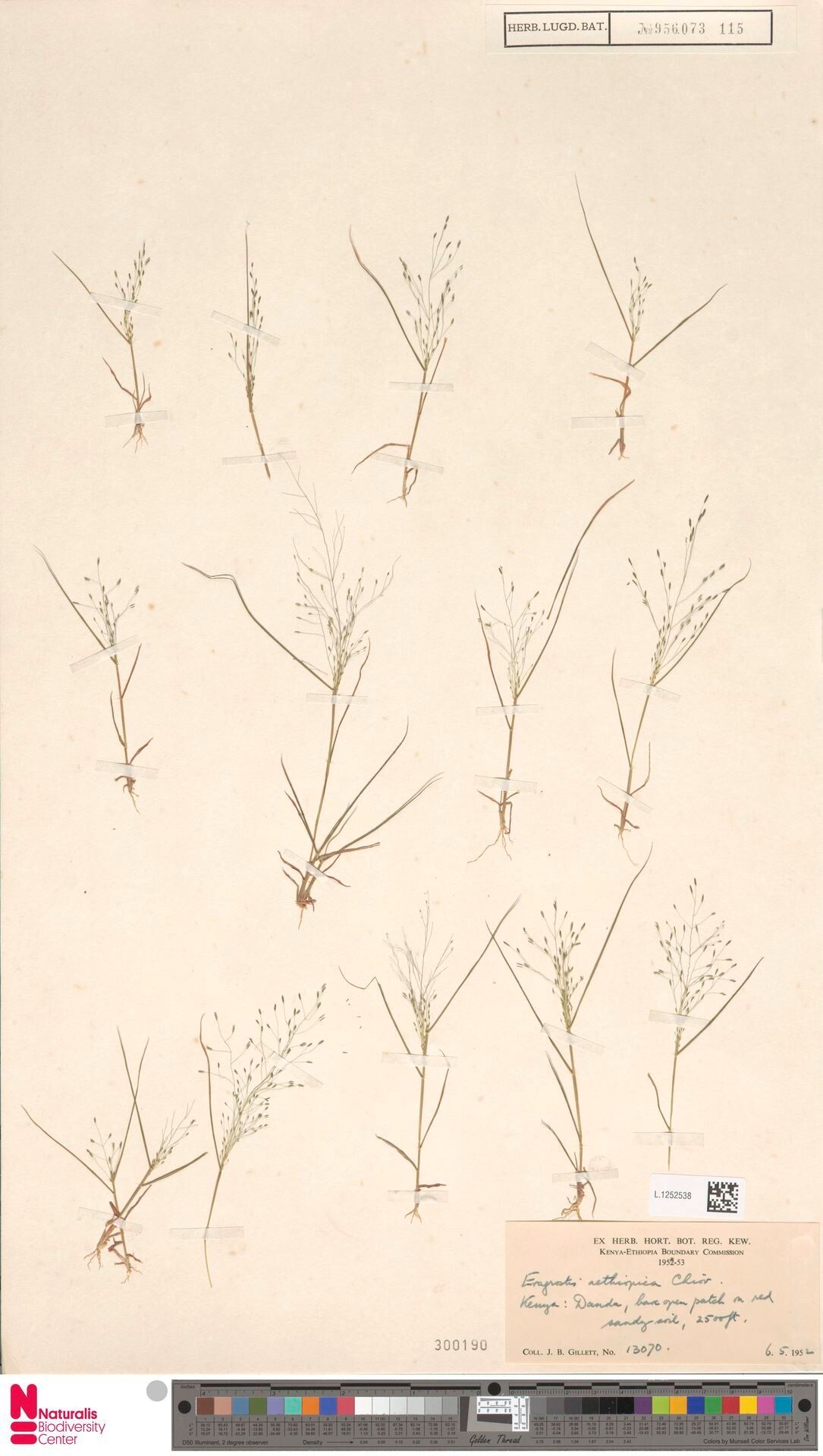
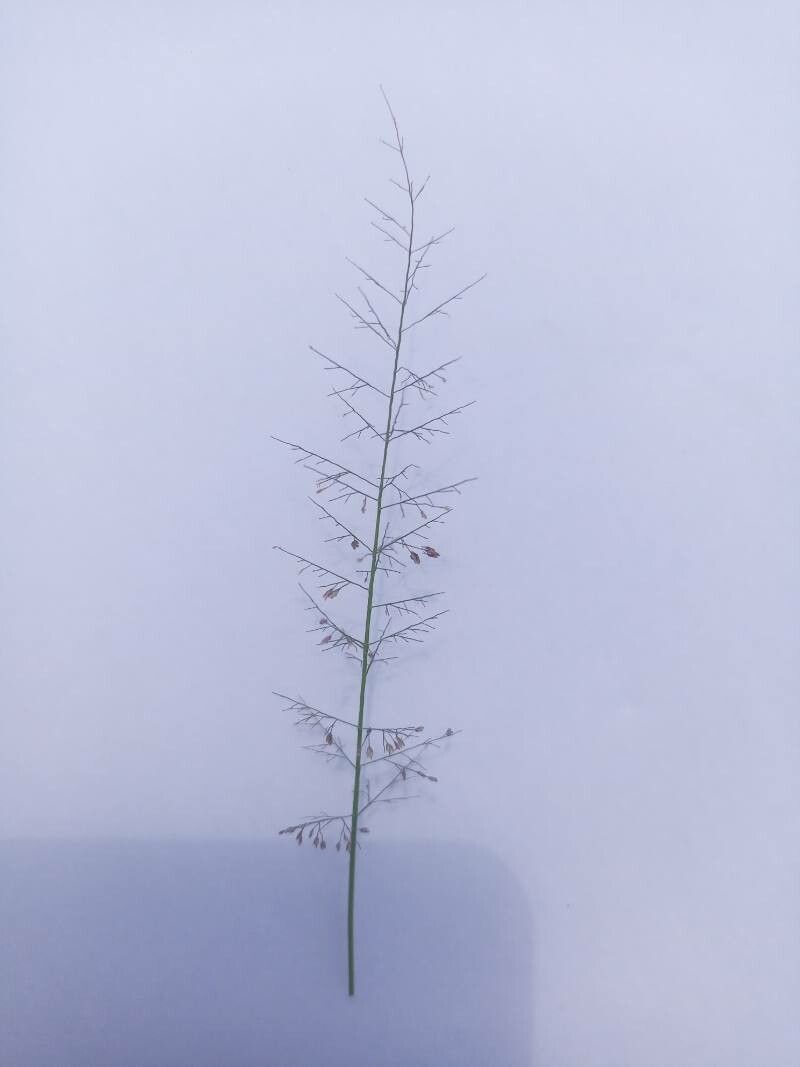
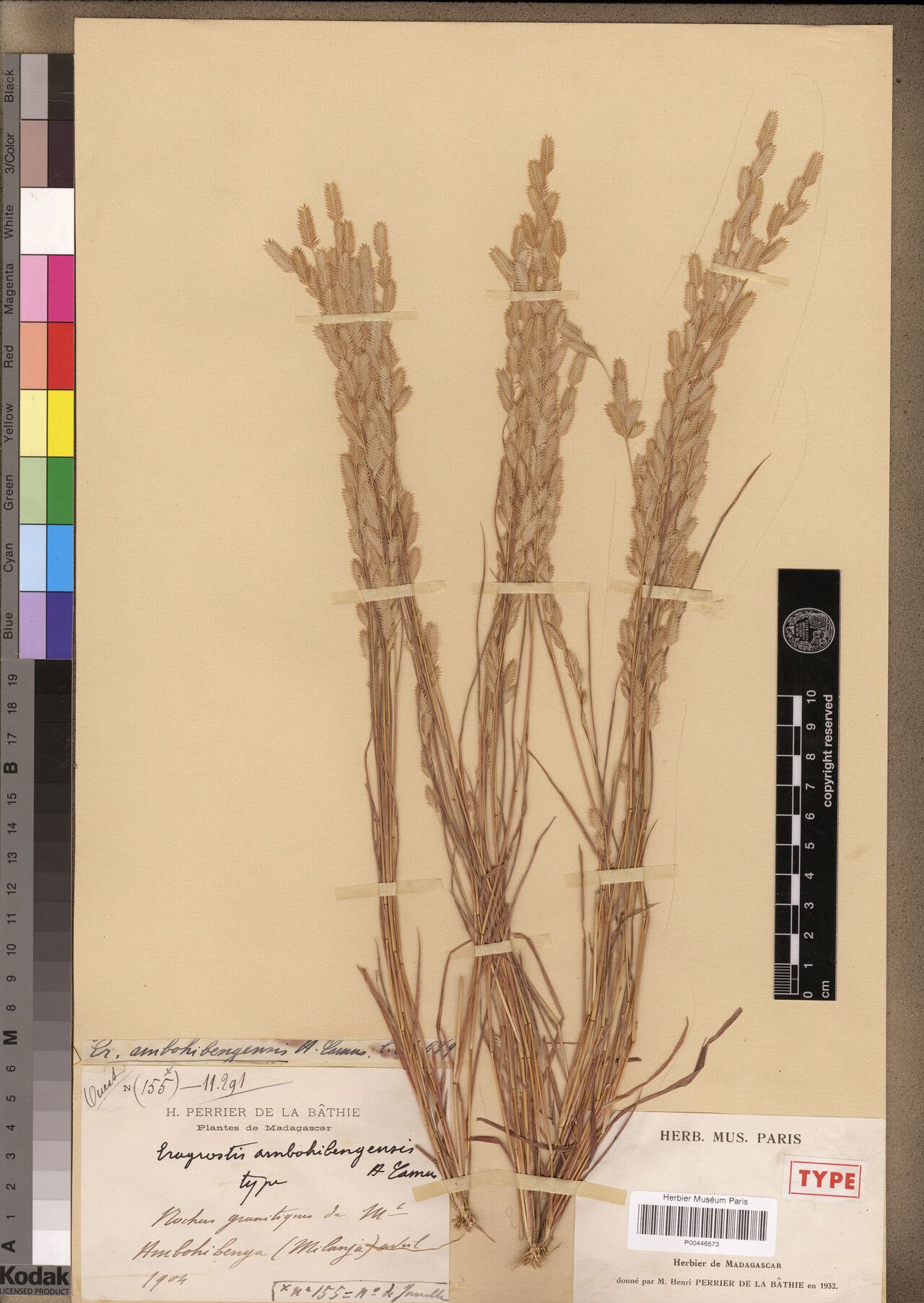
Eragrostis amabilis is a bunchgrass, in the subfamily Chloridoideae of Poaceae, native to Africa and southern Asia. Synonymy includes: Eragrostis tenella Benth., Eragrostis elegans Nees, and Eragrostis interrupta Lam. Döll.
Japanese lovegrass has strong disease resistance and is usually not vulnerable to infections. In terms of care, this plant is fairly low-maintenance. Planted outdoors, it needs only minimal watering, and larger plants normally do not require pruning. Smaller plants, however, should be pruned after they finish blooming. Japanese lovegrass is suitable for anyone with an outdoor area, like a garden or a deck, and does not require much care experience.
How to keep Eragrostis Amabilis.
Light
Japanese lovegrass strongly prefers abundant sunlight, which is essential for healthy growth. It comes from sun-drenched open habitats. Insufficient sunlight can slow its growth, while excessive light does not have a negative effect. Its sunlight requirements remain similar throughout its life cycle.
Water
Japanese lovegrass thrives in moderate humidity and prefers consistent moisture, requiring weekly watering for optimal growth. It originates from regions with regular rainfall, which means it has low drought tolerance. To prevent dehydration, especially in temperate climates, it needs careful watering during the peak growing season.
Temperature
Japanese lovegrass comes from tropical areas, where the climate is generally warm and humid. As a result, it is adapted to high temperatures and humidity. It does not tolerate sudden temperature changes and prefers a stable thermal environment, so indoor temperature fluctuations should be avoided. It usually cannot withstand cold and needs relatively high temperatures for growth. If the surrounding temperature falls too low, the plant may stop growing or even die.
Pruning
Japanese lovegrass is a low-maintenance plant with delicate tufts. To ensure healthy regrowth, it's best to prune it to one-third of its height in the spring. Removing dead stems will boost its vigor and keep it looking attractive. Regular pruning also prevents overcrowding, which supports robust development and enhances the overall health of the plant.
Botanical profile.
- Plant Type
- Grass
- Life Cycle
- Annual, Perennial
- Genus
- Eragrostis
- Family
- Poaceae
- Hardiness Zone
- 9-11
- Mature Height
- 34 cm
- Mature Spread
- 15 cm to 30 cm
- Leaf Color
- Light Green
- Leaf Type
- Semi-evergreen
- Flower Color
- White, Green
- Flower Size
- 3.05 cm to 5.08 cm
- Bloom Time
- Late spring, Summer, Early fall, Mid fall
- Planting Time
- Spring, Summer, Autumn
- Harvest Time
- Summer, Fall
- Native Area
- Pakistan, India, Malaysia
Other names.
Reader questions.
What are the sunlight requirements for Japanese lovegrass?
Japanese lovegrass requires full sun, meaning it should receive above 6 hours of sunlight daily to thrive best. It has a strong preference for abundant sunlight exposure, which is integral for its healthy growth. Originally from sun-drenched open areas, this plant does not negatively react to excessive light, but insufficient sunlight can retard its growth. When planning where to place your plants, observe the movement of sunlight through your garden to ensure spots provide the perfect balance of light and shade, promoting plant happiness.
How can artificial lighting be used for Japanese lovegrass?
Indoor Japanese lovegrass plants require adequate lighting for optimal growth, especially when natural sunlight is insufficient. Artificial lights, like LED lights, are beneficial, providing the specific wavelengths of light that plants need. For full sun plants, 30-50W per square foot is recommended; partial sun plants need 20-30W per square foot, and full shade plants should have 10-20W per square foot. The light source should be placed 12-36 inches above the plant and kept on for 8-12 hours per day to mimic natural daylight hours, promoting faster, healthier growth.
What are the symptoms of light deficiency or excessive light in Japanese lovegrass?
When Japanese lovegrass receives inadequate light, it may show symptoms such as smaller new leaves, leggy or sparse growth, faster leaf drop, slower or halted growth, and lighter-colored or chlorotic leaves. Excessive sunlight can cause chlorosis, sunscald, leaf curling, wilting, and leaf scorching, indicated by damaged or discolored plant tissue. These symptoms highlight the necessity of providing the right amount of sunlight for healthy plant growth.
What solutions can help manage light conditions for Japanese lovegrass?
To manage light conditions for indoor Japanese lovegrass, gradually move plants to sunnier spots to ensure at least 6 hours of direct sunlight daily, using south-facing windows for maximum exposure. For those hard to move, consider artificial lighting for at least 8 hours daily. Outdoors, move plants gradually to avoid sunburn and adapt them to ideal sunlight conditions. Reducing obstructions like pruning trees can help, and for smaller plants, consider transplanting during the plant's dormant period to a location with ample sunlight and good drainage. This approach encourages healthy new growth despite the irrecoverable damage to parts affected by previous insufficient light.