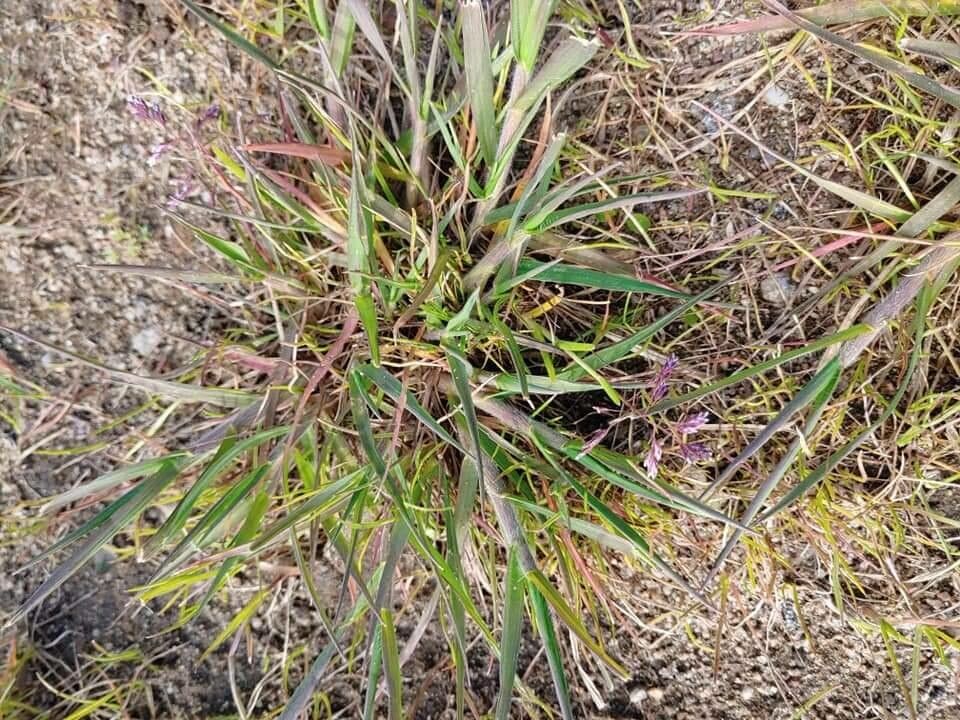
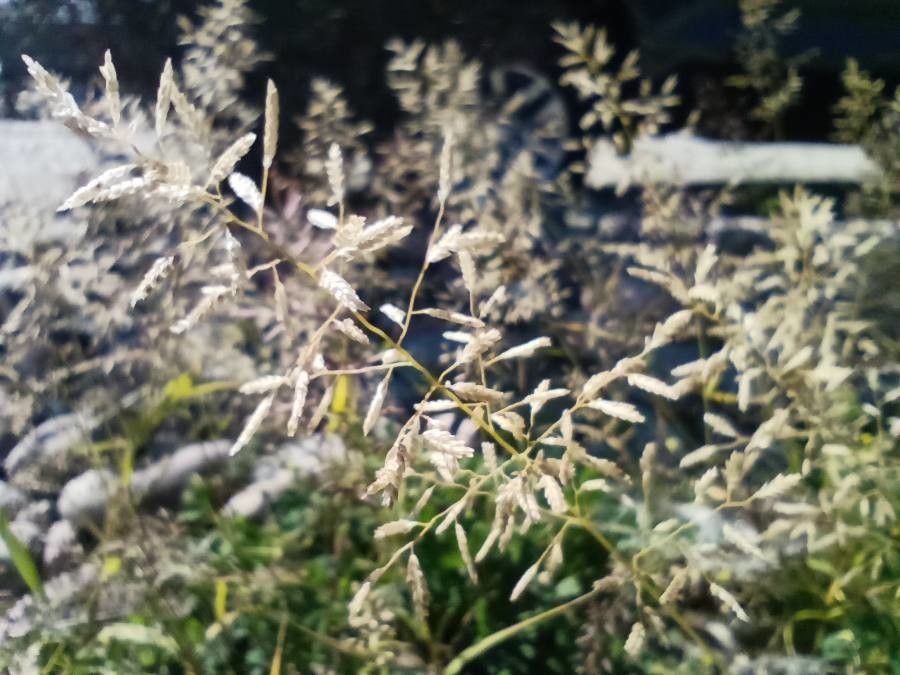
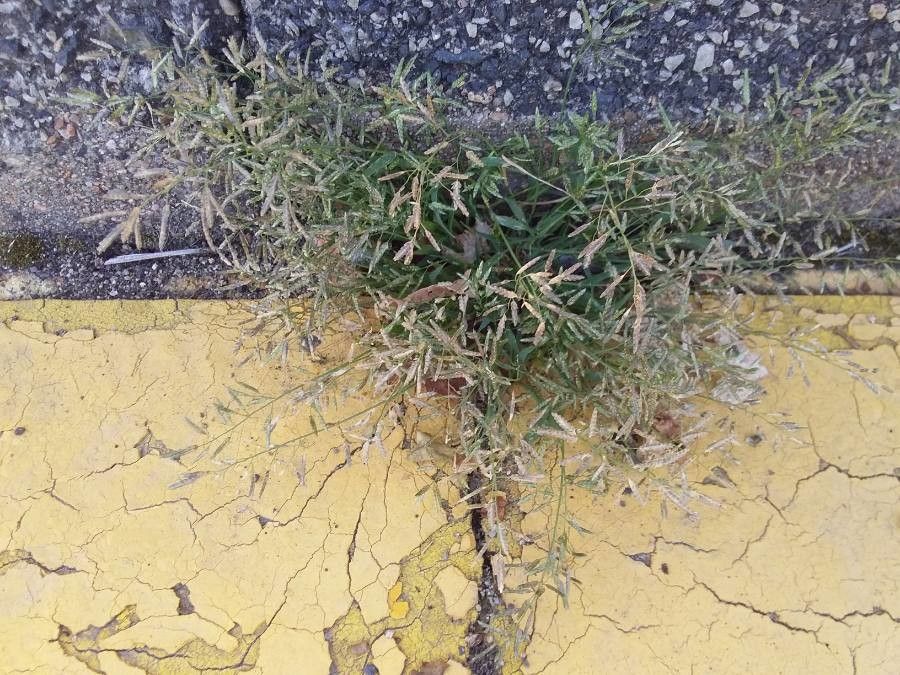
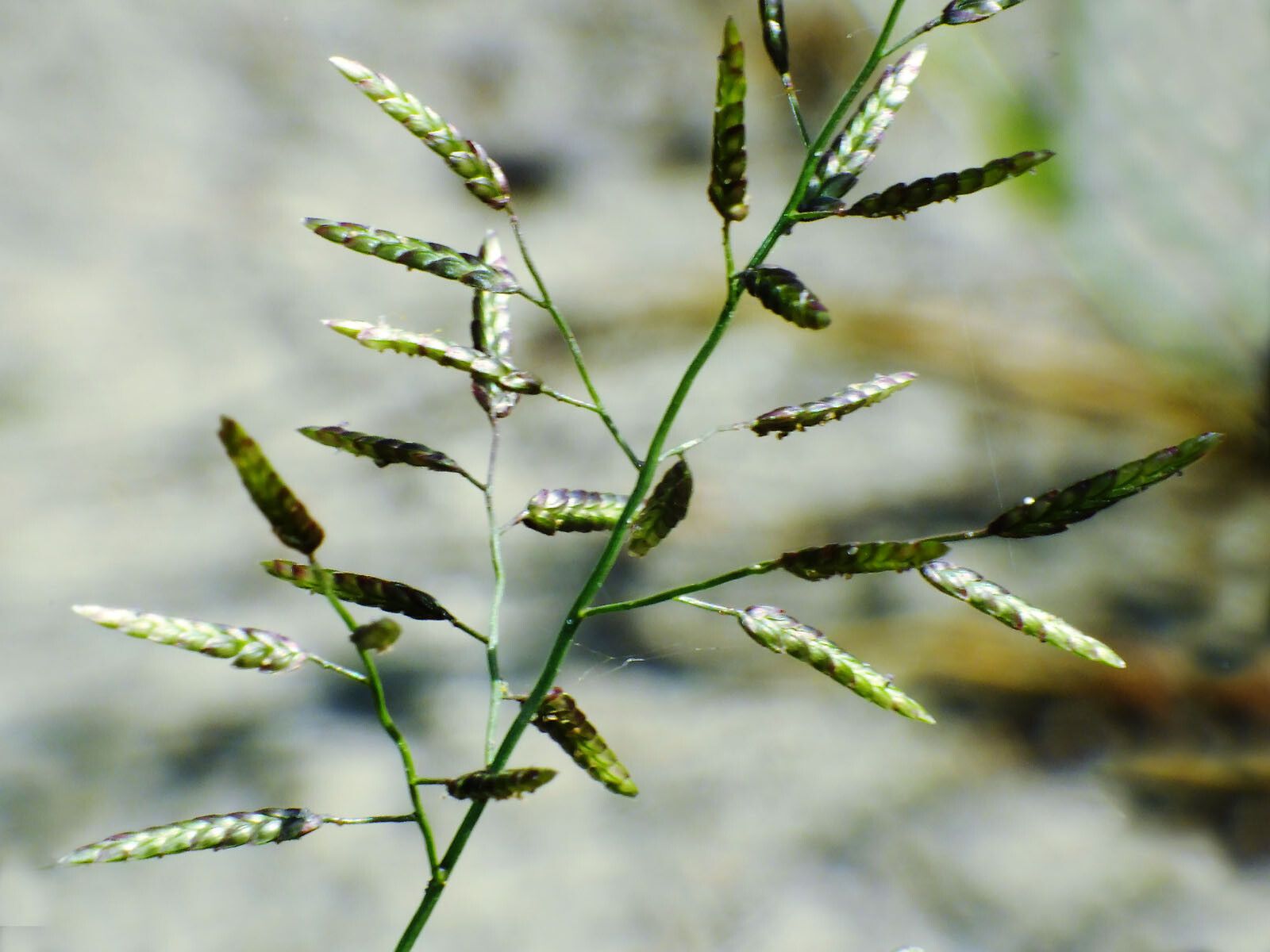
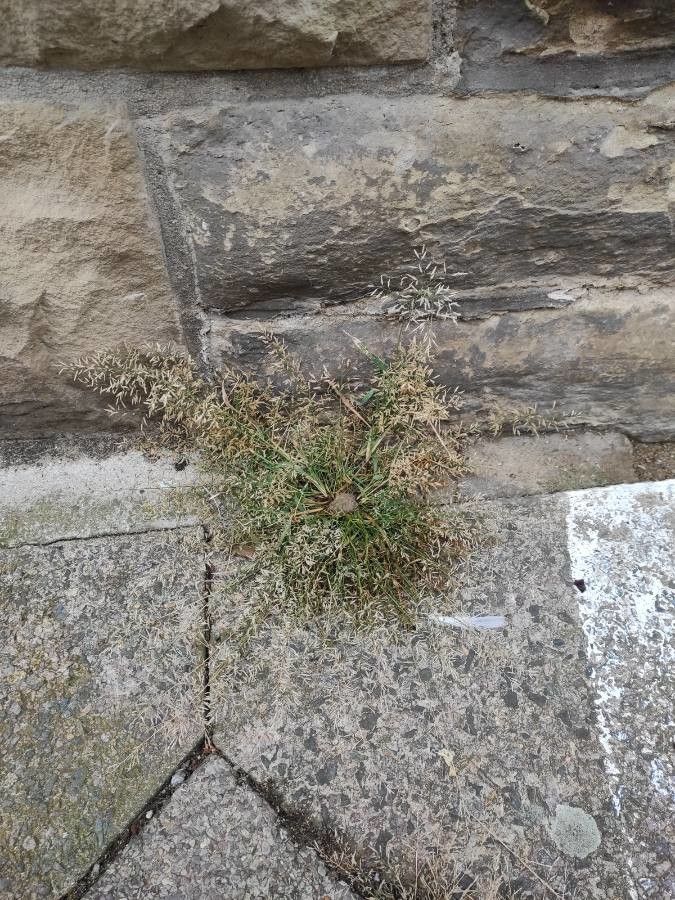
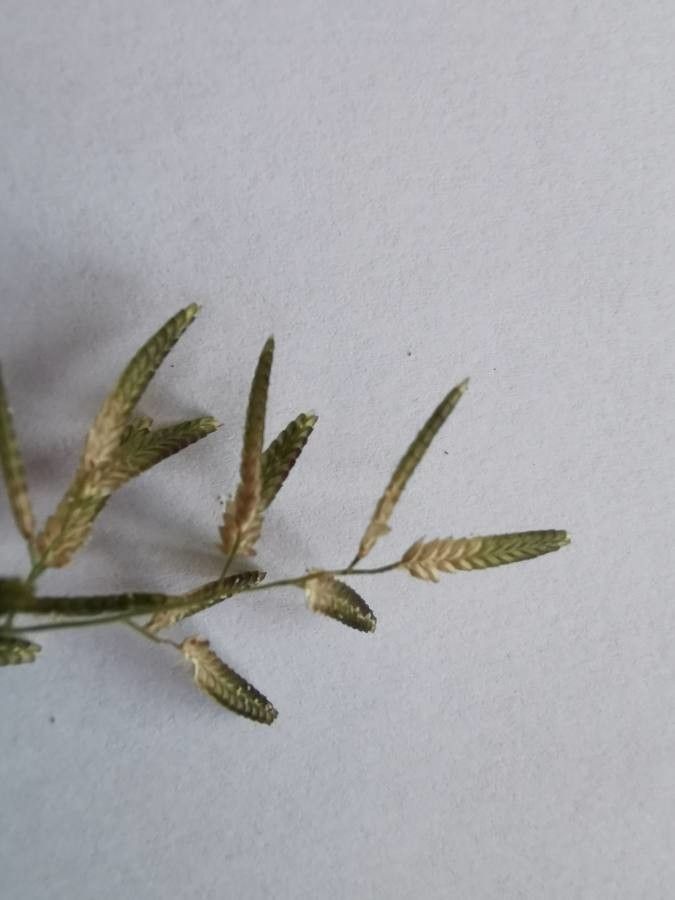
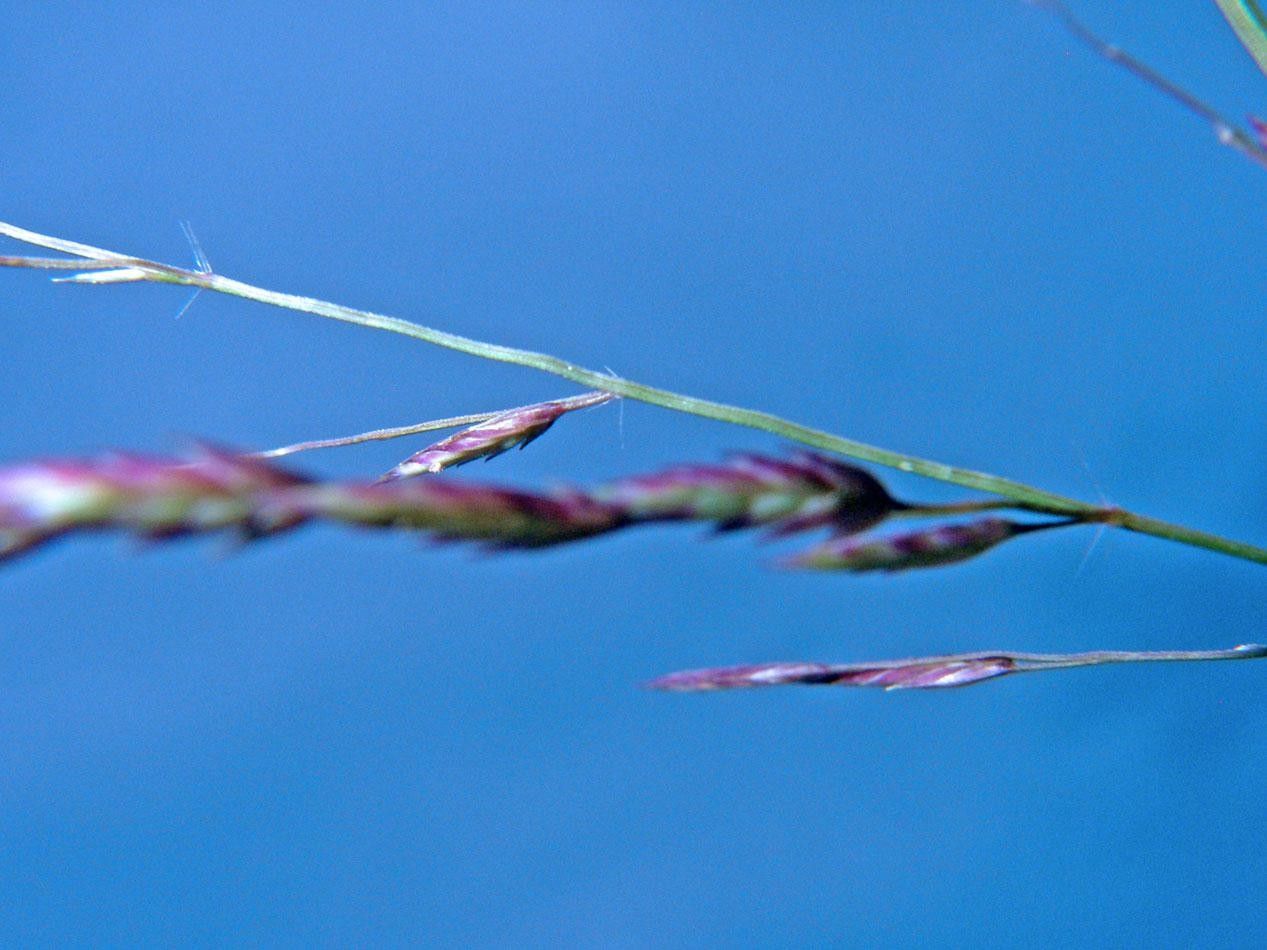
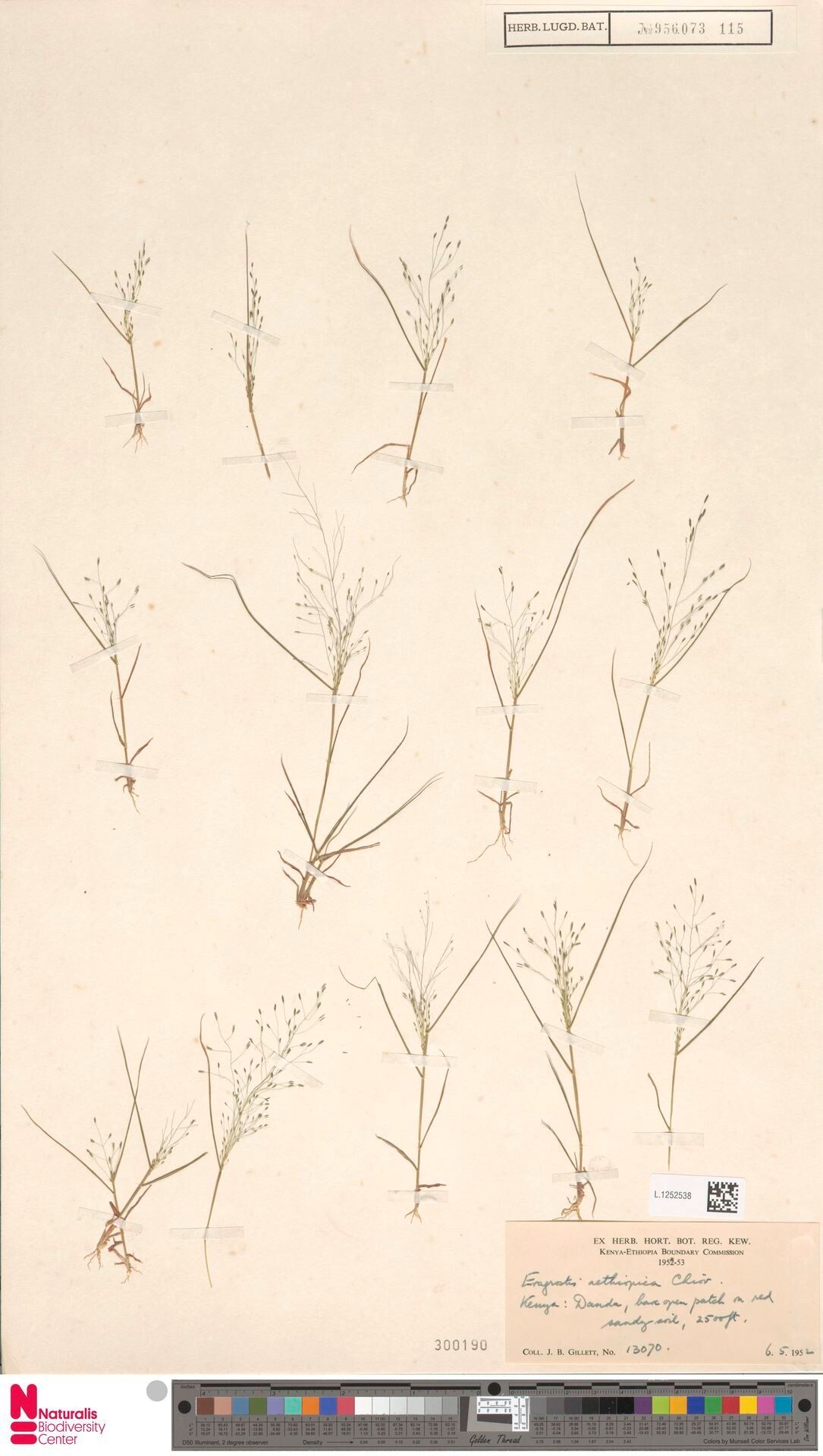
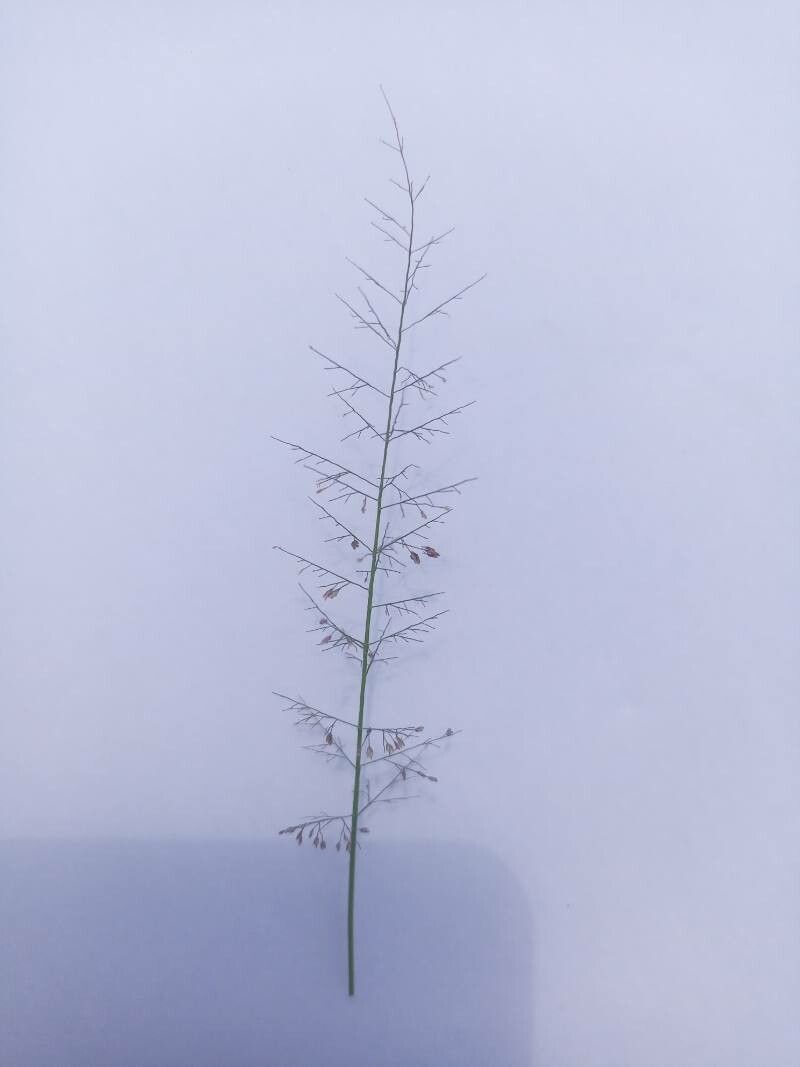
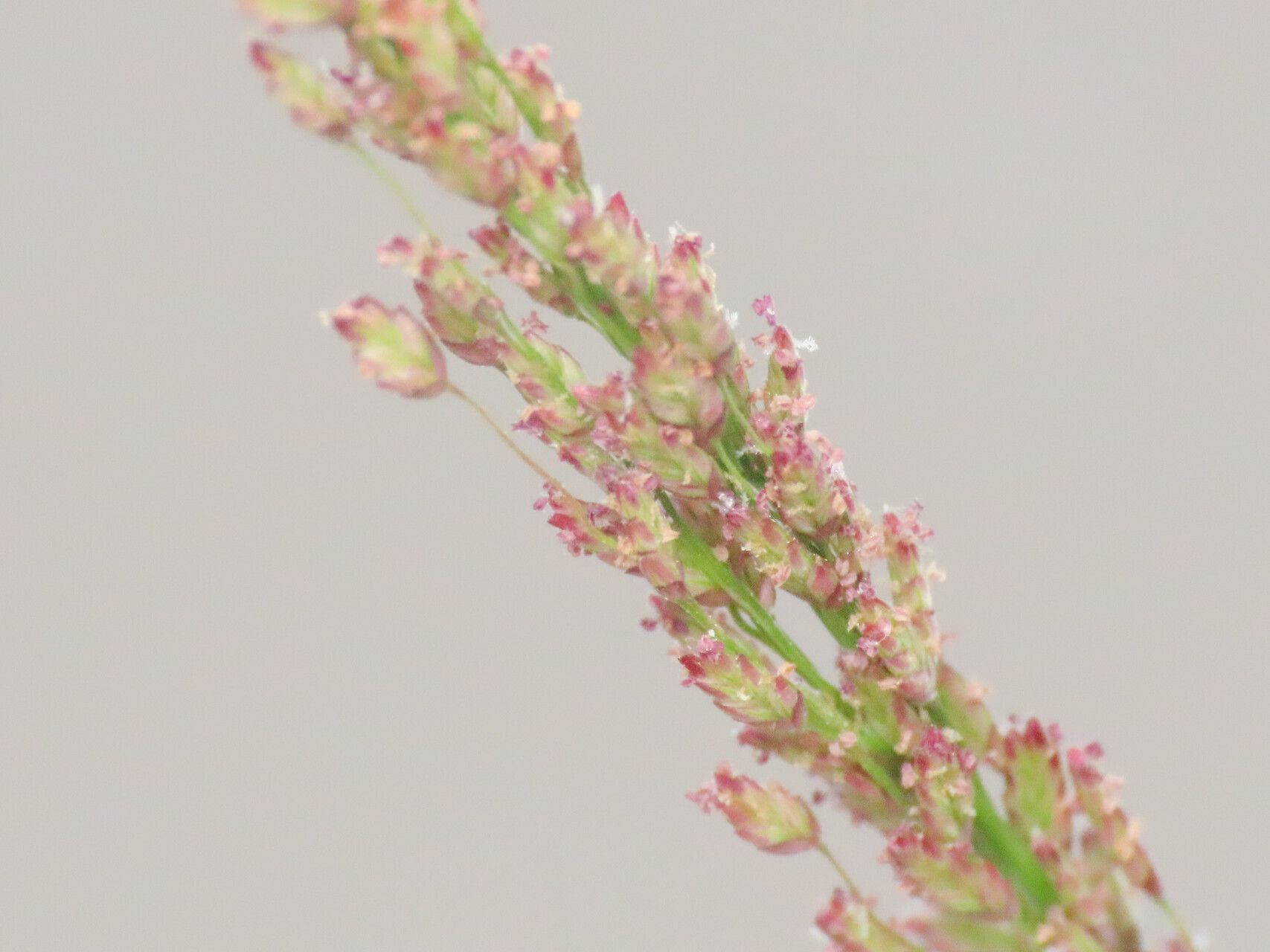
Eragrostis minor, the little lovegrass or smaller stinkgrass, is a widespread species of flowering plant in the family Poaceae, native to most of the subtropical and warm temperate Old World, and introduced to North America, South America, and Australia. Preferring disturbed open places with little competition, and sandy or gravelly soils, it is often found growing on rail embankments, road verges, cracks in sidewalks, and waste areas. Its seeds are edible, but quite small and difficult to harvest and handle, so it is usually regarded as a famine food.
Little lovegrass has good resistance to disease and is generally not susceptible to illnesses. Regarding care, this plant is fairly low-maintenance. When grown outdoors it needs little watering, and larger specimens usually do not require pruning. Smaller plants, however, should be trimmed after they finish blooming. Little lovegrass is appropriate for anyone with an outdoor area, such as a garden or deck, and does not demand extensive care experience.
How to keep Eragrostis Minor.
Light
Little lovegrass comes from bright, open habitats where it thrives in full sun. It can tolerate partial sun but prefers direct sunlight for optimal growth. This annual and biennial plant is known for its sun-loving nature.
Water
Little lovegrass thrives in moderate moisture and consistent rainfall, preferring soil that is evenly moist without becoming waterlogged. To maintain its health, weekly watering is essential. While it can adapt to both indoor and outdoor environments, little lovegrass grows best outdoors, where natural rain helps meet its moisture requirements.
Temperature
Little lovegrass originates from areas with moderate temperatures, typically flourishing in climates between 68 and 95 °F (20 to 35 ℃). This temperature span reflects the plant's precise preferences, and seasonal adjustments may be necessary to preserve these ideal conditions.
Pruning
Little lovegrass is a tufted grass characterized by its slender stems and fine leaves. For optimal growth, prune it from early to late spring. This encourages new growth and helps prevent legginess. Regular trimming is also important, as it controls the plant's spread, enhances its ornamental value, and prevents it from overtaking other plants.
Botanical profile.
- Plant Type
- Grass
- Life Cycle
- Annual
- Genus
- Eragrostis
- Family
- Poaceae
- Hardiness Zone
- 5-8
- Mature Height
- 46 cm to 61 cm
- Mature Spread
- 15 cm to 30 cm
- Leaf Color
- Green
- Leaf Type
- Semi-evergreen
- Flower Color
- Yellow, Green, Purple, Brown
- Flower Size
- 4.06 cm to 6.35 cm
- Bloom Time
- Summer, Early fall
- Planting Time
- Spring, Summer, Autumn
- Harvest Time
- Late summer, Fall
Other names.
Reader questions.
What do I do if I give my Little lovegrass too much water or too little water?
Proper watering is essential for the performance of this beautiful ornamental grass. When planted in the ground, watering issues can be solved. However, in a container, both overwatering and underwatering can quickly kill Little lovegrass. If it doesn't receive the right amount of water, it may cease to grow. Overwatering causes yellow leaves with brown tips, while underwatering leads to drooping leaves, weak seed head production, and browning. To address improper watering, first determine if there is too much or too little water. If there is excess water, refrain from watering immediately and wait for the soil to dry out. Test the soil for moisture when new growth appears and decide whether more water is necessary. For Little lovegrass that is not receiving enough water, give it a deep drink and observe if it perks up. In general, a long, deep watering is better than frequent, shallow waterings as it encourages deep root growth, making the grass more resistant to drought and possible watering problems.
What are the sunlight requirements for Little Lovegrass?
Little Lovegrass thrives in environments that provide full sun, which means it requires more than 6 hours of sunlight daily for optimal growth. It can also tolerate partial sun conditions, approximately 3-6 hours of sunlight each day. It's crucial to observe how sunlight moves through your garden to select locations that offer a good balance of light and shade, ensuring the plants' well-being.
What is the native climate for Little Lovegrass?
Little lovegrass naturally thrives in environments that maintain moderate temperatures, particularly in ranges between 68 to 95°F (20 to 35°C). These conditions are indicative of the plant's optimal growing conditions, requiring potential adjustments to ensure these temperatures are maintained across different seasons.
How often do I need to water my Little lovegrass?
The watering needs of Little lovegrass depend on where it is planted. In general, water this grass once a week. In hot climates, you may need to water it once or twice a week during the summer. In moderate climates, watering once every seven days or more should be enough. Grass in containers usually needs more frequent watering compared to grasses in the ground. However, the location also matters since shaded grasses need less watering than in-ground grasses. Only water Little lovegrass when the soil is dry. To determine if the soil is dry, press your finger a couple of inches into it. For potted grass, you can use a portable scale to weigh the grass or simply feel the pot to check if it's light from lack of water. When the roots lack sufficient water, the blades may appear folded and thinner than usual. Despite its drought tolerance, regular, deep waterings will result in beautiful color. In its natural habitat, Little lovegrass grows in open scrubland, subject to extreme heat, bright sun, and intermittent rain. Although this grass is drought resistant, it still needs care and attention. It thrives best with consistent watering. When newly planted, Little lovegrass requires more frequent watering until it establishes deep roots. Potted Little lovegrass can dry out quickly, especially in hot, direct sun, so check the soil every 3 to 4 days and water only when it feels dry. Little lovegrass in the ground generally needs less watering, but this depends on the type of soil it's planted in. Clay soil holds water for a long time and may feel dry at the surface while retaining moisture below ground. Sandy soils that drain quickly will require more frequent watering.
What are the growth essentials for Little Lovegrass?
Originating from bright, open environments, Little Lovegrass prefers full sunlight for optimal growth, although it can grow in partial sun. For indoor plants lacking natural sunlight, especially in winter or less sunny spaces, artificial lighting can be a great aid. LED lights are ideal as they can be customized to provide specific wavelengths needed by the plants. Full sun plants typically require 30-50W/sq ft of artificial light, while partial sun plants need 20-30W/sq ft, and full shade plants need 10-20W/sq ft. The light source should be placed 12-36 inches above the plant to mimic natural sunlight, and the lighting duration should match the natural daylight hours, usually 8-12 hours per day.
Does Little Lovegrass require frost protection measures during winter?
Little lovegrass exhibits a strong resistance to cold temperatures, which typically negates the need for special frost protection measures during winter. However, in scenarios where winter temperatures are forecasted to plummet below -25°C, it is critical to undertake cold protection strategies. This can be accomplished by covering the plant with insulating materials such as soil or straw and watering it abundantly before the first freeze in autumn to keep the soil moist and help prevent drought and water scarcity during the colder months.
What do I need to be cautious about when watering my Little lovegrass in different seasons, climates, or stages of growth?
To determine if you're watering your grass enough, you can look at how quickly it's growing. Little lovegrass, for example, tends to double in size within a year, especially during the hottest months. If the weather is hot but the grass isn't growing vigorously, it might be necessary to adjust your watering schedule. In the winter, you may be able to water just once a month, but it's still important to check the soil for moisture. During the grass's growth cycle in the warm months, it will require more water than usual. However, in winter and cooler months, the need for water will significantly decrease. Remember that when it comes to Little lovegrass, the soil should always be allowed to dry out completely before adding more water.
What are some common symptoms of inadequate light for Little Lovegrass?
When Little Lovegrass doesn't receive enough light, it may show various symptoms such as smaller new leaves, leggy or sparse growth, faster leaf drop, slower or no new growth, and lighter-colored new leaves. Additionally, chlorosis or the yellowing of leaves, sunscald, leaf curling, wilting, and leaf scorching can occur due to excessive sunlight or insufficient sunlight. These signs indicate that the plant is not receiving the optimal amount of sunlight for healthy growth.
How does Little Lovegrass react to low temperatures?
Little lovegrass is cold-tolerant, showing optimal growth when temperatures remain above 20°C and should ideally not drop below 0°C during winter. Exposure to temperatures below -25°C might not immediately manifest noticeable changes; however, it can lead to a significant reduction in sprouting or complete lack of sprouting by springtime. To mitigate this, removing any parts that fail to sprout in spring is recommended.
What are the solutions for insufficient sunlight for Little Lovegrass?
To counter insufficient sunlight, for indoor plants, gradually move them to sunnier spots until they receive at least 6 hours of direct sunlight daily, utilizing south-facing windows and keeping curtains open during daytime. If the plant is large or not easily movable, consider using artificial lights for at least 8 hours a day. Outdoors, plants should be moved gradually to sunnier locations to avoid sudden sunburn. This gradual adaptation helps in finding the best spot for sunlight. Minimize obstructions by pruning trees that block sunlight or transplant smaller plants during their dormant period to locations with better sunlight and drainage. It's important to note that parts of the plant that have been severely affected by insufficient light may not recover, but new growth will be healthy with increased light exposure.
What are the effects of high temperatures on Little Lovegrass?
During the summer, it's crucial to ensure that temperatures around Little lovegrass do not exceed 35°C. Exposing the plant to temperatures above 38°C can result in the leaves becoming lighter, curling, susceptibility to sunburn, and in extreme cases, leading to the wilting and drying of the entire plant. Countermeasures include trimming away sunburned and dried-up parts, moving the plant to a shaded location or utilizing a shade cloth, and watering in the morning and evening to maintain soil moisture.