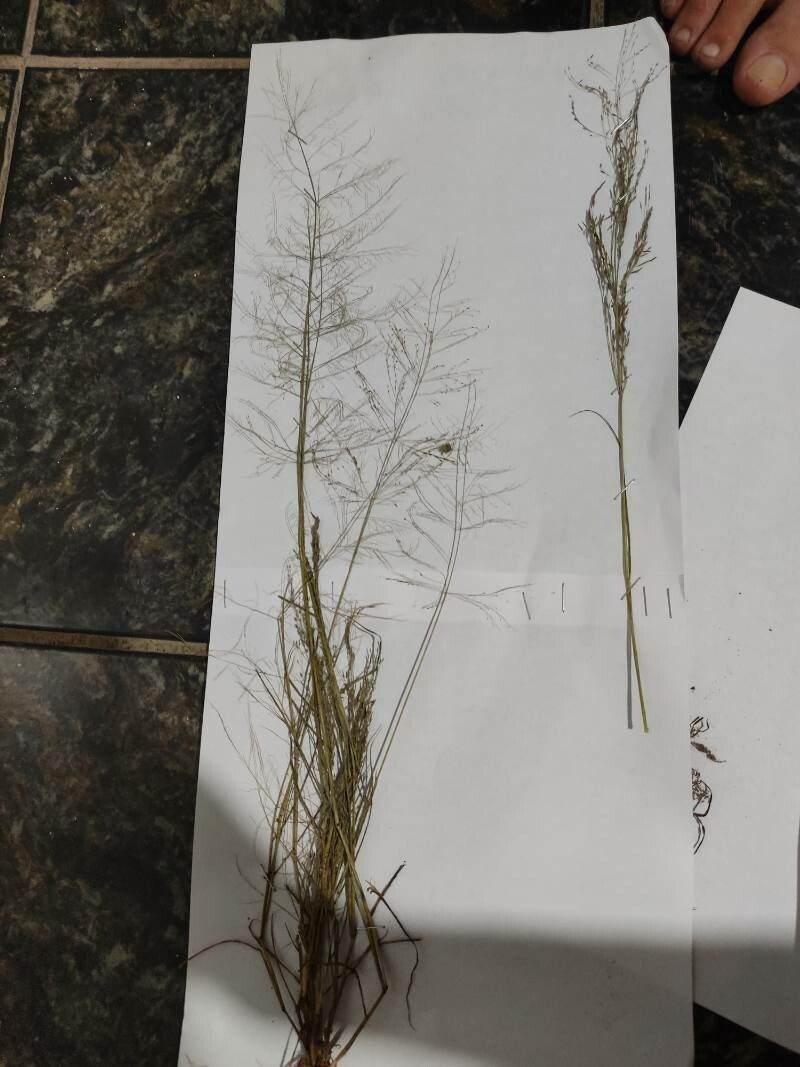
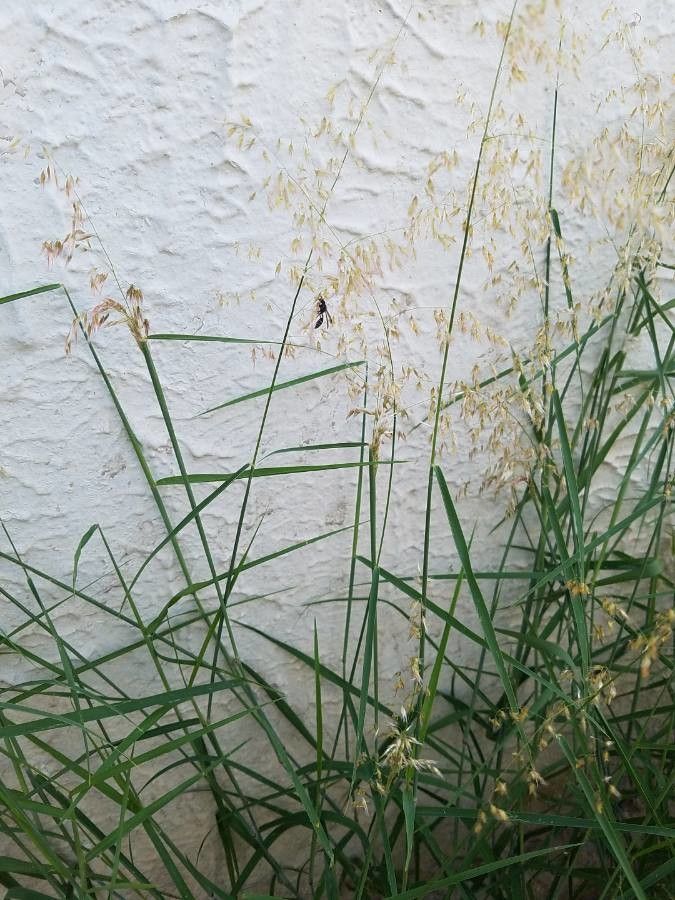
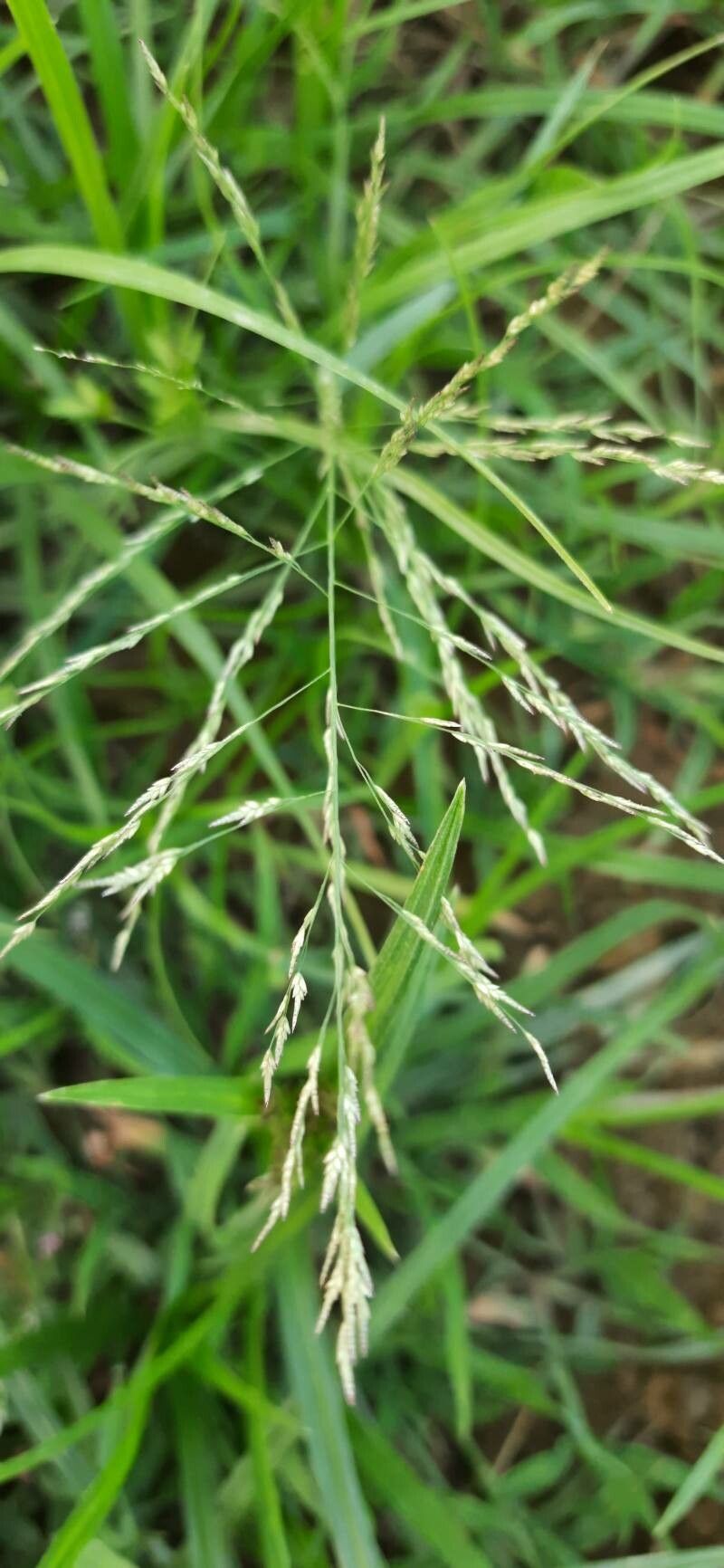
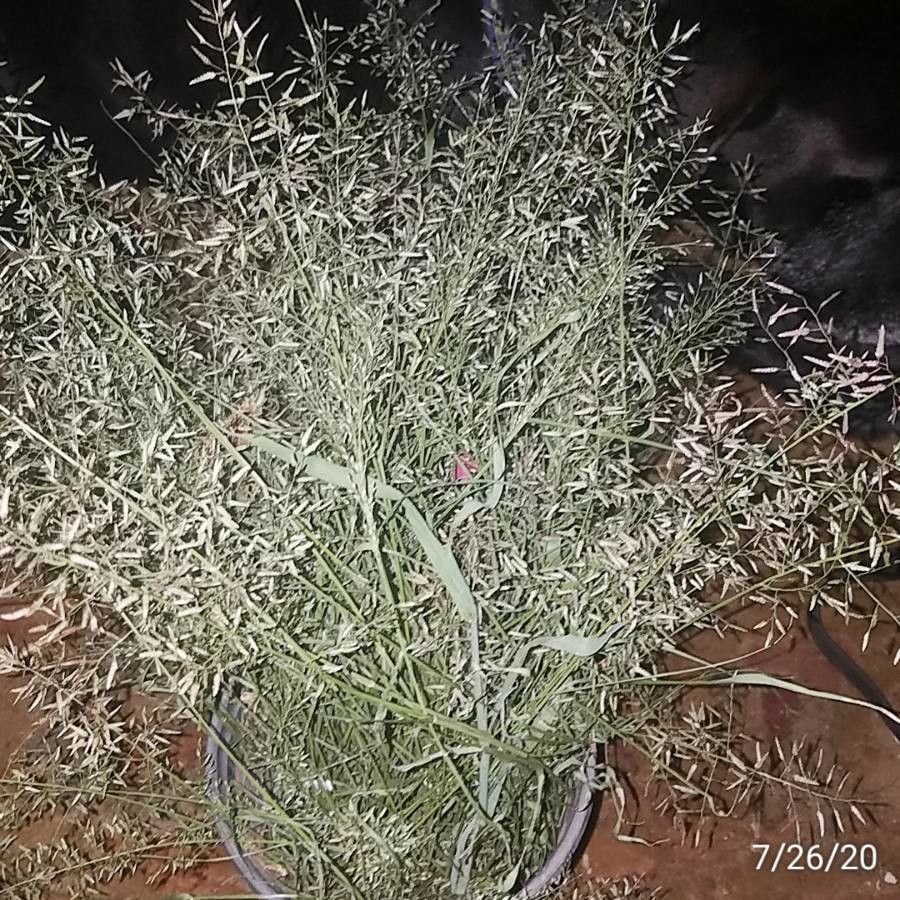
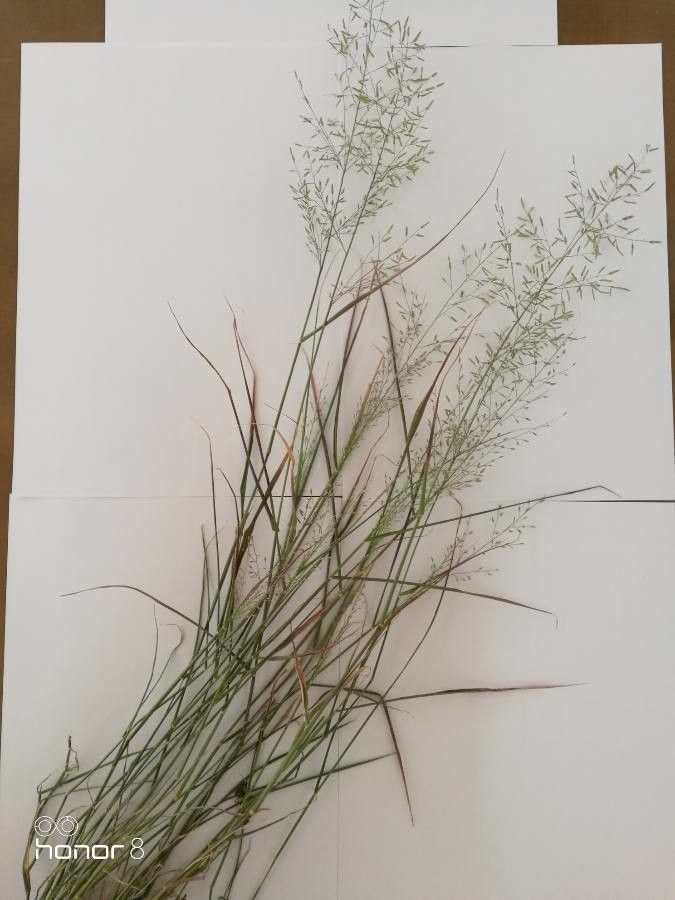
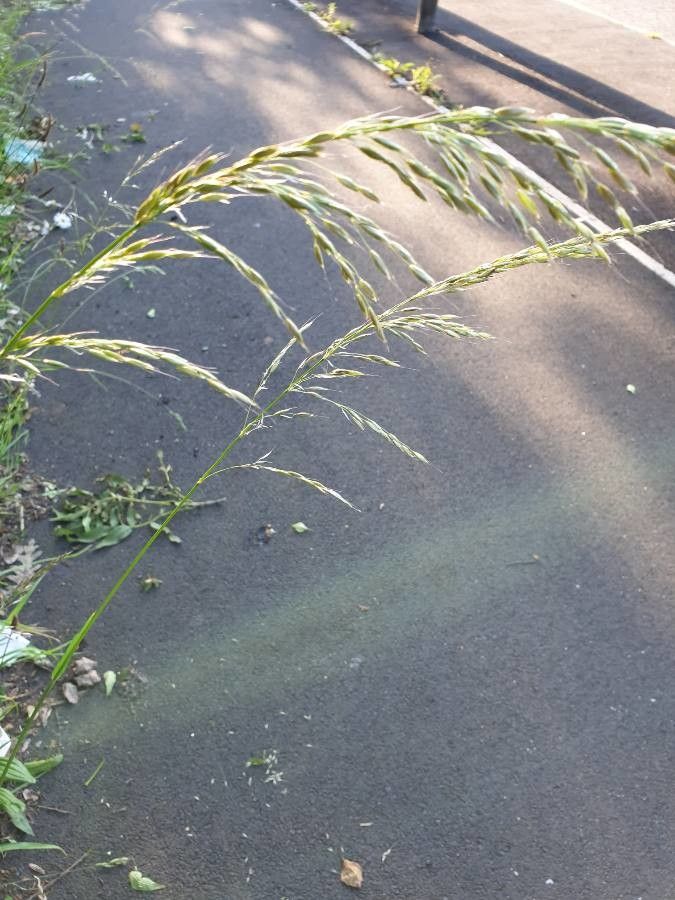
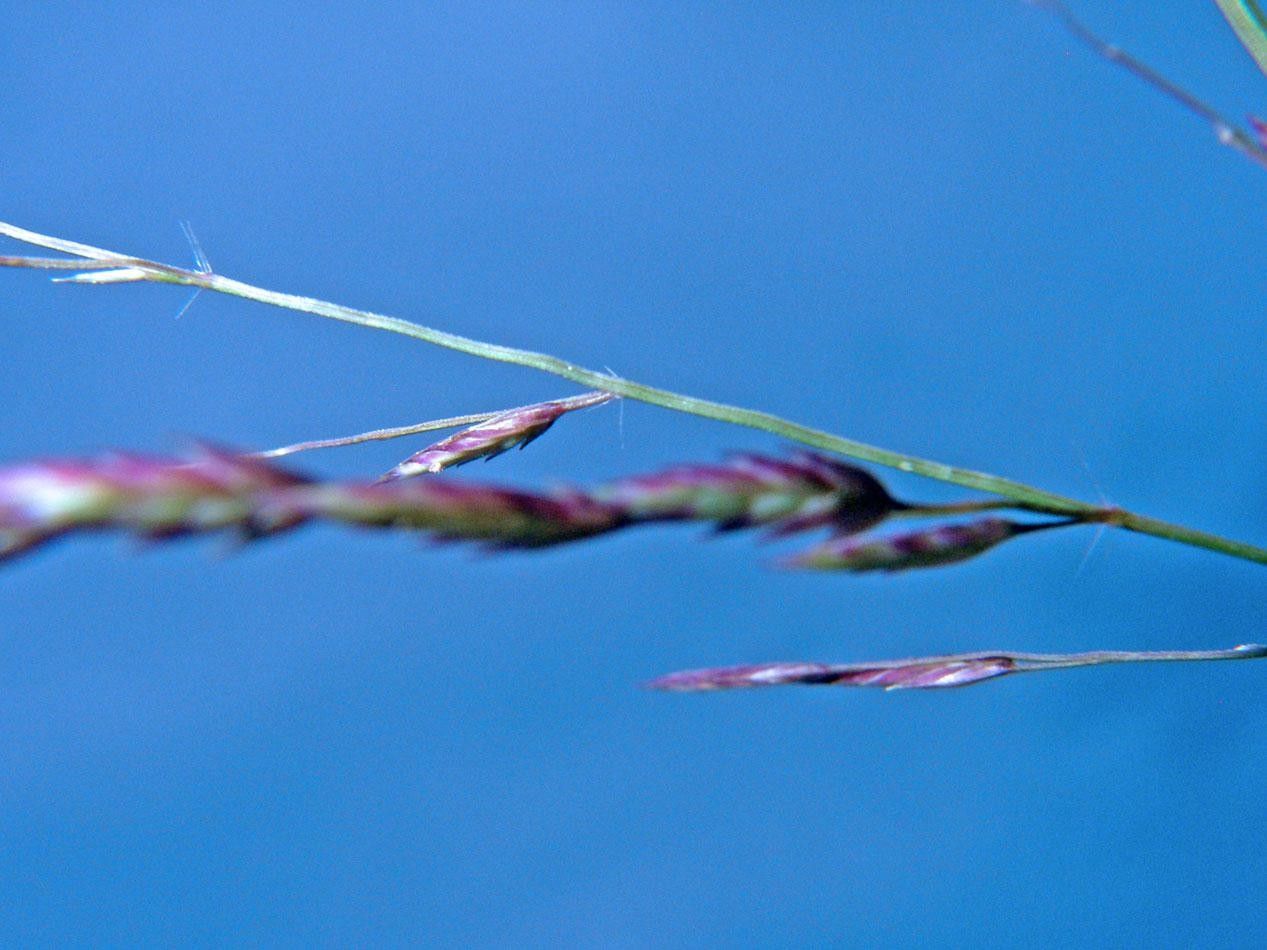
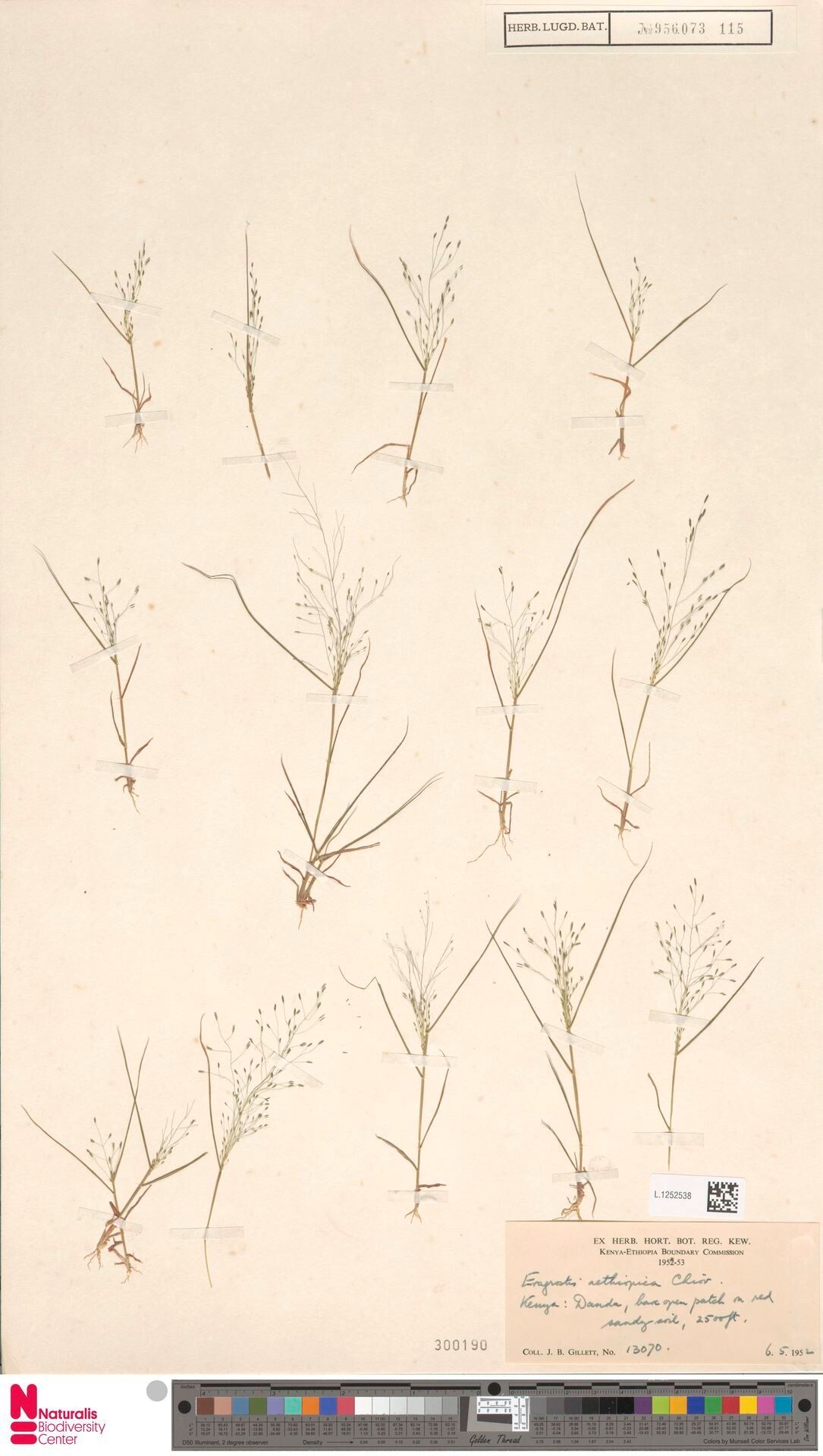
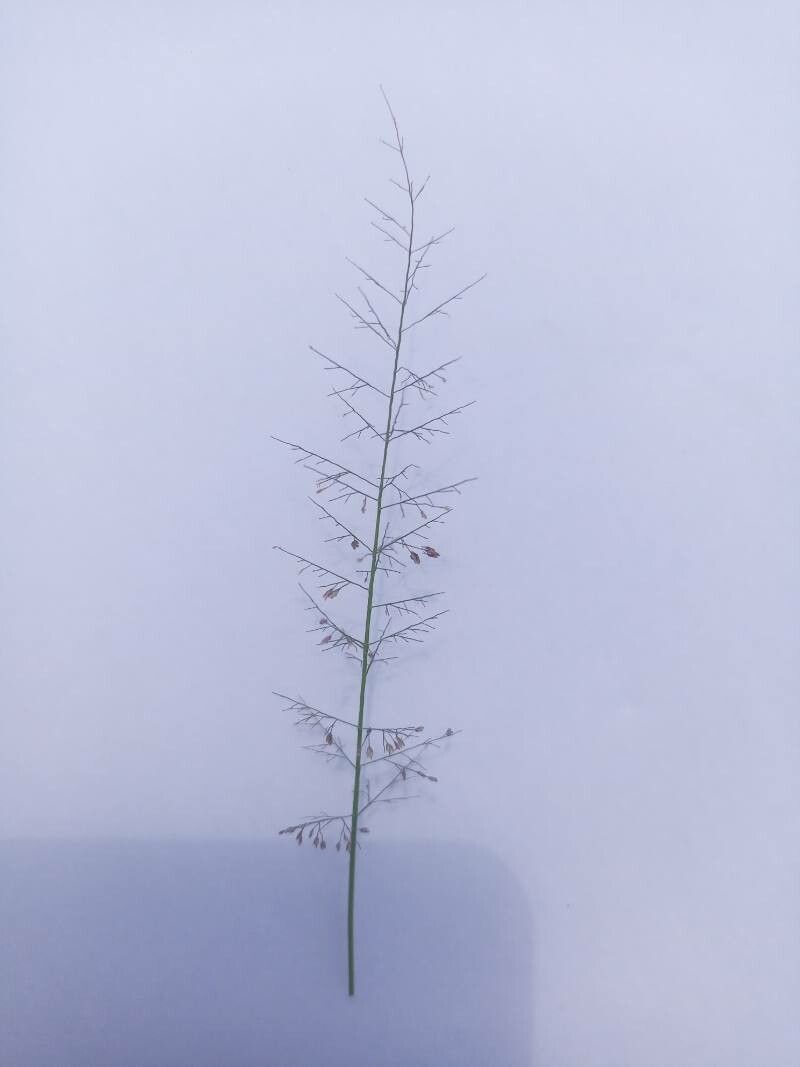
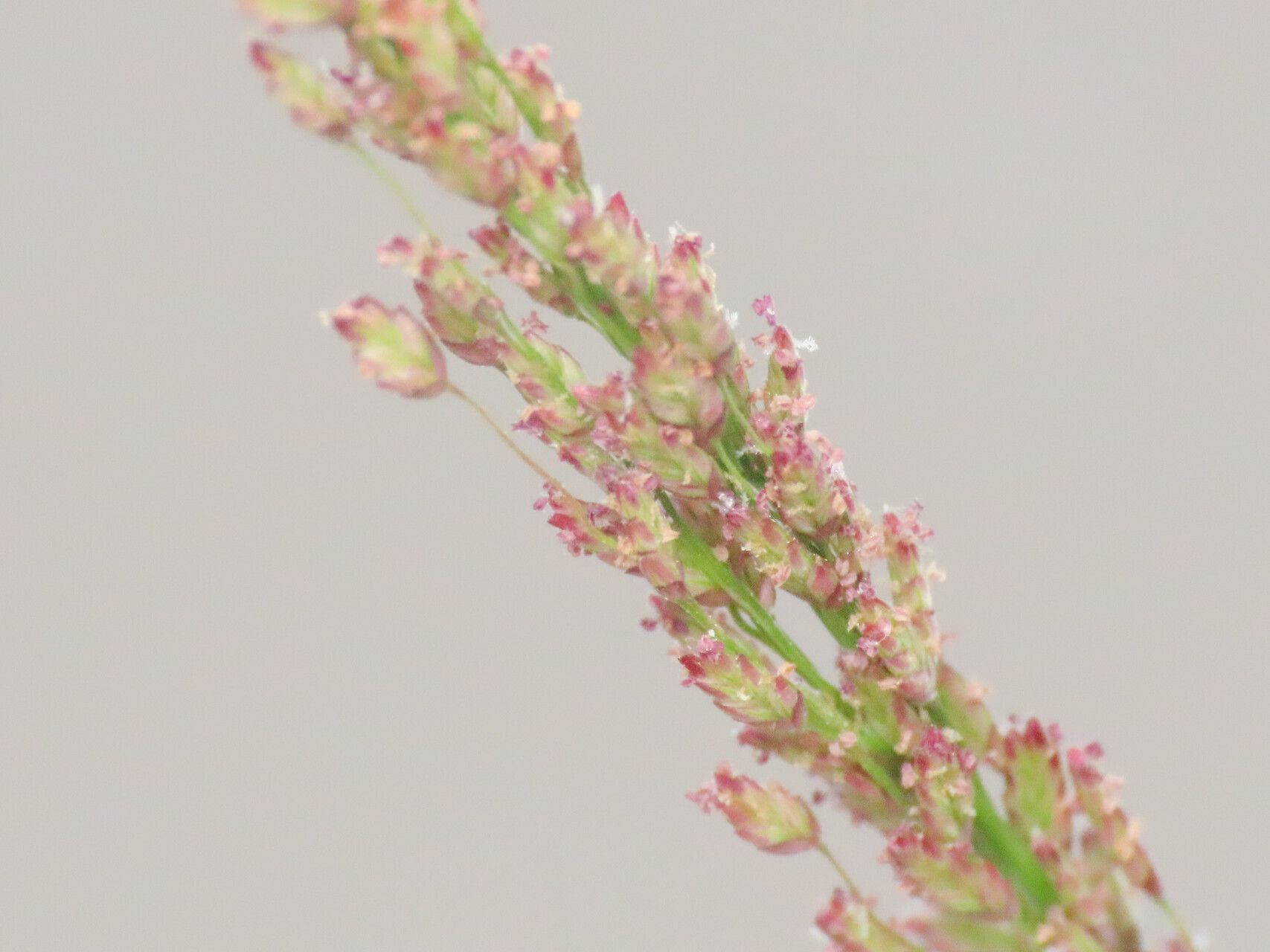
Eragrostis mexicana, the Mexican lovegrass, is an annual grass found from North America down to Argentina. Its specific epithet "mexicana" means "from Mexico". Its diploid number is 60.
Mexican lovegrass shows strong resistance to disease and is usually not prone to illness. Concerning upkeep, the plant is fairly low-maintenance. When grown outdoors it needs only minimal watering, and larger plants typically do not require pruning; smaller plants, however, should be pruned after they finish blooming. Mexican lovegrasst is appropriate for anyone with outdoor space, like a garden or deck, and does not demand much prior care experience.
How to keep Eragrostis Mexicana.
Light
Mexican lovegrass comes from bright, open habitats where it thrives in full sun. It can tolerate partial sun but favors direct sunlight for optimal growth. This annual or biennial plant is known for its sun-loving nature.
Temperature
Mexican lovegrass is fairly adaptable to temperature, capable of withstanding higher heat and wide temperature fluctuations. In hot weather, attention should be paid to watering and suitable shade provided to prevent sunburn. Its tolerance for low temperatures, however, is relatively poor. While it can endure some cold, excessively low temperatures may cause frost damage.
Botanical profile.
- Plant Type
- Grass
- Life Cycle
- Annual
- Genus
- Eragrostis
- Family
- Poaceae
- Hardiness Zone
- 8-11
- Mature Height
- 30 cm to 91 cm
- Mature Spread
- 20 cm to 40 cm
- Leaf Color
- Green, Light Green
- Leaf Type
- Deciduous
- Bloom Time
- Summer, Early fall
- Planting Time
- Spring, Summer, Autumn
- Harvest Time
- Late summer, Fall
- Native Area
- Colombia, Honduras, Mexico, Guatemala, Bolivia, Venezuela, Peru, El Salvador, Nicaragua, Ecuador, Costa Rica, Panama
Other names.