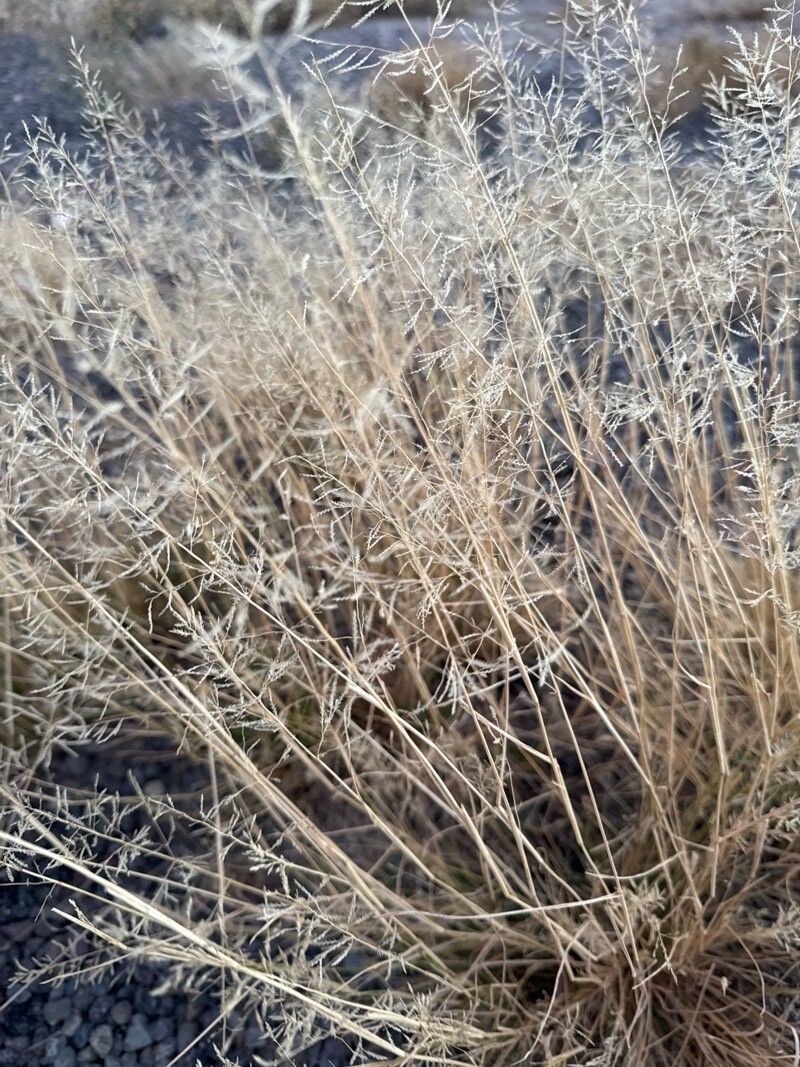
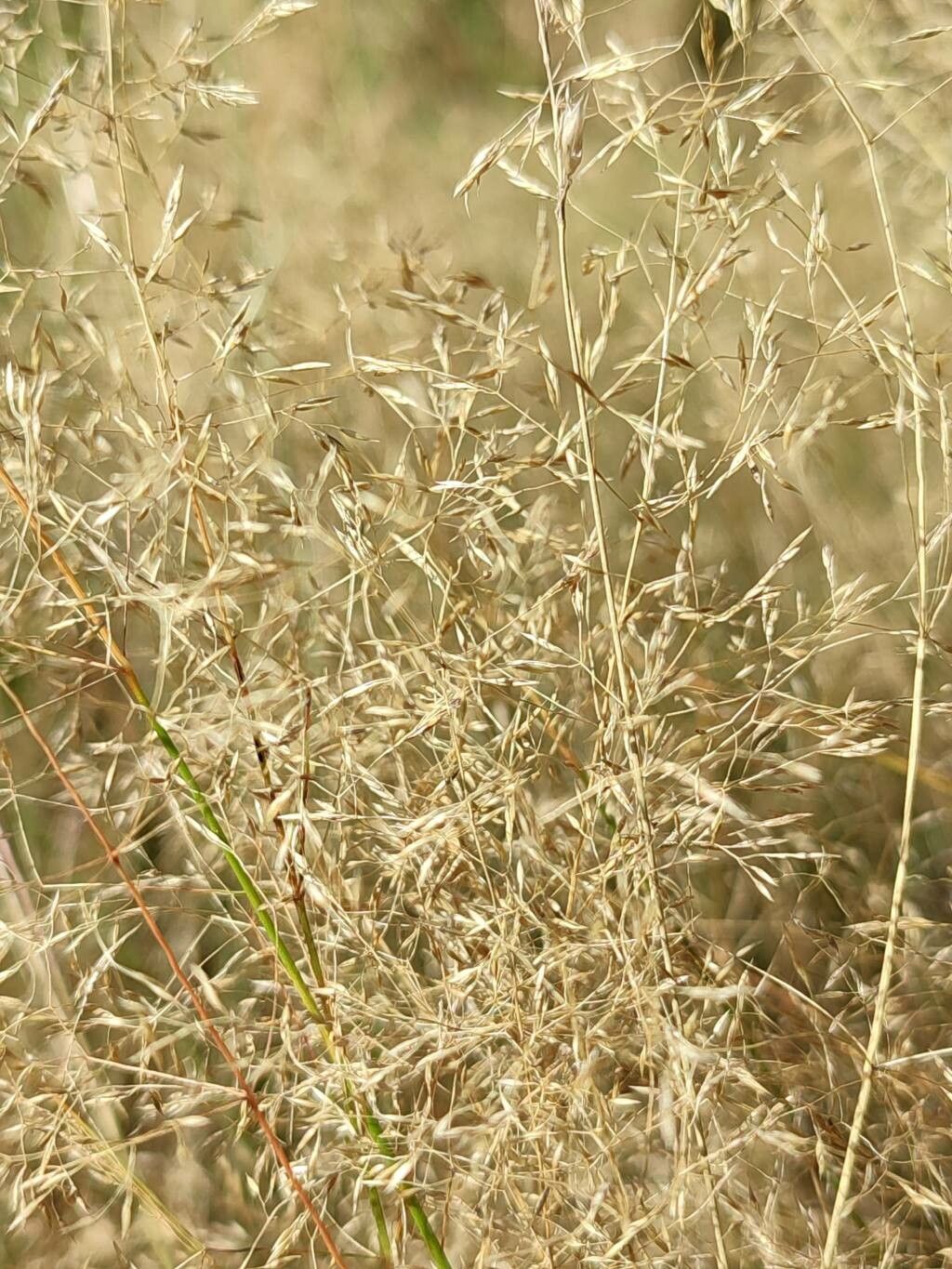
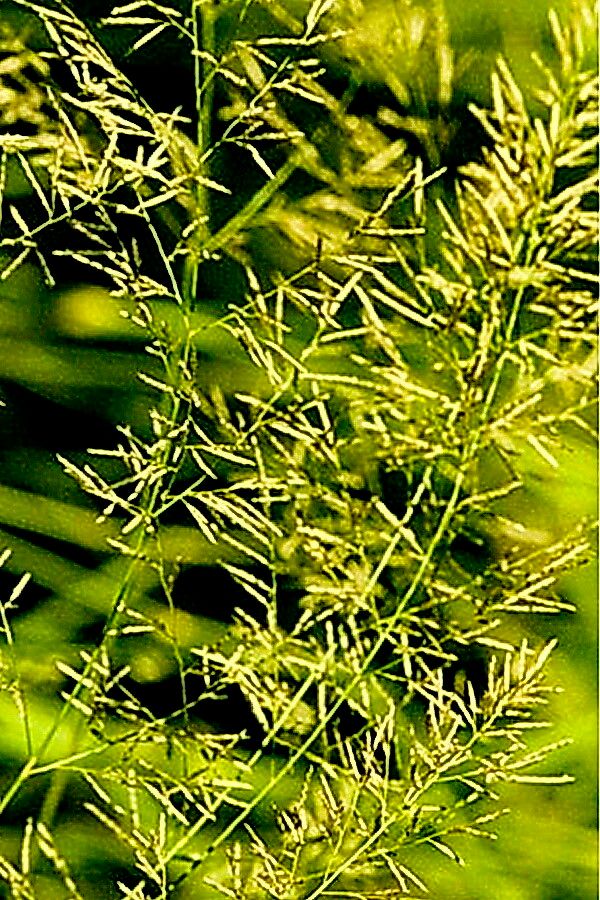
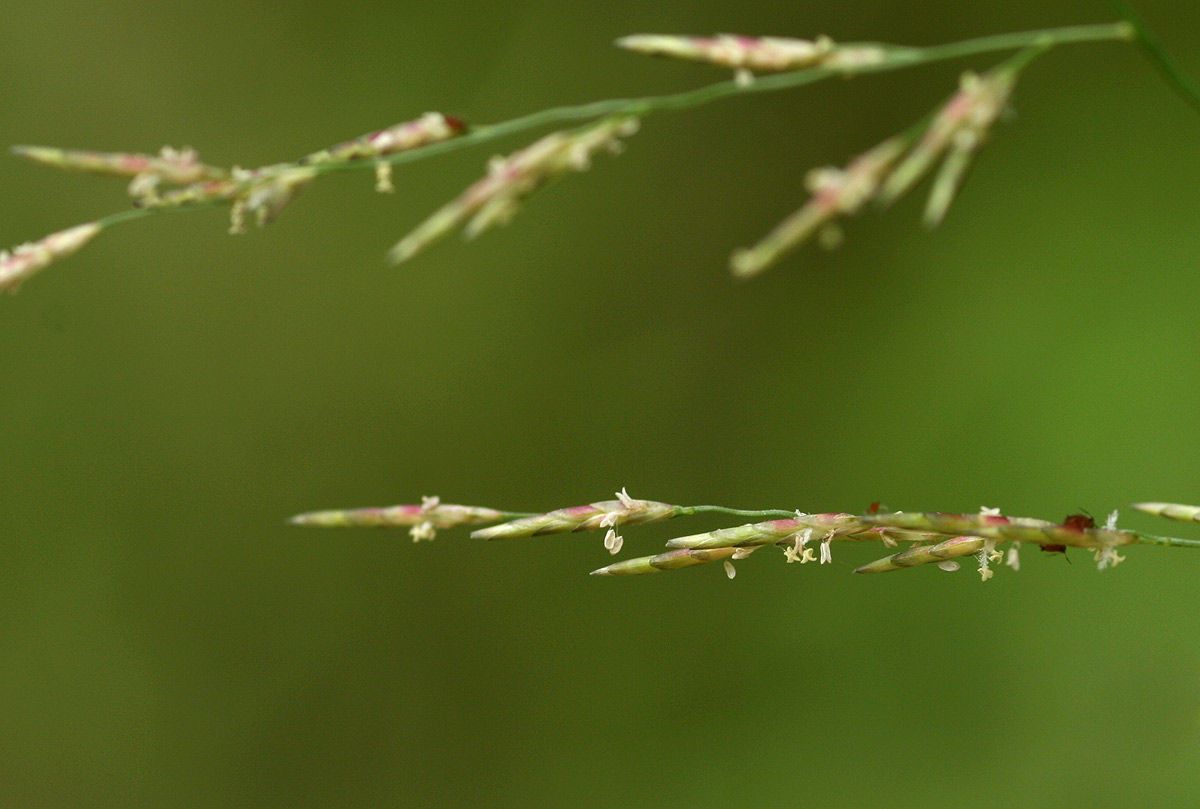
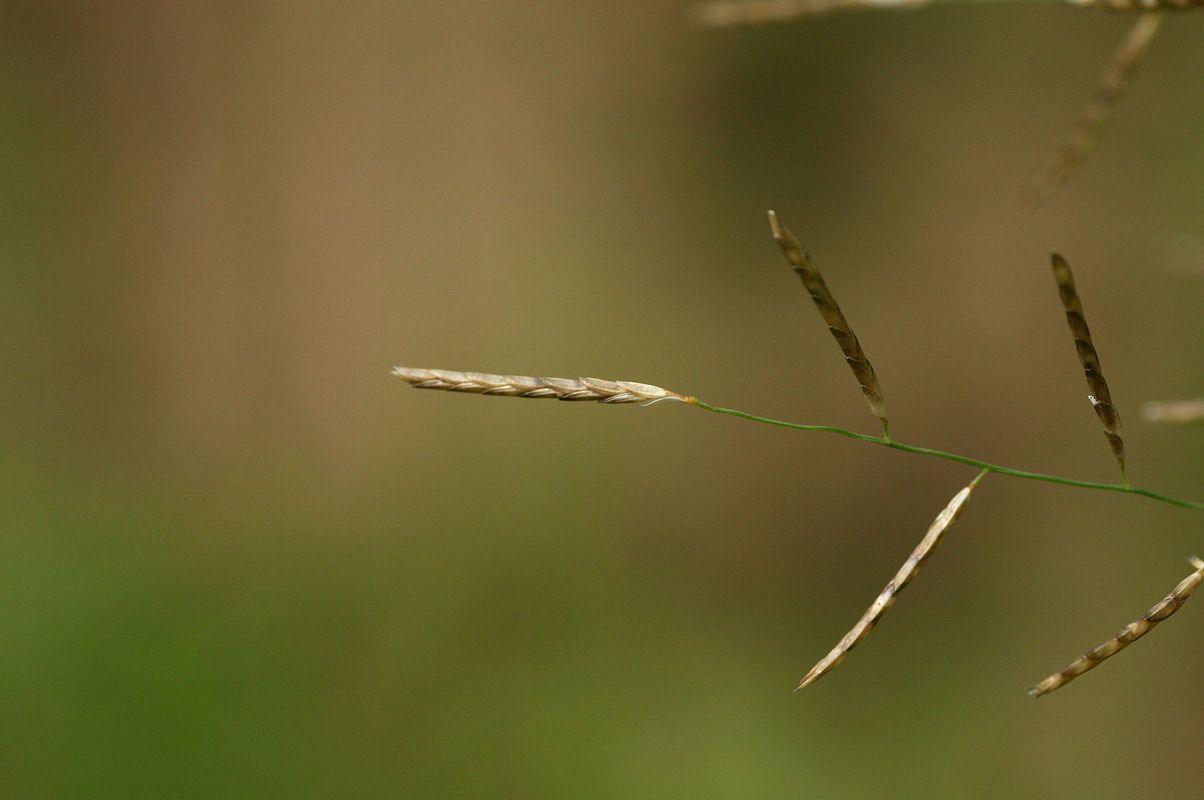
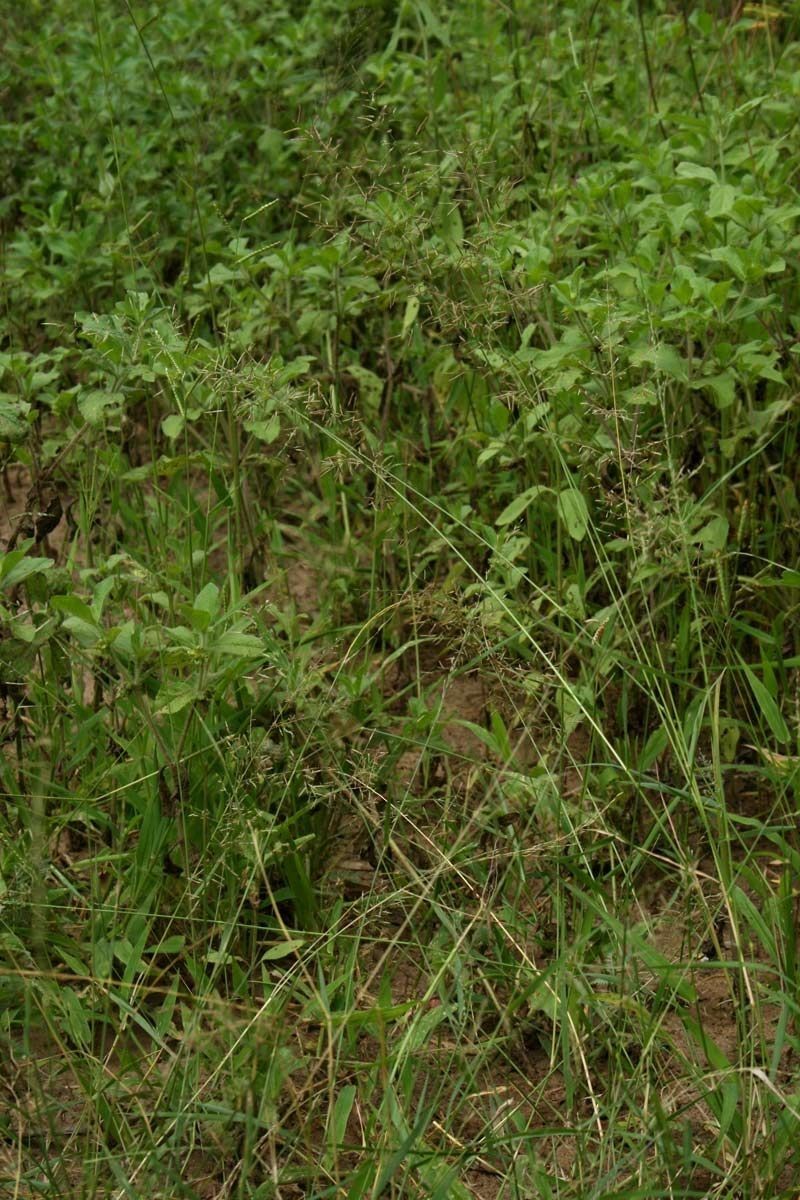
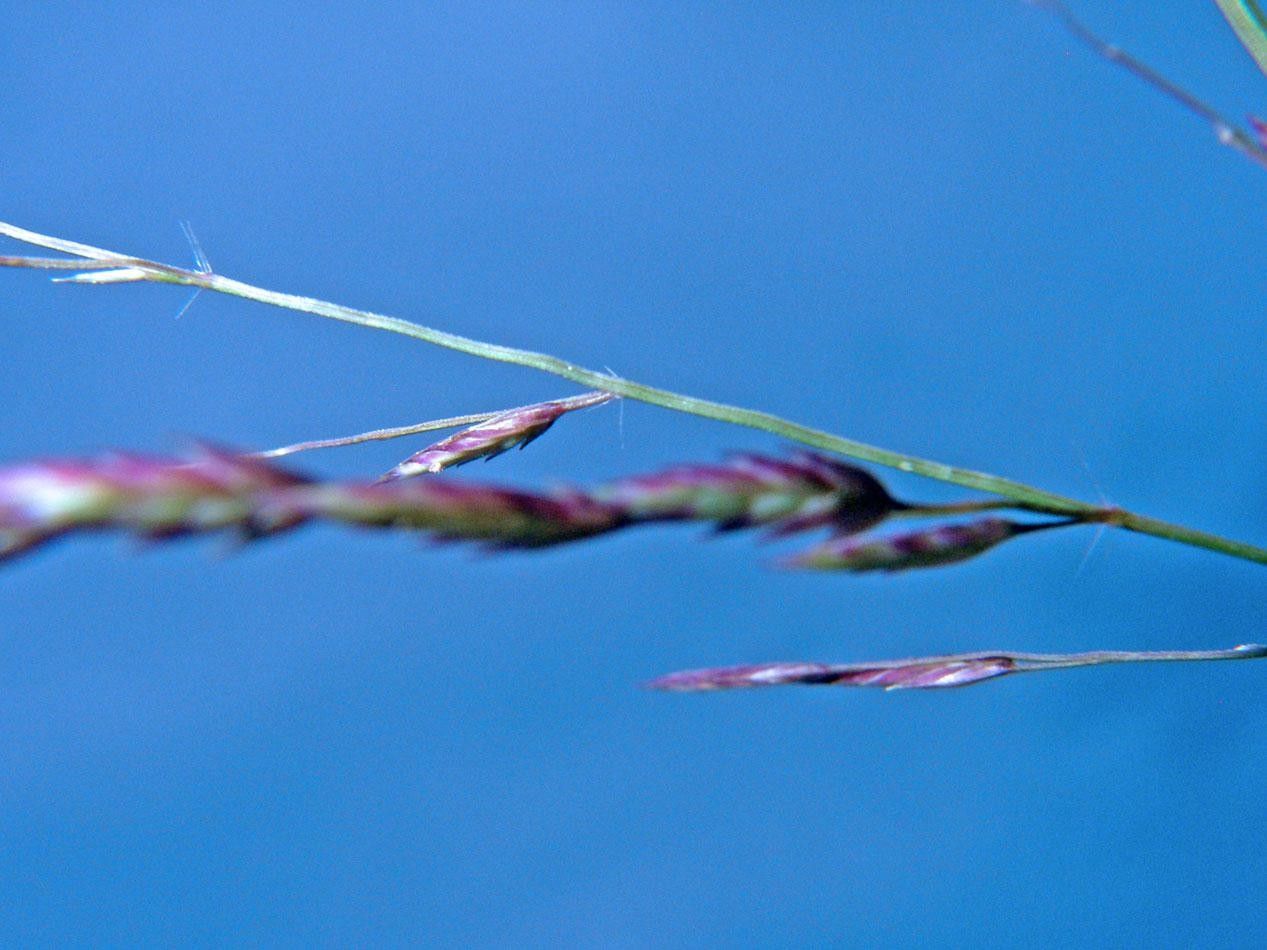
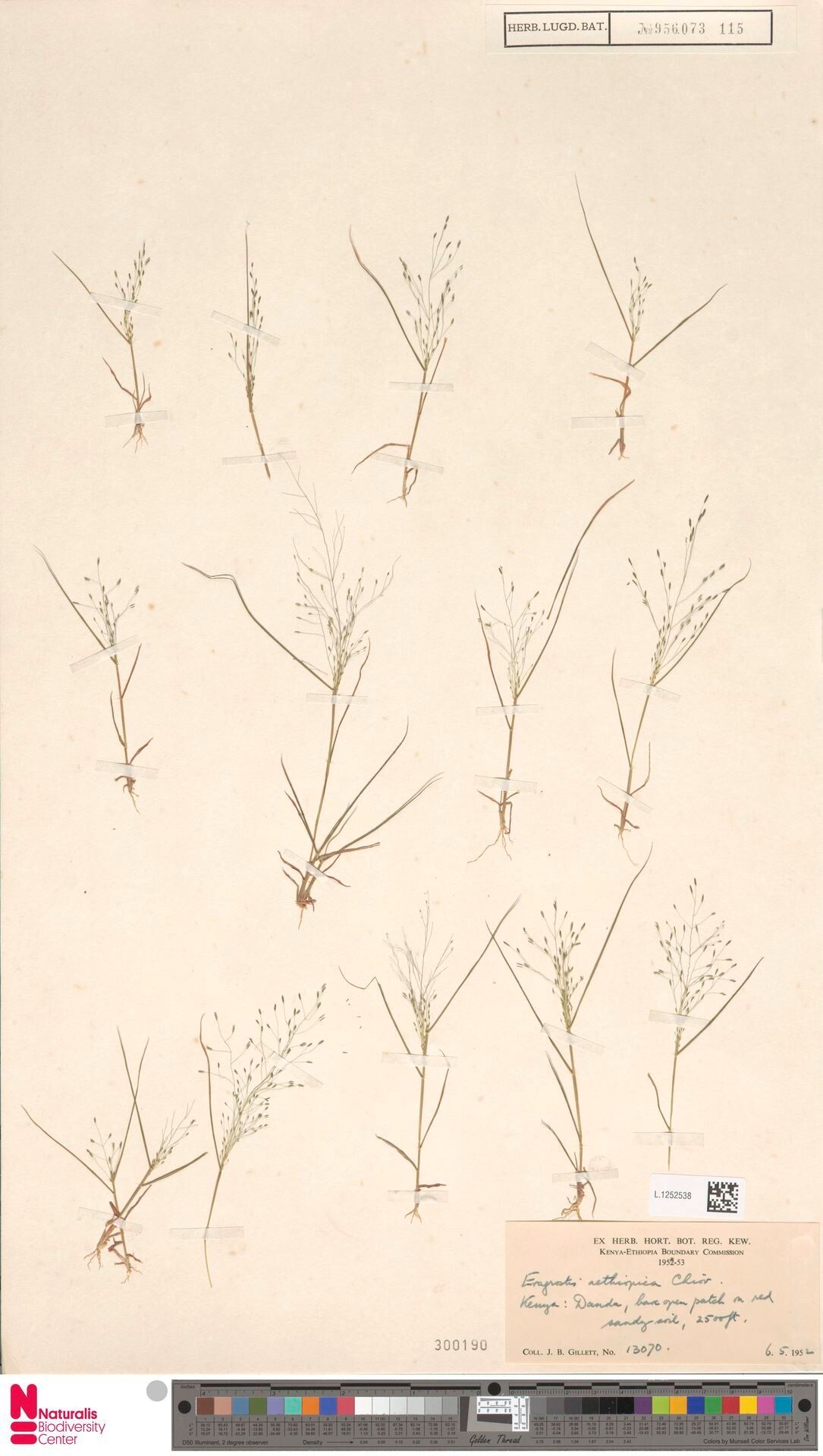
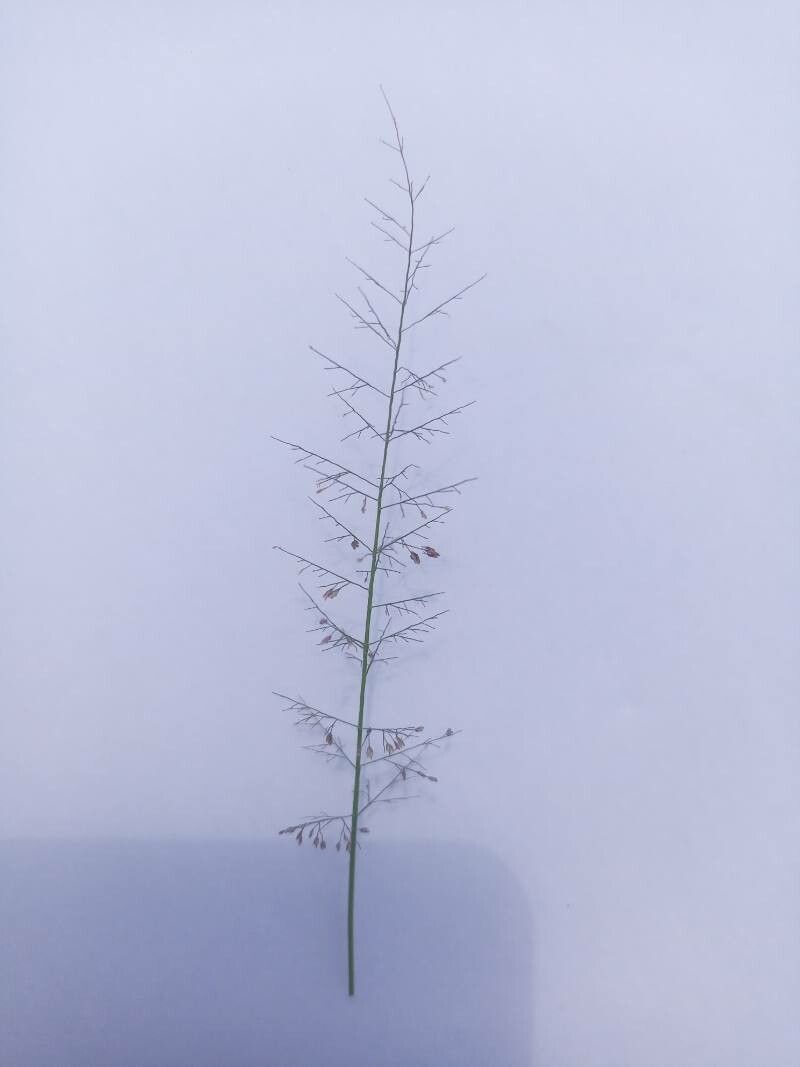
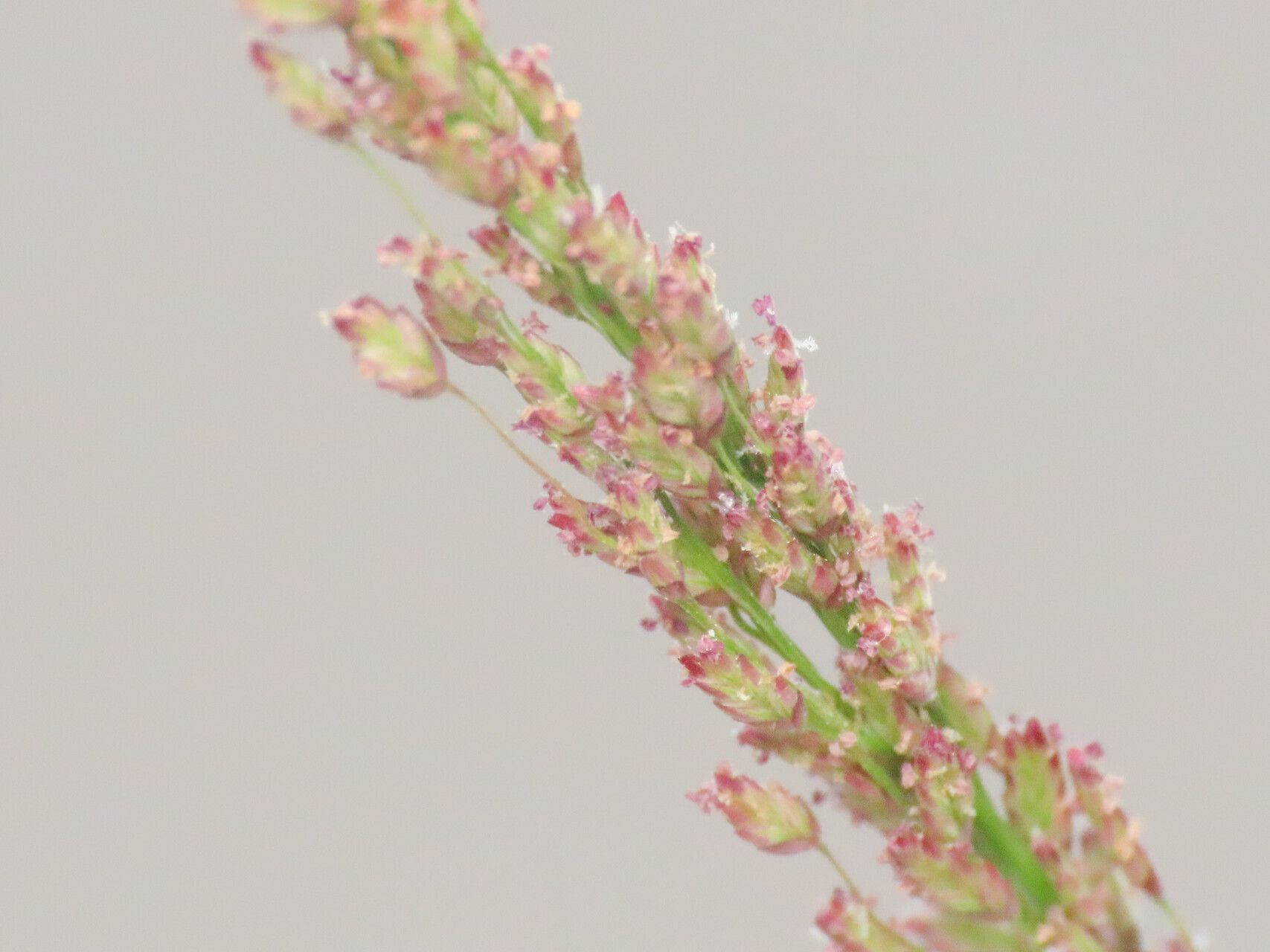
Eragrostis lehmanniana, commonly known as Lehmann lovegrass, is a perennial grass species native to southern Africa. This grass is favored as an ornamental plant due to its attractive appearance and its ability to thrive in hot and dry conditions. Typically, the plant can grow up to 1 meter tall, featuring narrow leaves that are either green or blue-green. Its inflorescence consists of numerous small spikelets arranged in a panicle shape at the top of the stem. Lehmann lovegrass is frequently used for erosion control, thanks to its extensive root system, which helps to stabilize soil on steep slopes or disturbed areas. In addition, it serves as forage for livestock and wildlife, making it a valuable species for grazing land management. However, if not properly managed, Lehmann lovegrass can become invasive. Its ability to spread rapidly through seed production and vegetative growth from rhizomes makes it necessary to monitor and control its spread effectively.
Lehmann's lovegrass is well resistant to disease and is generally not prone to illness. As for care, this plant is fairly low-maintenance. Planted outdoors it needs little watering, and larger plants typically do not require pruning. Smaller plants, however, should be pruned after they finish blooming. Lehmann's lovegrass is suitable for anyone with an outdoor area, such as a garden or deck, and does not need much experience in plant care.
How to keep Eragrostis Lehmanniana.
Light
Lehmann's lovegrass is a sun-loving perennial herbaceous plant that originates in open habitats and commonly thrives in meadows and grasslands. It prefers full sun but can also tolerate partial sun.
Temperature
Lehmann's lovegrass is well adapted to temperature, capable of withstanding high heat and wide temperature swings. In hot conditions, attention should be given to watering and providing appropriate shade to avoid sunburn. Conversely, Lehmann's lovegrass is relatively intolerant of low temperatures. While it can endure some cold, overly cold conditions can cause frost damage.
Fertilizer
Lehmann's lovegrass needs extra nutrients to encourage healthy new growth. In spring, applying compost around the plant's base can effectively supply the necessary nutrition. Fertilizing supports vigorous growth and helps the plant resist diseases and pests.
Pruning
Lehmann's lovegrass is a hardy and drought-resistant plant, known for its tall blades. To keep it healthy, prune the grass in early spring by cutting the dead stems to 2-3 inches (5-8 cm) above the ground. This will promote new growth, enhance vigor, improve air circulation, and reduce the risk of fungal infections.
Botanical profile.
- Plant Type
- Grass
- Life Cycle
- Perennial
- Genus
- Eragrostis
- Family
- Poaceae
- Hardiness Zone
- 8-11
- Mature Height
- 30 cm to 91 cm
- Mature Spread
- 30 cm to 61 cm
- Leaf Color
- Light Green, Pale Green
- Leaf Type
- Deciduous
- Bloom Time
- Summer, Early fall
- Planting Time
- Spring, Summer
- Harvest Time
- Late summer, Fall
- Native Area
- Lesotho, Angola, Mozambique, South Africa, Zambia, Namibia, Botswana, Zimbabwe
Other names.