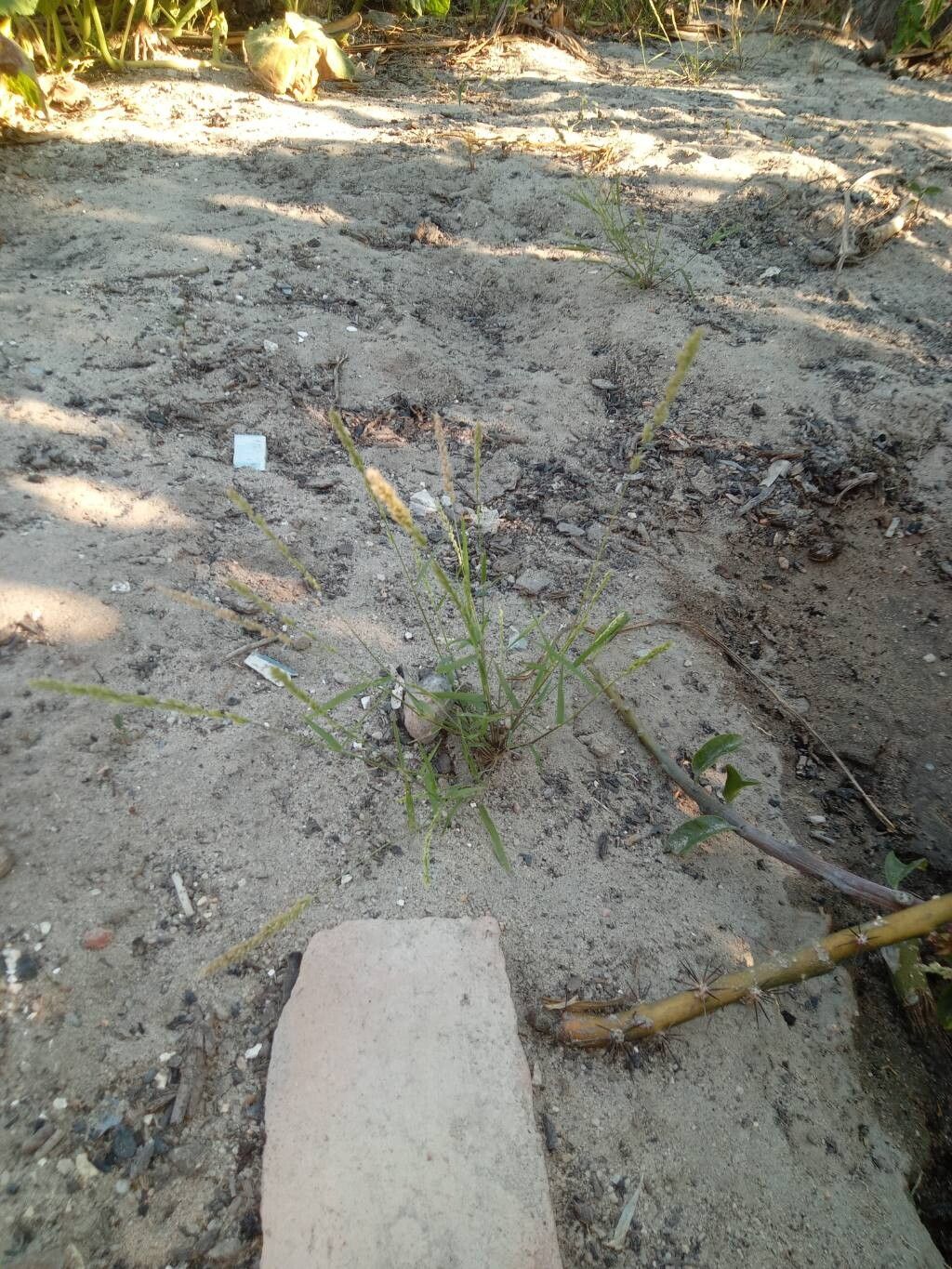
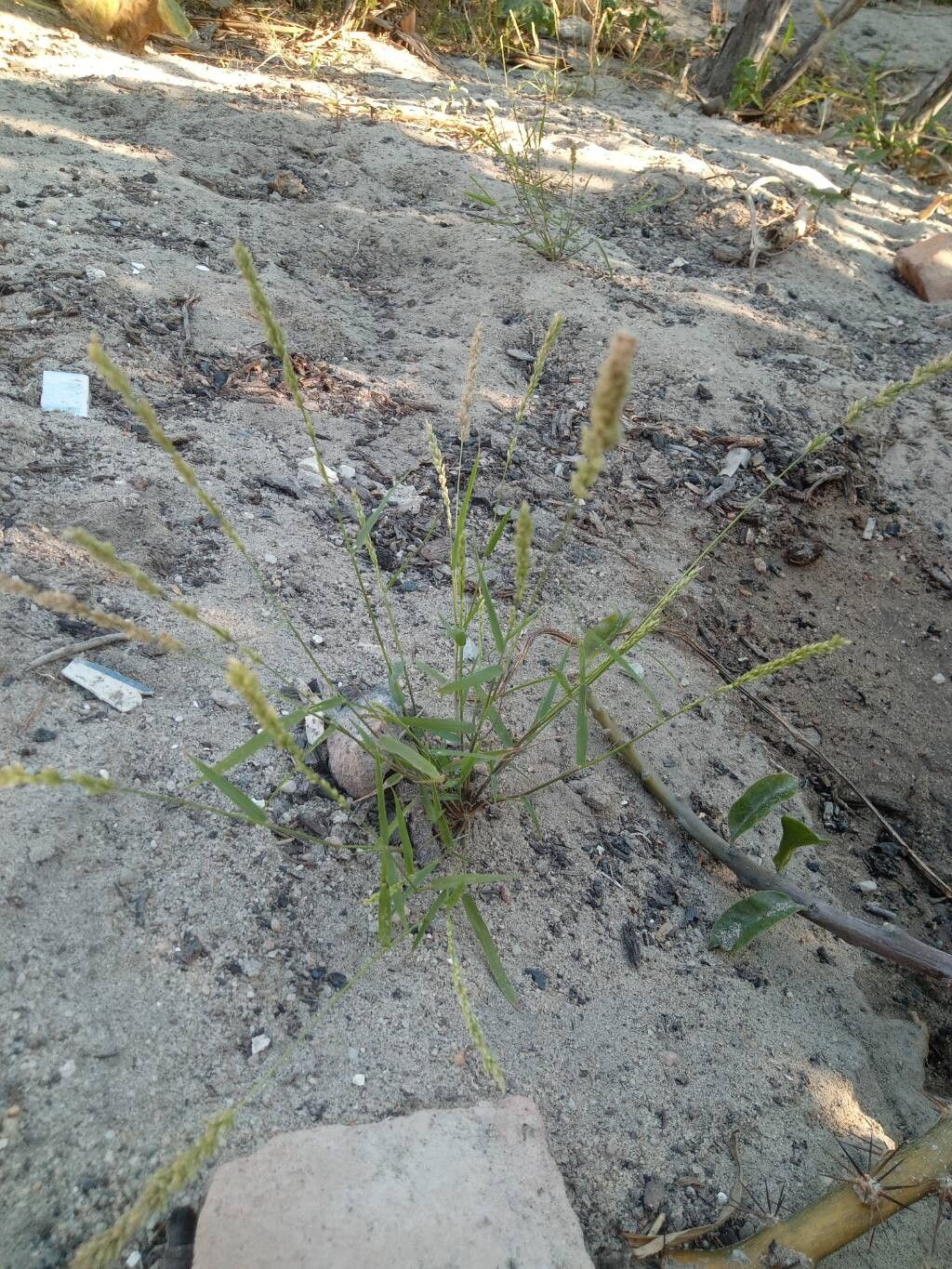
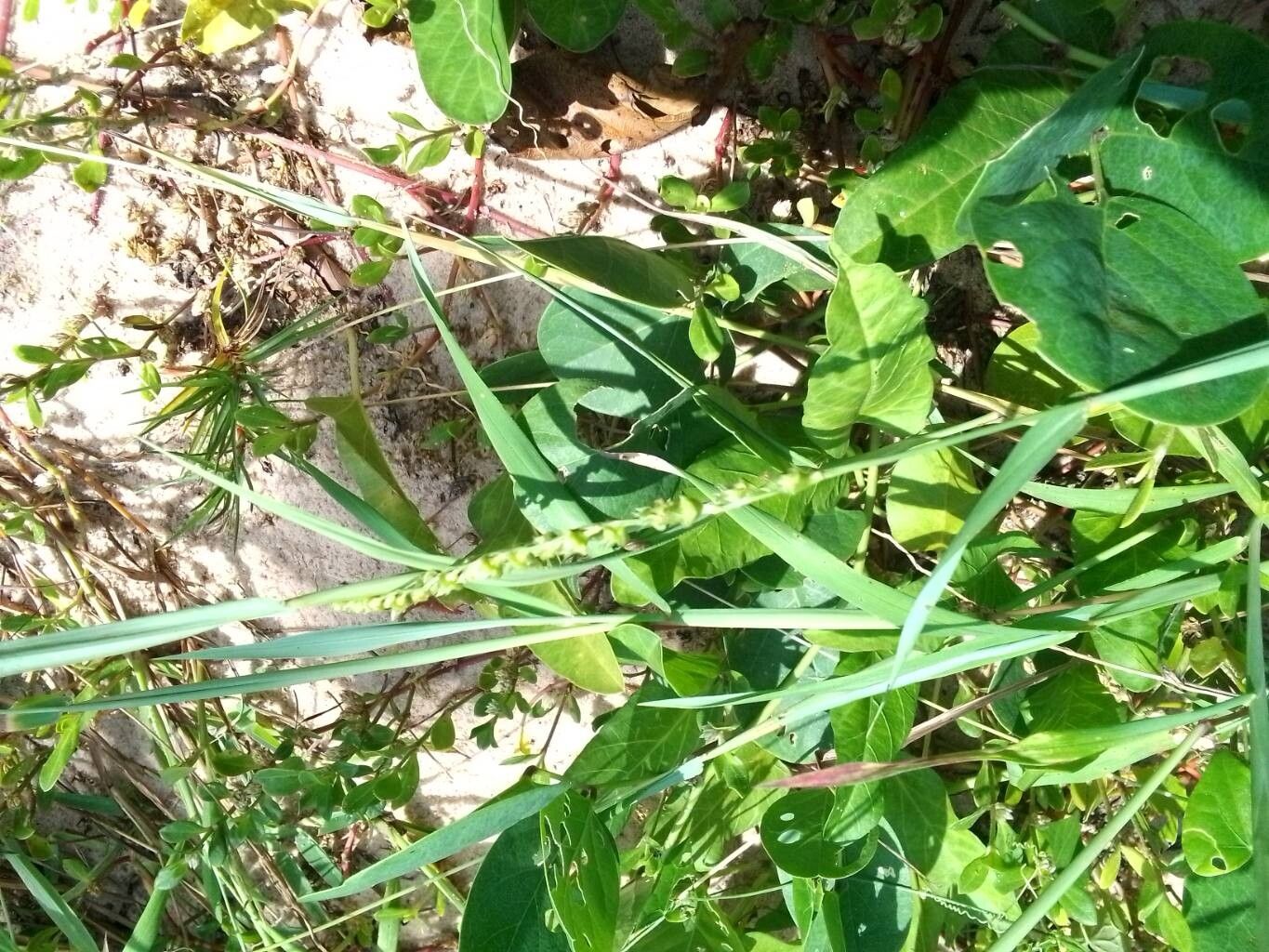
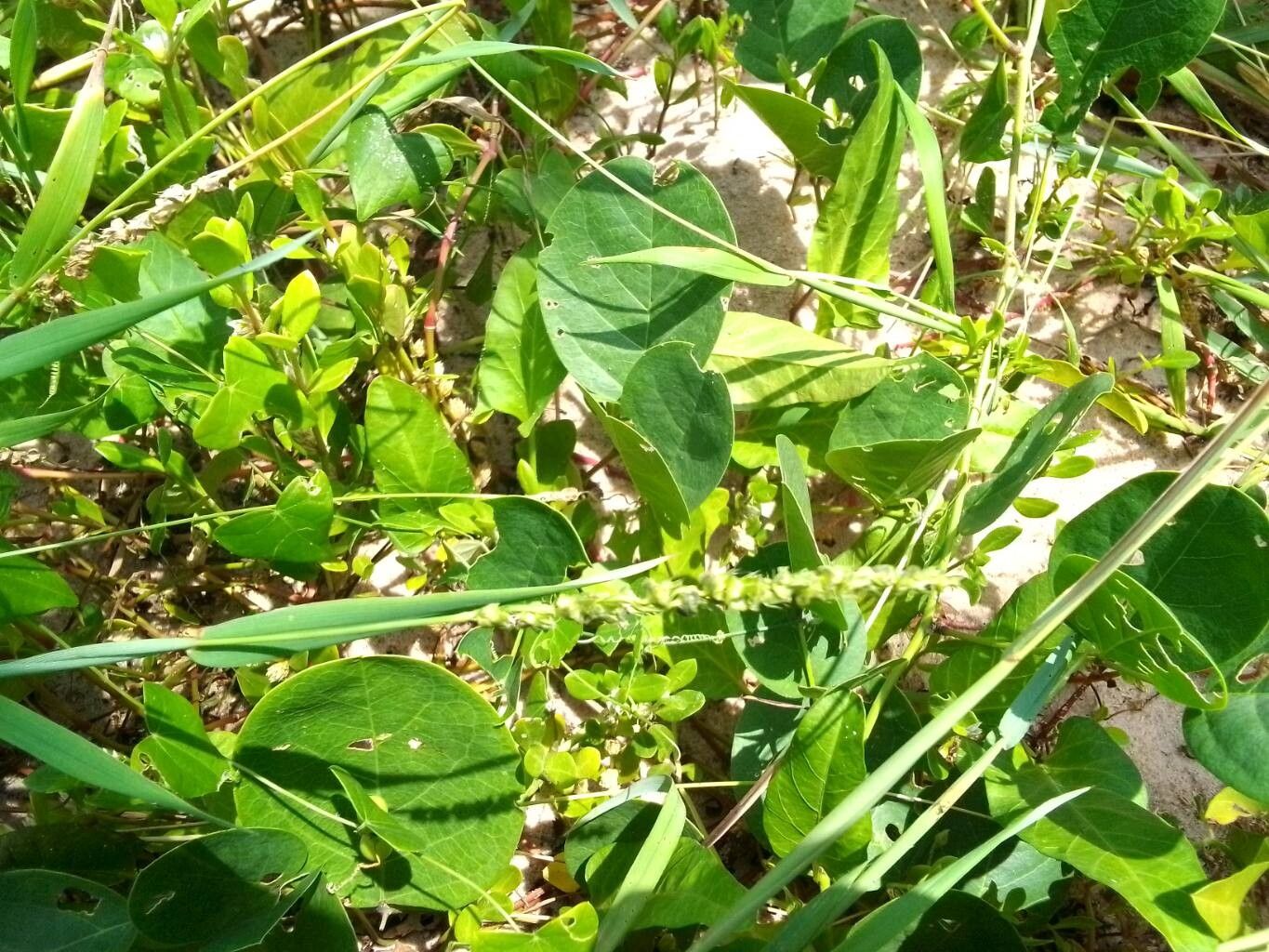
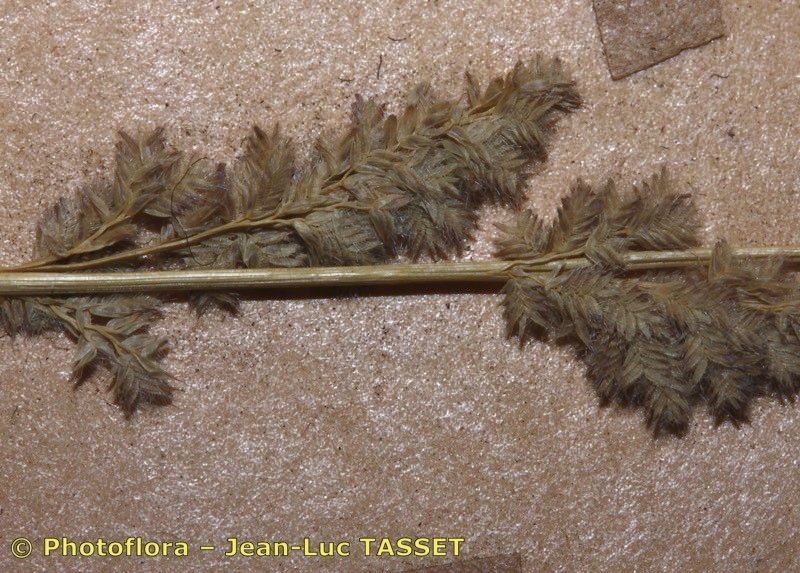
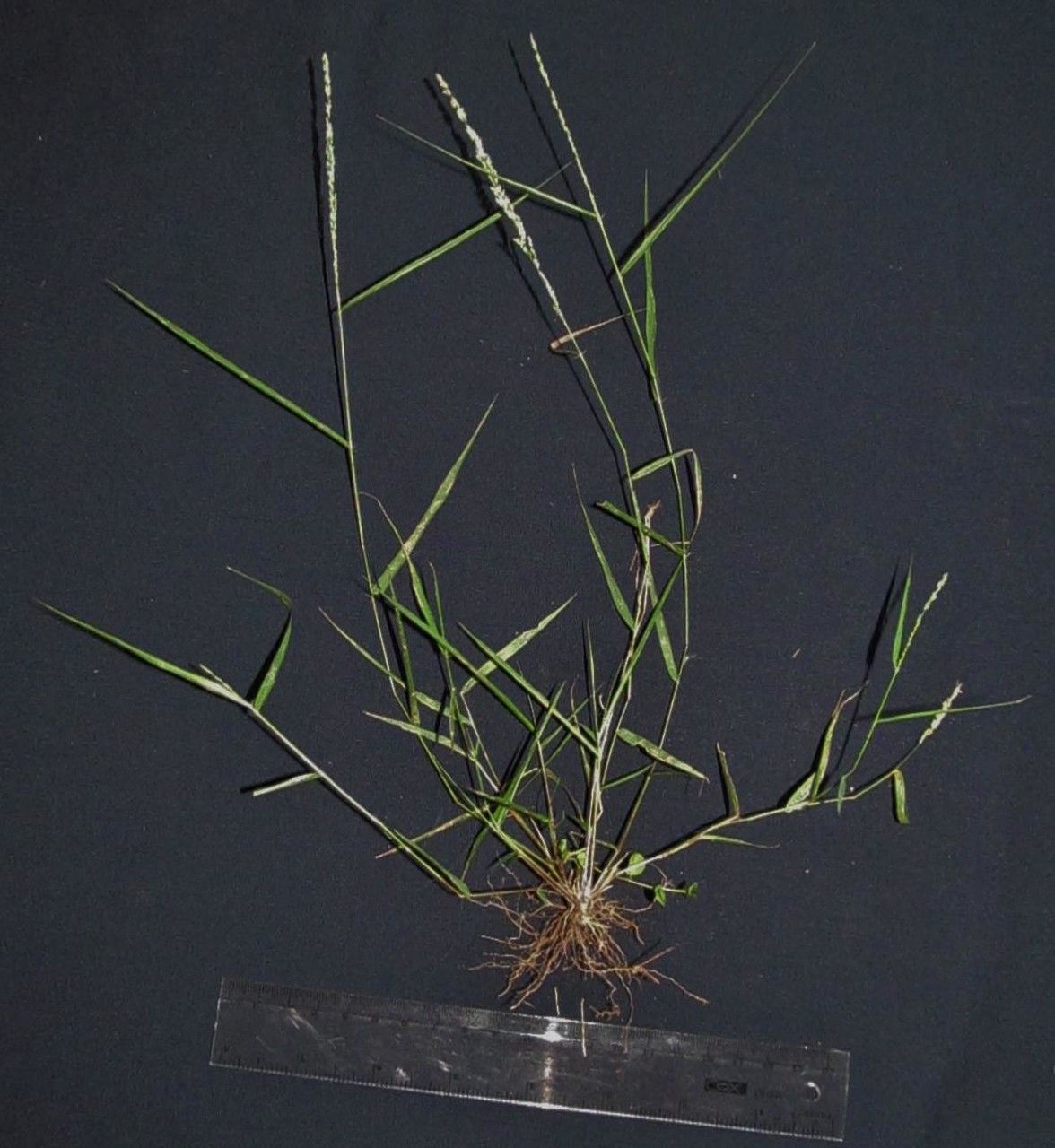
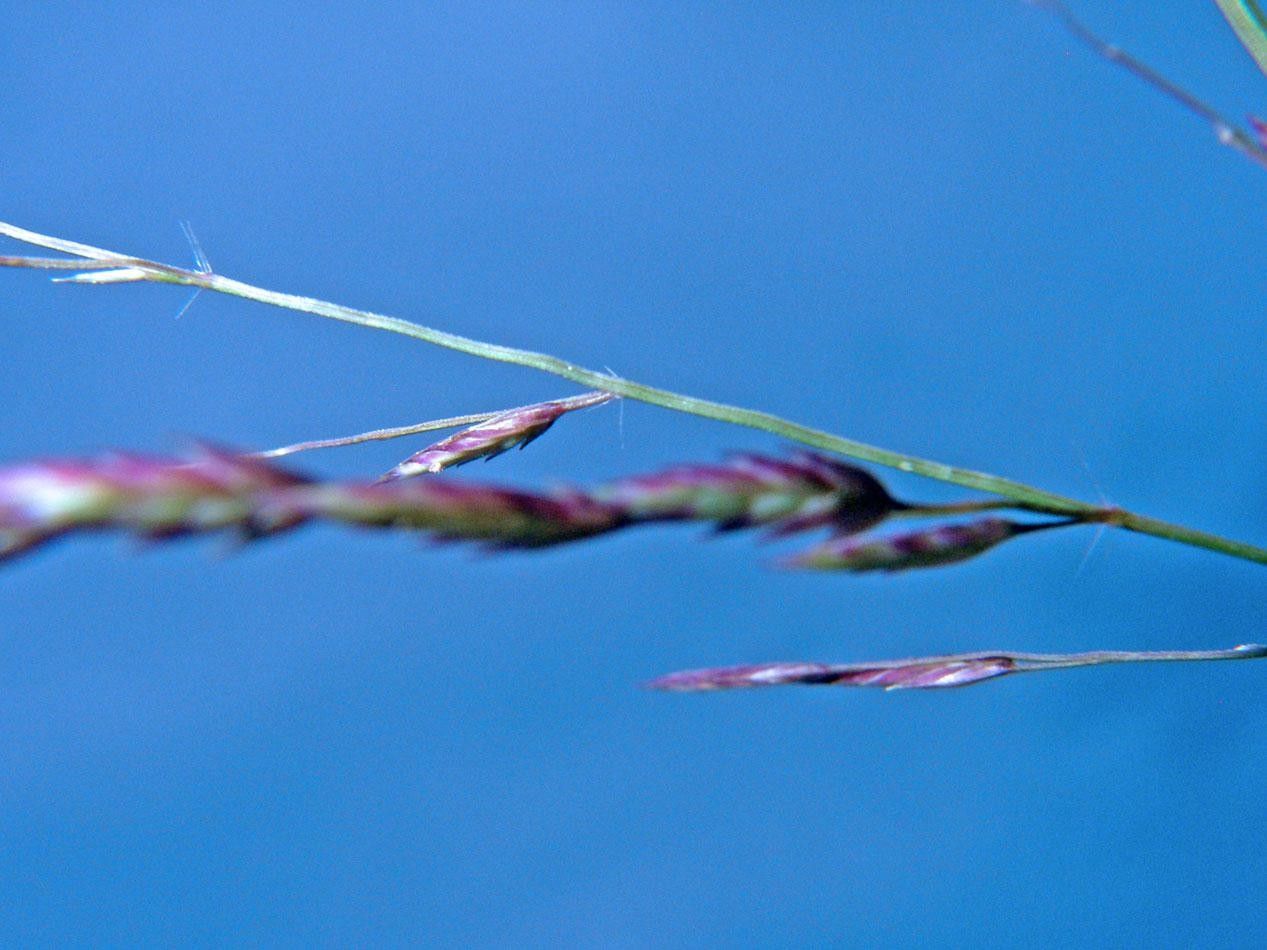
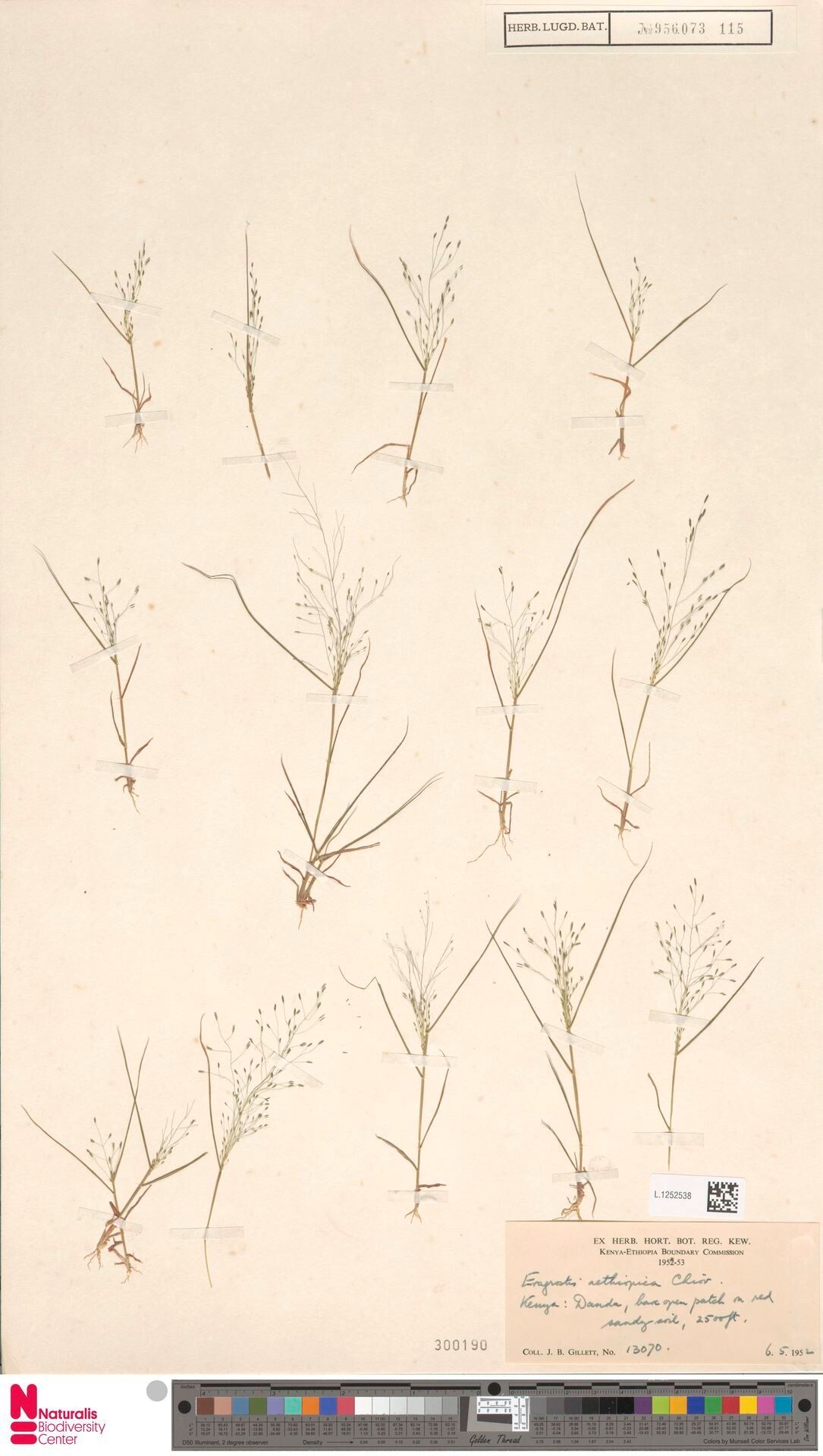
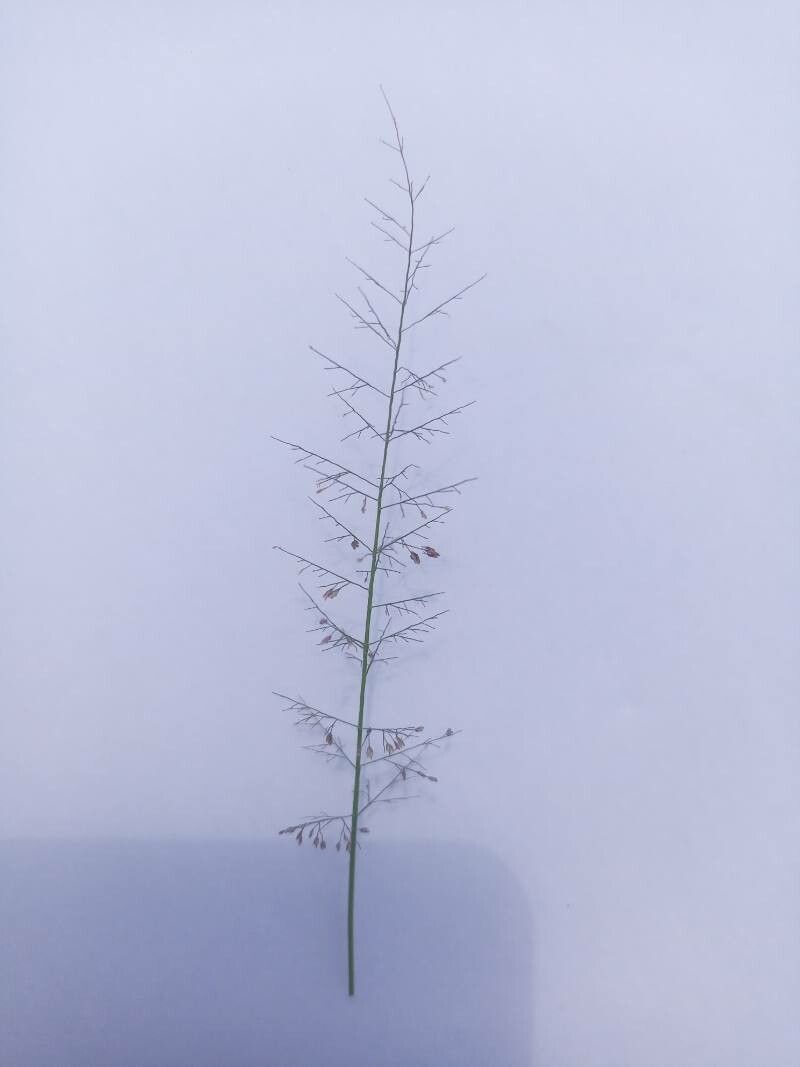
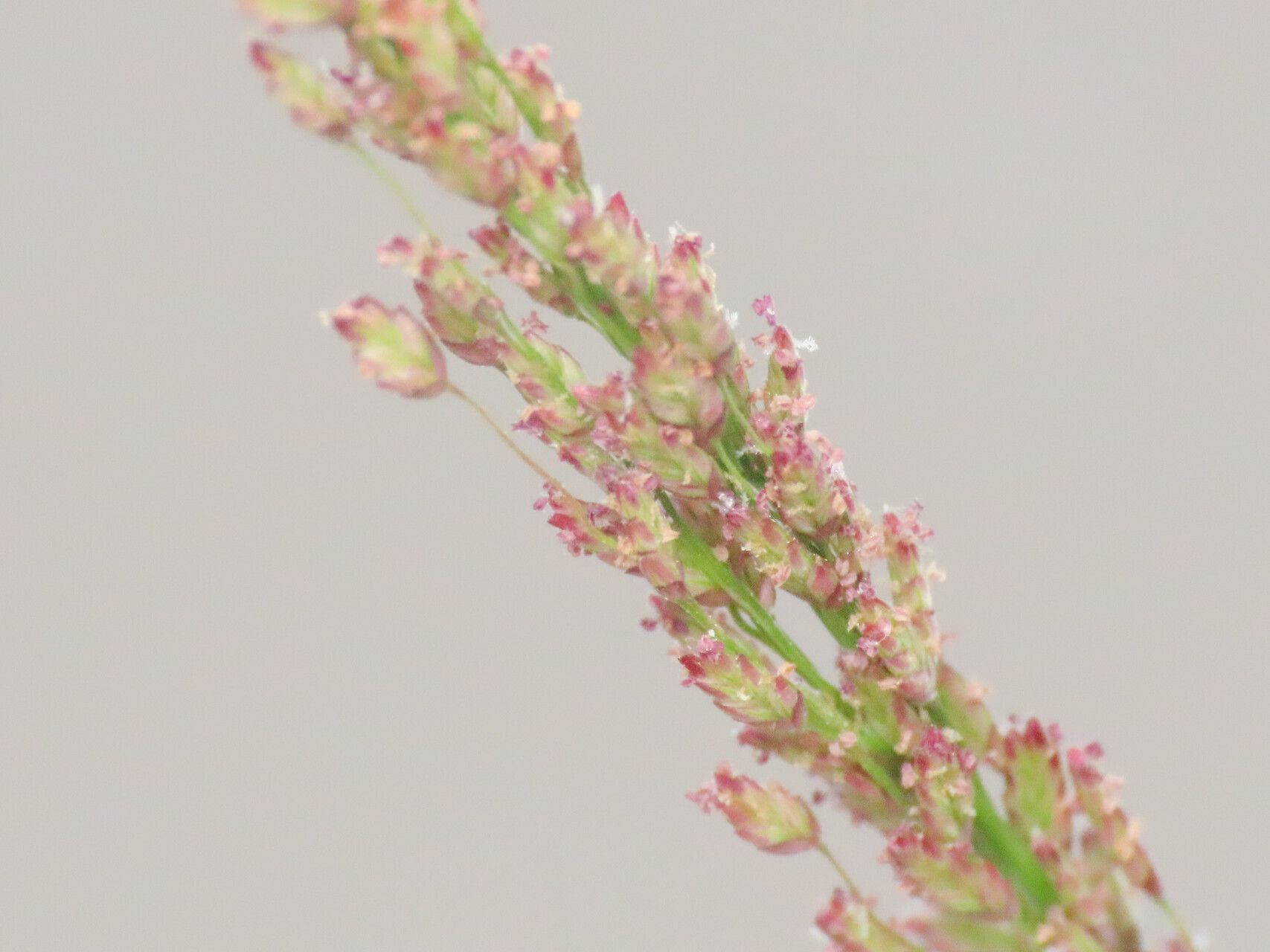
Eragrostis ciliaris, the gophertail lovegrass, is a species of grass (family Poaceae). It is native to the Old World Tropics; nearly all of Africa, Madagascar, other Indian Ocean islands, the Arabian Peninsula, the Indian Subcontinent, Myanmar, Vietnam, Taiwan and the Philippines and a number of Pacific islands, and has been introduced to the New World Tropics and Subtropics, from the southern United States to Argentina, the Caribbean, and other Pacific islands. Its seeds are edible and nutritious, but quite small and difficult to harvest and handle, so it is usually regarded as a famine food.
Gophertail lovegrass has strong disease resistance and is generally not susceptible to diseases. With regard to care, the plant is fairly low-maintenance. Outdoors it needs only minimal watering, and larger plants typically do not require pruning. Smaller plants, however, should be pruned after they have finished blooming. Gophertail lovegrass is suitable for anyone who has an outdoor area, such as a garden or deck, and does not need extensive care experience.
How to keep Eragrostis Ciliaris.
Light
Gophertail lovegrass comes from sunny, open habitats and performs best in full sun. While it can tolerate some shade, it favors direct sunlight for optimal growth. This plant, which may be annual or biennial, is noted for its sun-loving habit.
Temperature
Gophertail lovegrass is quite adaptable to temperature, able to withstand high heat and wide temperature swings. In hot conditions, be sure to monitor watering and give appropriate shade to prevent sunburn. On the other hand, it is relatively sensitive to low temperatures. Although it can tolerate some cold, very low temperatures may cause frost damage.
Pruning
Gophertail lovegrass is a tufted perennial grass characterized by its dense, hairy leaf sheaths. To encourage new growth and maintain its health, prune the grass in early spring. Use clean shears to achieve precise cuts, which will help control the plant's size and shape while also enhancing its ornamental value.
Botanical profile.
- Plant Type
- Grass
- Life Cycle
- Annual
- Genus
- Eragrostis
- Family
- Poaceae
- Hardiness Zone
- 9-11
- Mature Height
- 30 cm to 61 cm
- Mature Spread
- 20 cm to 30 cm
- Leaf Color
- Light Green
- Leaf Type
- Deciduous
- Flower Size
- 0.20 cm to 0.25 cm
- Bloom Time
- Summer, Early fall, Mid fall
- Planting Time
- Spring, Summer, Autumn, Winter
- Harvest Time
- Mid summer, Late summer, Fall
- Native Area
- Sri Lanka, Libya, Somalia, Egypt, India, Djibouti, Burkina Faso, Angola, United Arab Emirates, Madagascar, Rwanda, Pakistan, Eritrea, Nigeria, Yemen, Kenya, Uganda, Tanzania, Zimbabwe, Niger, Mali, Guinea-Bissau, Benin, Sierra Leone, Equatorial Guinea, Cameroon, Liberia, Mozambique, Burundi, Oman, Ghana, Ethiopia, Qatar, Botswana, Congo, Central African Republic, Saudi Arabia, Malawi, South Africa, Zambia, Sudan, Mauritania, Bangladesh, Guinea, Chad, China, Vietnam, Myanmar, Togo, Senegal, Eswatini, Côte d'Ivoire, Algeria, Gambia, Congo (DRC), Gabon
Other names.