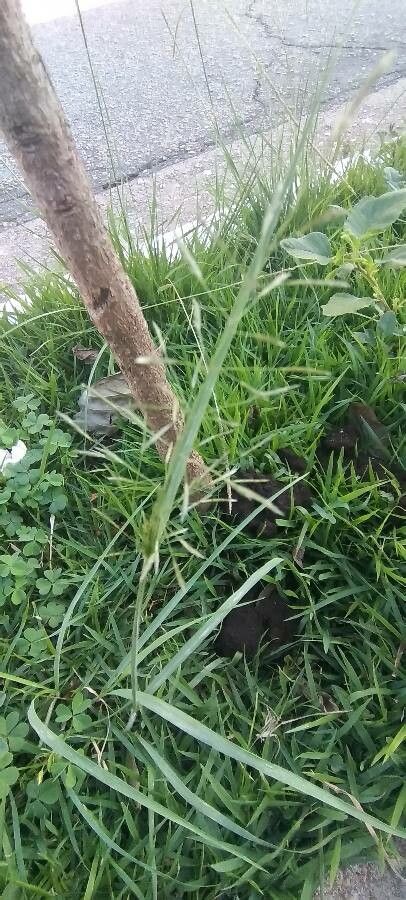
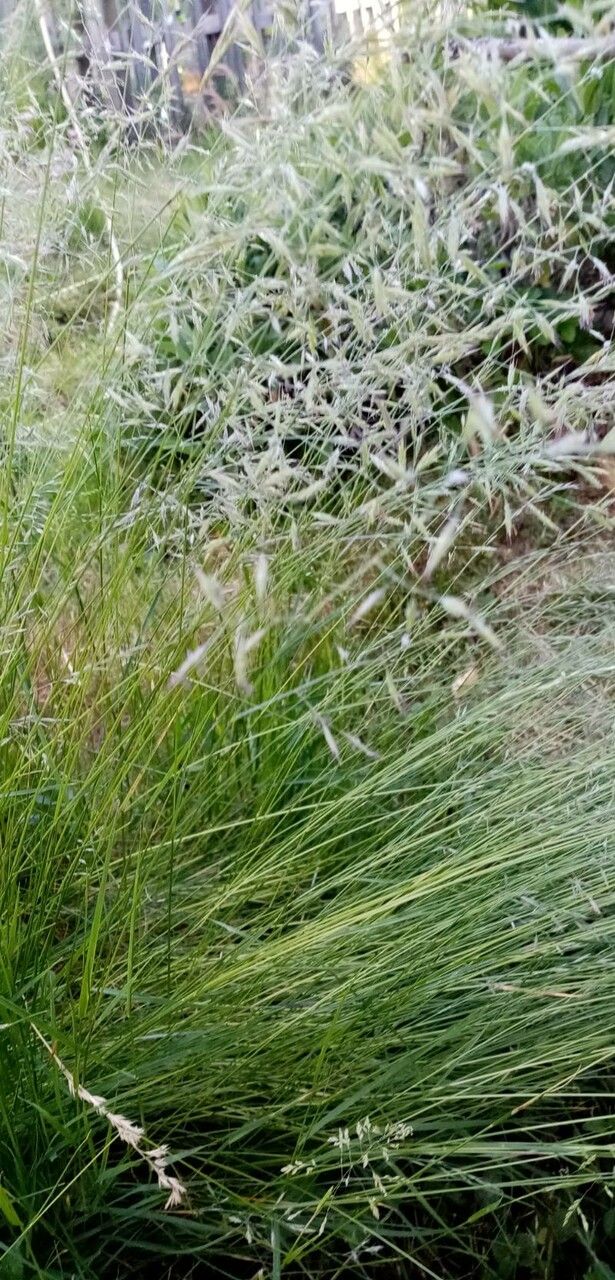
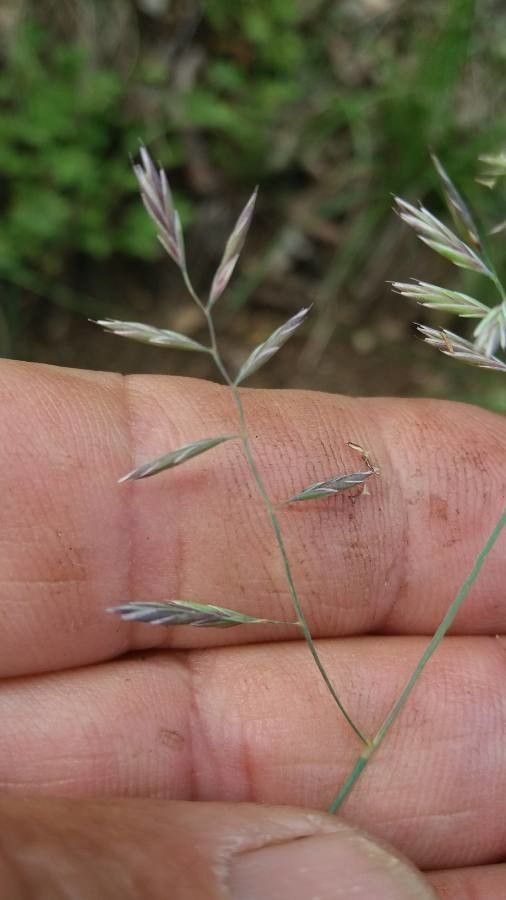
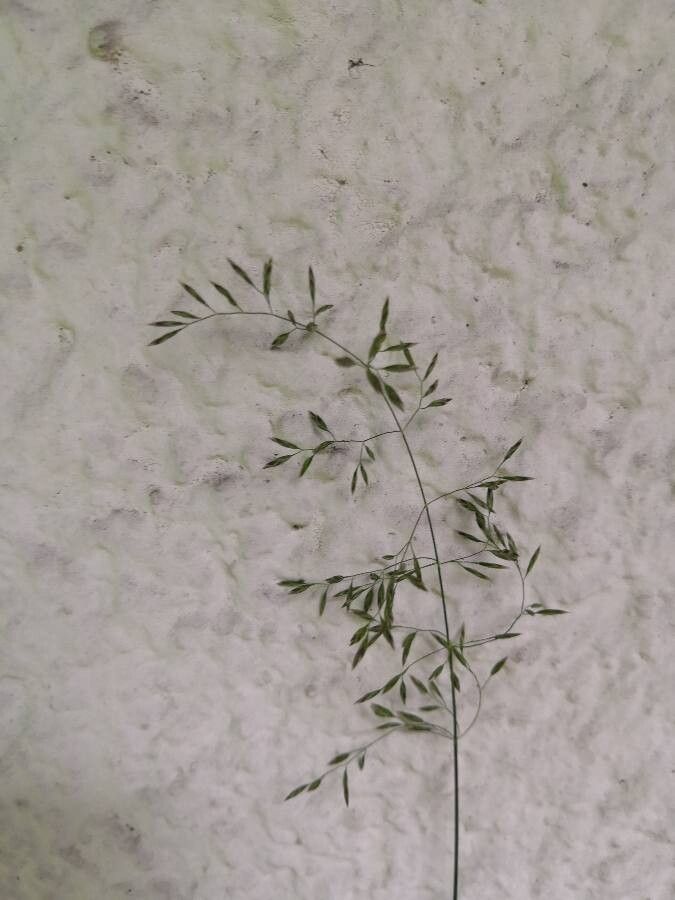
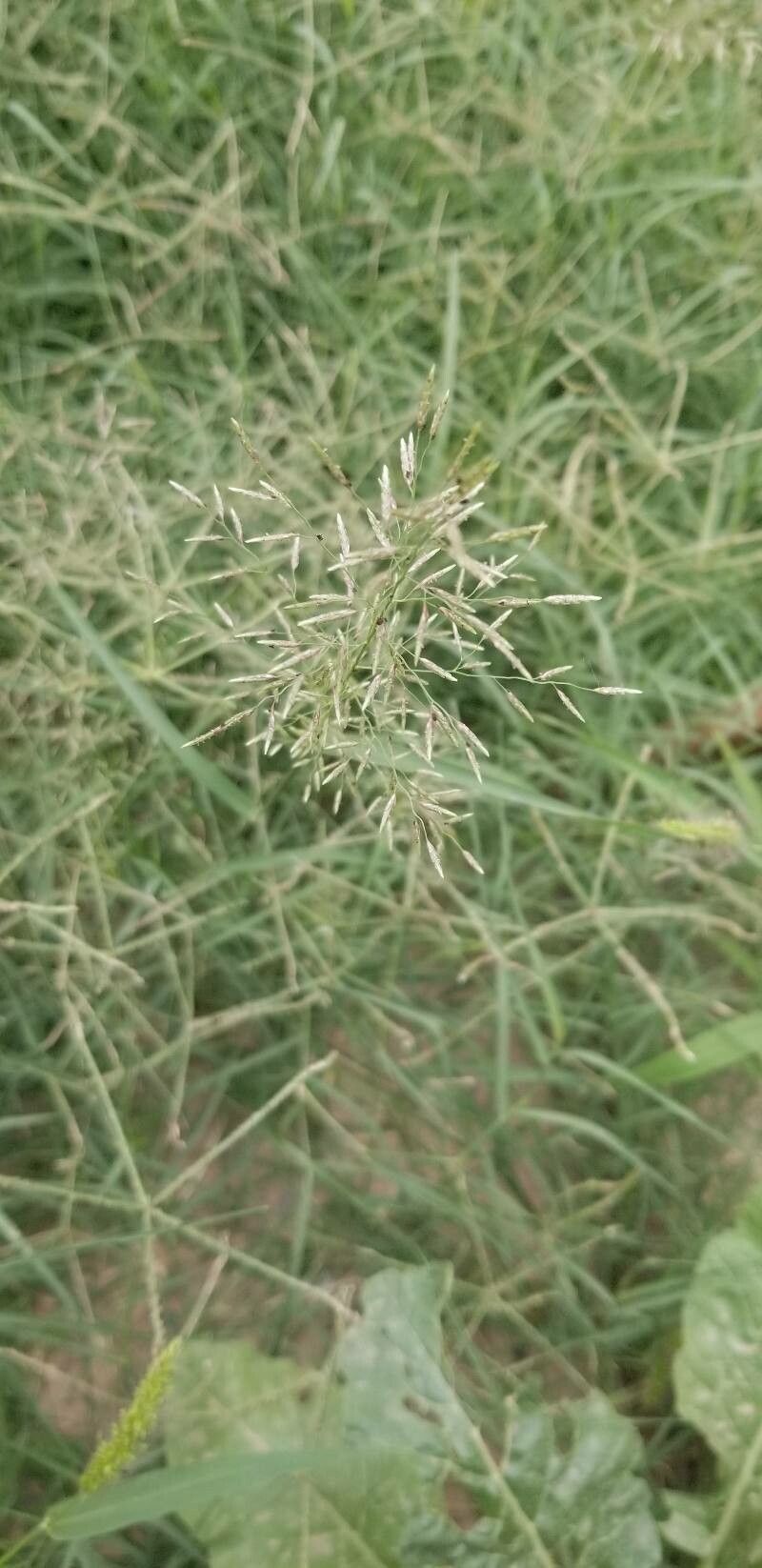
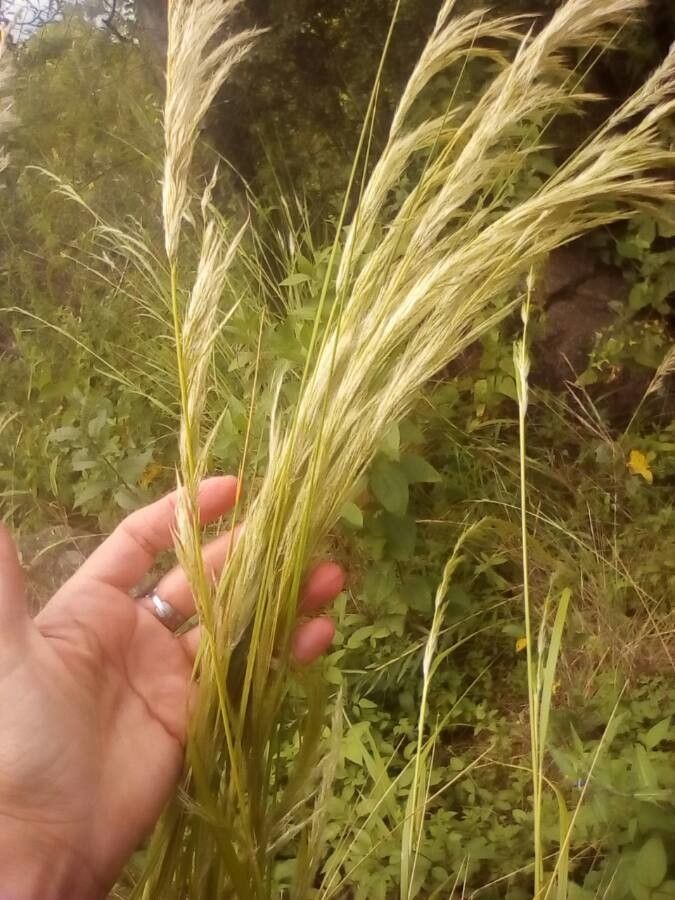
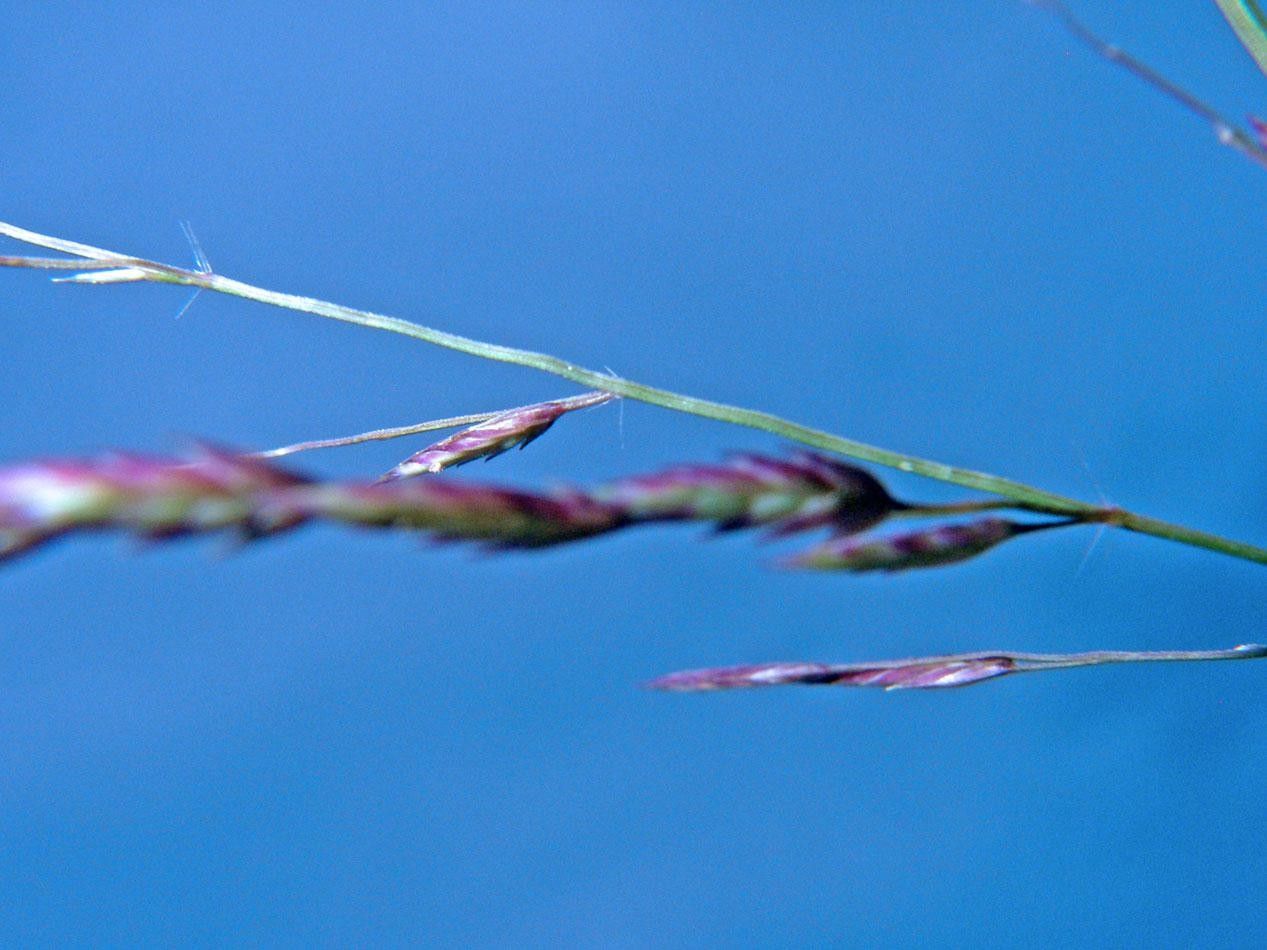
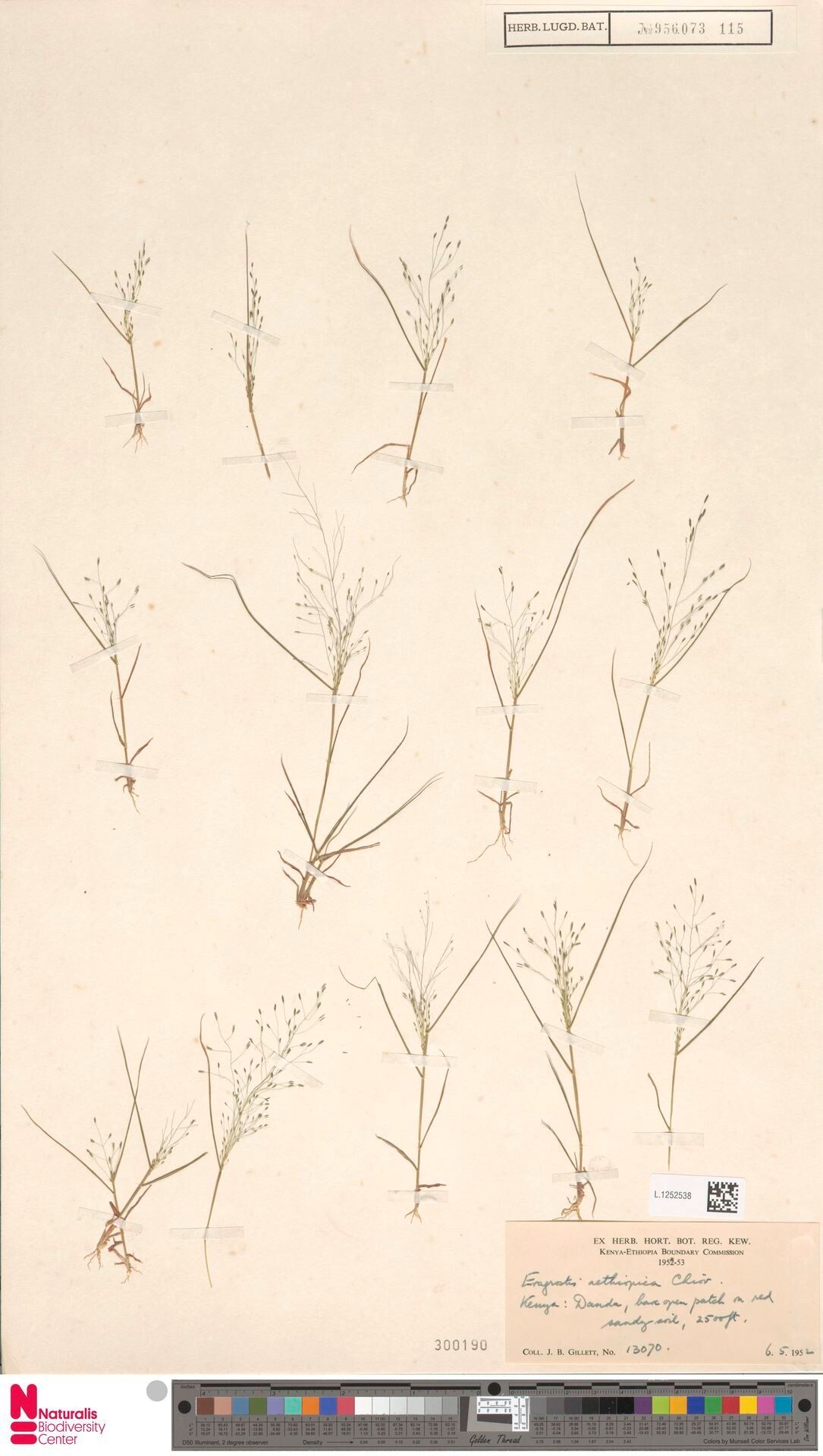
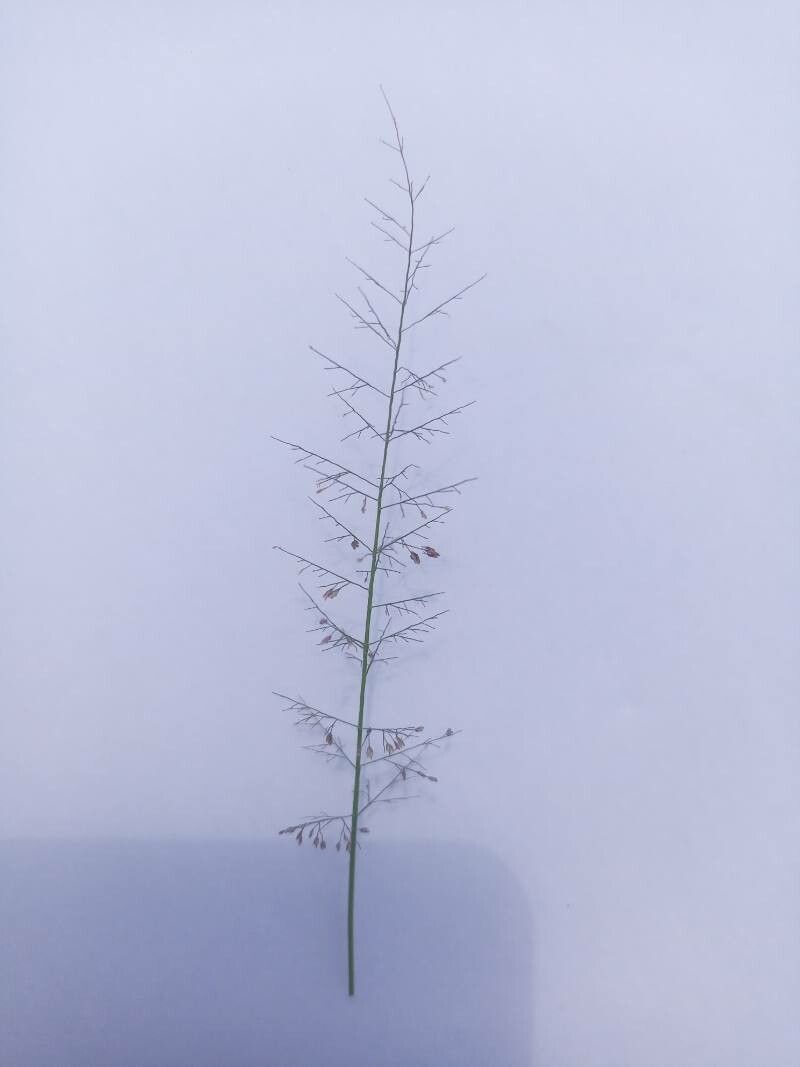
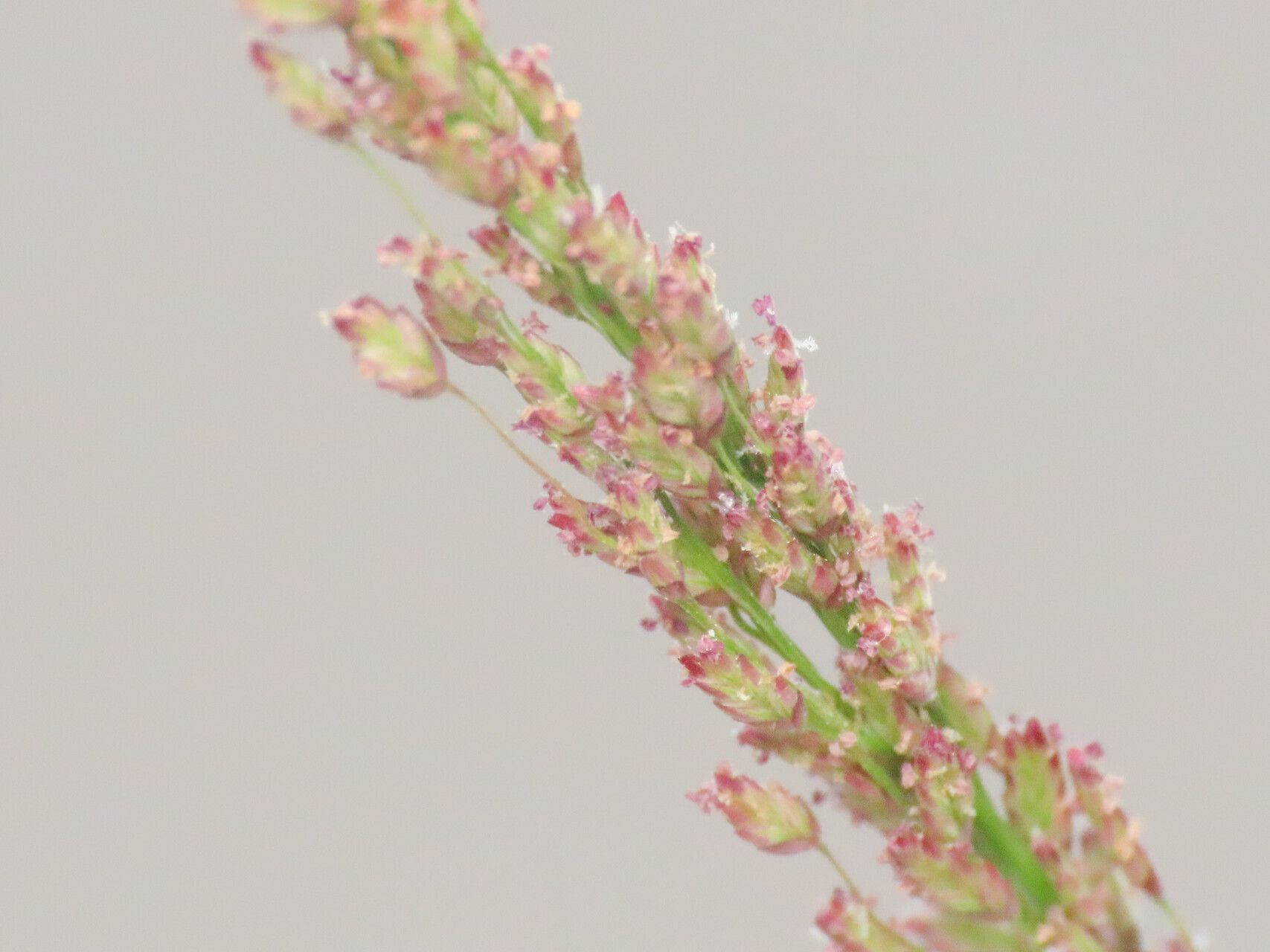
Eragrostis barrelieri, commonly known as Barrelier's lovegrass, is a perennial grass species within the Poaceae family. This versatile plant is native to various regions across Europe, Asia, and Africa. Typically, Barrelier's lovegrass grows up to 60 cm in height, featuring slender stems and narrow leaves that range in color from green to bluish-green.
One of the standout characteristics of Barrelier's lovegrass is its resilience. It thrives in poor soil conditions, making it an excellent choice for erosion control. Additionally, it has a high tolerance for drought, making it suitable for areas with low rainfall.
The plant blooms from June to September, producing small flowers arranged in spikelets at the ends of its stems. These flowers yield tiny seeds that are dispersed by wind or animals.
Beyond its practical applications in erosion control, Barrelier's lovegrass is also valued for its ornamental appeal. Its delicate leaves and slender stems make it a popular choice for landscaping projects.
In summary, Eragrostis barrelieri is a versatile grass species that offers both practical uses and aesthetic value. Its ability to prosper in challenging conditions makes it a vital component of many ecosystems worldwide.
Mediterranean lovegrass shows good resistance to disease and is generally not prone to illnesses. Regarding care, the plant is fairly low-maintenance. When grown outdoors it needs little watering, and larger specimens typically do not require pruning. Smaller plants, however, should be trimmed after they have finished blooming. Mediterranean lovegrass is suitable for anyone with an outdoor space, such as a garden or deck, and does not require much care experience.
How to keep Eragrostis Barrelieri.
Light
Mediterranean lovegrass is native to bright, open environments and flourishes in full sun. It can tolerate partial sun but favors direct sunlight to achieve optimal growth. This plant, which may be annual or biennial, is recognized for its sun-loving nature.
Temperature
Mediterranean lovegrass can tolerate a broad range of temperatures, but its occurrence can still be constrained by particular combinations of moisture and heat. It performs best in warm summer climates with sufficient rainfall or irrigation. Extended periods of cloudy, rainy weather or prolonged high temperatures can raise the risk of the grass dying. In winter, protecting it from cold can increase its chances of survival.
Botanical profile.
- Plant Type
- Grass
- Life Cycle
- Annual
- Genus
- Eragrostis
- Family
- Poaceae
- Hardiness Zone
- 8-11
- Mature Height
- 20 cm to 61 cm
- Mature Spread
- 15 cm to 30 cm
- Leaf Color
- Light Green, Olive Drab
- Leaf Type
- Deciduous
- Bloom Time
- Summer
- Planting Time
- Spring, Summer, Autumn
- Harvest Time
- Mid summer, Late summer, Early fall
Other names.