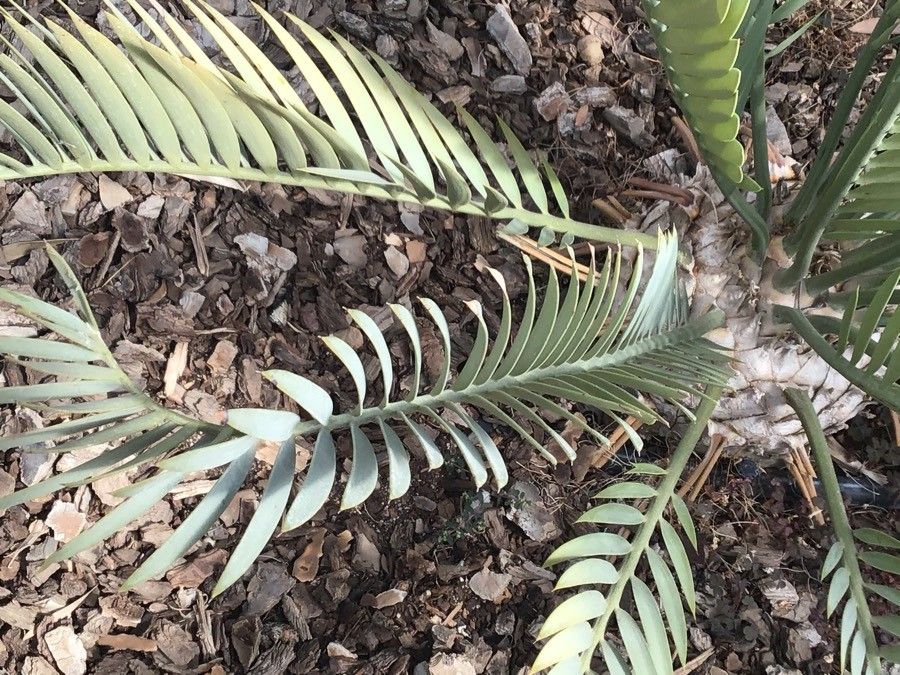
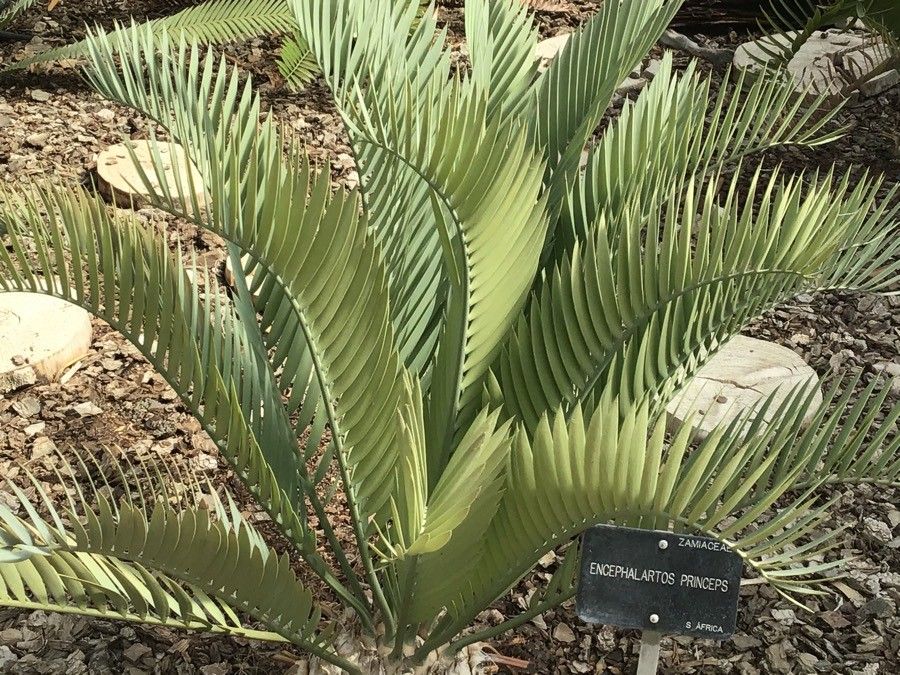
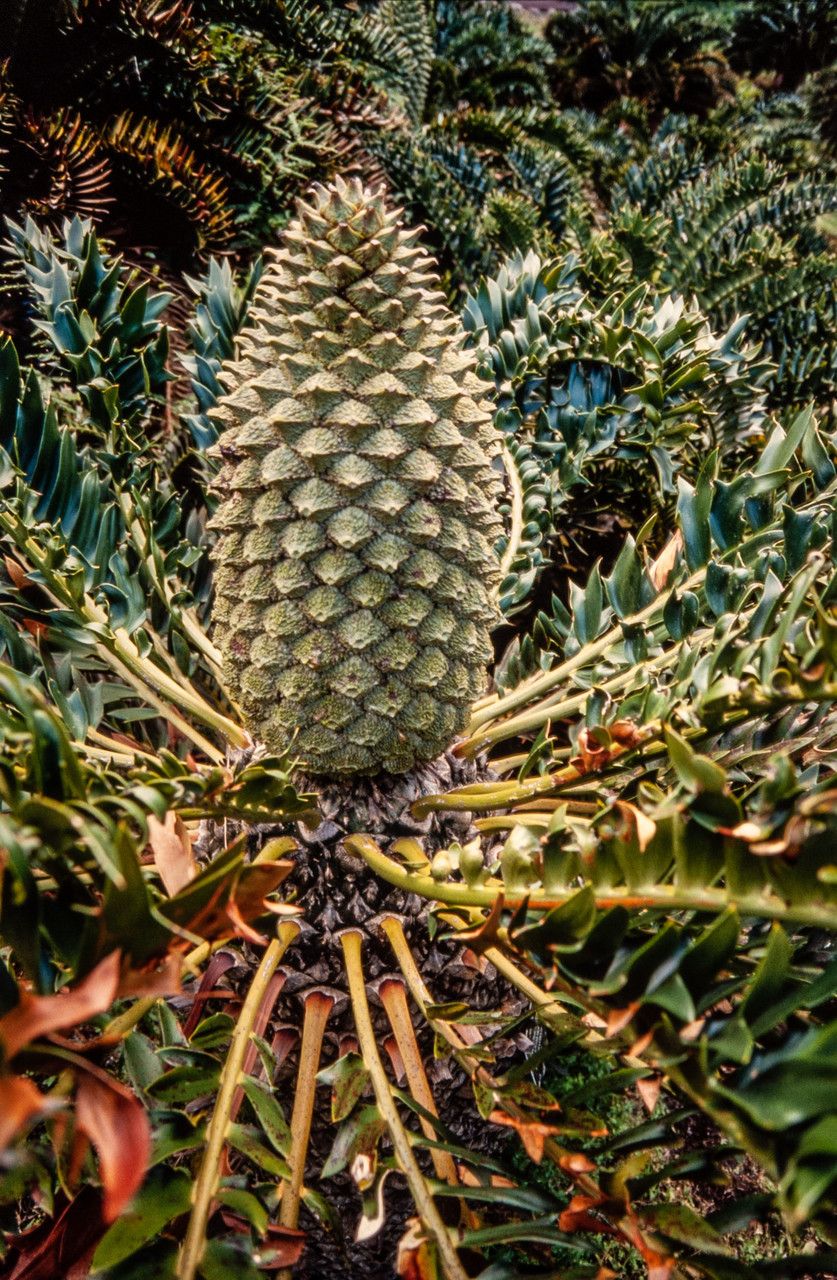
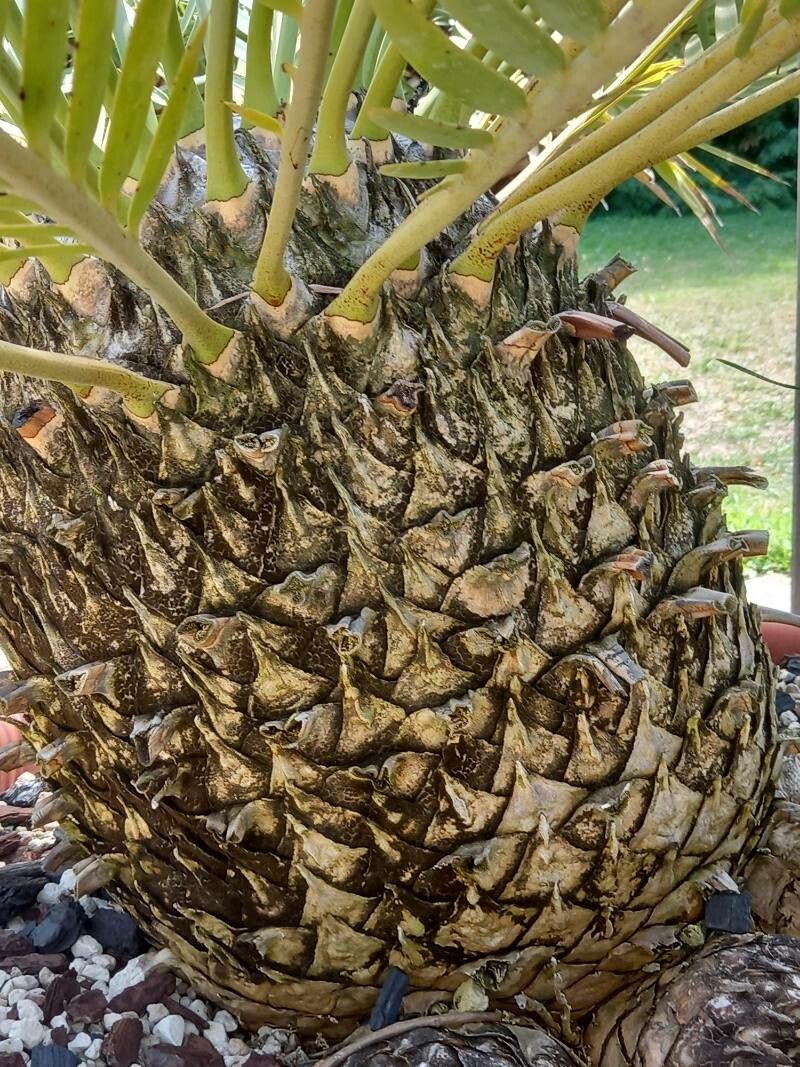
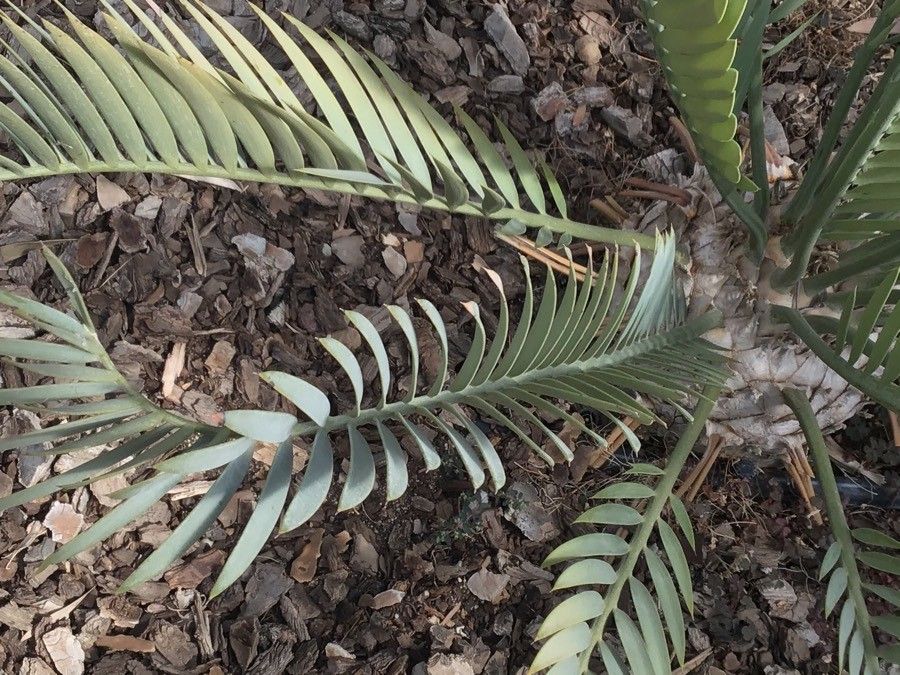
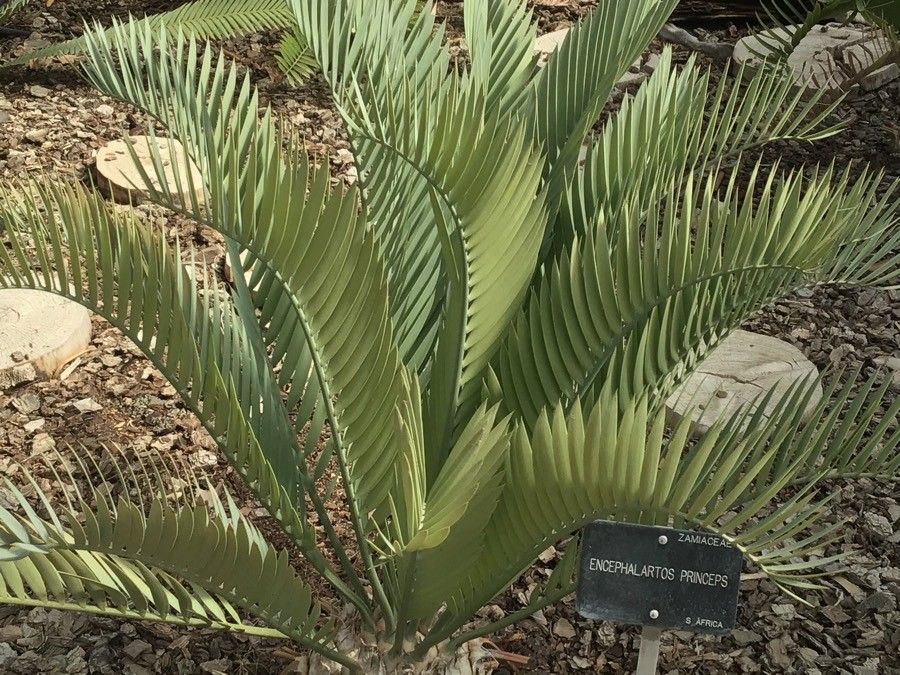
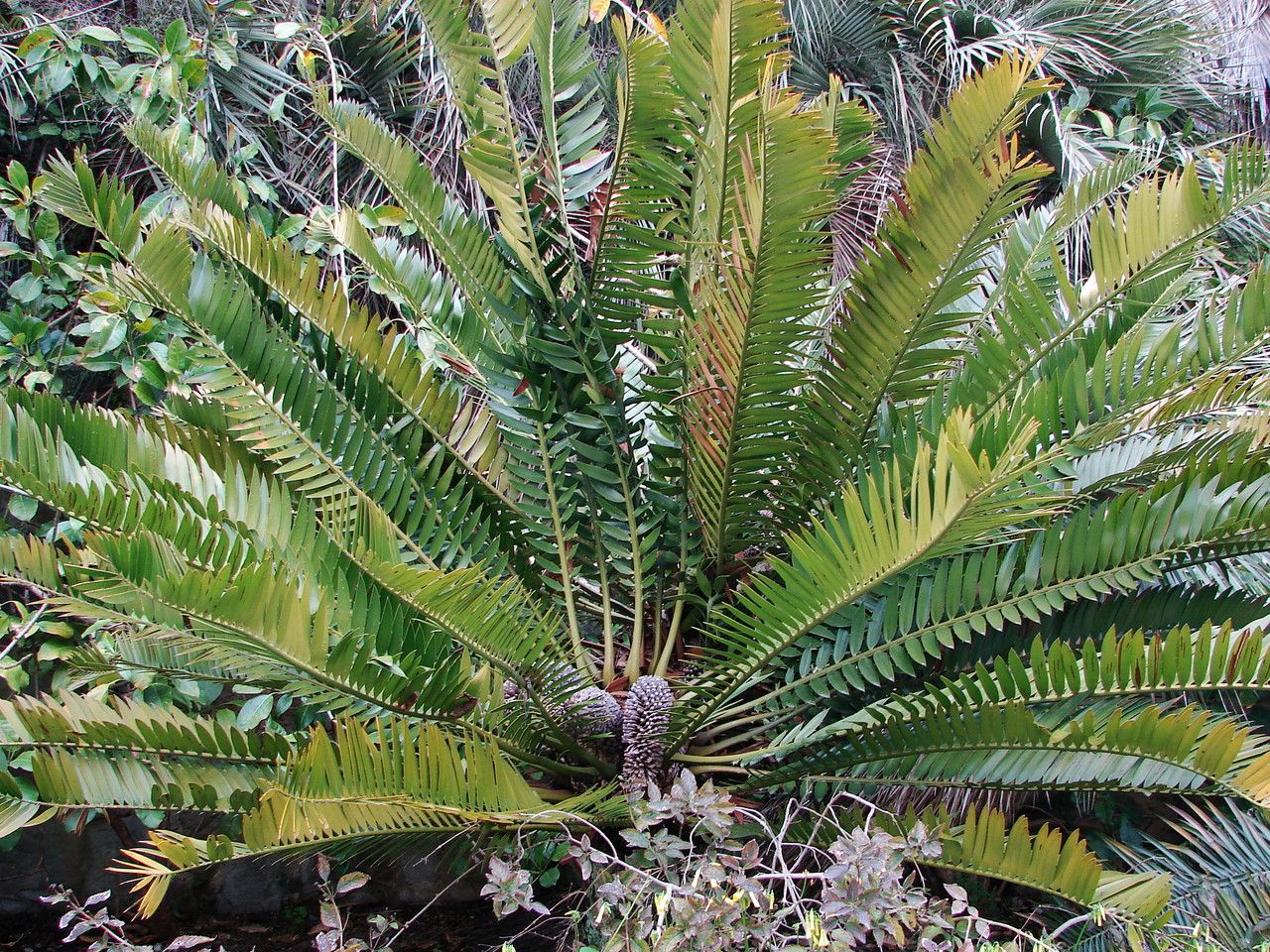
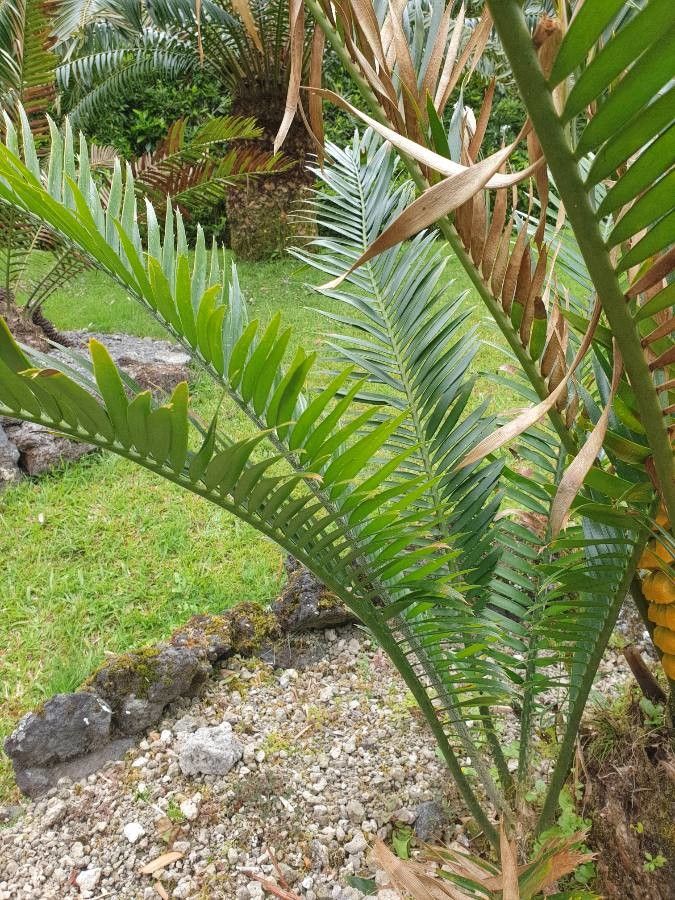
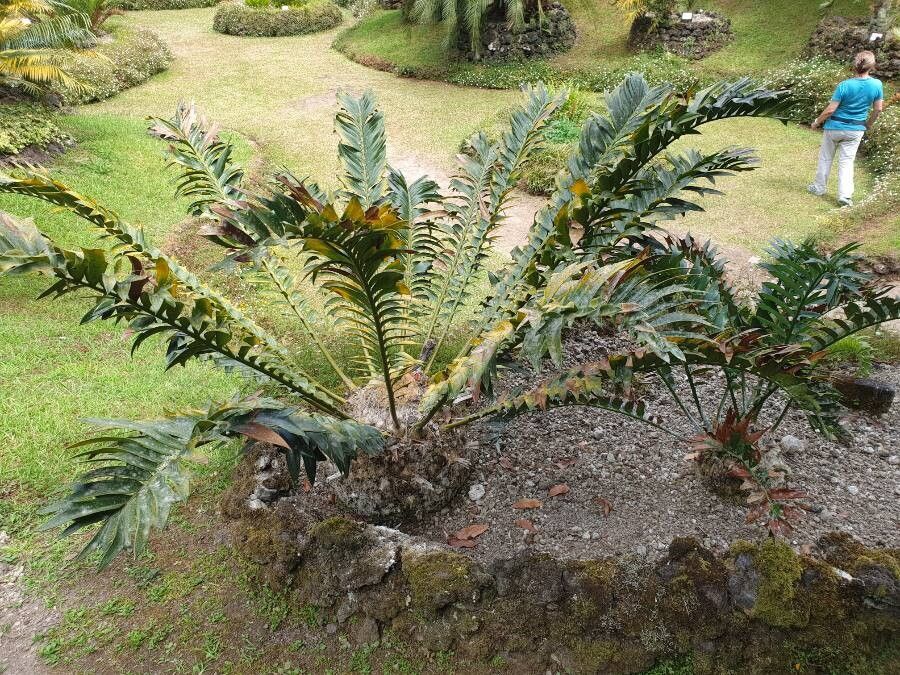
Encephalartos princeps is a species of cycad that is native to Eastern Cape Province of South Africa.
Kei cycad has good disease resistance and is generally not prone to diseases. In terms of care, this plant is relatively low maintenance. When planted outdoors, it requires minimal watering and larger plants generally do not need to be pruned. However, smaller plants should be pruned after they have bloomed. Kei cycad is suitable for anyone with an outdoor space, such as a garden or deck, and does not require a lot of care experience.
How to keep Encephalartos Princeps.
Light
Kei cycad naturally occurs in habitats like forest understories or rocky areas, which provide natural shade. It prefers partial sun but can adapt to full sun or full shade, showing its hardy, versatile nature.
Temperature
Kei cycad is fairly adaptable to temperature, tolerating high heat and wide temperature fluctuations. In hot weather, care should be taken with watering and providing adequate shade to prevent sunburn. On the other hand, Kei cycad is less tolerant of low temperatures; it can endure some cold, but very cold conditions may cause frost damage.
Fertilizer
The Kei cycad has specific nutrient needs and does not require heavy fertilization. Applying fertilizer in spring is best for encouraging optimal growth. Providing nutrients enhances its health, increases its resistance to pests and diseases, and supports its long lifespan.
Pruning
The Kei cycad has glossy leaves and requires minimal pruning, which is best done in early spring. To improve airflow and prevent pest problems, use clean tools to remove any dead or damaged fronds. Always wear gloves for protection against potential toxins and the plant's spiny leaves.
Botanical profile.
- Plant Type
- Shrub
- Life Cycle
- Perennial
- Genus
- Encephalartos
- Family
- Zamiaceae
- Hardiness Zone
- 9-11
- Mature Height
- 1.52 m to 3.05 m
- Mature Spread
- 2.13 m to 3.05 m
- Leaf Color
- Dark Green
- Leaf Type
- Evergreen
- Bloom Time
- Late spring, Early summer
- Planting Time
- Spring, Summer, Autumn
- Harvest Time
- Late summer, Early fall, Mid fall
- Native Area
- South Africa
Other names.