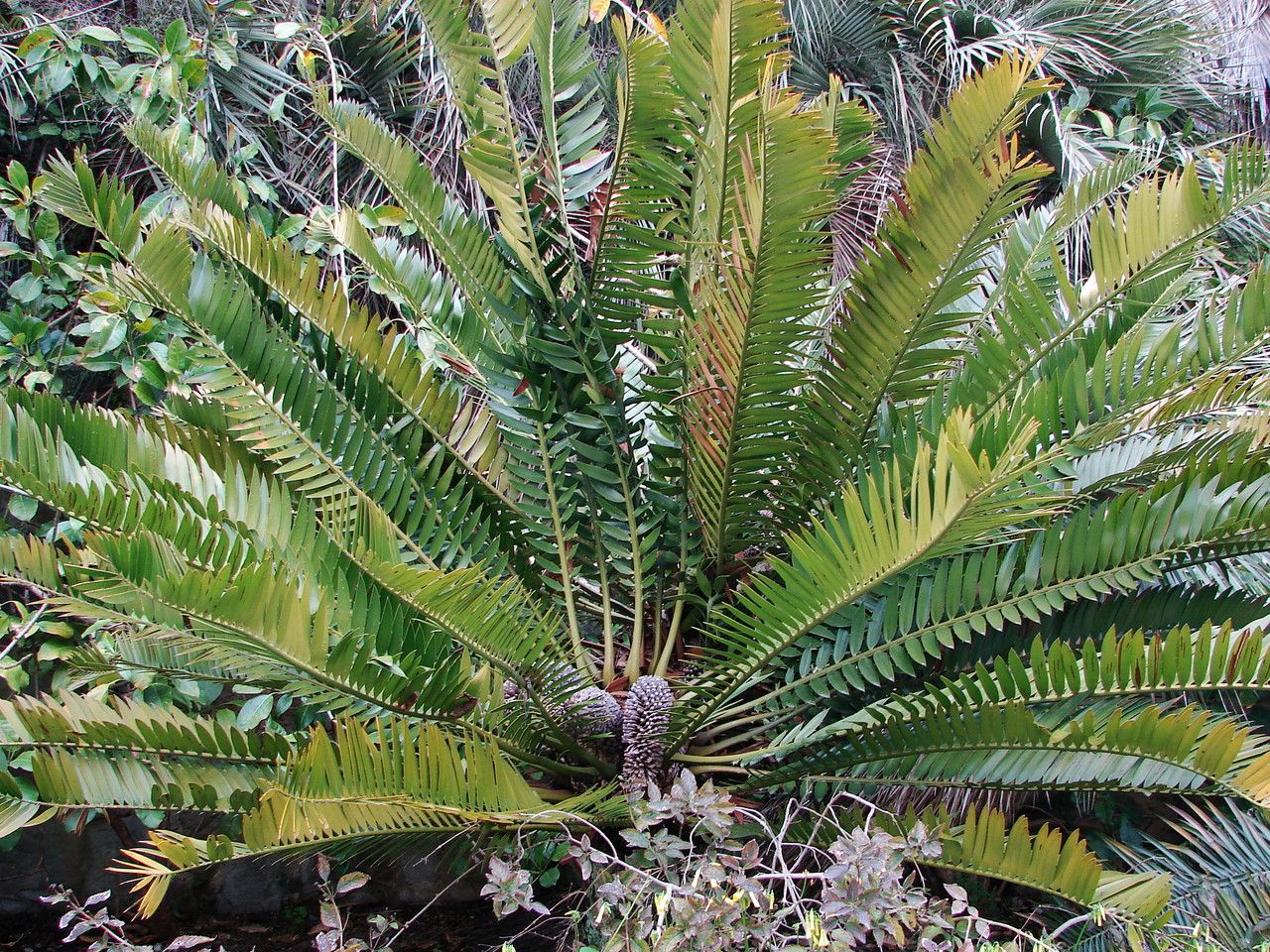
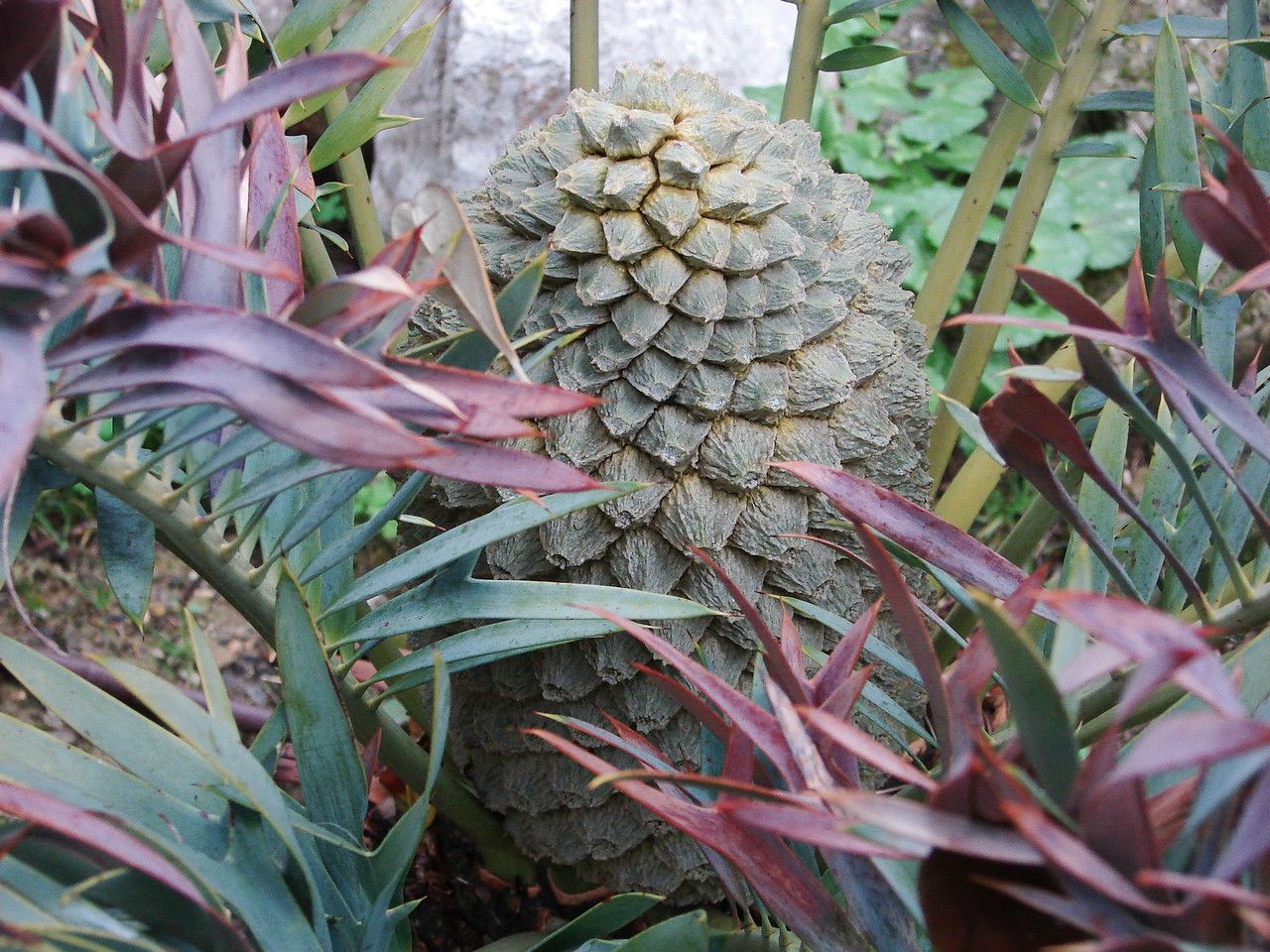
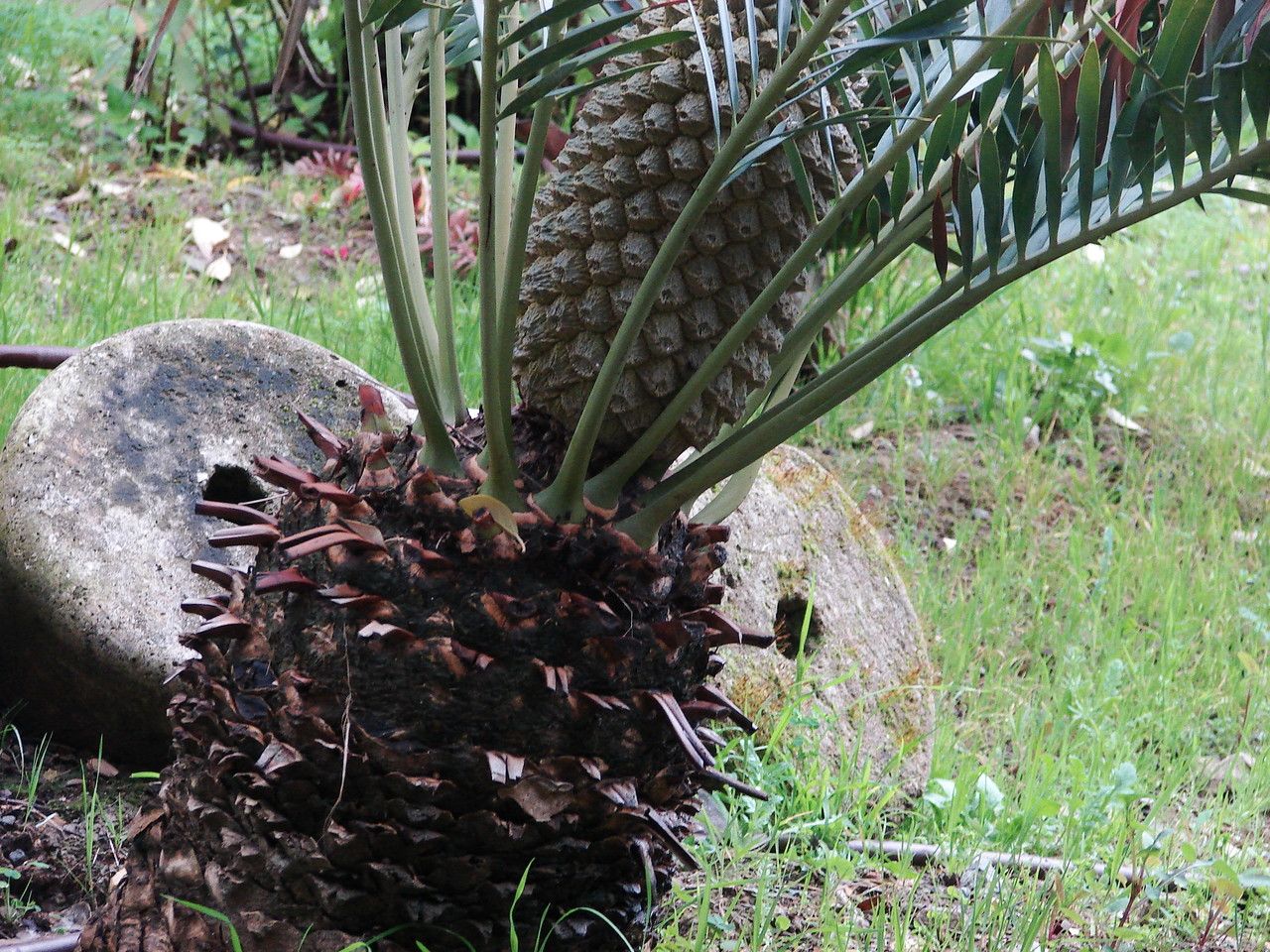
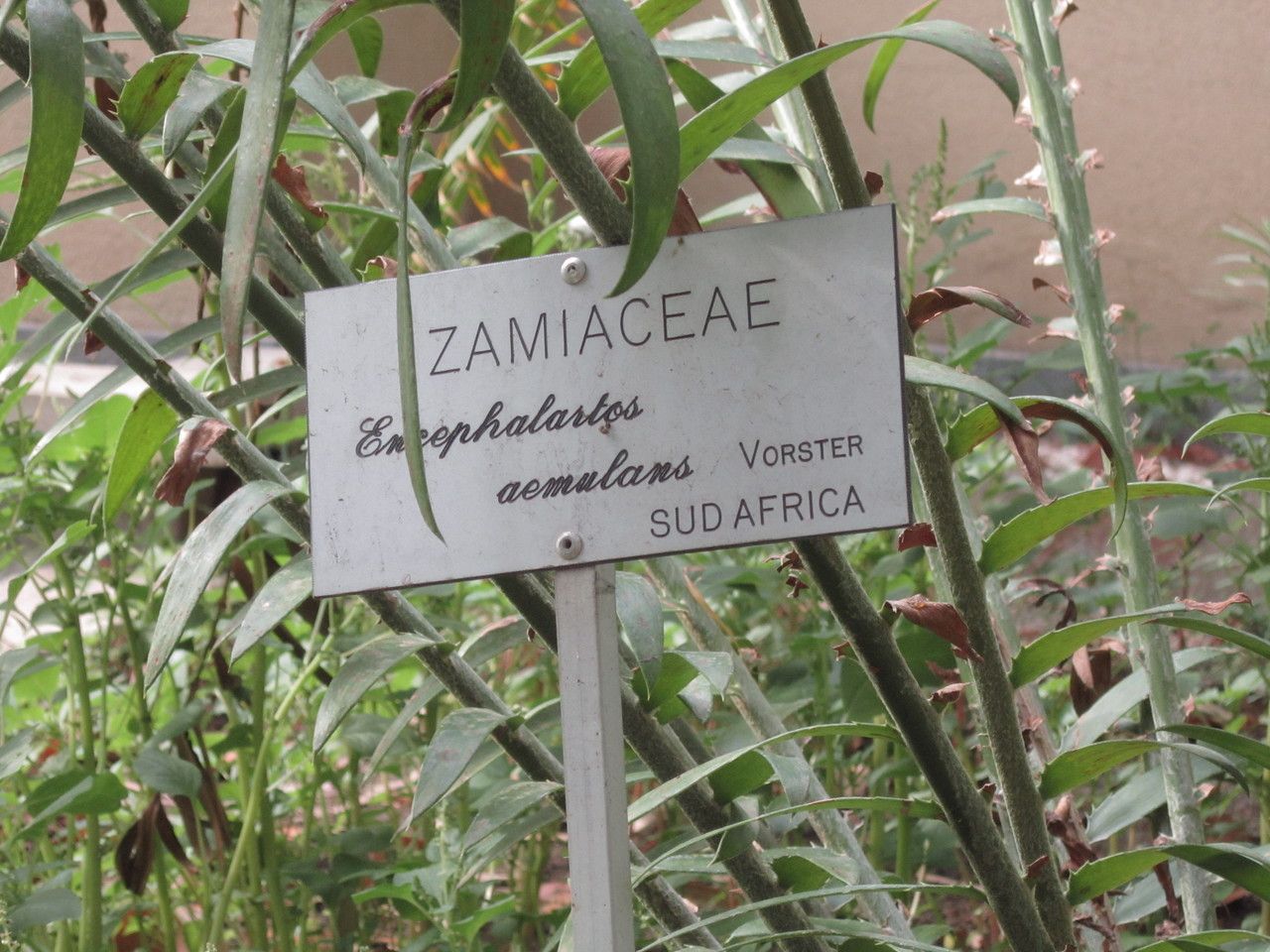
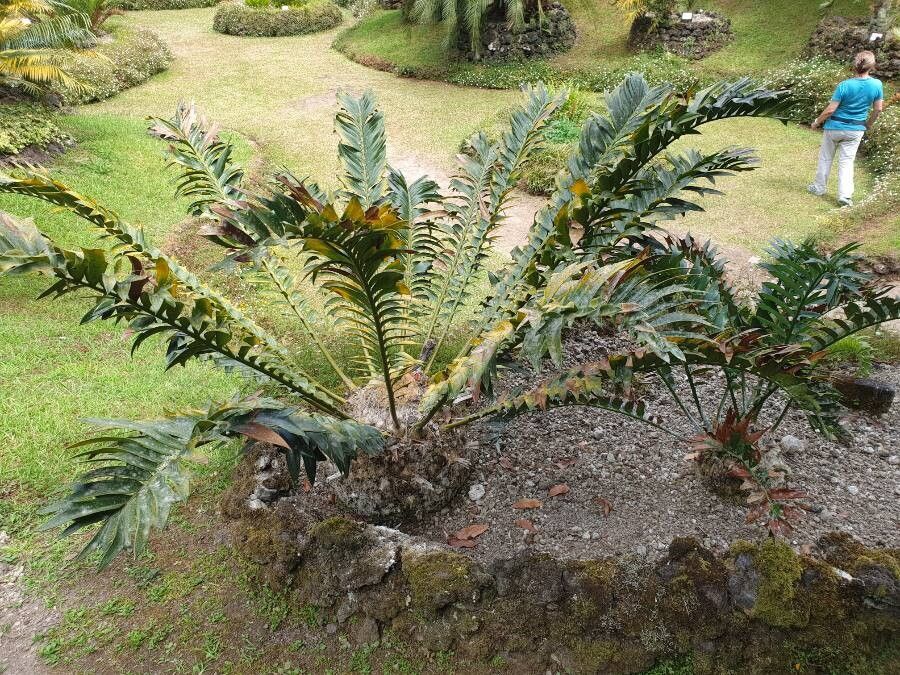
Encephalartos altensteinii, commonly known as the Eastern Cape blue cycad, is a species native to South Africa that belongs to the family Zamiaceae. This striking plant can grow up to 6 meters tall, with a trunk reaching up to 50 centimeters in diameter.
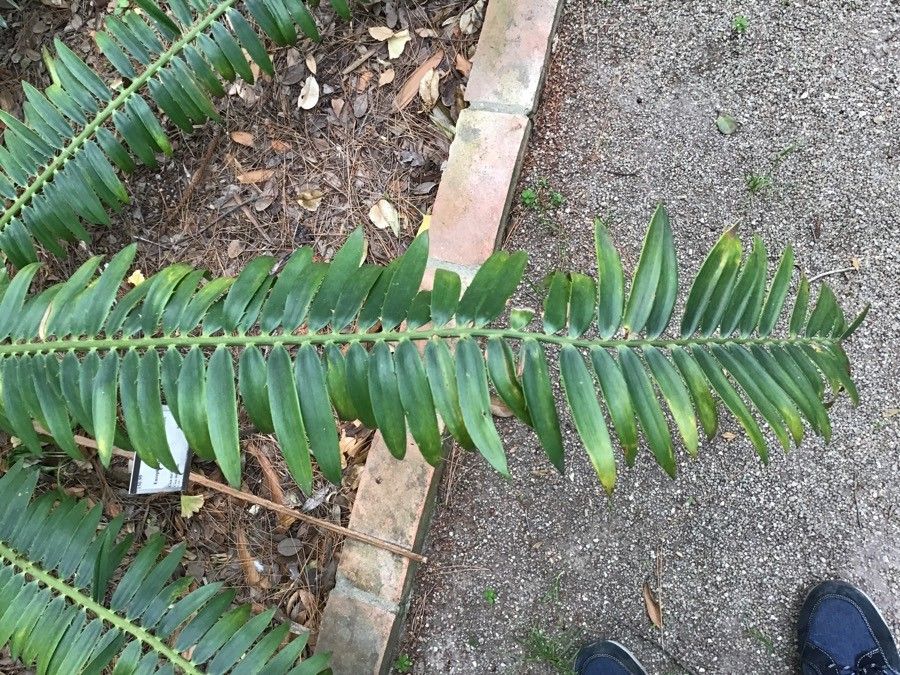
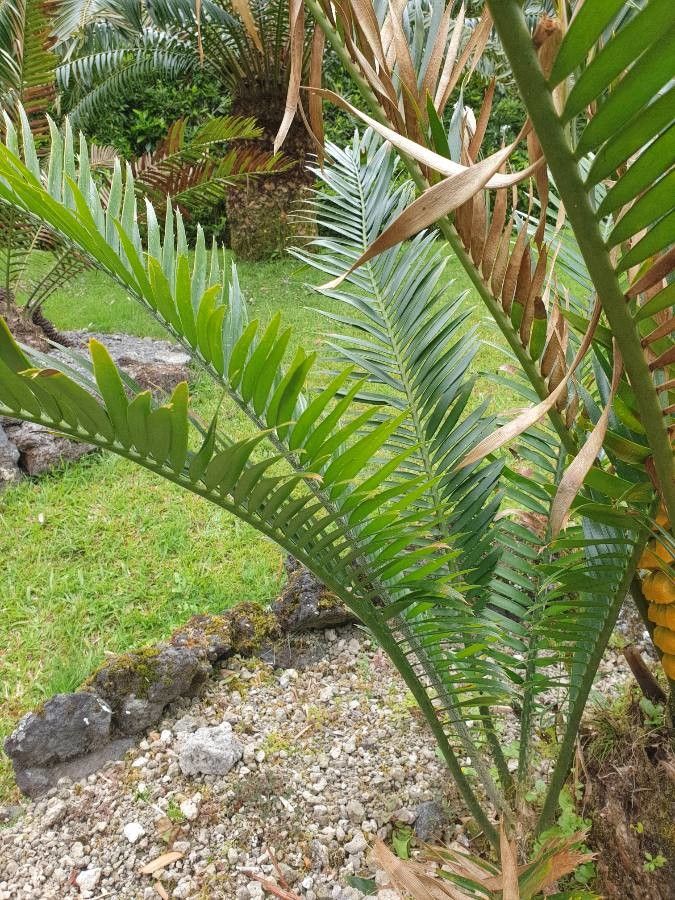
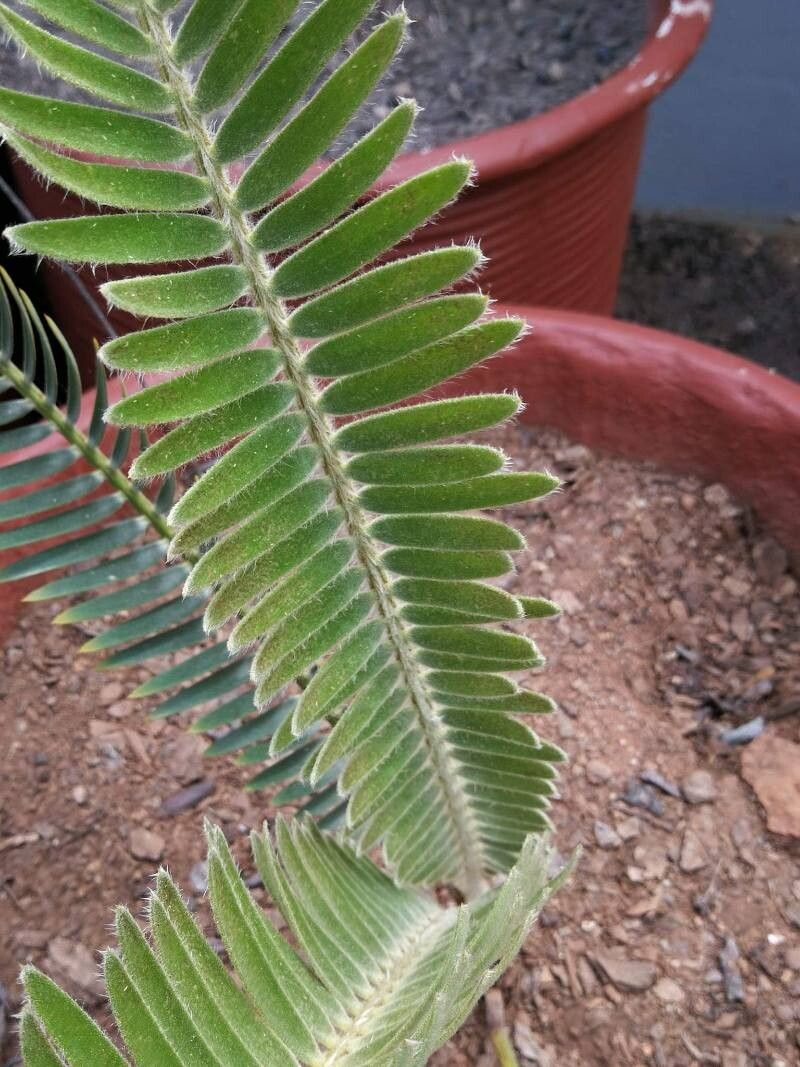
The leaves of Encephalartos altensteinii are long, narrow, and exhibit a bluish-green coloration. These leaves are arranged in a rosette pattern at the top of the trunk, with each leaf extending up to 2 meters in length.
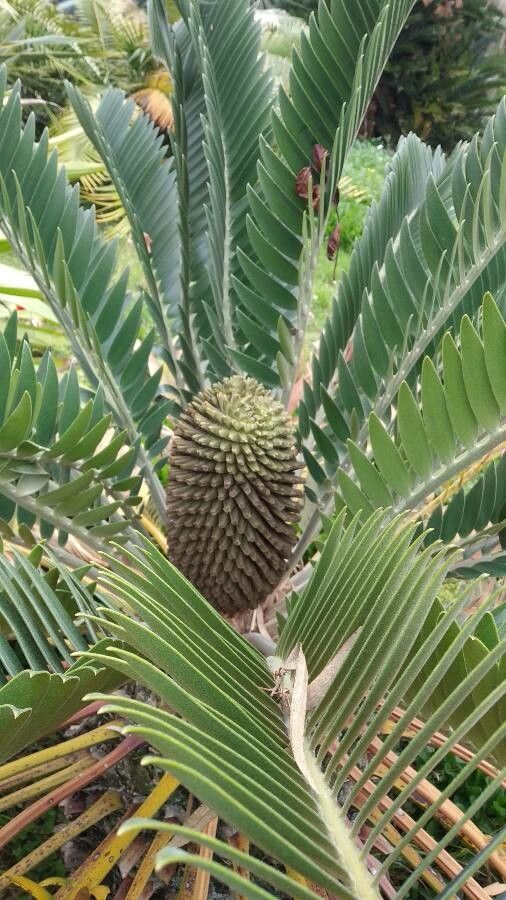
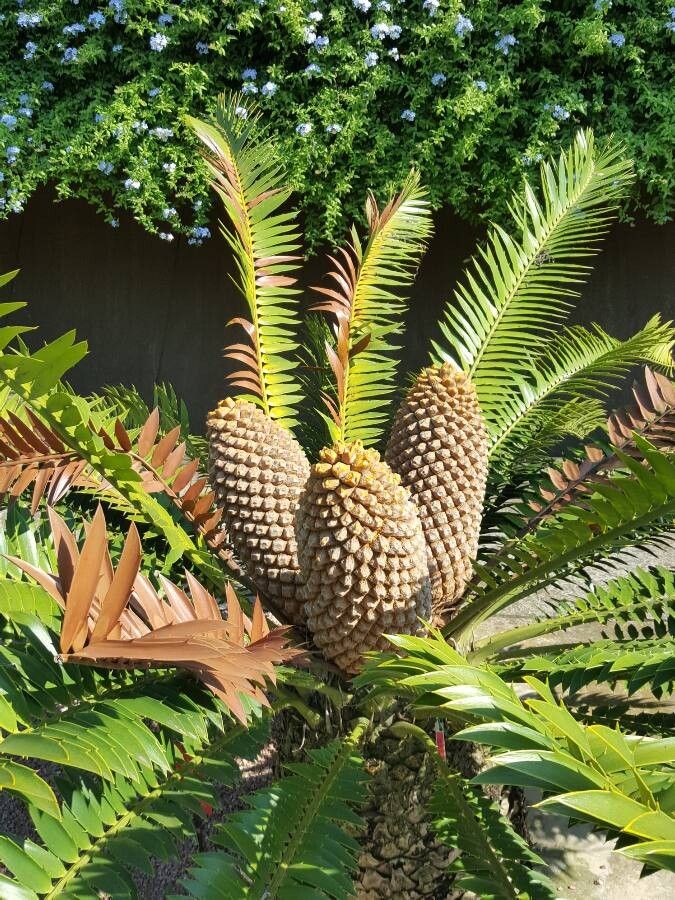
This cycad species is dioecious, meaning that male and female reproductive structures are found on separate plants. The male cones are cylindrical, whereas the female cones have an oval shape.
For optimal growth, Encephalartos altensteinii prefers well-drained soil and partial shade. It can be propagated through seeds or by dividing mature plants.
Unfortunately, this species has been listed as endangered due to habitat loss caused by human activities such as logging, agricultural expansion, and urbanization. Conservation efforts are in place, including seed banking programs and measures to protect the remaining populations in their natural habitat.
Prickly cycad has strong resistance to disease and is generally not susceptible to illnesses. Regarding care, this plant is fairly low-maintenance. When grown outdoors it needs little watering, and larger specimens usually do not require pruning; smaller plants, however, should be pruned after they have bloomed. Prickly cycad is appropriate for anyone with an outdoor area, such as a garden or deck, and does not demand extensive gardening experience.
How to keep Encephalartos Altensteinii.
Light
Prickly cycad originates from habitats like forest understories and rocky sites, where it occurs in naturally shaded conditions. It prefers partial sun but will tolerate both full sun and full shade, reflecting its hardy, adaptable nature.
Temperature
Prickly cycad shows strong temperature adaptability, tolerating high heat and wide temperature fluctuations. In hot weather, attention should be paid to watering and to providing adequate shade to avoid sunburn. On the other hand, Prickly cycad is fairly sensitive to cold: it can handle some chill, but extremely low temperatures may cause frost damage.
Fertilizer
The prickly cycad has particular nutrient needs and does not require heavy fertilizing. Spring is the best time to apply fertilizer for optimal growth. Providing nutrients improves its health, increases resistance to pests and diseases, and helps maintain its long lifespan.
Botanical profile.
- Plant Type
- Tree, Palm
- Life Cycle
- Perennial
- Genus
- Encephalartos
- Family
- Zamiaceae
- Hardiness Zone
- 9-11
- Mature Height
- 3.05 m to 6.1 m
- Mature Spread
- 3.96 m
- Leaf Color
- Dark Green
- Leaf Type
- Evergreen
- Bloom Time
- Late spring, Early summer
- Planting Time
- Spring
- Harvest Time
- Late summer, Early fall, Mid fall
- Native Area
- South Africa
Other names.