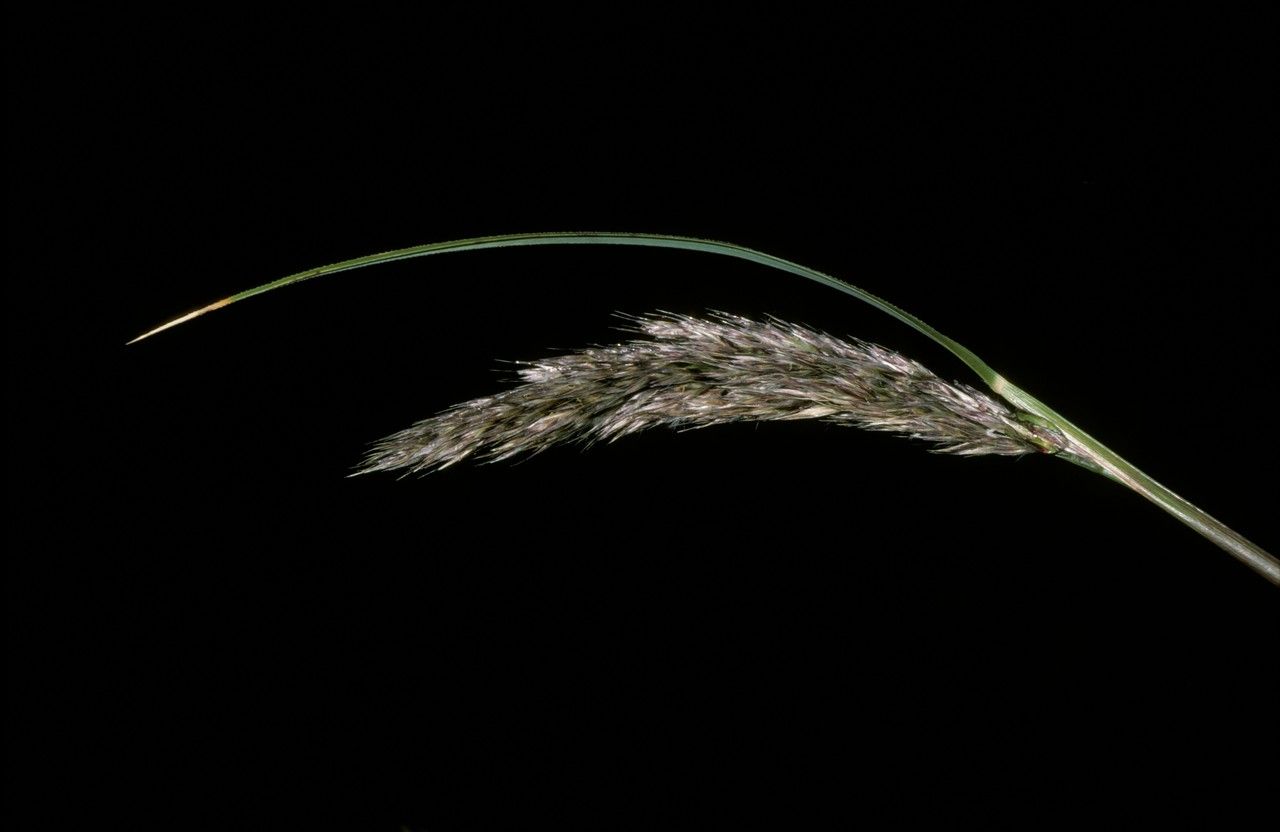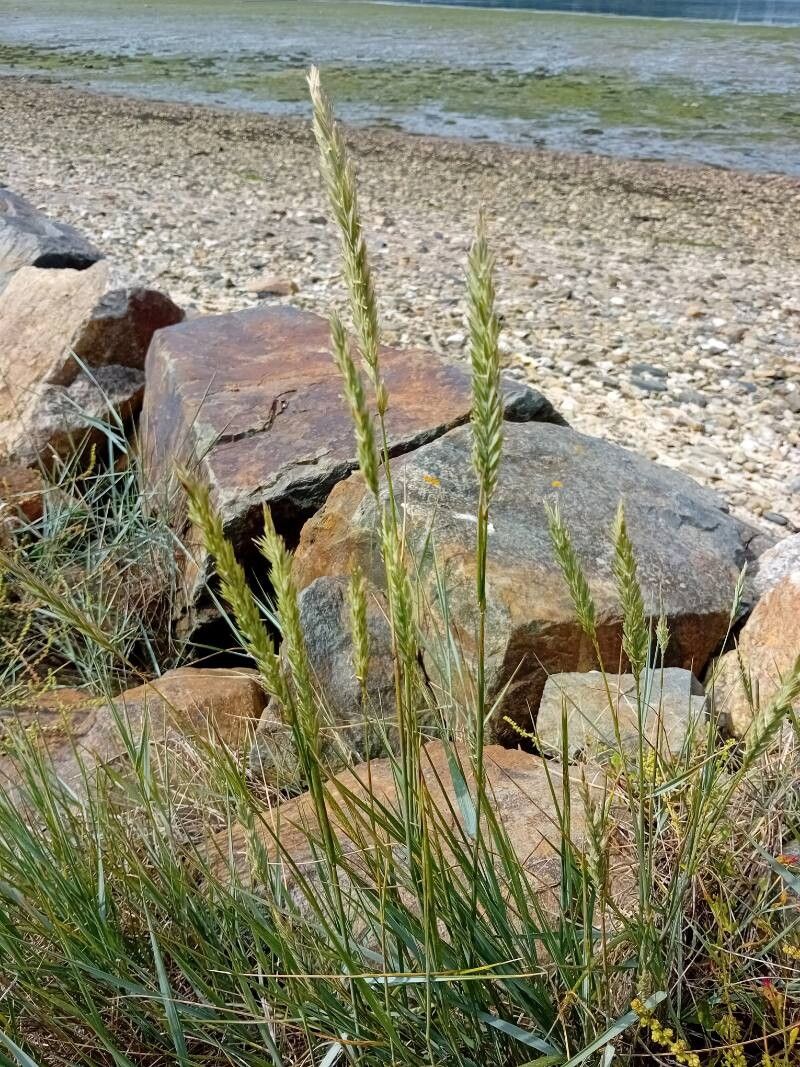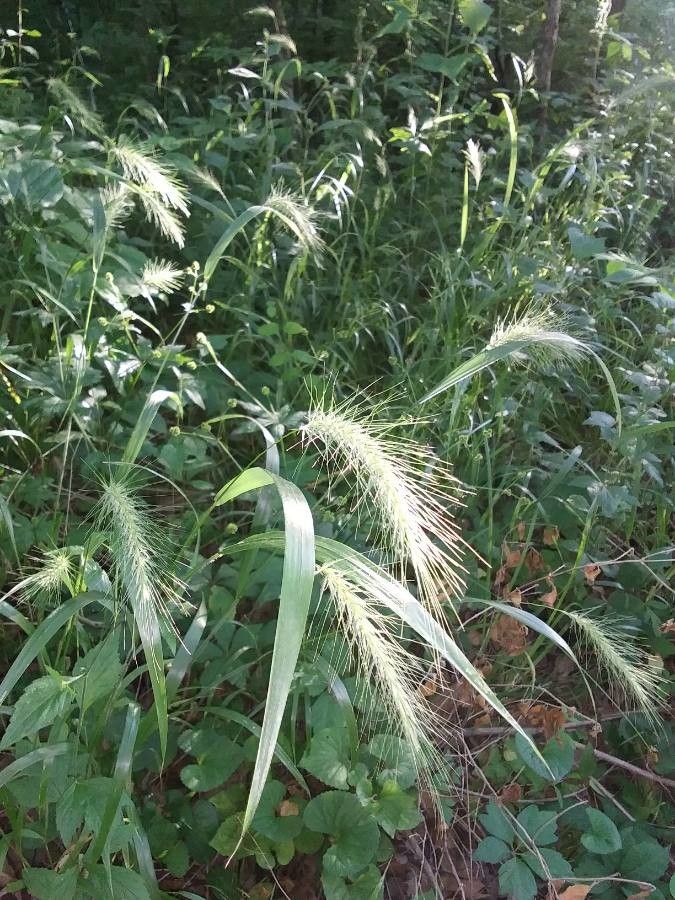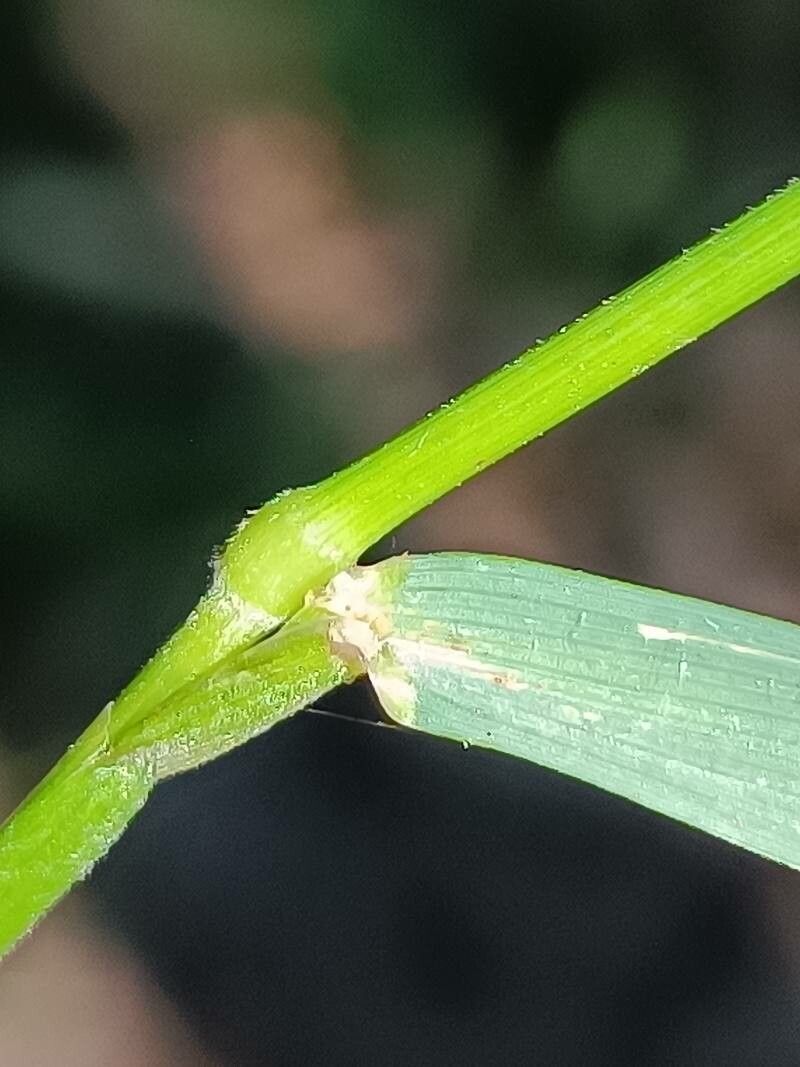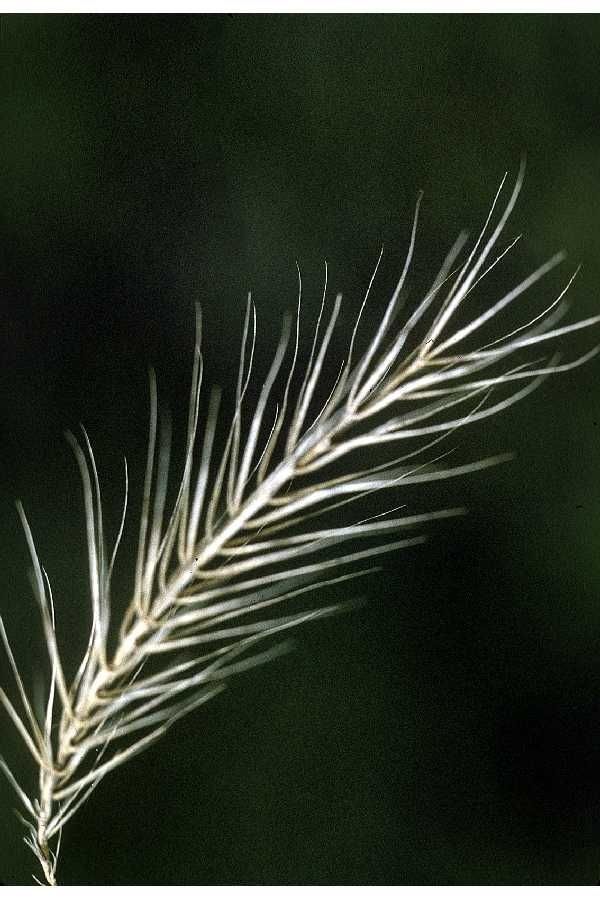
Riverbank wildrye is fairly disease-resistant and is typically not susceptible to diseases. Regarding care, this plant is fairly low-maintenance. When grown outdoors it needs little watering, and larger specimens generally do not require pruning. Smaller plants, however, should be pruned after they finish blooming. Riverbank wildrye is appropriate for anyone with an outdoor area, such as a garden or deck, and does not demand extensive care experience.
How to keep Elymus Riparius.
Light
Riverbank wildrye is a sun-loving perennial herbaceous species native to open habitats and commonly found in meadows and grasslands. It prefers full sun but can tolerate partial sun.
Water
Riverbank wildrye flourishes in moist environments, thriving best with consistent hydration, but it can also tolerate short periods of dryness. To support its growth, weekly watering is beneficial. This plant is well adapted to seasonal changes in water availability and remains resilient in the face of varying rainfall patterns. It is commonly found along streams and in wetlands.
Temperature
Riverbank wildrye can tolerate a wide range of temperatures, but its distribution may still be restricted by different combinations of moisture and heat. It performs best in warm summer conditions with sufficient rainfall or watering. Long periods of cloudy, rainy weather or prolonged high temperatures can increase the chance of Riverbank wildrye dying. In winter, adequate protection from cold can raise the plant's survival rate.
Fertilizer
Riverbank wildrye needs extra nutrients to encourage healthy new growth. In spring, spreading some compost around the plant’s base will effectively supply the nutrition it requires. Fertilizing helps support vigorous growth and boosts the plant’s resistance to diseases and pests.
Pruning
Riverbank wildrye is characterized by its tufted growth and stiff, narrow leaves, thriving along riverbanks and in floodplains. Prune it in early spring to remove damaged stems, improve air circulation, and boost growth. Make sure to use clean, sharp tools for accurate cuts, which encourages vigorous regrowth and helps maintain its decorative appearance.
Botanical profile.
- Plant Type
- Grass
- Life Cycle
- Perennial
- Genus
- Elymus
- Family
- Poaceae
- Hardiness Zone
- 3-8
- Mature Height
- 0.91 m to 1.52 m
- Mature Spread
- 30 cm to 61 cm
- Leaf Color
- Green
- Leaf Type
- Deciduous
- Bloom Time
- Early summer, Mid summer
- Planting Time
- Spring, Summer, Autumn
- Harvest Time
- Late summer, Early fall
- Native Area
- Mexico