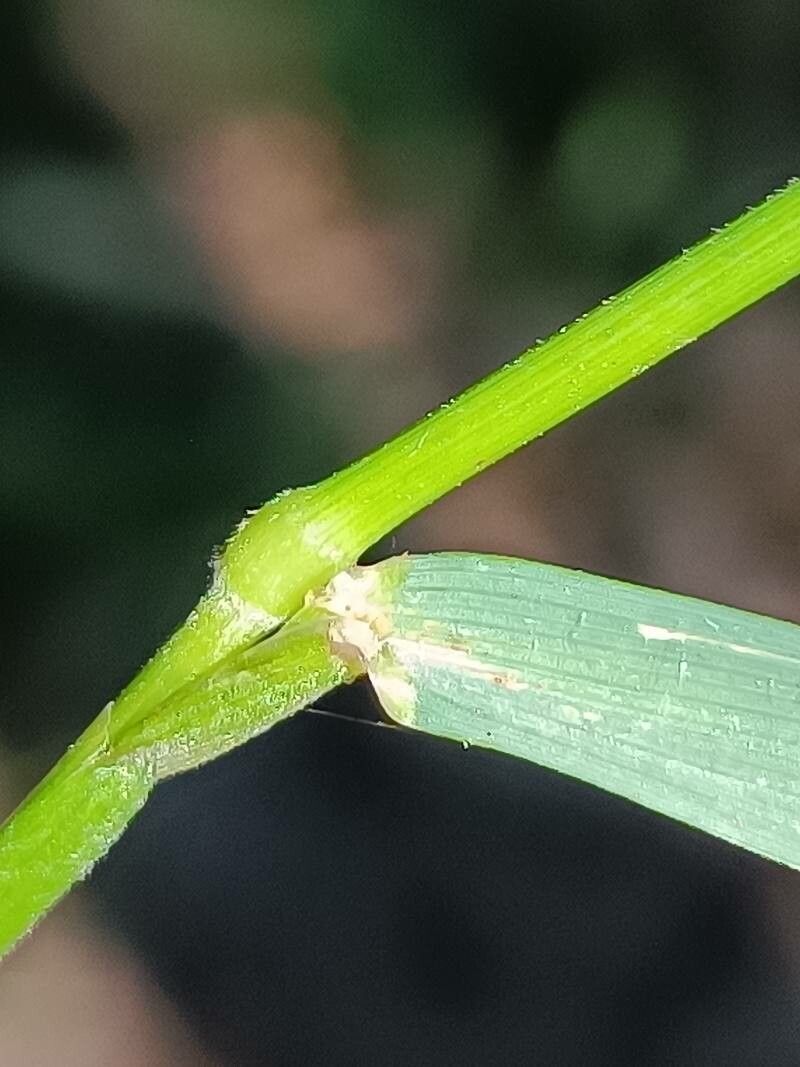
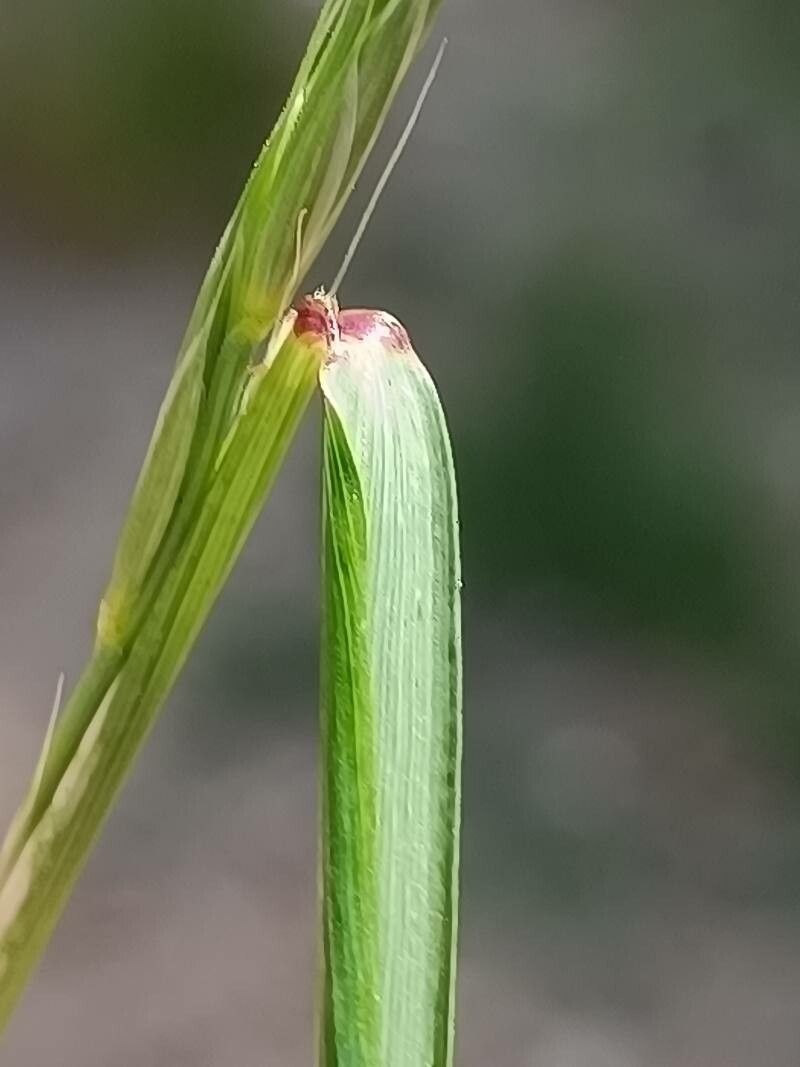
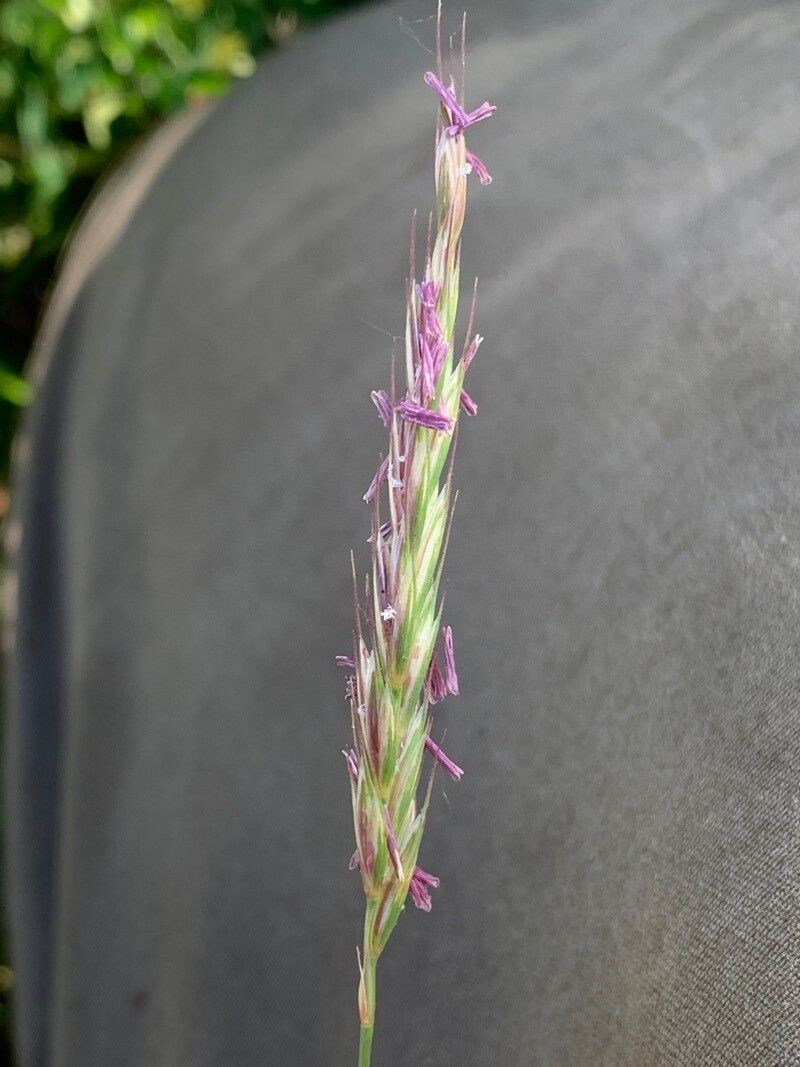
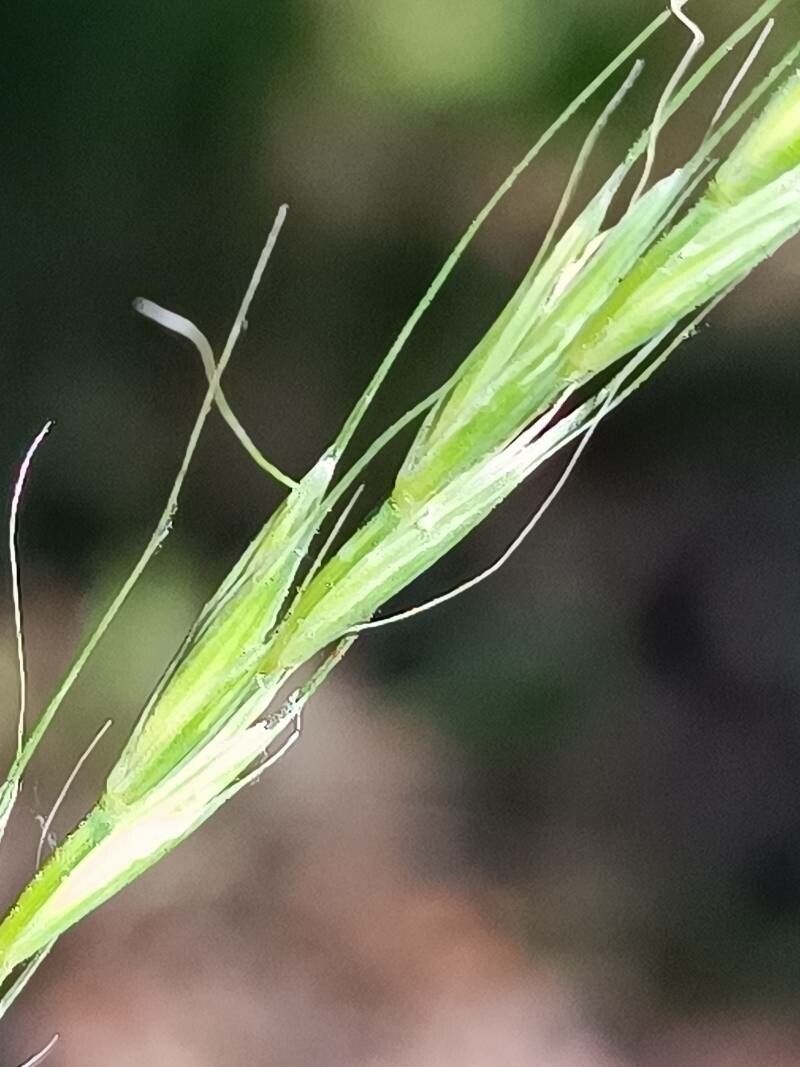
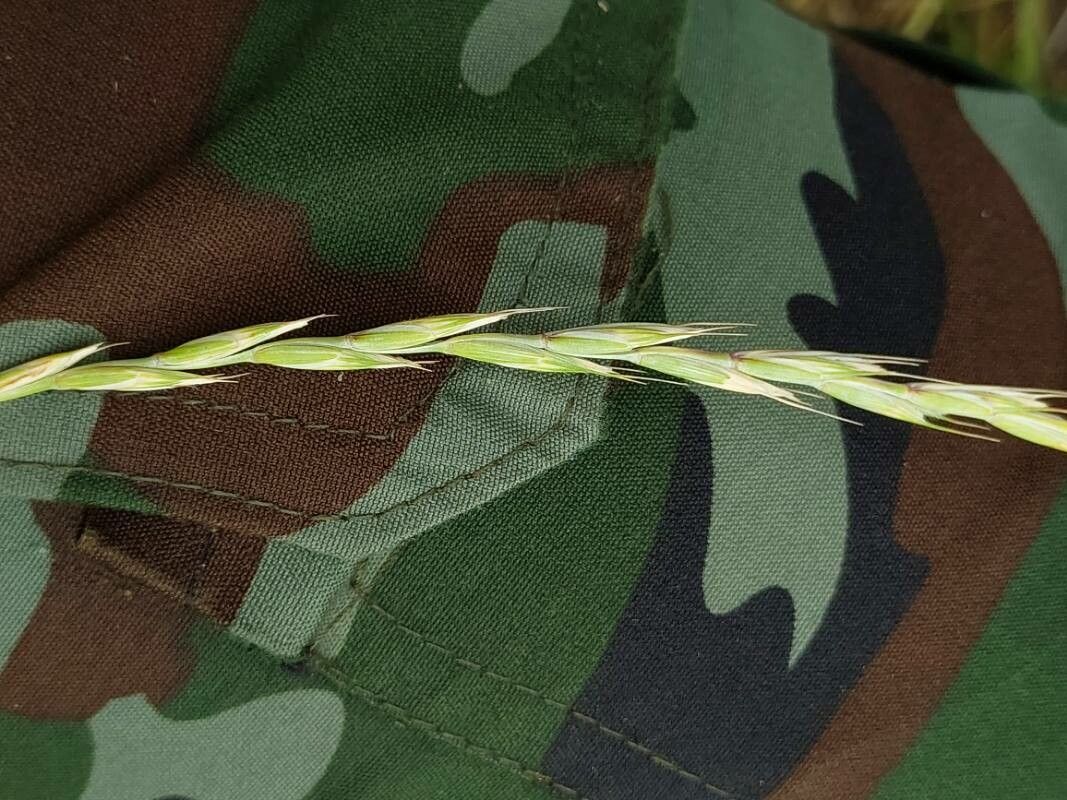
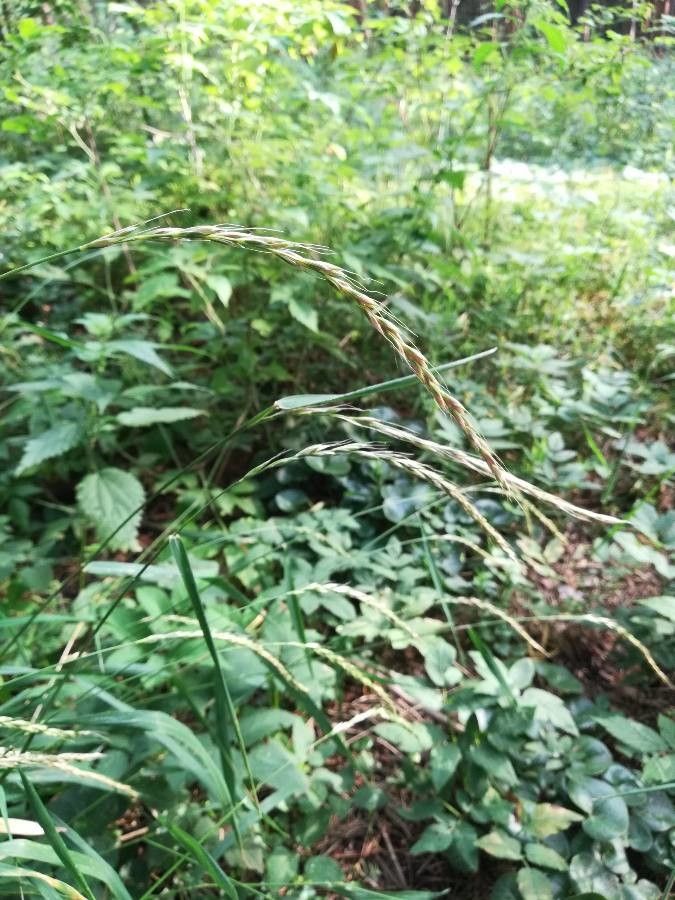
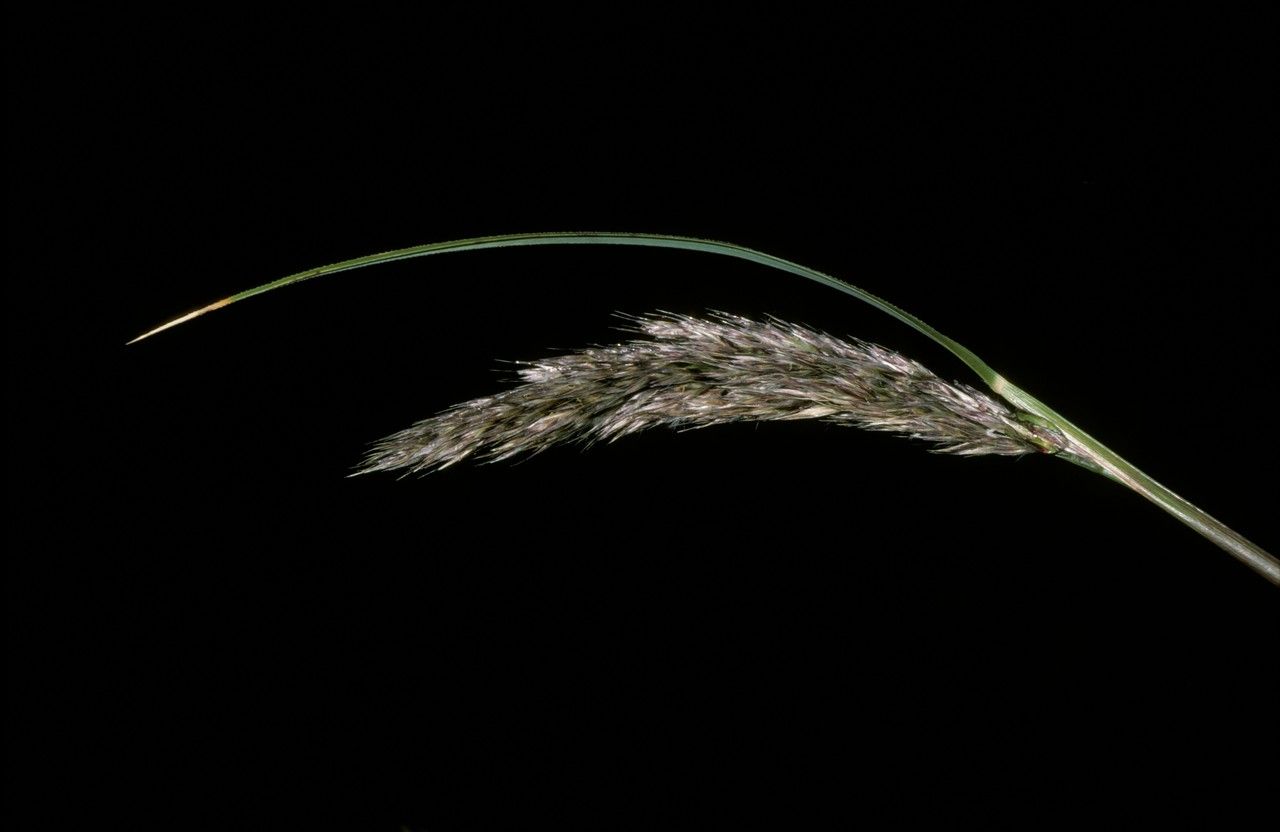
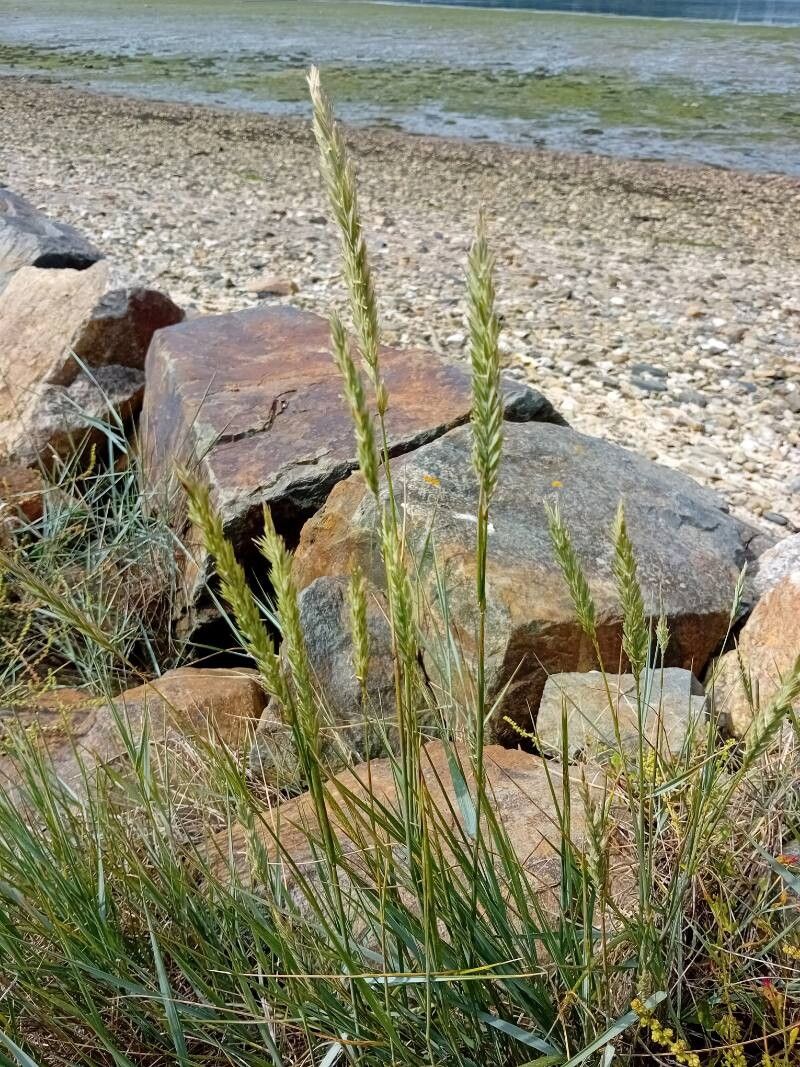
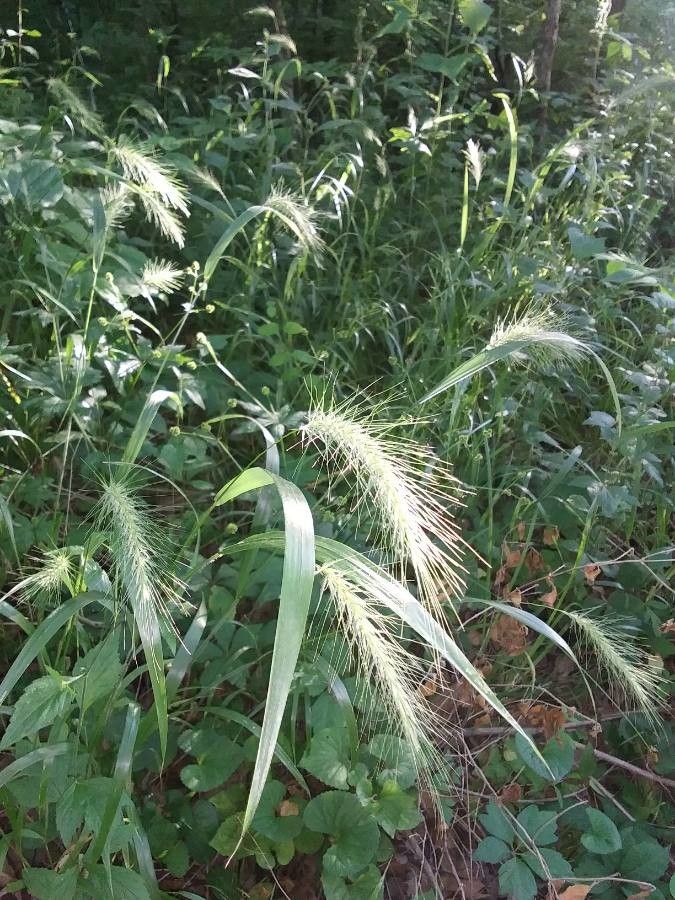
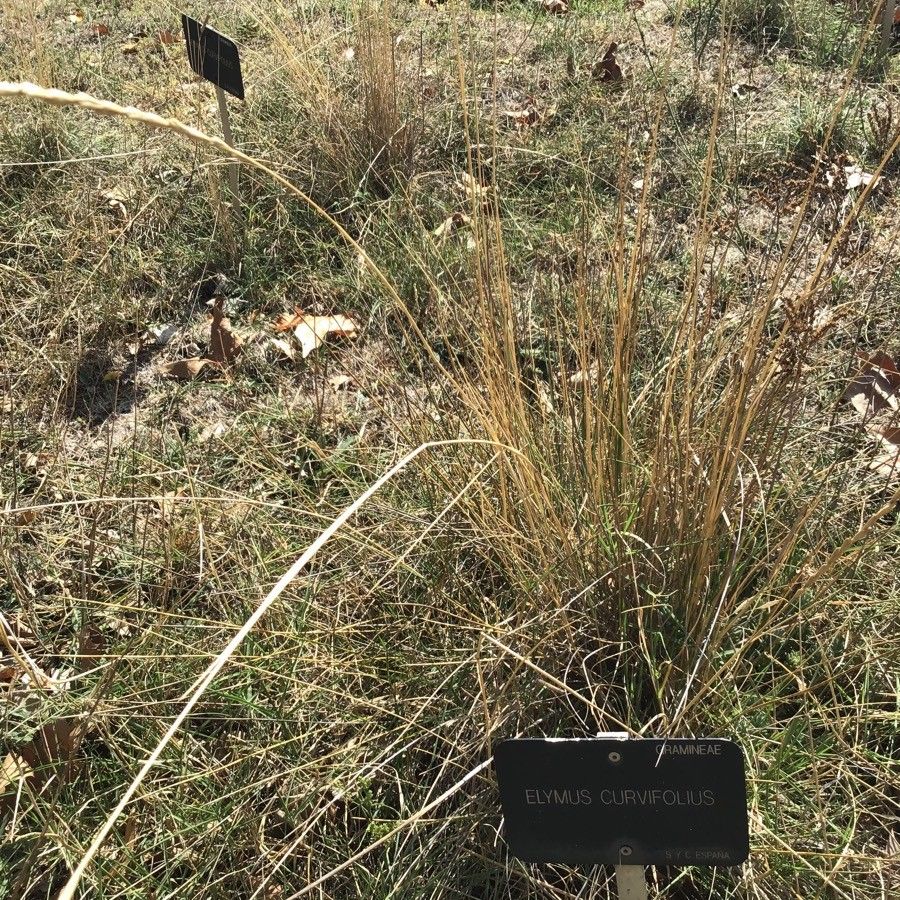
Elymus caninus, the bearded couch or bearded wheatgrass, is a species of flowering plant in the family Poaceae that is native to Europe including the UK but can be found introduced in the US states of Oregon and Washington. E. caninus has been observed in two morphotypes; the first population being "pauciflorum," with the second being "caninus."Found in the forest regions throughout Europe and stretching as far as west Asia, Elymus caninus is a type of self-pollinating wheatgrass. It is described as green, lax-leafed, and caespitose. The widespread distribution of E. caninus has led to sizable differences in morphology, isozyme, prolamine, and DNA levels. Morphological differences seen throughout E. caninus populations include: the number of florets per spikelet, the length of lemma awn, and the pubescence of leaves and their sheaths. Populations from China, Italy, Pakistan, and Russia were determined to have the lowest levels of intra-population variation among E. caninus morphologies. These lower levels may be due to selection factors, population bottlenecks, genetic drift, or a combination of the bunch.While generally a self-pollinating perennial, the rate of outcrossing varies among Elymus caninus populations. This outcrossing occurs when the species florets are open during anthesis. Researchers determined that when E. caninus is grown near or among other Elymus species (specifically studied were E. mutabilis and E. fibrosus), hybridization occurred and these hybrids were mainly found to be sterile. Populations of E. caninus grown among other Elymus species showed higher levels of variation when compared to populations grown alone. This finding shows that gene flow may be occurring between the Elymus species’ and that the gene flow is one-sided (E. mutabilis to E. caninus).Backing up the one-sided gene flow into Elymus caninus, an introgression study of Triticum aestivum into E. caninus populations was performed in order to determine if a hybridization would occur in which no spontaneous hybridizations were shown. This concludes that an introgression of the T. aestivum traits into the E. caninus population were improbable, disregarding the fact that these populations tend to grow in the same vicinity.Being an allotetraploid, E. caninus derives its genome (StStHH) from both new and old world Pseudoroegneria (St) as well as from the small-seeded Hordeum (H) species. A study completed in 1999 concluded that the fixed heterozygosity without segregation leads to the conclusion that E. caninus is allotetraploid by nature. A fixed heterozygosity occurs when the diploid parental genomes are homozygous for different alleles, and this trait has been reported in other Elymus species.
Awned wheat grass is resistant to disease and is generally not susceptible to illnesses. In terms of care, this plant is fairly low-maintenance. When grown outdoors, it needs only minimal watering, and larger plants usually do not require pruning. Smaller plants, however, should be pruned after they finish blooming. Awned wheat grass is suitable for anyone with an outdoor space, such as a garden or deck, and does not demand much experience in plant care.
How to keep Elymus Caninus.
Light
Awned wheat grass is native to habitats like forest understories and rocky areas, where it grows under natural shade. It prefers partial sun but can tolerate full sun or full shade, reflecting its hardy and adaptable nature.
Temperature
Awned wheat grass can tolerate a broad range of temperatures, but its distribution may still be constrained by different combinations of moisture and heat. It grows best in warm summer climates with adequate rainfall or irrigation. Extended periods of cloudy, rainy weather or prolonged high temperatures can increase the risk of Awned wheat grass dying. In winter, protecting the plant from cold can improve its survival rate.
Fertilizer
Awned wheat grass needs extra nutrients to encourage healthy new growth. In spring, spreading compost around the plant’s base can effectively supply the nutrition it requires. Fertilizing helps promote vigorous growth and assists the plant in resisting diseases and pests.
Pruning
To promote healthy growth and improve air circulation, it is important to prune awned wheat grass in early spring. Focus on trimming dead or damaged stems, but be careful not to cut too deeply into healthy tissue. Using clean, sharp tools will ensure precise cuts, help prevent disease, and enhance the plant's appearance.
Botanical profile.
- Plant Type
- Grass
- Life Cycle
- Perennial
- Genus
- Elymus
- Family
- Poaceae
- Hardiness Zone
- 3-8
- Mature Height
- 0.61 m to 1.22 m
- Mature Spread
- 30 cm to 49 cm
- Leaf Color
- Green
- Leaf Type
- Deciduous
- Bloom Time
- Early summer, Mid summer
- Planting Time
- Spring, Summer
- Harvest Time
- Late summer, Early fall
- Native Area
- Turkey, Sweden, India, Austria, Slovakia, Montenegro, Pakistan, Slovenia, Croatia, Belarus, Uzbekistan, Russia, Iraq, Germany, Iceland, Romania, Belgium, Portugal, Netherlands, France, Tajikistan, Czech Republic, Bulgaria, Armenia, Poland, Greece, Ukraine, Serbia, China, Norway, Afghanistan, Italy, Kazakhstan, Spain, Switzerland, Denmark, Finland, Iran, Albania, Ireland, United Kingdom, Hungary, Azerbaijan, Turkmenistan
Other names.