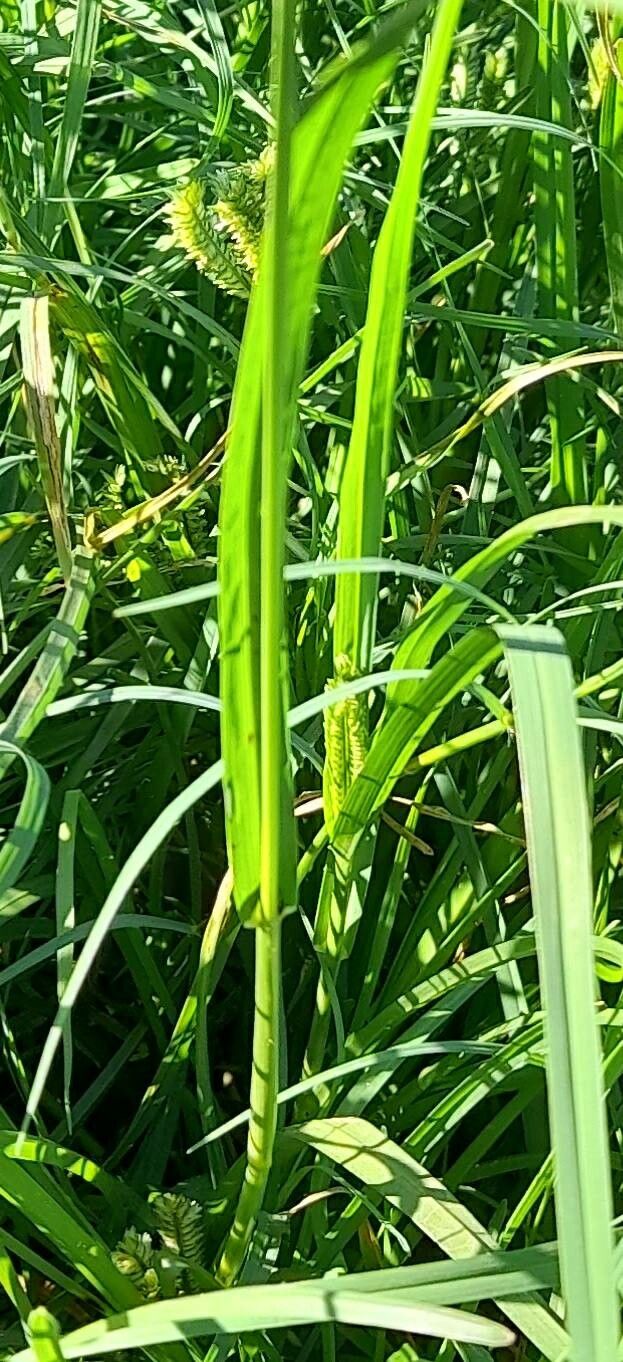
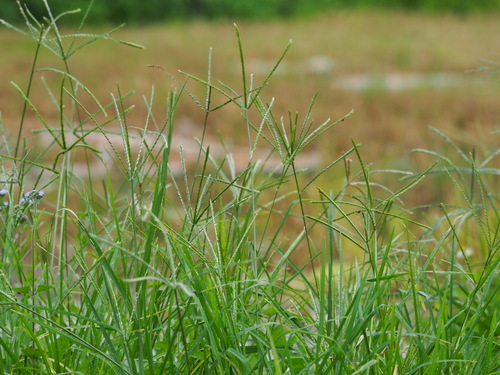
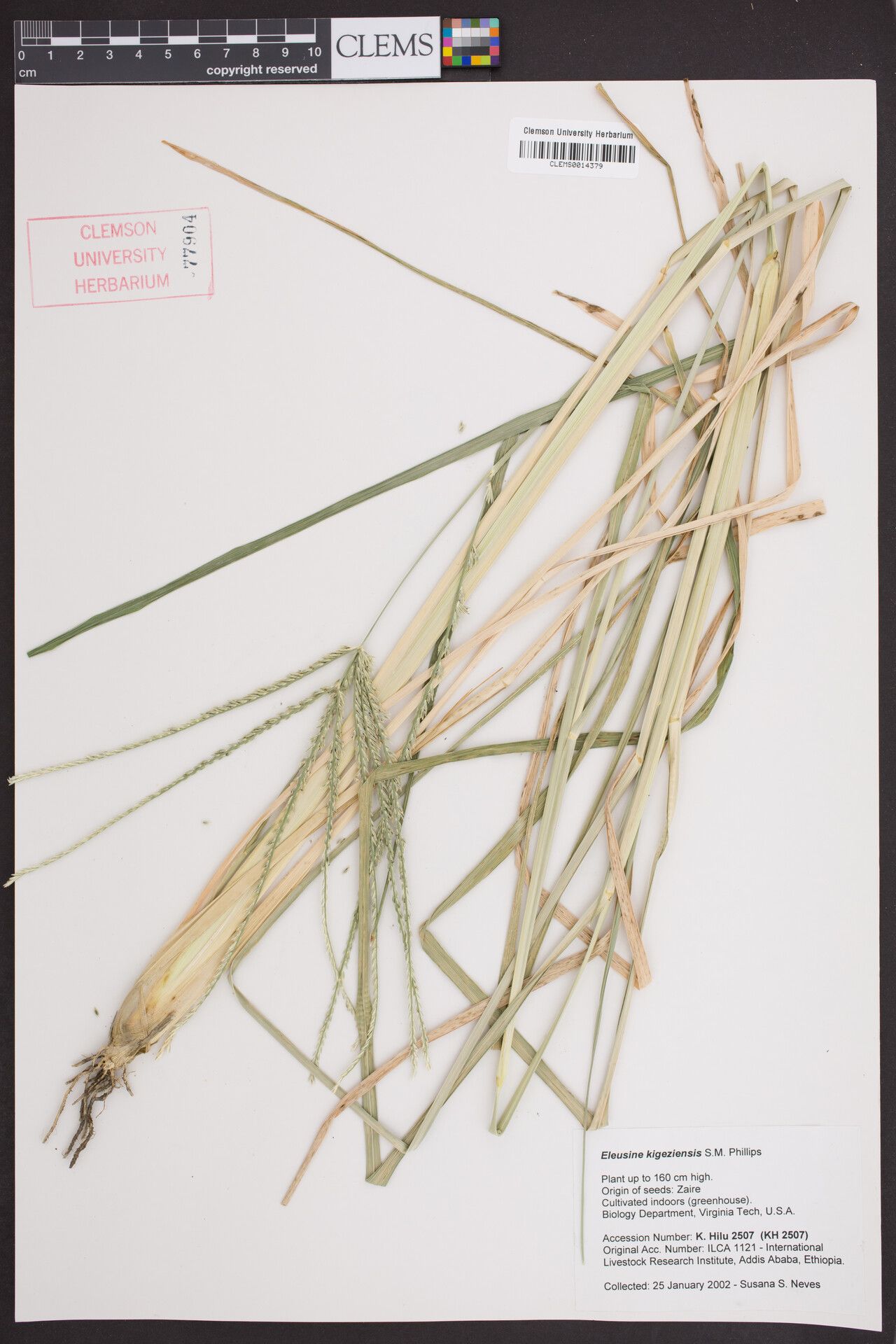
Eleusine tristachya, commonly known as wiregrass or three-spike goosegrass, is a perennial grass species from the Poaceae family. It is native to Africa but has spread to other parts of the world, including Asia and Australia.
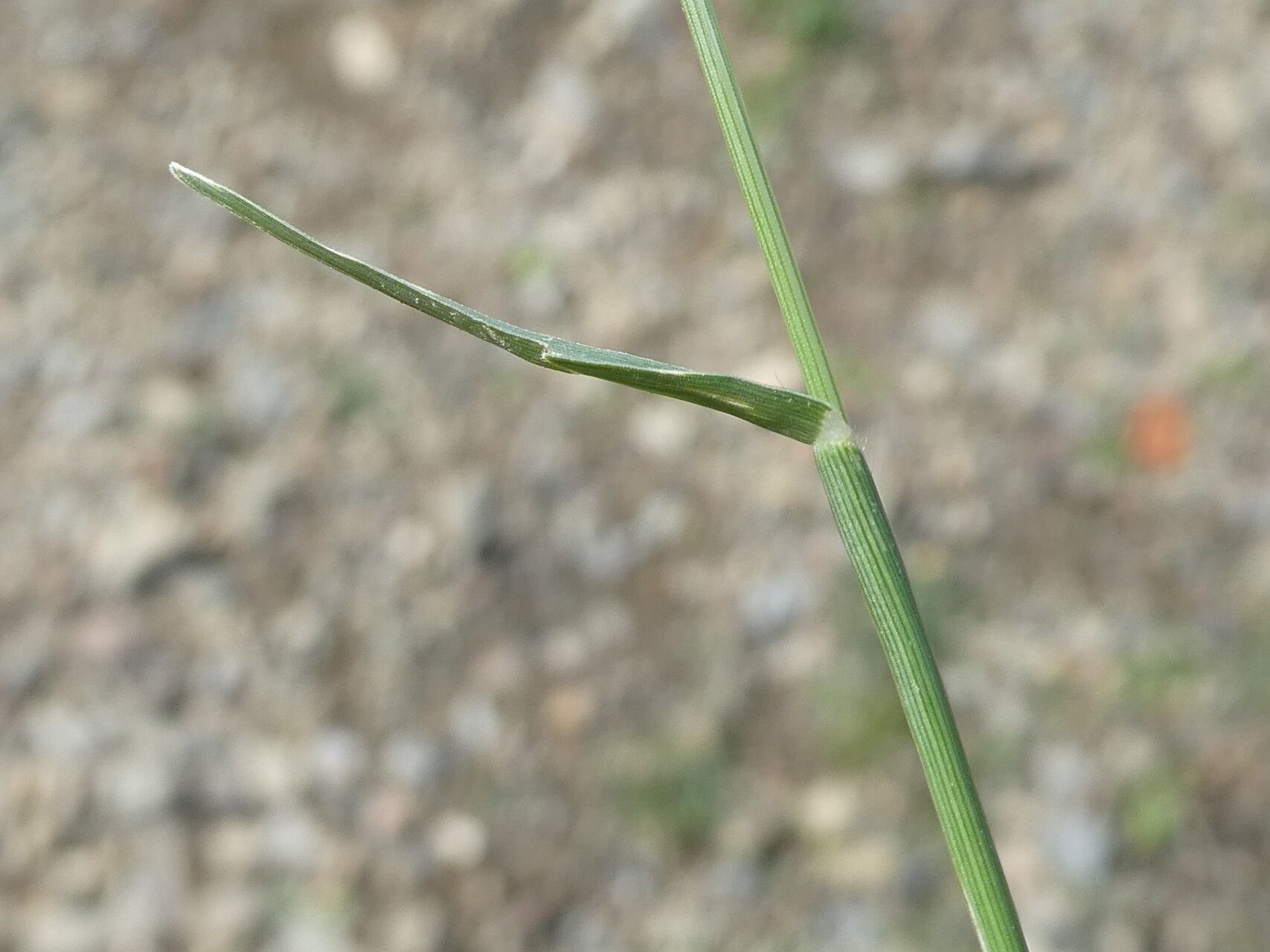
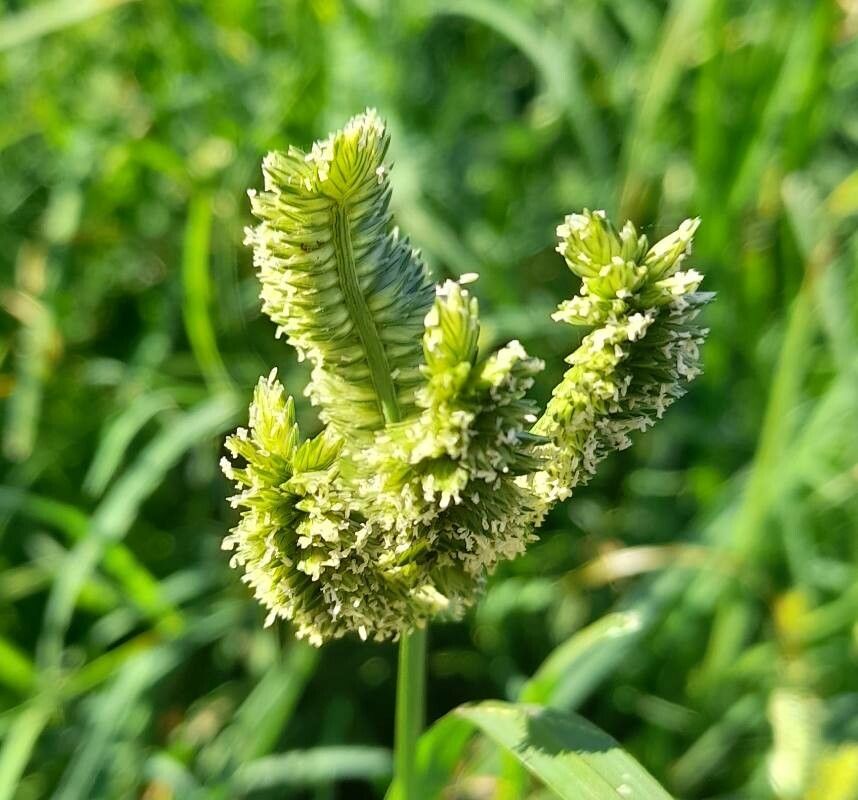
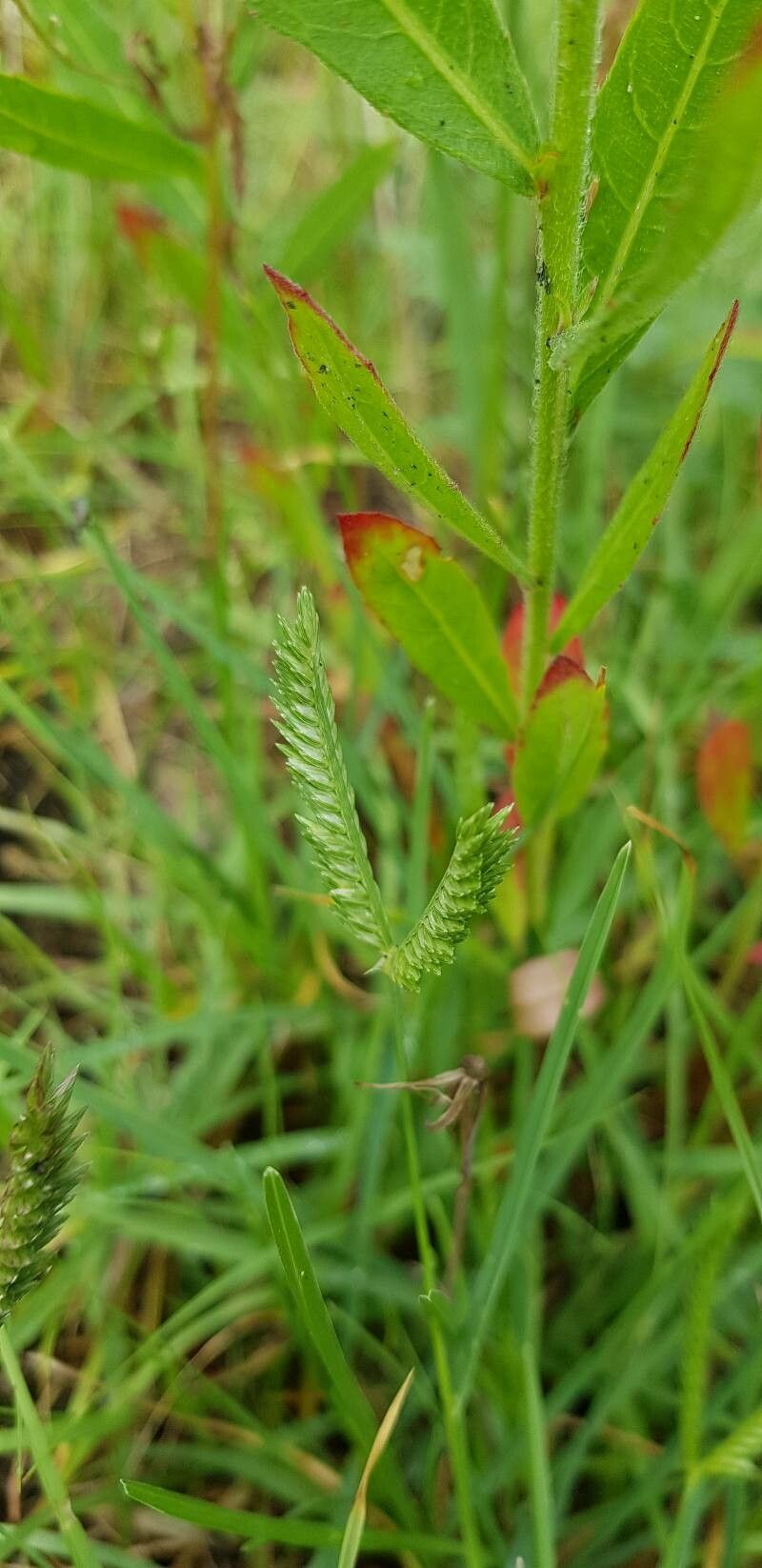
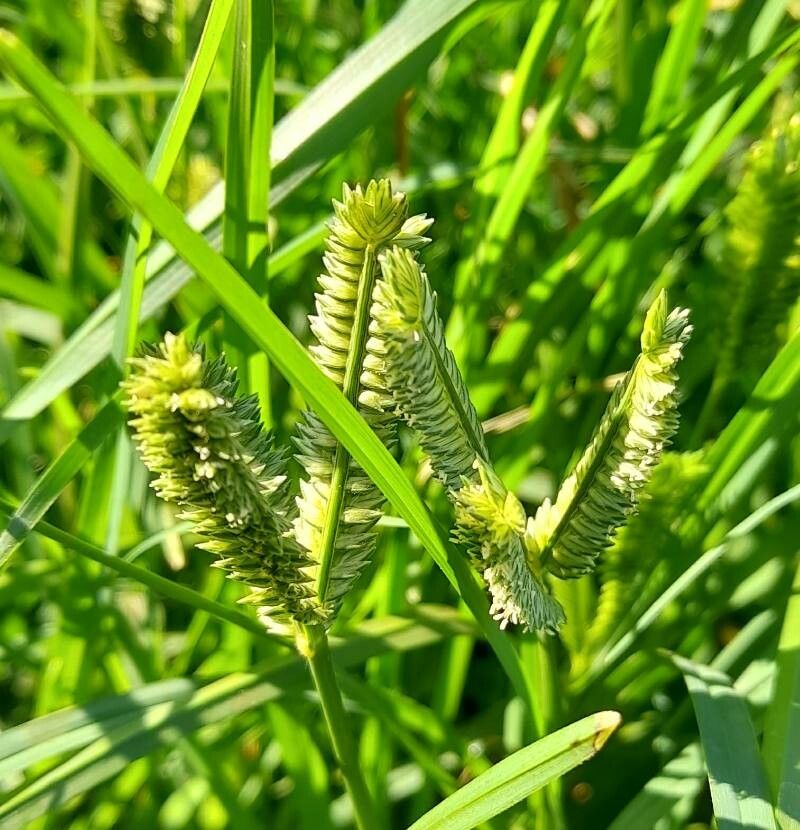
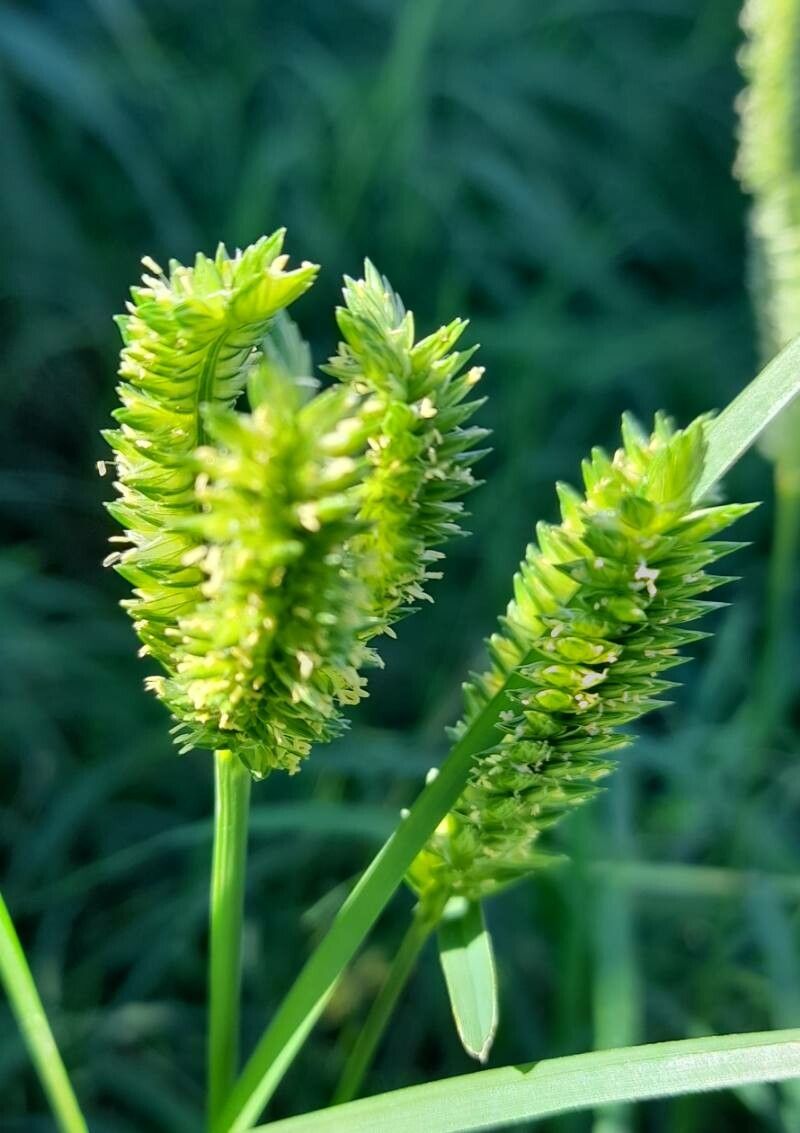
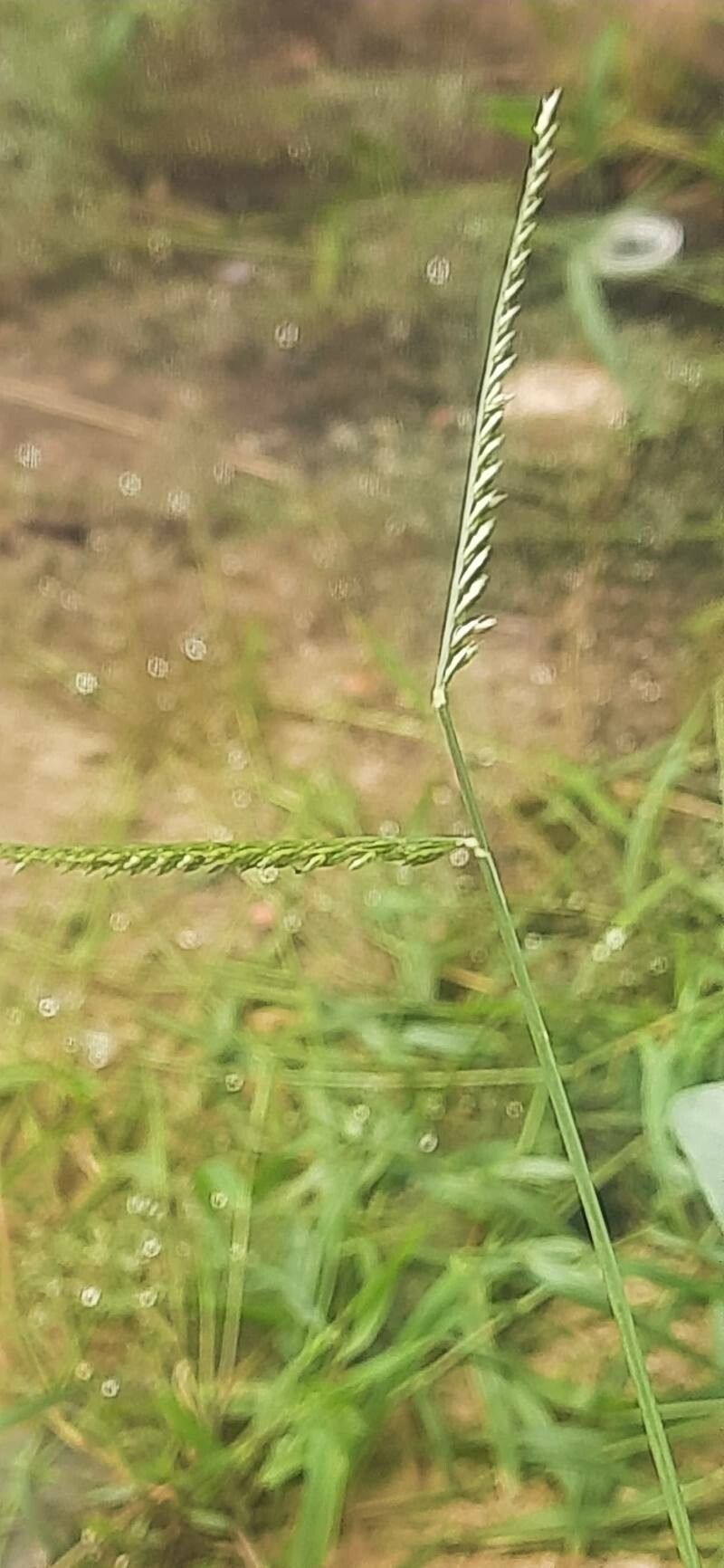
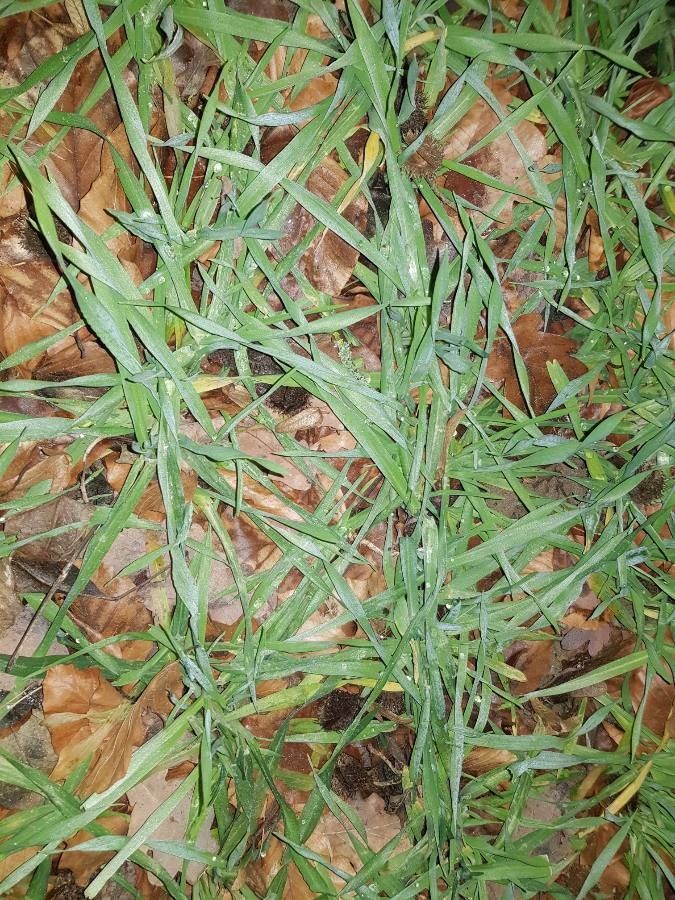
This plant has a tufted growth habit with erect stems that can reach up to 60 cm in height. Its leaves are narrow, linear, and have pointed tips, measuring up to 20 cm in length. The inflorescence features three spikes arranged in a whorl at the top of the stem.
Wiregrass thrives in open grasslands and disturbed areas such as roadsides, pastures, and waste places. It can tolerate various soil types but prefers well-drained soils with moderate fertility.
The plant serves several purposes: it provides forage for livestock due to its high protein content, helps control erosion with its extensive root system that stabilizes soil, and is also valued as an ornamental plant because of its attractive appearance.
Wiregrass can be propagated by seeds or vegetatively through stem cuttings or clump division. However, it has the potential to become invasive if not properly managed, as it rapidly spreads through rhizomes that form new plants at nodes along their length.
Overall, Eleusine tristachya is important both ecologically and economically due to its various uses. However, proper management practices are essential when cultivating it outside its native range to prevent it from becoming an invasive species that could harm local ecosystems.
Three-spike goose grass is disease-resistant and generally not susceptible to illnesses. In terms of care, this plant is fairly low maintenance. Planted outdoors, it needs only minimal watering, and larger plants usually do not require pruning. Smaller plants, however, should be pruned after they finish blooming. Three-spike goose grass is suitable for anyone with an outdoor space, such as a garden or deck, and does not demand much care experience.
How to keep Eleusine Tristachya.
Light
Three-spike goose grass comes from bright, open habitats and does best in full sun. It can tolerate some shade but prefers direct sunlight for peak growth. This plant is annual or biennial and is known for its preference for sun.
Temperature
Three-spike goose grass has good temperature adaptability, tolerating high heat and large temperature swings. In hot weather, attention should be paid to watering and suitable shading should be provided to avoid sunburn. On the other hand, Three-spike goose grass is less tolerant of low temperatures; it can endure some cold, but very cold conditions may cause frost damage.
Botanical profile.
- Plant Type
- Grass
- Life Cycle
- Annual
- Genus
- Eleusine
- Family
- Poaceae
- Hardiness Zone
- 8-11
- Mature Height
- 20 cm to 61 cm
- Mature Spread
- 15 cm to 30 cm
- Leaf Color
- Green
- Leaf Type
- Semi-evergreen
- Flower Size
- 0.51 cm to 0.76 cm
- Bloom Time
- Summer, Early fall, Mid fall
- Planting Time
- Spring, Summer
- Harvest Time
- Late summer, Fall, Early winter
- Native Area
- Brazil, Bolivia
Other names.