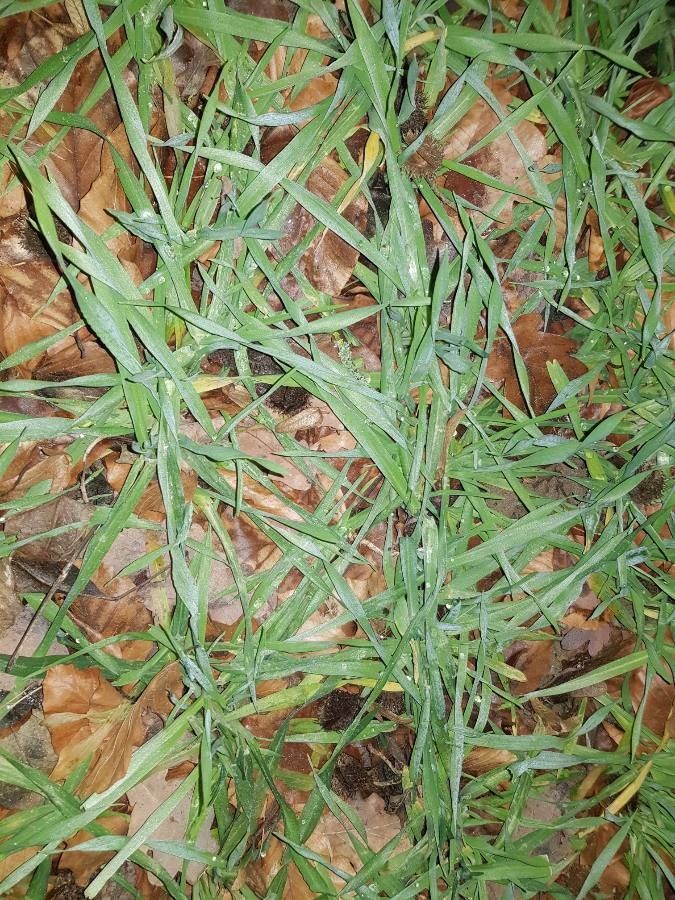
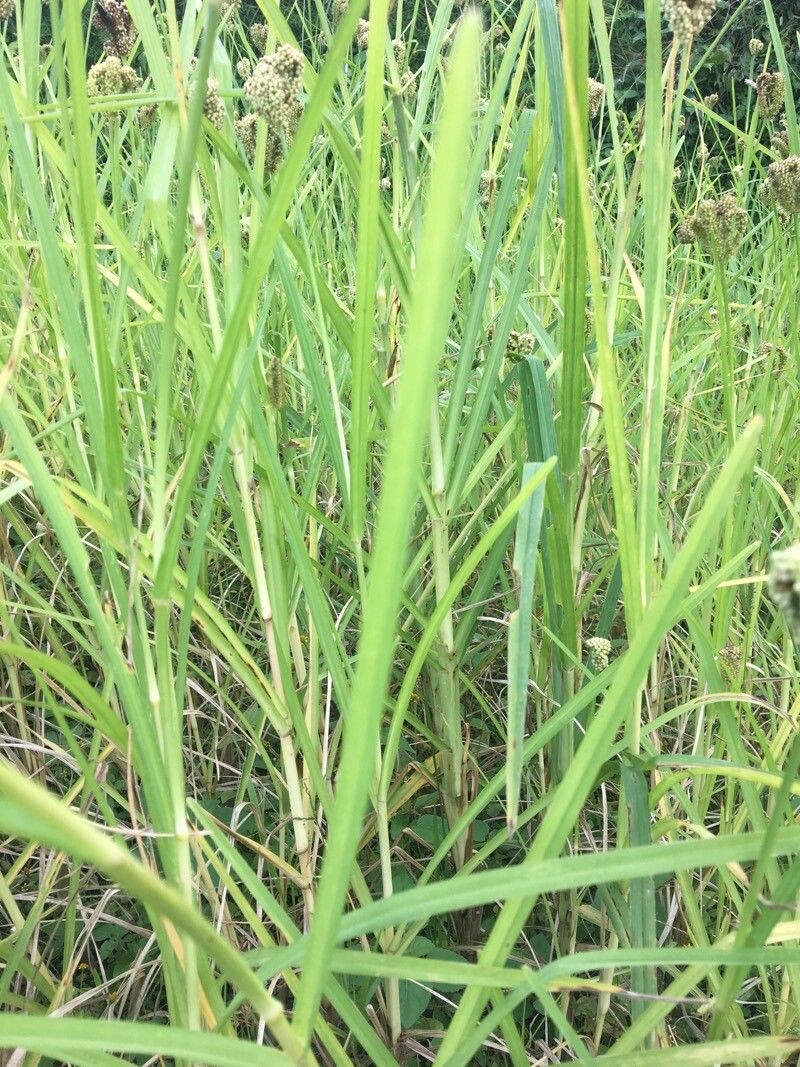
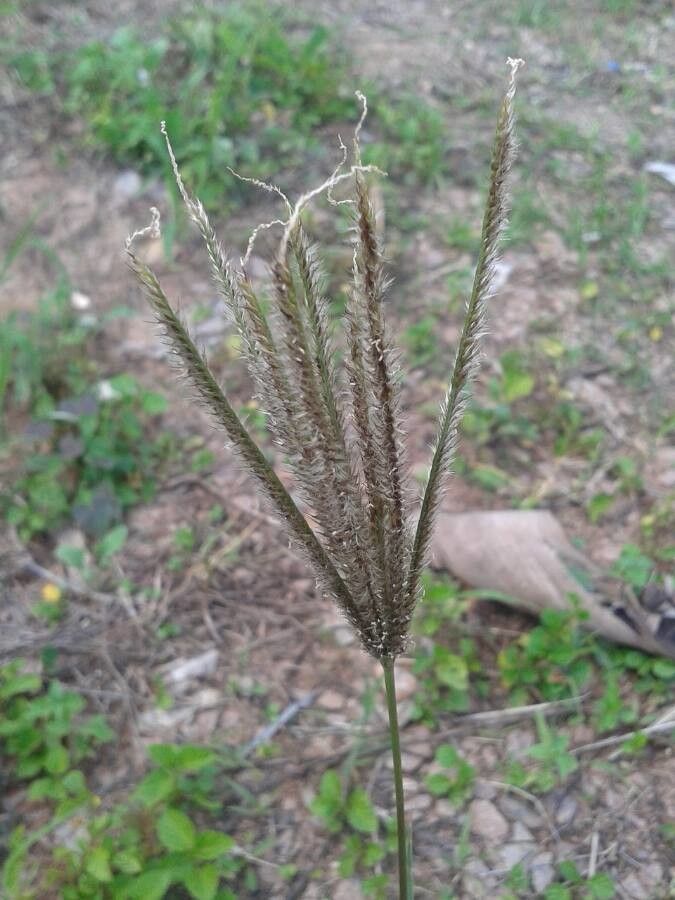
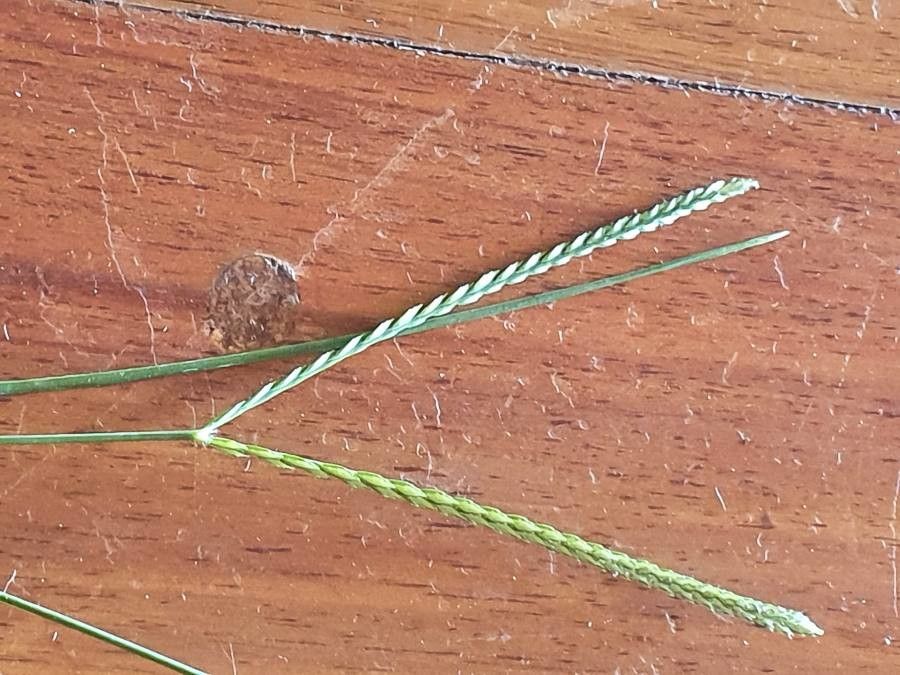
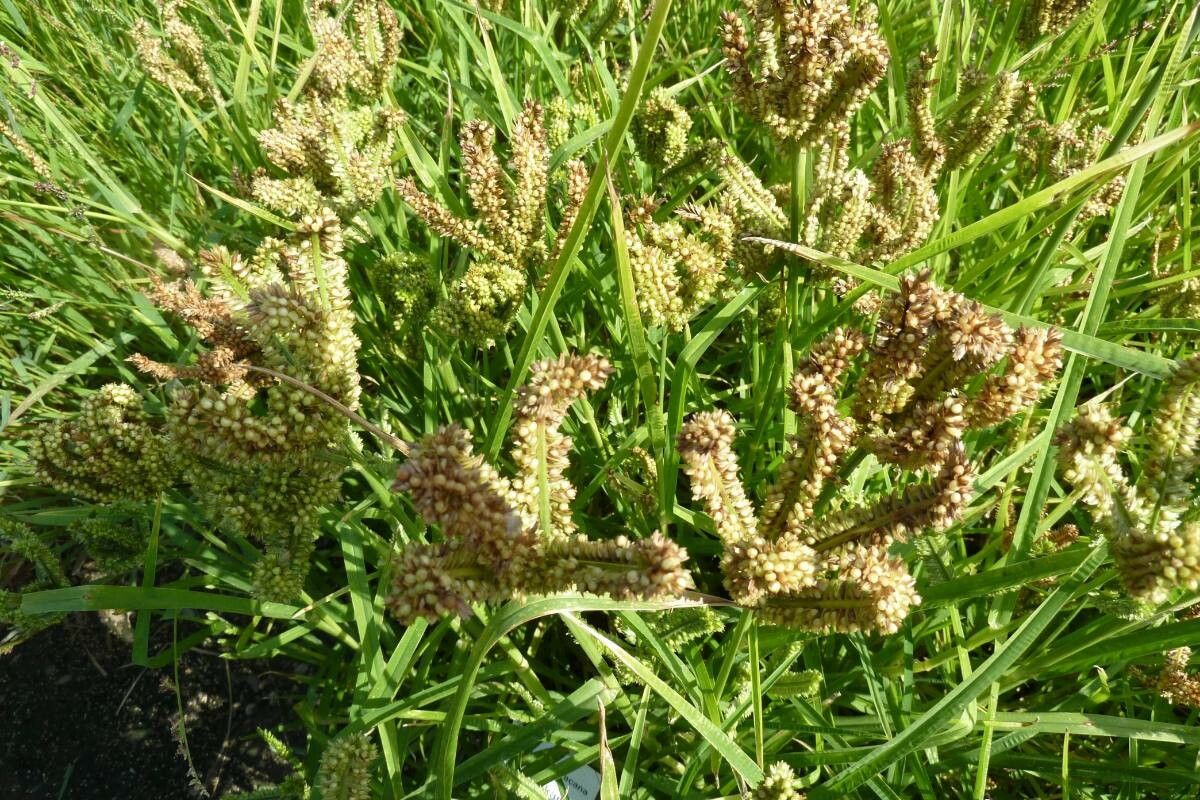
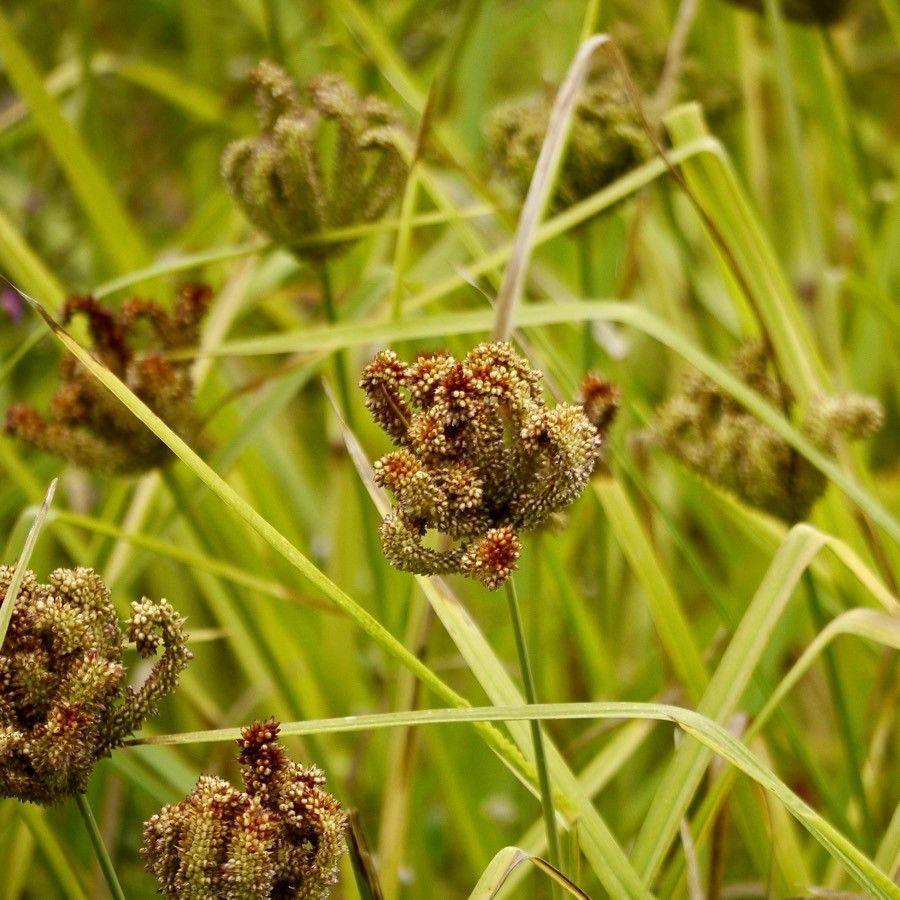
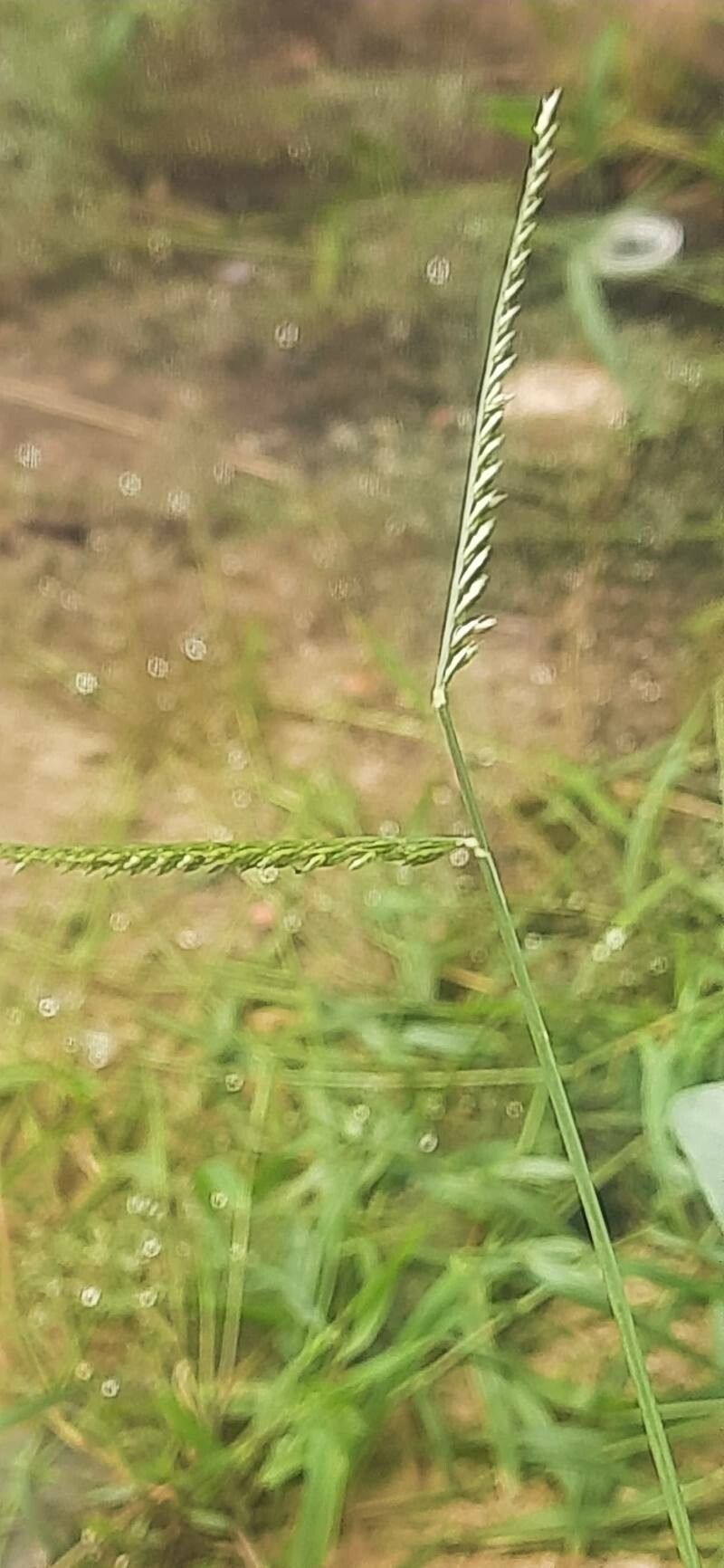
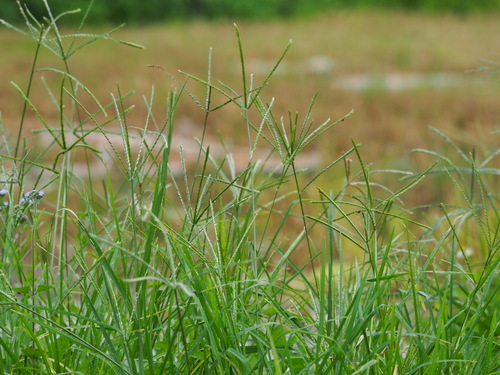
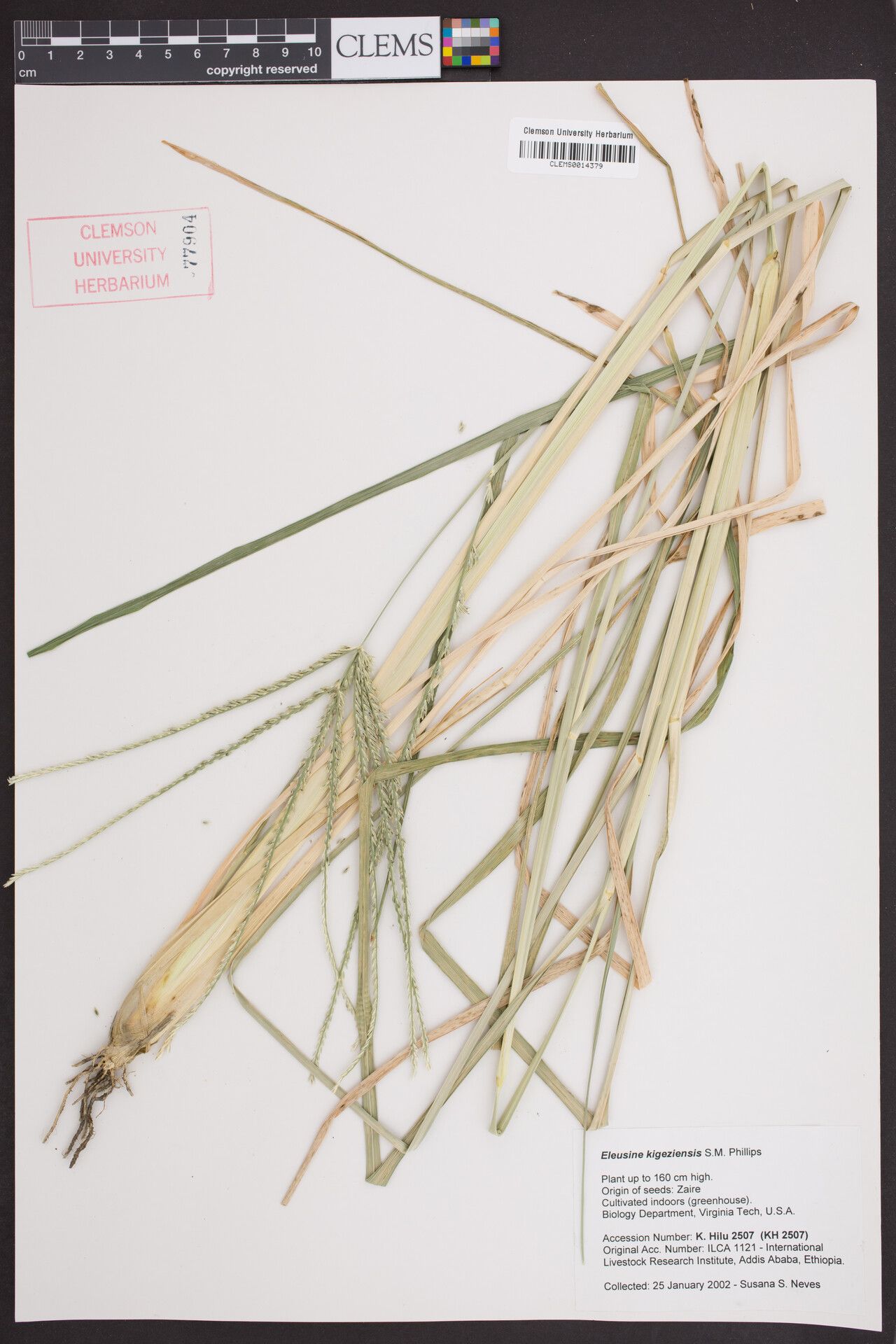
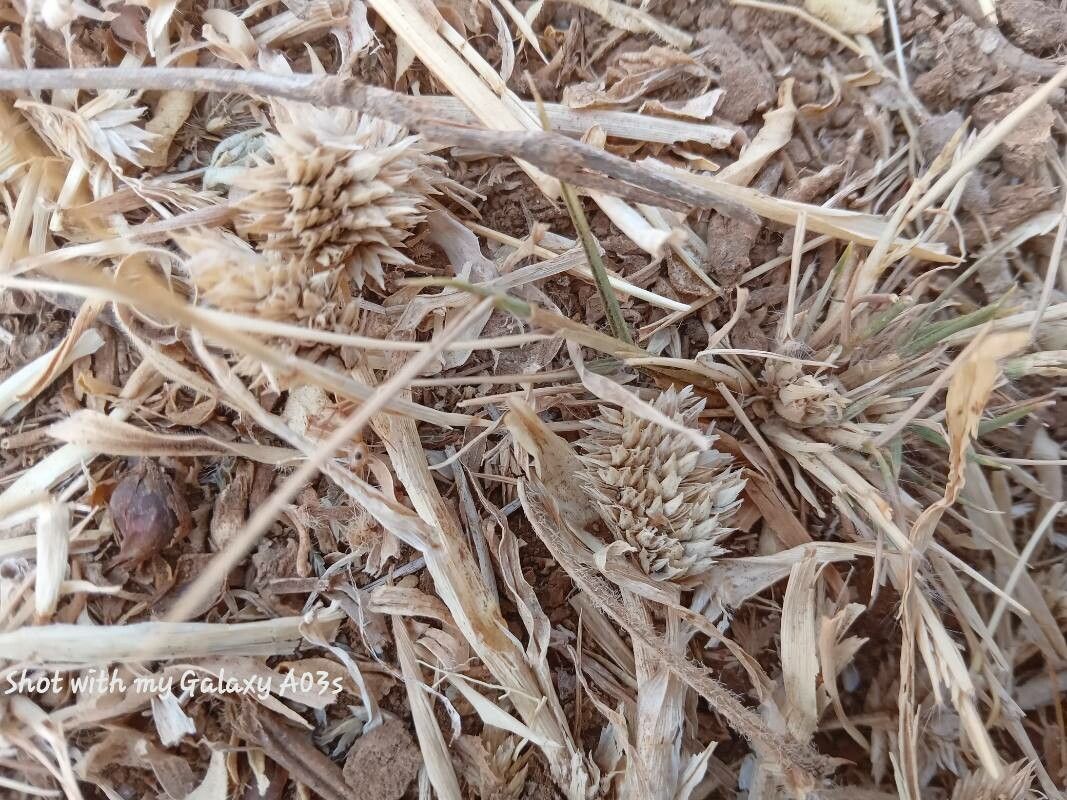
Eleusine coracana, or finger millet, also known as ragi in India, kodo in Nepal, is an annual herbaceous plant widely grown as a cereal crop in the arid and semiarid areas in Africa and Asia. It is a tetraploid and self-pollinating species probably evolved from its wild relative Eleusine africana.Finger millet is native to the Ethiopian and Ugandan highlands. Interesting crop characteristics of finger millet are the ability to withstand cultivation at altitudes over 2000 m above sea level, its high drought tolerance, and the long storage time of the grains.
How to keep Eleusine Coracana.
Light
African finger millet does best with abundant light, flourishing in places that get sunshine throughout the day. Originating in sun-rich environments, it can tolerate various levels of exposure but not heavy shade. Too little or too much light can hinder its growth, highlighting its need for consistent illumination.
Water
Originating from arid regions, African finger millet is remarkably drought-tolerant. It thrives with minimal moisture and only needs watering once a week for healthy growth. Although it is primarily grown outdoors, it's important to consider its resilience in sporadic rainfall and the potential need for irrigation during the growing season.
Temperature
African finger millet originates from regions with warm-temperate climates, thriving in temperatures of 68 to 100.4°F (20 to 38℃). Seasonal adjustments might be necessary to replicate these conditions and support healthy growth.
Fertilizer
For optimal growth, African finger millet needs three fertilizer applications: one before planting, one about one month after seedlings emerge, and a final application 1 to 1.5 months after the second. Some types of African finger millet benefit from extra fertilizer at planting to support rapid growth.
Pruning
African finger millet grows in a tufted manner with spikes that form in clusters. For best results, prune the plant from early to late spring, removing any dead branches to stimulate new growth. Thinning the plant helps improve air circulation and sunlight exposure. Regular pruning encourages vigorous growth and high yields, maintaining a balanced structure for optimal health.
Botanical profile.
- Plant Type
- Grass
- Life Cycle
- Annual
- Genus
- Eleusine
- Family
- Poaceae
- Hardiness Zone
- 8-11
- Mature Height
- 0.49 m to 1.52 m
- Mature Spread
- 30 cm to 61 cm
- Leaf Color
- Green, Dark Green
- Leaf Type
- Deciduous
- Flower Color
- Yellow, Green, Brown
- Flower Size
- 0.51 cm to 0.76 cm
- Bloom Time
- Summer
- Planting Time
- Spring, Summer, Autumn
- Harvest Time
- Late summer, Early fall, Mid fall
Other names.
Reader questions.
What should I do if I give too much or too little water to my African finger millet?
Proper watering is essential for the health of this beautiful ornamental grass. In the ground, watering issues are easily solvable, but in a container, it's important to avoid both overwatering and underwatering, as they can quickly kill African finger millet. If the grass doesn't receive the right amount of water, it may stop growing. Overwatering can cause yellow leaves with brown tips, while underwatering can result in drooping leaves, weak seed head production, and browned leaves. To fix watering issues, first determine whether the problem is too much or too little water. If it's overwatered, stop watering it immediately and allow the soil to dry out. Test the soil for moisture and resume watering when new growth appears. If it's underwatered, give the grass a deep drink to see if it improves. Remember that long, deep watering is better than shallow, frequent waterings, as it encourages deep root growth, making the grass more drought resistant and less susceptible to watering problems.
How many hours of sunlight should African finger millet get each day to grow well?
To ensure the health and survival of these plants, it is necessary to provide them with at least 6 to 8 hours of sunlight every day. In particular, they thrive on exposure to morning light, especially during the summer. The African finger millet, in particular, requires full sun and benefits from as much sunlight as possible. The more light these plants receive, the better they will be able to produce food, display stunning blooms, and withstand challenging conditions.
What is the best temperature for African finger millet?
Plants are affected by colder temperatures because they match the temperature of the air. When they are in sunlight, they can warm up, but this doesn't happen in winter. For African finger millet, the ideal temperature range is between 70~85℉(21~30℃). They can tolerate temperatures as low as 20~30℉(-6~0℃), or even 15℉(-10℃), but not for long because it can cause frost damage. It's important to maintain temperatures around 70~85℉(21~30℃) and provide occasional water spraying and shade to prevent wilting.
How frequently should I water my African finger millet plant?
The watering needs of African finger millet depend on its planting location. In general, you should water this grass once a week. In hot climates, watering once or twice a week during summer might be necessary. In moderate climates, watering once every seven days or more might be enough. Grass in containers usually require more frequent watering compared to grasses grown in the ground. However, the location also matters since African finger millet can thrive in full sun or part shade. Shaded grasses need less frequent watering than grasses in the ground. It is important to only water African finger millet when the soil is dry. There are a few signs you can look for to determine if watering is needed, such as pressing your finger a couple of inches into the soil to check for dryness. For potted grass, you can weigh it with a portable scale or simply feel if the pot is light due to lack of water. Insufficient watering can cause the blades to appear folded along their centers and thinner than usual. Despite being drought-tolerant, regular and deep waterings will result in beautiful color. In the wild, African finger millet grows in open scrubland exposed to extreme heat, bright sun, and intermittent rain. While this grass is drought-resistant, it still requires care and attention. Consistent watering is recommended for its optimal growth. When newly planted, African finger millet will need more frequent watering until it establishes deep roots. Potted African finger millet tends to dry out quickly, especially if placed in hot and direct sun for most of the day. Test the soil every 3 to 4 days and water when it feels dry. African finger millet grown in the ground generally requires less watering, but this also depends on the type of soil. Clay soil holds water longer and may feel dry at the surface while still retaining moisture beneath. Sandy soils that drain quickly will need more frequent watering.
What kind of sunlight does African finger millet require?
The African finger millet thrives when it is planted in an area with full sunlight. To ensure each plant gets even sun exposure, it's important to avoid overcrowding them. The leaves of the plant should not be deprived of sunlight. If you choose to plant the millet in pots, it's recommended to place the pots in windows that receive direct sunlight to allow the herbaceous flowers to grow properly. It's essential to make sure the plants receive full sunlight throughout the year, as they do not perform well in areas with partial or filtered light. To ensure strong stems and healthy flowers, it's ideal to always keep the African finger millet exposed to the sun.
Do I need to change the temperature for African finger millet at different growing stages?
When growing African finger millet, it is important to research and ensure the appropriate temperature conditions. Some growers may consider lowering the plants' thermostats to save on HVAC costs during the growing season. However, it is crucial to understand that temperature can impact flowering, pest management, and overall plant quality. During the winter, there may be a temperature threshold where African finger millet growth stops, and certain species may enter a dormant state. As the seasons change, the base temperature increases, allowing for faster growth of African finger millet. Species native to warmer habitats have higher optimum temperatures compared to those thriving in cooler climates. Exposing African finger millet seeds to cool temperatures can lead to reduced uniformity and delays in growth. Lowering the temperature during the flowering phase may be beneficial but not during other stages. Additionally, cooler temperatures at night require less water, so irrigation should be adjusted accordingly.
What do I need to watch out for when I water my African finger millet at different times of the year, in different weather, or at different stages of growth?
To determine if you are adequately watering your grass, observe its rate of growth. For instance, African finger millet tends to double in size within a year during the hottest months. If the weather is hot but the grass is not growing vigorously, consider adjusting your watering schedule. In winter, you may be able to water just once a month, but check the soil for moisture. During the growth cycle, more water is needed, while during winter and cooler months, water requirements decrease significantly. Remember that with African finger millet, the soil should always be allowed to completely dry out before adding water.
Can the sun harm plants? What can be done to shield African finger millet from damage caused by the sun and heat?
When the temperature exceeds 90℉(32℃), the African finger millet is at risk of being damaged by extreme heat, especially when exposed to prolonged sunlight. To protect the plant, it is advisable to provide some shade in the afternoon during summer when the sunlight is stronger and exposure is longer compared to winter. If the millet shows signs of stress due to sunlight, ensuring they are well-hydrated by watering them when the top layer of soil is about 2 inches dry is recommended. If the weather is excessively hot, it may be necessary to move container-planted millet indoors. It is normal for the plant leaves to wilt during the day but recover at night. However, if the millet continues to droop, it indicates rapid water loss and watering is required.
How can I make sure African finger millet stays warm during cold seasons?
To prepare the plant for colder temperatures, halt the process of fertilization so new growth is discouraged and the existing ones become sturdier. You can protect the African finger millet from the cold by constructing structures like cages or trellises around it. Additionally, you have the option to use heat mats that can provide a gentle, consistent warmth to the soil, creating an ideal temperature range for the African finger millet.
Should I shade African finger millet to protect it from too much sunlight?
The African finger millet thrives in sunny conditions and does not require sun protection. In fact, some species of African finger millet are heliotropic, meaning they actively seek out the sun. It is recommended to plant them in south-facing gardens to ensure they receive sun exposure from morning to afternoon. However, it's important to note that while the sun is beneficial for their growth, some varieties may be susceptible to sunburn. In such cases, providing protection from the afternoon and midday sun, either through the shade of a tree or a wall, can be helpful. It is not feasible to grow African finger millet in shady areas as the larger flowers would require significant energy to grow and produce. For optimal results, always provide the millet with full sun exposure.
How can I protect African finger millet from getting damaged by high or low temperatures?
To protect the African finger millet from frost in winter, cover it with cloths, tarps, burlaps, sheets, or plastic buckets. Keep them securely in place to work as insulators and prevent them from being blown away by the wind. Just be careful not to let the plastic sheets or burlap covers touch the fruit or foliage, as this could transfer cold temperatures and cause burns. As the daytime temperatures start to increase, remove the covers.
What will happen if African finger millet doesn't get enough sunlight?
If the African finger millet does not receive enough sunlight, its photosynthetic process will slow down. This lack of sunlight will cause the stems to become thin and long as they try to reach for more light. As a result, they will not bloom or produce seeds when in the shade. Inadequate sunlight will also cause the older leaves to die, while the new leaves will have a lighter color and smaller growth. While the African finger millet loves sunlight, it can wilt under excessive heat and ultraviolet light during the summer. It's important to take precautions by covering them with a net or providing shade to prevent scorching of the leaves and flowers. When indoors, using a fan can help reduce heat.