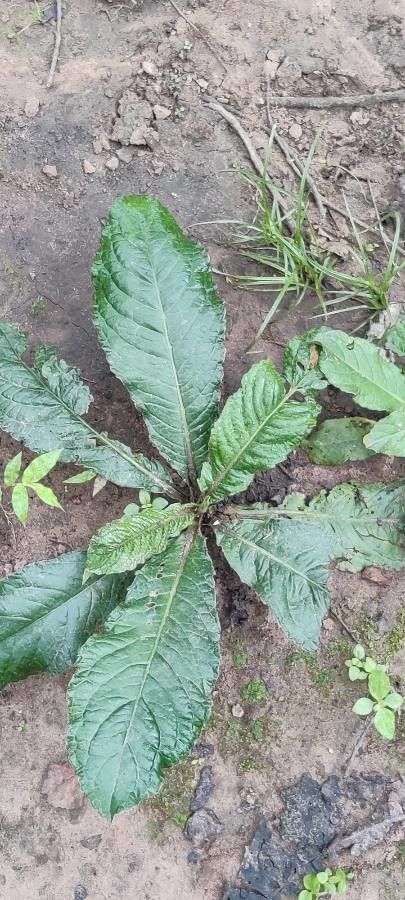
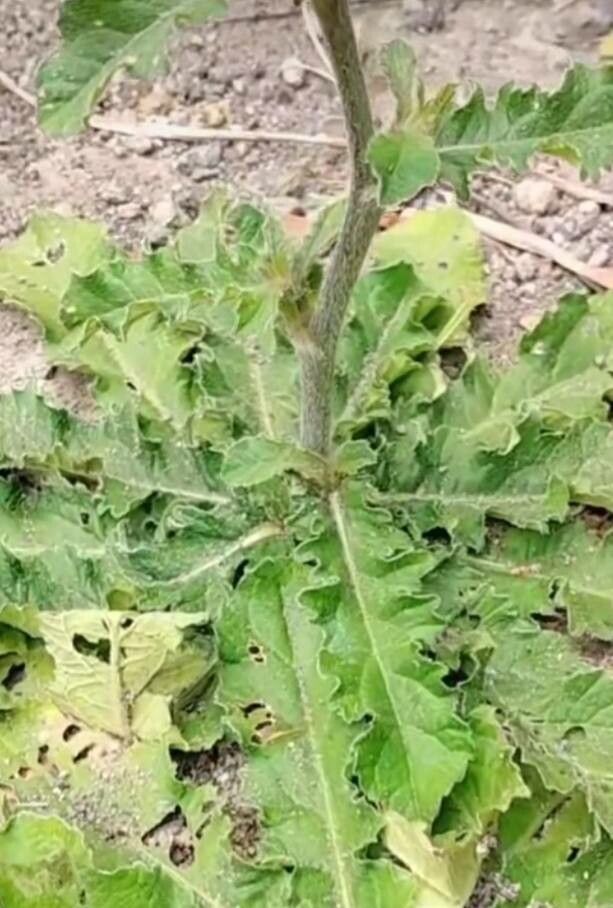
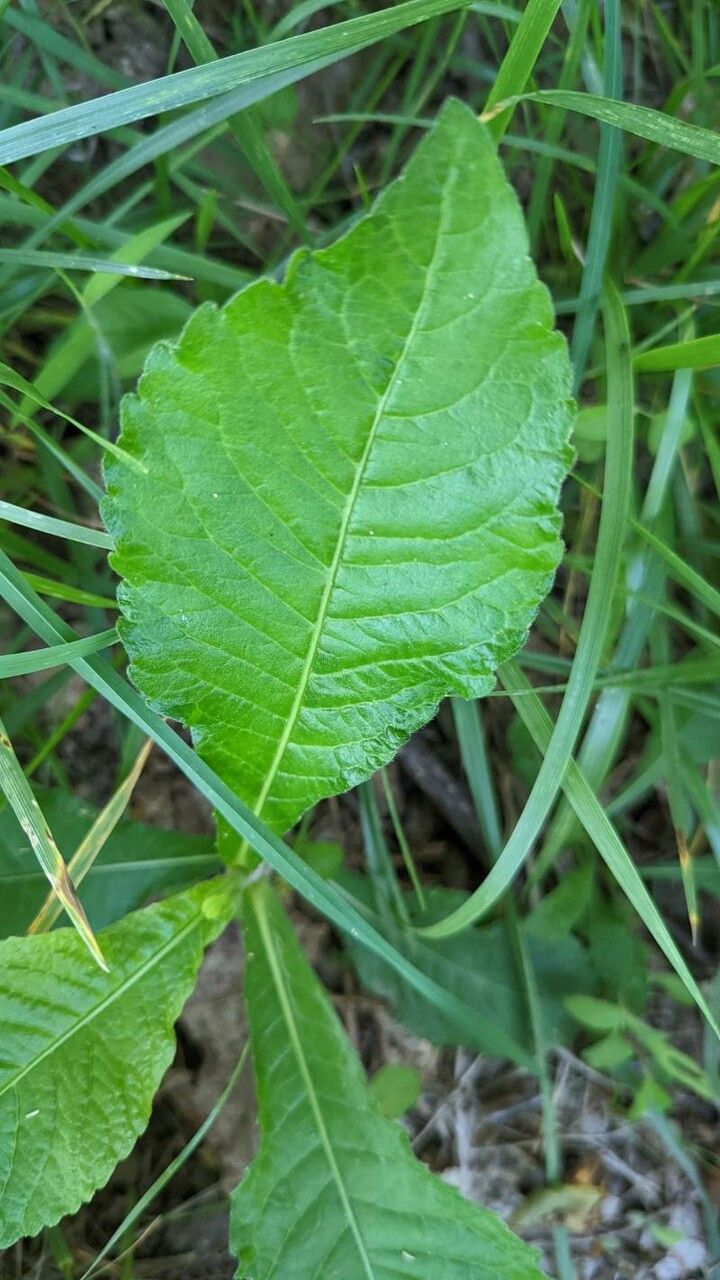
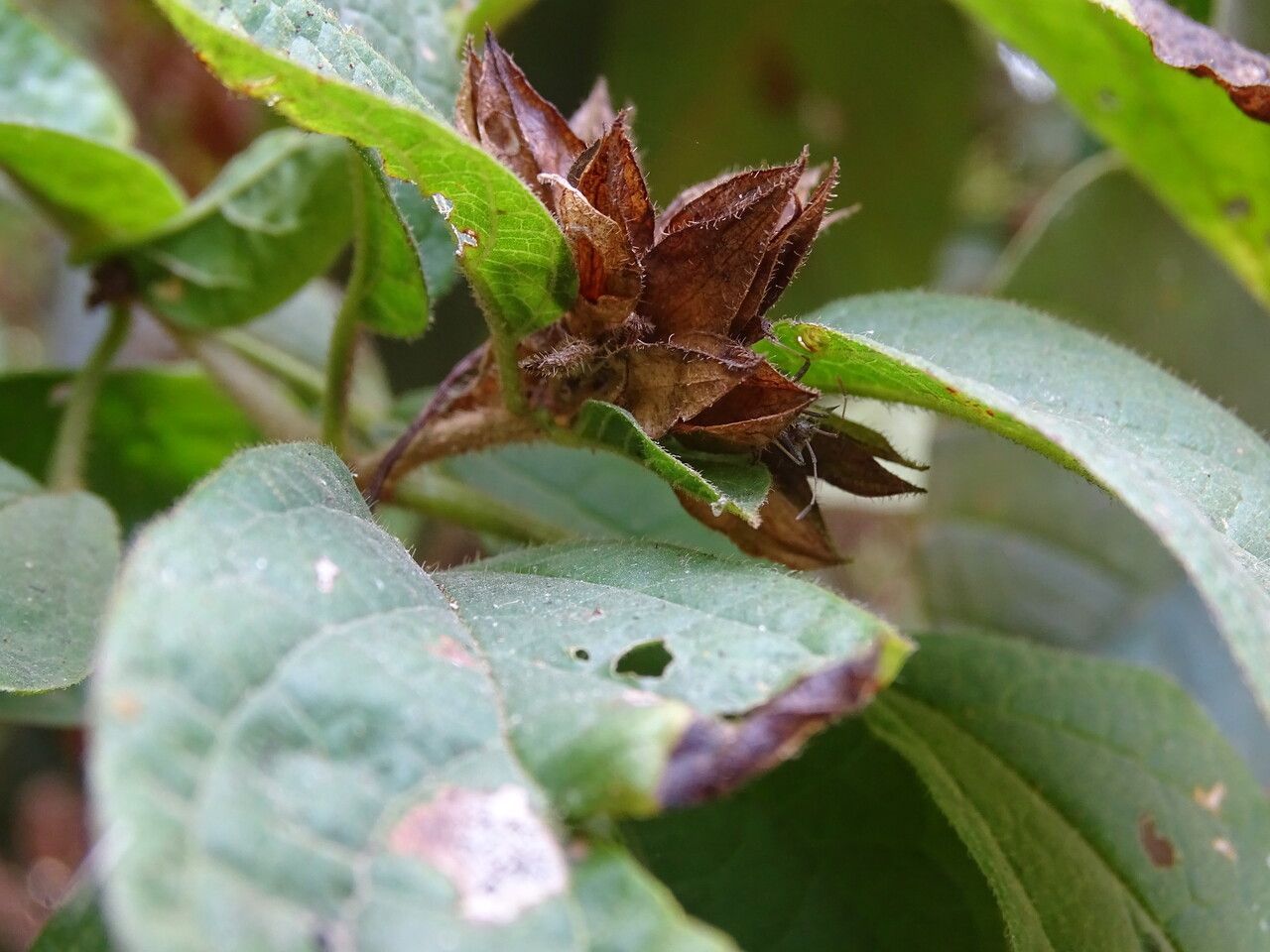
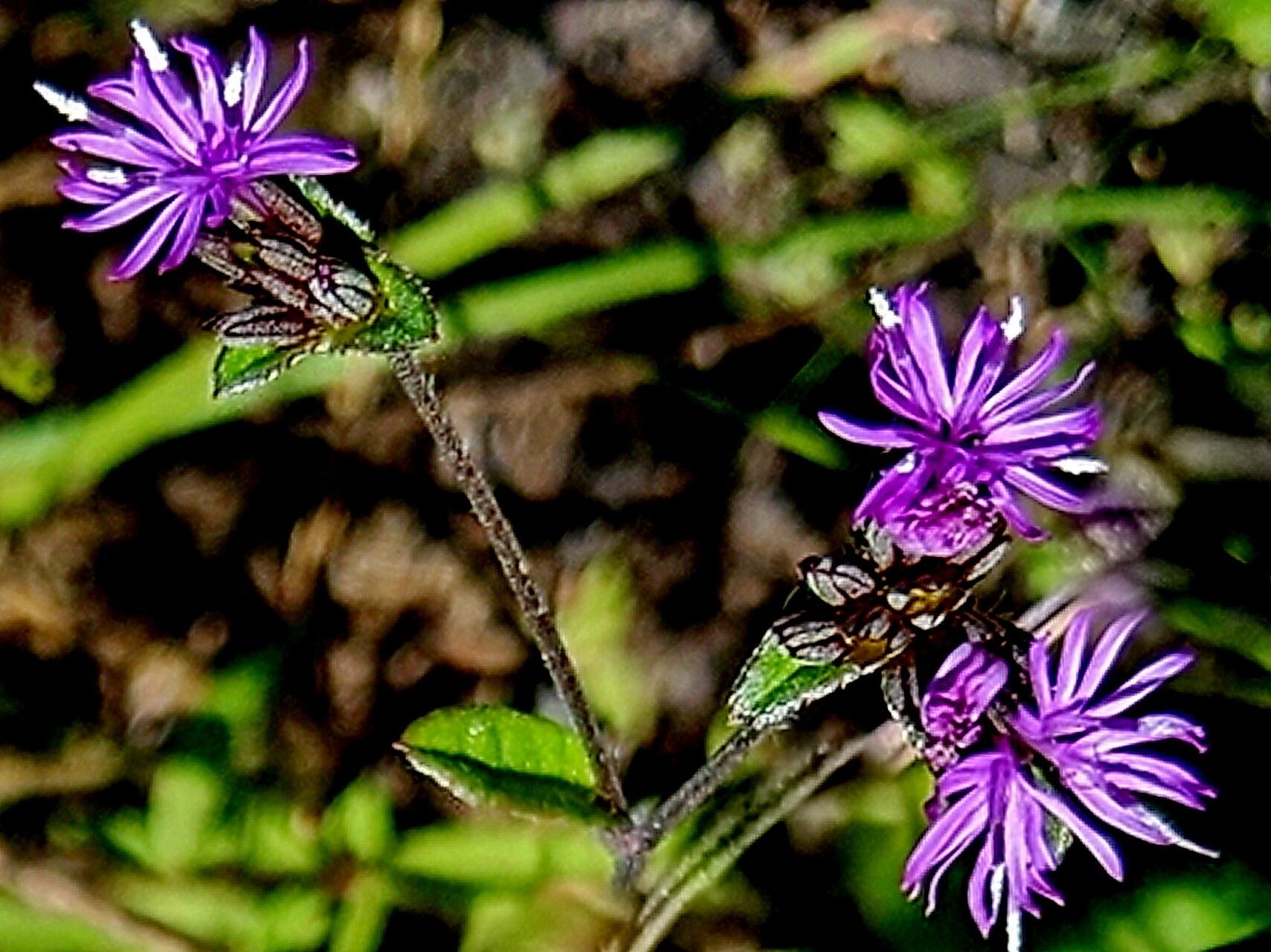
Elephantopus scaber, commonly known as Elephant's Foot or Prickly Elephant's Foot, is a perennial herbaceous plant in the Asteraceae family. It is native to tropical and subtropical regions of Asia, Africa, and the Americas. The plant can grow up to 1 meter tall and features a thick stem with branching leaves arranged in opposite pairs. The leaves are oval-shaped with serrated edges and can reach up to 20 cm in length.
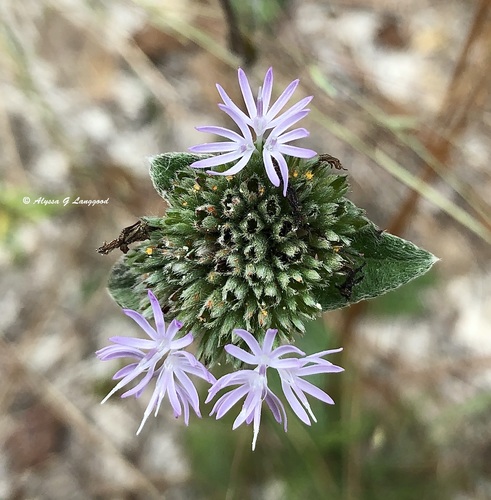
The flowers of Elephantopus scaber are small and white or pinkish, growing in clusters at the ends of the branches from July through September. The fruit is an achene that contains a single seed.
For centuries, various cultures have used Elephantopus scaber for its medicinal properties, particularly its anti-inflammatory effects. It has been employed to treat respiratory issues such as asthma, bronchitis, coughs, and colds, as well as digestive problems like diarrhea.
Cultivating Elephantopus scaber is relatively straightforward, as it can be grown from seeds or cuttings. The plant thrives in well-drained soil with moderate moisture levels and partial shade.
Overall, this herbaceous perennial offers both medicinal benefits and aesthetic appeal, making it an excellent choice for gardeners seeking a plant that combines beauty and functionality.
Elephant's-foot displays good disease resistance and is usually not susceptible to illnesses. Nevertheless, it can be affected by pests and diseases present in its environment. These problems are typically not serious. For care, the plant requires moderate maintenance. It should be pruned regularly to keep a healthy appearance and growth. Fertilizing can also encourage flowering. Elephant's-foot is appropriate for anyone with outdoor space, such as a garden or patio, and does not demand extensive care experience. It may need more attention when grown indoors.
How to keep Elephantopus Scaber.
Light
Elephant's-foot is native to habitats like forest understories and rocky areas, where it grows in natural shade. It prefers partial sun but can adjust to full sun or full shade, showing its versatile and hardy nature.
Water
Elephant's-foot thrives in humid and moist environments, needing weekly watering for optimal growth. It is adaptable across different climate zones and demonstrates resilience during heavy rain, which makes it suitable for outdoor cultivation.
Temperature
Elephant's-foot comes from tropical areas, where the climate is generally warm and humid. Consequently, it is well suited to high temperatures and moisture. It does not tolerate sudden temperature shifts and prefers a steady thermal environment, so avoiding temperature fluctuations indoors is important. It typically cannot endure cold and needs higher temperatures to grow. If the surrounding temperature falls too low, the plant may stop growing or even die.
Fertilizer
Proper fertilization is essential for the health and appearance of Elephant's-foot. Fertilize Elephant's-foot during summer, repeating the application monthly throughout the season. Nutrients supply energy for growth and help maintain the plant's parts. Fertilization improves Elephant's-foot's flower display, ensuring the best blooms.
Pruning
Elephant's-foot has broad, hairy leaves and small purple flowers. To encourage new growth and improve air circulation, it's important to prune regularly from early to late spring. Use clean tools to avoid disease, and remove dead stems while thinning out crowded areas to enhance both the plant's health and appearance.
Botanical profile.
- Plant Type
- Herb
- Life Cycle
- Perennial
- Genus
- Elephantopus
- Family
- Asteraceae
- Hardiness Zone
- 9-11
- Mature Height
- 20 cm to 61 cm
- Mature Spread
- 20 cm to 40 cm
- Leaf Color
- Dark Green
- Leaf Type
- Semi-evergreen
- Flower Color
- Lavender
- Flower Size
- 1.52 cm
- Bloom Time
- Mid summer, Late summer, Early fall, Mid fall
- Planting Time
- Summer, Autumn
- Harvest Time
- Fall
- Native Area
- Nepal, Sri Lanka, India, Malaysia, Angola, Zambia, Madagascar, Bangladesh, Laos, Tanzania, Zimbabwe, China, Indonesia, Cambodia, Cameroon, Vietnam, Mozambique, Myanmar, Japan, Bhutan, Congo (DRC), Thailand
Other names.