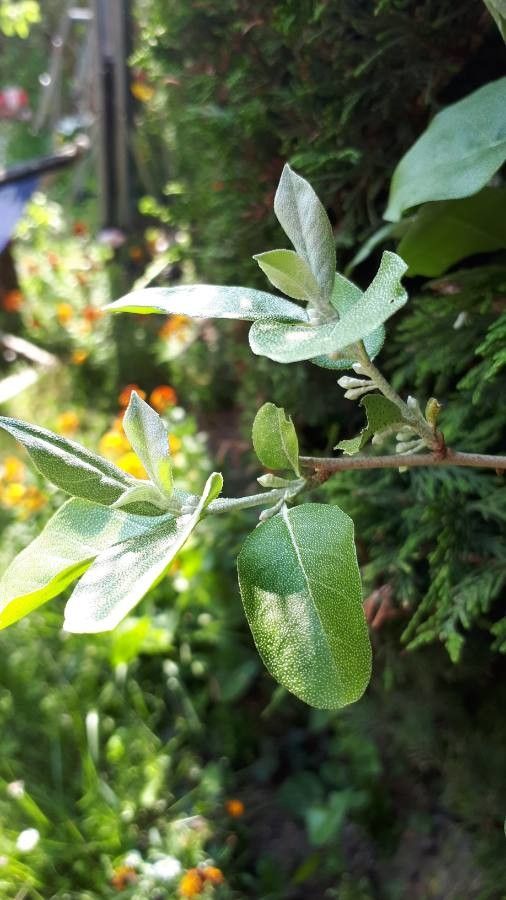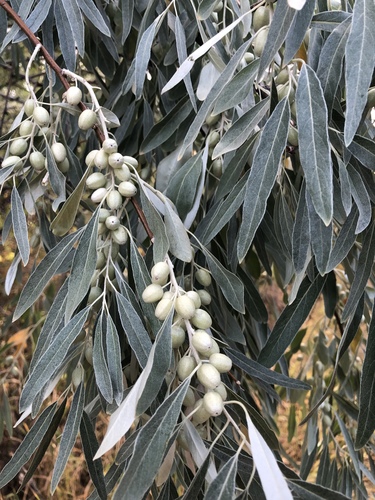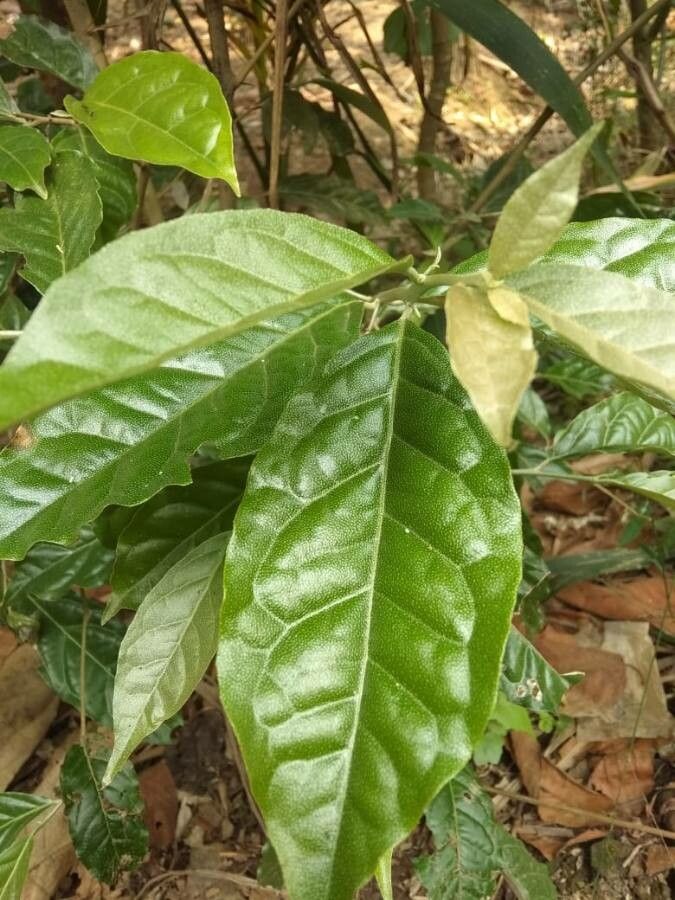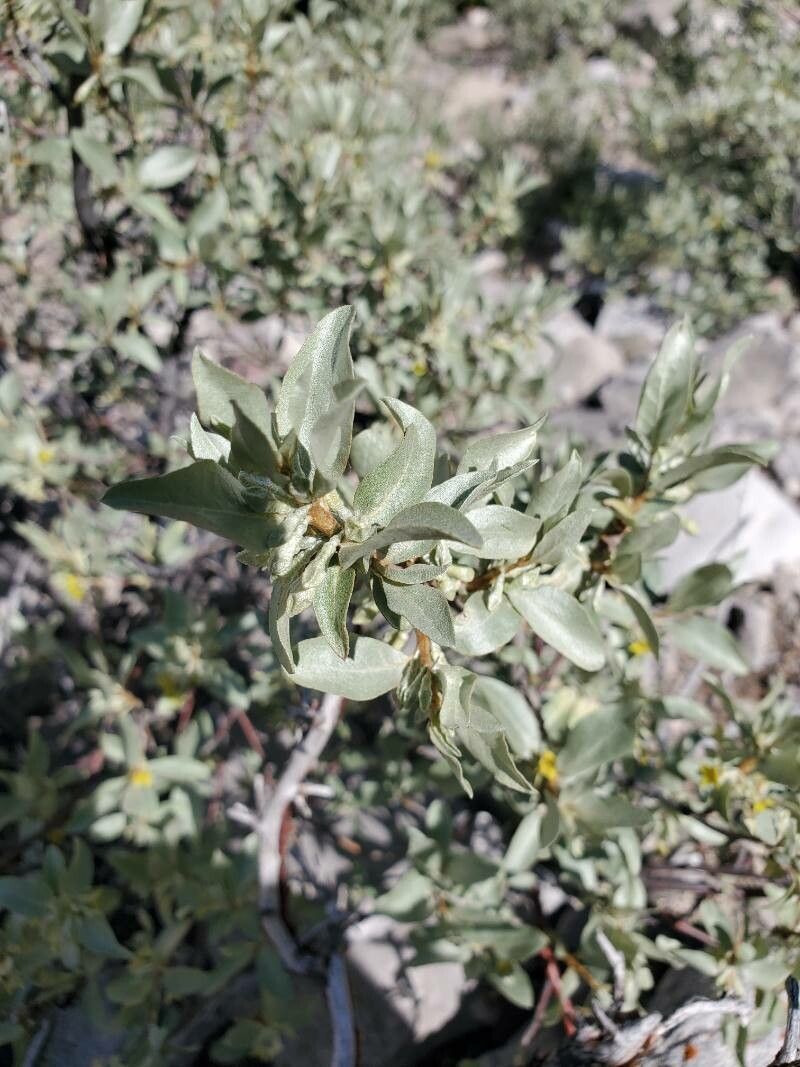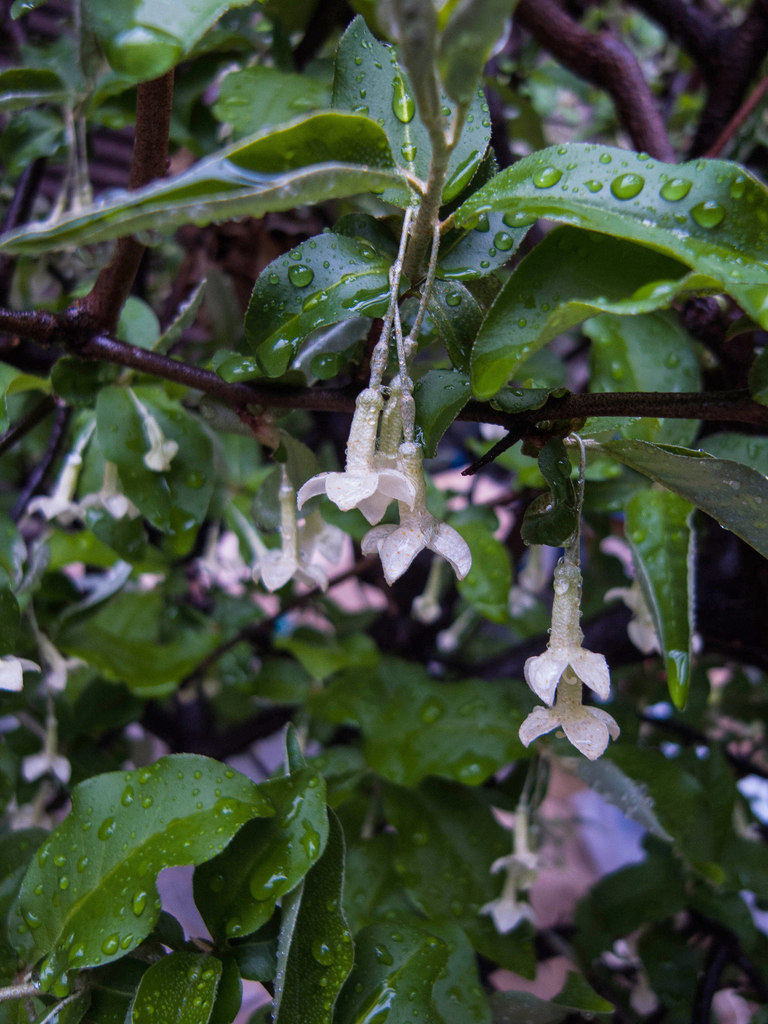
Elaeagnus multiflora, commonly known as the Goumi berry, is a deciduous shrub in the Elaeagnaceae family. Native to China, Japan, and Korea, it has also been introduced to other parts of the world, including North America and Europe. This plant can grow up to 3 meters tall and has a spreading habit with thorny branches.
The leaves of Elaeagnus multiflora are dark green on the top and silvery underneath. In late spring or early summer, the plant produces small, fragrant yellow flowers, which are followed by small red berries that ripen in mid-summer. These berries have a sweet-tart flavor and are edible.
Elaeagnus multiflora is notable for its ability to fix nitrogen from the air into its roots, making it an important plant for soil improvement. It can thrive in various soil types—including sandy, loamy, or clay soils—as long as they are well-drained.
The Goumi berry has multiple uses. It is popular for ornamental purposes due to its attractive foliage and flowers. Additionally, it is a significant food source for wildlife, such as birds that feed on its fruits. Humans can also enjoy the berries, which are high in nutritional value, either fresh or dried, or used to make jams, jellies, or wine.
Overall, Elaeagnus multiflora is an attractive shrub that offers numerous ecological and economic benefits, making it a valuable addition to any garden or landscape design project.
Cherry silverberry has good disease resistance and is generally not prone to diseases. Regarding care, this plant is fairly low-maintenance. When grown outdoors it requires minimal watering, and larger specimens usually do not need pruning. Smaller plants, however, should be pruned after they have finished blooming. Cherry silverberryt is suitable for anyone with an outdoor area, such as a garden or deck, and does not require much gardening experience.
How to keep Elaeagnus Multiflora.
Light
Cherry silverberry does best in locations where it gets plenty of sun each day. It can also adapt to spots with less sunlight, so this sturdy plant is generally resilient. Although different light levels don't have a major effect, insufficient sun can limit its growth and excessive sun may cause leaf scorch.
Water
Cherry silverberry is a deciduous plant native to East Asia that thrives in well-drained soils. It is resilient to different humidity levels and requires moderate watering every three weeks. During the dry season, it conserves water by shedding its leaves.
Temperature
Cherry silverberry is a plant that grows best in a temperate climate with temperatures ranging from 41 to 90 °F (5 to 32 ℃). It originates from areas with mild and relatively steady temperatures across seasons. Sudden or extreme temperature changes may require adjustments to protect the plant.
Fertilizer
The Cherry silverberry plant needs sufficient nutrients for optimal fruit production. Fertilize in early spring to encourage new growth and flowering. Regular fertilization helps the plant stay healthy, produce more flavorful fruit, and prevents nutrient deficiency problems like yellow leaves and reduced fruit production.
Pruning
Cherry silverberry is prized for its small white flowers and edible red berries. To ensure a productive growing season, it requires pruning in early spring. Begin by removing any dead branches and thinning out overcrowded areas to improve air circulation. Then, shape the plant to encourage healthy growth and increase fruit production.
Botanical profile.
- Plant Type
- Shrub
- Life Cycle
- Perennial
- Genus
- Elaeagnus
- Family
- Elaeagnaceae
- Hardiness Zone
- 4-8
- Mature Height
- 1.83 m to 3.05 m
- Mature Spread
- 1.83 m to 3.05 m
- Leaf Color
- Green
- Leaf Type
- Deciduous
- Flower Color
- White, Yellow
- Flower Size
- 2.54 cm
- Bloom Time
- Early spring, Mid spring
- Planting Time
- Spring, Autumn
- Harvest Time
- Early summer, Mid summer
- Native Area
- Japan
Other names.
Reader questions.
How should I water my Cherry silverberry plant in the best way?
To promote excellent root development in your plants, it's helpful to follow a few tips. Firstly, when watering, it's best to put a garden hose at the base of the plant rather than directly spraying the leaves. If your plants are located outdoors and exposed to direct sunlight, keep in mind that the leaves will require more water. To ensure the roots are properly moistened, you can use bubblers specifically designed to provide water to each plant. Soaker hoses are another useful tool, especially when adding or removing plants, as they can cover the entire garden bed and help push the roots deeper into the soil. Remember to drain any excess water and wait for the soil to dry before watering again. For disease prevention, it's recommended to water at ground level. On a sunny day, it can be beneficial to spray the entire bush with water. Whether your plants are in pots or in the ground, it's important to prioritize deep watering rather than light sprinkling, as Cherry silverberry prefers this method.
Why should I put fertilizer on my Cherry silverberry?
Fertilizing a Cherry silverberry is crucial for various reasons. Firstly, it enhances the production of beautiful blooms. To achieve this, it is advisable to fertilize the plant in early spring. This ensures excellent flowers during that season. Additionally, fertilizer provides the Cherry silverberry with ample energy to store in the ground during dormant growth phases. By supplying extra nutrients during fall planting or late spring, the Cherry silverberry can accumulate more energy to use when active growth resumes.
What are the sunlight requirements for Cherry silverberry?
Cherry silverberry thrives when it receives ample amounts of sunlight each day, making it essential for the plant to be in environments that offer full to partial sun exposure. Full sun is defined as above 6 hours of direct sunlight, while partial sun pertains to about 3-6 hours of sunlight. It's important to observe how sunlight moves through your garden to find spots that provide your plants with an ideal balance of light and shade, ensuring their well-being and growth.
What is the optimal climate for Cherry Silverberry?
Cherry Silverberry thrives best in a temperate climate, with optimal temperature ranges between 41 to 90°F (5 to 32°C). It originates from regions that typically experience mild and fairly consistent temperatures throughout the year. This plant is known for its strong cold resistance, making special frost protection measures generally unnecessary. However, in anticipation of winter temperatures dropping below -30°C, it's recommended to protect the plant by wrapping its trunk and branches with non-woven fabric or cloth. Additionally, watering the plant abundantly before the first freeze in autumn, to keep the soil moist, helps safeguard against drought and water scarcity during the colder months.
What should I do if I give too much or too little water to a Cherry silverberry plant?
When a Cherry silverberry is overwatered, its leaves can turn yellow, drop off, and wilt. The plant may also look dull and unhealthy, with mushy stems. To address these signs, it's best to adjust your watering schedule. Wilting can also be a sign of under watering, which is indicated by crispy and dry leaves. In this case, check the soil moisture and if it's dry, water the plant thoroughly. Despite sufficient watering, the Cherry silverberry may still appear dry with yellow leaves for a few days due to root damage. Once the plant recovers, the yellowing of leaves will stop. When keeping the Cherry silverberry indoors, always check the moisture levels and avoid overwatering. If you notice black spots, let the soil dry out by withholding water for a few days. Overwatering can lead to root rot, so transfer the plant to a different pot if you observe discolored and slimy roots. Prevent root rot by avoiding excessive moisture in the soil. When planting the Cherry silverberry outdoors, dig a little deeper and if the soil feels too dry, it may require more watering to aid in the plant's recovery.
What is the best time to put fertilizer on my Cherry silverberry?
Fertilizing Cherry silverberry requires careful timing. Applying fertilizer too early while the plant is still dormant is ineffective as it will be washed away by rainwater, resulting in waste and pollution. The first round of fertilizer should be applied in early spring, followed by monthly applications until early summer.
How does varied lighting affect the growth of Cherry silverberry?
Cherry silverberry is generally resilient and can acclimate to different lighting conditions, flourishing under ample sun exposure and adapting to areas with less sunlight. However, inadequate sunlight may lead to stunted growth of the plant, while excessive sunlight exposure could cause leaf scorch. To support optimal growth, especially indoors or in low-light environments, the use of artificial light can be beneficial. LED lights, suitable for offering the specific wavelengths needed by plants, can be used to supplement natural light, with different wattage requirements based on the plant's sunlight needs.
How does Cherry Silverberry react to low temperatures?
Cherry Silverberry is quite cold-tolerant, ideally kept above -25°C during winter. If temperatures fall below -30°C, the plant may not show immediate loss during winter but expect issues come spring. The most common cold-related problems include branches becoming brittle and dry, and a lack of new shoots emerging. In this scenario, the recommended course of action is to prune away any dead branches that have failed to produce new leaves come spring, to encourage new growth and maintain the plant's health.
How frequently should I water my Cherry silverberry?
The Cherry silverberry prefers deep and infrequent watering. When watering potted plants, it's important to soak them in a gallon of water each time, as the water storage in pots is limited and the soil can dry out quickly. In cold regions, watering is required every 3 to 5 days. Watering early in the morning when the soil is dry, both indoors and outdoors, is recommended. You can also check the soil moisture by examining the top 2-3 inches of soil - if it's dry, it's time to water the plant. On hot days, you may need to check the soil moisture daily, as the heat can cause it to dry out rapidly. If you have a garden, irrigation of the soil is necessary. In hot climates, watering once a week is sufficient. Only water when you notice that about 2 to 3 inches of soil have become too dry. It's important to consider the amount of rainfall and avoid overwatering to prevent root rot. During spring and fall, when the Cherry silverberry generally grows, applying mulch about 3 to 4 inches deep can help conserve water when they're outdoors. Sandy soil requires more frequent watering due to its fast drainage, while clay soil needs less water, with a watering interval of 2-3 days to prevent root rot. To keep track of watering, you can mark it on the calendar and be mindful if you notice the leaves drooping as it might indicate a delay in watering.
When is the best time to not fertilize my Cherry silverberry?
To avoid excessive leaf growth without many blooms, it's important to avoid fertilizers high in nitrogen for Cherry silverberry. Look for a fertilizer with lower nitrogen levels compared to other nutrients. Additionally, avoid fertilizing Cherry silverberry after early autumn, as this can lead to too much growth just before winter. It's also important to avoid fertilizing during hot and dry times of the year, as dry soil is not as effective at delivering fertilizer and can stimulate growth that requires more water. It's best to apply fertilizer earlier in the season when temperatures are cooler. Lastly, be cautious about unintentionally giving Cherry silverberry a double dose of fertilizer, as it can absorb fertilizer applied to nearby plants or lawns.
What symptoms indicate Cherry silverberry is not receiving adequate sunlight?
Symptoms of insufficient sunlight in Cherry silverberry include smaller new leaves, leggy or sparse growth, faster leaf drop, slower or halted new growth, paler new leaves, and conditions like chlorosis or sunscald. These signs suggest the plant is struggling with light deficiency, which can lead to a decrease in chlorophyll and essential nutrients. Conversely, excess sunlight can cause symptoms like leaf curling, wilting, and leaf scorching as the plant tries to minimize water loss and damage.
What should be done if Cherry Silverberry is exposed to high temperatures?
Cherry Silverberry prefers temperatures below 32°C during summer. Exposure to temperatures above 35°C may cause the leaves to lighten in color, tips to become dry and withered, and increase susceptibility to sunburn. To manage these issues, trim away the sunburned and dried-up parts of the plant. It's also advisable to move the plant to a cooler location, away from direct midday and afternoon sun, or use a shade cloth to provide relief. Ensuring the soil remains moist by watering the plant in the morning and evening will further mitigate the effects of high temperatures.