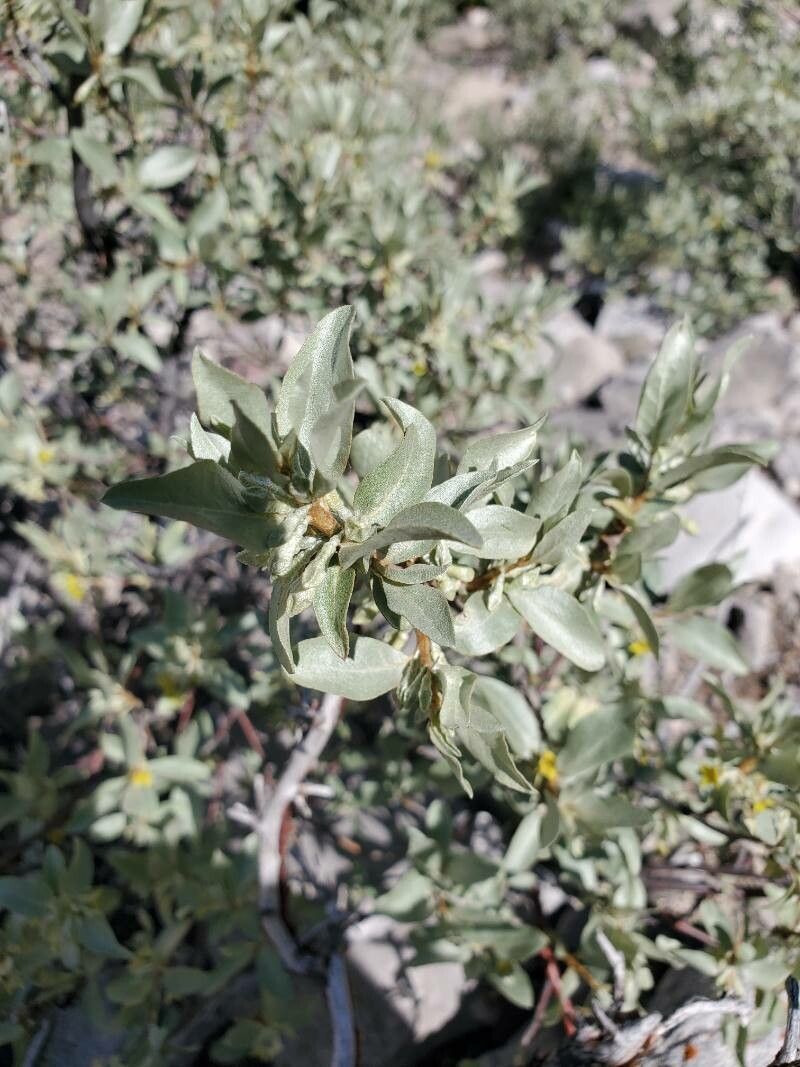
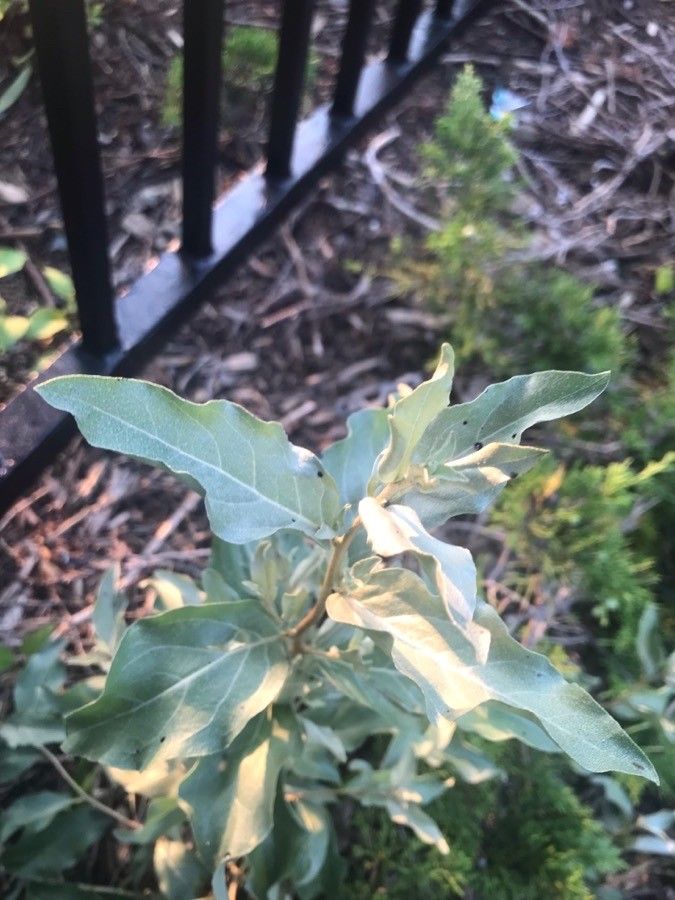
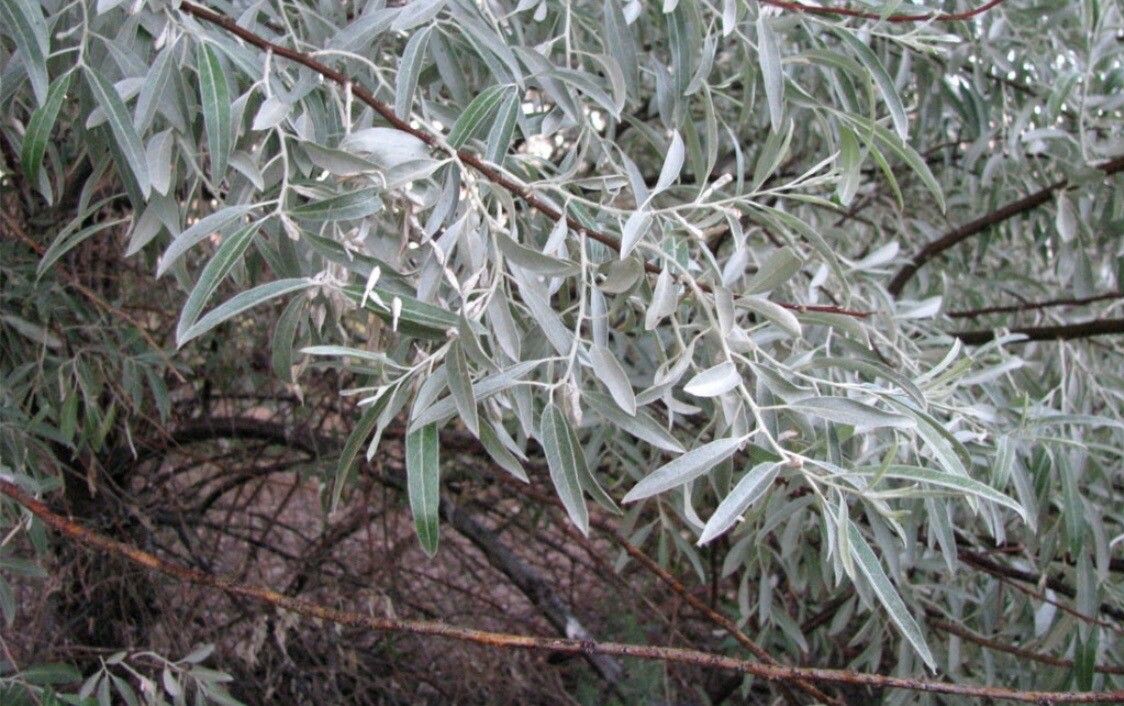
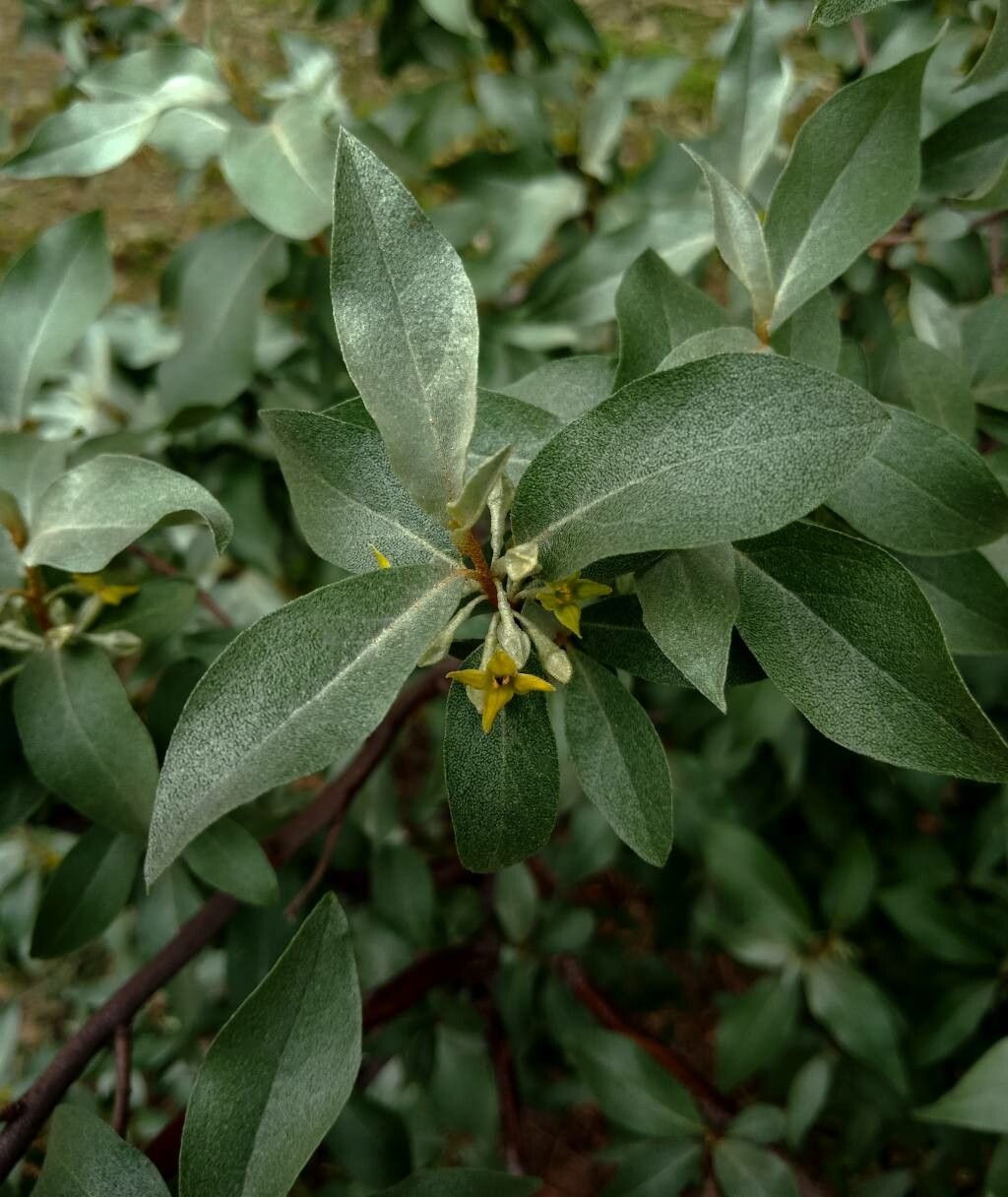
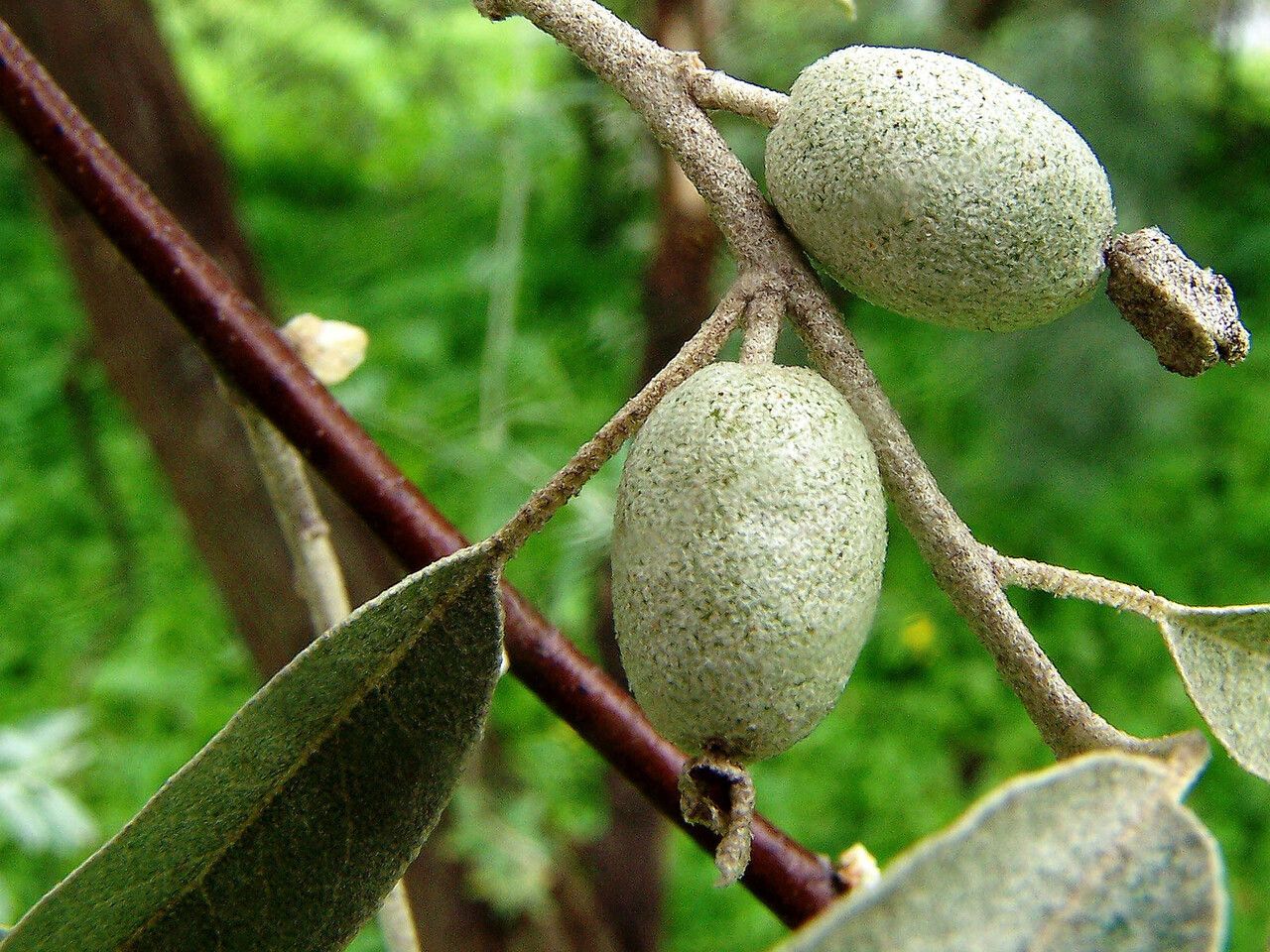
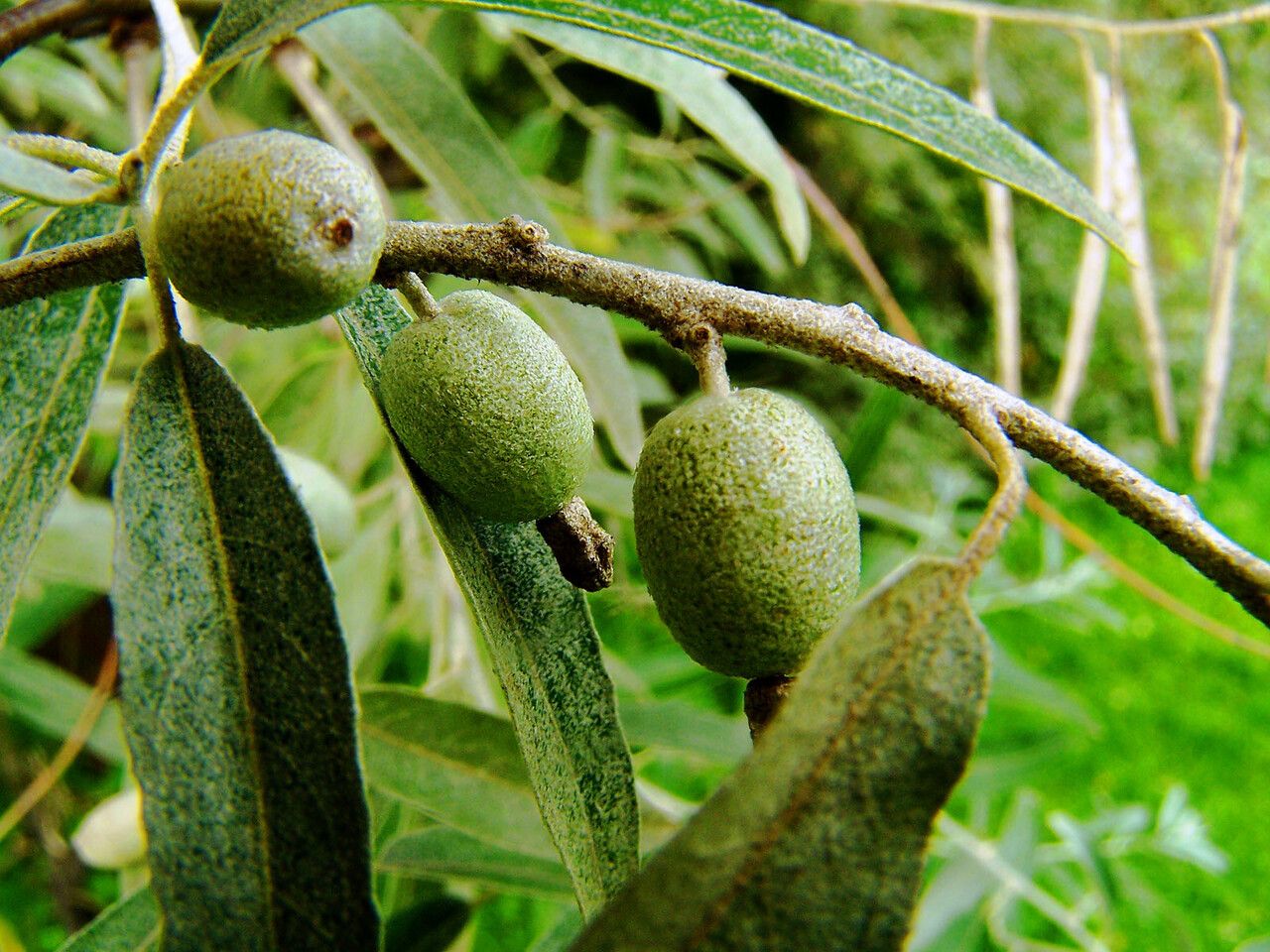
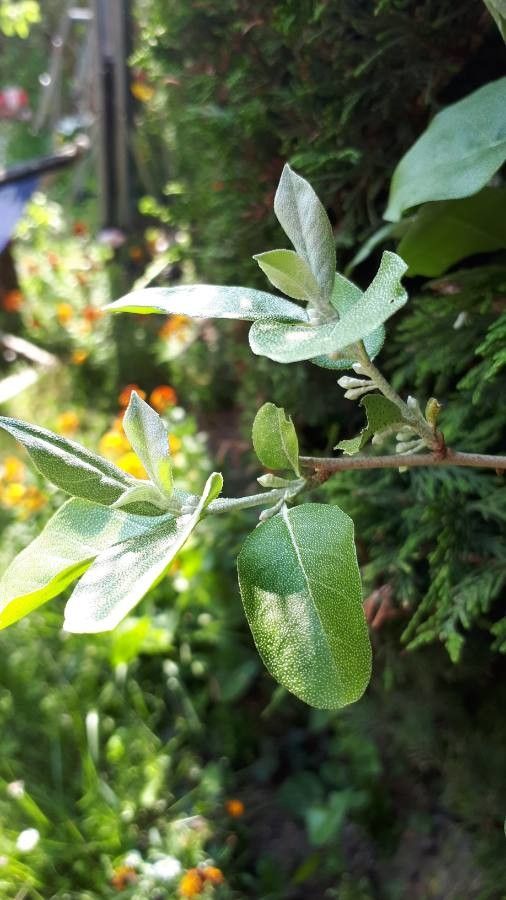
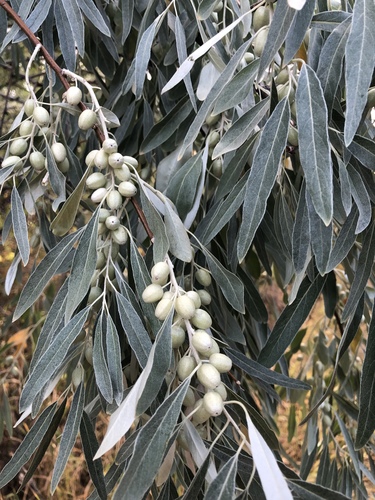
Elaeagnus commutata, the silverberry or wolf-willow, is a species of Elaeagnus native to western and boreal North America, from southern Alaska through British Columbia east to Quebec, south to Utah, and across the upper Midwestern United States to South Dakota and western Minnesota. It typically grows on dry to moist sandy and gravel soils in steppes, meadows or woodland edges.
Silverberry shows good resistance to disease and is generally not susceptible to illnesses. In terms of care, this plant is fairly low-maintenance. When grown outdoors it needs minimal watering, and larger specimens typically do not require pruning. However, smaller plants should be pruned after they have finished blooming. Silverberryt is suitable for anyone with an outdoor area, such as a garden or deck, and does not demand much care experience.
How to keep Elaeagnus Commutata.
Light
The silverberry prefers a spot in full sun for optimal growth. However, it can readily adapt to locations that receive a fair mix of sun and shade. Native to open habitats, this plant remains consistent through all stages of growth. Both excessive sun exposure and insufficient sunlight can negatively affect the plant's health.
Water
Silverberry is moderately drought-tolerant, thriving best when the soil is allowed to dry slightly between waterings, ideally every two weeks. Commonly found outdoors, silverberry is well-suited for xeriscaping, where its ability to conserve water and adapt to infrequent rainfall is particularly advantageous.
Temperature
Silverberry is naturally suited to moderate climates, growing well in conditions with temperatures between 32 and 77°F (0 to 25℃). It tolerates seasonal fluctuations, but should be protected if temperatures fall sharply.
Fertilizer
The timing of fertilizing Silverberry is important. Apply fertilizer in early spring and continue once a month through early summer. Fertilizer promotes attractive blooms and supplies energy during both dormant and active growth stages.
Pruning
Silverberry is a drought-tolerant shrub known for its silvery leaves and fragrant flowers. To maintain its health and appearance, prune in early spring by removing any dead branches and thinning crowded areas to improve air circulation. Perform rejuvenation pruning every few years to enhance the plant's growth and aesthetics. Regular pruning helps maintain the shrub's shape and prevents it from becoming invasive.
Botanical profile.
- Plant Type
- Shrub
- Life Cycle
- Perennial
- Genus
- Elaeagnus
- Family
- Elaeagnaceae
- Hardiness Zone
- 2-6
- Mature Height
- 0.91 m to 1.83 m
- Mature Spread
- 1.52 m
- Leaf Color
- Silver, Green, Gray
- Leaf Type
- Deciduous
- Flower Color
- Yellow
- Flower Size
- 2.54 cm
- Bloom Time
- Mid spring, Late spring
- Planting Time
- Spring, Autumn
- Harvest Time
- Late summer, Early fall, Mid fall
Other names.
Reader questions.
How should I water my Silverberry plant in the best way?
To ensure excellent root development, consider using a garden hose at the base of your plants instead of directly spraying the leaves. If your plants are outdoors in direct sunlight, keep in mind that the leaves will need more watering. You can use bubblers or soaker hoses on each plant to keep the roots moist. When adding or removing plants, use soaker hoses that cover the entire garden or bed to help the roots go deeper. Make sure to drain any excess water and allow the soil to dry before watering again. Watering at ground level can help prevent diseases. On sunny days, it may be beneficial to spray the entire bush with water. Whether your plants are in pots or in the ground, remember that Silverberry prefers deep watering rather than light sprinkling.
Why should I add fertilizer to my Silverberry plant?
No matter what kind of Silverberry plant you have, fertilizing it regularly will improve its overall health. Providing the right nutrients will encourage stronger growth and make your Silverberry more resistant to challenging growing conditions, pests, and diseases. The foliage of your Silverberry is one of its most appealing qualities, so it's important to maintain it. This involves following a consistent fertilization schedule customized for your specific Silverberry. By doing so, you will encourage the growth of vibrant, deep-colored leaves and achieve a lush appearance.
What are the sunlight requirements for Silverberry plants?
Silverberry plants flourish in full sunlight, requiring more than 6 hours of sunlight daily for optimal growth. However, they can also adapt to partial sun conditions, where they receive about 3-6 hours of sunlight. It's important to observe your garden's light conditions carefully to find spots that offer a perfect mix of light and shade, ensuring the plants grow healthily.
What is the ideal climate for Silverberry to flourish?
Silverberry (Elaeagnus commutata) is well-suited for moderate climates, thriving in temperatures that range from 32 to 77°F (0 to 25°C). It can handle varying seasonal changes well but should be shielded from dramatic temperature drops. Even though Silverberry is highly cold-tolerant and doesn't need extra frost protection in winter, it's beneficial to water the plant generously before the first freeze of autumn to ensure the soil stays moist and freezes, aiding the plant through winter and early spring.
What do I do if I give Silverberry plant too much or too little water?
An overwatered Silverberry can show signs of yellowing, dropping leaves, and wilting. The plant may also appear dull and unhealthy, with mushy stems. If you notice these signs, it's best to adjust your watering schedule. Wilting can also indicate under watering, characterized by crispy and dry leaves. In this case, check the soil and provide a thorough watering if it is dry. While sufficient water will help the Silverberry recover, the plant may still have dry and yellow leaves due to root damage. Once it returns to normal, the yellowing of leaves will stop. When growing Silverberry indoors, always check the moisture levels and avoid overwatering. Look for signs of black spots, and if present, allow the soil to dry out for a few days before watering again. Overwatering can lead to root rot, so consider transferring the plant to a different pot if you observe discolored and slimy roots. Be careful not to let the soil become too soggy. When planting Silverberry outdoors, make sure to dig a little deeper. If the soil feels excessively dry when you check with your fingers, it may indicate underwatering. Adequate watering is necessary to help the plant recover.
When should I fertilize my Silverberry plant?
To ensure healthy growth, it is recommended to fertilize your Silverberry during late winter or early spring. This will provide the necessary nutrients for the plant to thrive once the weather warms up. If you live in a warm climate region, an additional fertilizer feeding during early fall is also beneficial. This will supply extra nutrients for the following growing season and help the Silverberry withstand winter cold without foliage damage. Fertilizing earlier in the fall will promote sturdy new branch growth to withstand winter conditions.
How do Silverberry plants react to different lighting conditions?
The Silverberry is highly adaptable to various sun exposures, thriving best in full sunlight environments indicative of its open terrain origin. It tolerates both ample sun and partial shade, adjusting throughout its growth phases. Insufficient sunlight or excessive exposure can detrimentally affect its health. In indoor settings or during less sunny seasons, artificial lighting such as LED grow lights can supplement natural light, ensuring the plant receives the proper wavelength for 8-12 hours per day, depending on the intensity required.
How does low temperature affect Silverberry, and what should I do?
Although Silverberry is extremely tolerant to cold, maintaining winter temperatures above -40°C is crucial. Falling below this temperature threshold might not show immediate damage during winter, but come spring, the branches may turn brittle and dry, potentially failing to sprout new shoots. To manage this, prune away any dead branches in spring that haven't produced new leaves to encourage healthy growth.
How often do I need to water my Silverberry plant?
The Silverberry prefers to be watered deeply and infrequently. When planted in pots, it is especially important to soak them in a gallon of water each time, as the water storage in pots is limited and the soil dries out faster. In cold regions, watering is needed every 3 to 5 days. It is best to water early in the morning when the soil is dry, whether the plant is indoors or outdoors. You can check the soil moisture by feeling the top 2-3 inches of soil - if it is dry, it's time for a full watering. On hot days, it may be necessary to check the soil moisture daily as the heat can quickly dry out the soil in the pot. If you have a garden, you will also need to irrigate the soil. In hot climates, watering once a week is typically sufficient. Only water when you notice that about 2-3 inches of soil has become too dry. Take into account any rainfall, as you may not need to water the plants if there has been a lot of rain. When the Silverberry is outdoors, adding mulch about 3 to 4 inches deep can help conserve water. Sandy soil drains faster, so plants in sandy soil will need more frequent watering. On the other hand, plants in clay soil can go 2-3 days without water to prevent root rot. It can be helpful to mark the date on the calendar whenever you water and keep an eye on the leaves - if they start to droop, it may be a sign that the plant needs watering.
When is the best time to not fertilize my Silverberry?
There are a few times throughout the year when you should avoid fertilizing your Silverberry plant. Firstly, during the early and mid-winter months when the plant is dormant and doesn't require nutrients. Additionally, it's not recommended to fertilize in late spring and summer because the weather tends to be hotter and drier, which can have negative effects on the plant if fertilized. To prevent any problems, it is best to stick to a fertilization schedule that involves feeding only during early spring and early fall.
What are the signs of insufficient light in Silverberry plants, and how can they be mitigated?
Signs of insufficient light in Silverberry plants include smaller new leaves, leggy growth, premature leaf drop, slowed or halted growth, paler new leaves, and potential chlorosis or sunscald from extreme sunlight. Solutions involve gradually exposing the plant to more sunlight, aiming for at least 6 hours daily, utilizing artificial lighting if necessary, and ensuring a gradual transition to avoid shock. For outdoor plants, increasing sunlight exposure without drastic changes is crucial. Pruning or relocating plants can also help in reducing shade and improving light access.
How does high temperature affect Silverberry, and what is the solution?
Silverberry struggles with high temperatures, specifically when the mercury climbs above 25°C. This can lead to significant leaf drop and, in extreme cases, result in the death of the plant. To mitigate this, trim away the sunburned and dried parts of the plant. Relocate Silverberry to a spot that offers protection from the midday and afternoon sun or utilize a shade cloth to shield it. Additionally, watering the plant in the morning and evening helps keep the soil moist and supports plant health.