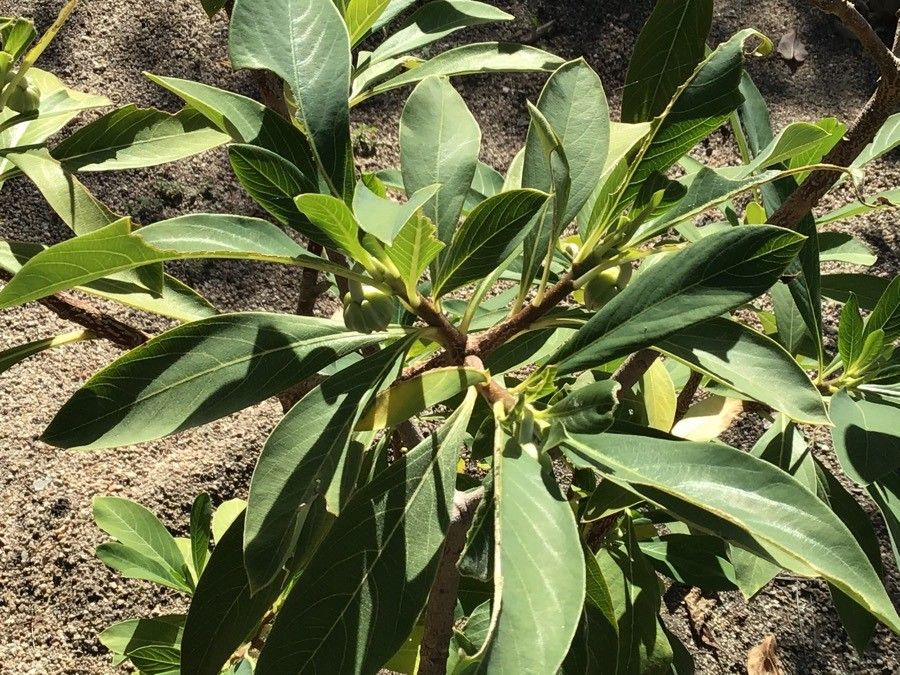
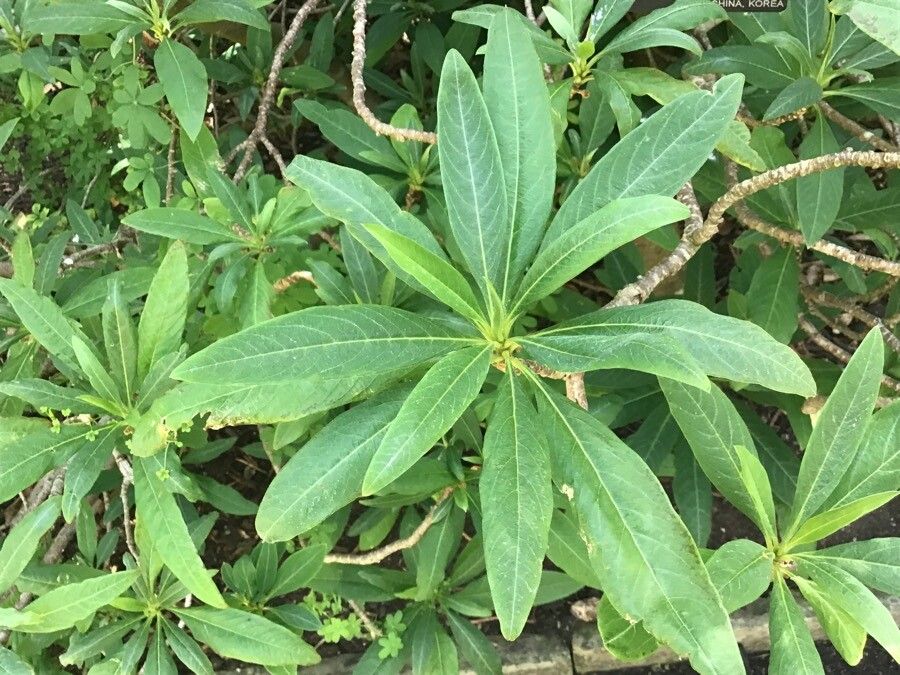
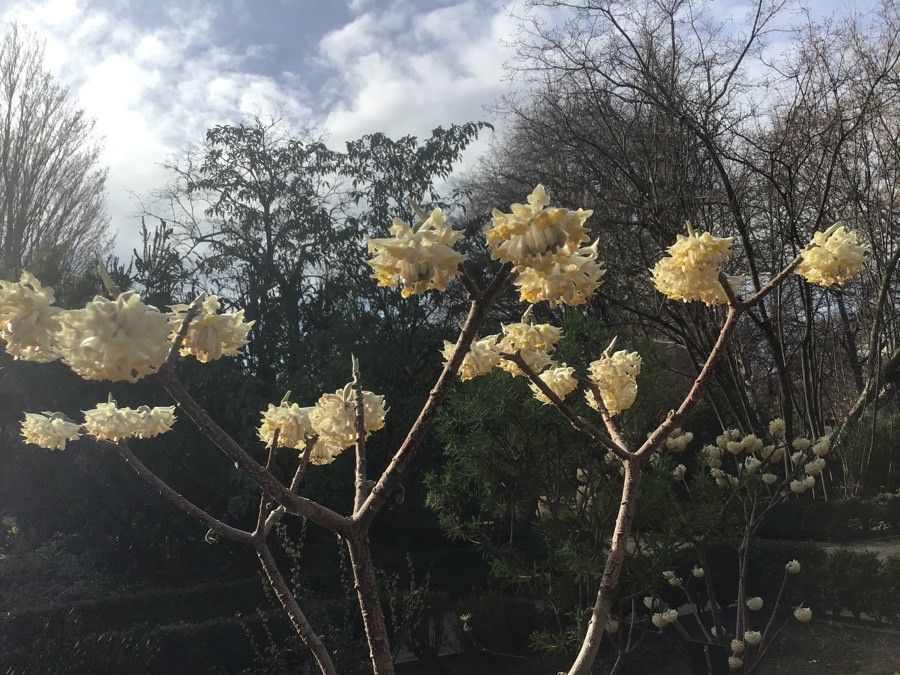
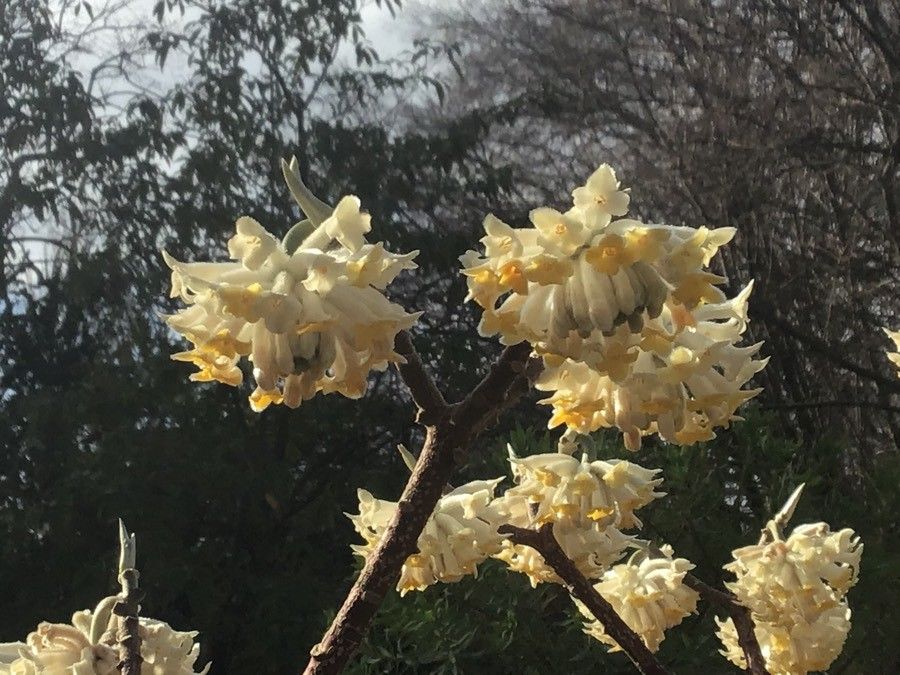
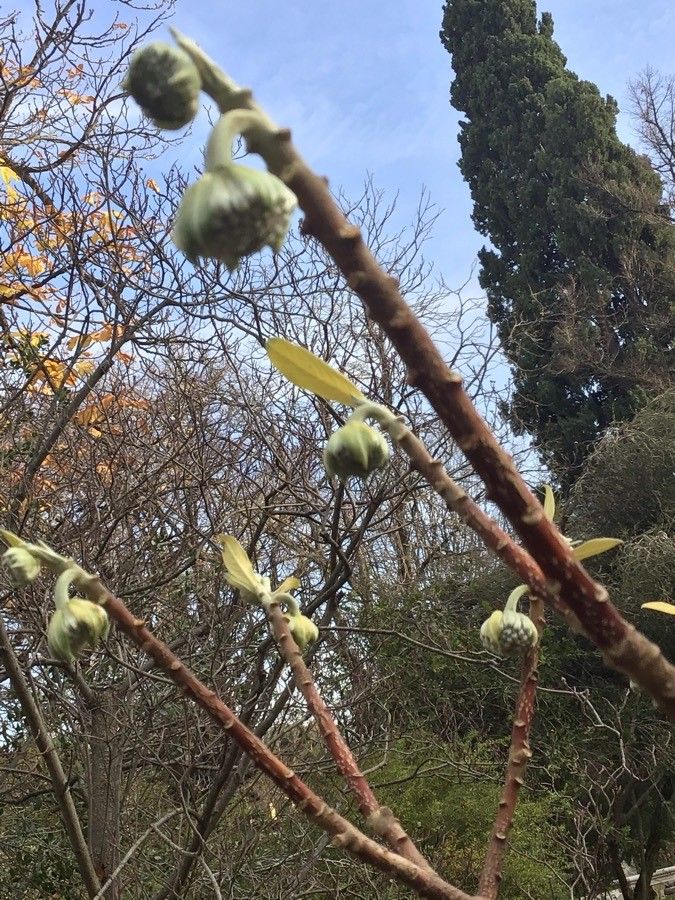
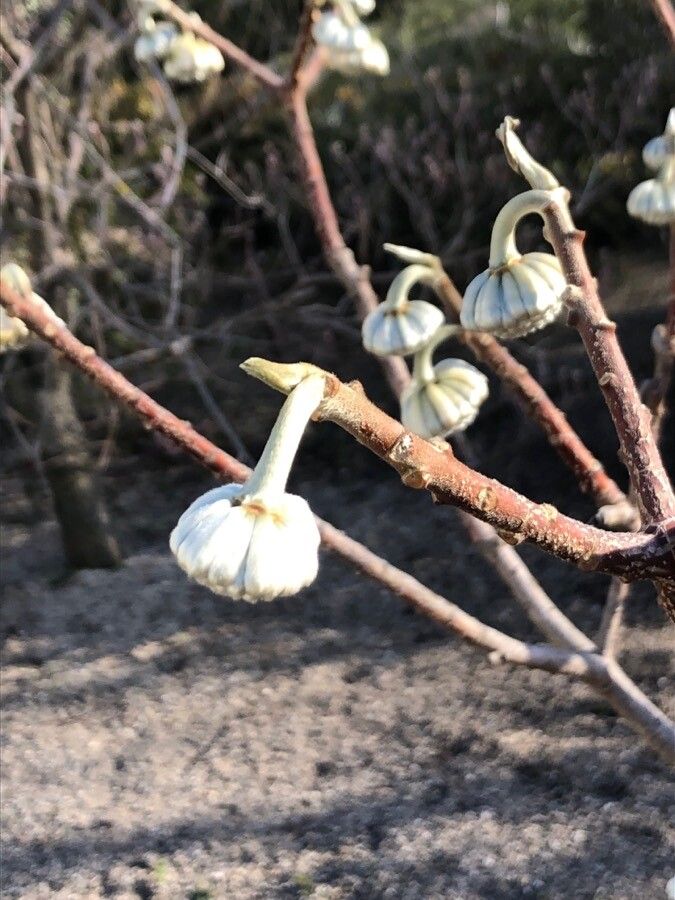
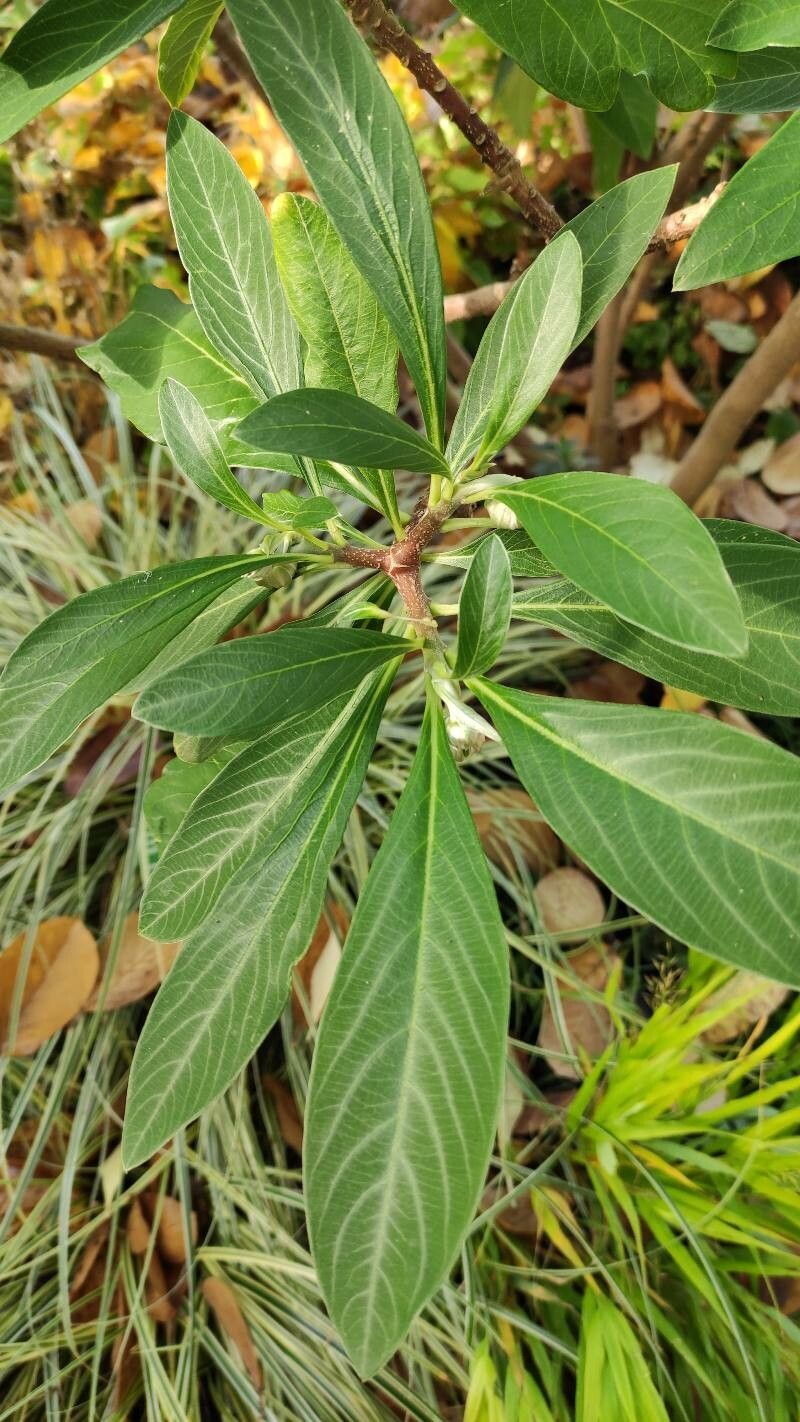
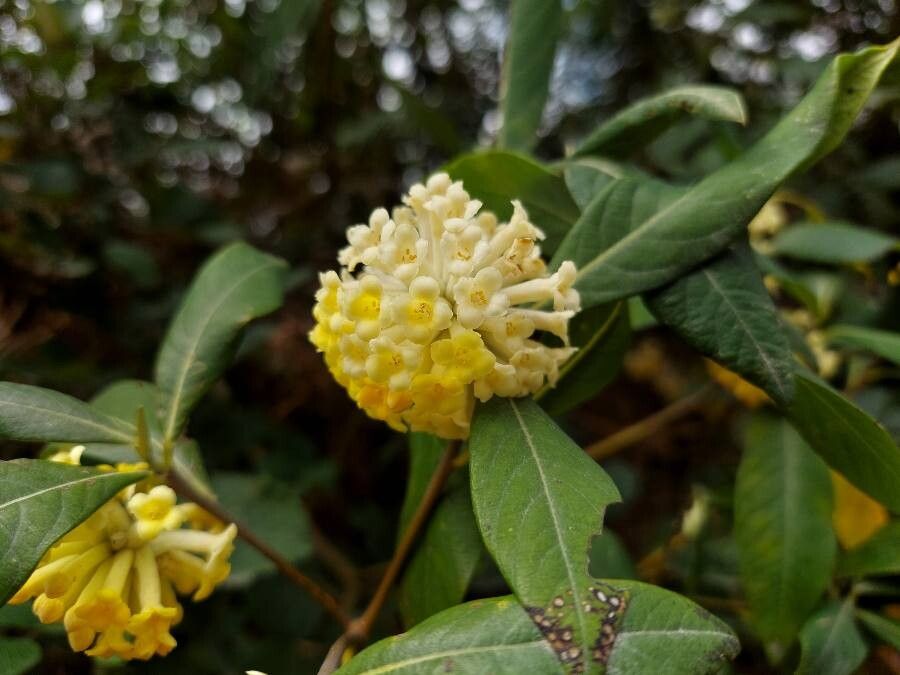
Paperbush has strong resistance to disease and is generally not susceptible to diseases. In terms of care, this plant is fairly low-maintenance. When grown outdoors it needs only light watering, and larger specimens typically do not need pruning. Smaller plants, however, should be pruned after they have finished blooming. Paperbusht is suitable for anyone with an outdoor area, such as a garden or a deck, and does not require much plant-care experience.
How to keep Edgeworthia Tomentosa.
Light
Paperbush needs continuous exposure to abundant sunlight to do well. While it can tolerate slightly obscured sun for a while, truly thriving requires a large amount of light. Its light needs do not change with different growth stages. Native to sunny habitats, too little light causes weak, spindly growth, while too much can burn the leaves.
Temperature
The paperbush is a temperate woody plant that does best at temperatures of 59 to 95℉ (15 to 35℃). It is native to regions with temperatures ranging from 53 to 86℉ (12 to 30℃). In winter, it is recommended to set temperatures to roughly 32 to 50℉ (0 to 10℃) to encourage dormancy.
Fertilizer
Timing is important for fertilizing Paperbush. Apply fertilizer in early spring and continue monthly through early summer. Fertilizer encourages attractive blooms and supplies energy during both dormant and active growth phases.
Pot & Repot
When repotting Paperbush, select a container 1-2 inches (2.5–5.1 cm) larger with good drainage. Use a well-draining potting mix. Repot in spring or fall, making sure the root ball sits slightly lower than the pot rim. Water thoroughly after repotting and place it in a warm spot with indirect sunlight.
Botanical profile.
- Plant Type
- Shrub
- Life Cycle
- Perennial
- Genus
- Edgeworthia
- Family
- Thymelaeaceae
- Hardiness Zone
- 8-10
- Mature Height
- 0.61 m to 2.13 m
- Mature Spread
- 1.22 m to 1.83 m
- Leaf Color
- Green, Silver
- Leaf Type
- Deciduous
- Flower Color
- Yellow
- Flower Size
- 3.05 cm to 5.08 cm
- Bloom Time
- Early spring, Winter
- Planting Time
- Spring, Autumn
- Harvest Time
- Mid spring, Late spring
- Native Area
- Myanmar, China
Other names.