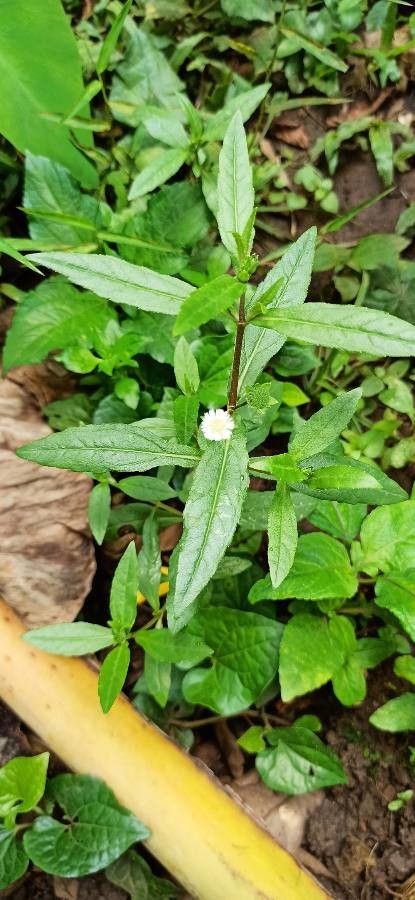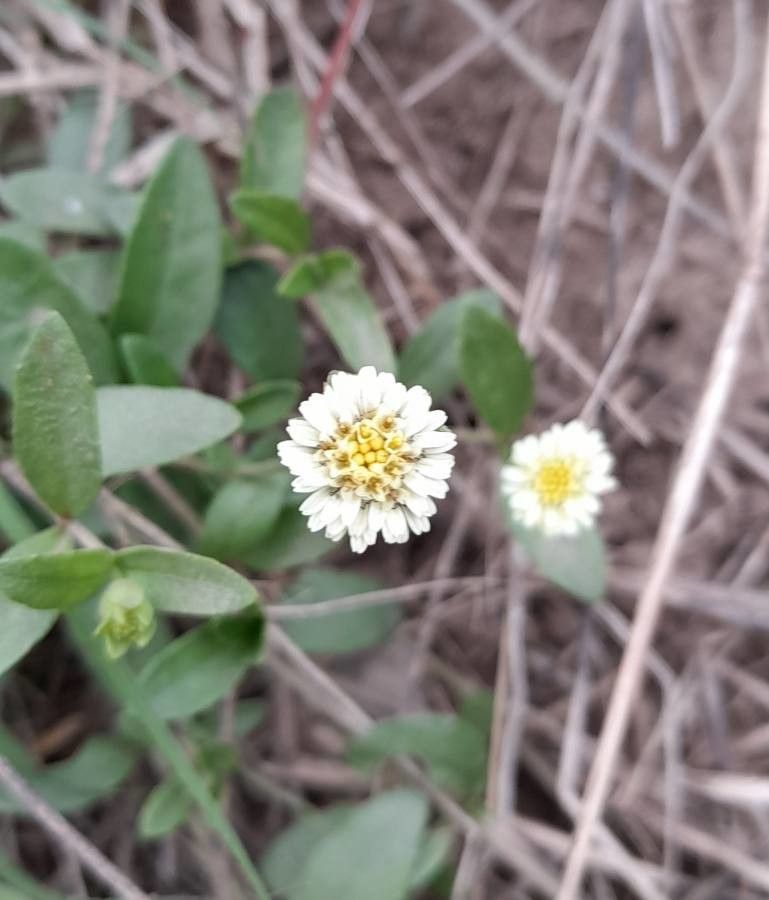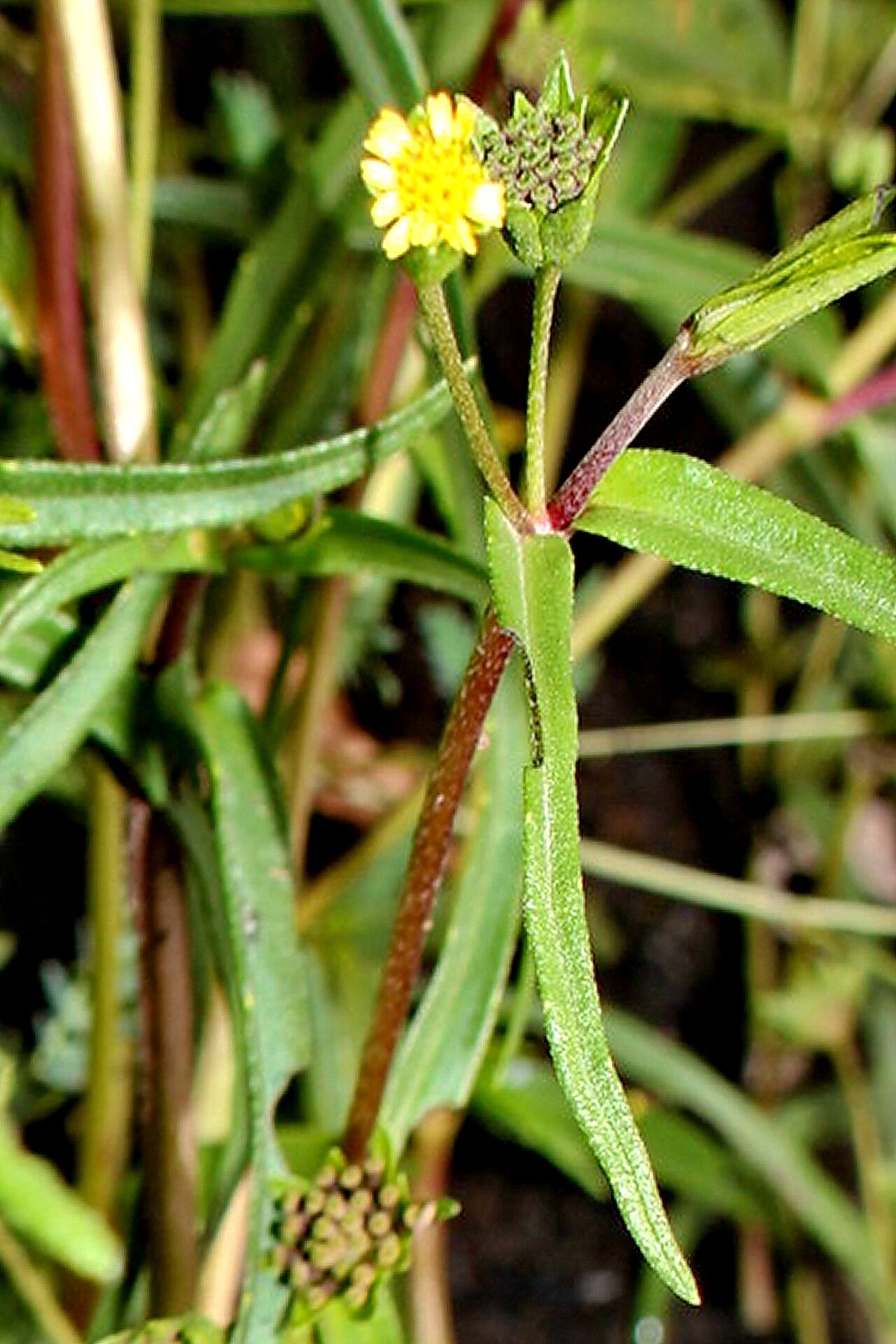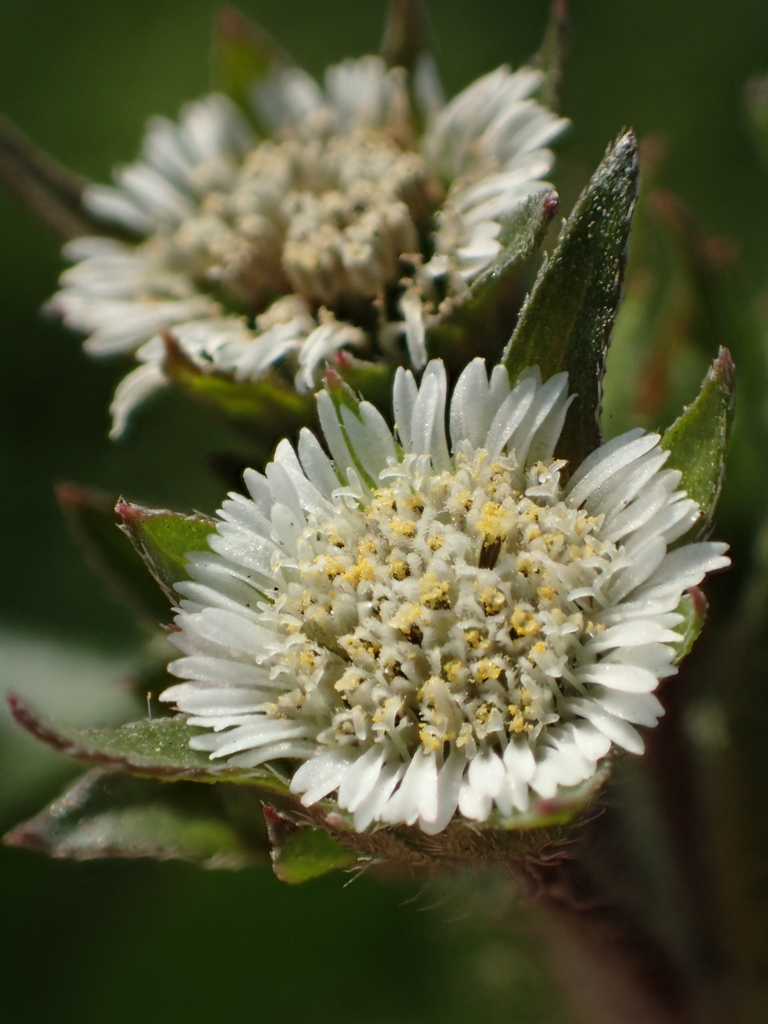
Eclipta prostrata, commonly known as False Daisy or Bhringraj, is a medicinal plant belonging to the Asteraceae family. Native to India, it thrives in moist environments such as marshes and wetlands. This plant has a rich history in traditional medicine, where it has been used to treat various ailments including liver disorders, hair loss, skin diseases, and respiratory problems.
The plant features small white flowers that bloom from July to September. Its leaves are simple, opposite, and lanceolate, growing up to 10 cm in length. The stem is greenish-brown and bears numerous branches.
Eclipta prostrata contains several active compounds, including wedelolactone and demethylwedelolactone, which possess anti-inflammatory properties. Additionally, it is rich in flavonoids that have antioxidant properties, helping to protect cells from damage caused by free radicals.
Extensive studies have highlighted the plant’s medicinal benefits, such as its ability to reduce inflammation, improve liver function by increasing bile secretion, and promote hair growth by enhancing blood circulation in the scalp.
In conclusion, Eclipta prostrata is a significant medicinal herb with numerous health benefits, owing to its active compounds. It remains an important component of traditional medicine practices worldwide.
False daisy is fairly resistant to diseases and is generally not prone to them. However, it can be vulnerable to pests and diseases present in its environment. These problems are typically not severe. In terms of care, the plant requires moderate maintenance. Regular pruning is needed to keep a neat appearance and support healthy growth. Fertilizing can also help encourage flowering. False daisy is a good choice for anyone with outdoor space, such as a garden or patio, and does not demand much gardening experience. It may need more attention when grown indoors.
How to keep Eclipta Prostrata.
Light
False daisy prefers plentiful sunlight. It can also tolerate partial light or low amounts of sun, though that may affect the plant’s wellbeing. In its native habitat it requires abundant sun for growth and development, but too much sunlight can still harm it.
Water
Native to tropical regions, the false daisy thrives in high humidity and prefers consistently moist soil. To prevent waterlogging, it should be watered weekly. When grown outdoors, it benefits from rainwater, which supports its growth cycles.
Humidity
This plant needs special care because it loves high humidity levels of 60-80% or more. The best way to achieve this is by placing a humidifier near the plant. Daily misting is also essential! Make sure the room has good ventilation.
Temperature
False daisy is indigenous to temperate zones and performs best in temperatures of 68 to 100 °F (20 to 38 ℃). To mimic its natural environment, keep temperatures within this range year-round.
Fertilizer
False daisy responds well to regular, light applications of fertilizer to encourage healthy leaf growth. You should feed False daisy about once a month during the summer. Nitrogen is vital for foliage, and providing nitrogen-rich sources helps False daisy thrive.
Pot & Repot
When repotting False daisy, choose a pot that is 1–2 inches (2.5–5.1 cm) larger in diameter, making sure it has good drainage. Use a well-draining potting mix and consider adding perlite for extra drainage. Repot in spring or early summer, then water thoroughly and place it in a shady spot at first.
Botanical profile.
- Plant Type
- Herb
- Life Cycle
- Annual, Perennial
- Genus
- Eclipta
- Family
- Asteraceae
- Hardiness Zone
- 5-11
- Mature Height
- 91 cm
- Mature Spread
- 30 cm to 91 cm
- Leaf Color
- Green, Blue, Black
- Leaf Type
- Deciduous
- Flower Color
- White
- Flower Size
- 0.51 cm to 0.76 cm
- Bloom Time
- Summer
- Planting Time
- Spring
- Harvest Time
- Mid summer, Late summer, Early fall
- Native Area
- Belize, Canada, Honduras, Mexico, Guatemala, United States, Bolivia, Japan, El Salvador, Nicaragua, Costa Rica, Panama
Other names.
Reader questions.
How should I water my False daisy plant?
Watering False daisy is easy and can be done with various tools such as a garden hose, watering can, or any common watering tool. False daisy is not picky about the type of water it receives and can thrive with rainwater, tap water, or filtered water. However, it is best to avoid watering from above as this can harm the leaves, flowers, and potentially cause diseases. A drip irrigation system is often the recommended method for watering False daisy as it provides even and direct water supply to the soil. When watering a container-grown False daisy, simply use a cup, watering can, or tap water to apply water directly to the soil.
What are the sunlight requirements for plants?
Plants have various sunlight requirements to thrive. Full sun plants need more than 6 hours of sunlight daily, while plants that can tolerate partial sun or full shade require about 3-6 hours of sunlight. Observing how sunlight moves through your garden is crucial for placing plants in locations that offer the ideal balance of light and shade, ensuring their well-being.
What is the native temperature range for False Daisy?
False daisy, also known by its botanical name Eclipta prostrata, is native to temperate regions and flourishes in temperatures ranging from 68 to 100 °F (20 to 38 °C). To ensure the plant thrives, it's important to maintain these temperatures throughout the year.
What should I do if I give my False daisy plant too much or too little water?
The solution to underwatering False daisy is fairly straightforward. If you notice that your plant is lacking moisture, simply start watering it more regularly. On the other hand, overwatering can be a more serious issue if not caught early. When False daisy is overwatered, it can develop diseases that ultimately lead to its decline and death. To prevent this, it's important to select an appropriate growing location with ample sunlight to dry out the soil and good drainage to prevent water from pooling. If you have overwatered False daisy in a pot, you may need to repot it. The previous container may have had poor drainage or not enough drainage holes. When repotting, ensure you use loose soil and a pot that has efficient drainage.
How does sunlight affect the growth of False Daisy?
False Daisy prefers abundant sunlight for optimal growth and development, as it originates from habitats with copious sunlight exposure. While it can tolerate partial illumination, insufficient sunlight may impact the plant's health negatively. However, it's also important to note that too much sunlight can be harmful, thus balancing is key. In locations with less sunlight, especially during winter, using artificial light sources can be beneficial for indoor plants, ensuring they receive the necessary energy for growth.
Does False Daisy require frost protection in winter?
False daisy has a strong resistance to cold, so special frost protection measures are typically not necessary during the winter months. However, if temperatures are anticipated to fall below -25°C, cold protection should be provided. This can be done by covering the plant with soil or straw. Additionally, watering the plant abundantly before the first autumn freeze is recommended to keep the soil moist, which helps prevent the plant from experiencing drought and water scarcity during winter and early spring.
How frequently should I water my False daisy?
To keep your False daisy healthy, remember to water it regularly. In the spring, watering once a week is sufficient. As the season progresses and the weather gets warmer, you may need to increase watering to two or three times per week. However, be careful not to overwater as it can be harmful to the plant. Regardless of the watering frequency, make sure the soil remains moist but not overly wet. When it comes to potted False daisy, you'll need to water more frequently compared to plants in the ground. Pots tend to heat up and dry out faster, so watering a few times per week is usually necessary instead of just once.
What is the role of artificial lighting for indoor plants?
Artificial lighting plays a significant role for indoor plants, especially when natural sunlight is insufficient. LED lights are popular due to their ability to provide specific wavelengths of light needed by plants. Full sun plants should receive 30-50W/sq ft of artificial light, partial sun plants 20-30W/sq ft, and full shade plants 10-20W/sq ft. The light should be placed 12-36 inches above the plant to mimic natural sunlight, and most plants benefit from 8-12 hours of artificial light per day to promote faster, healthier growth.
How does low temperature affect False Daisy and what are the solutions?
False daisy is cold-tolerant and reaches its optimal growth when the temperature stays above 20°C. During winter, the temperature should remain above 0°C to avoid damage. If temperatures drop below -25°C, while there may not be noticeable changes in winter, there can be a decrease in sprouting or no sprouting at all in the spring. The recommended solution for affected plants in the spring is to remove parts that have failed to sprout.
How much water does my False daisy plant need?
Determining how much water to give your False daisy can be done in a few different ways. One approach is to feel the soil to gauge its moisture level. If you find that the top six inches of soil feel dry, it's a good indication that your plant needs watering. Another option is to use a specific measurement, such as two gallons per week, adjusting based on factors like temperature and how quickly the soil dries out. However, be careful not to overwater if your plant requires less than two gallons per week. When growing False daisy in a container, a different method is needed. Make sure all layers of soil are moist by using your finger to assess moisture, or let a small amount of excess water drain out of the pot's holes.
What symptoms indicate a False Daisy is getting inadequate light?
A False Daisy showing signs of inadequate light may exhibit symptoms such as smaller new leaves, leggy or sparse growth, faster leaf drop, slower or no new growth, and lighter-colored or yellowing leaves (chlorosis). Direct consequences of too much sunlight include sunscald, leaf curling, wilting, and leaf scorching, reflecting the plant's struggle with excessive sunlight exposure and inadequate hydration.
How does high temperature affect False Daisy and what are the solutions?
In the summer, it's crucial to keep False daisy's environment below 38°C. Should temperatures rise above 43°C, the leaves might turn lighter, become prone to curling, suffer from sunburn, and in severe cases, the entire plant may wilt and dry out. To mitigate these effects, trim away sunburned and dried parts of the plant. Relocating the plant to a shaded area during the midday and afternoon sun or using a shade cloth can also be beneficial. Additionally, watering the plant in the morning and the evening helps keep the soil moist, which is essential for the plant's health in high temperatures.