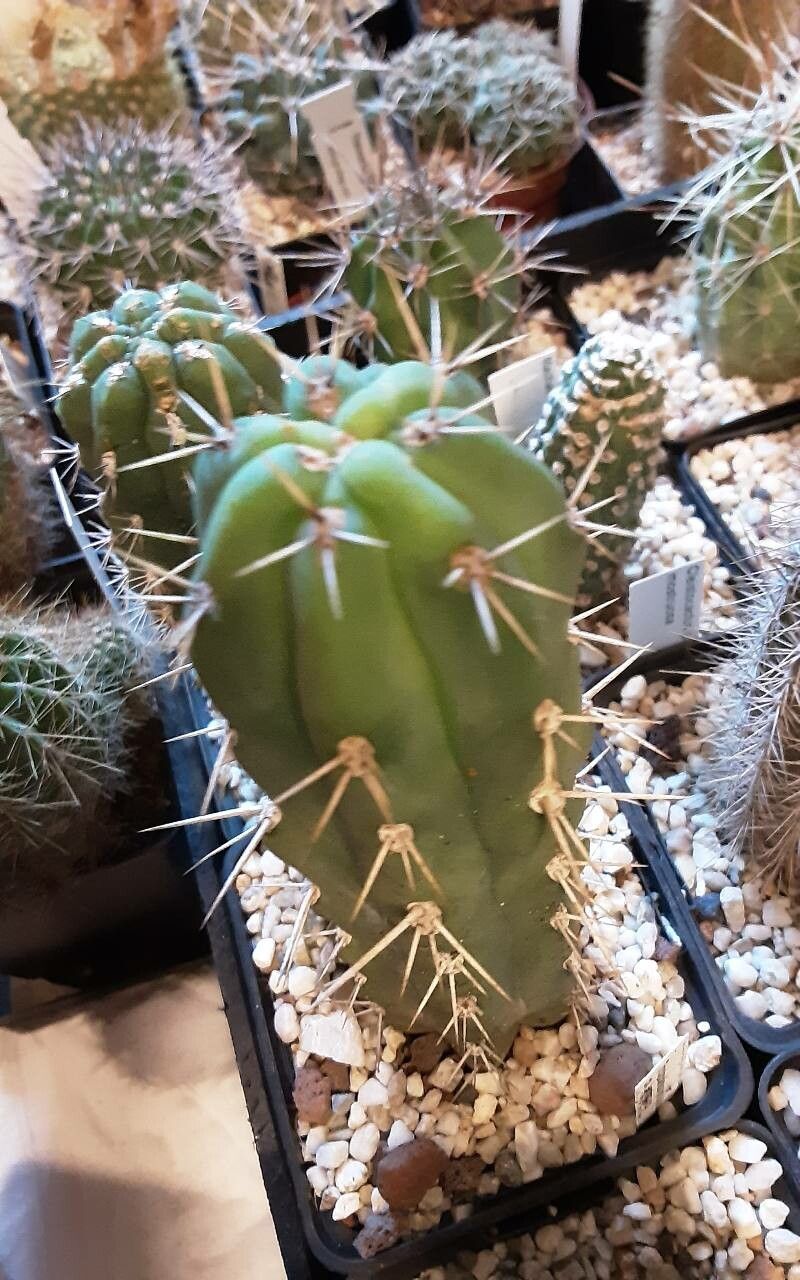
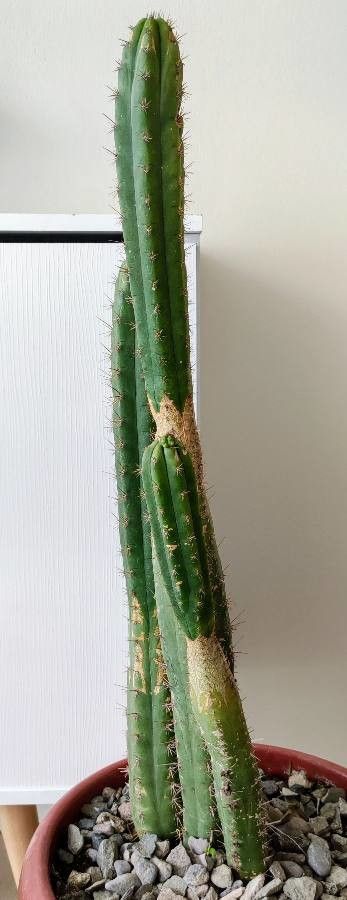
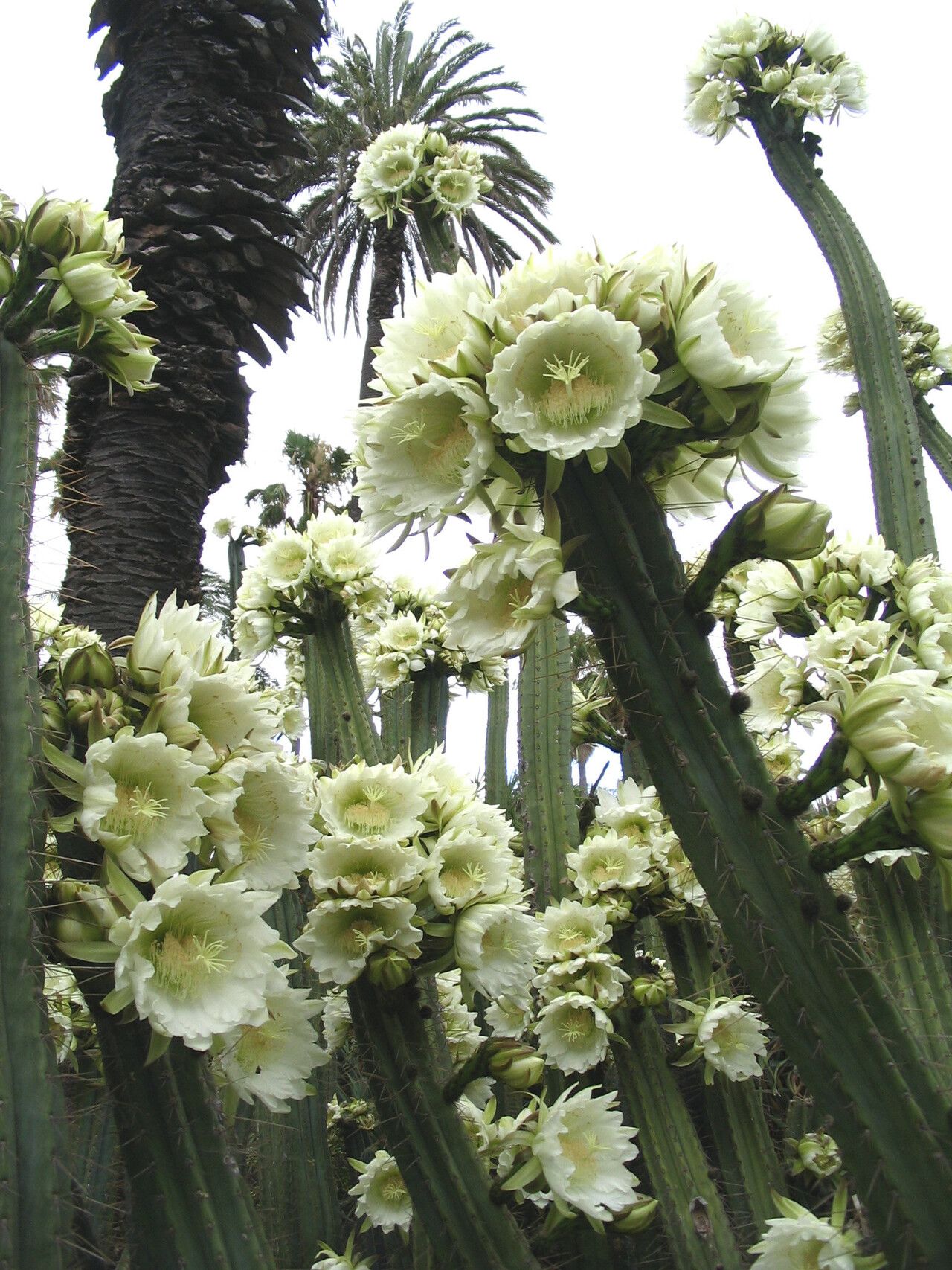
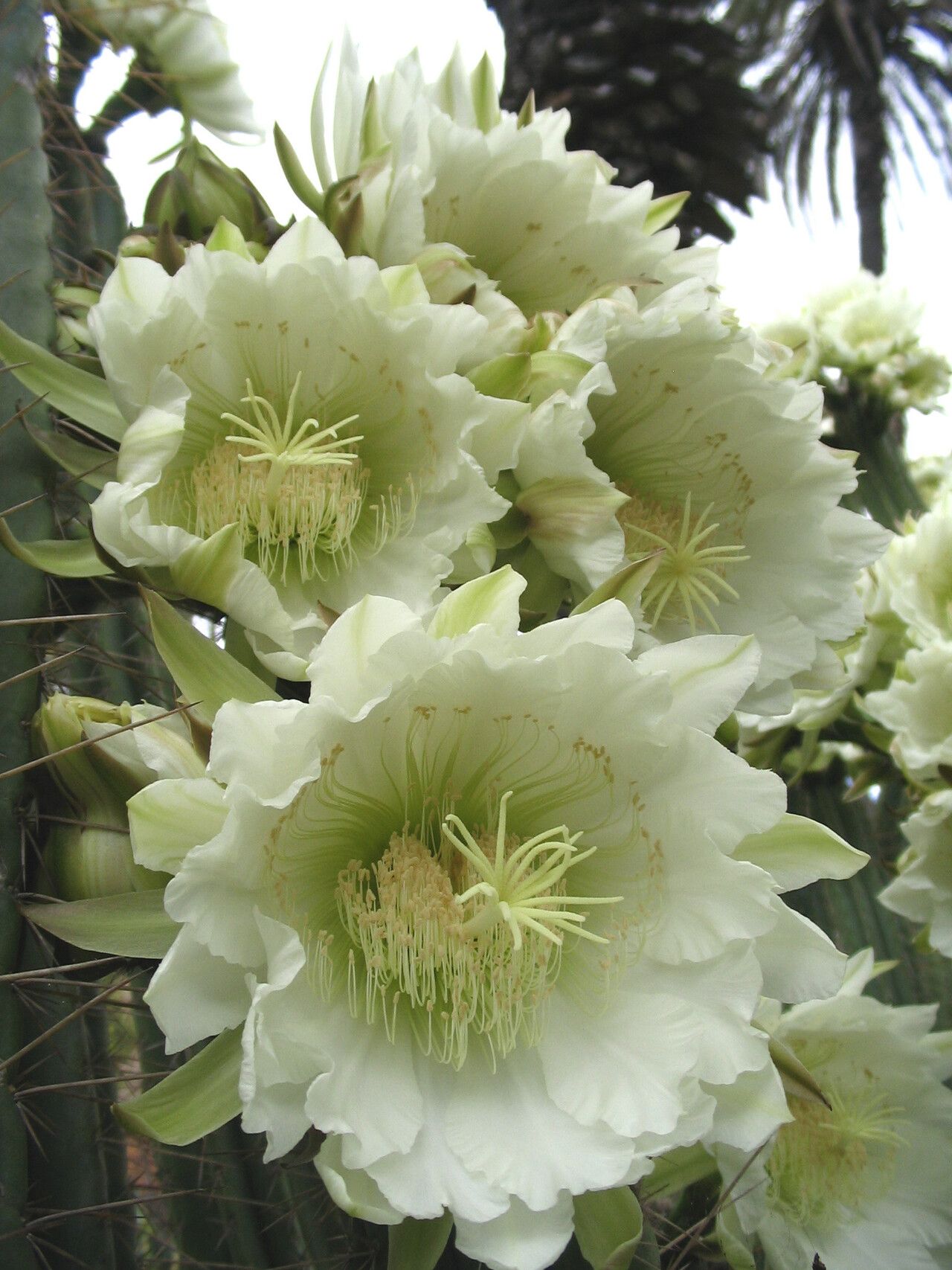
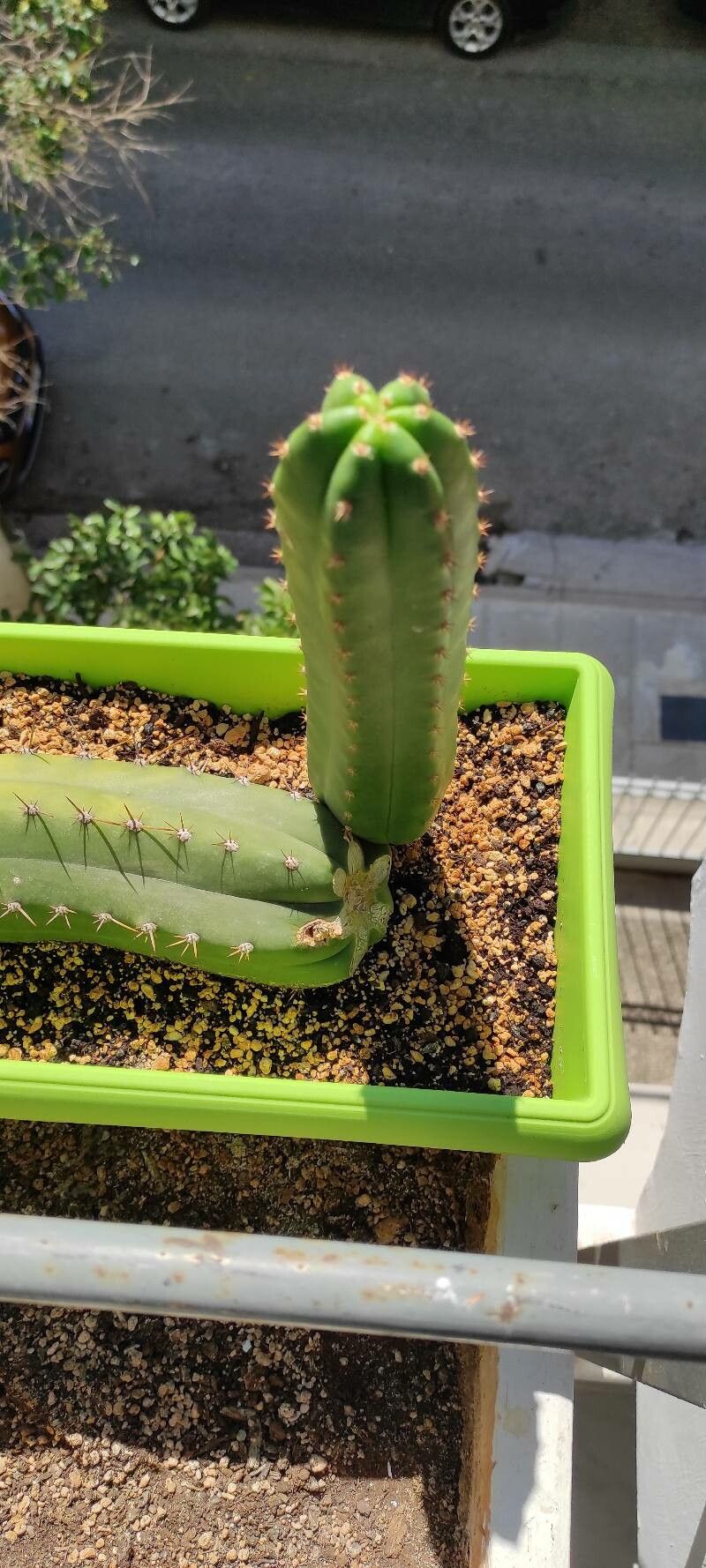
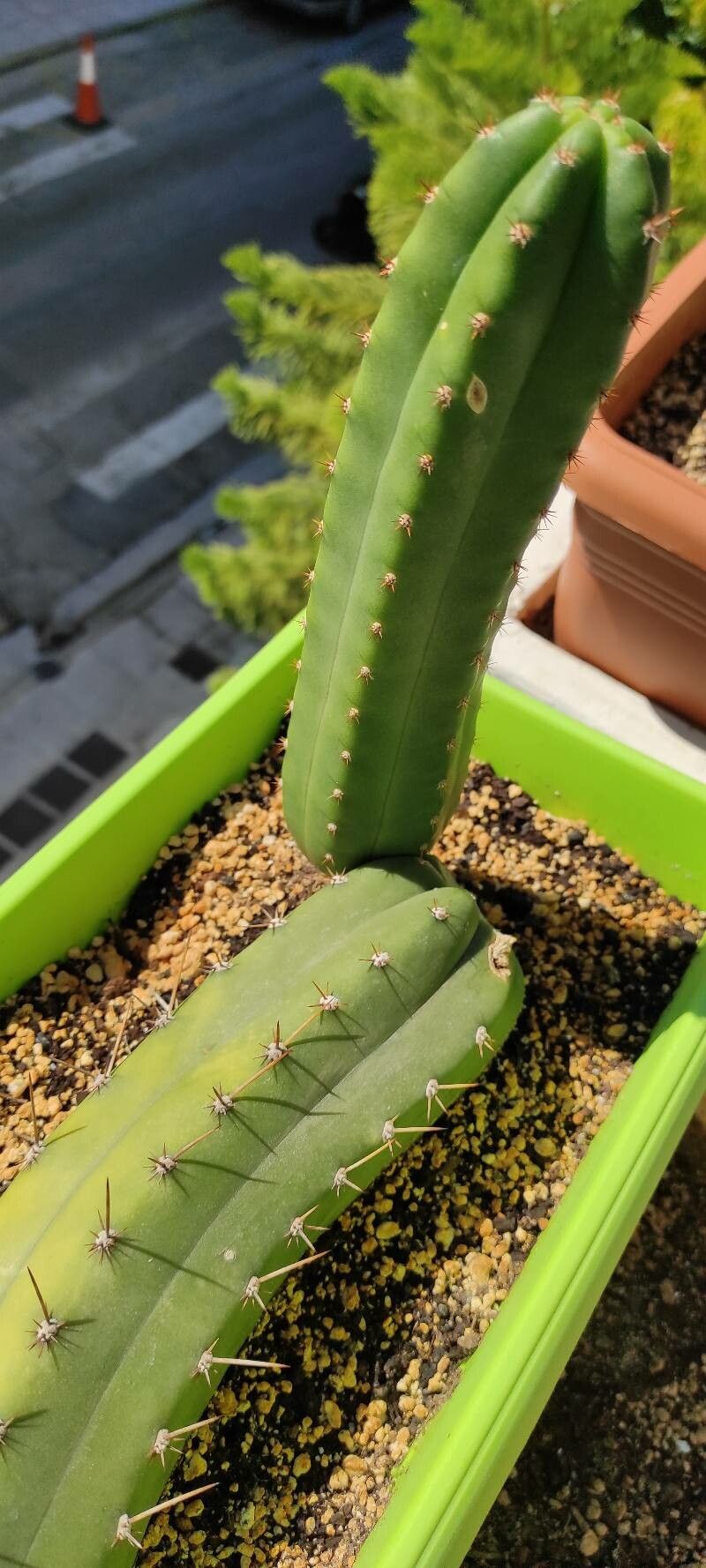
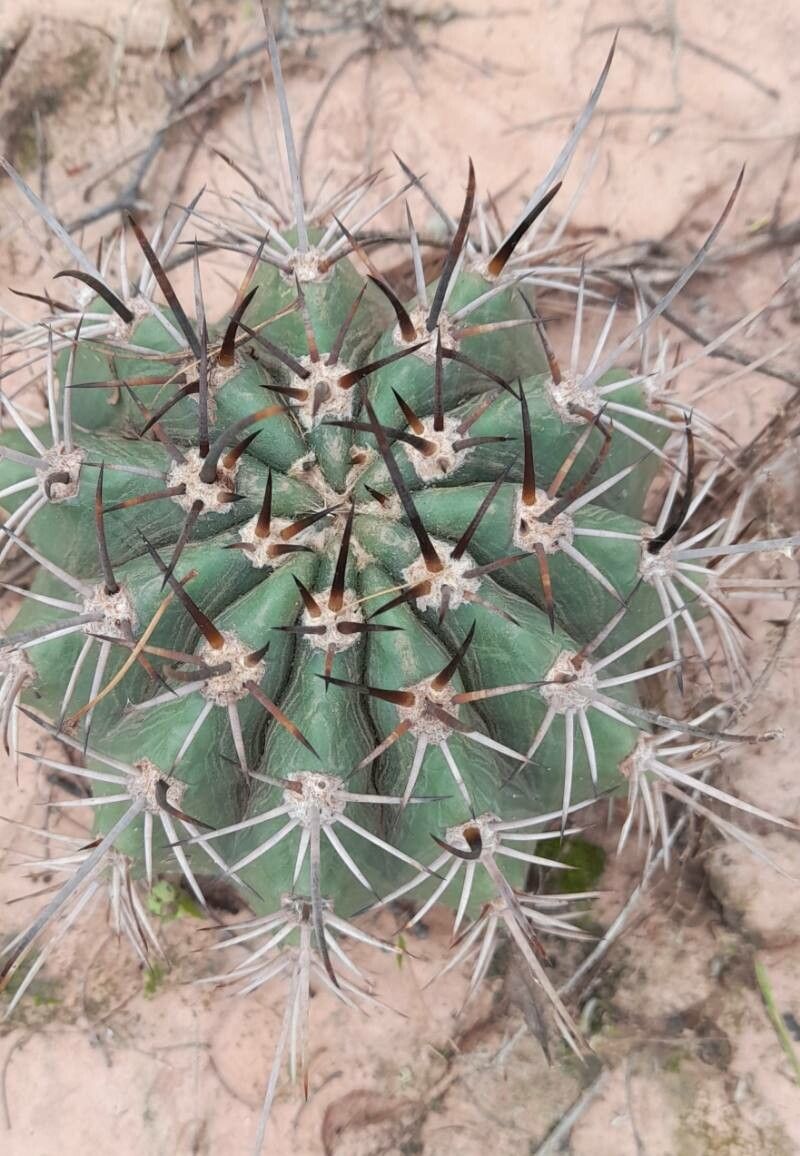
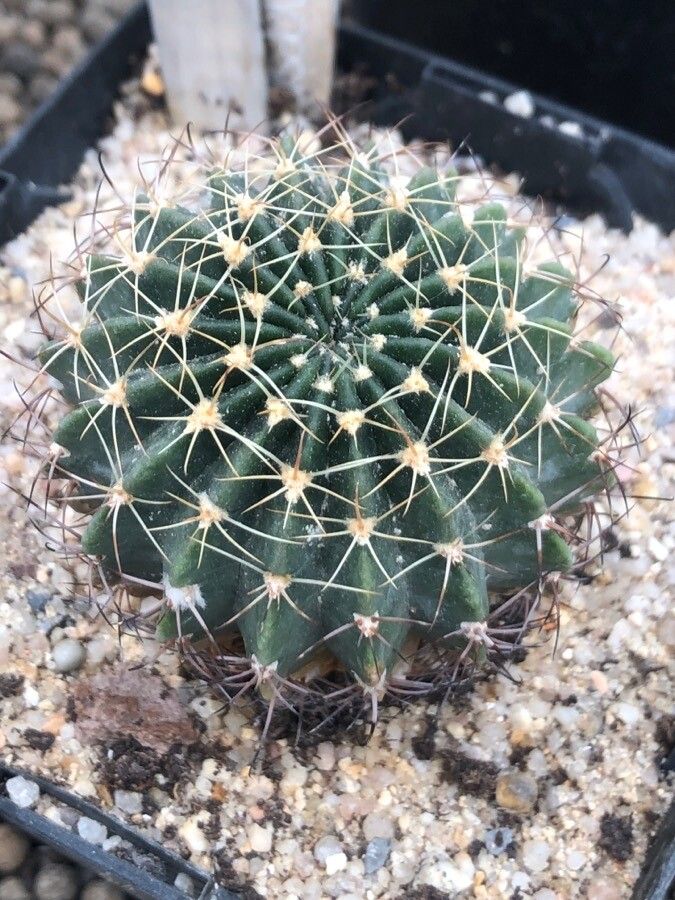
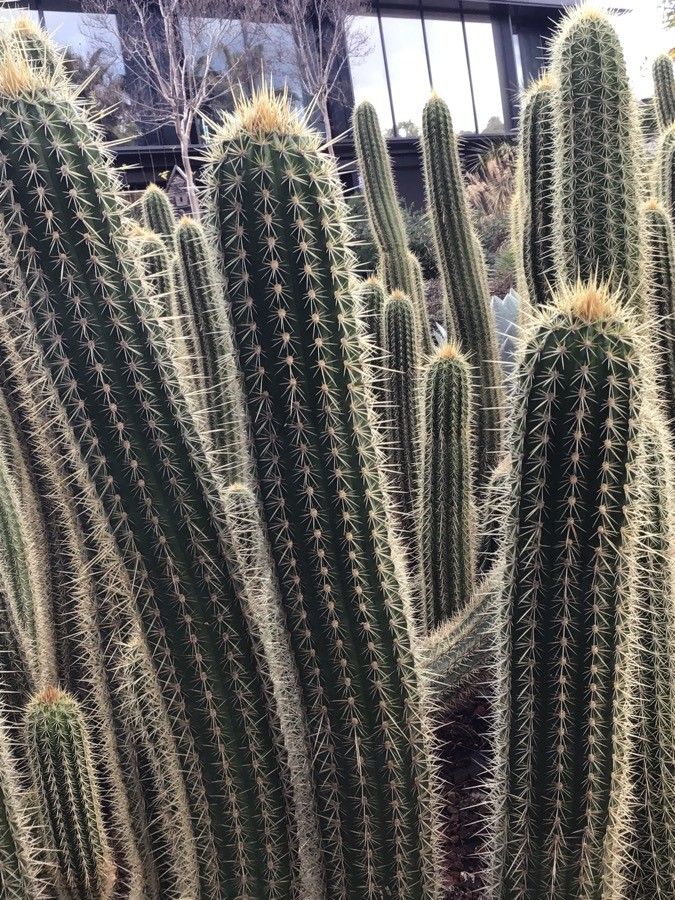
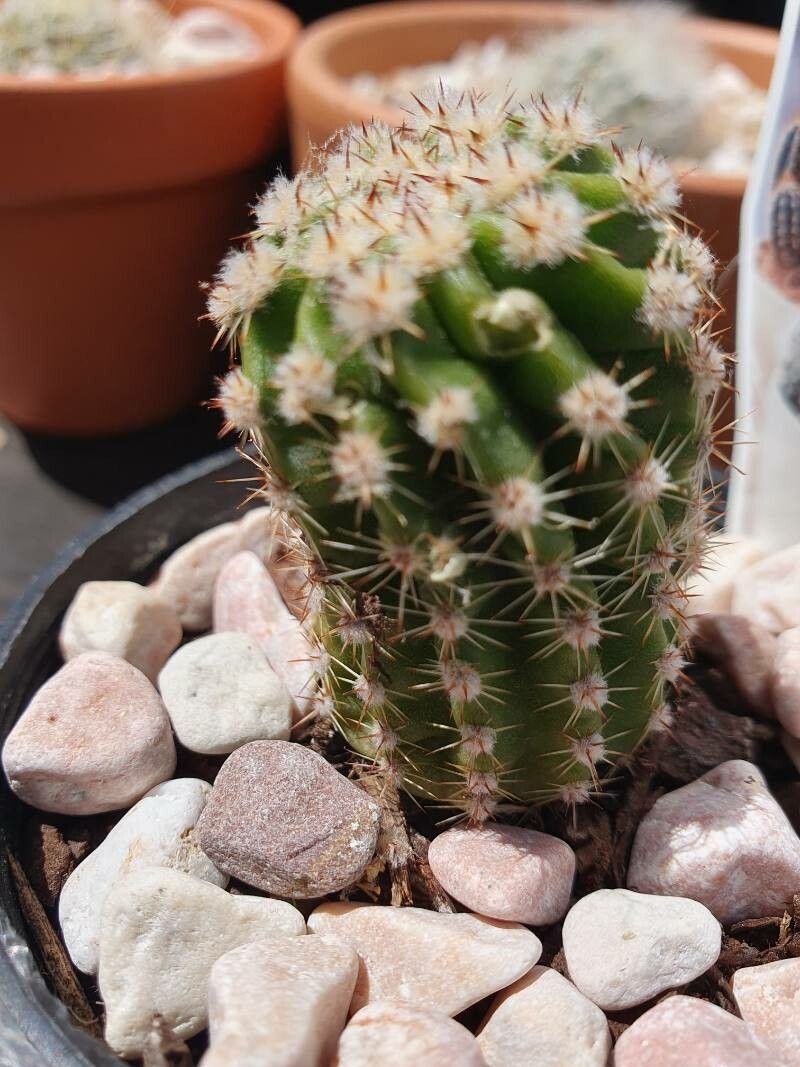
Echinopsis peruviana (syn. Trichocereus peruvianus), the Peruvian torch cactus, is a fast-growing columnar cactus native to the western slope of the Andes in Peru, between about 2,000–3,000 m (6,600–9,800 ft) above sea level.
Peruvian torch has strong resistance to disease and usually stays healthy under ordinary care. That said, it can be prone to mealybugs; these pests may inflict some damage but typically are not a serious danger. Regarding care, Peruvian torch is drought-tolerant and does not need frequent watering. It can endure long stretches without water and requires little fertilizer. However, it is very susceptible to root rot if kept in poor light and overwatered. Overall, Peruvian torch is a good option for people who prefer to spend less time on plant care, though it is important to meet its basic needs. It is particularly suited to those who are away for extended periods and may forget to water regularly.
How to keep Echinopsis Peruviana.
Light
Native to dry regions, the Peruvian torch does best in full sun; its natural habitat is marked by intense sunlight and very little shade. It can also tolerate partial sun, giving it some flexibility in its growth.
Temperature
Peruvian torch performs best in warm conditions and requires higher temperatures during the growing season to support growth and metabolic processes. It likes plenty of sunlight, proper moisture, and good airflow. However, it can be damaged by very low temperatures and by overwatering. Likewise, it's important to maintain balance and avoid temperatures that are too high or conditions that are too dry.
Fertilizer
For Peruvian torch, apply light amounts of fertilizer once or twice a year during the growing season. Avoid fertilizing in winter and summer when it is dormant. Cut back on fertilizer for plants that have been repotted and wait a couple of months after repotting before you start fertilizing. Fertilizing promotes healthy growth and helps produce blooms.
Pruning
To maintain a healthy and tidy Peruvian torch, it is important to prune it in early spring. This helps remove any damaged or excess stems. Make sure to use clean tools to prevent infections. Proper care, including pruning, improves air circulation, manages size, promotes flowering, and increases longevity. For the best results, consult trusted horticultural sources to learn the optimal practices for caring for your plant.
Botanical profile.
- Plant Type
- Succulent
- Life Cycle
- Perennial
- Genus
- Echinopsis
- Family
- Cactaceae
- Hardiness Zone
- 9-11
- Mature Height
- 3.05 m to 6.1 m
- Mature Spread
- 15 cm to 20 cm
- Leaf Color
- Dark Green
- Leaf Type
- Semi-evergreen
- Flower Color
- White
- Flower Size
- 15.24 cm to 20.32 cm
- Bloom Time
- Summer, Early fall
- Planting Time
- Summer, Autumn
- Harvest Time
- Late summer, Fall
- Native Area
- Peru
Other names.
Reader questions.
What are the sunlight requirements for a Peruvian torch?
The Peruvian torch, botanically known as Echinopsis peruviana, thrives in conditions where it can receive full sun, defined as above 6 hours of sunlight daily. It's important to observe how sunlight moves through your garden throughout the day. Identifying spots that offer a perfect balance of light and shade is crucial for the well-being of your plants. This careful placement ensures the happiness and health of your Peruvian torch by providing it with its ideal sunlight exposure.
What is the Peruvian Torch?
The Peruvian Torch, known botanically as Echinopsis peruviana, is a fast-growing columnar cactus native to the Andes in Peru. It is renowned for its traditional use in Andean medicine and its striking appearance.