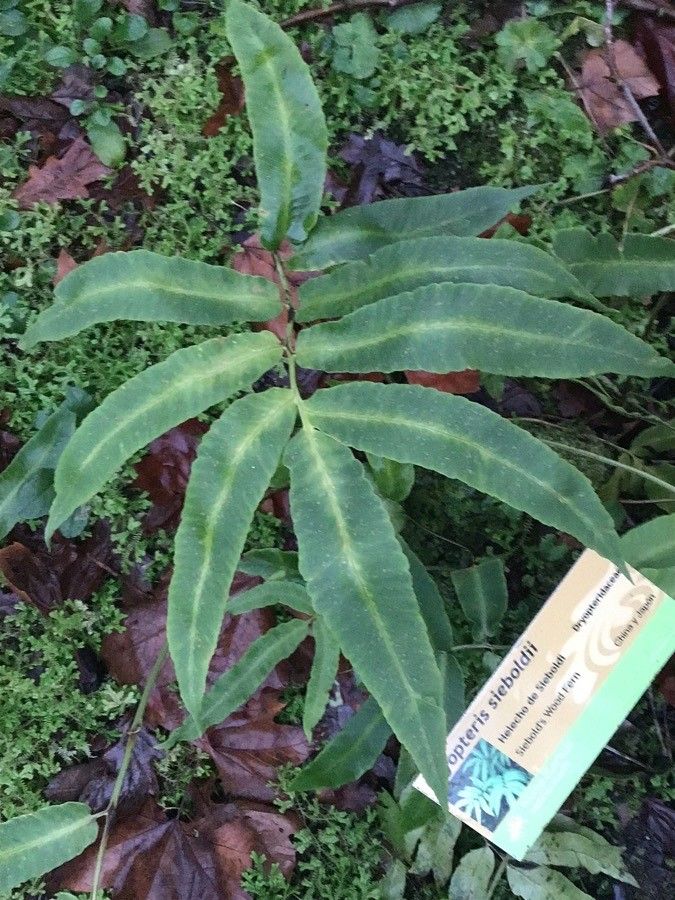
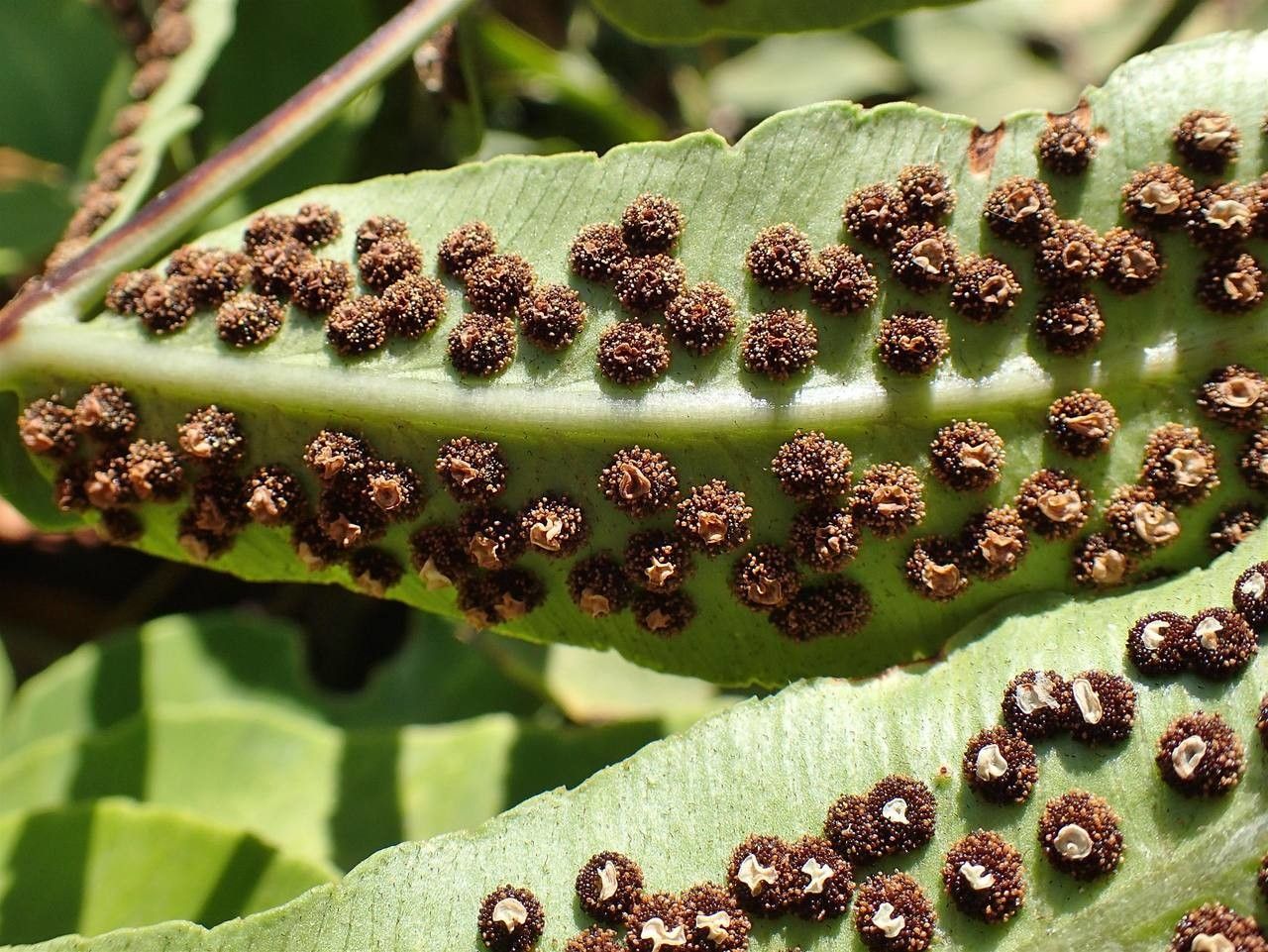
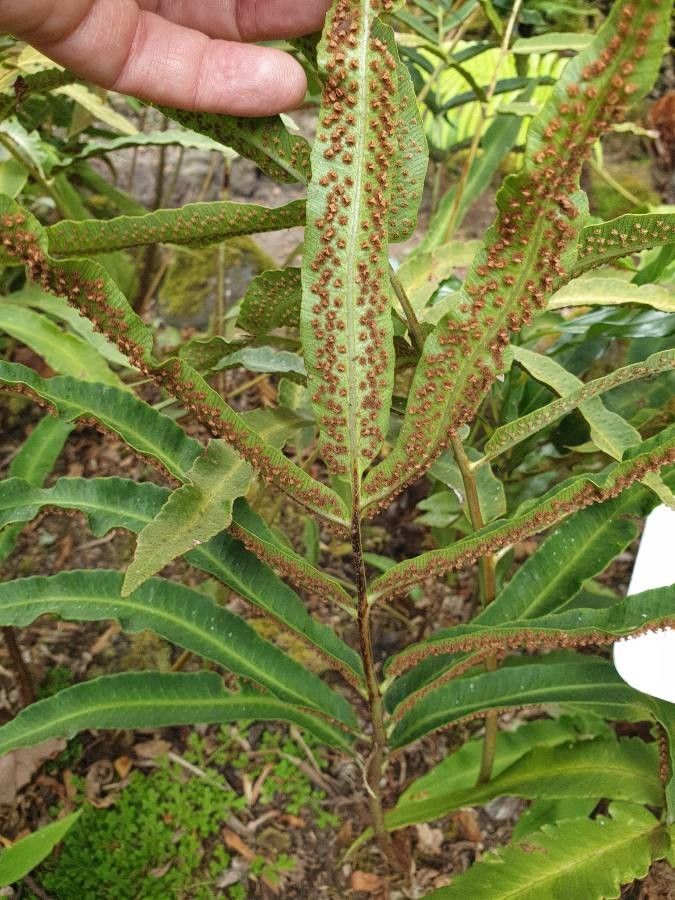
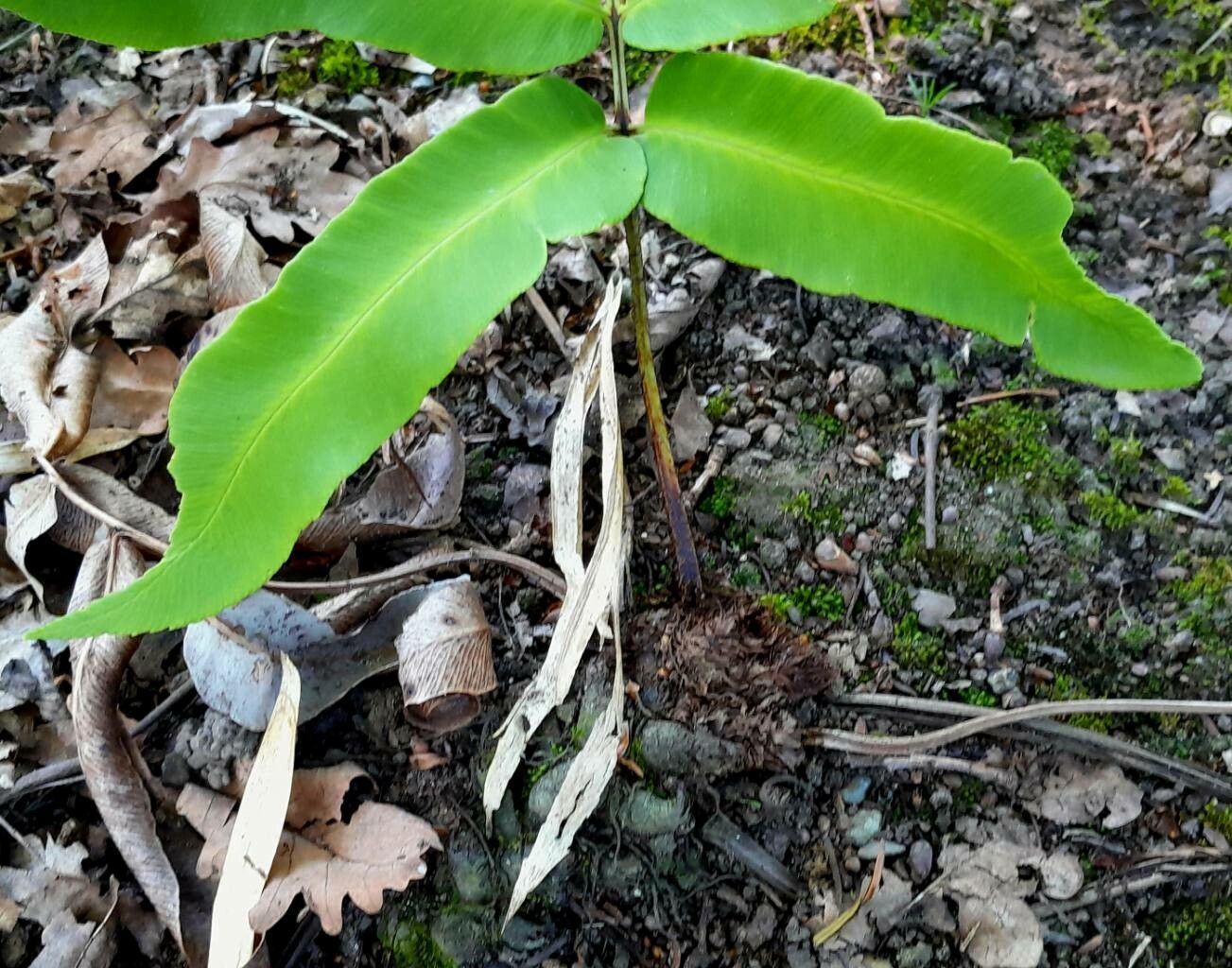
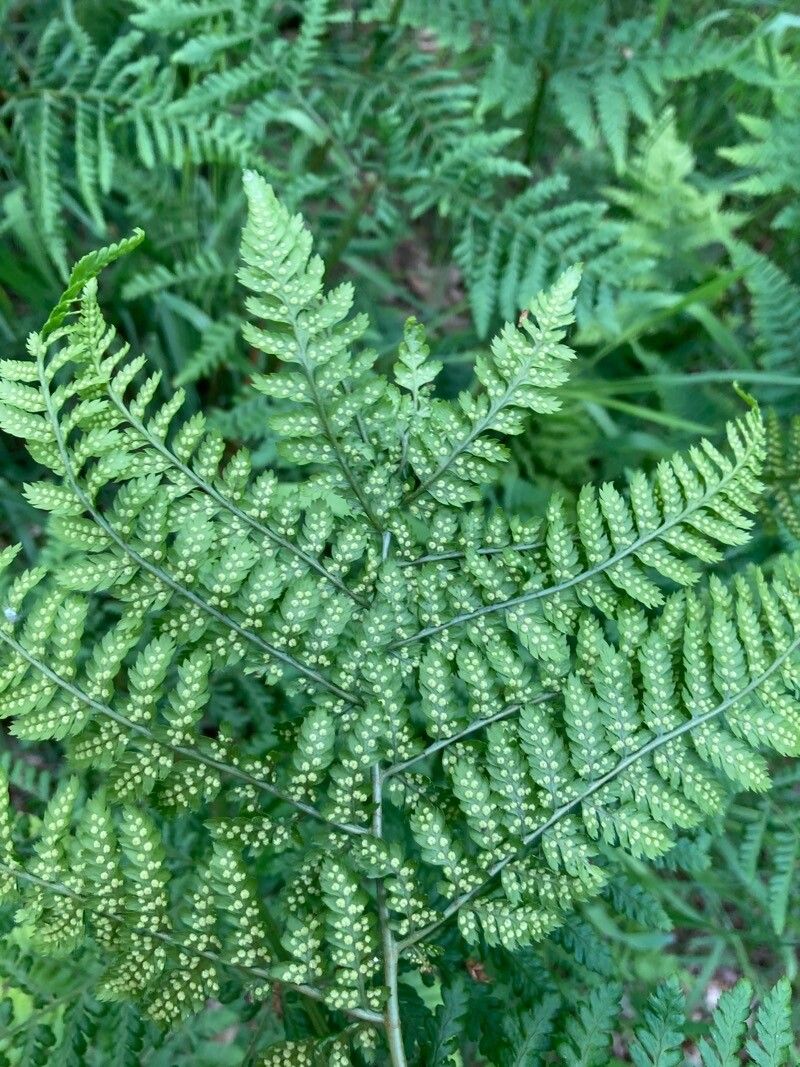
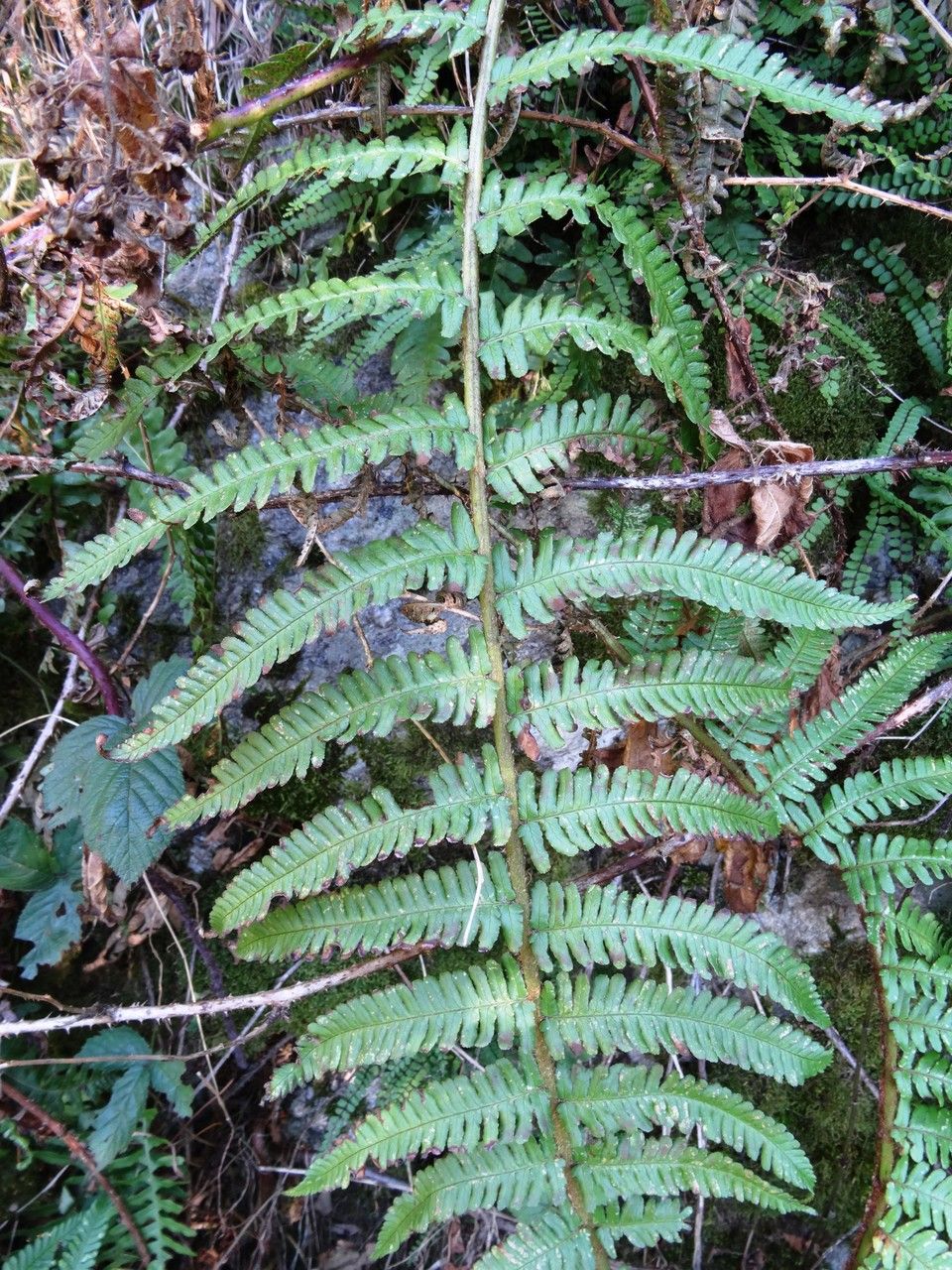
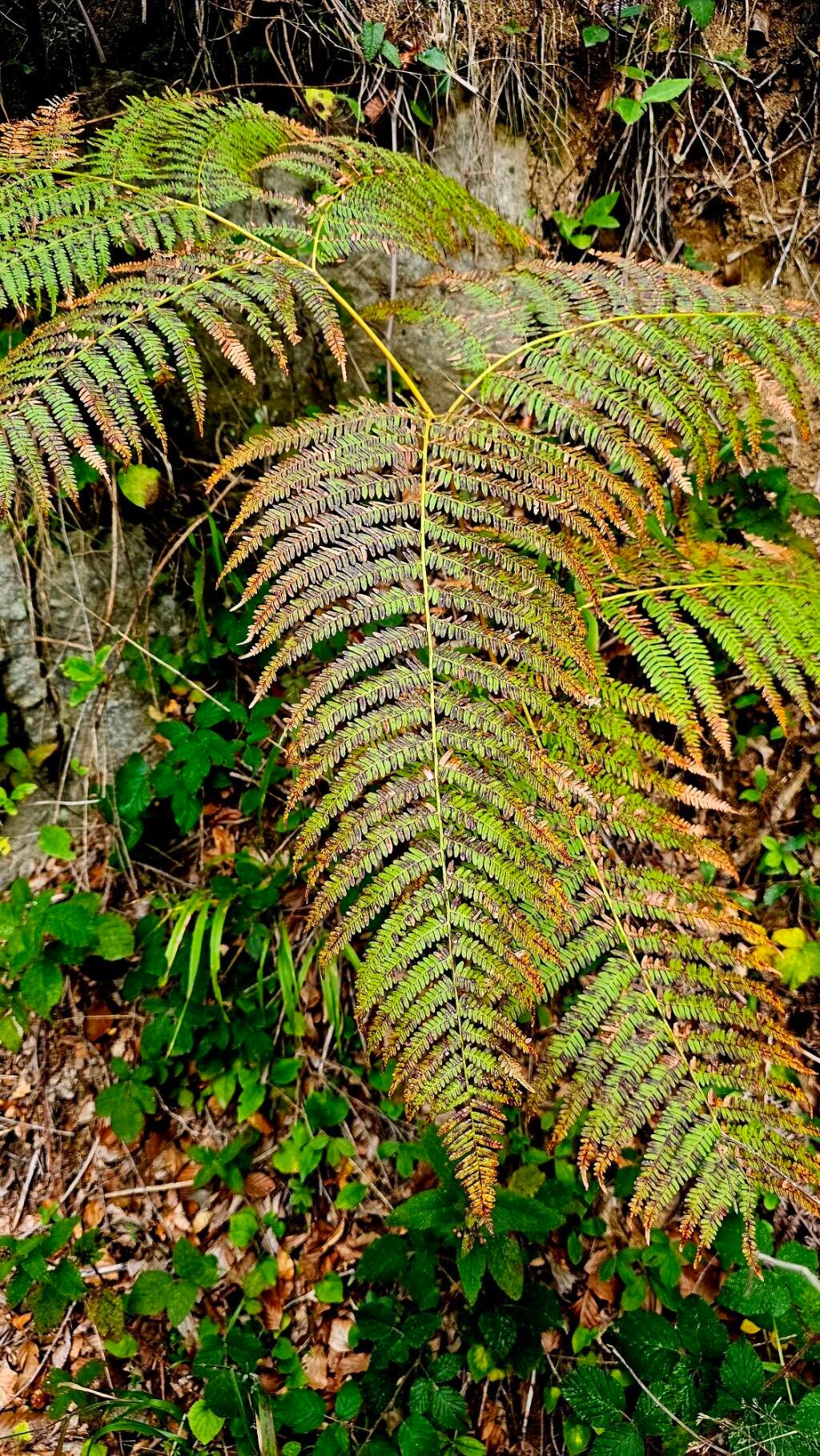
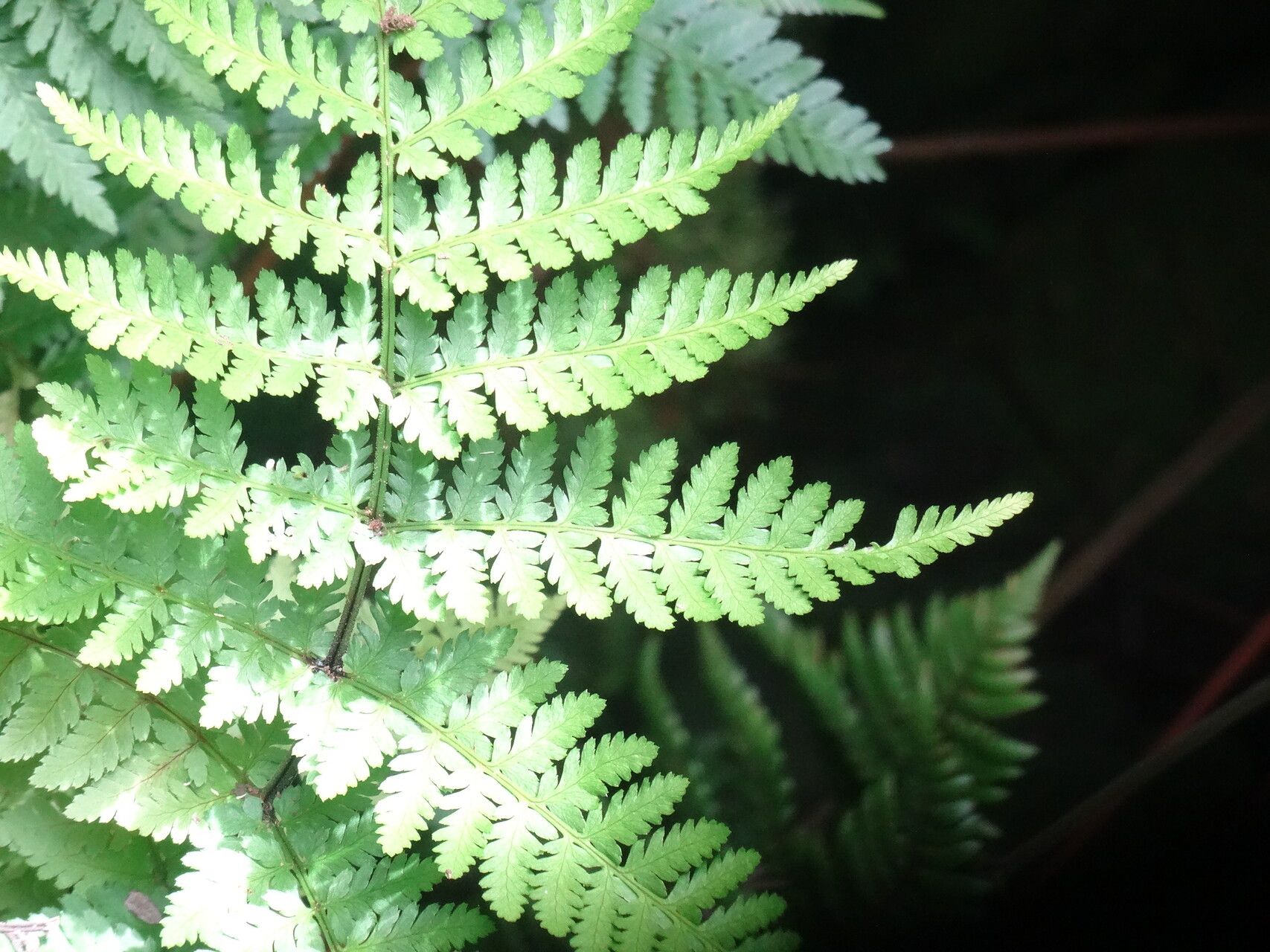
Dryopteris sieboldii is a species of fern in the family Polypodiaceae, native to Japan and south-central and southeast China. It has gained the Royal Horticultural Society's Award of Garden Merit as an ornamental.
Siebold's wood fern typically has strong resistance to disease and relatively few insect pests. Its care is considered difficult because it needs a consistently moist environment and frequent watering. However, the roots can rot if the plant is overwatered and the surroundings lack good ventilation. Siebold's wood fern is appropriate for growers with some experience, as most people can keep it alive for a period. Still, it may struggle to thrive and its leaves can dry out and become less healthy over time.
How to keep Dryopteris Sieboldii.
Light
Siebold's wood fern is native to habitats such as forest understories or rocky sites that provide natural shade. It prefers Full Shade but can tolerate Partial Sun.
Temperature
Siebold's wood fern does best in forest undergrowth. It is very sensitive to temperature and humidity; high heat, dry conditions, and intense sunlight all make it uncomfortable. In summer it needs sufficient shading and a humid environment. Generally it does not need special attention in winter, but an extended winter drought can still be lethal.
Pruning
To keep Siebold's wood fern healthy and thriving, it's important to prune it in early spring. Removing damaged fronds during this time encourages new growth and improves the plant's overall health. Avoid heavy pruning later in the season, as this can stress the plant. Regular maintenance not only enhances air circulation but also reduces the risk of disease and increases the fern's ornamental appeal. For more detailed care practices, consult horticultural guides.
Botanical profile.
- Plant Type
- Fern
- Life Cycle
- Perennial
- Genus
- Dryopteris
- Family
- Dryopteridaceae
- Hardiness Zone
- 5-9
- Mature Height
- 30 cm to 91 cm
- Mature Spread
- 61 cm to 91 cm
- Leaf Color
- Dark Green, Forest Green
- Leaf Type
- Deciduous
- Planting Time
- Spring, Summer, Autumn
- Native Area
- Japan, China