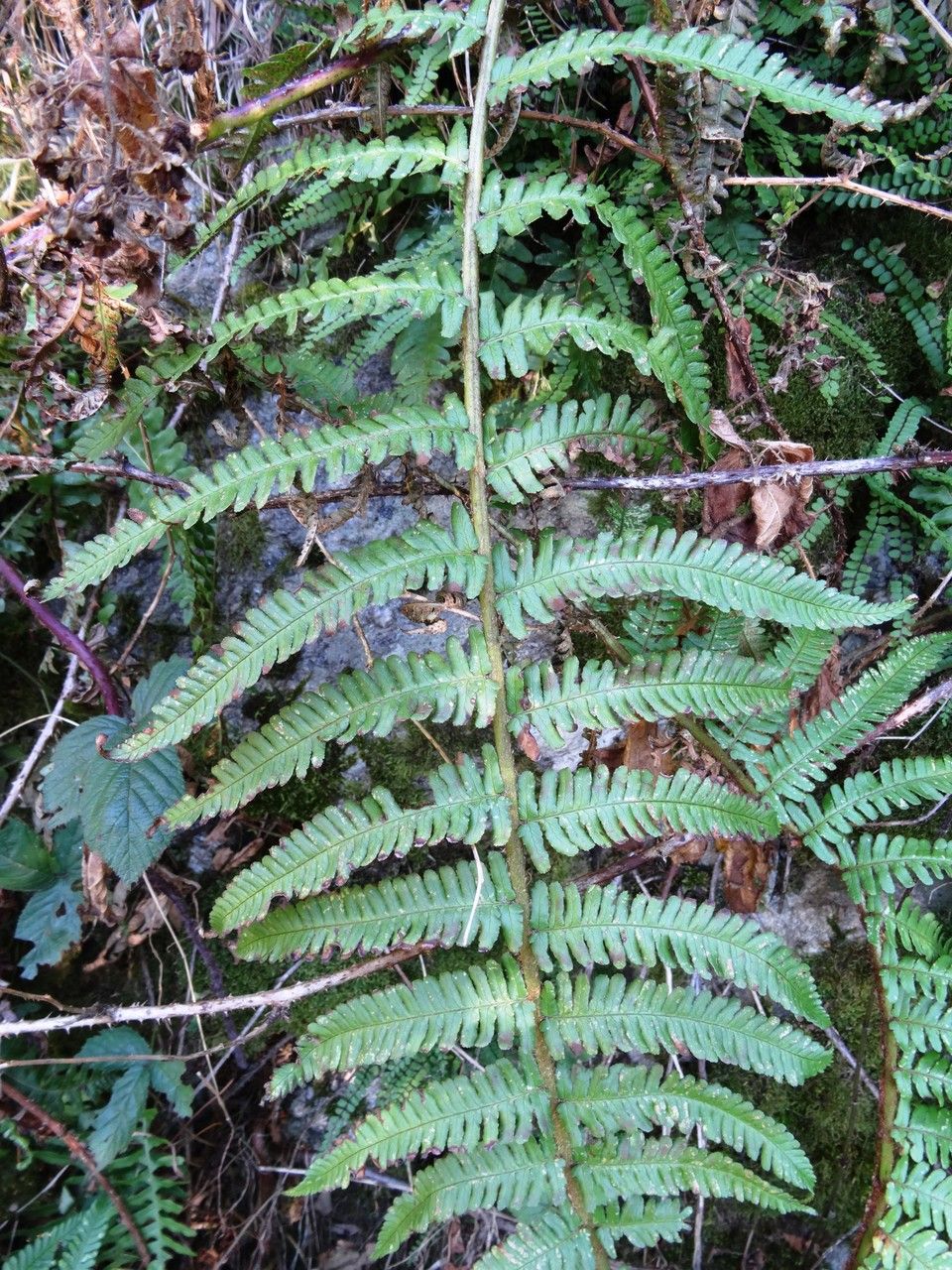
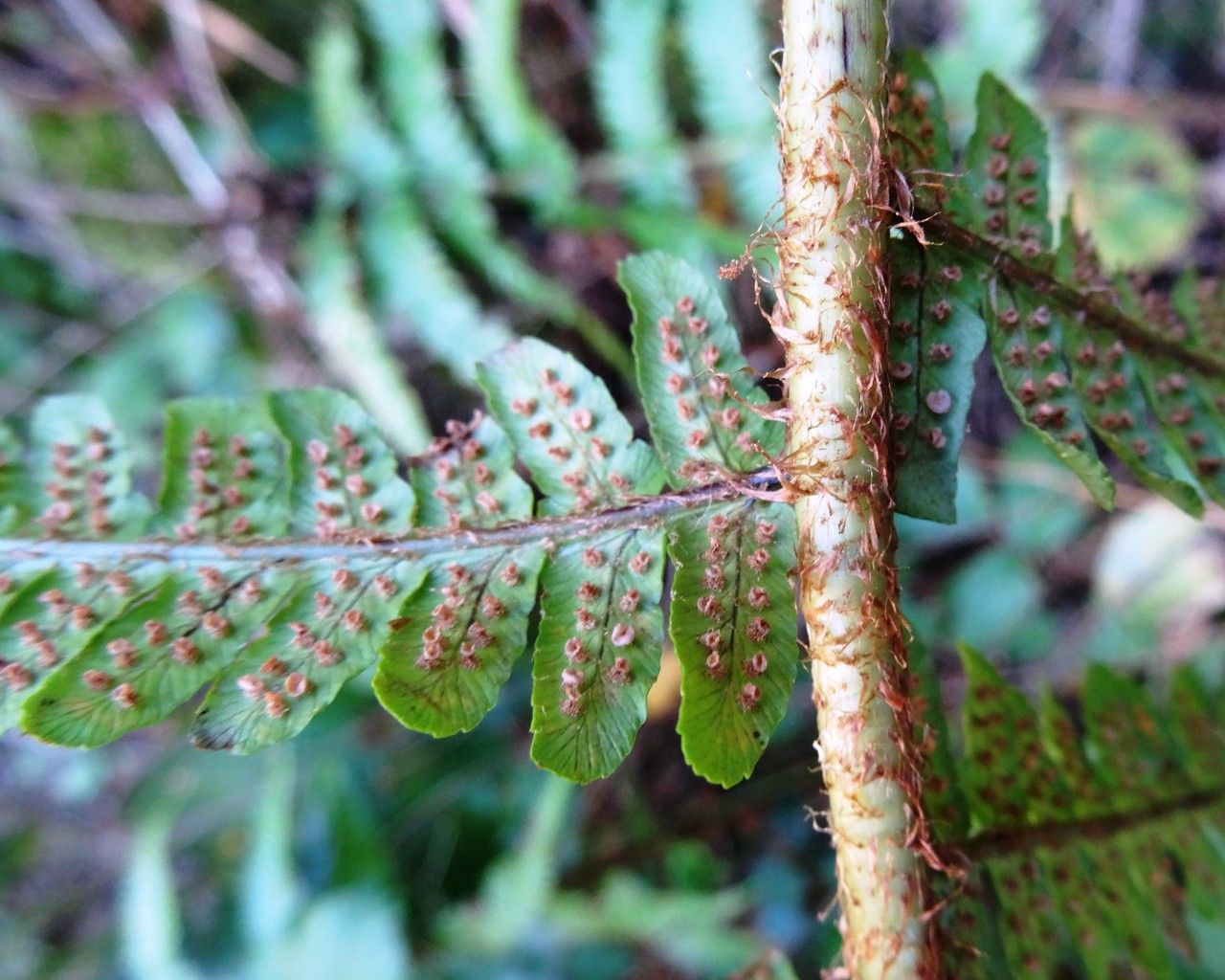
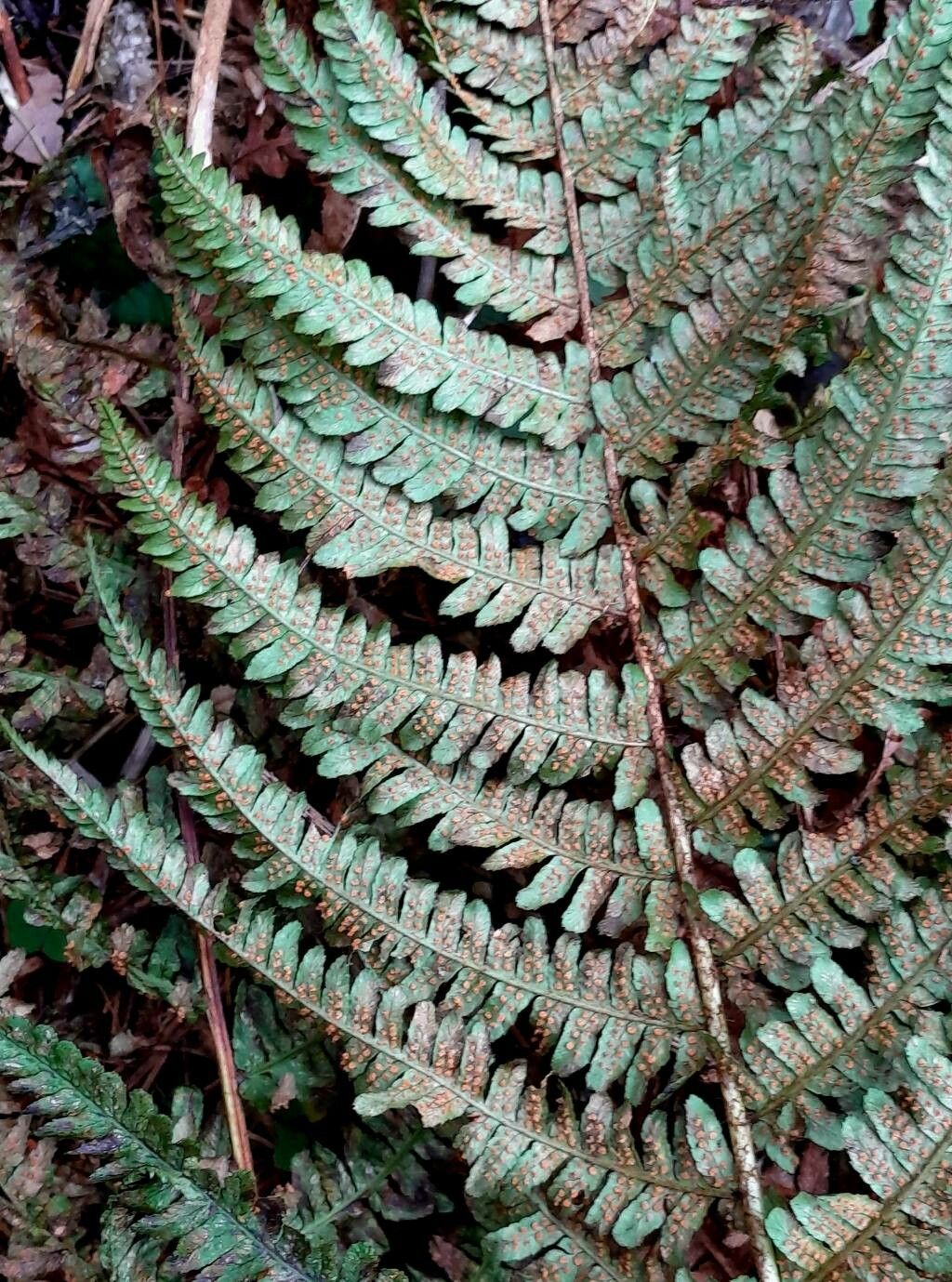
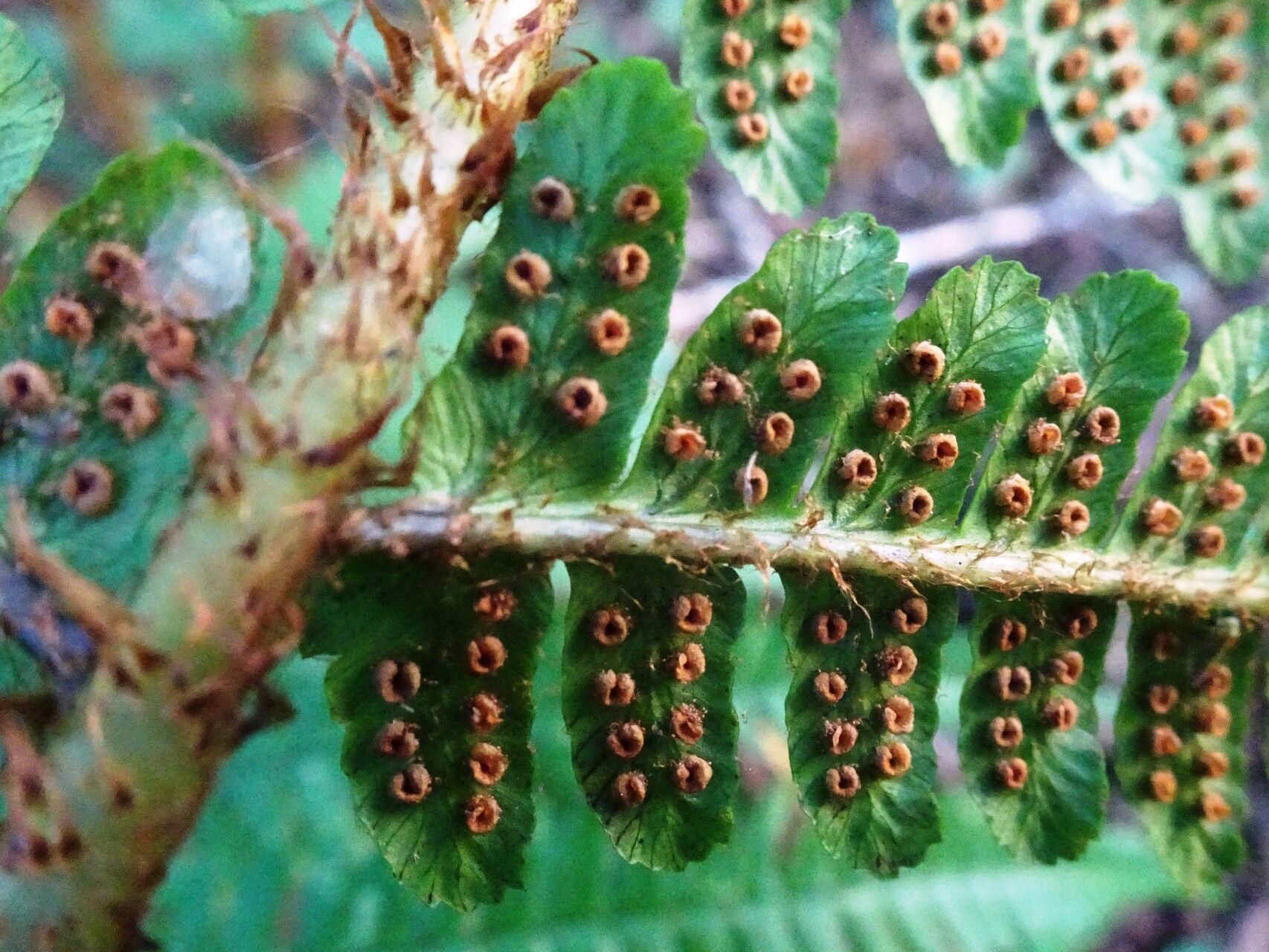
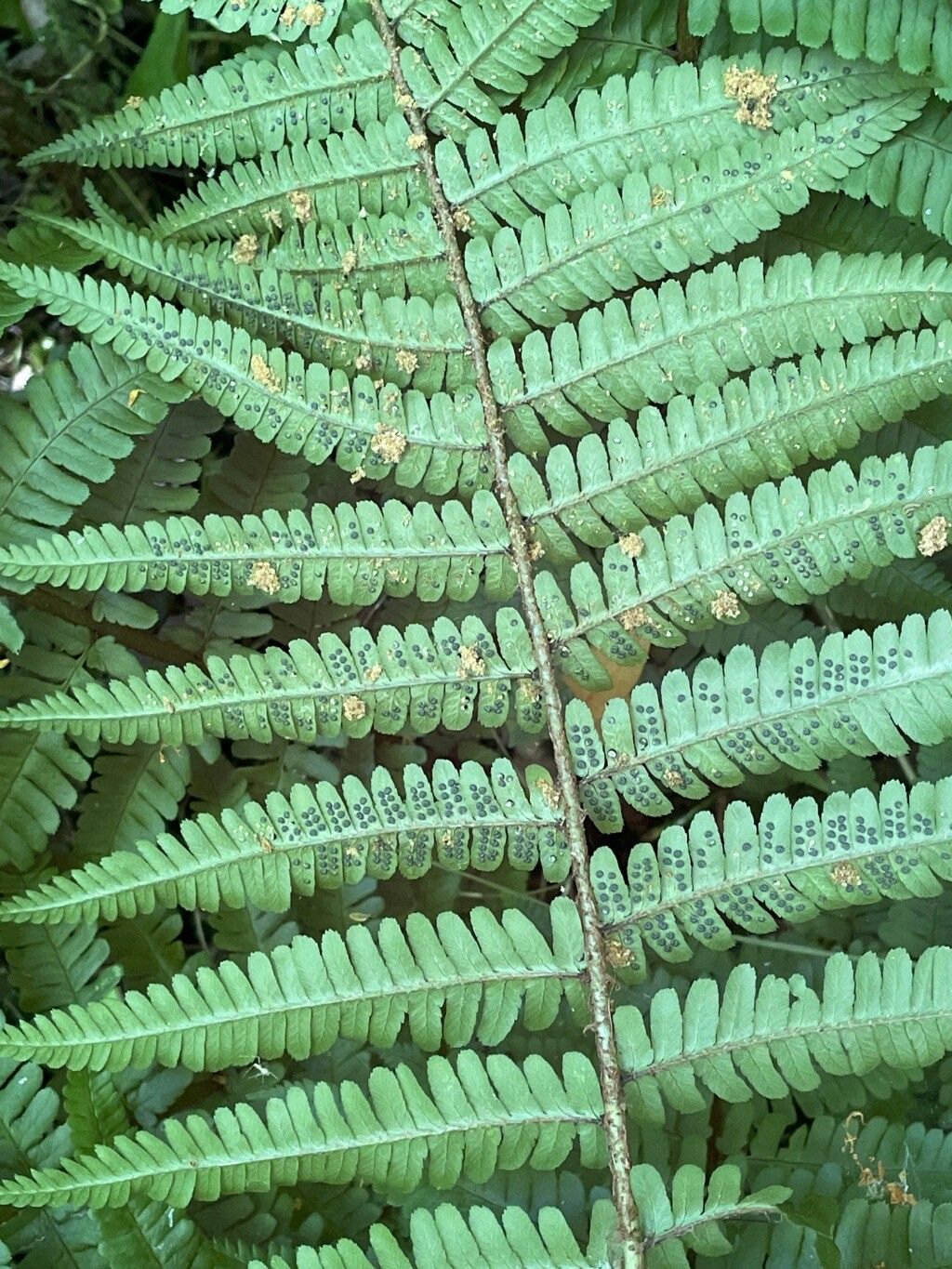
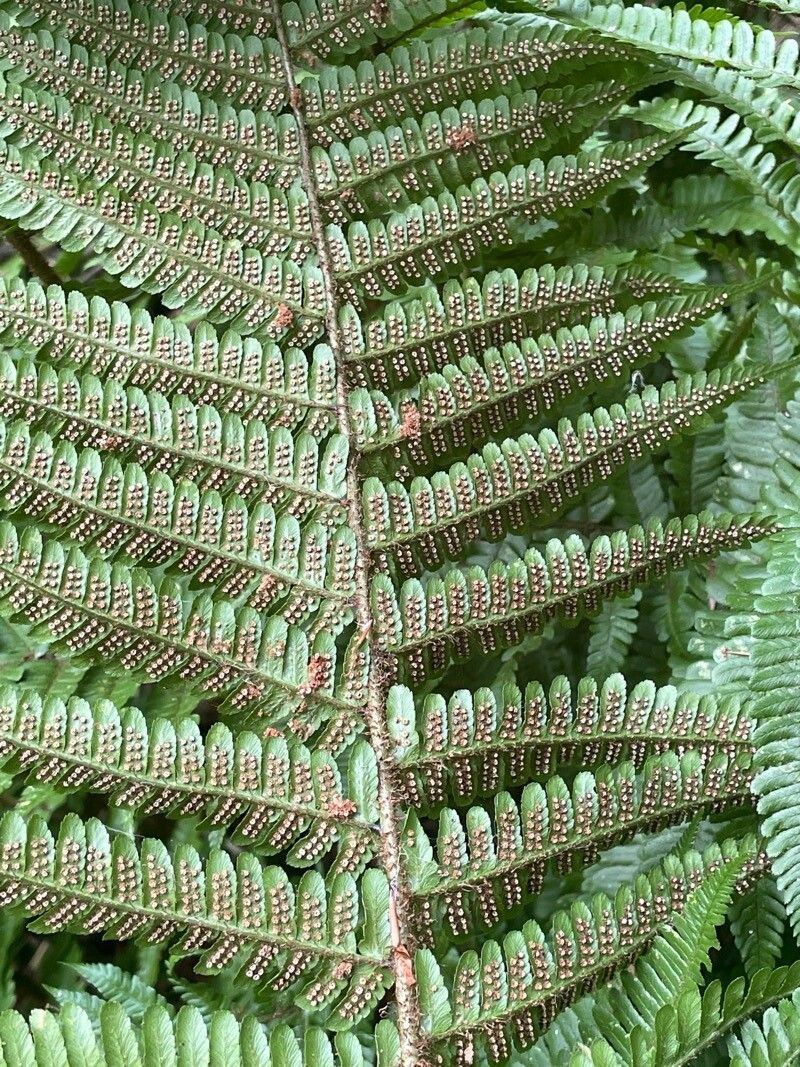
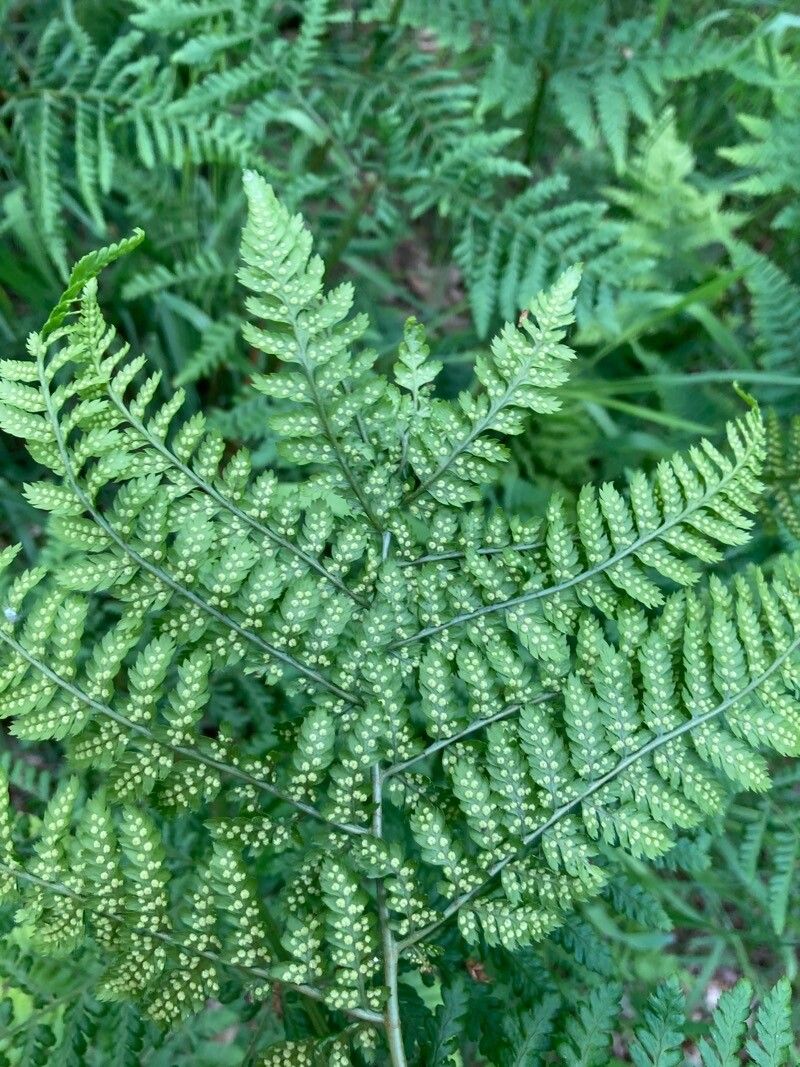
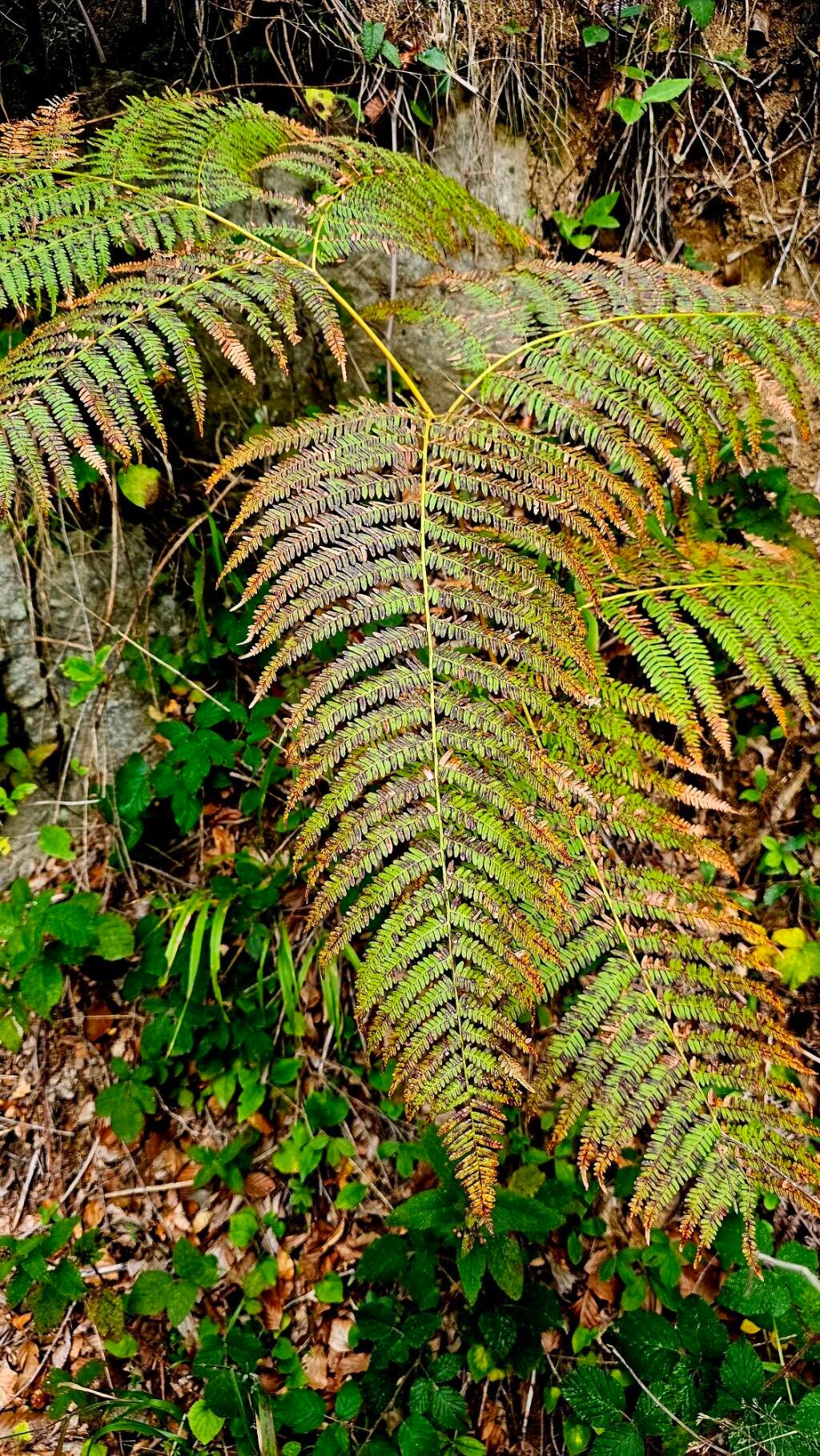
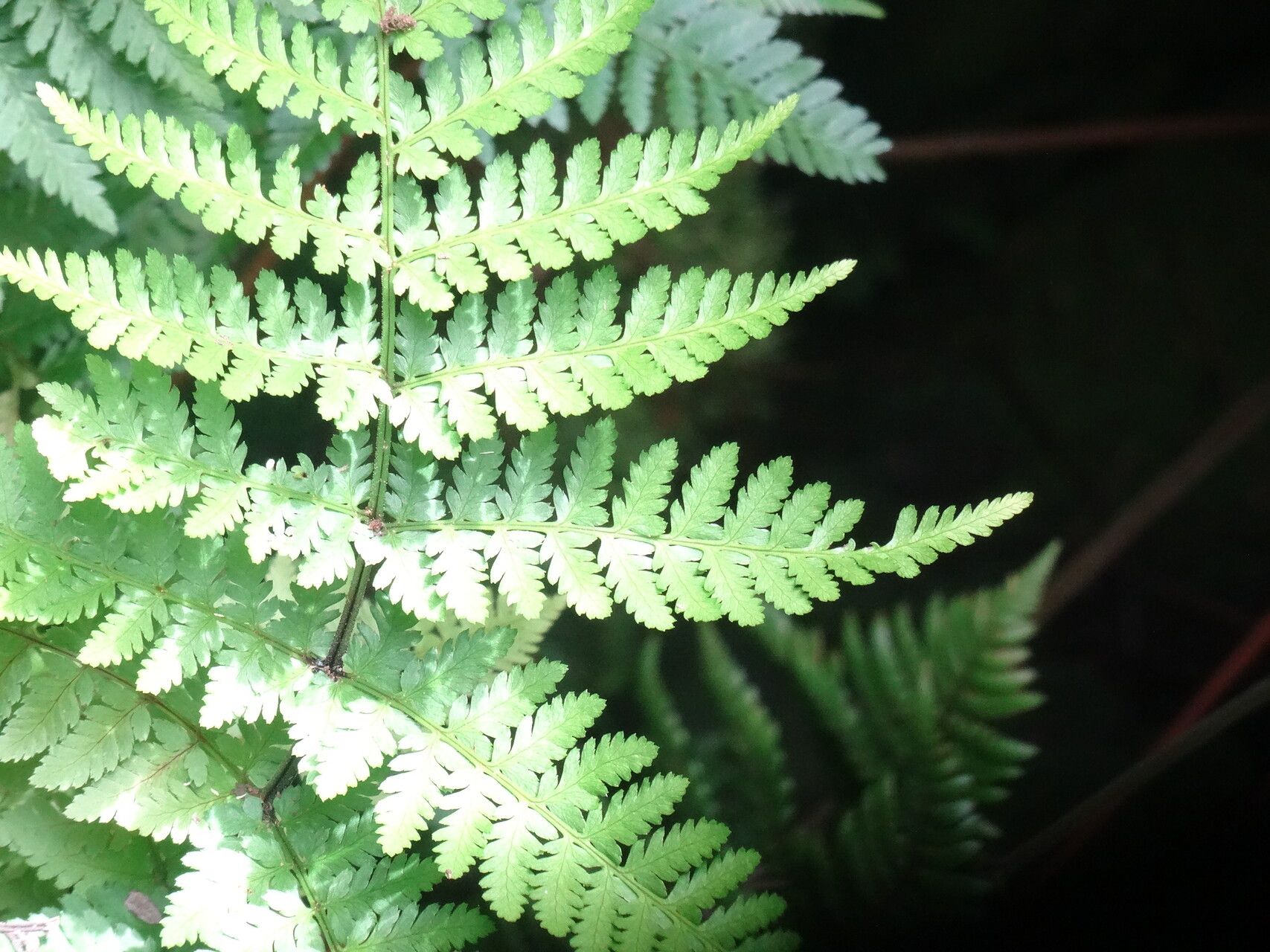
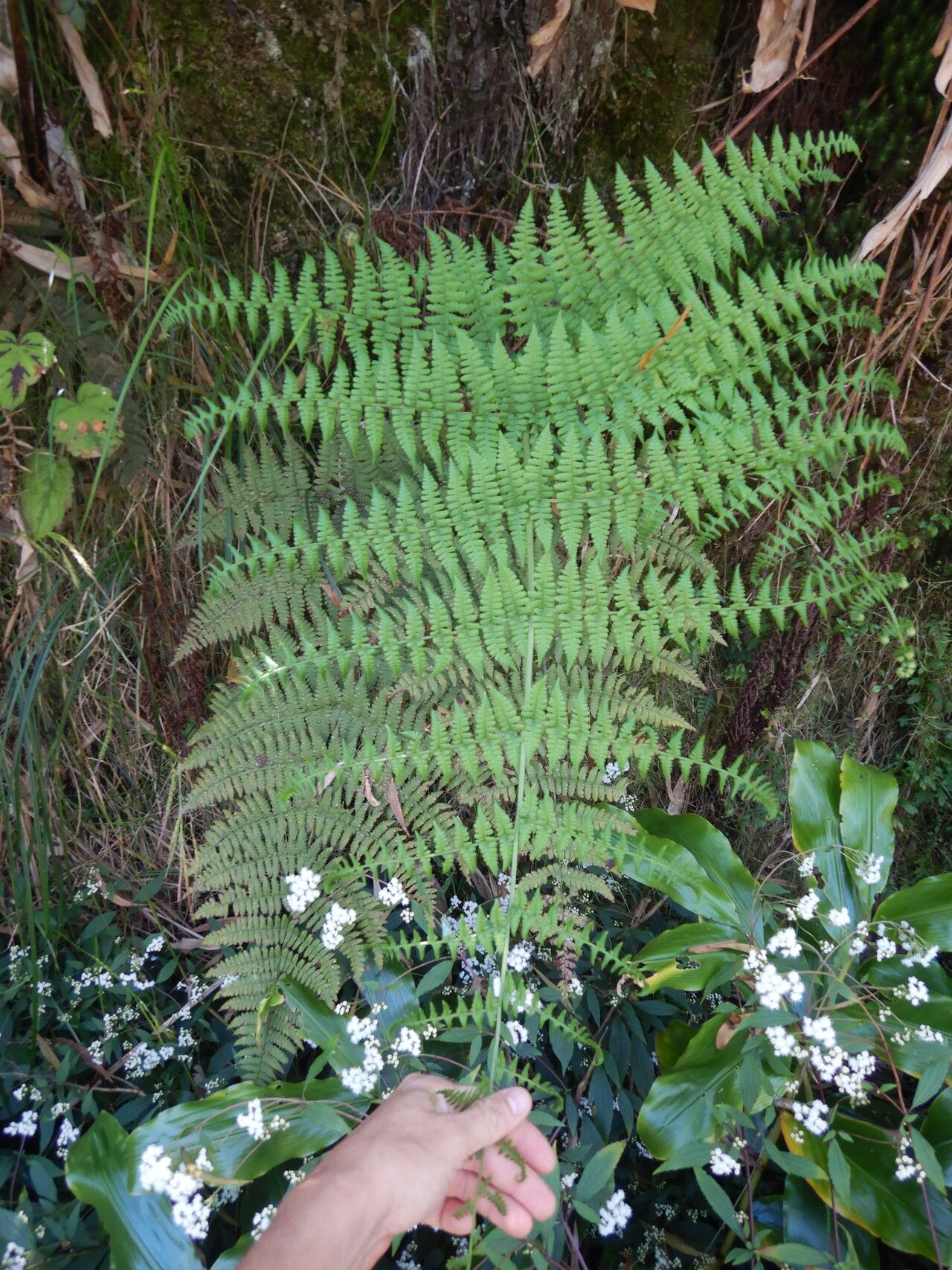
Dryopteris affinis, the scaly male fern or golden-scaled male fern, is a fern native to western and southern Europe and southwestern Asia. It is most abundant on moist soils in woodlands in areas with high humidity, such as the British Isles and western France. In the Mediterranean region and the Caucasus it is confined to high altitudes.
Scaly male fern tends to be disease-resistant and is affected by relatively few insect pests. Its care is considered challenging because it needs consistently moist conditions and frequent watering. At the same time, the roots can rot if the plant is overwatered or the surroundings are poorly ventilated. It is best suited to people with some growing experience, since most can keep it alive for a period of time. Nevertheless, the fern may struggle to thrive, with leaves that dry out and become less healthy as time passes.
How to keep Dryopteris Affinis.
Light
Scaly male fern generally prospers with moderate sunlight and readily adjusts to both full shade and very bright sun. Excessive strong sunlight can cause its foliage to bleach, while inadequate light leads to reduced growth rates. This adaptability mirrors the woodland environments where it naturally occurs.
Water
The scaly male fern is well-suited to the moist understorey of temperate forests. It thrives in consistently damp soil, so you should water it twice a week. Although it has moderate drought tolerance, this evergreen plant needs hydration all year long. This is especially important in the winter when indoor heating can reduce humidity.
Temperature
Scaly male fern does best in forest thickets. It is very sensitive to temperature and humidity, and high heat, dry conditions, or strong sunlight can all stress the plant. In summer it needs adequate shading and a humid environment. Generally it does not need special care in winter, but an extended winter drought can still be lethal.
Pruning
The scaly male fern is known for its sturdy, arching fronds and distinct textured scales. To maintain its health and appearance, prune the fern in early spring by removing old or damaged fronds. This practice encourages healthy growth and helps maintain a pleasing shape. Proper pruning also improves air circulation, which reduces the risk of disease and enhances both the plant's appearance and longevity.
Botanical profile.
- Plant Type
- Fern
- Life Cycle
- Perennial
- Genus
- Dryopteris
- Family
- Dryopteridaceae
- Hardiness Zone
- 4-8
- Mature Height
- 91 cm
- Mature Spread
- 91 cm
- Leaf Color
- Green, Yellow
- Leaf Type
- Semi-evergreen
- Bloom Time
- Spring
- Planting Time
- Spring, Summer, Autumn
Other names.
Reader questions.
What should I do if I give my Scaly male fern too much or too little water?
The Scaly male fern can be overwatered if it is left in a pool of water or if the planter does not have drainage holes. This can cause the roots to be unable to take up nutrients and moisture and can lead to the development of fungal or bacterial diseases. If the fern is overwatered, the leaves may become wilted and yellow and the stems may droop or feel soft and mushy. However, it is important to check for other causes of these symptoms, as it can be difficult to give the plant too much water. On the other hand, the Scaly male fern can also be underwatered if not monitored closely. In dry conditions, the appearance of the plant can change quickly from lush and green to brown and crispy. In extreme cases, the plant may dry up completely, but if some roots are still healthy, it is possible to save the plant. To do so, cut off all dry and dead stems, water thoroughly, and return the plant to its usual location. With proper care, the fern can recover and start to grow new fronds, although it may take several months to regain its previous size.
Why is it important to fertilize my Scaly male fern?
Fertilizing Scaly male fern is necessary for a few reasons. Firstly, it helps provide the necessary nutrients for healthy new growth. Secondly, it supports the overall health of the plant, including the old growth, and aids in the prevention of diseases and pests.
What are the sunlight requirements for Scaly male fern?
The Scaly male fern requires moderate sunlight exposure, thriving in both fully shaded and intensely sunlit environments. It is adaptable, reflecting its native woodland habitats, but excessive sunlight can lead to foliage bleaching, and insufficient light can slow down its growth. The plant needs about 3-6 hours of sunlight. In full shade or full sun conditions, it receives less than 3 hours of sunlight daily. It's important to watch the sunlight's movement through your garden to choose spots that provide a perfect balance of light and shade, ensuring the plant's well-being.
What is the botanic name of the Scaly male fern?
The botanic name of the Scaly male fern is Dryopteris affinis. This fern is recognized by its distinctive name and lacks additional common names in the provided information.
How do I make sure my Scaly male fern gets enough water?
To properly care for your Scaly male fern, it needs consistently moist soil to replicate its natural habitat. This may require watering every one or two days, as it is crucial to prevent the plant from drying out. When you notice the top layer of soil becoming slightly dry, it indicates the need for watering. Ensure thorough watering by completely saturating the soil until water drains out from the pot's bottom. Afterward, remove any excess water to avoid sitting in a puddle. Following this method will help maintain the soil's moisture levels and prevent it from becoming too dry.
When should I fertilize my Scaly male fern?
The feeding schedule of the Scaly male fern depends on where it is growing. This plant doesn't require a lot of food, but it does need some extra nutrients. For outdoor plants, you only need to fertilize them once in the spring. However, indoor specimens should be fed monthly, starting in the spring and continuing through the summer.
Can I use artificial lighting for Scaly male fern?
Yes, artificial lighting is a viable solution for Scaly male fern when natural sunlight is insufficient, especially in less sunny spaces or during winter. Optimal growth is achieved with adequate lighting. LED lights are recommended due to their capability to provide specific wavelengths needed by plants. The required wattage varies depending on the plant's sunlight needs: 30-50W/sq ft for full sun plants, 20-30W/sq ft for partial sun, and 10-20W/sq ft for full shade. The artificial light source should be placed 12-36 inches above the plant and left on for 8-12 hours per day to mimic natural daylight hours.
What things should I think about when I water my Scaly male fern?
The watering needs of your Scaly male fern depend on the humidity levels in the air. Higher humidity means less frequent watering. Avoid placing the plant near heating or cooling vents as it can cause it to dry out quickly. Find a location that is protected from drafts. The fern prefers dappled and indirect sunlight with temperatures between 55-80 degrees F (13-27 degrees C). Placing it on a warm and sunny windowsill can lead to dehydration. Rainwater or distilled water is ideal, but tap water generally works fine. Tap water with minerals and chemicals can cause brown leaf tips due to the fern's delicate leaves. Use larger pots for the Scaly male fern to ensure there is enough potting medium, as smaller pots dry out too quickly. Consider using a self-watering planter with a wicking system. This type of pot keeps the soil consistently moist, reducing the need for frequent watering and providing a constant supply of water for the roots.
When should I not put fertilizer on my Scaly male fern?
To ensure optimal growth and prevent potential damage, it is important to follow a few guidelines when fertilizing Scaly male fern. Firstly, avoid fertilizing after early autumn as this can lead to excessive growth just before winter. Additionally, refrain from fertilizing during hot and dry periods as dry soil does not effectively distribute fertilizer, and the resulting growth may require more water than is available. It is advisable to schedule fertilization during cooler temperatures earlier in the season. Lastly, be cautious about unintentionally over-fertilizing the fern by considering the potential absorption of nearby plants or lawns' fertilizer.
What are the symptoms of light deficiency in Scaly male fern?
Symptoms of light deficiency in Scaly male fern include small leaves where new growth is smaller than mature leaves, leggy or sparse growth with longer spaces between leaves or stems, faster leaf drop as the plant sheds older leaves to conserve resources, and slower or no new growth indicating that the plant has entered survival mode. Insufficient light also causes lighter-colored new leaves, indicating a lack of chlorophyll and essential nutrients. Moreover, excessive sunlight exposure can lead to chlorosis, sunscald, leaf curling, wilting, and leaf scorching.
Which fertilizer should I use for my Scaly male fern?
When selecting a fertilizer for Scaly male fern, consider whether the plant is growing indoors or outdoors. For outdoor plants, using a layer of mulch or compost will help them thrive. For indoor plants, an ideal fertilizer would have an N-P-K ratio of 3-1-2. In some cases, a general-purpose fertilizer with an even blend of nutrients can also be effective. However, when using a balanced fertilizer, make sure the ratio number for each nutrient is 3 or lower.
How can I solve light-related issues for Scaly male fern?
To solve light-related issues for Scaly male fern, follow these steps: For indoor plants, gradually increase sunlight exposure by shifting them to sunnier spots each week until they receive 3-6 hours of direct sunlight daily. If the plant is large or not easily movable, consider using artificial light by keeping a desk or ceiling lamp on for at least 8 hours daily or using professional plant grow lights. For outdoor plants, move them gradually to sunnier locations each week to avoid sudden changes in light intensity, which could cause sunburn. If trees block sunlight, consider pruning branches and leaves. For smaller plants, consider transplanting during their dormant period to a location with ample sunlight and good drainage. Remember, parts of the plant affected by insufficient sunlight may not recover, but new growth will be healthy after increasing light exposure.