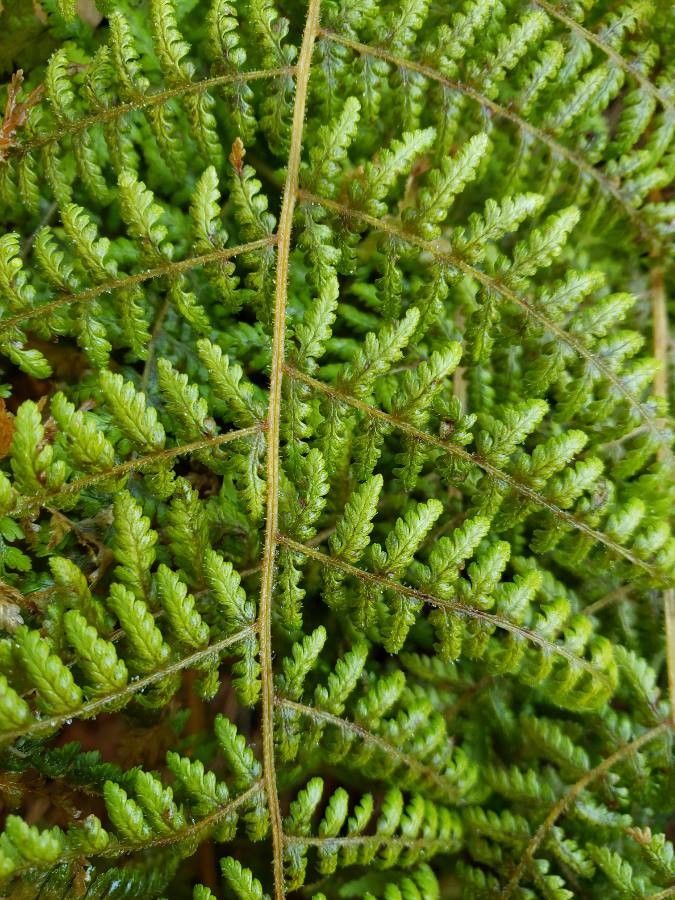
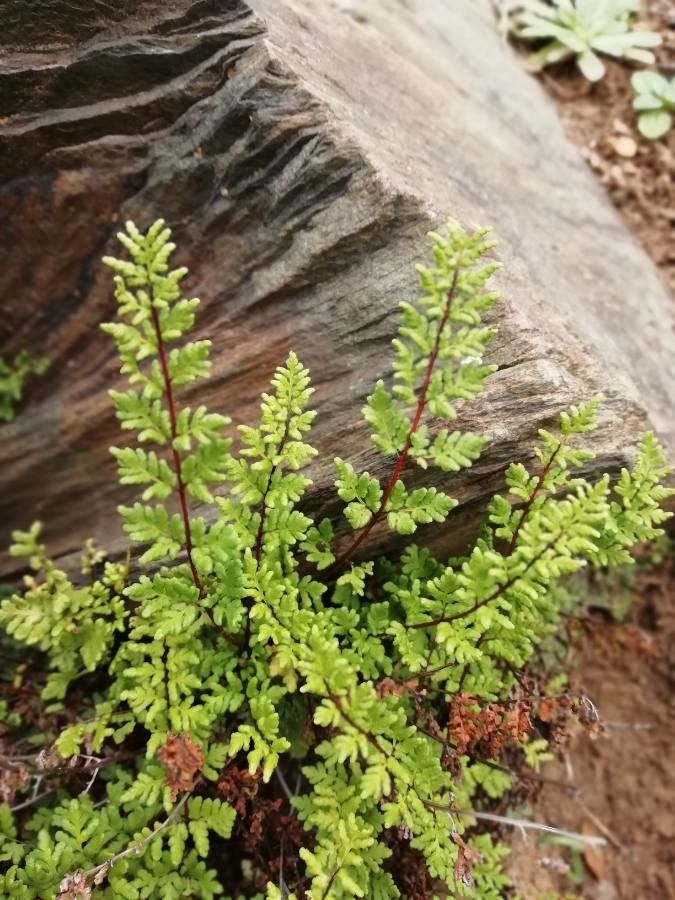
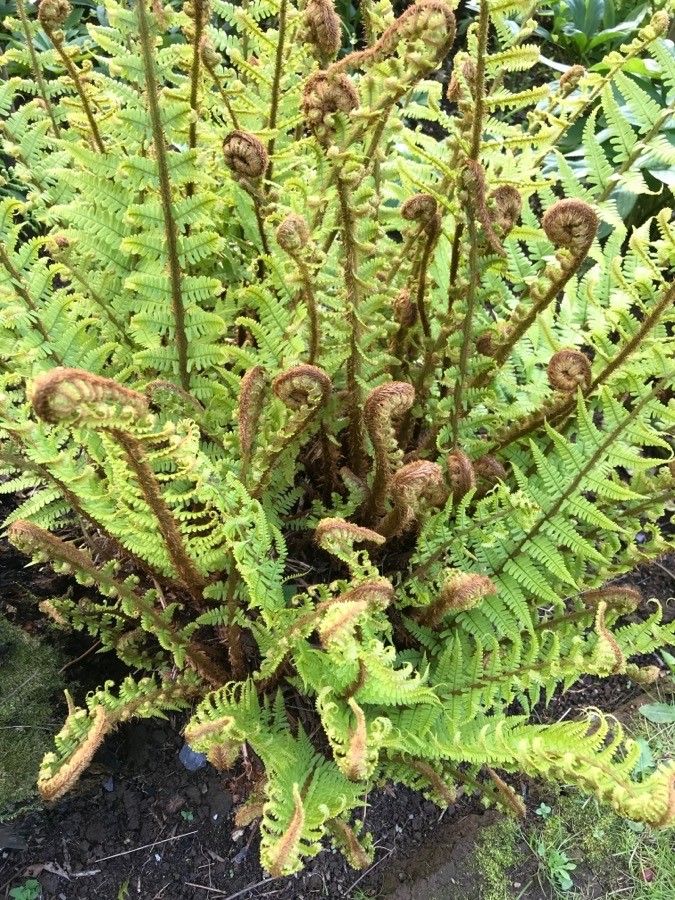
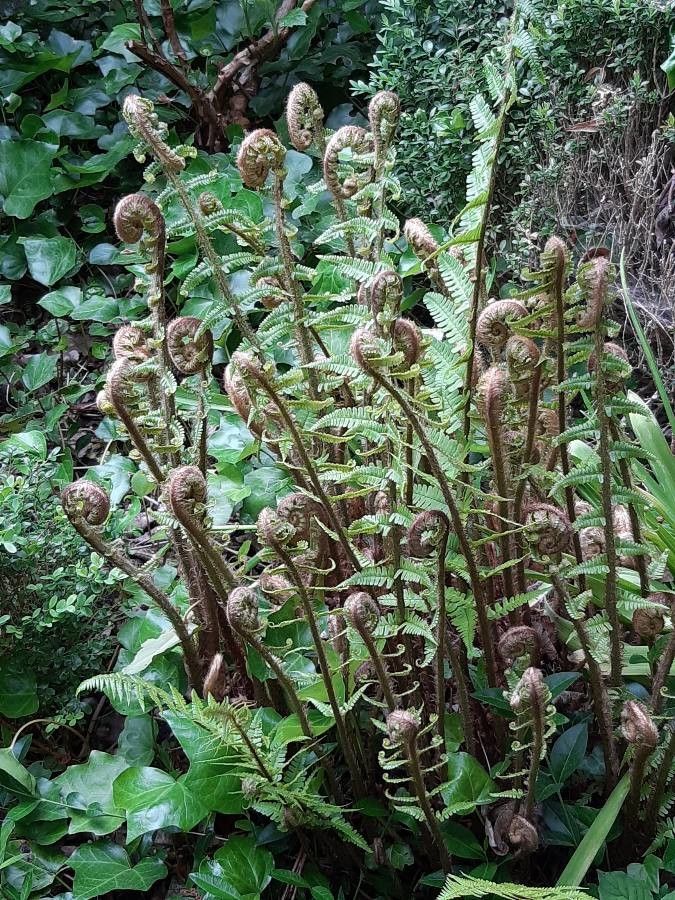
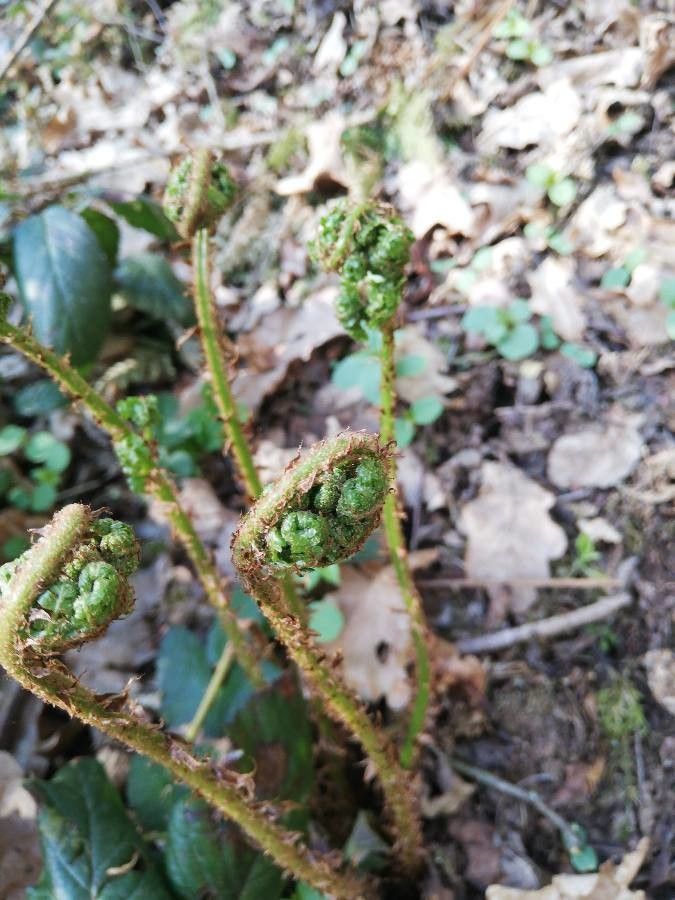
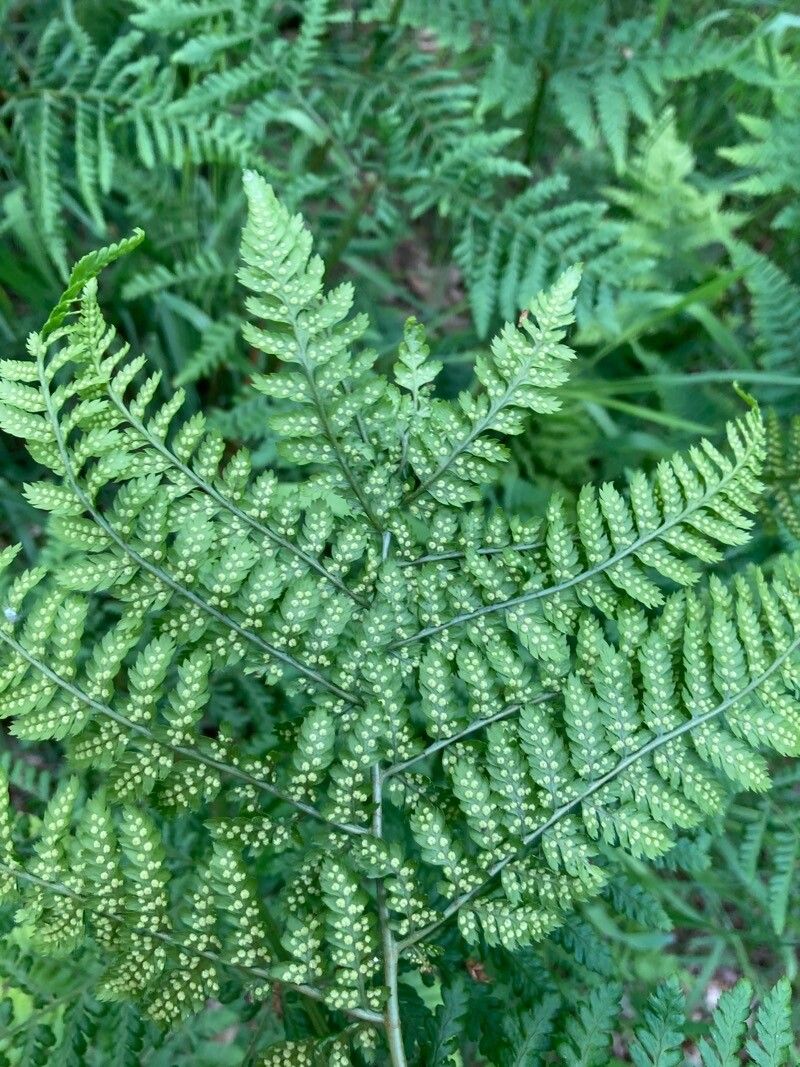
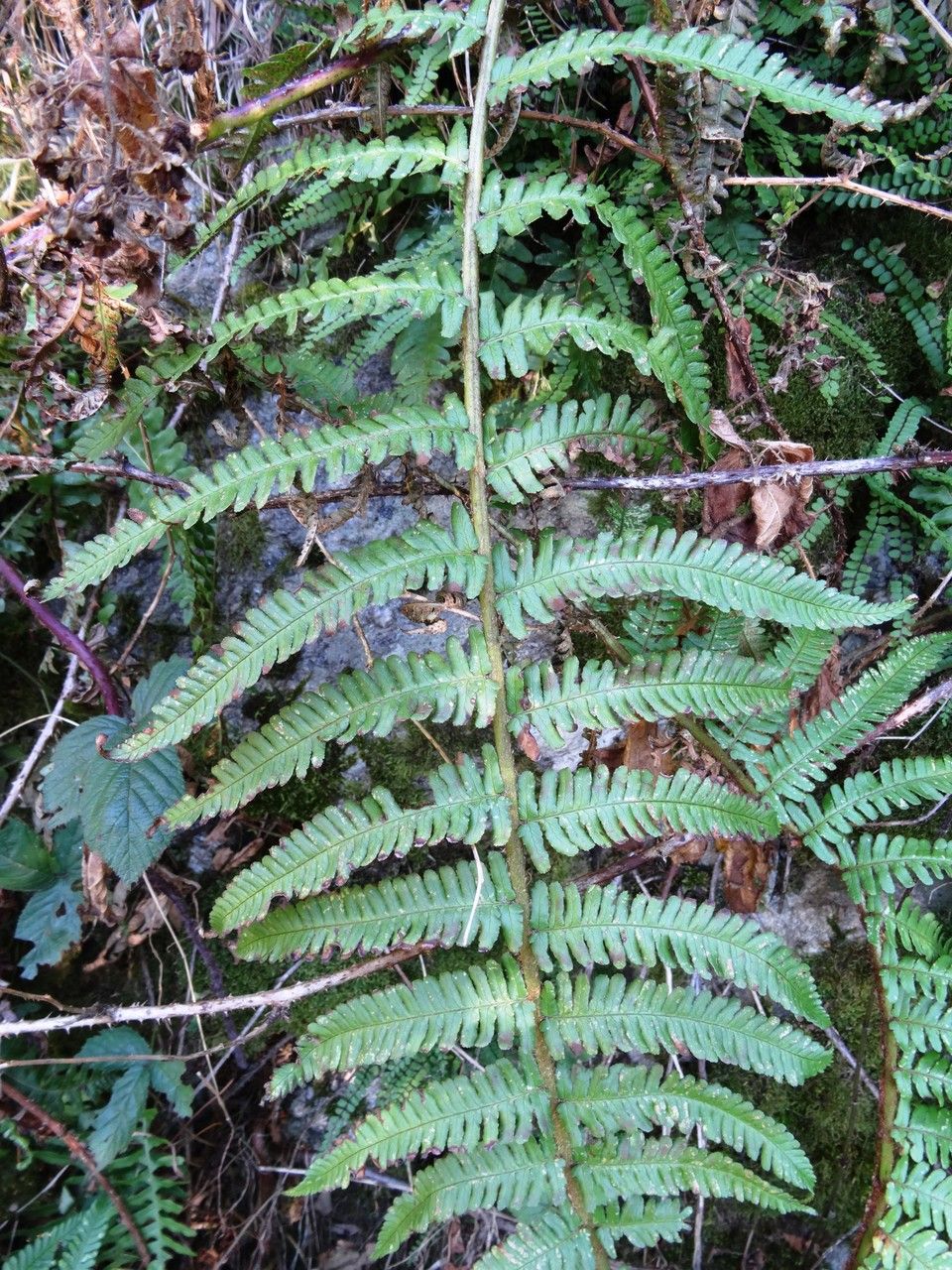
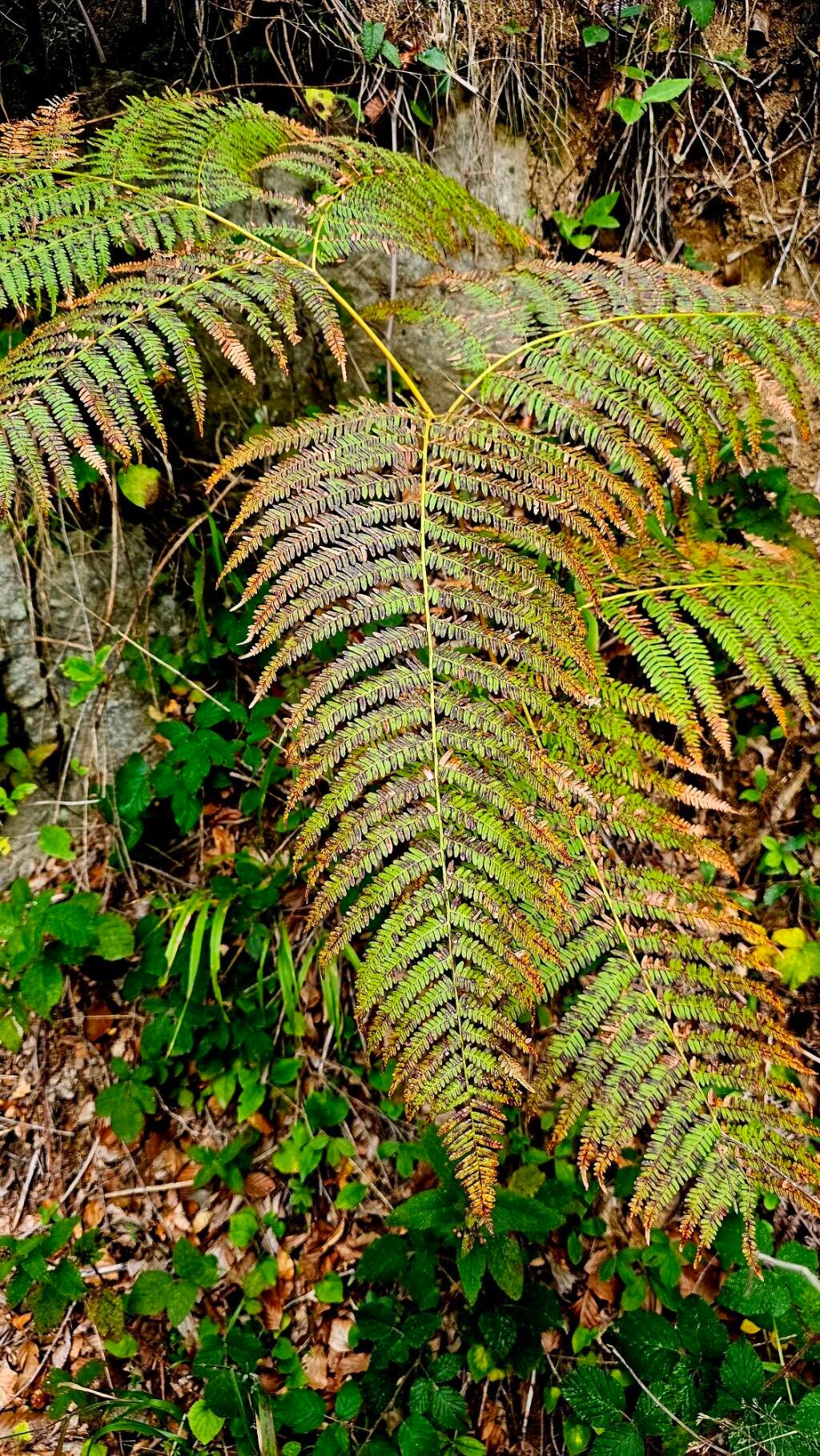
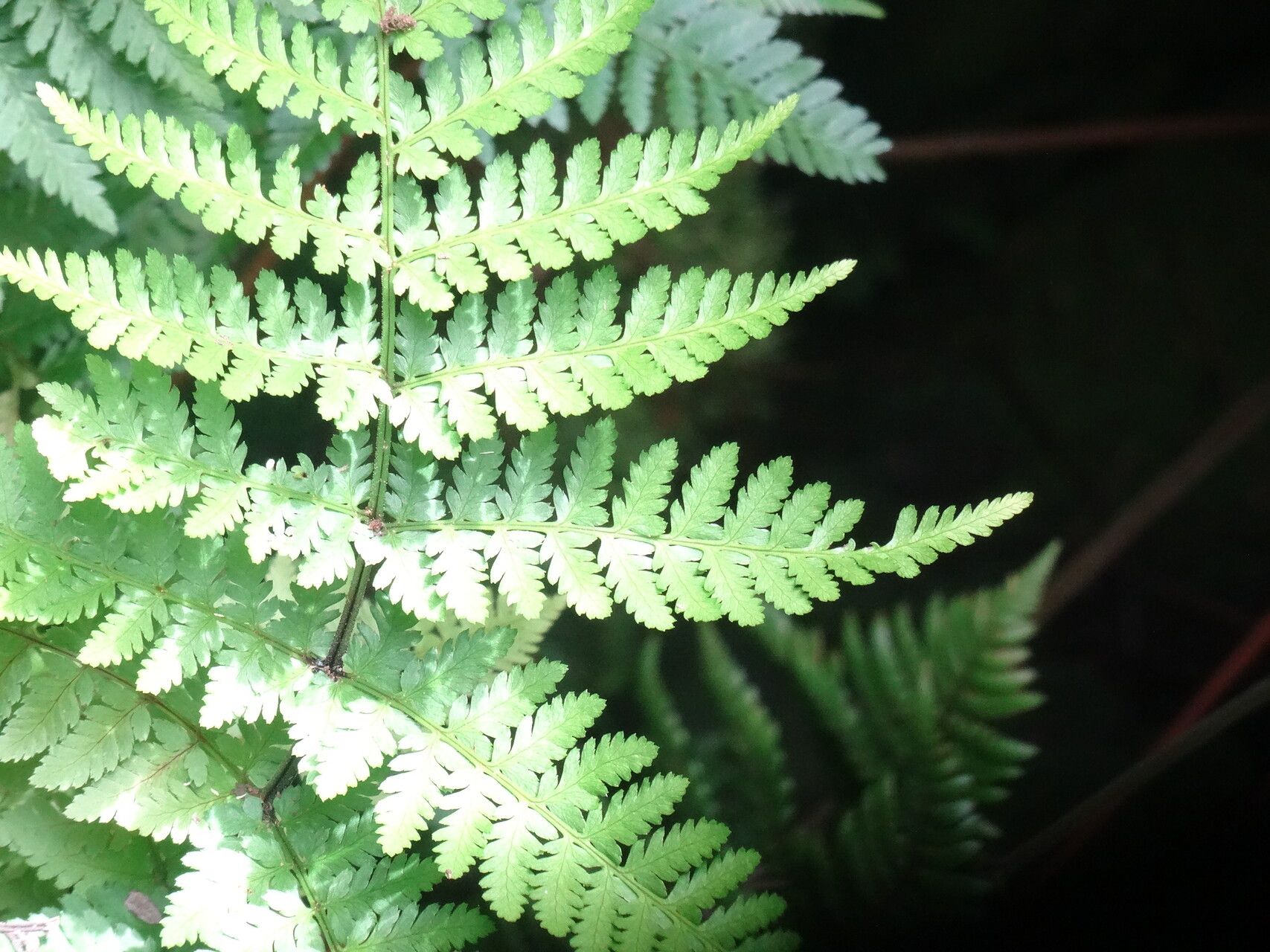
Dryopteris fragrans, commonly known as the fragrant woodfern, a circumboreal fern, is the smallest of the Dryopteris species. It can resemble Woodsia ilvensis in the wild, with which it shares the same habitat of rocky areas, shady cliffs, screes, and limestone talus. It typically will not reach more than 25 cm (9.8 in) in height, and accumulates dead fronds around its base.The name refers to an appealing fruity fragrance (which some liken to primrose) that is exuded by aromatic glands found on the surface of fresh fronds. Others say that it has a spicy odor when dry. The fronds were traditionally made into a tea, as well as used as bedding by Native Americans. Like many other ferns, and members of Dryopteris in particular, however, its plant material can potentially contain an antinutrient, thiaminase, as well as potentially cytotoxic compounds.
Fragrant wood fern has strong disease resistance and is typically not prone to illnesses. However, it can be affected by pests and diseases present in its environment. Such infections are usually mild. In terms of care, this plant needs moderate maintenance. It should be pruned regularly to maintain appearance and support healthy growth. Applying fertilizer can also encourage flowering. Fragrant wood fern is appropriate for anyone with an outdoor area, such as a garden or patio, and does not require extensive gardening experience. It may need extra attention when cultivated indoors.
How to keep Dryopteris Fragrans.
Light
The fragrant wood fern occurs naturally in places like forest understories and rocky areas, where it grows in natural shade. It prefers partial sun but can tolerate full sun or full shade, reflecting its versatile and hardy nature.
Water
Fragrant wood fern, native to shaded woodlands, thrives in consistently moist conditions and is moderately drought-tolerant. To keep the soil evenly damp, it's essential to water it once a week. As an evergreen plant, it requires attentive care during the growing season to maintain its lush foliage.
Temperature
Fragrant wood fern grows best in cold areas and at high altitudes. It prefers cool temperatures, good air circulation, and a moist environment. In summer, actions should be taken to keep it cool, since it is very sensitive to heat and can easily die from it. Dry conditions can also damage the plant. In winter, no special cold protection is necessary, but the soil should be kept moist.
Fertilizer
One fertilizer application in spring is generally enough for Fragrant wood fern, although multiple feedings can maximize growth. Feed every month to a month and a half. Fertilizing improves the leaves' appearance and function, helping maintain even color and a healthy texture. It also promotes root development and nutrient uptake for long-term plant health.
Pruning
To maintain the health and appearance of fragrant wood ferns, minimal pruning is recommended from early to late spring. Focus on removing dead or damaged fronds to promote good airflow and overall plant health. It's important to avoid heavy pruning, as this can cause stress to the plant. Regular maintenance helps preserve the fern's aesthetic appeal and encourages new growth, ensuring a lush and vibrant appearance.
Botanical profile.
- Plant Type
- Herb
- Life Cycle
- Perennial
- Genus
- Dryopteris
- Family
- Polypodiaceae
- Hardiness Zone
- 2-7
- Mature Height
- 8 cm to 30 cm
- Mature Spread
- 15 cm to 30 cm
- Leaf Color
- Dark Green, Forest Green
- Leaf Type
- Evergreen
- Planting Time
- Spring
- Native Area
- Russia, Kazakhstan, Denmark, Japan, Finland, Mongolia, Koppen, South Korea, China
Other names.
Reader questions.
What are the sunlight requirements for Fragrant Wood Fern (Dryopteris fragrans)?
The Fragrant Wood Fern (Dryopteris fragrans) has specific sunlight requirements to thrive. It prefers 'Full shade,' which means it should receive less than 3 hours of direct sunlight per day. However, it can also tolerate 'Partial sun,' meaning it can do well with about 3-6 hours of sunlight daily. It's important to observe how sunlight moves through your garden over the day. Properly positioning your Fragrant Wood Fern in spots that offer the right balance of light and shade is crucial for its growth and happiness. Remembering this will ensure your fern's health and vibrancy.
What is the Fragrant Wood Fern?
The Fragrant Wood Fern, known botanically as Dryopteris fragrans, is a species of fern recognized for its distinctive fragrance. Details about its essential characteristics, symptoms of diseases, or care instructions have not been provided.