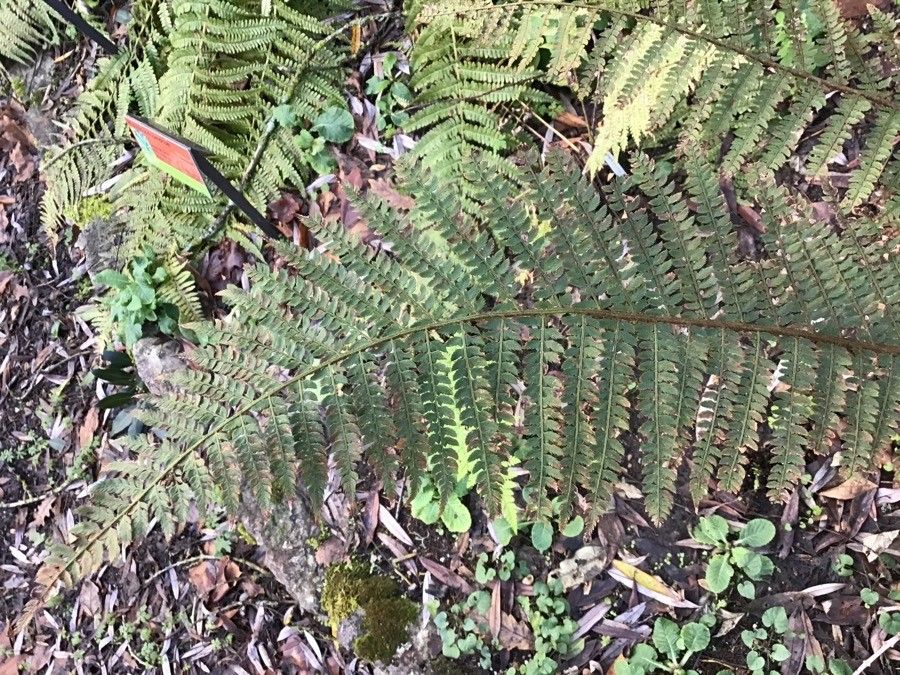
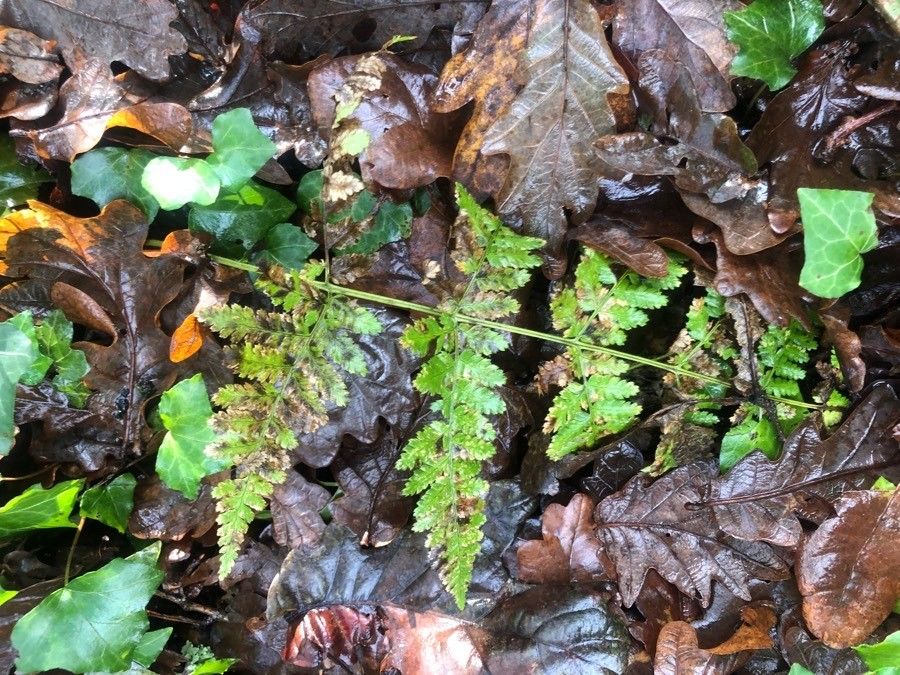
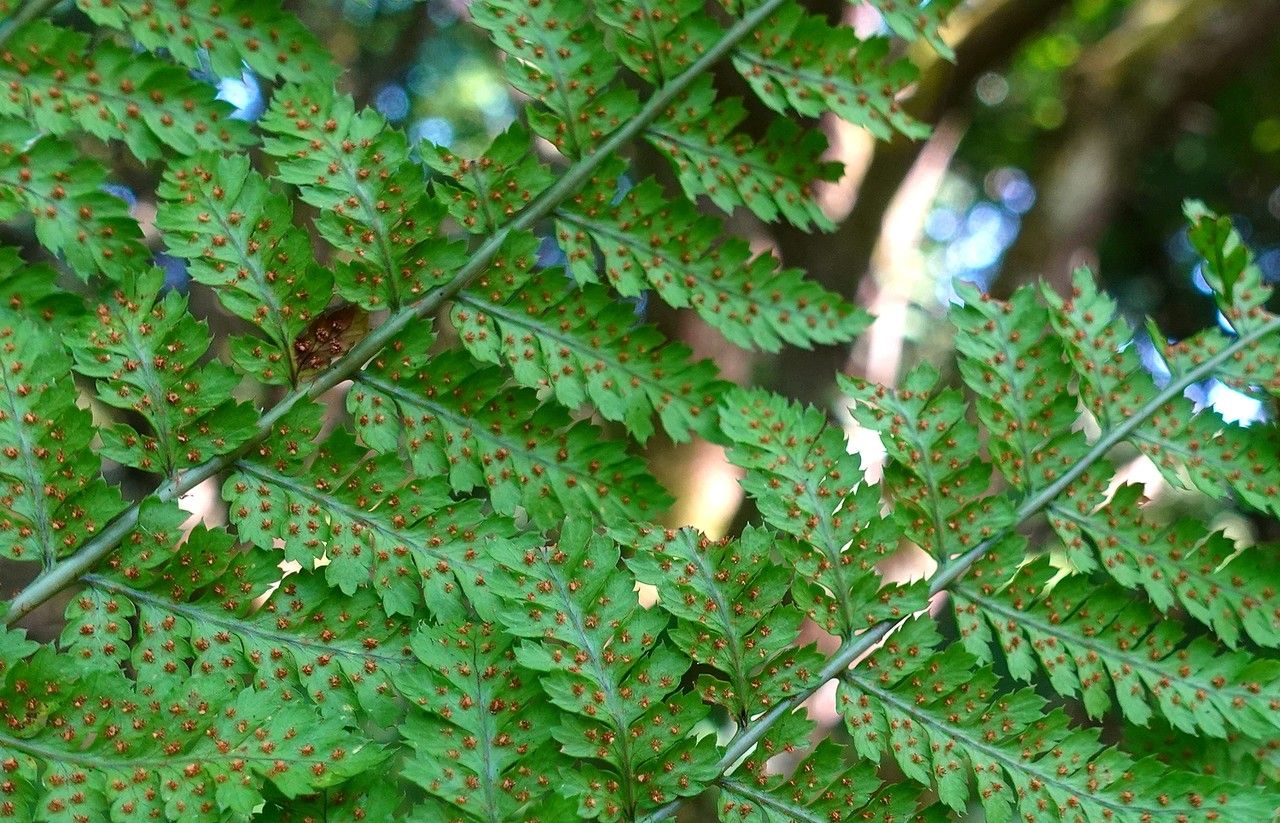
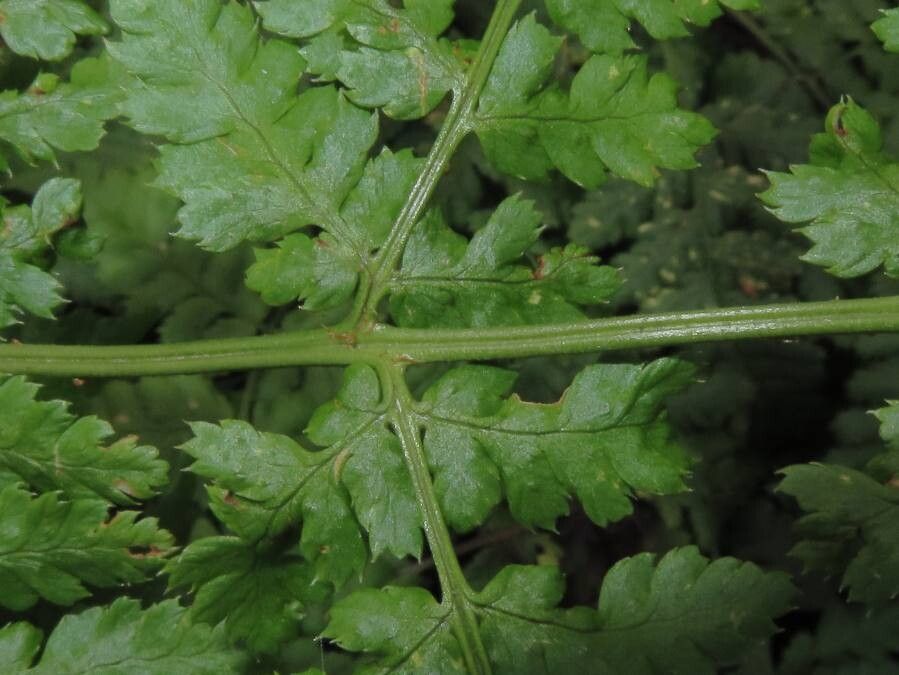
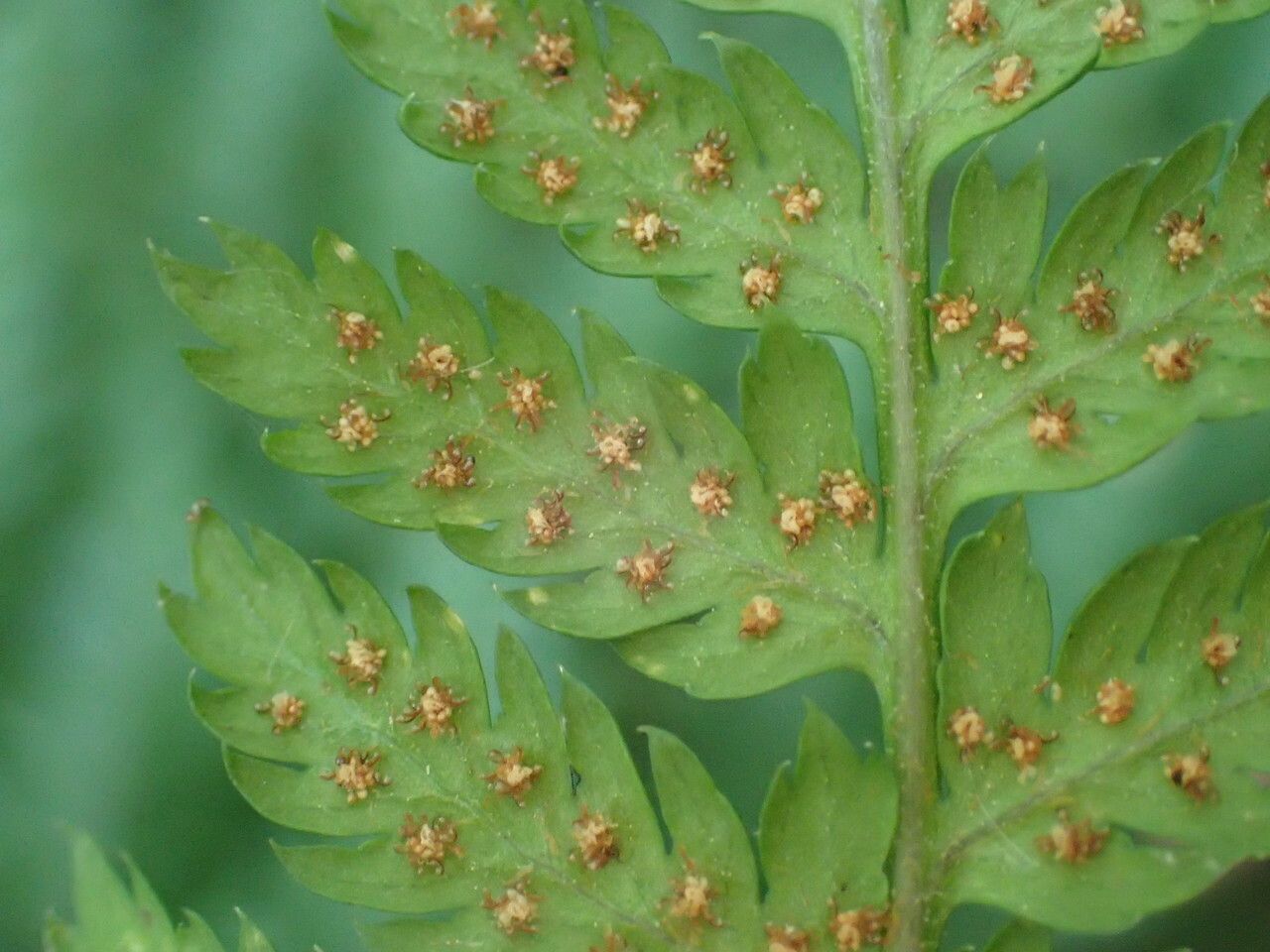
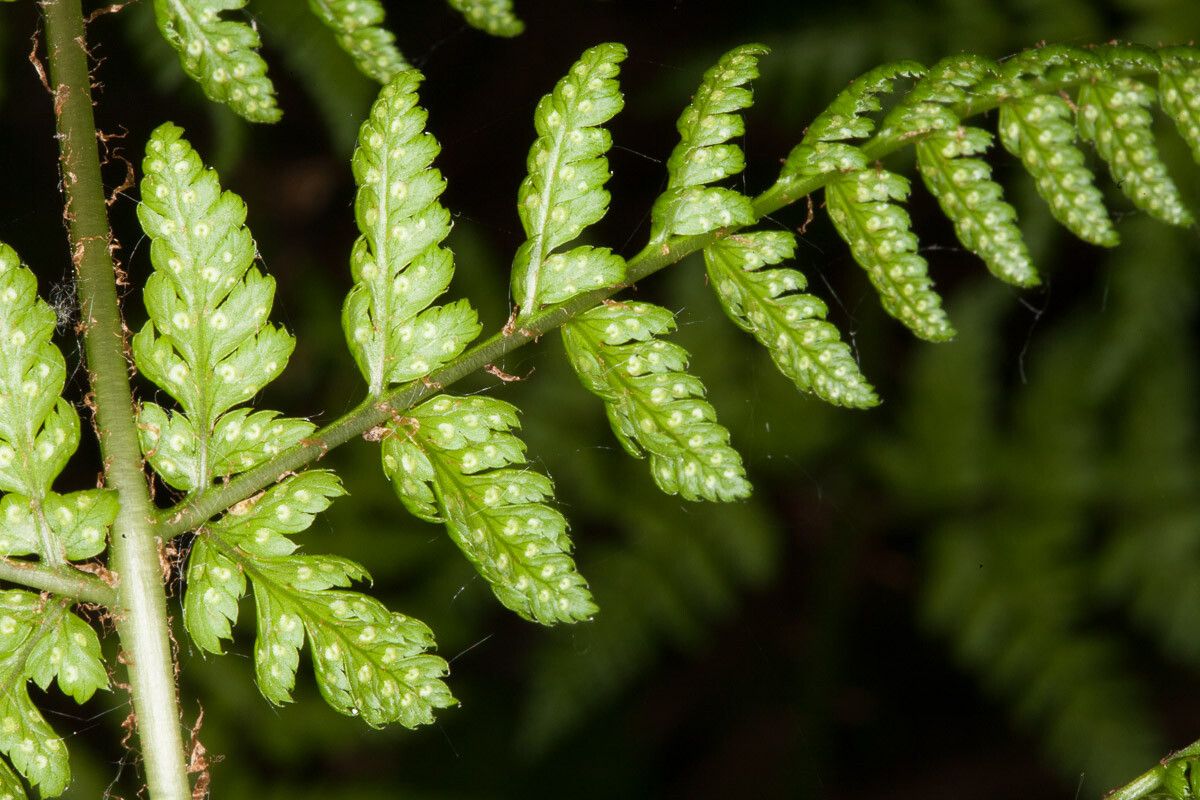
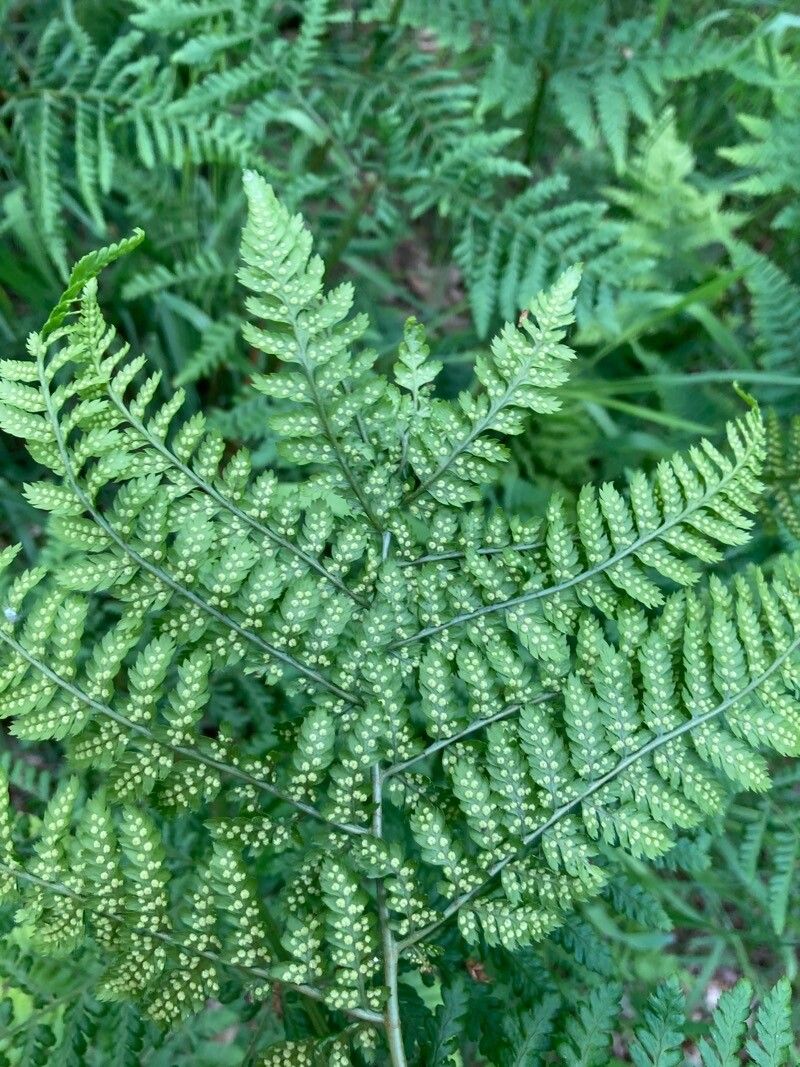
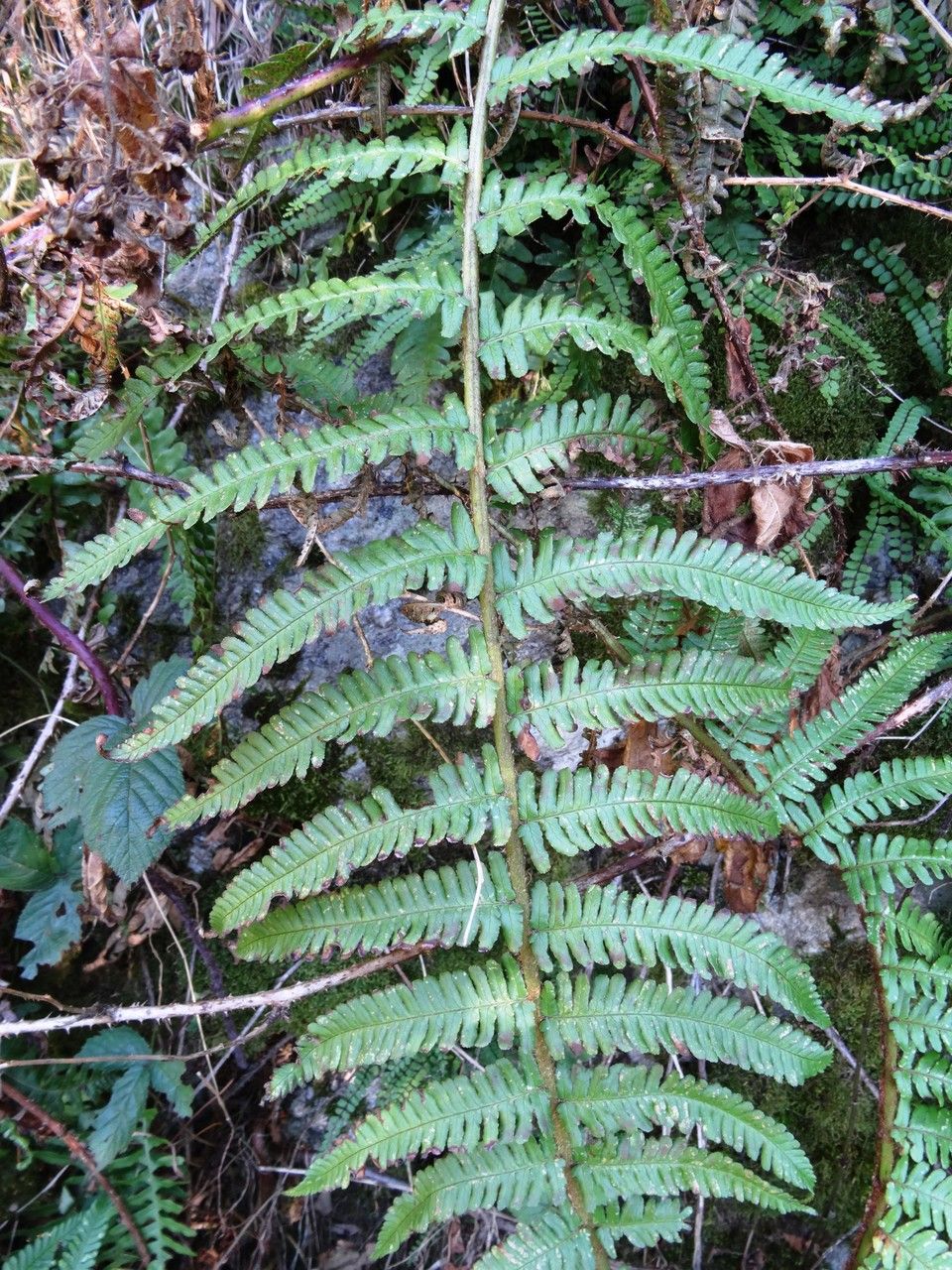
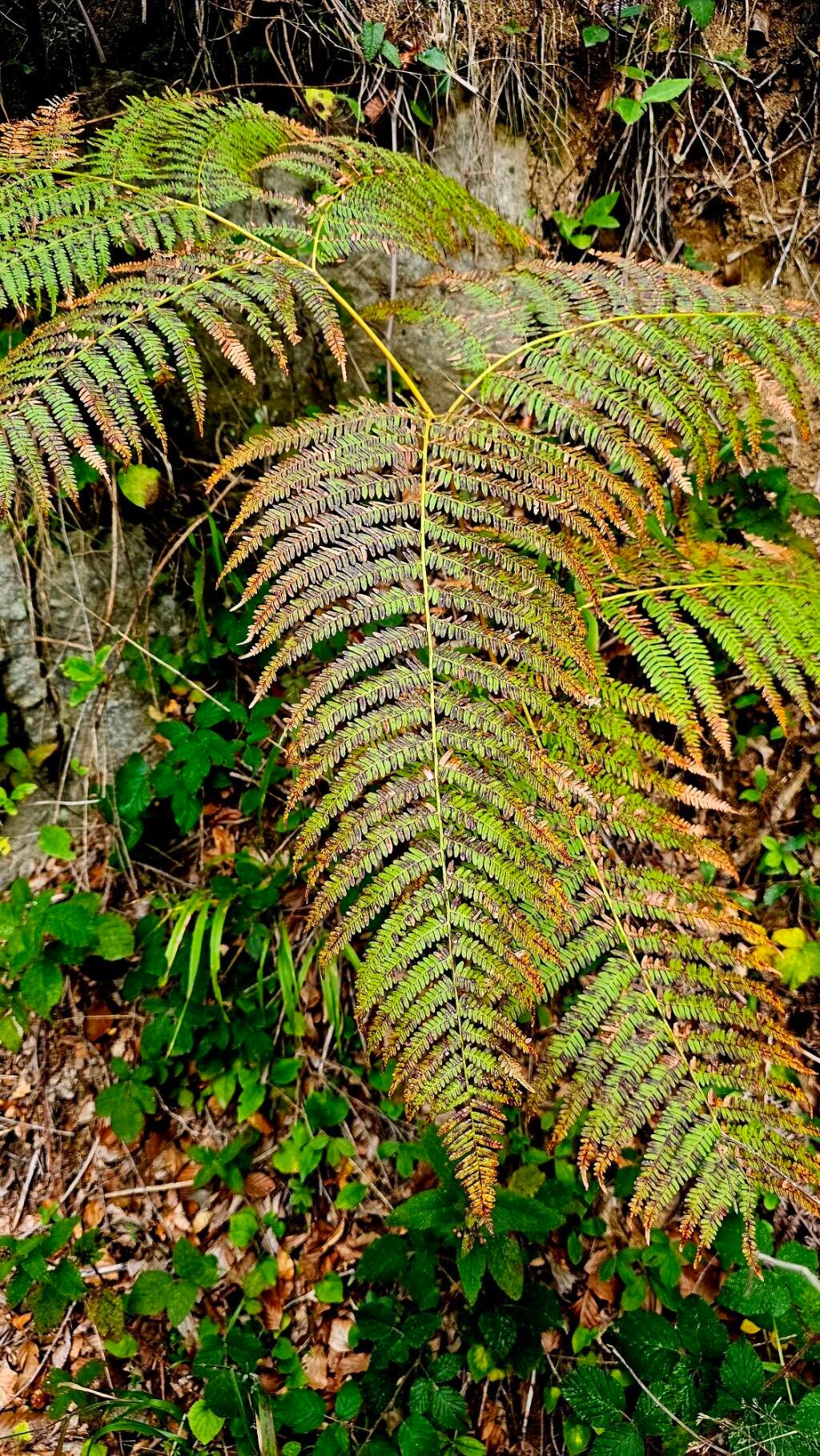
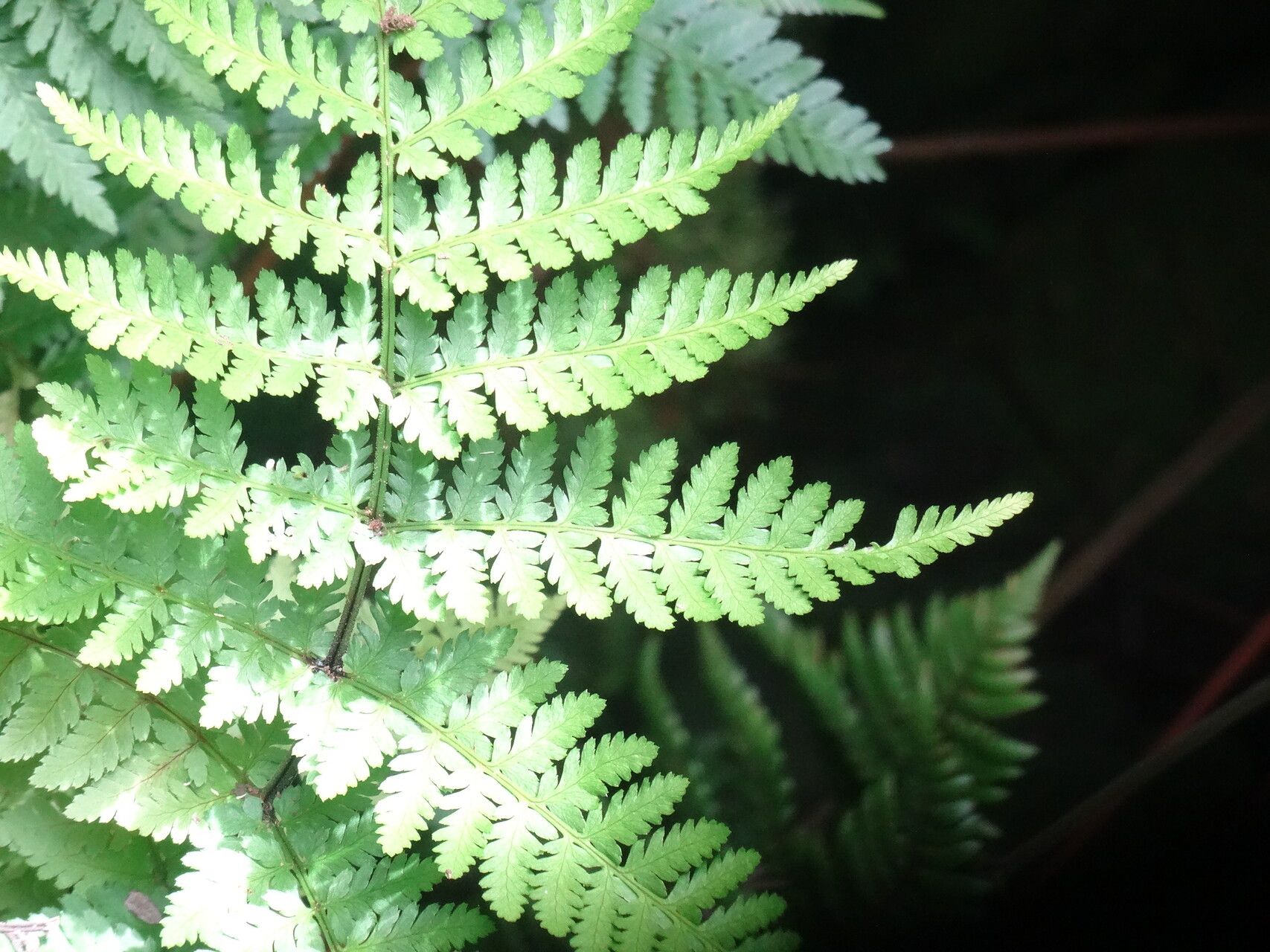
Dryopteris dilatata, commonly known as the broad buckler fern, is a species of fern native to Europe and Asia. This deciduous plant can grow up to 1.2 meters in height and features triangular fronds with finely divided leaflets. These fronds emerge from a central crown and are arranged in a circular pattern.
The broad buckler fern thrives in moist, shady environments such as woodlands, hedgerows, and damp meadows. While it can tolerate acidic soils, it does not grow well in alkaline conditions.
Historically, this plant has been used for medicinal purposes due to its anti-inflammatory properties. The leaves have been utilized to treat wounds and skin irritations.
Woodfern leaves resemble a squirrel's tail, with each leaf neatly arranged along the stem. The leaves gradually shorten as they extend from the base to the tip. This orderly arrangement of woodfern leaves can be quite soothing for those with obsessive-compulsive tendencies. FUN FACT · FROM THE LIBRARY
Ecologically, the broad buckler fern is significant for providing habitat to various insects, including moths and butterflies, which feed on its leaves or use it as shelter during their life cycle.
In summary, Dryopteris dilatata is an attractive ornamental plant with notable medicinal properties, and it plays an important ecological role by offering habitat to various insects.
Broad buckler fern typically resists disease well and faces relatively few insect pests. Its care is regarded as difficult because it needs a consistently moist environment and frequent watering. The roots, however, are vulnerable to rot if they are overwatered or the surroundings lack good ventilation. Broad buckler fern is appropriate for people with some growing experience, since most individuals can keep it alive for a certain amount of time. Even so, the plant may struggle to thrive and its leaves can dry out and become less healthy as time passes.
How to keep Dryopteris Dilatata.
Light
Broad buckler fern prefers moderate light where it can absorb some of the sun's warmth without exposure intense enough to scorch the leaves. It can cope in shadier spots, though too little sunlight may stunt its growth. Originally, broad buckler fern was even found in densely shaded habitats, highlighting its adaptability to low-light conditions.
Water
The broad buckler fern, native to the understories of temperate forests, thrives in environments with consistent humidity and regular moisture. Watering it twice a week and applying mulch to retain soil moisture is recommended. While typically grown outdoors, the broad buckler fern does best in shaded areas.
Temperature
Broad buckler fern is a plant that does best in environments with temperatures between 41 and 89.6 °F (5 to 32 ℃). Originating from temperate regions, it prefers warmth. In severe winters or extremely hot summers, seasonal temperature adjustments may be required to preserve the plant's health.
Fertilizer
To care for broad buckler fern, apply a high-nitrogen fertilizer at a quarter of its recommended strength monthly during the spring and summer to encourage frond growth. Be careful not to over-fertilize, as this can cause root burn, and reduce feeding during the plant's dormant period. Make sure to distribute the diluted fertilizer evenly around the plant to avoid toxicity.
Pruning
The Broad Buckler Fern benefits from early spring pruning of dead or damaged fronds, which helps to improve growth and air circulation. Light pruning promotes better nutrient distribution to the newer fronds, ensuring a healthy and lush appearance. This practice supports vigorous growth in the summer while maintaining the fern's easy-care nature.
Botanical profile.
- Plant Type
- Fern
- Life Cycle
- Perennial
- Genus
- Dryopteris
- Family
- Polypodiaceae
- Hardiness Zone
- 5-8
- Mature Height
- 61 cm to 91 cm
- Mature Spread
- 0.91 m to 1.22 m
- Leaf Color
- Green
- Leaf Type
- Semi-evergreen, Deciduous
- Bloom Time
- Spring
- Planting Time
- Spring
- Native Area
- Turkey, Sweden, Austria, Bulgaria, Poland, Greece, Belarus, Ukraine, Russia, Norway, Hungary, Germany, Portugal, Italy, Spain, Switzerland, Denmark, Mongolia, Finland, France, Iran, Albania, Ireland, United Kingdom, Romania, Belgium, Netherlands
Other names.
Reader questions.
What do I need to do if I give my Broad buckler fern too much or too little water?
Overwatering the Broad buckler fern is possible, especially if you leave it sitting in water or use a planter without drainage holes. This causes the roots to be unable to absorb nutrients and moisture, leading to potential fungal or bacterial diseases. Signs of overwatering include wilted and yellow leaves, drooping or soft stems. However, it's important to consider other causes for similar symptoms. On the other hand, underwatering the Broad buckler fern is a common mistake. Without vigilance, the plant can quickly become brown and crispy in dry conditions. In severe cases, it may appear completely dried up. However, there is a chance to revive it by removing the dead stems, watering thoroughly, and placing it back in its usual spot. Although it may take a few months to fully recover, proper care can eventually restore its size.
Why is it important to put fertilizer on my Broad buckler fern?
Fertilizing Broad buckler fern is crucial for its overall health and growth. By providing extra nutrients, you ensure the production of healthy new growth and support the well-being of existing foliage. Additionally, these nutrients help your plant defend against diseases and pests.
What are the sunlight requirements for a Broad Buckler Fern?
Broad Buckler Ferns require specific sunlight conditions to thrive. They do well in partial sun, receiving about 3-6 hours of sunlight daily. These ferns can also grow in full shade, where they get less than 3 hours of sunlight per day. It's vital to observe how sunlight moves through your garden to place these plants in spots with the ideal balance of light and shade. This careful placement ensures the plants' health and happiness.
What are the essential care requirements for Broad buckler fern?
Broad buckler fern thrives in temperatures ranging from 41 to 89.6 °F (5 to 32 °C) and is native to temperate climates, where it prefers warmth. Despite its strong cold resistance, if winter temperatures are expected to fall below -25°C, it is advisable to protect the plant by covering it with soil or straw. Additionally, watering the plant abundantly before the first freeze in autumn is recommended to ensure the soil remains moist and enters a frozen state, which helps prevent drought and water scarcity during winter and early spring.
How do I water my Broad buckler fern correctly?
To best care for your Broad buckler fern, it is important to keep the soil consistently moist, resembling its natural environment. This may require watering every one or two days. It is crucial to prevent the plant from becoming dry, so pay attention to the top layer of soil. As soon as it starts to feel slightly dry, it's time to water again. When watering, make sure to thoroughly soak the soil until water drains from the bottom of the pot. Afterward, remove any excess water to avoid the pot sitting in a puddle. This method will effectively prevent the soil from becoming overly dry.
When should I fertilize my Broad buckler fern for the best results?
The feeding schedule of Broad buckler fern depends on where it is growing. Although not very hungry, this plant does need some extra nutrients. For outdoor plants, fertilizing once in the spring is enough. On the other hand, indoor specimens should be fed monthly, starting in the spring and continuing throughout the summer.
Can Broad Buckler Ferns grow in artificial lighting?
Yes, Broad Buckler Ferns can grow under artificial lighting, which is particularly useful when natural sunlight is insufficient, such as in winter or in less sunny spaces. For optimal growth under artificial light, follow these guidelines: choose LED lights for their customizable wavelengths; for full sun plants, provide 30-50W per square foot, for partial sun plants 20-30W per square foot, and for full shade plants 10-20W per square foot. Place the light source 12-36 inches above the plant and mimic natural daylight hours, usually 8-12 hours per day, to promote healthy growth.
How does low temperature affect Broad buckler fern and what are the solutions?
Broad buckler fern is cold-tolerant, best thriving when the temperature is above 5°C and it should be kept above -20°C during winter. If temperatures fall below -25°C, there may be a noticeable decrease in sprouting or even a complete lack of sprouting come springtime. The recommended solution for affected plants in spring is to remove any parts that have failed to sprout.
What do I need to think about when watering my Broad buckler fern?
The frequency of watering your Broad buckler fern depends on the humidity level in the air. Higher humidity means less frequent watering. Avoid placing the plant near vents as it can dry out quickly. Place it in a location protected from drafts. The fern prefers dappled and indirect sunlight with temperatures between 55-80 degrees F (13-27 degrees C). Direct sunlight and warm spots like a windowsill can dehydrate it quickly. Rainwater or distilled water is ideal, but tap water usually works fine. Tap water may cause brown leaf tips due to minerals and chemicals. Small pots can cause issues as they dry out quickly. Give the plant more space in the pot. Consider using a self-watering planter for a Broad buckler fern. This pot continuously provides moisture to the soil, keeping it consistently moist. It saves you from constant watering and benefits the roots by maintaining a constant water supply.
When is it best to not fertilize my Broad buckler fern?
To ensure healthy growth of your Broad buckler fern, it's important to consider the timing of fertilization. Avoid fertilizing after early autumn as this can lead to excessive growth before winter. Additionally, refrain from fertilizing during hot and dry periods, as dry soil is less effective in delivering nutrients. Fertilizing during this time can prompt further growth which may require more water than is available. It is recommended to apply fertilizer earlier in the season when temperatures are cooler. Lastly, be cautious not to inadvertently over-fertilize the fern by applying fertilizer to nearby plants or lawns as Broad buckler ferns can absorb nutrients from their surroundings.
What are the signs of insufficient light for Broad Buckler Fern?
Signs of insufficient light in Broad Buckler Ferns include smaller new leaves, leggy or sparse growth, faster leaf drop, slower or halted new growth, and lighter-colored new leaves. These symptoms indicate the plant is not receiving enough sunlight, and it may enter a survival mode, conserving resources and delaying growth. Chlorosis, sunscald, leaf curling, wilting, and leaf scorching are additional symptoms that can occur due to inappropriate light conditions, either too little or too much sunlight.
How does high temperature affect Broad buckler fern and what are the solutions?
During summer, it is important to keep Broad buckler fern's temperature below 32°C. Exceeding 35°C can result in lighter-colored leaves that are prone to curling and sunburn. To mitigate this, trim away sunburned and dried-up parts. Moving the plant to a shadier location or using a shade cloth can protect it from the harsh midday and afternoon sun. Ensuring the soil remains moist by watering the plant in the morning and evening is also beneficial.