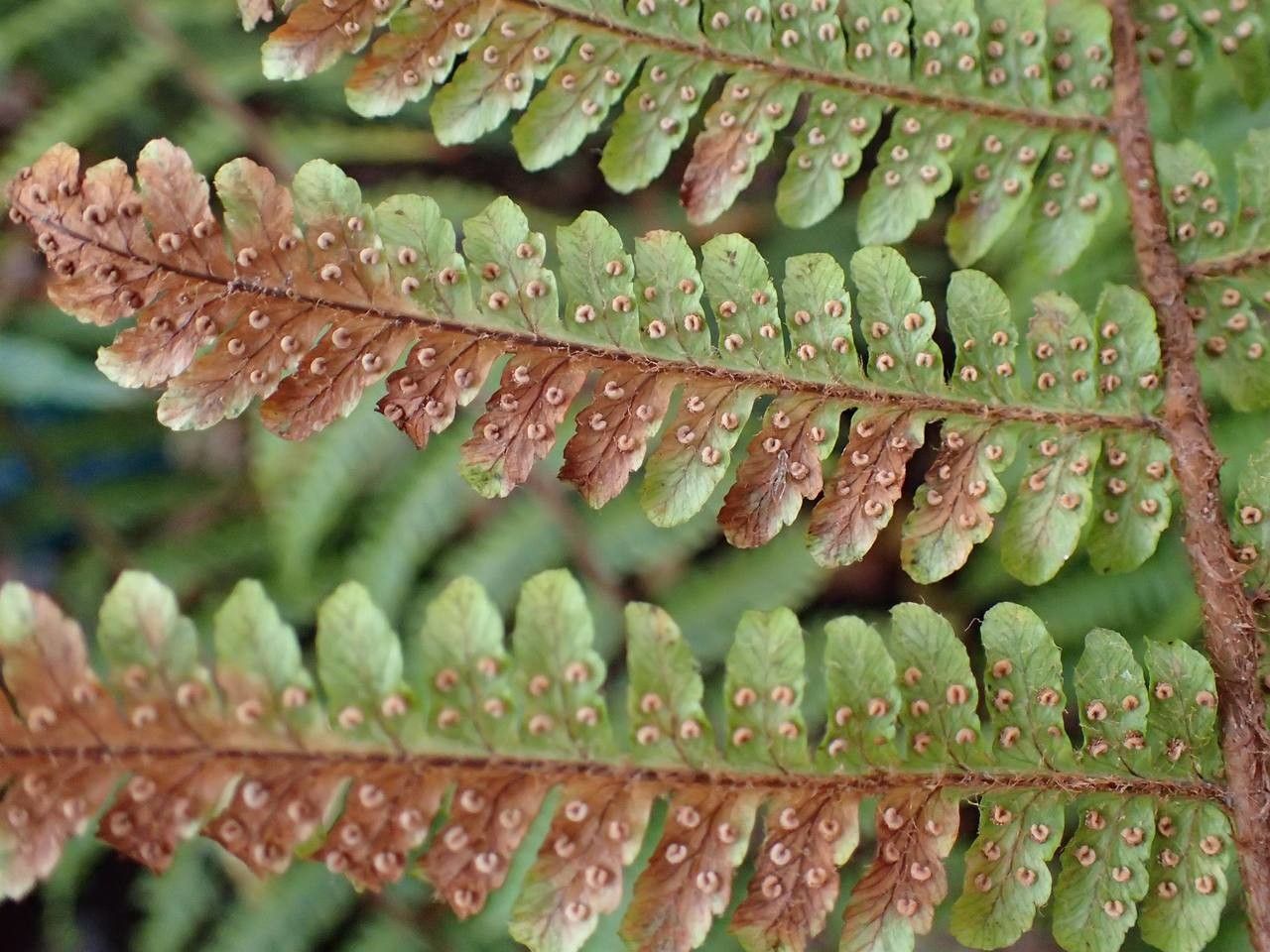
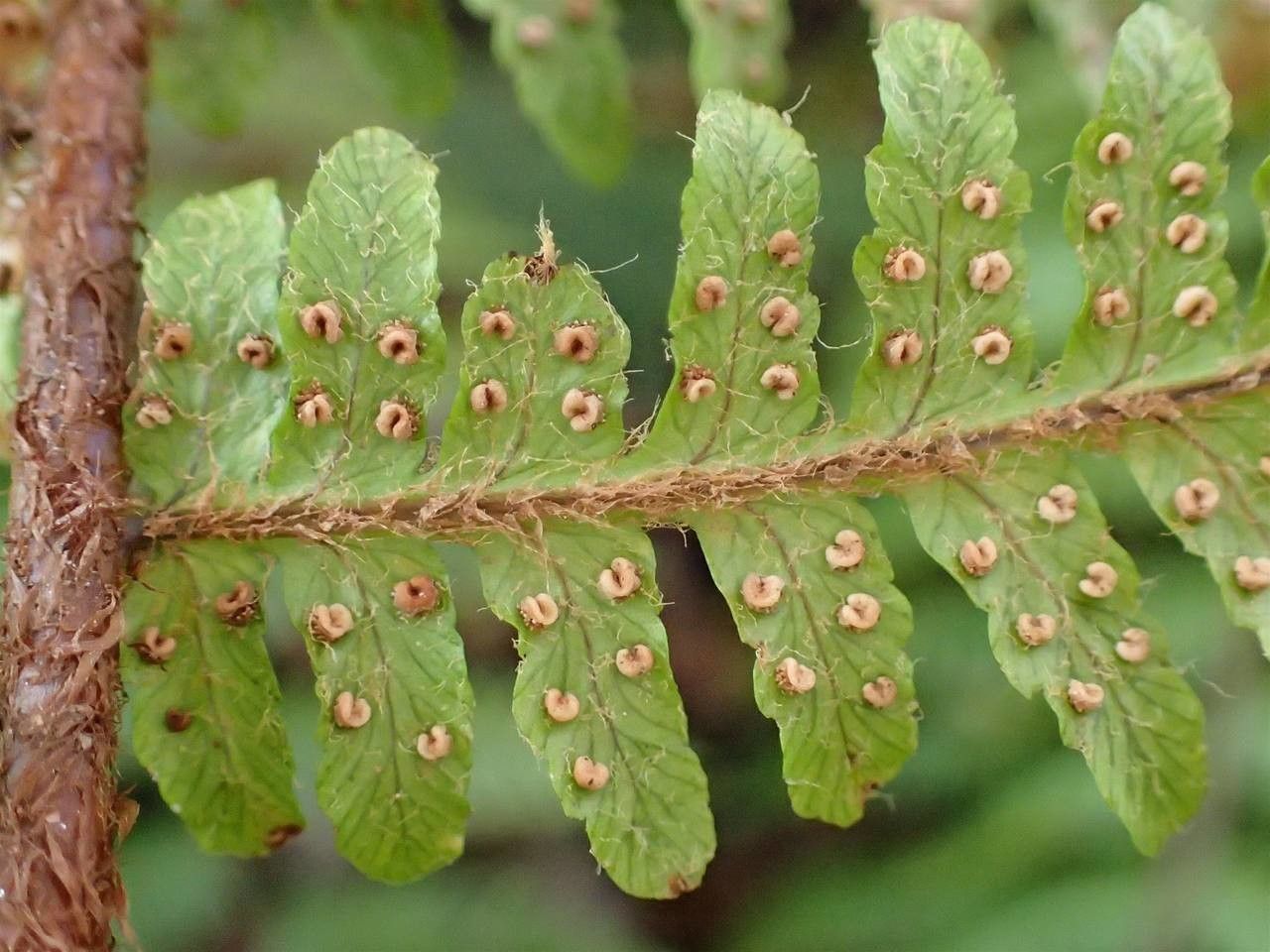
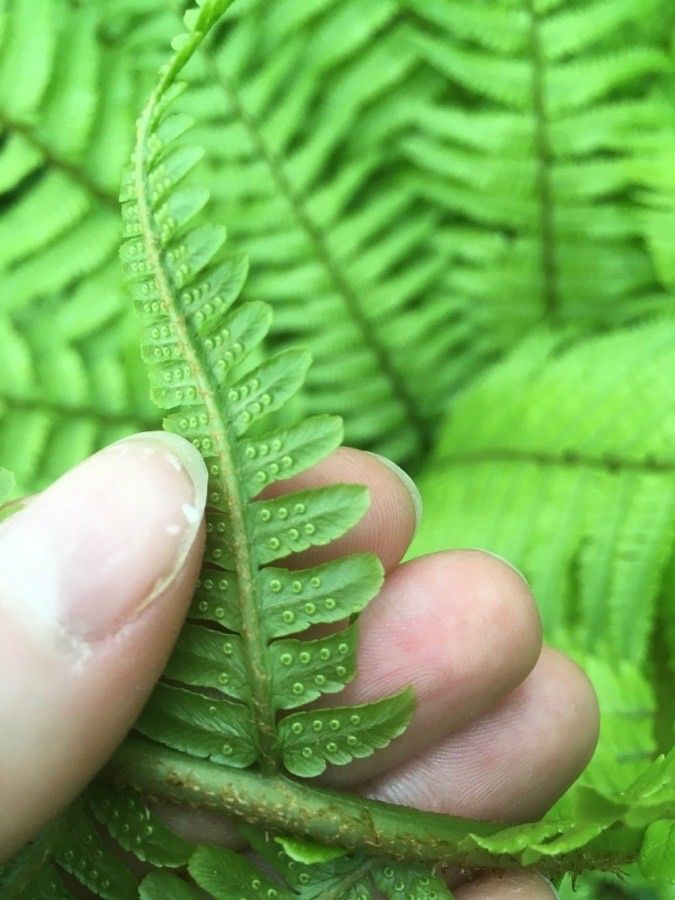
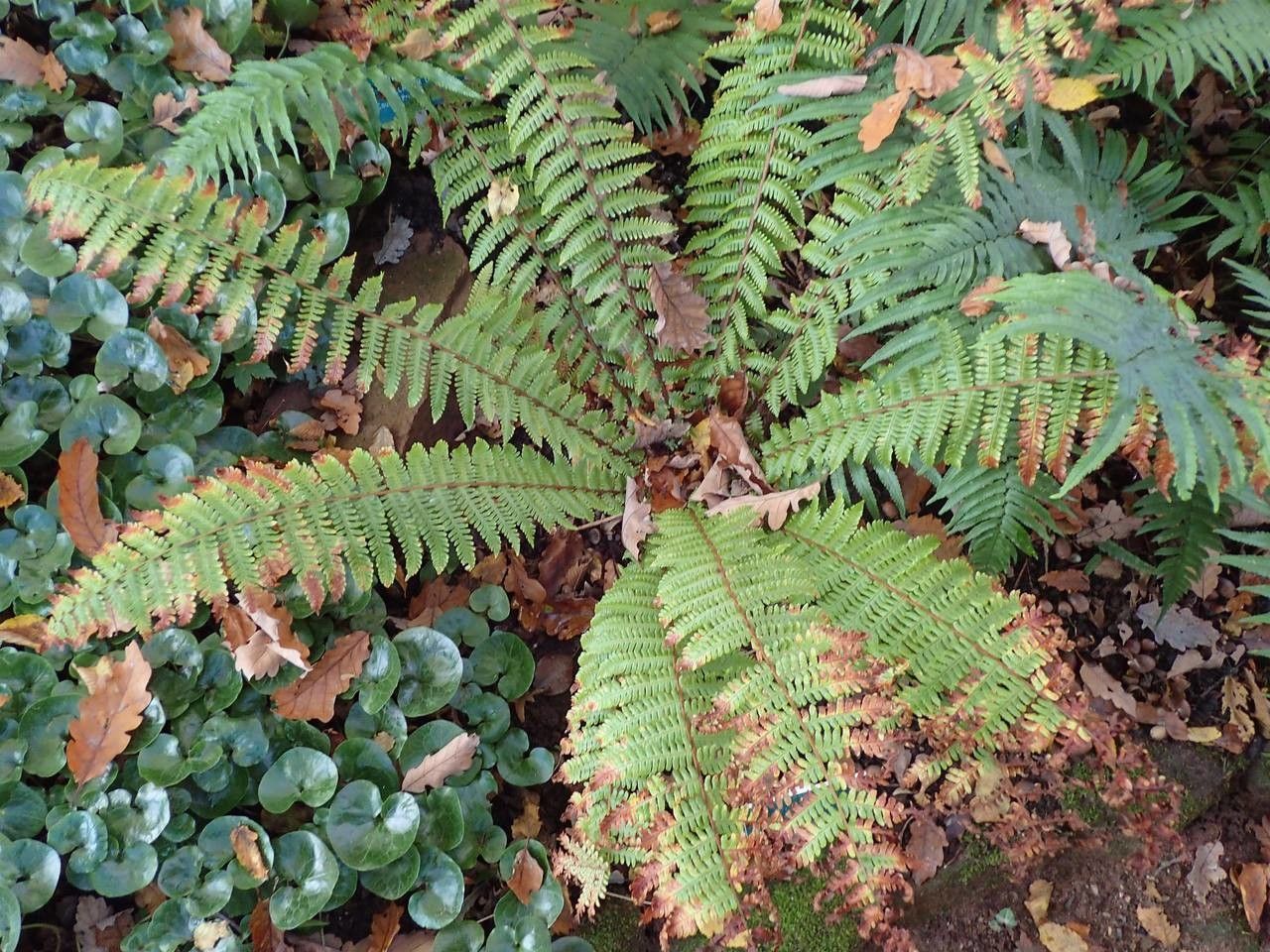
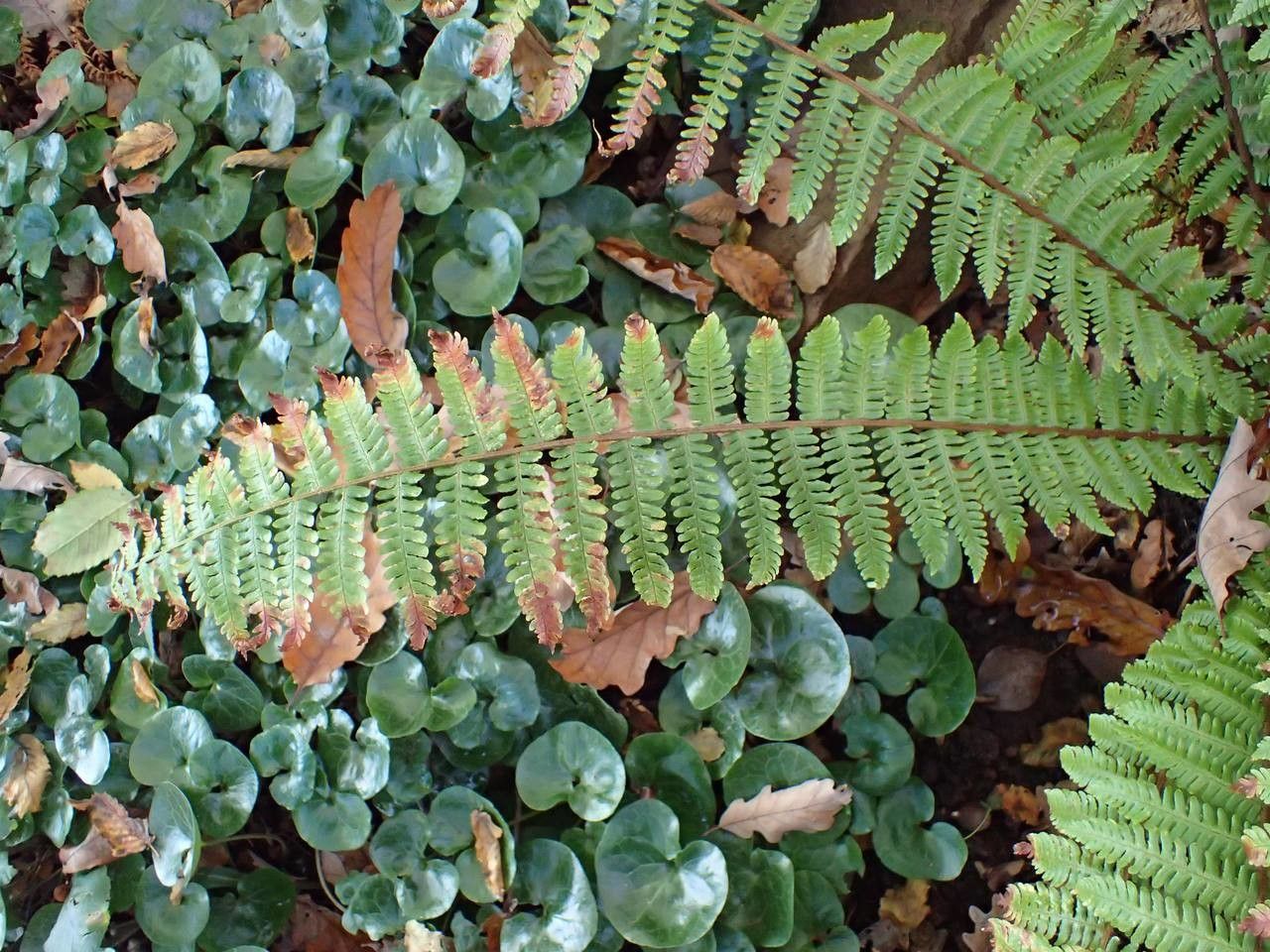
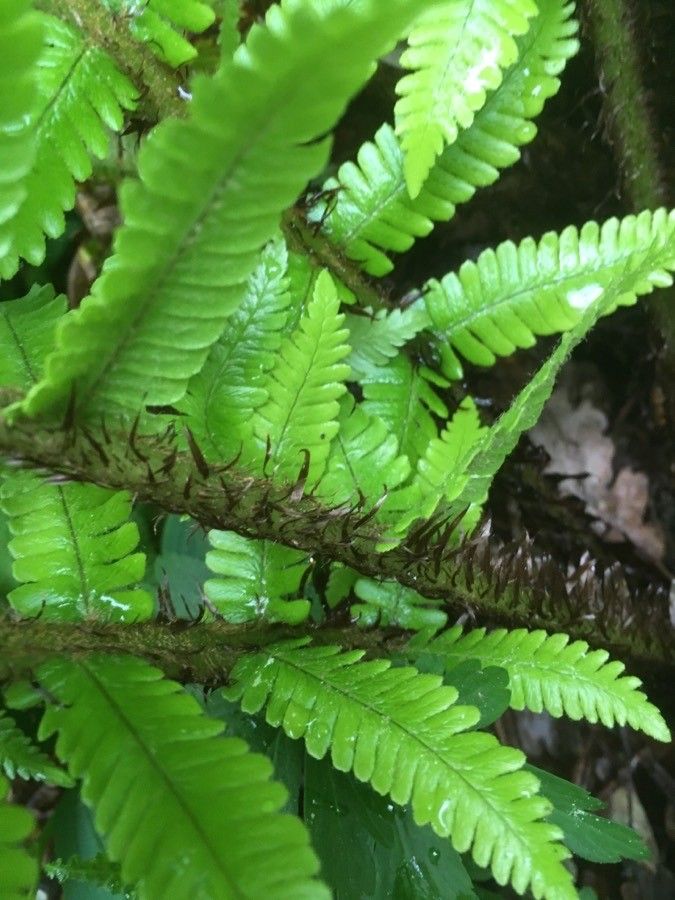
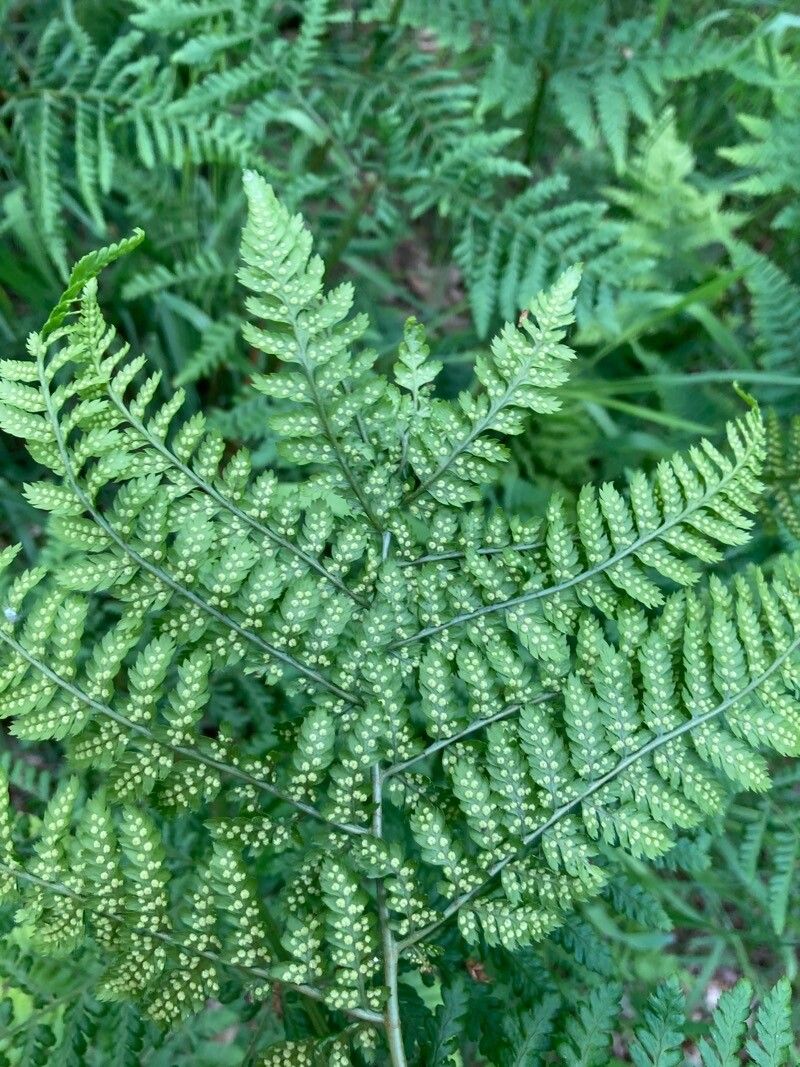
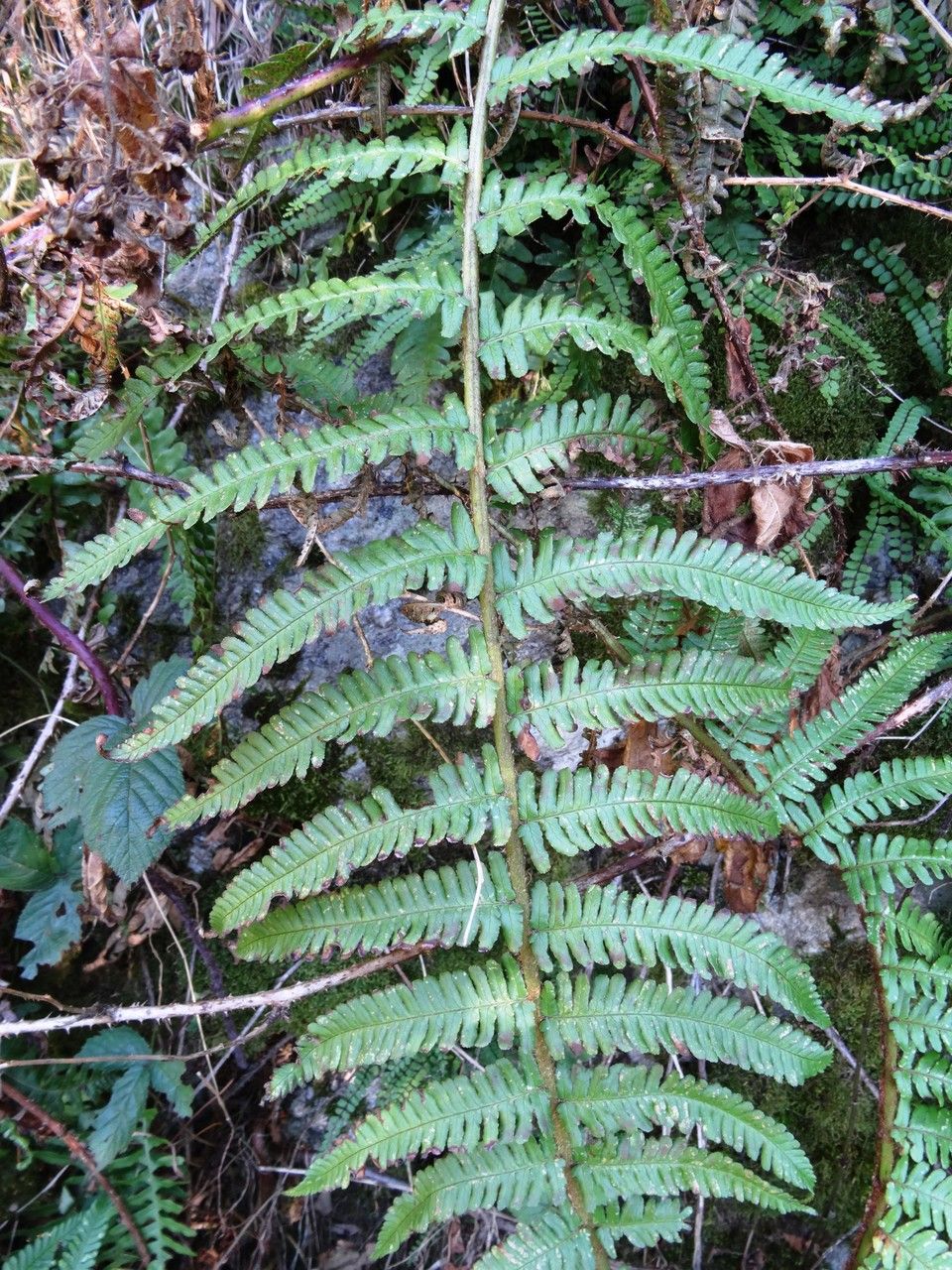
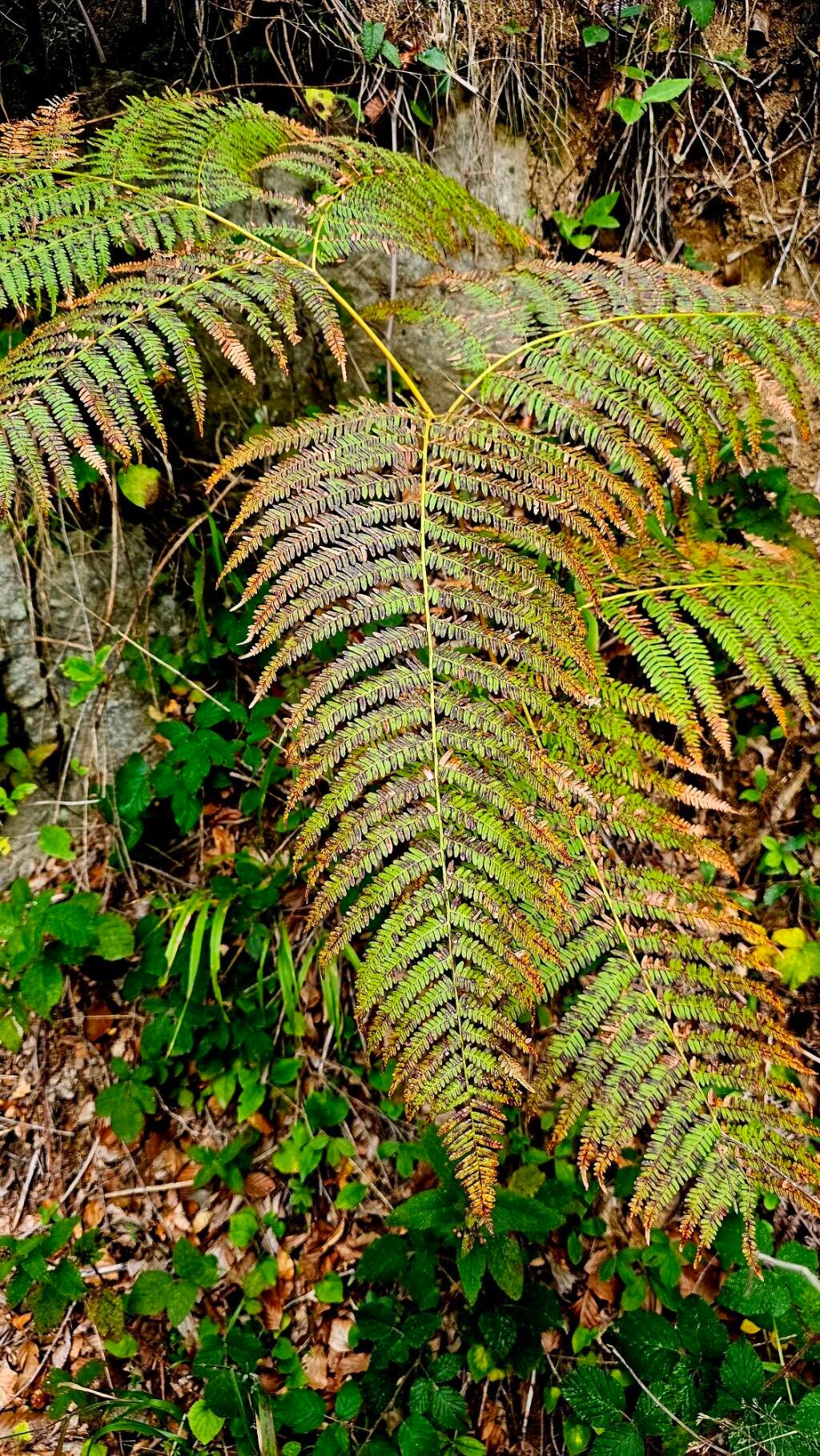
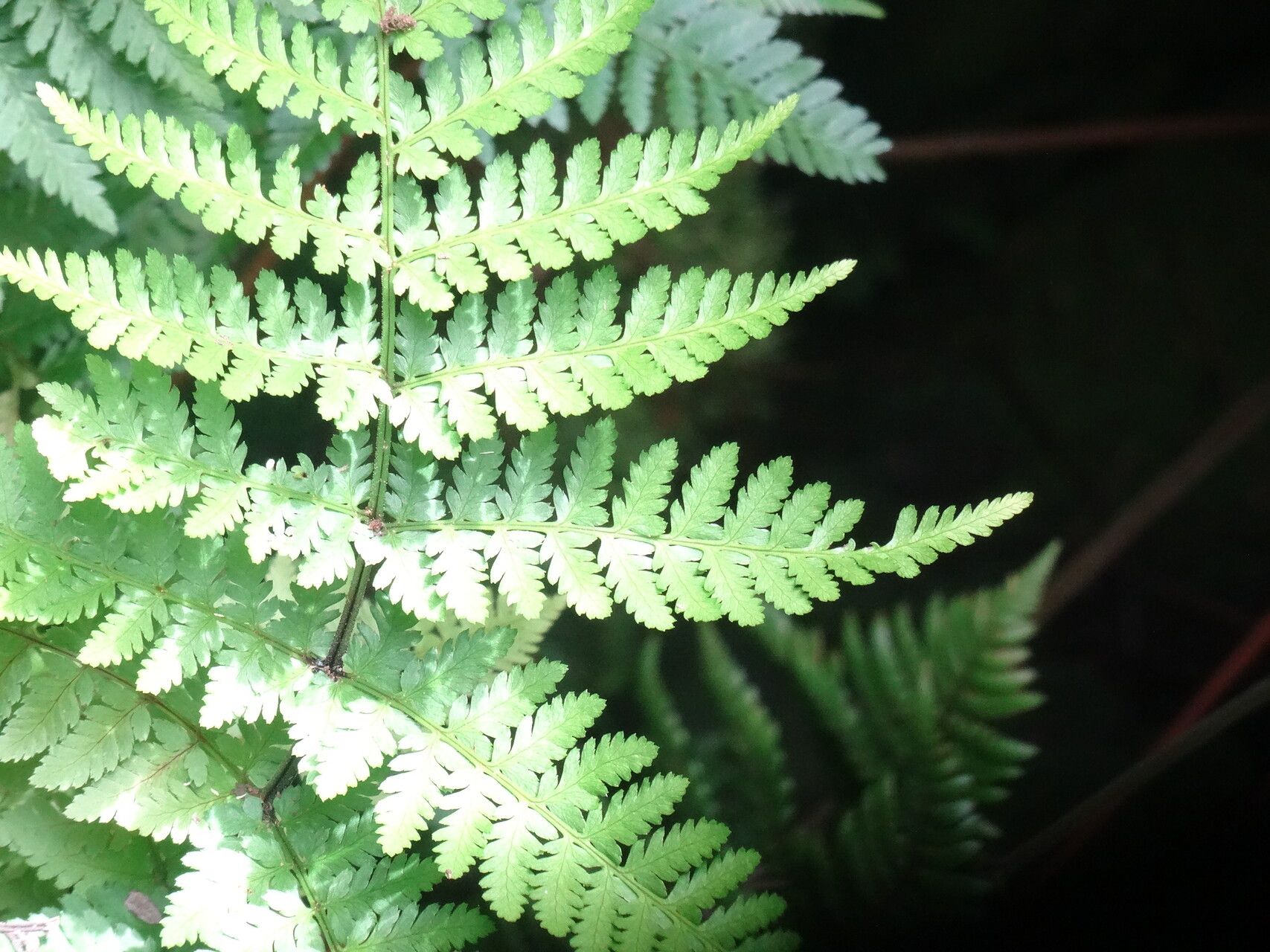
Dryopteris crassirhizoma is a fern species in the wood fern family Dryopteridaceae. This semi-evergreen fern grows to 1 m (3.3 ft) tall and broad, with narrowly-divided fronds growing in a vase-like shape from a central crown, which is brown in colour.It has gained the Royal Horticultural Society's Award of Garden Merit.The acylphloroglucinols (flavaspidic acids) isolated from D. crassirhizoma show in vitro antibacterial and fatty acid synthase inhibitory activity. Also, the constituents sutchuenoside A and kaempferitrin have in vivo antiparasitic activity.
Thick-stemmed woodfern is generally resistant to disease and is affected by relatively few insect pests. Its care is regarded as difficult because it needs a consistently moist environment and frequent watering. However, the roots can rot if the plant is overwatered or kept in poorly ventilated conditions. Thick-stemmed woodfern is best suited to people with some growing experience; most people can keep it alive for a period of time. Still, it may struggle to thrive, and its leaves can dry out and become less healthy over time.
How to keep Dryopteris Crassirhizoma.
Light
Thick-stemmed woodfern hails from habitats such as forest understories or rocky sites that provide natural shade. It prefers Full Shade, though it can tolerate Partial Sun.
Water
Thick-stemmed woodfern thrives in moist, shaded environments where it can enjoy consistent moisture and moderate humidity. To maintain its lush foliage, it's best to water it twice a week. This plant is often grown indoors, where stable humidity levels help keep its leaves vibrant throughout the year, preventing leaf drop.
Temperature
Thick-stemmed woodfern does best in forest undergrowth. It is very sensitive to temperature and humidity; high heat, arid conditions, and strong sunlight all cause the plant discomfort. In summer it needs adequate shading and a humid environment. Generally it requires no special winter care, but an extended winter drought can still prove fatal.
Pruning
Pruning thick-stemmed woodfern in early spring promotes healthy growth by removing damaged or old fronds. This process improves airflow, enhances appearance, and helps prevent disease. To achieve the best results, use clean tools to make cuts at the base of the fronds, which minimizes disruption to the fern's growth cycle and maximizes vitality during the active growing season.
Pot & Repot
When repotting Thick-stemmed woodfern, pick a pot 1-2 inches (2.5–5.1 cm) larger with good drainage. Use a well-draining potting mix. Repot in spring or fall, making sure the root ball sits slightly lower than the rim of the flower pot. Water thoroughly after repotting and place in a warm spot with indirect sunlight.
Botanical profile.
- Plant Type
- Fern
- Life Cycle
- Perennial
- Genus
- Dryopteris
- Family
- Polypodiaceae
- Hardiness Zone
- 5-8
- Mature Height
- 91 cm
- Mature Spread
- 49 cm to 91 cm
- Leaf Color
- Dark Green, Forest Green
- Leaf Type
- Deciduous
- Planting Time
- Summer, Autumn
- Native Area
- Russia, Japan, Koppen, South Korea, China
Other names.
Reader questions.
What should I do if I give my Thick-stemmed woodfern too much water or too little water?
The Thick-stemmed woodfern can be overwatered if it sits in water or lacks drainage holes in its planter. This can cause the roots to be unable to take up nutrients and moisture and can lead to fungal or bacterial diseases. Signs of overwatering include wilted and yellow leaves, drooping or soft stems. It's important to rule out other causes of similar symptoms. On the other hand, underwatering can cause the fern to dry up and turn brown and crispy. In extreme cases, it may appear that all fronds are dead, but if the roots are healthy, the plant can be saved. To revive the fern, remove all dry and dead stems, thoroughly water the plant, and return it to its usual location. With proper care, the plant can recover and grow new fronds, albeit it may take several months to regain its original size.
What are the sunlight requirements for plants?
Plants have varying needs for sunlight, critical for their growth and health. Full shade plants thrive with less than 3 hours of direct sunlight daily, while partial sun plants require about 3-6 hours of sunlight. Observing the movement of sunlight through your garden allows you to find the ideal balance of light and shade, ensuring your plants remain healthy and happy.
How should I water my Thick-stemmed woodfern correctly?
To best care for your Thick-stemmed woodfern, it's important to keep the soil consistently moist. This means watering it every one or two days. It's crucial not to let the plant dry out, so as soon as the top layer of soil feels slightly dry, it's time to water again. Make sure to thoroughly soak the soil until water drains out from the bottom of the pot. Afterwards, be sure to get rid of any excess water to prevent the pot from sitting in a puddle. This method ensures that the soil never becomes too dry.
What are the essentials for growing Thick-stemmed woodfern?
Thick-stemmed woodfern is naturally from forest understories or rocky areas which are naturally shaded, making its ideal sunlight condition Full Shade. However, it can also tolerate Partial Sun. When natural sunlight is insufficient, especially during winter or in less sunny areas, artificial lighting becomes essential. Indoor plants benefit greatly from artificial light, needing specific wattage based on their sunlight requirements: 10-20W/sq ft for full shade plants, 20-30W/sq ft for partial sun plants, and 30-50W/sq ft for full sun plants. It's important to choose the right type of light, like LED, adjust the light's distance (12-36 inches above the plant), and mimic natural daylight hours (8-12 hours per day) for optimal growth.
What do I need to think about when watering my Thick-stemmed woodfern?
The frequency of watering your Thick-stemmed woodfern depends on the humidity levels in the air. Higher humidity means less watering as evaporation is slower. Avoid placing the plant near heating or cooling vents as it can quickly dry out. It prefers dappled and indirect sunlight and temperatures between 55-80 degrees F (13-27 degrees C). Direct exposure to warm and sunny spots, like a windowsill, can lead to dehydration. Rainwater or distilled water is preferred, but tap water generally works fine, although it may cause brown leaf tips due to certain minerals and chemicals. Avoid using small pots as they dry out quickly. The plant requires more space in the pot compared to other houseplants. It is recommended to use a self-watering planter for consistent moisture in the soil. This type of pot has a wicking system that continuously soaks up water from a reservoir, providing a constant supply of moisture to the roots, which is beneficial compared to fluctuating dry and wet conditions.
What are some important symptoms of light deficiency in Thick-stemmed woodfern?
Thick-stemmed woodfern can show several symptoms if it's not receiving adequate light, such as smaller new leaves compared to older ones, leggy or sparse growth, faster leaf drop, slower or no new growth, lighter-colored or pale new leaves, and conditions like chlorosis where leaves lose their green color and turn yellow. Additionally, excessive sunlight can cause sunscald, leaf curling, wilting, and leaf scorching, indicating the plant's stress and need for better light conditions.
What solutions can help Thick-stemmed woodfern receive adequate light?
To ensure your Thick-stemmed woodfern receives enough light, you can move it nearer to a window for filtered light and brief direct morning sunlight, keeping it 1-2 meters away from the window source. Use artificial lighting such as desk or ceiling lamps for at least 8 hours daily or invest in grow lights if the plant is large or not easily movable. For outdoor plants, gradually acclimate them to sunnier spots every week to avoid sunburn. Reducing obstructions, pruning trees, or transplanting smaller plants can also improve sunlight access. Note that parts of the plant that have suffered from light deficiency may not recover, but new growth should be healthy with improved light exposure.