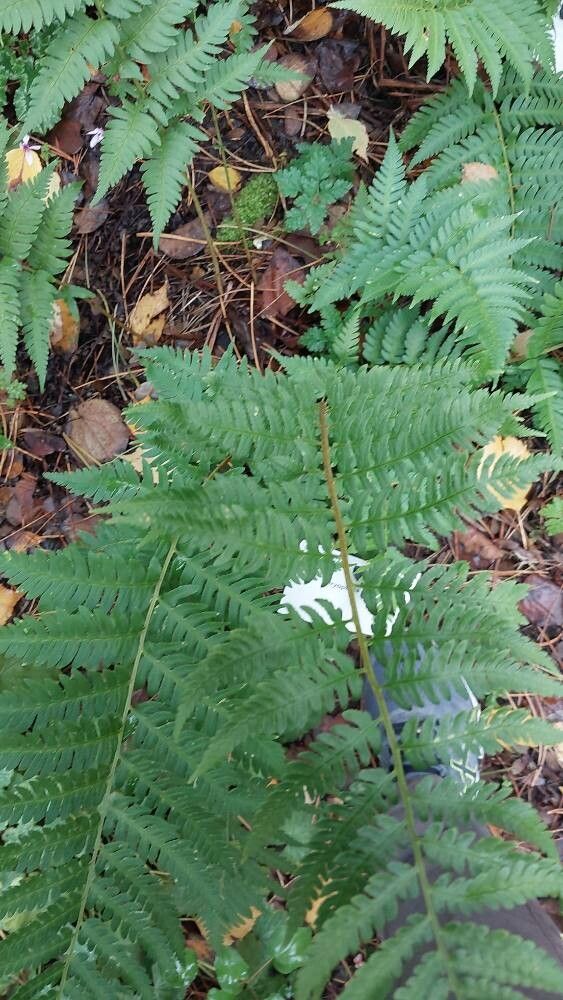
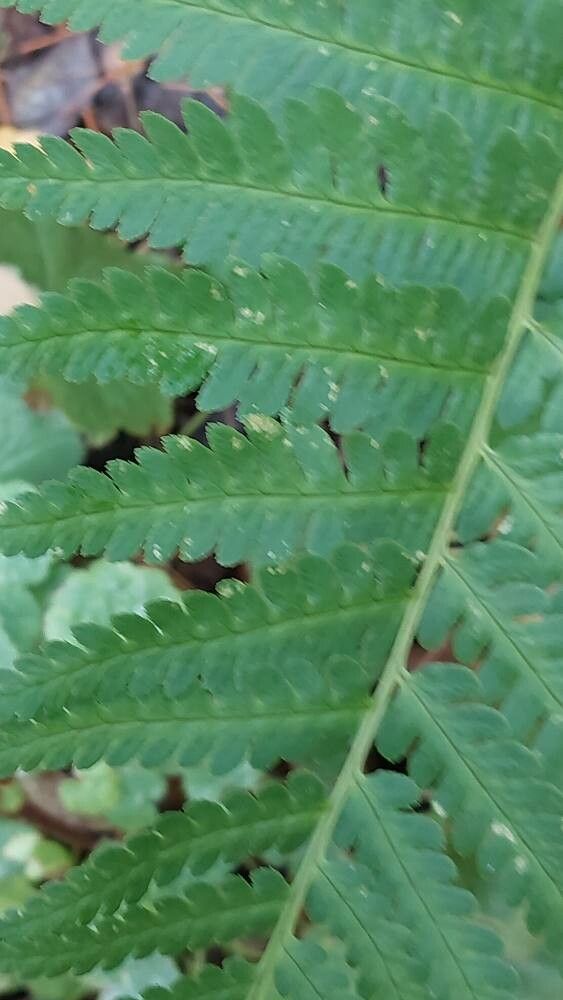
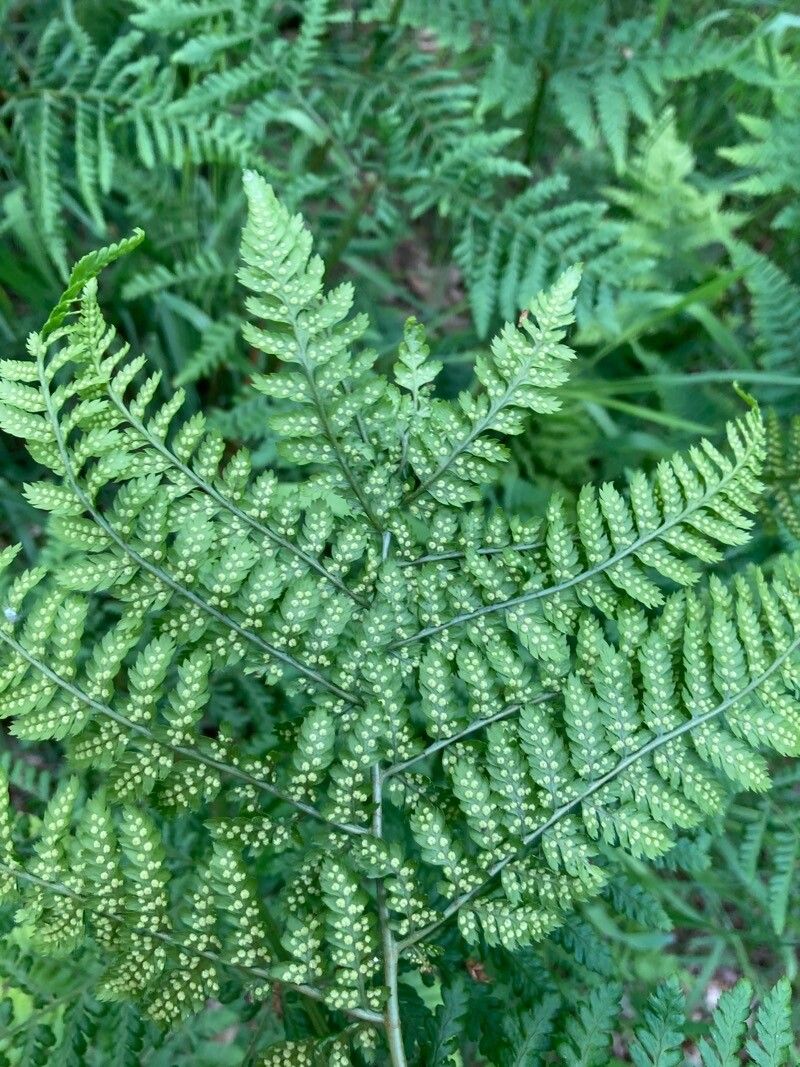
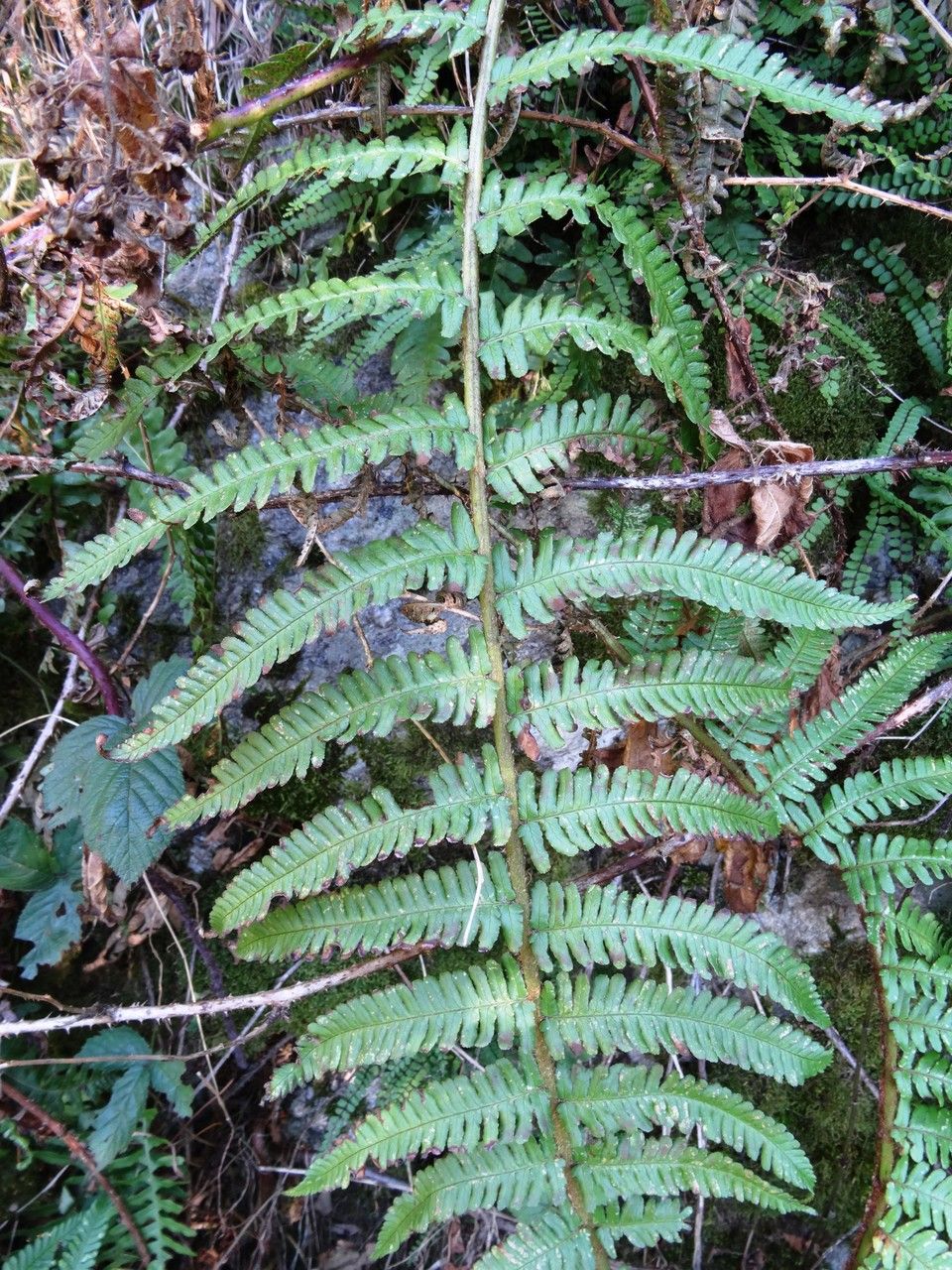
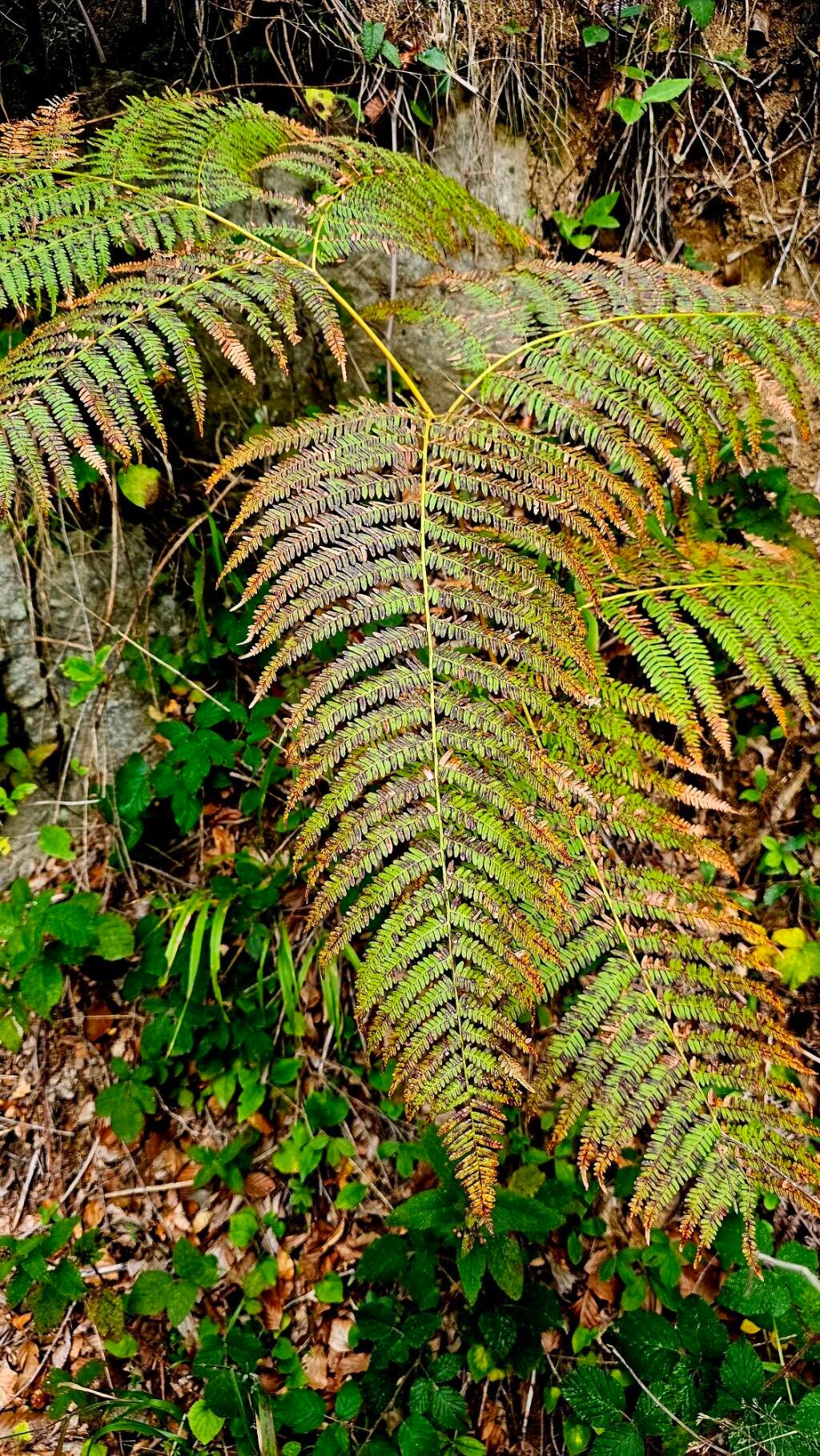
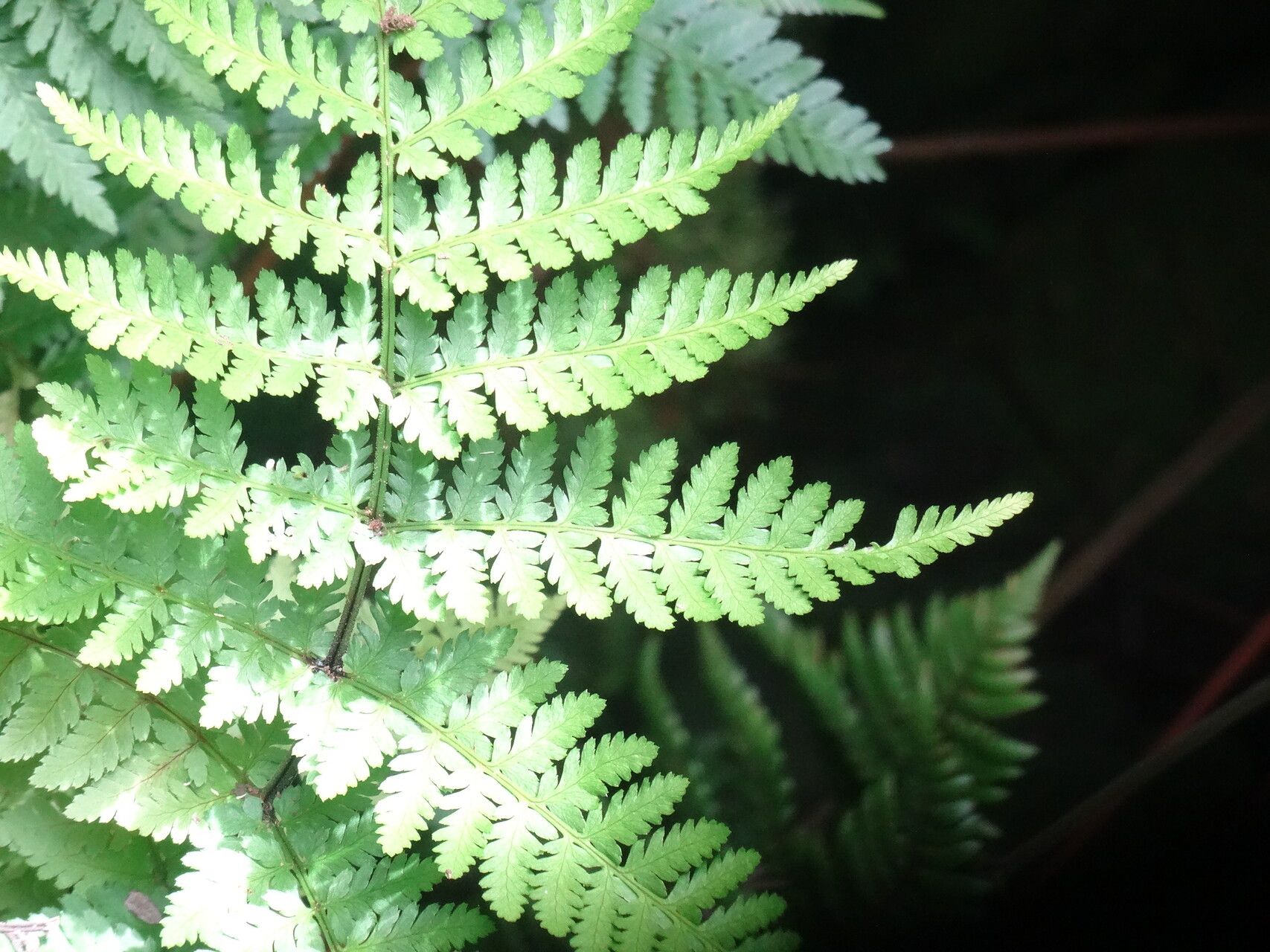
Dryopteris celsa, the log fern, is a perennial fern in the family Dryopteridaceae. It naturally occurs on rotting logs and the rich soil of swamps and wet woodlands. Its native range includes the southeastern United States.
Log Fern has strong resistance to disease and is generally unlikely to develop illnesses. However, it can be vulnerable to pests and diseases present in its environment. Such infections are typically mild. Care-wise, the plant needs moderate maintenance. It should be pruned regularly to preserve its appearance and support healthy growth. Applying fertilizer can also help encourage flowering. Log Fern is appropriate for anyone who has outdoor space, like a garden or patio, and does not demand extensive care experience. It may, however, need more attention if kept indoors.
How to keep Dryopteris Celsa.
Light
Log Fern favors light conditions that alternate between direct sun and shade, doing best where the sunlight is moderate and filtered. In its native habitat, dappled sunlight passes through a canopy. Excessive light can cause leaf burn, while too little light can lead to slowed growth.
Water
The log fern, which originates from temperate forest understories, thrives in consistently moist soil and high humidity. While it can tolerate moderate drought, it still requires weekly watering to flourish. As an evergreen plant, the log fern keeps its foliage throughout the year, so it's important to water it carefully during the growing season to promote healthy growth.
Temperature
Log Fern is indigenous to temperate regions and prefers a temperature range of 41 to 95 °F (5 to 35 ℃). In colder seasons it may need added warmth, and in hotter seasons cooler conditions may be necessary.
Fertilizer
Generally, a single fertilizing in spring is adequate for Log Fern, though repeated feedings can increase growth. Apply fertilizer about every month to month and a half. Fertilization improves the leaves' appearance and function, helping preserve even color and a healthy texture. It also promotes root development and enhances nutrient uptake for the plant's long-term health.
Pruning
Log Fern flourishes in shaded, moist environments and is characterized by its lush, arching fronds. To keep the plant healthy, prune it between early and late spring. This will help remove any damaged fronds, improve air circulation, and encourage new growth. Be sure to use clean, sharp tools to avoid causing damage, which ensures the fern remains vigorous and vibrant throughout the season.
Botanical profile.
- Plant Type
- Herb
- Life Cycle
- Perennial
- Genus
- Dryopteris
- Family
- Dryopteridaceae
- Hardiness Zone
- 5-9
- Mature Height
- 0.91 m to 1.22 m
- Mature Spread
- 61 cm to 91 cm
- Leaf Color
- Green
- Leaf Type
- Evergreen, Semi-evergreen
- Planting Time
- Spring, Summer, Autumn, Winter
- Native Area
- Georgia
Other names.