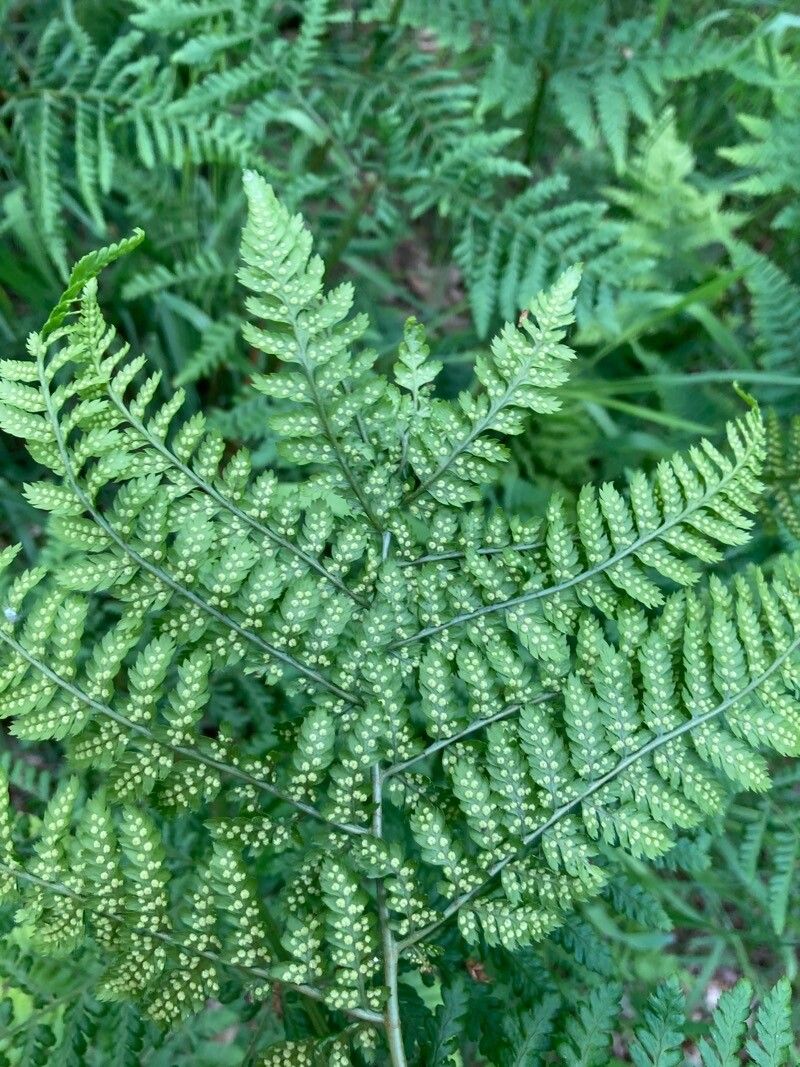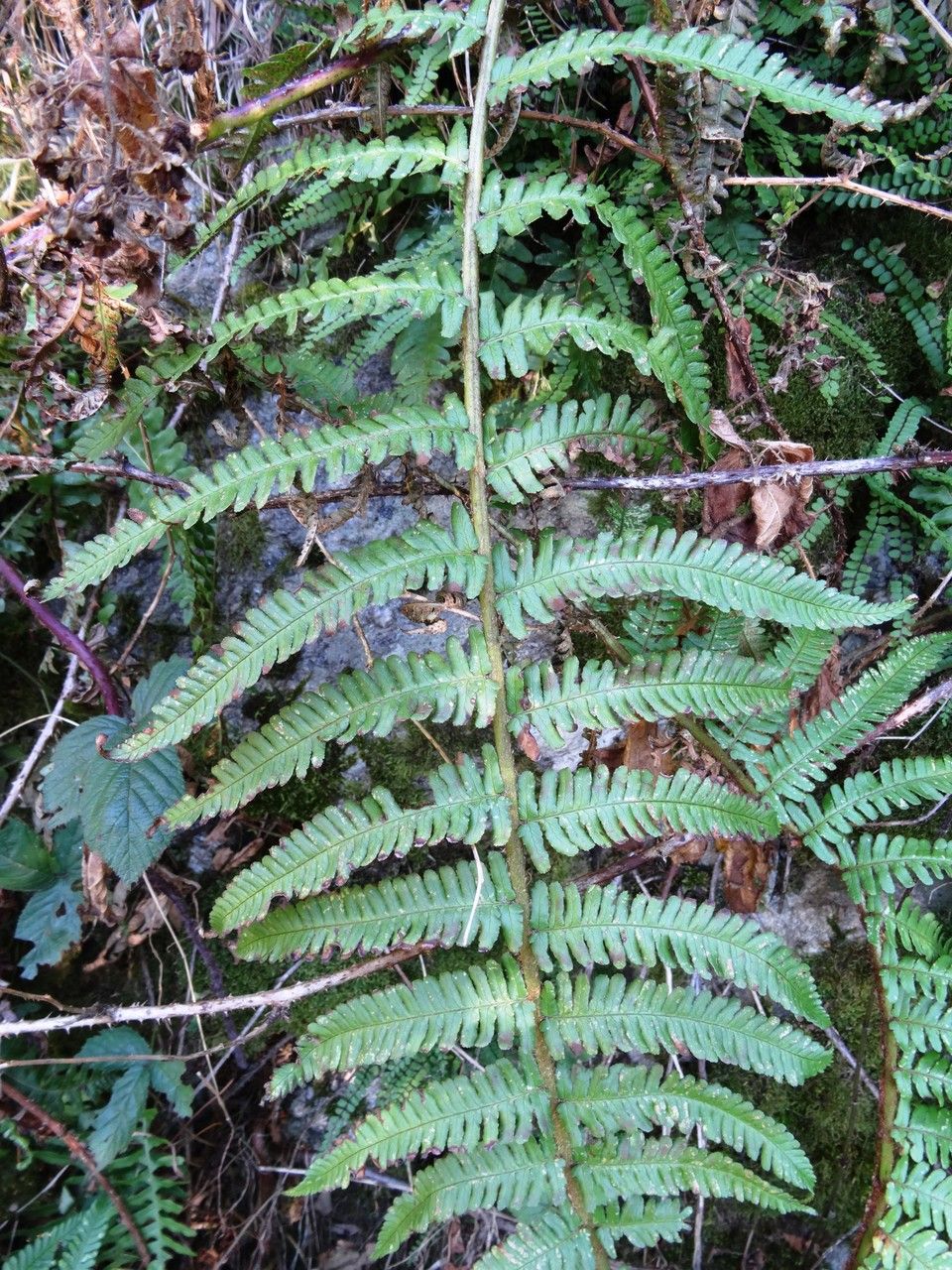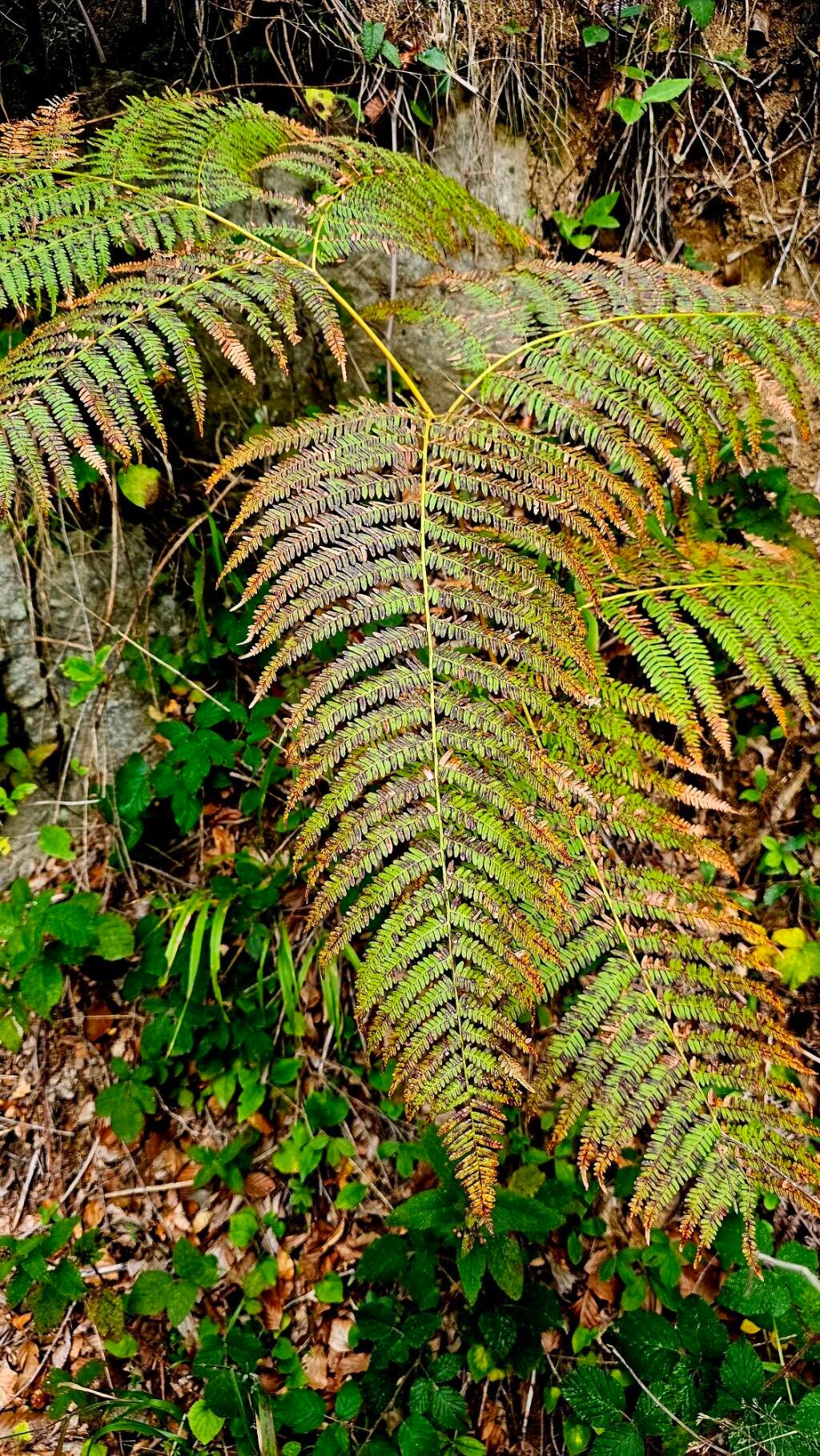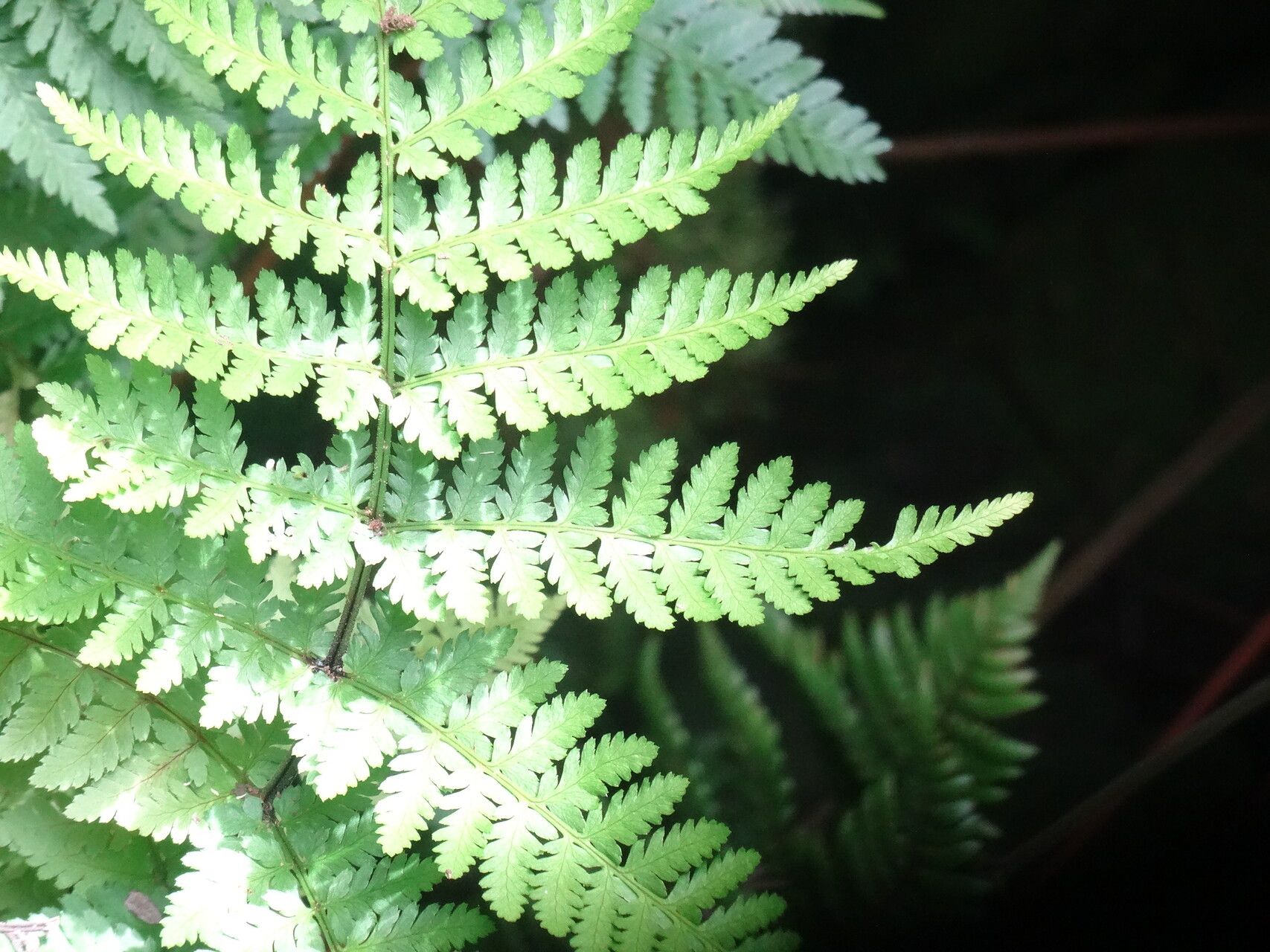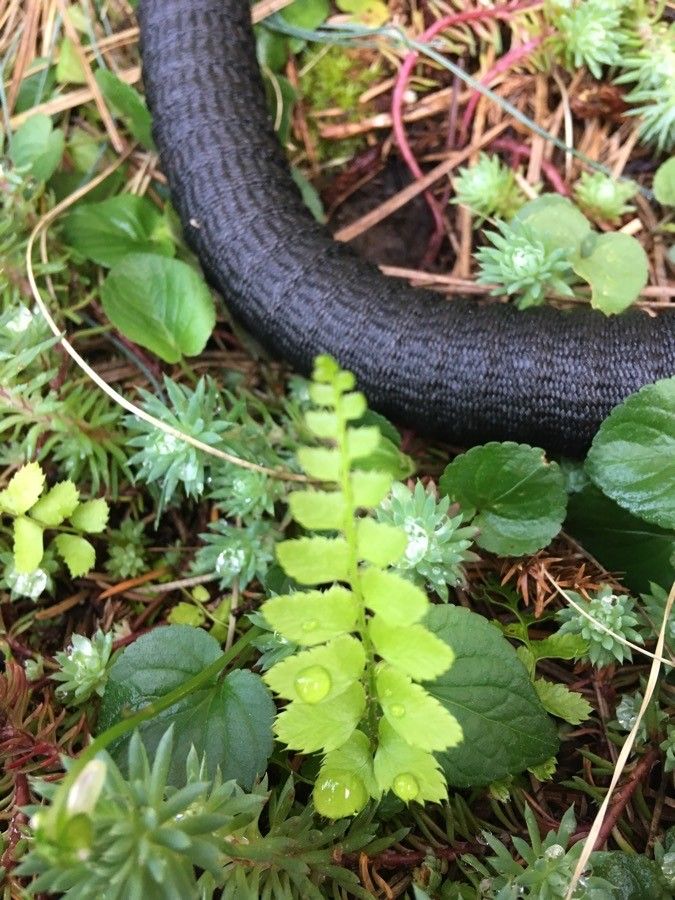
Dryopteris arguta, with the common name coastal woodfern, is a species of wood fern. It is native to the west coast and western interior mountain ranges of North America, from British Columbia, throughout California, and into Arizona. It grows between sea level and 6,000 feet (1,800 m). It is found in mixed evergreen forests, oak woodlands, and shady lower elevation slopes in chaparral and woodlands habitats.
Coastal woodfern is fairly disease-resistant and typically not vulnerable to illnesses. Still, it can be affected by pests and diseases present in its vicinity. Such infections are generally mild. Regarding care, this plant needs a moderate level of maintenance. It should be pruned regularly to preserve a tidy appearance and encourage healthy growth. Applying fertilizer can also aid in encouraging flowering. Coastal woodfern is appropriate for anyone who has outdoor space, like a garden or patio, and does not demand extensive gardening experience. It may need extra attention when cultivated indoors.
How to keep Dryopteris Arguta.
Light
The coastal woodfern performs well in shadier locations and can tolerate limited sunlight, though it thrives most in full shade. Native to areas with extensive cover, it is adapted to those conditions. Too much sun can damage it and cause wilting, while too little light may slow its growth.
Water
Coastal woodfern flourishes in humid forests and prefers a steady supply of moisture, needing weekly watering to keep its foliage lush. As an evergreen, it retains water in its fronds, enabling it to remain vibrant despite changing rainfall patterns throughout the seasons. Although it can endure brief dry spells, consistent moisture is ideal for its health.
Temperature
Coastal woodfern originates from temperate areas and is accustomed to moderate climates with temperatures between 59 and 95°F (15 to 35°C). Adjusting this plant to other environments may necessitate measures to keep the temperature within that range, particularly during seasonal fluctuations.
Fertilizer
Coastal woodfern generally needs only one fertilizer application in spring, although multiple feedings can maximize growth. Feed once every month to a month and a half. Fertilizing improves leaf appearance and function, helping to maintain a consistent color and healthy texture. It also encourages root growth and nutrient uptake, supporting the plant’s long-term health.
Pruning
The coastal woodfern flourishes in shaded areas and requires minimal pruning. To keep the plant healthy, prune it in early to late spring by removing any dead fronds to improve airflow and appearance. Be careful not to cut into the central crown. Regularly checking for dead foliage will help maintain the health and vigor of the coastal woodfern year-round.
Botanical profile.
- Plant Type
- Herb
- Life Cycle
- Perennial
- Genus
- Dryopteris
- Family
- Polypodiaceae
- Hardiness Zone
- 7-10
- Mature Height
- 61 cm to 91 cm
- Mature Spread
- 61 cm to 91 cm
- Leaf Color
- Dark Green, Forest Green
- Leaf Type
- Deciduous
- Planting Time
- Spring, Autumn
- Native Area
- Mexico
Other names.
Reader questions.
How should I water my Coastal woodfern the right way?
To properly water the Coastal woodfern, it's best to use filtered water at room temperature. Tap water may contain harmful particles, so filtering is important. The plant prefers warm temperatures, so avoid using cold water, which can shock it. Rather than watering from above, pour the filtered room temperature water onto the soil until it is saturated. This helps the roots absorb nutrients and spread through the soil effectively.
How much sun does Coastal woodfern need each day?
This plant, Coastal woodfern, doesn't require excessive light, but it still needs some throughout the day for photosynthesis and proper growth. While it doesn't need a full eight hours of direct sunlight, it does need at least six hours of indirect sunlight daily to grow healthily.
What temperature is best for Coastal woodfern?
The best temperature for Coastal woodfern depends on the time of year. There are two primary seasons to consider: the growing season and the dormancy season. During the growing season, when Coastal woodfern begins to sprout, the ideal temperature range is 65~80℉ (18~27℃). If the temperature drops below 15℉ (-10℃), the plant will suffer and its leaves may brown and wilt. However, if it's just a brief cold snap, Coastal woodfern may survive with some assistance. On the other hand, during the warmer parts of the year, it's important to protect Coastal woodfern from extremely high temperatures. The upper limit of this plant's temperature range is 95-105℉ (35-40℃). Anything above that can harm the foliage and blooms of Coastal woodfern, causing wilting, drooping, and even sunburn on the leaves. Recovering from these effects can be challenging for the plant. Luckily, there are several simple and fast ways to address this issue!
What should I do if I give my Coastal woodfern too much or too little water?
Overwatering is a common issue for the health of your Coastal woodfern, while underwatering is less likely but still possible. When the woodfern gets too much water, its stems and leaves wilt and turn yellow. Prolonged overwatering can also lead to diseases like root rot, mold, and mildew, which can kill the plant. On the other hand, underwatering is rare for the woodfern due to its drought tolerance. However, when it happens, the leaves become brittle and brown. It's important to recognize the signs of overwatering early to prevent irreversible damage. If you notice these signs, reduce your watering schedule and check the soil's drainage. If the soil drains poorly, replace it with a well-draining potting mix. Conversely, if the woodfern lacks water, increase watering until the signs disappear.
Coastal woodfern needs what type of sunlight to grow well?
Coastal woodfern is a shade-loving plant that thrives in areas with abundant shade. It is important to shield this plant from direct sunlight, especially during the hottest hours of the day. However, it can adapt to partial sun during other times. Ideally, the morning sun is perfect for Coastal woodfern, but it can also withstand some afternoon sun as long as it isn't intense in one location for the entire afternoon and evening.
The temperature needs for young Coastal woodfern plants in their first year or from seeds.
If this is the first year of having a Coastal woodfern as a new plant outside, it will require extra care during the coldest months. Frost can cause severe damage to a first-year Coastal woodfern and hinder its growth in the spring. To ensure its survival, the plant needs to be kept above 40℉(5℃) until it establishes itself. This can be achieved by either bringing the plant indoors for a couple of months or using mulch or fabric barriers to protect it from frost damage. During the first year or two, it is advisable to plant the Coastal woodfern in a shadier location. Smaller and weaker plants struggle more to regulate their temperatures in hot weather. To prevent overheating, limit the direct sunlight exposure to no more than five hours per day, especially if the daytime temperature exceeds 80℉(27℃). Shielding the fern with shadecloth and regular watering or misting will help control the summer heat.
How frequently should I give water to my Coastal woodfern?
If your Coastal woodfern is in a pot, the most accurate way to determine if it needs water is by checking the soil with your finger. If the top two to three inches of soil feel dry, it's time to water it. If you have the Coastal woodfern planted outdoors in the ground, you can use the same method to test the soil. Once the top few inches of soil have dried out, it's time to water it. In spring and early fall, using this method will often require watering about once a week. During extremely hot weather, you may need to increase watering to twice or more per week. However, it's worth noting that mature, well-established Coastal woodfern plants have a remarkable ability to withstand drought.
How can I keep the Coastal woodfern safe from sunlight and too much exposure?
When planting Coastal woodfern, you can use a few tricks to avoid needing extra protection from the sun. One option is to strategically choose shady spots near buildings or trees. Another idea is to create layers with taller plants that can handle direct sunlight. Lastly, you can use shade cloth to build a sunshade for your Coastal woodfern that faces the sun during the hottest times of the day.
How can I keep Coastal woodfern safe from very hot or very cold temperatures?
If the growing season experiences cold temperatures below 15℉(-10℃), there are ways to protect Coastal woodfern from frost or cold damage. If you have the fern in a container, simply bring it inside into bright, indirect light until temperatures rise above the lower threshold. For ground-planted ferns, you can use mulch or horticultural fabric to create a barrier that insulates the plant from frost and cold wind. If temperatures exceed 80℉(27℃) in the shade during the day, take caution and limit exposure to six hours or less of sunlight, preferably in the morning. Using shade cloth or fine plastic mesh can reduce direct sunlight during hot parts of the day. Additionally, installing a misting system that releases cooling mist around the plant's base can lower ground temperatures.
How much water does my Coastal woodfern plant need?
To properly water your Coastal woodfern, don't hold back on the amount of water you give. Make sure the top two to three inches of soil are dry, and then give the plant a good, thorough watering. Water it enough that the soil becomes completely saturated, causing any excess water to drain out of the pot's drainage holes. If you don't see water draining from the pot, you may not have given the plant enough water. However, be careful not to let water accumulate in the soil, as this can be harmful to the plant. On the other hand, if water doesn't drain through the pot, it could indicate that the soil doesn't drain well, which is not good for the plant's health. If the plant is outside, it generally needs about 1 inch of rain per week.
What happens if the Coastal woodfern doesn't get enough sunlight?
Even though Coastal woodfern prefers shade, it can still suffer from too little sunlight. You may notice that its leaves strain to grow towards areas with better lighting, or that the leaves gradually become smaller. This can result in stunted overall growth. If this happens, you can try moving the Coastal woodfern to a sunnier spot if it's in a pot, or simply move other plants out of the way to allow some sunlight to reach the fern.
Recommended temperature guidelines for the dormant season of Coastal woodfern.
Coastal woodfern requires a certain amount of cold during winter to remain dormant until it's ready to sprout. Sprouting too early, before the last frost has occurred, can be deadly, especially if it's already started sprouting. Ideally, winter temperatures should be below 32℉ (0℃), but if they reach 40℉ (5℃), it's not a problem. In more temperate climates like woodland rainforests, an unexpected warm period can cause a premature sprout. If there's still a risk of frost, you can protect the sprout by covering it with clear plastic on stakes. This cover can be removed once the frost danger has passed. Although sometimes Coastal woodfern can sprout at the right time on its own, this method increases the chances of a successful second sprout.