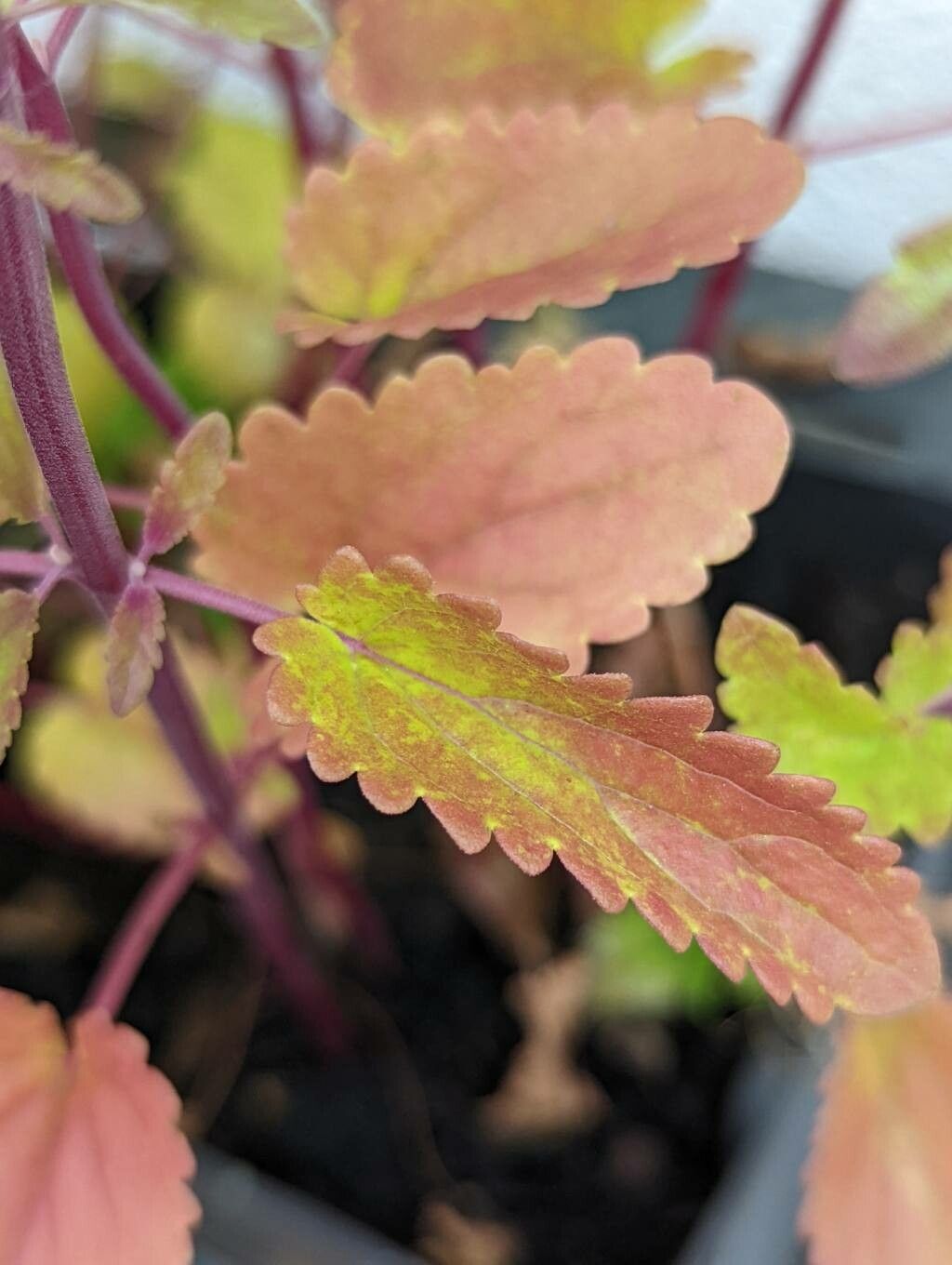
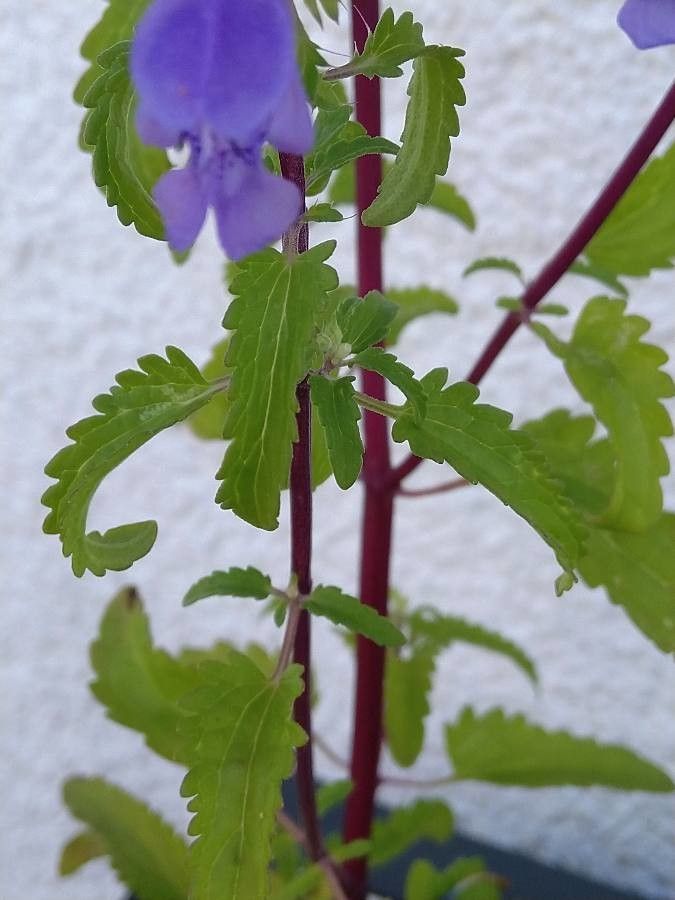
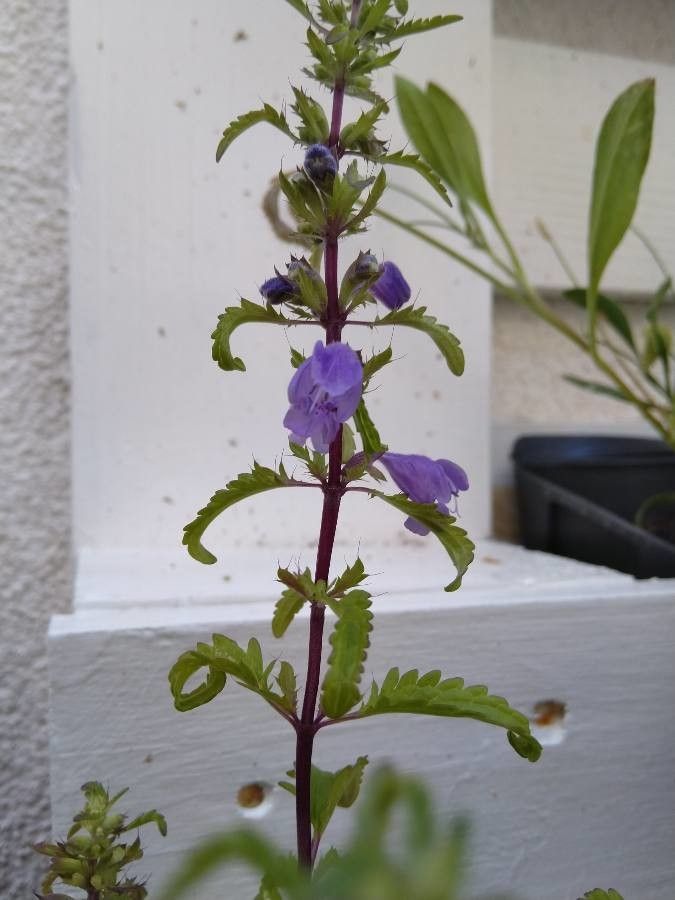
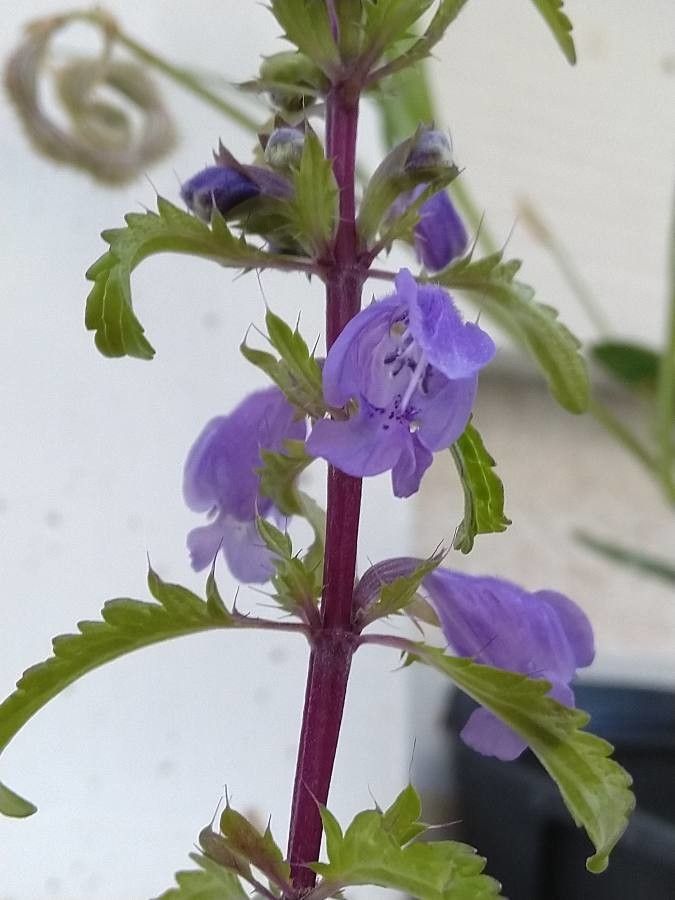
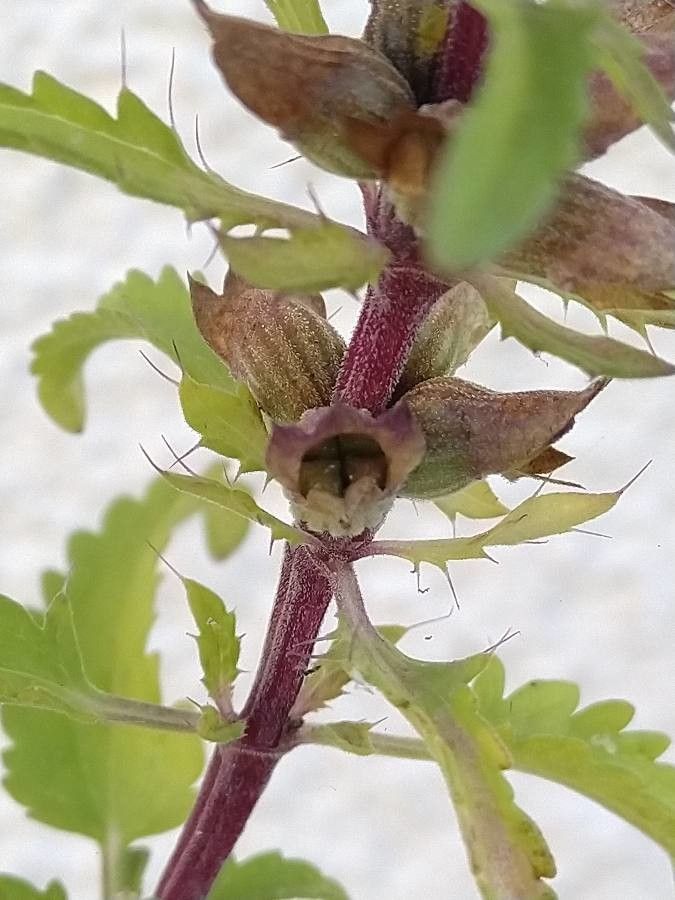
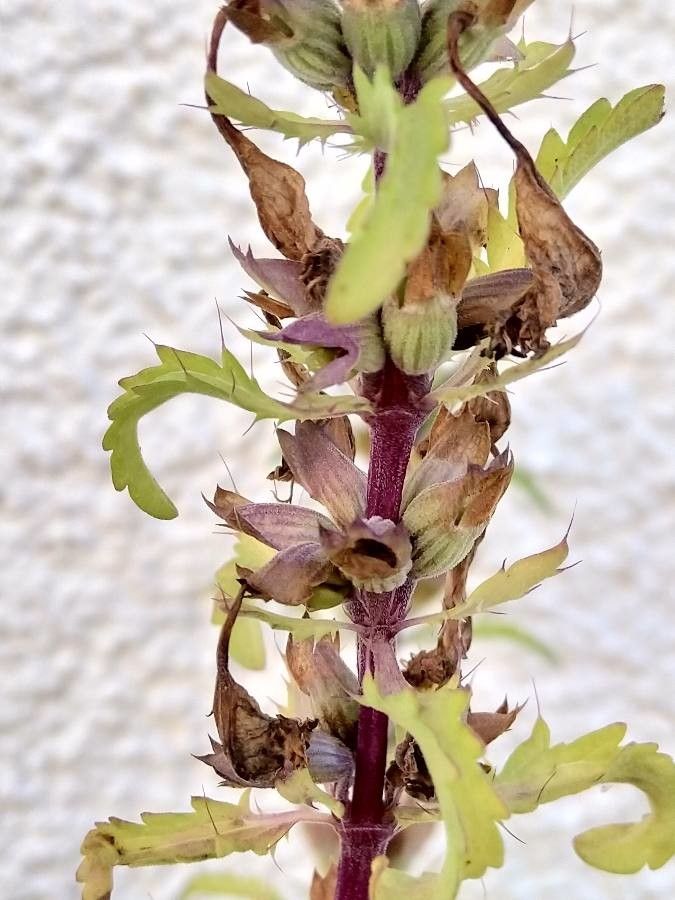
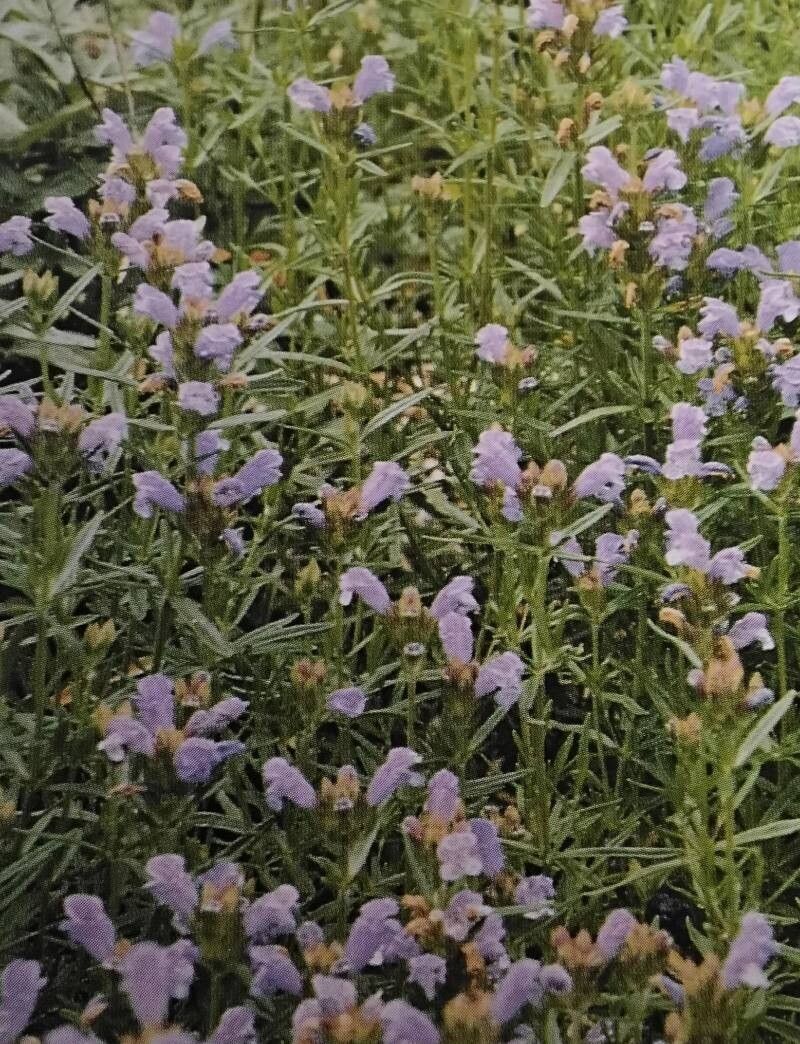
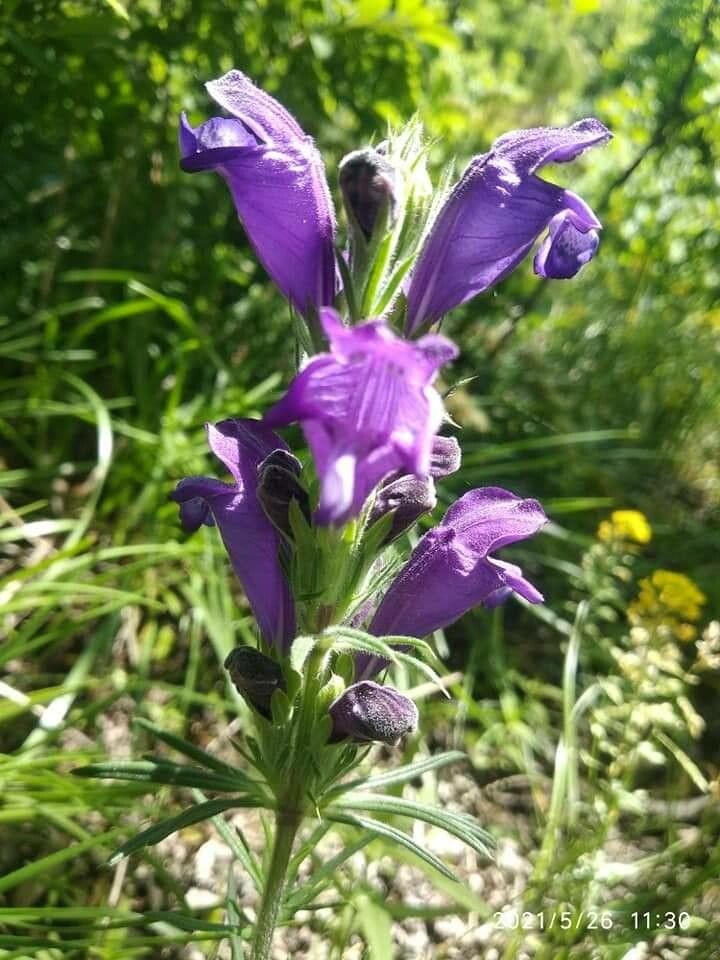
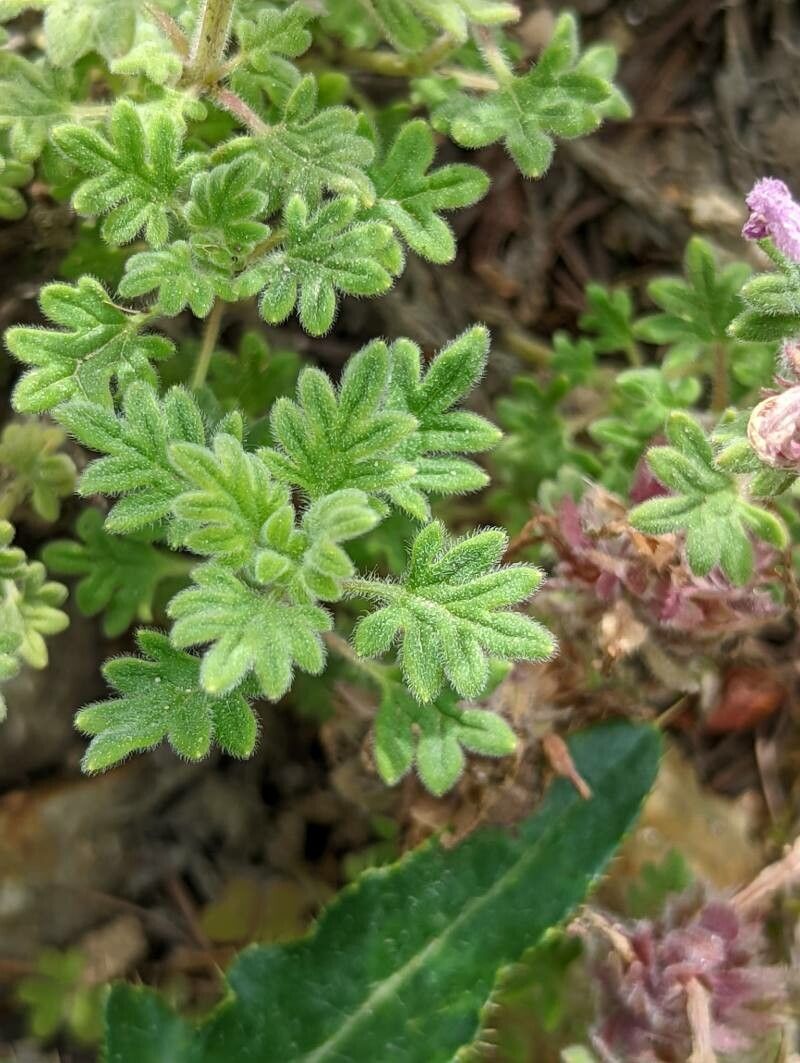
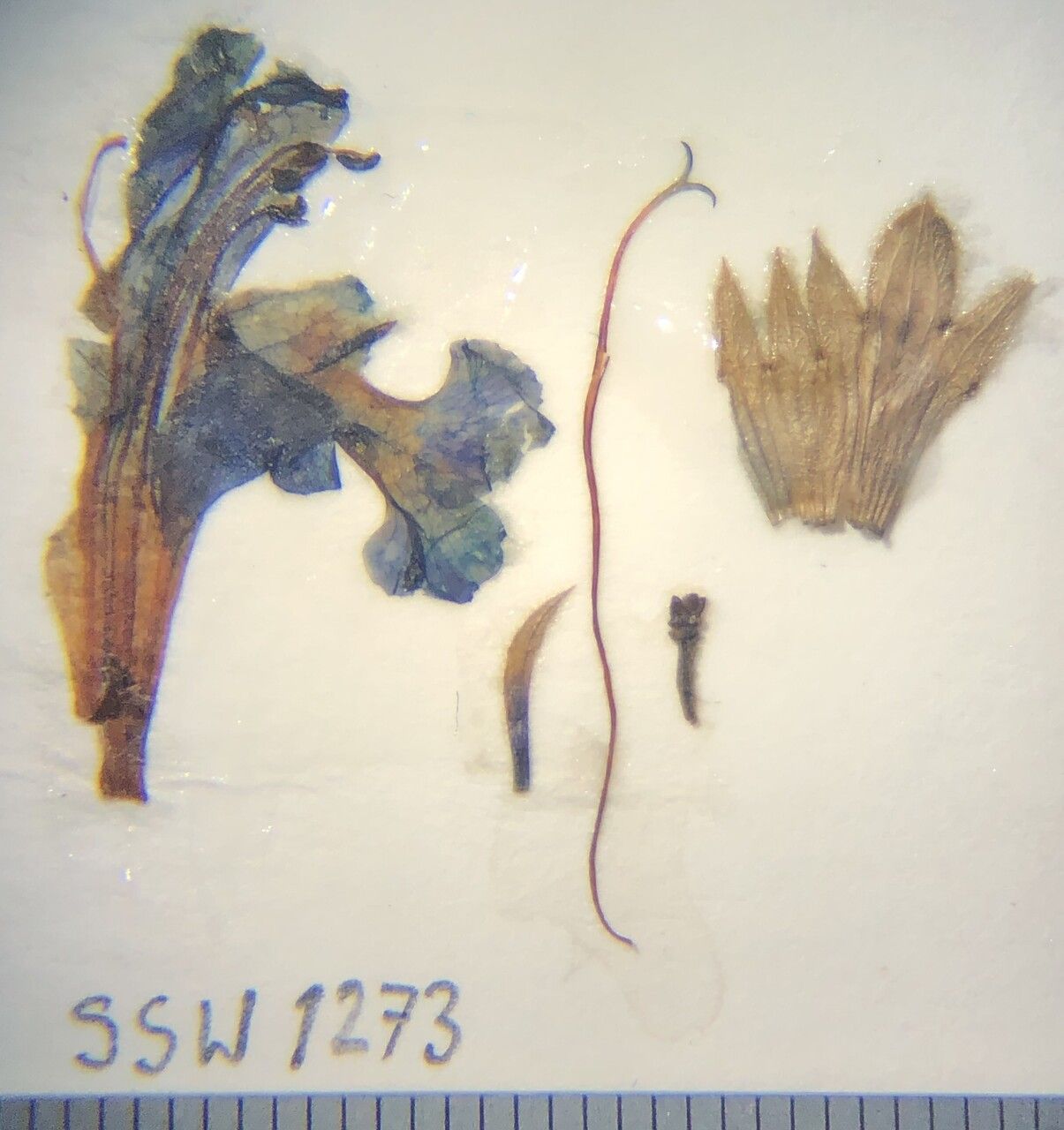
Dracocephalum moldavica, the Moldavian dragonhead, is an annual herbaceous plant. The first formal botanical description of D. moldavica was by Linnaeus in Species Plantarum 2:595. 1753.
Moldavian dragon-head is fairly resistant to disease and typically does not suffer from illnesses. However, it can be vulnerable to pests and diseases present in its surroundings. These problems are usually mild. Care-wise, this plant is of moderate maintenance. It should be pruned regularly to preserve a tidy appearance and support healthy growth. Fertilizing can also encourage flowering. Moldavian dragon-head is well suited for anyone with outdoor space, such as a garden or patio, and does not demand extensive gardening experience. It may need more attention if grown indoors.
How to keep Dracocephalum Moldavica.
Light
Moldavian dragon-head grows best in a setting with plenty of sunlight. A habitat like its native one, where the sun is visible for most of the day, is ideal. It can also tolerate places where the sun shines for the majority of the time but not constantly. Too much or too little light can harm its healthy growth.
Water
The Moldavian dragon-head is a plant native to woodland edges, where it thrives in moderate moisture conditions. To keep it healthy, water it once a week, although it can tolerate short periods of dryness. This plant does well outdoors with regular rainfall and can also adapt to being grown in containers. During its growing season, ensuring it receives plenty of water will encourage lush foliage and vigorous flowering.
Temperature
Moldavian dragon-head originates from habitats suited to temperate woody plants and prefers temperatures of 68 to 95 °F (20 to 35 ℃). As a plant owner, adjusting to cooler temperatures during the colder seasons may help maintain its health.
Fertilizer
When most of the Moldavian dragon-head's blooms have fully opened, resume fertilizing. At about the time the flowers are at peak production, feed it every three to four weeks, weather permitting. Once the Moldavian dragon-head begins producing fewer new blooms, stop fertilizing, since there's no need to feed the plant when it can no longer develop additional flowers.
Pruning
To help your Moldavian dragon-head thrive, it's important to prune it regularly from early to late spring. When pruning, make your cuts just above a leaf node to encourage bushier growth and eliminate any dead stems. Pinching back new growth will promote a more attractive and vigorous shape, preventing the plant from becoming leggy. This also enhances blooming, resulting in a compact and appealing appearance.
Botanical profile.
- Plant Type
- Herb
- Life Cycle
- Annual, Perennial
- Genus
- Dracocephalum
- Family
- Lamiaceae
- Hardiness Zone
- 6-9
- Mature Height
- 6 cm to 40 cm
- Mature Spread
- 30 cm
- Leaf Color
- Green, Dark Green
- Leaf Type
- Deciduous
- Flower Color
- Blue, Lavender
- Flower Size
- 1.02 cm to 2.03 cm
- Bloom Time
- Summer
- Planting Time
- Spring
- Harvest Time
- Late summer, Early fall, Mid fall
- Native Area
- Russia, Tajikistan, India, Mongolia, Iran, China
Other names.
Reader questions.
How should I water my Moldavian dragon-head plant?
To water Moldavian dragon-head plants, you have several options. You can use a garden hose with a spray nozzle, a watering can, or any other common watering tool. Luckily, these plants are not very picky about their water source. They can thrive on rainwater, tap water, or filtered water. However, it's best to avoid watering them from overhead, as it can harm their leaves, flowers, and potentially lead to diseases. Instead, using a drip irrigation system is recommended. These systems distribute water evenly and directly into the soil, which works well for Moldavian dragon-head plants. If you have a container-grown Moldavian dragon-head, you can still use a similar watering method but with different tools. Simply use a cup, watering can, or tap water to apply water directly to the soil of the container.
Why do I have to put plant food on my Moldavian dragon-head plant?
Plants, including Moldavian dragon-head, require nutrients to survive. Most gardeners, regardless of their experience, are aware of this fact. Without adequate nutrition, Moldavian dragon-head plants will die shortly after their first pollination. Therefore, it is crucial to provide the correct type and amount of nutrients to ensure the plant's longevity throughout the blooming season. Additionally, fertilizers play a vital role in promoting the growth of a strong and healthy root system in Moldavian dragon-head. Since this plant has a delicate and thin root system that is prone to damage, it greatly benefits from the use of fertilizers during planting, which aids in establishing a solid root structure. This not only provides stability to the plant but also sets the foundation for an impressive blooming performance. Furthermore, when fertilization is timed appropriately, it can significantly extend the flowering period of Moldavian dragon-head.
What are the sunlight requirements for Moldavian dragon-head plants?
Moldavian dragon-head plants thrive best in full sun, needing above 6 hours of sunlight daily, but they can also manage well in partial sun, receiving about 3-6 hours of sunlight. It's essential to monitor the movement of sunlight in your garden to find locations offering a harmonious balance of light and shade, ensuring your plants grow happily.
What is the origin and preferred climate for Moldavian dragon-head?
Moldavian dragon-head, botanically known as Dracocephalum moldavica, originates from environments that are favorable to temperate woody plants. It thrives in a climate range of 68 to 95 °F (20 to 35 °C). To keep the plant healthy, it's advisable for plant owners to adjust to cooler temperatures during the colder seasons. The plant possesses strong cold resistance, thereby not usually necessitating special frost protection measures in winter. However, if temperatures are anticipated to fall below -25°C, cold protection should be provided by covering the plant with insulating materials like soil or straw. It's recommended to water the plant abundantly before the first freeze in autumn to ensure the soil stays moist and enters a frozen state, which prevents drought and water scarcity during winter and early spring.
What should I do if I give my Moldavian dragon-head plant too much or too little water?
If you notice that your Moldavian dragon-head plant is not getting enough water, the remedy is simple: water it more regularly. On the other hand, overwatering can be more problematic. It can lead to diseases and eventually the death of the plant. To prevent this, make sure to choose a suitable location for your plant, with plenty of sunlight and good drainage. If your Moldavian dragon-head is in a pot and has been overwatered, consider repotting it. Use a new pot with good drainage and loose soil to ensure it drains efficiently.
When should I fertilize my Moldavian dragon-head?
The Moldavian dragon-head experiences rapid growth in the early part of the growing season, after the last frost has passed. This is the best time to fertilize the plant, preferably during planting. Whether you plant it in the ground or in planters, apply the fertilizer at this stage. This will be the only fertilization until later in the year when the plant is in full bloom. Once the Moldavian dragon-head has opened most of its blooms and is flourishing, it's time to start fertilizing again. This should be done every three to four weeks, depending on the weather, when the blooms are at their peak. As the plant starts producing fewer new blooms, it's time to stop fertilizing since there won't be any more blooms.
How important is sunlight for the growth of Moldavian dragon-head?
Sunlight plays a crucial role in the health and growth of the Moldavian dragon-head, a plant that naturally flourishes under ample sunlight. Ideally, it should be positioned in a spot that resembles its native environment, where it can enjoy the sun for most of the day. Although it can tolerate areas with predominant but not constant sunlight, both insufficient and excessive light can detrimentally affect its growth.
How does low temperature affect Moldavian dragon-head and what are the solutions?
Moldavian dragon-head is cold-tolerant and fares best when the temperature remains above 20°C but should be kept above 0°C during winter. In cases where the temperature drops below -25°C, there may not be visible changes during the winter, but there could be a decrease in or absence of sprouting come springtime. As a solution, in spring, any parts of the plant that have failed to sprout should be removed to promote healthy growth.
How frequently should I give my Moldavian dragon-head plant water?
The Moldavian dragon-head plant needs regular watering during the growing season. In the beginning of spring, watering once a week should be sufficient. However, as the season progresses and it gets warmer, you may need to water it two to three times a week. It is important not to exceed this watering rate as it can harm the plant. The soil should be kept moist but not wet, regardless of how often you have to water. When it comes to a Moldavian dragon-head in a pot, you will generally need to water it more frequently. This is because the soil in the pot can heat up and dry out faster than the ground soil. Therefore, plan to water a potted Moldavian dragon-head a few times per week, compared to just once per week for an in-ground plant.
When is the best time to not fertilize my Moldavian dragon-head plant?
Regular fertilization is important for Moldavian dragon-head, but it's crucial to avoid applying fertilizer at the wrong time. In some cases, it's necessary to hold back on fertilizing. These situations are usually related to climate, but they can also be influenced by various controllable factors. The key is to wait until any issues with the plant, soil, or climate have been resolved and the plant has recovered. For example, it's not advisable to fertilize when there are severe or unexpected changes in the weather. If a sudden cold snap occurs in the middle of summer, it's best to wait until the temperature warms up again before starting fertilizer application. The same applies if the soil is too dry or compacted to absorb the fertilizer properly. In such cases, the fertilizer will go directly to the roots without being diffused by the soil, which can be harmful to the Moldavian dragon-head plant. During the hottest parts of the day when temperatures reach the high 90-degree Fahrenheit range, it's important to refrain from applying fertilizer. This is because fertilizer can break down at different speeds depending on temperature, and exposing it to high heat can cause it to break down too quickly. Additionally, if there are any pests or diseases affecting the plant, it's necessary to treat and resolve them before applying fertilizer again.
Can artificial lighting be used for Moldavian dragon-head plants and how?
Yes, artificial lighting can be a valuable solution for indoor Moldavian dragon-head plants when natural sunlight is lacking, especially during winter or in less sunny spaces. LED lights are recommended due to their customizability to provide the specific light wavelengths needed by plants. Full sun plants require 30-50W/sq ft, partial sun plants need 20-30W/sq ft, and full shade plants need 10-20W/sq ft of artificial light. The light source should be placed 12-36 inches above the plant, and it's important to mimic natural daylight hours, usually 8-12 hours of light per day, to encourage healthier growth.
How does high temperature affect Moldavian dragon-head and what are the solutions?
During the summer, it's crucial to ensure that the temperature around Moldavian dragon-head doesn’t exceed 35°C. Temperatures above 38°C can cause the plant's leaves to lighten in color, curl, become prone to sunburn, and, in severe cases, lead to the wilting and drying of the entire plant. To mitigate these effects, trim away any sunburned and dried-up parts of the plant. Moving the plant to a location that provides shade during the midday and afternoon sun, or employing a shade cloth, can protect it from excessive sunlight. Additionally, watering the plant in the morning and evening helps keep the soil adequately moist.