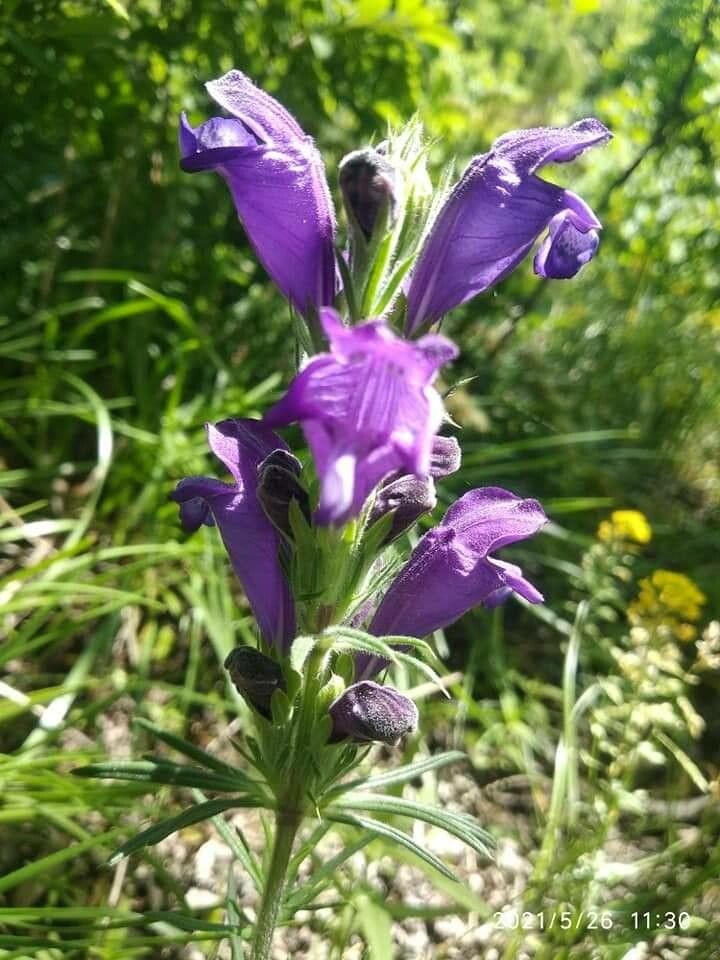
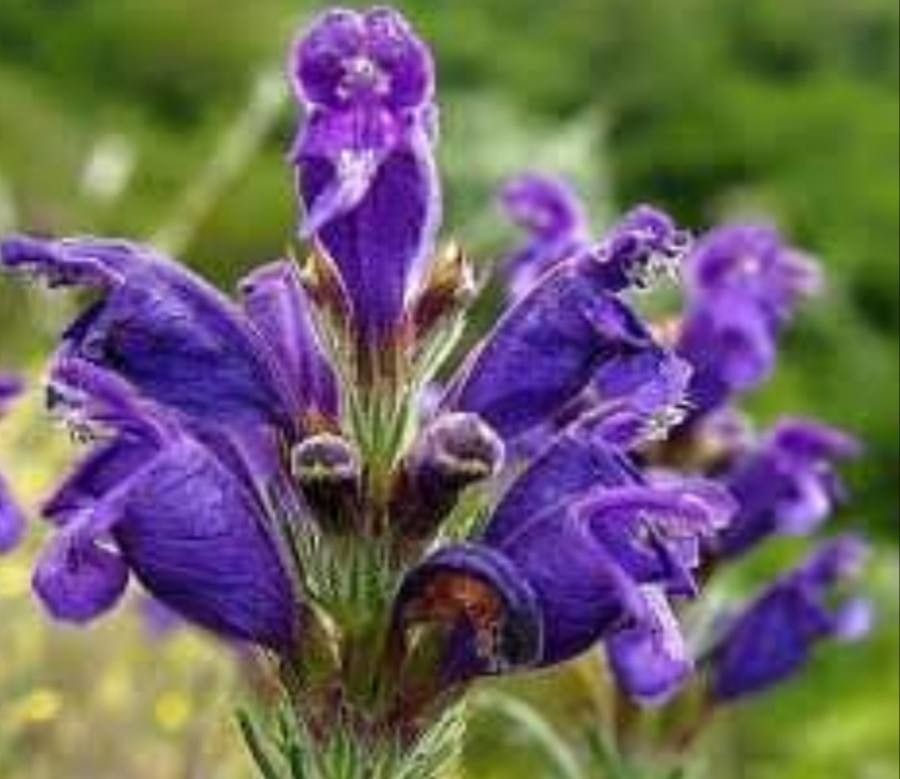
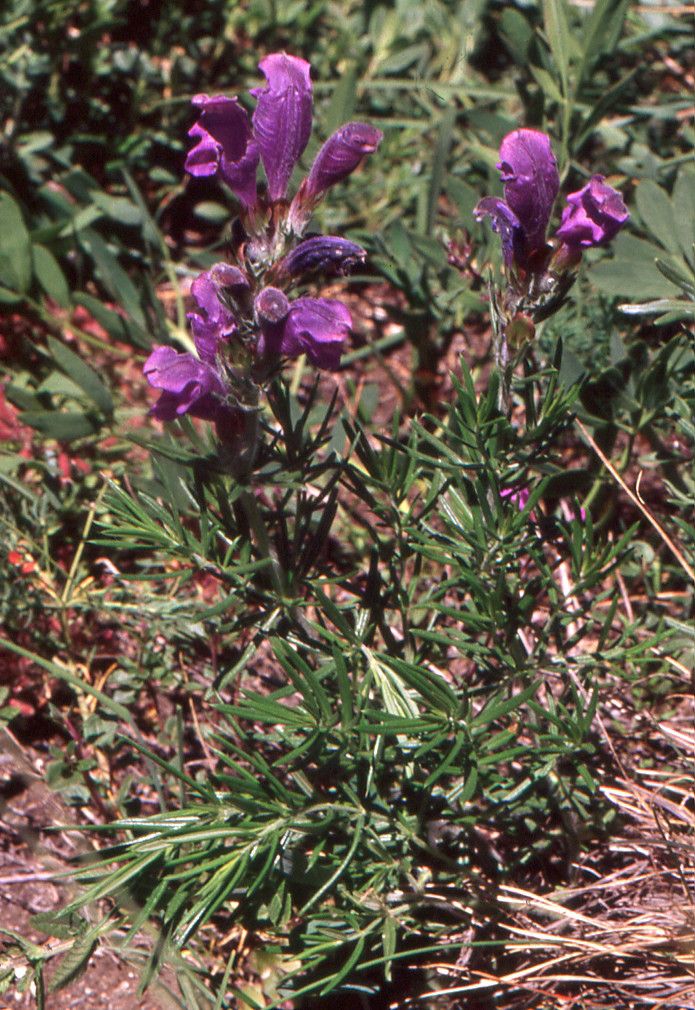
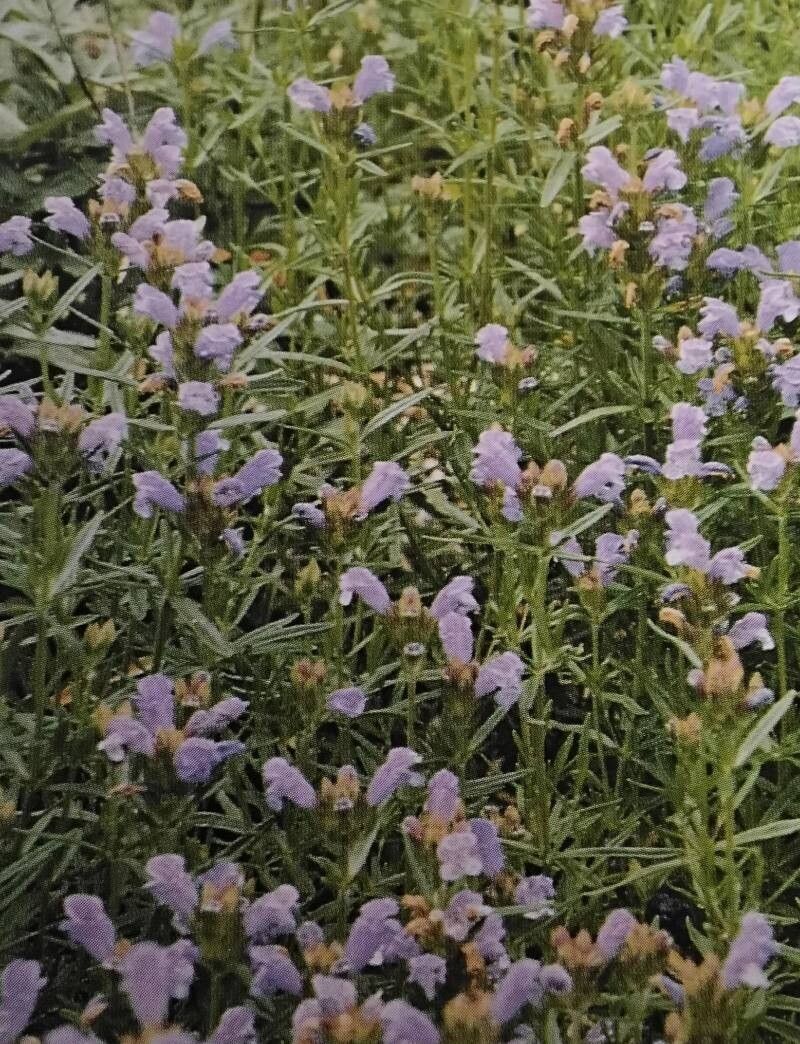
Austrian dragonhead has strong resistance to disease and is generally unlikely to suffer from illnesses. Nevertheless, it can be vulnerable to pests and diseases present in its environment. When infections occur, they are typically mild. Regarding care, this plant needs moderate maintenance. It should be pruned regularly to preserve a neat appearance and healthy growth. Applying fertilizer can also encourage flowering. Austrian dragonhead is appropriate for anyone with outdoor space, such as a garden or patio, and does not demand extensive gardening experience. It may need more attention when kept indoors.
How to keep Dracocephalum Austriacum.
Light
Austrian dragonhead is a sun-loving, perennial, herbaceous plant native to open habitats and frequently found in meadows and grasslands. It prefers full sun but can also tolerate partial sun.
Water
The Austrian dragonhead flourishes in alpine regions and prefers consistent moisture, but it can tolerate brief dry periods. To maintain its vigor, water it weekly. It is best grown outdoors to take advantage of seasonal rainfall. For optimal growth and proper water uptake, make sure it is planted in well-draining soil.
Temperature
Austrian dragonhead can tolerate a broad range of temperatures, but its distribution may still be restricted by specific combinations of moisture and heat. It does best in warm summer climates with sufficient rainfall or watering. Extended periods of cloudy, rainy weather, as well as prolonged high temperatures, can raise the risk of the Austrian dragonhead dying. In winter, adequate protection from cold can increase the plant’s survival rate.
Fertilizer
The best time to fertilize an Austrian dragonhead is in early spring, as it comes out of dormancy and begins active growth. Fertilization supplies important nutrients for healthy development. Although Austrian dragonhead has fairly low fertilizer needs, a yearly application can improve its survival and encourage better, longer-lasting flowers.
Pruning
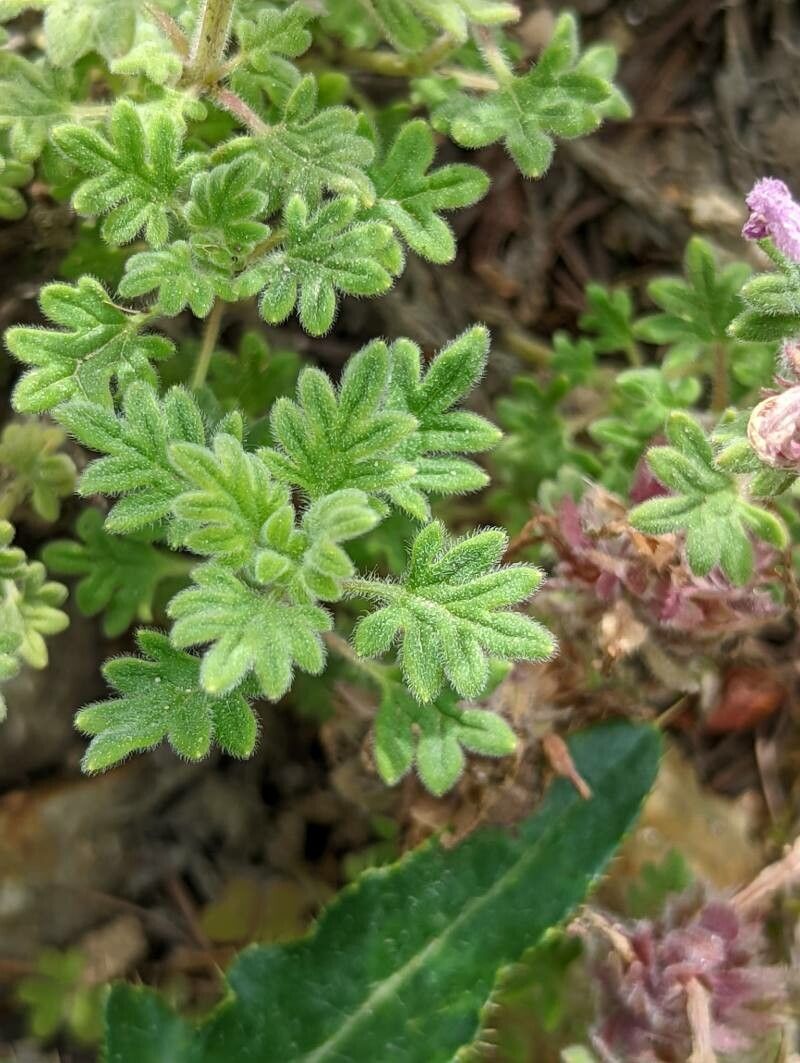
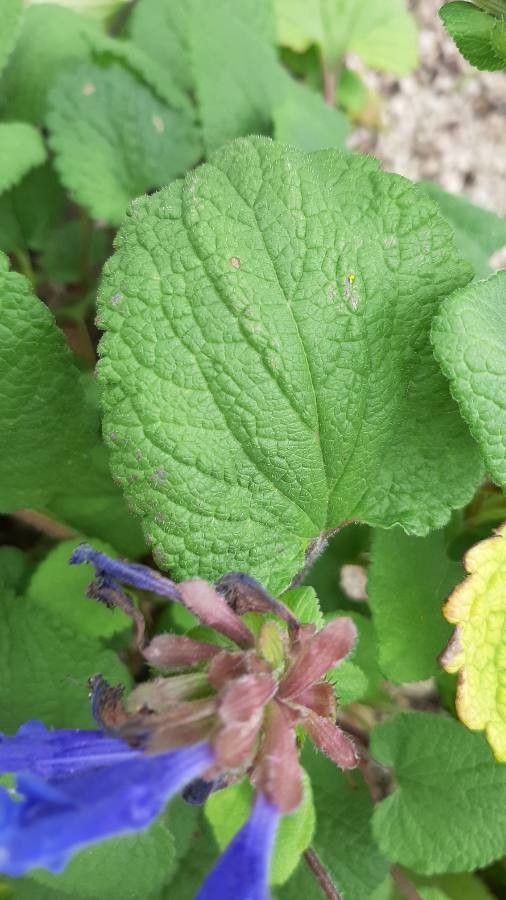
The Austrian dragonhead is a plant known for its vibrant blue flowers and aromatic leaves. To encourage bushier growth, apply light pruning in the spring. After the plant has finished flowering, perform a more substantial pruning to shape it and promote regrowth. Always use sharp tools to ensure clean cuts, as regular pruning enhances air circulation and boosts the plant's overall health. For detailed care instructions, consult gardening guides.
Botanical profile.
- Plant Type
- Herb
- Life Cycle
- Perennial
- Genus
- Dracocephalum
- Family
- Lamiaceae
- Hardiness Zone
- 4-9
- Mature Height
- 30 cm to 61 cm
- Mature Spread
- 30 cm to 46 cm
- Leaf Color
- Green, Dark Green
- Leaf Type
- Semi-evergreen
- Flower Color
- Blue, Purple
- Flower Size
- 2.03 cm to 3.05 cm
- Bloom Time
- Mid spring, Late spring, Early summer
- Planting Time
- Spring, Summer
- Harvest Time
- Summer
- Native Area
- Russia, Turkey, Austria, Italy, Spain, Switzerland, Czech Republic, Slovakia, Romania, Armenia, Hungary, Ukraine, France
Reader questions.
What are the sun requirements for Austrian Dragonhead (Dracocephalum austriacum)?
Austrian Dragonhead, known botanically as Dracocephalum austriacum, thrives in different sunlight conditions based on its needs. For full sun exposure, it requires above 6 hours of sunlight daily, which supports optimal growth and bloom. Alternatively, it can grow well in partial sun, defined as about 3-6 hours of sunlight daily. It's important to observe how sunlight moves through your garden throughout the day. Selecting the right spots that provide a perfect balance of light and shade will ensure the happiness and health of your Austrian Dragonhead plants.