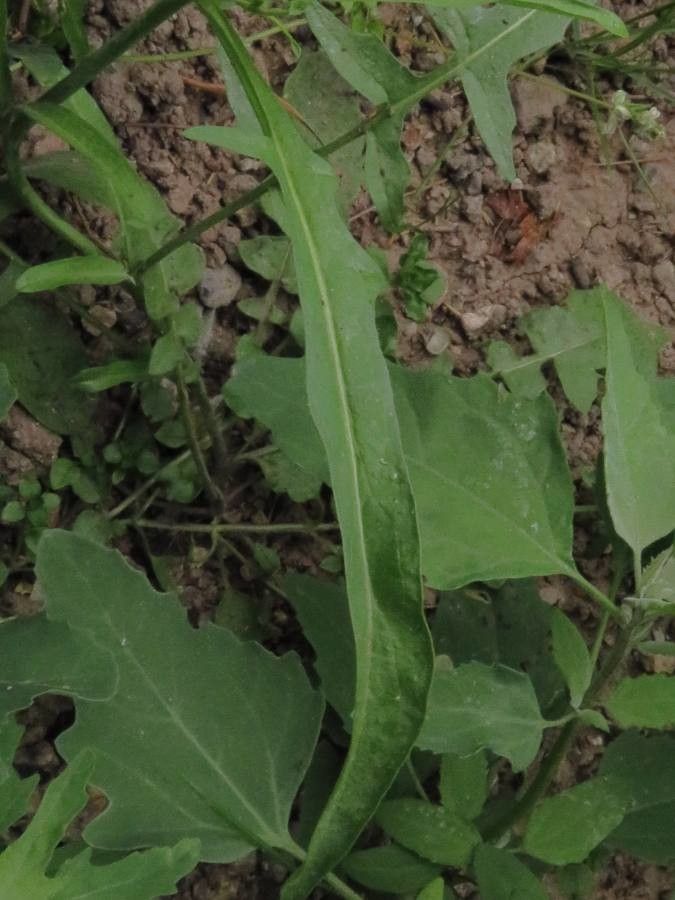
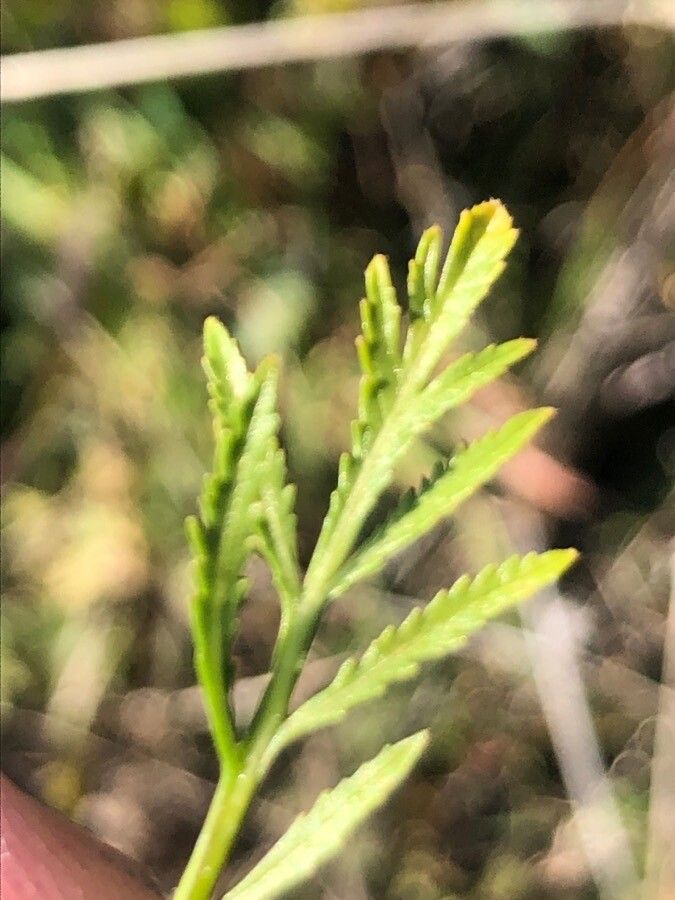
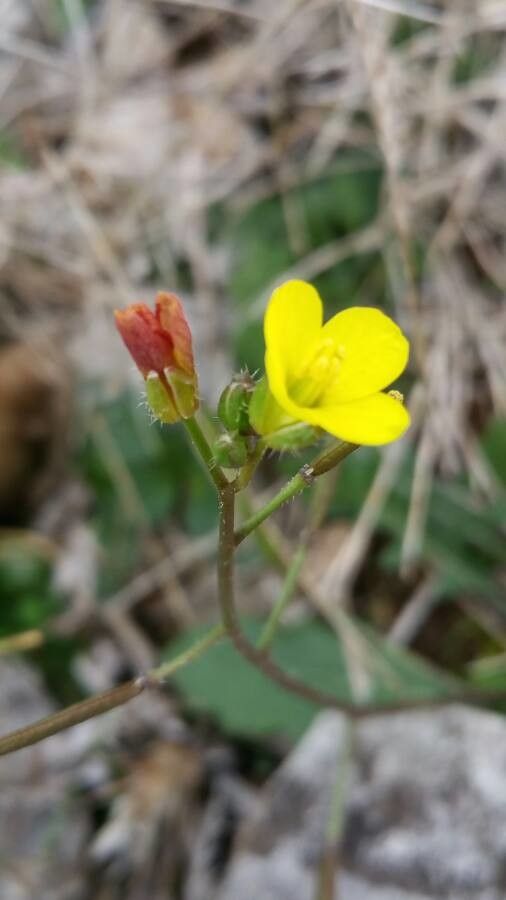
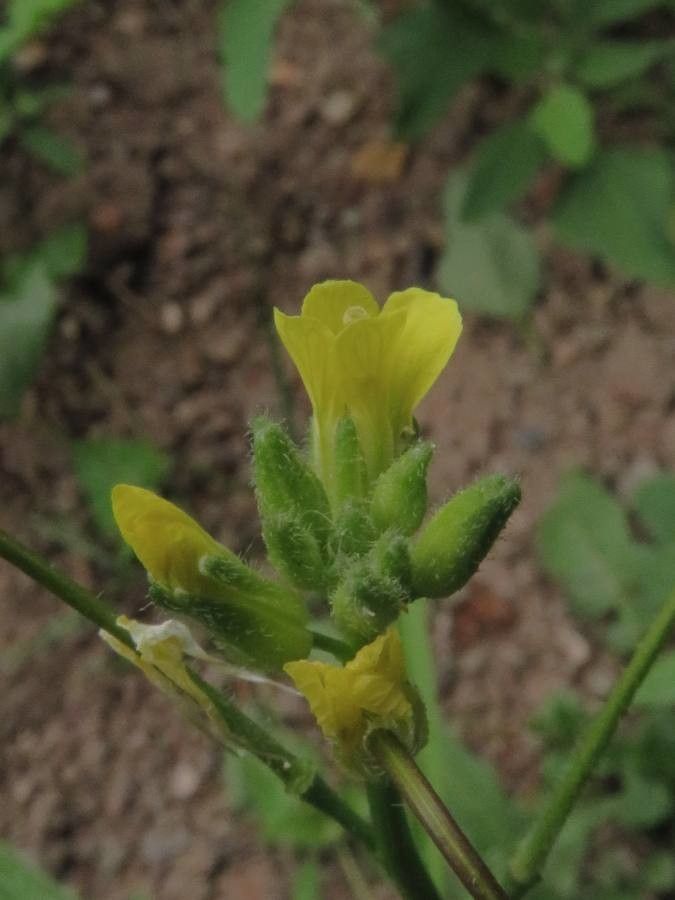
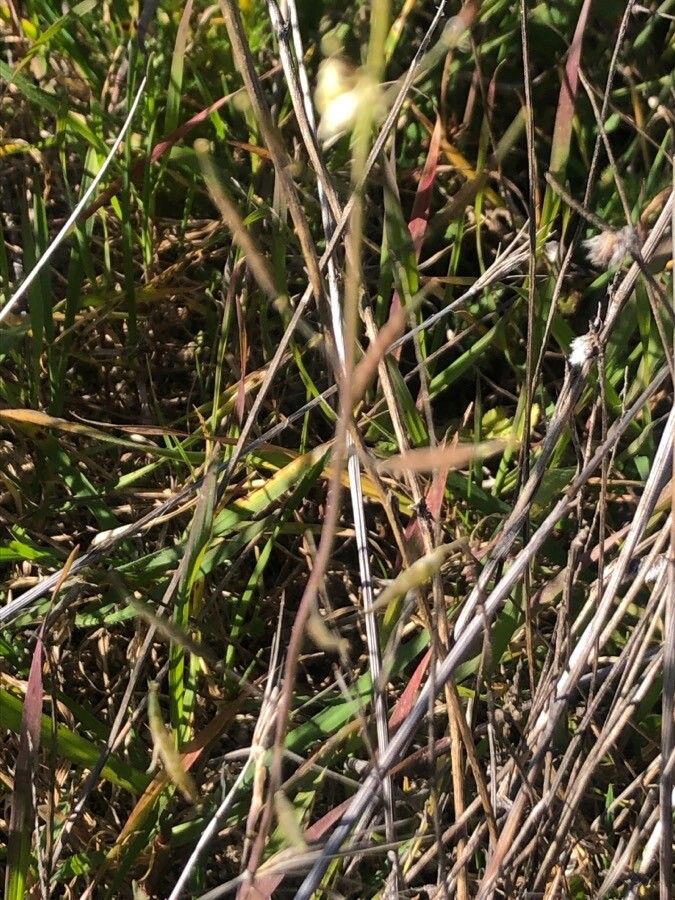
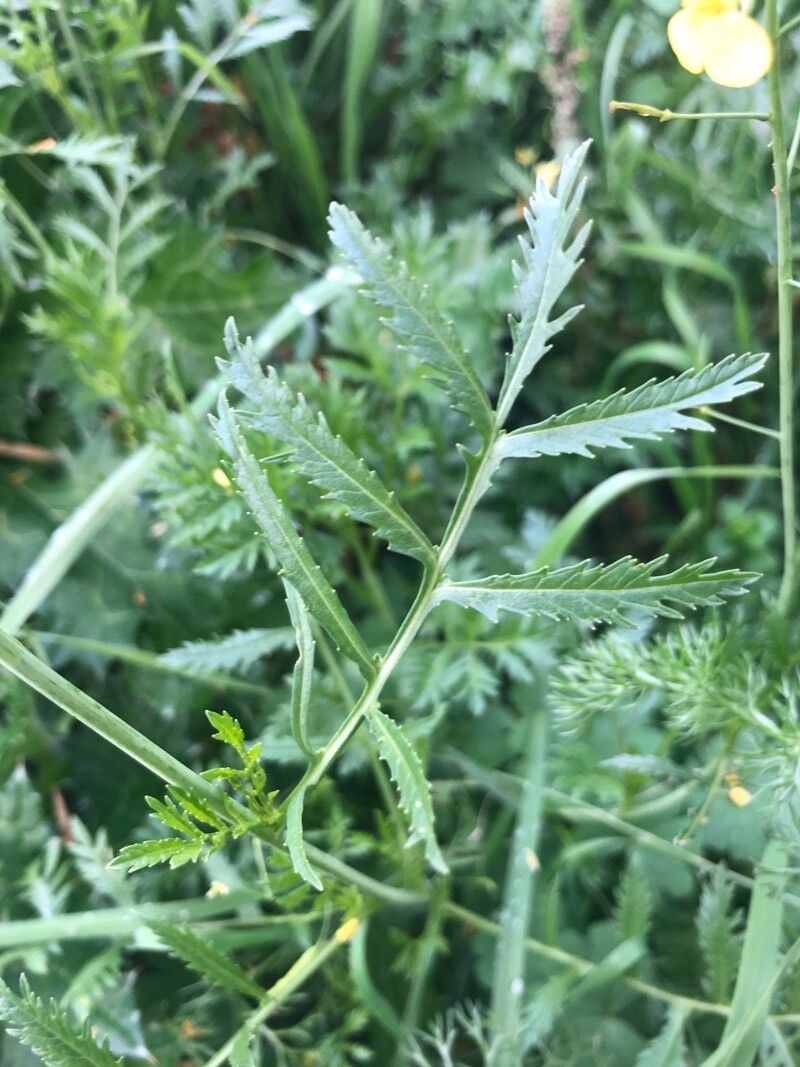
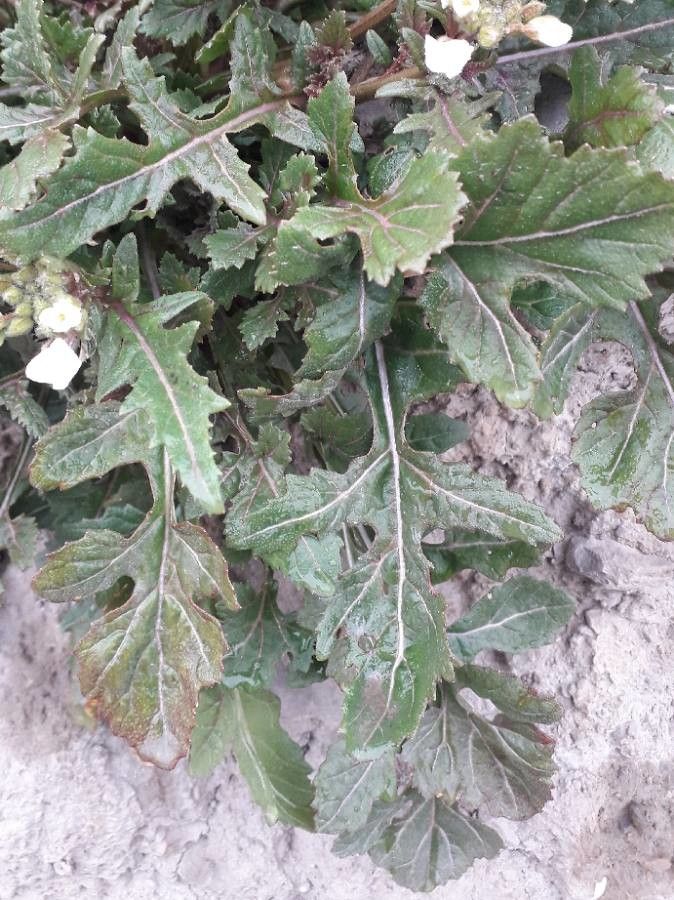
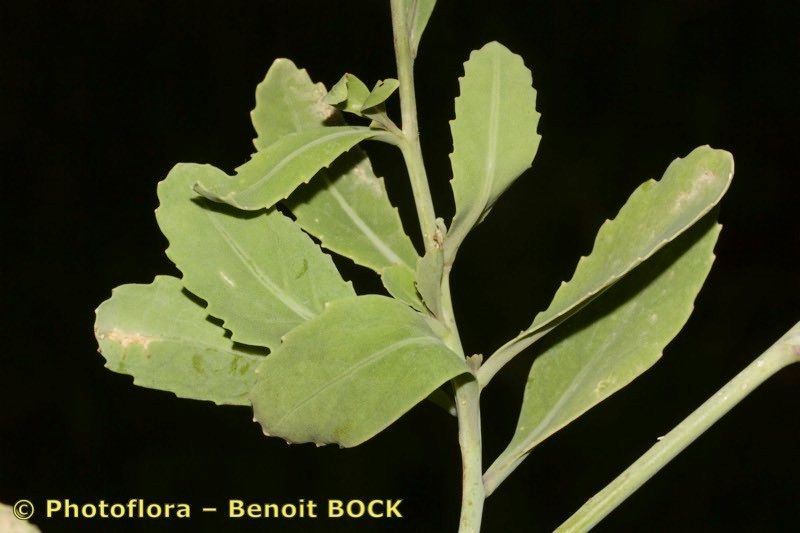
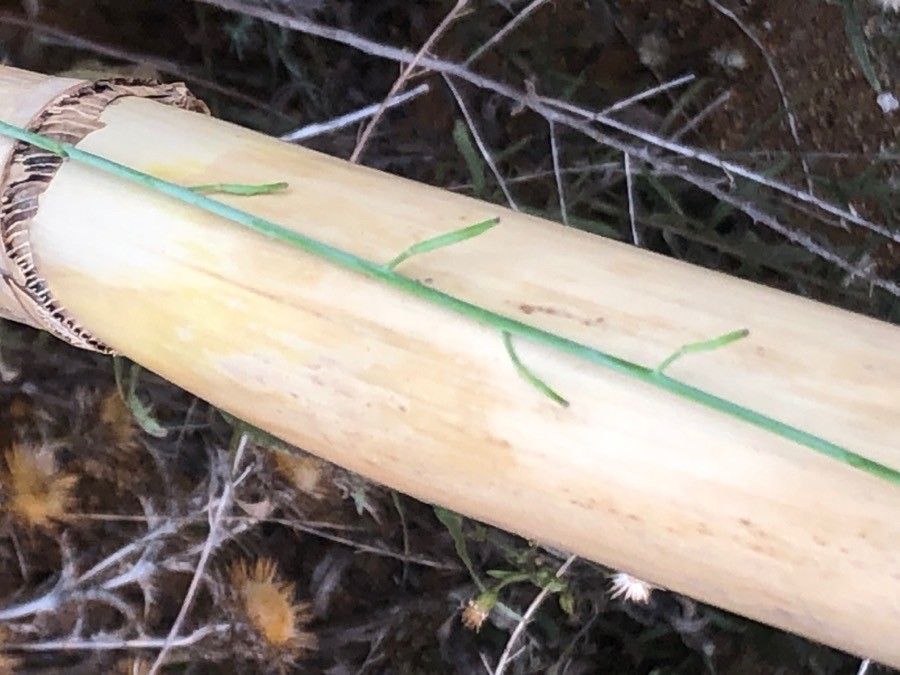
Diplotaxis muralis, commonly known as wall rocket, is a species of flowering plant in the mustard family. It is native to Europe and western Asia but has spread to other parts of the world. The plant typically thrives in rocky or sandy habitats, including walls, cliffs, and disturbed areas. Wall rocket features a rosette of deeply lobed, dark green, and slightly hairy leaves. These leaves have a pungent aroma and a taste similar to arugula or mustard greens. During the spring and summer months, the plant produces small yellow flowers in clusters at the top of tall stems. The plant is edible and has been used in culinary traditions for centuries. Wall rocket can be eaten raw or cooked, serving as a vegetable or an herb to enhance the flavor of salads, soups, sauces, and other dishes. Beyond its culinary applications, wall rocket also boasts medicinal properties. It is rich in vitamin C, which can boost immunity and help prevent diseases such as scurvy. Additionally, the plant contains antioxidants that help protect against cancer-causing free radicals. Overall, Diplotaxis muralis is a fascinating species with both culinary and medicinal benefits, making it an important part of our ecosystem today.
Annual wallrocket has strong resistance to disease and is generally not prone to illness. Still, it can be affected by pests and diseases present in its environment, though such infections tend to be mild. Regarding care, this plant has moderate maintenance needs. It should be pruned regularly to preserve an attractive appearance and encourage healthy growth. Applying fertilizer can also support and enhance flowering. Annual wallrocket is appropriate for anyone who has outdoor space, like a garden or patio, and does not demand extensive gardening experience. When grown indoors, it may need a higher level of care.
How to keep Diplotaxis Muralis.
Light
Annual wallrocket grows best when it gets as much sunlight as possible during the day. It often originates from areas with abundant sun, which promotes ideal growth. With plenty of light it prospers, but a shortage can result in stunted development and reduced vigor. Excessive sun, however, is typically tolerated by annual wallrocket.
Water
The annual wallrocket thrives in Mediterranean climates and is moderately drought-tolerant. To keep the soil at its best moisture level, it's recommended to water the plant about once a week. For optimal growth, the wallrocket prefers full sun. However, water availability significantly affects its development, making efficient irrigation crucial for maximizing its flowering potential.
Temperature
Annual wallrocket is native to mild regions and typically thrives at temperatures between 68 and 95 °F (20 to 35 ℃). During colder seasons, make sure it is placed in well-insulated locations. Temperature changes should be gradual.
Fertilizer
Annual wallrocket responds well to regular, dilute fertilizer applications to encourage healthy leaf growth. You should fertilize it about once a month during the summer months. Nitrogen is essential for foliage, and supplying nitrogen-rich sources helps Annual wallrocket thrive.
Pruning
The Annual Wallrocket is characterized by its unique rocket-shaped leaves and small yellow flowers. It thrives with pruning in the spring, which encourages bushier growth, removes damaged stems, and helps control its size to prevent it from becoming invasive. Regular trimming not only enhances the health of the foliage but also makes it a visually appealing addition to your garden.
Botanical profile.
- Plant Type
- Herb
- Life Cycle
- Annual, Biennial, Perennial
- Genus
- Diplotaxis
- Family
- Brassicaceae
- Hardiness Zone
- 6-9
- Mature Height
- 30 cm to 49 cm
- Mature Spread
- 15 cm
- Leaf Color
- Green, Dark Green
- Leaf Type
- Semi-evergreen
- Flower Color
- Yellow
- Flower Size
- 0.76 cm to 1.52 cm
- Bloom Time
- All year round
- Planting Time
- Spring, Summer, Autumn
- Harvest Time
- All year round
Other names.
Reader questions.
How should I water my Annual wallrocket effectively?
Watering Annual wallrocket is a flexible task that can be done with various tools like a garden hose, watering can, or any common watering tool. This plant can thrive with different types of water, such as rainwater, tap water, or filtered water. It's recommended to avoid watering from above as this can harm the leaves, flowers, and potentially cause disease. A drip irrigation system is often the best method for watering, as it delivers water evenly and directly to the soil. When it comes to container-grown Annual wallrocket, you can use a cup, watering can, or tap water to apply water directly to the soil.
What are the sunlight requirements for Annual Wallrocket?
Annual Wallrocket (Diplotaxis muralis) thrives best with above 6 hours of sunlight per day, ideally receiving the maximum amount of sunlight throughout the day. This full sun exposure is crucial for its optimum growth, mimicking its native environment where sunlight is abundant. It's important to watch how sunlight moves through your garden, selecting spots that offer a perfect balance of light and shade, ensuring the plants' happiness. Although it generally tolerates overexposure well, inadequate sunlight may result in stunted growth and poor vitality.
What is the optimal temperature range for growing annual wallrocket?
Annual wallrocket, scientifically known as Diplotaxis muralis, is native to mild regions and thrives best in temperatures ranging from 68 to 95 °F (20 to 35 °C). This plant possesses strong cold resistance and generally does not require special frost protection measures. However, it's essential to ensure that the plant is positioned in well-insulated locations during the colder seasons and that temperature changes are gradual to maintain its health.
What should I do if I give my Annual wallrocket too much or too little water?
To remedy underwatering for your Annual wallrocket, simply water it more regularly when you notice it lacks moisture. Overwatering, on the other hand, can be a serious problem. If not caught early, it can lead to diseases and the eventual decline and death of your plant. To prevent this, choose a growing location with ample sunlight to dry the soil and good drainage to prevent water from pooling. If your potted Annual wallrocket has been overwatered, consider repotting it in a container with better drainage and loose soils.
How do I use artificial lighting for Indoor Annual Wallrocket plants?
For Indoor Annual Wallrocket plants requiring more light, especially in winter or less sunny spaces, artificial lighting provides a significant boost. LED lights are recommended because they can be tailored to deliver specific wavelengths needed by plants. Full sun plants need 30-50W/sq ft, partial sun 20-30W/sq ft, and full shade plants 10-20W/sq ft. Place these lights 12-36 inches above the plants and keep them on for 8-12 hours per day to mimic natural daylight, promoting faster and healthier growth.
How should annual wallrocket be cared for during winter?
During winter, annual wallrocket is well-adapted to cold conditions and usually does not need special frost protection. Yet, in regions where temperatures are expected to plummet below -25°C, cold protection becomes crucial. This protection can be provided by covering the plant with soil or straw. Additionally, before the onset of the first freeze in autumn, it is advisable to water the plant abundantly. This ensures that the soil remains moist and enters into a frozen state, which helps to prevent drought and water scarcity for the plant during the winter and early spring seasons.
How often should I water my Annual wallrocket plant?
Annual wallrocket requires regular watering throughout the growing season. In the spring, water the plant once per week. As the season progresses and temperatures rise, increase watering to two to three times per week. However, exceeding this rate can harm the plant. Regardless of watering frequency, ensure that the soil remains moist but not wet. Watering potted Annual wallrocket is slightly different. Due to faster soil drying, increase watering frequency to a few times per week compared to once per week for in-ground plants.
What are the symptoms of inadequate sunlight in Annual Wallrocket?
When Annual Wallrocket doesn't receive enough light, it might show signs like smaller new leaves, leggy or sparse growth, early leaf drop, halting in new growth, and lighter-colored leaves indicating a lack of chlorophyll and essential nutrients. Extreme sunlight can cause chlorosis, sunscald, leaf curling, wilting, and leaf scorching, affecting the plant’s ability to photosynthesize and maintain overall health.
What are the symptoms and solutions for annual wallrocket exposed to low temperatures?
Annual wallrocket demonstrates a notable tolerance to cold, performing best when the temperature stays above 20°C and maintained above 0°C during winters. If temperatures fall below -25°C, the plant might not show immediate changes, but you may observe a decrease in sprouting or even an absence of sprouting come springtime. The recommended solution for this scenario is to remove any parts of the plant that have failed to sprout in spring.
How much water does my Annual wallrocket plant need?
When it comes to watering your Annual wallrocket, there are a few methods you can use. Some gardeners prefer the "feel" method, where they gauge the moisture of the soil by touching it. They suggest watering until the top six inches of soil feel moist. Another approach is to use a specific measurement, such as about two gallons of water per week. However, it's important to consider factors like temperature and how quickly the soil dries out, as following strict guidelines could result in overwatering. If you're growing Annual wallrocket in a container, a different method is needed. Make sure to water enough to moisten all dry layers of soil, which can be tested by sticking your finger in the soil. Another indicator is when you see a small amount of excess water draining from the pot's holes.
How can I address sunlight deficiencies for my Annual Wallrocket?
To address sunlight deficiencies for Annual Wallrocket, indoor plants can be gradually moved to sunnier locations until they receive at least 6 hours of direct sunlight daily, using south-facing windows or artificial lighting as needed. For outdoor plants, it's crucial to adapt them to sunnier spots gradually to avoid sunburn. Reducing obstructions and considering transplanting during the plant's dormant period can also improve sunlight access. Although parts of the plant damaged by insufficient light may not recover, new growth will be healthy with increased light exposure.
What are the symptoms and solutions for annual wallrocket exposed to high temperatures?
When exposed to high temperatures, particularly during summer, it's important to ensure that annual wallrocket's environment stays below 35°C. Exposure to temperatures above 38°C can cause the leaves to lighten in color, become prone to curling, suffer sunburn, and in severe cases, may result in the wilting and drying of the entire plant. To mitigate this, affected parts of the plant should be trimmed away. Move the plant to a shaded location, especially away from midday and afternoon sun, or employ a shade cloth. Additionally, watering the plant in the morning and evening will help keep the soil moist and protect the plant from heat stress.