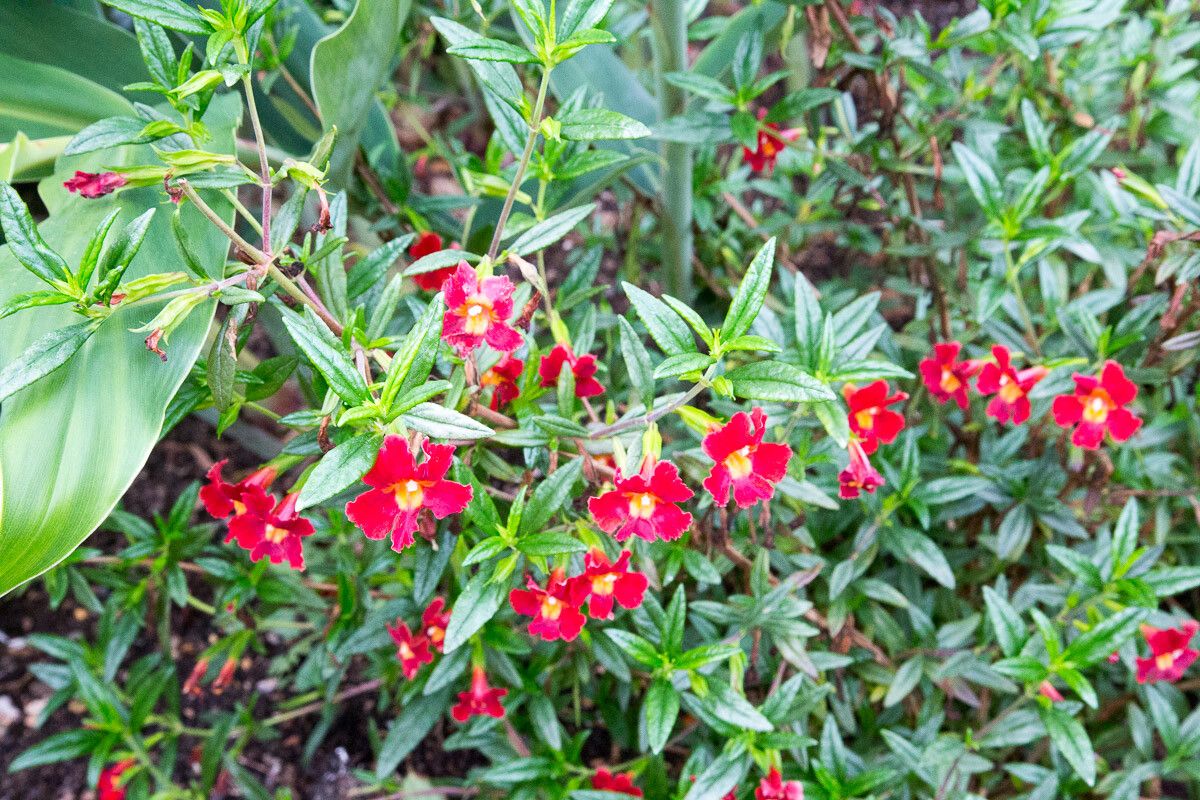
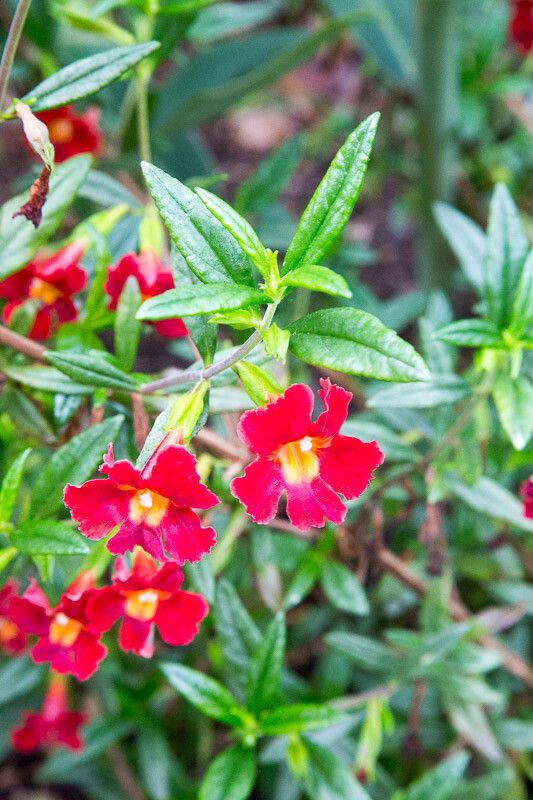
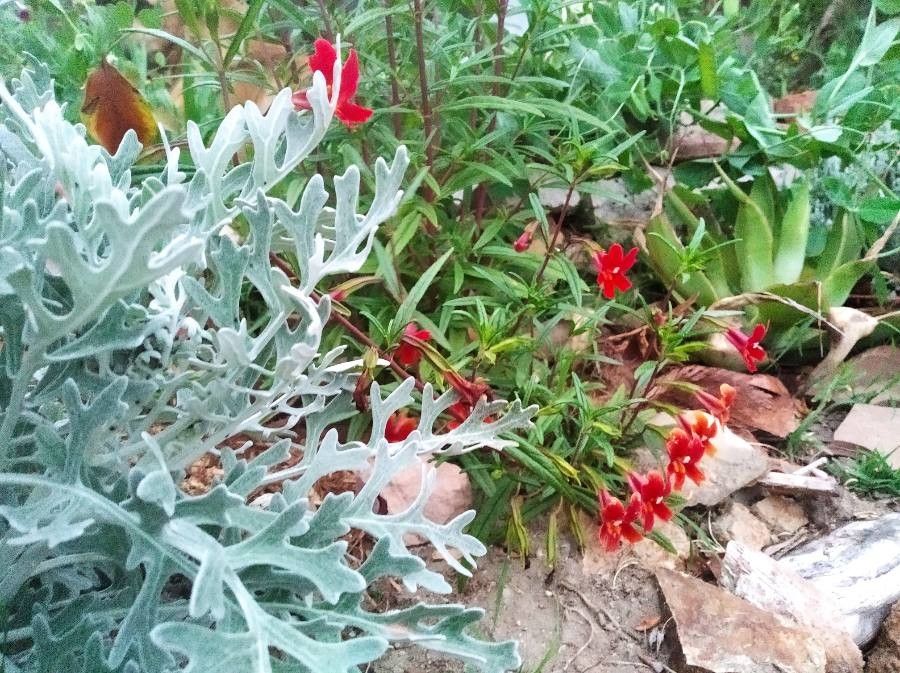
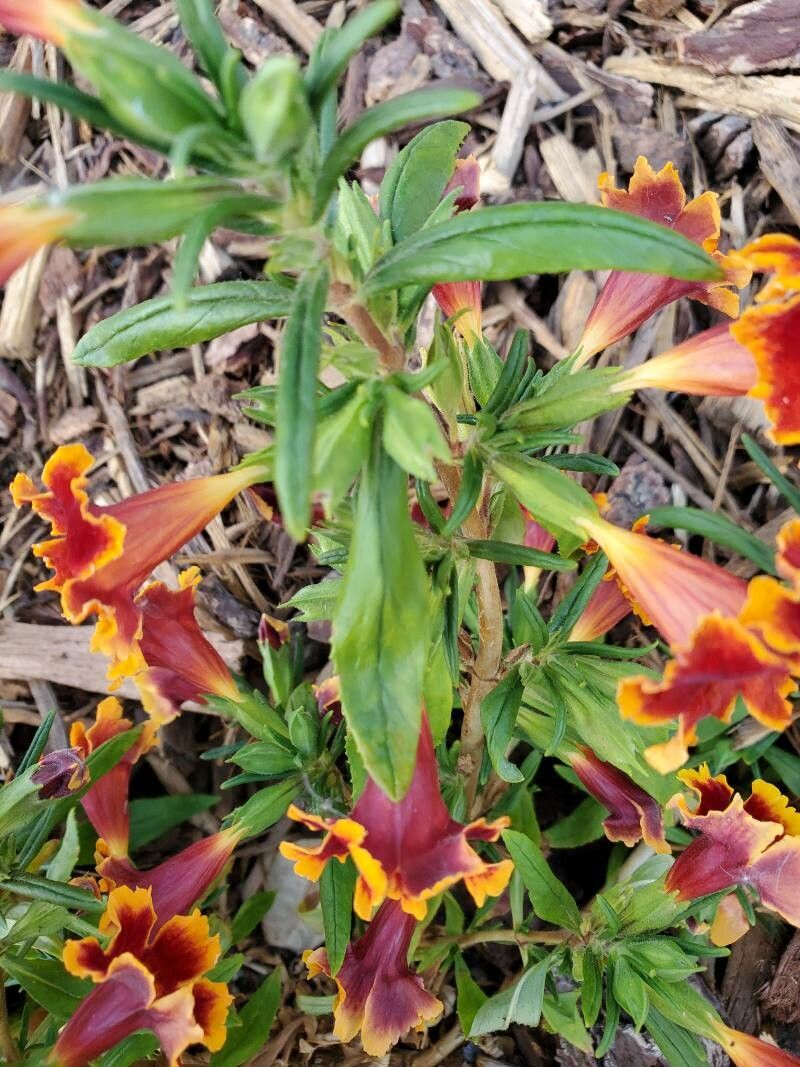
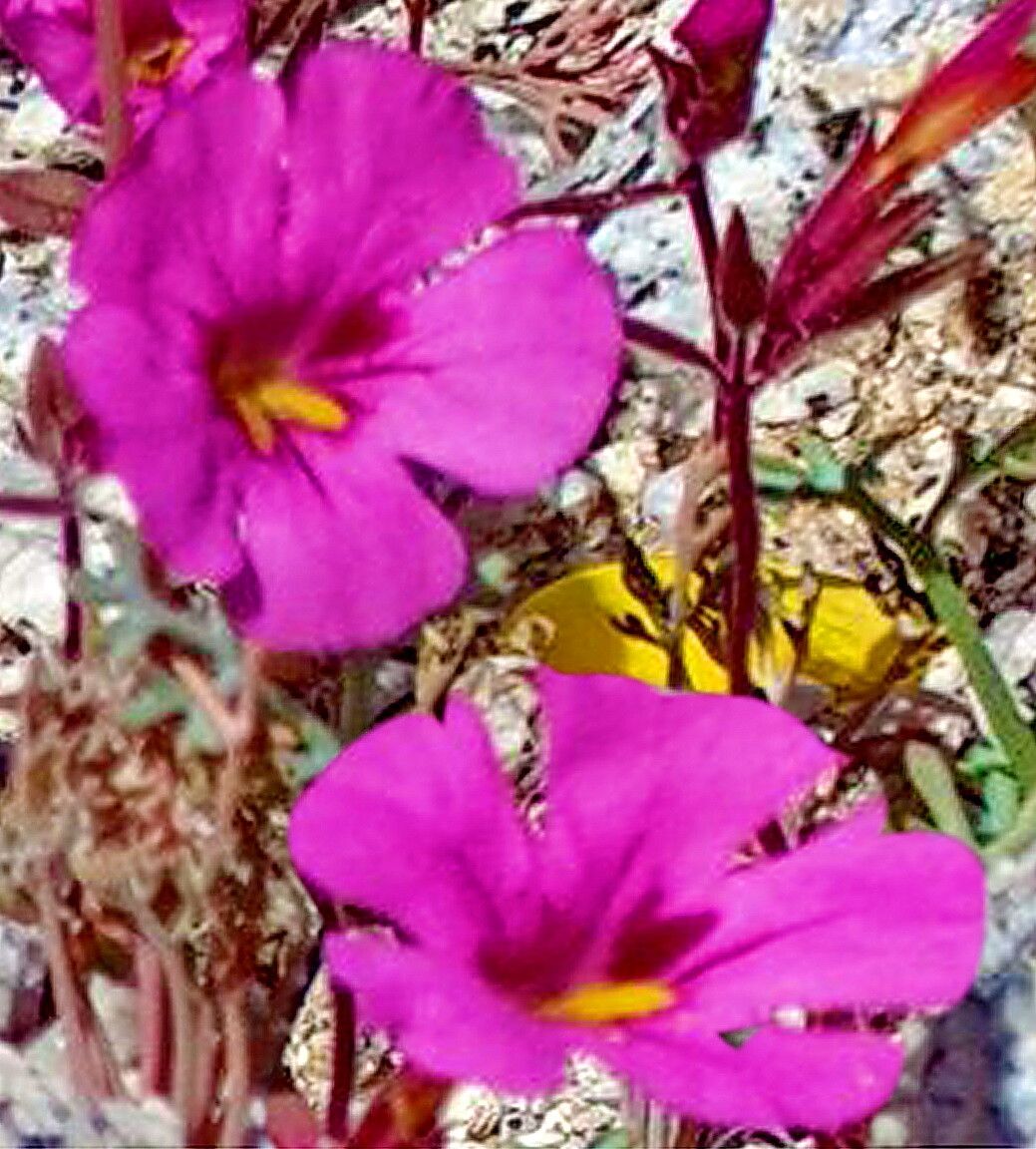
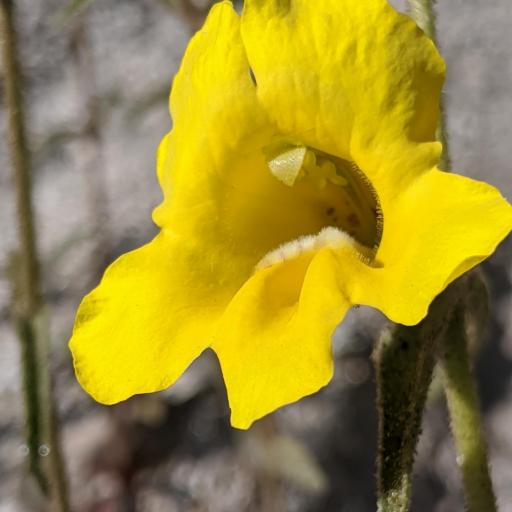
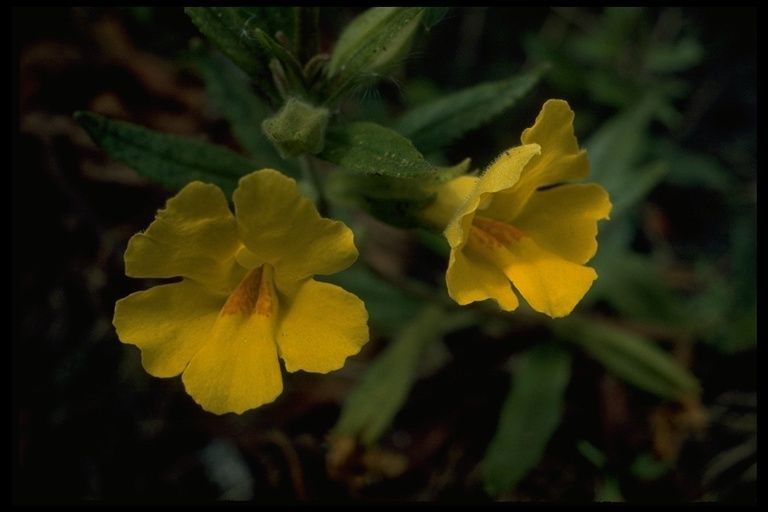
Diplacus puniceus, commonly known as the red monkeyflower, is a flowering plant native to California and Oregon in the United States. This perennial herb belongs to the Phrymaceae family and can grow up to 1 meter in height. It features bright red tubular flowers that bloom from spring through summer, attracting hummingbirds and bees for pollination. The leaves are green, lance-shaped, and have serrated edges.
Red monkeyflower thrives in moist soils and prefers sunny or partially shaded areas such as meadows, stream banks, or rocky slopes. Although it can tolerate drought conditions, regular watering is essential for optimal growth.
Native Americans have used this plant for medicinal purposes, including treating skin conditions, respiratory problems, and digestive issues.
Diplacus puniceus is a visually appealing addition to gardens, especially during springtime when its vibrant flowers add a splash of color. Furthermore, it plays a significant ecological role by providing nectar for pollinators like hummingbirds, which are crucial for seed dispersal in many ecosystems.
Red bush monkeyflower has strong disease resistance and is usually not susceptible to diseases. In terms of care, this plant is fairly low maintenance. When grown outdoors, it needs little watering, and larger plants typically do not require pruning. Smaller plants, however, should be pruned after they have finished blooming. Red bush monkeyflower is suitable for anyone with outdoor space, such as a garden or deck, and does not demand extensive care experience.
How to keep Diplacus Puniceus.
Light
Red bush monkeyflower comes from open habitats, like sunny meadows and forest edges, that offer ample light. It does best in Full Sun but can also tolerate Partial Sun, adapting well to different sunlight conditions.
Water
The red bush monkeyflower is well-suited for dry conditions, thriving with moderate watering. It needs water every 1-2 weeks and prefers well-draining soil to prevent root rot. This plant mirrors its natural habitat's balance between wet and dry periods, making it ideal for areas with seasonal rainfall patterns.
Temperature
The red bush monkeyflower is very adaptable to different climate conditions, from blazing summers to frosty winters. That said, it still has an optimal temperature range for growth. When temperatures become too high, the plant is susceptible to heat and humidity stress, which can lead to its death. In places where temperatures approach the lower limit of its cold tolerance, it is important to provide insulation to protect the plant.
Fertilizer
Timing is crucial for fertilizing Red bush monkeyflower. Fertilize in early spring and then monthly through early summer. Fertilizer helps produce attractive blooms and supplies energy during both dormant and active growth phases.
Pruning
The Red Bush Monkeyflower, known for its vibrant red blossoms, thrives with early spring pruning. Start by removing any dead branches, then lightly trim the plant to maintain its shape, cutting just above the nodes to encourage new growth. Proper pruning not only enhances blooming but also prevents the plant from becoming leggy. To minimize the risk of disease, always use clean, sharp tools.
Botanical profile.
- Plant Type
- Shrub
- Life Cycle
- Perennial
- Genus
- Diplacus
- Family
- Phrymaceae
- Hardiness Zone
- 8-11
- Mature Height
- 30 cm to 91 cm
- Mature Spread
- 91 cm
- Leaf Color
- Green, Dark Green
- Leaf Type
- Evergreen
- Flower Color
- Red
- Flower Size
- 3.05 cm to 5.08 cm
- Bloom Time
- All year round
- Planting Time
- Spring, Summer, Autumn
- Harvest Time
- All year round
- Native Area
- Mexico
Other names.