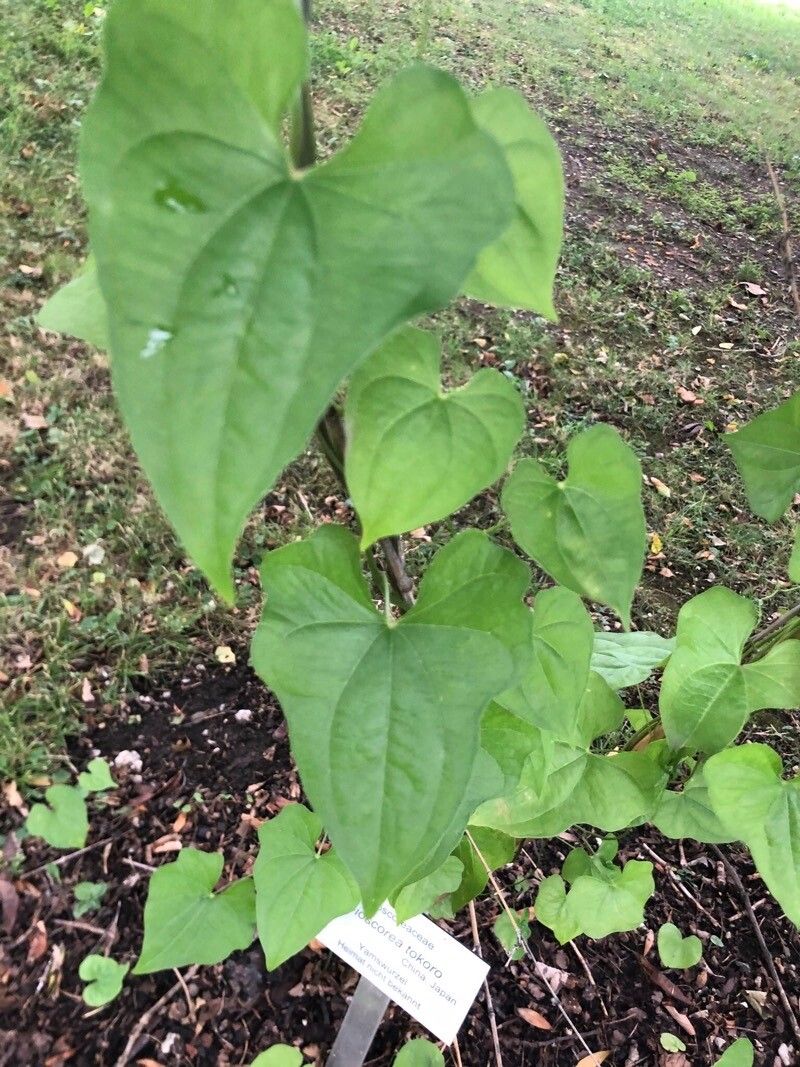
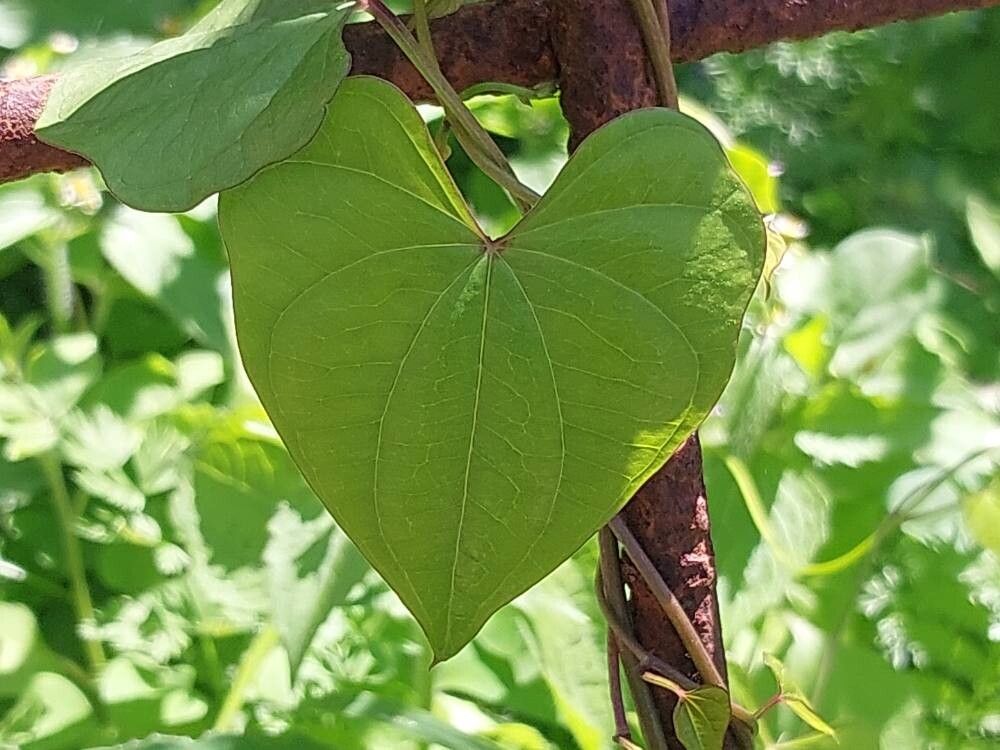
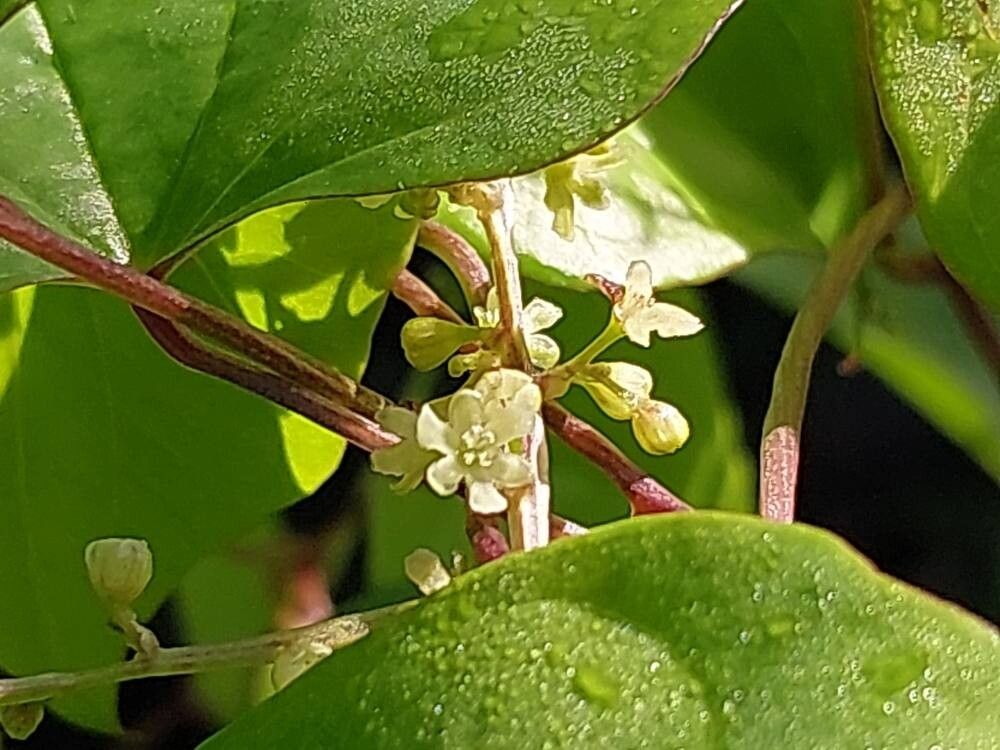
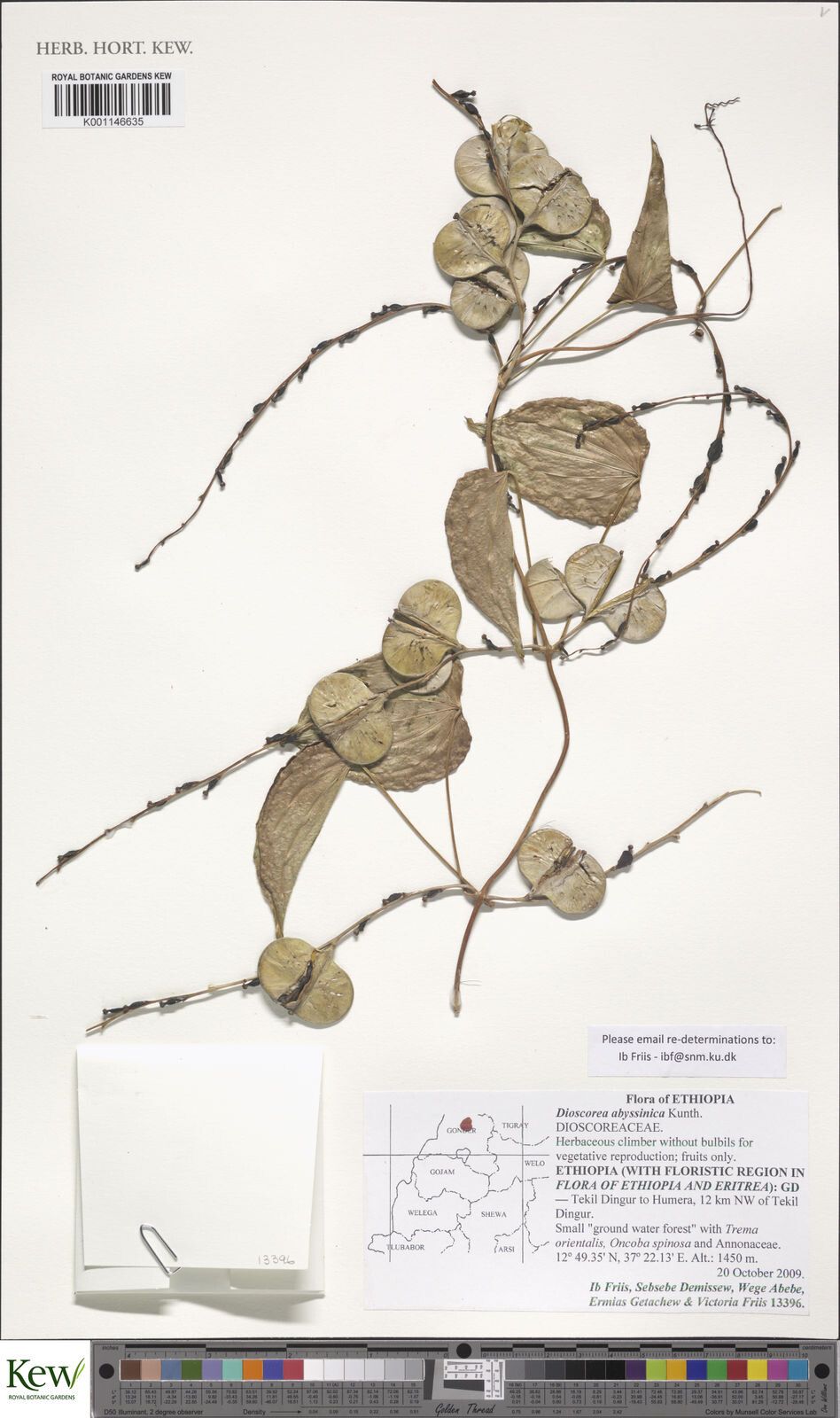
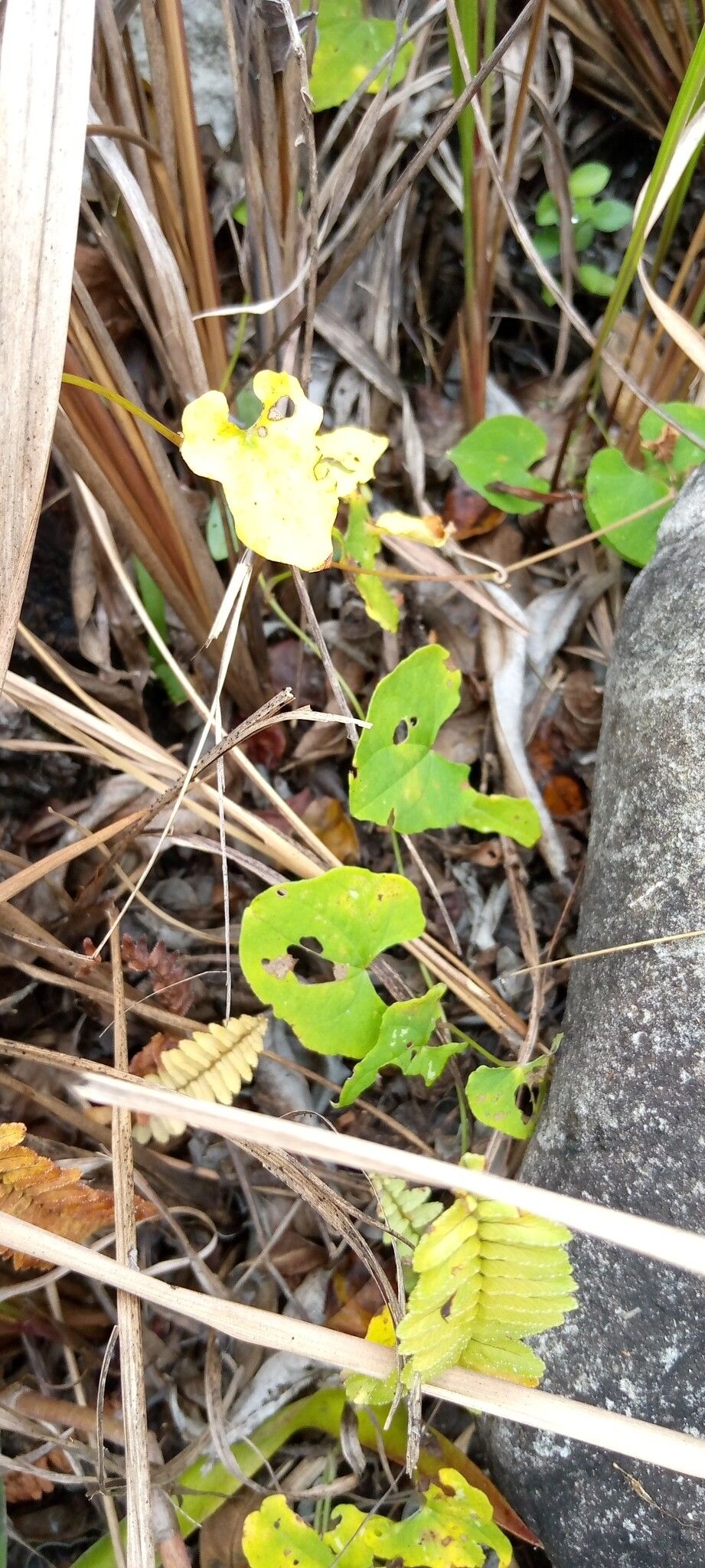
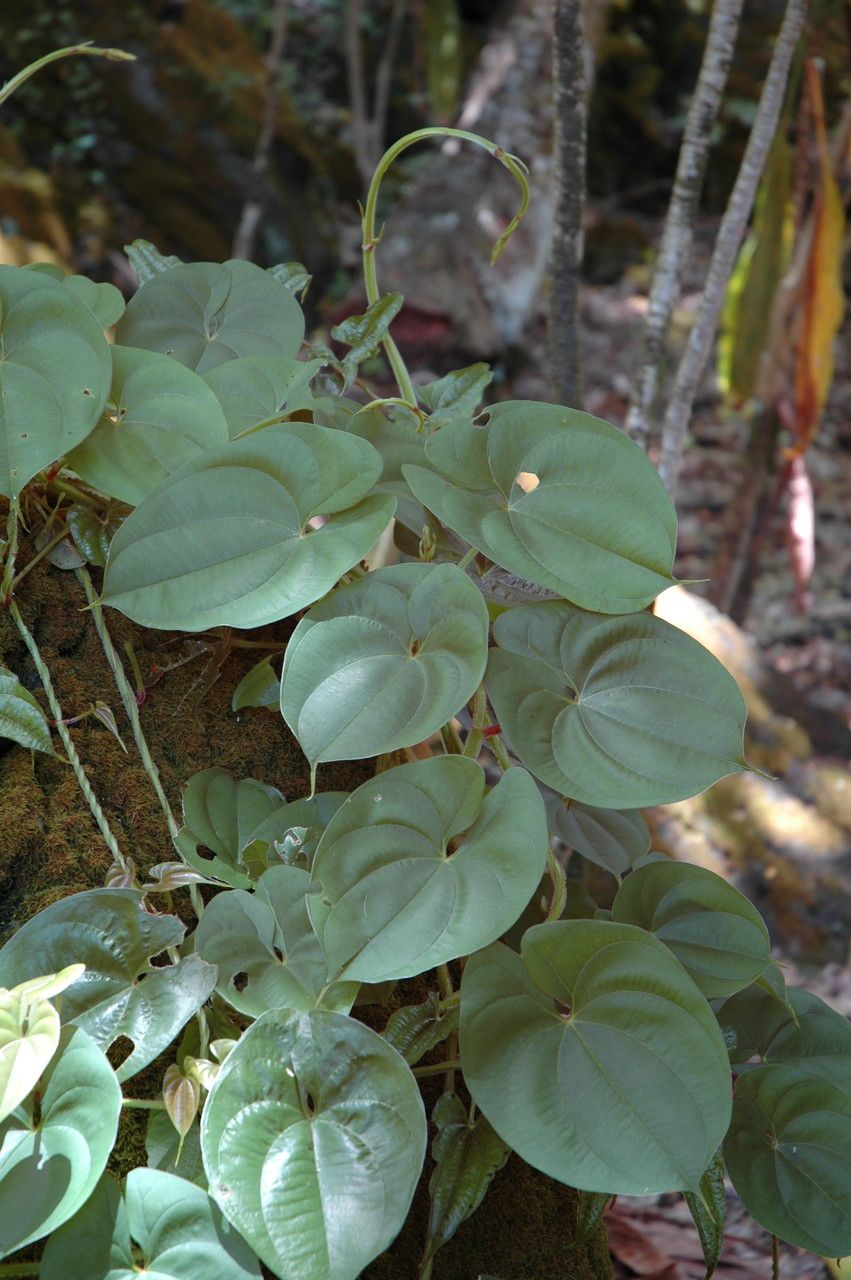
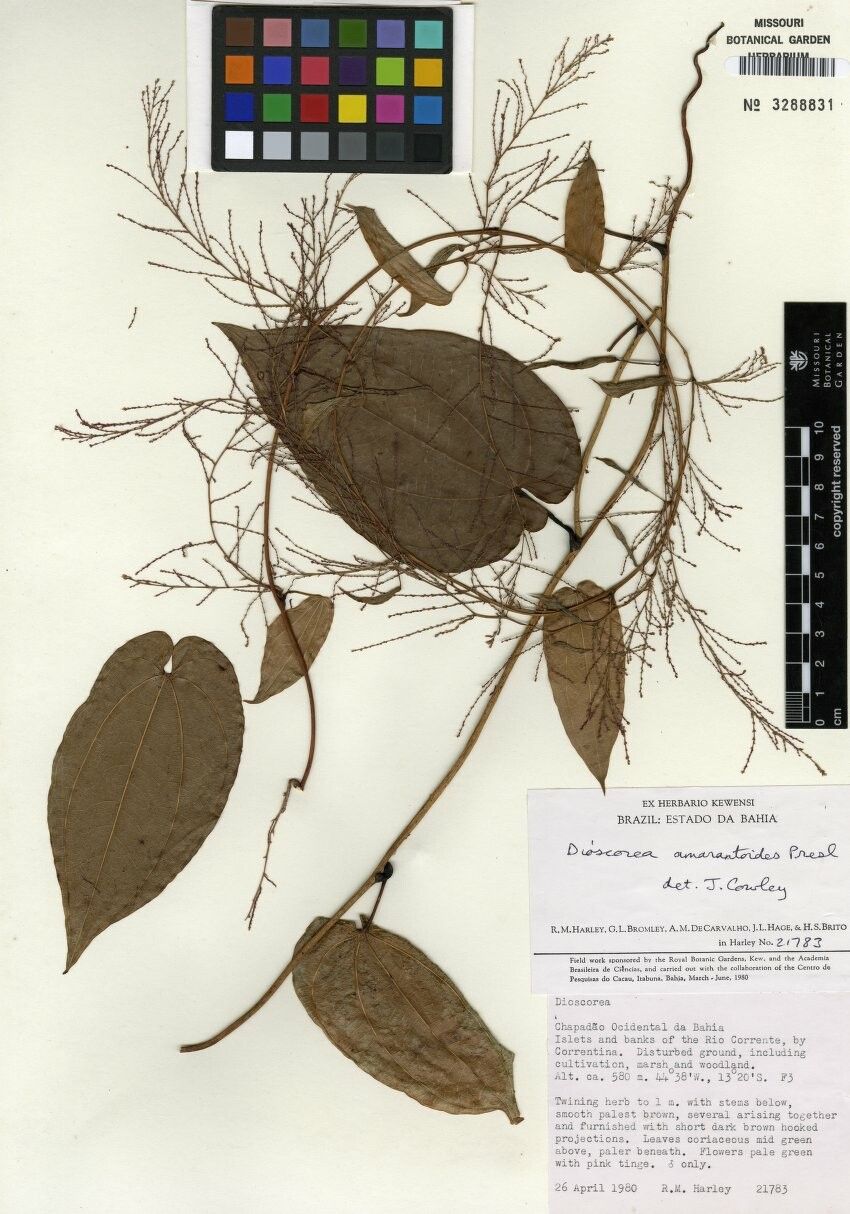
Yam is resistant to disease and is generally not susceptible to illnesses. In terms of care, the plant is fairly low-maintenance. When grown outdoors it needs only light watering, and larger specimens typically do not require pruning. Smaller plants, however, should be pruned after they finish blooming. Yamt is appropriate for anyone with an outdoor area, such as a garden or deck, and does not demand much care experience.
How to keep Dioscorea Tokoro.
Light
The yam thrives when it receives an amount of light comparable to the full span of daylight. This condition greatly contributes to its healthy growth. Its native habitat provides this abundant sunlight, which supports its development at every stage. A lack of sufficient light or excessive exposure might hinder the yam's growth.
Water
Yam, native to subtropical regions, thrives in moderately humid environments and prefers evenly moist soil. It typically needs watering every three weeks and can withstand drier conditions. Therefore, managing water efficiently is crucial during its active growing season.
Temperature
Yam is highly adaptable to a wide range of climates, from intense summer heat to cold winters. Nevertheless, it has a preferred temperature range for growth. If temperatures become too high, the plant is vulnerable to heat and humidity stress, which can lead to its death. In areas where temperatures reach the lower end of its cold tolerance, taking insulating measures to protect the plant is important.
Fertilizer
To encourage healthy growth, fertilize your Yam in early spring. Consistent feeding improves overall health, producing vigorous growth, better tolerance of harsh conditions, and increased resistance to pests and diseases. Keep a regular fertilization schedule for your Yam to preserve vibrant foliage with rich color and a lush appearance.
Pruning
Yams have climbing vines and tuberous roots. To maintain healthy growth, prune them in early spring. During pruning, remove any dead or damaged growth and thin out crowded areas to improve air circulation. Be sure to use sharp tools when pruning, as this promotes healthier growth and better nutrient distribution. After pruning, provide proper care to support the plant's recovery.
Botanical profile.
- Plant Type
- Vine
- Life Cycle
- Perennial
- Genus
- Dioscorea
- Family
- Dioscoreaceae
- Hardiness Zone
- 7-10
- Mature Height
- 3.05 m
- Mature Spread
- 0.91 m to 2.13 m
- Leaf Color
- Green, Dark Green
- Leaf Type
- Deciduous
- Flower Color
- Green, White
- Flower Size
- 0.51 cm
- Bloom Time
- Early summer, Mid summer
- Planting Time
- Spring
- Harvest Time
- Late summer, Early fall, Mid fall
- Native Area
- Koppen, Japan, South Korea, China
Other names.