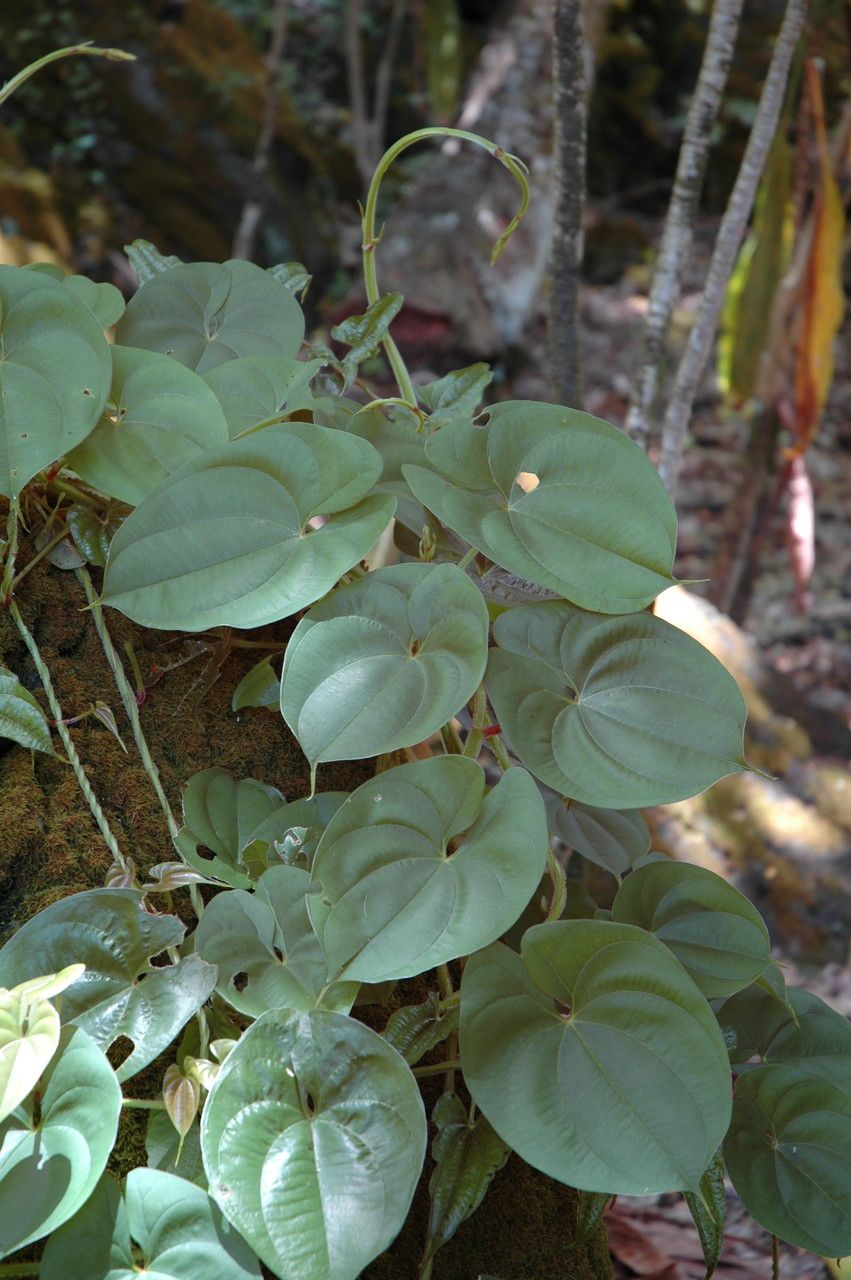
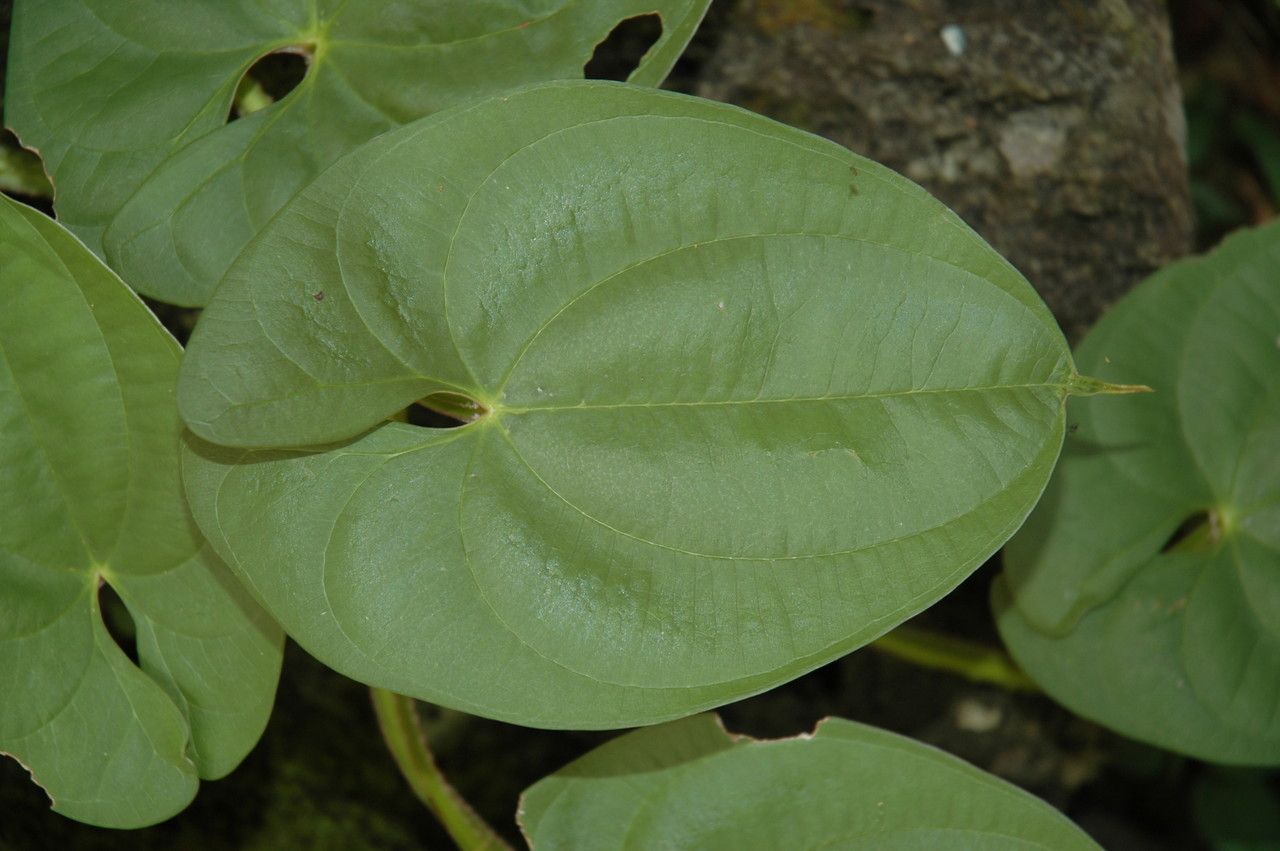
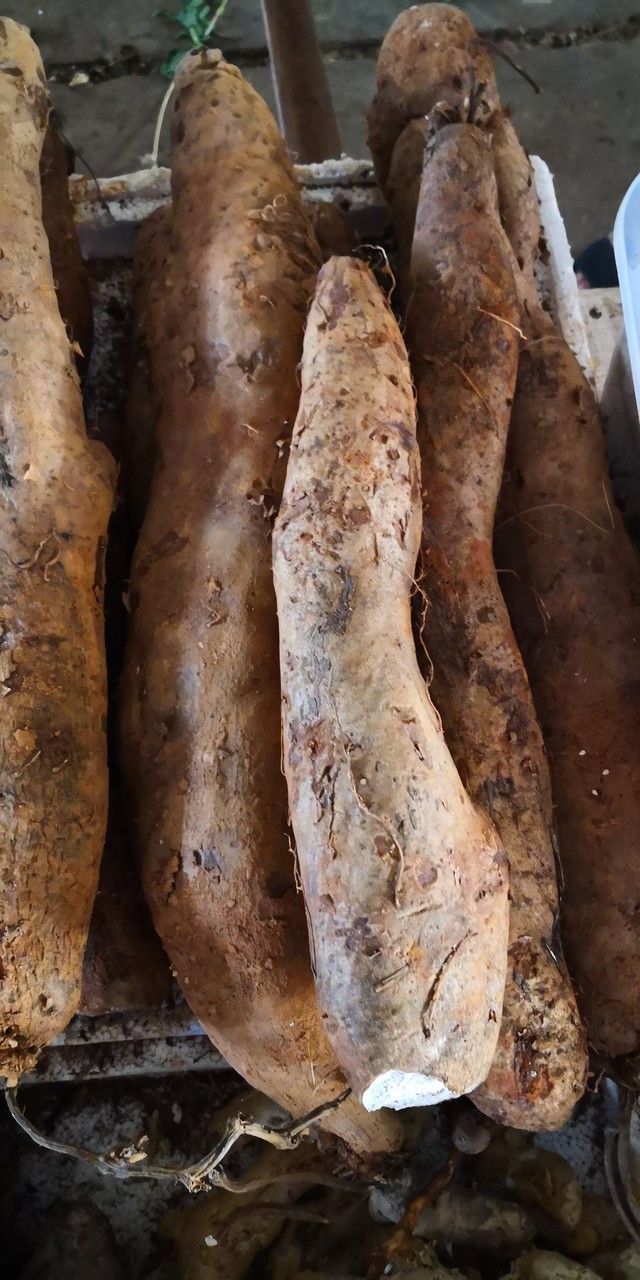
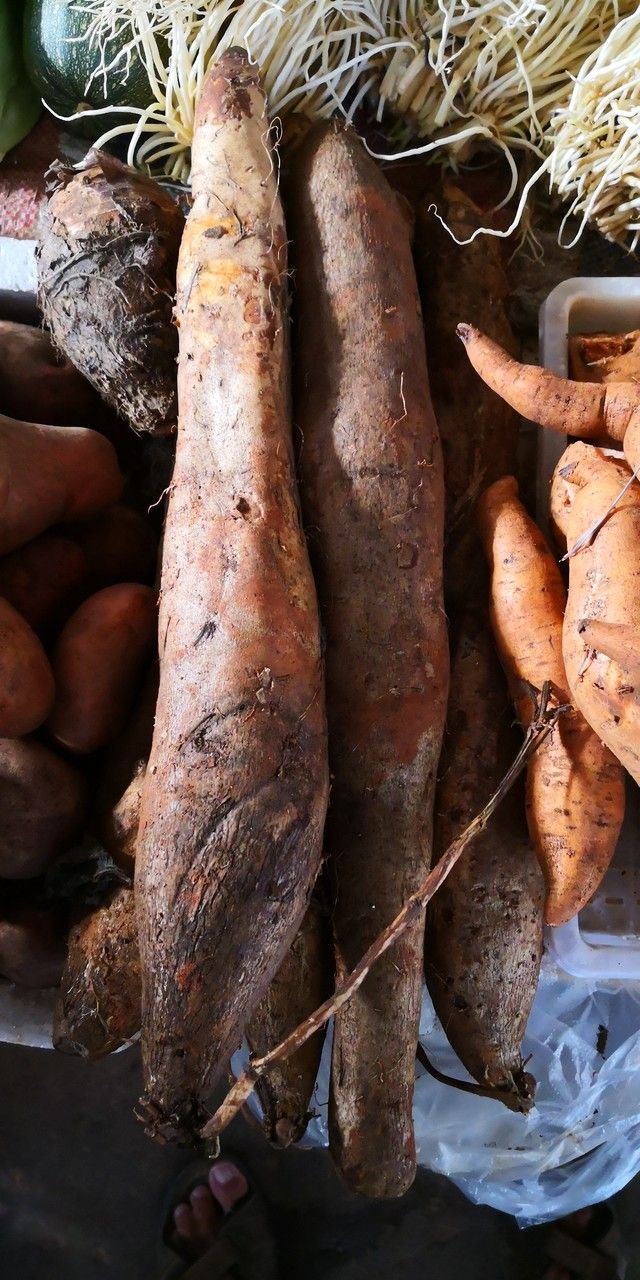
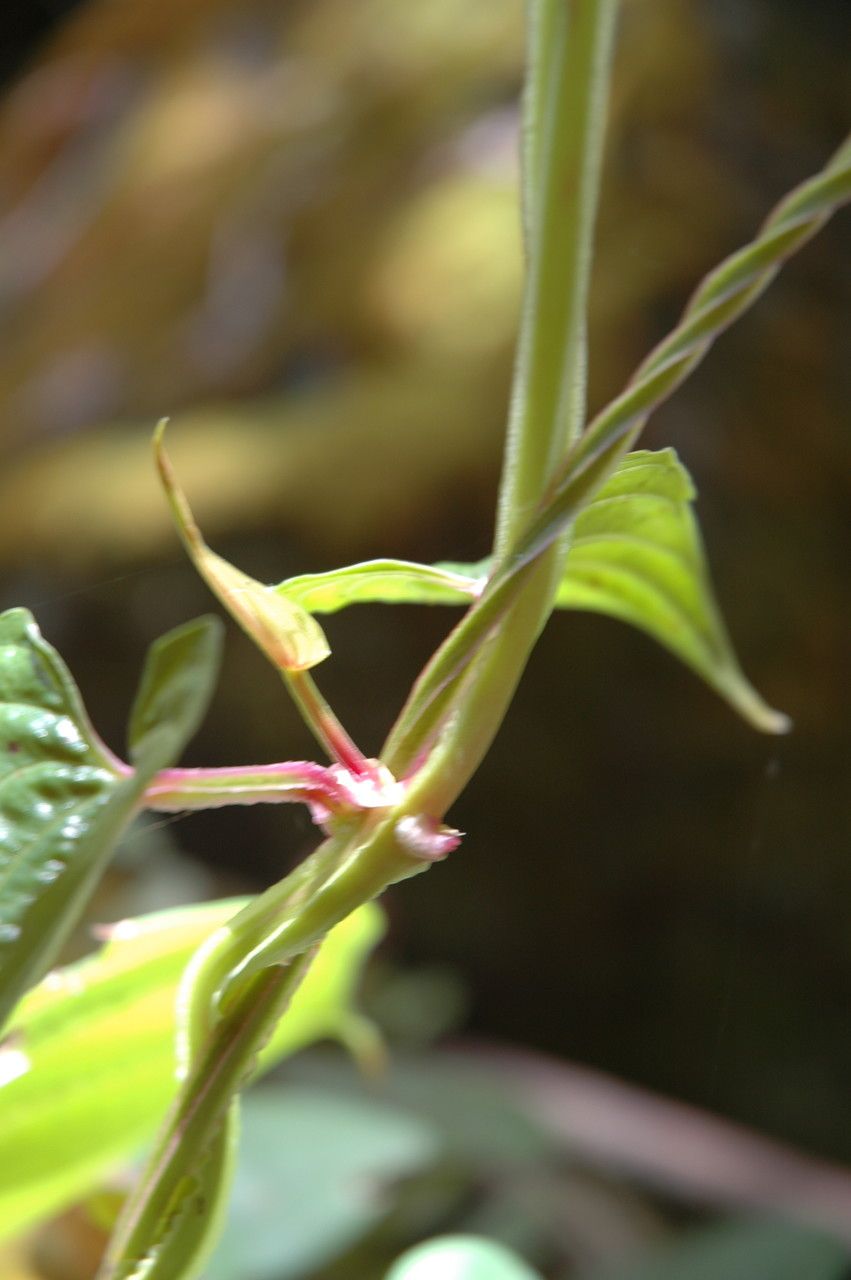
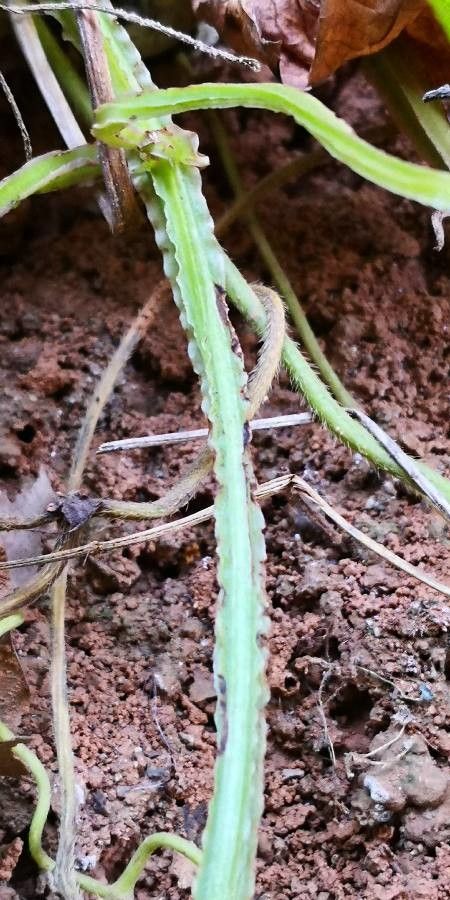
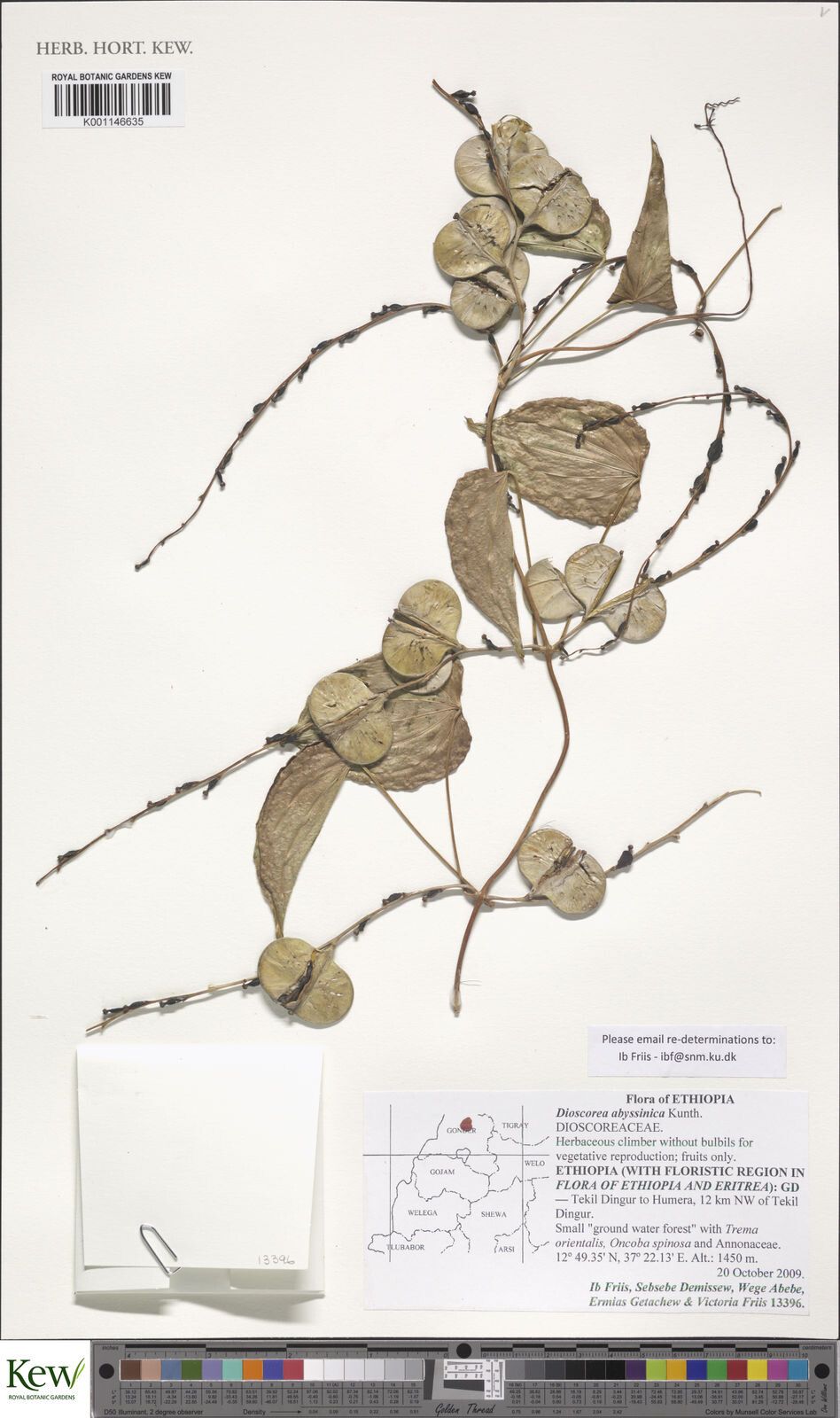
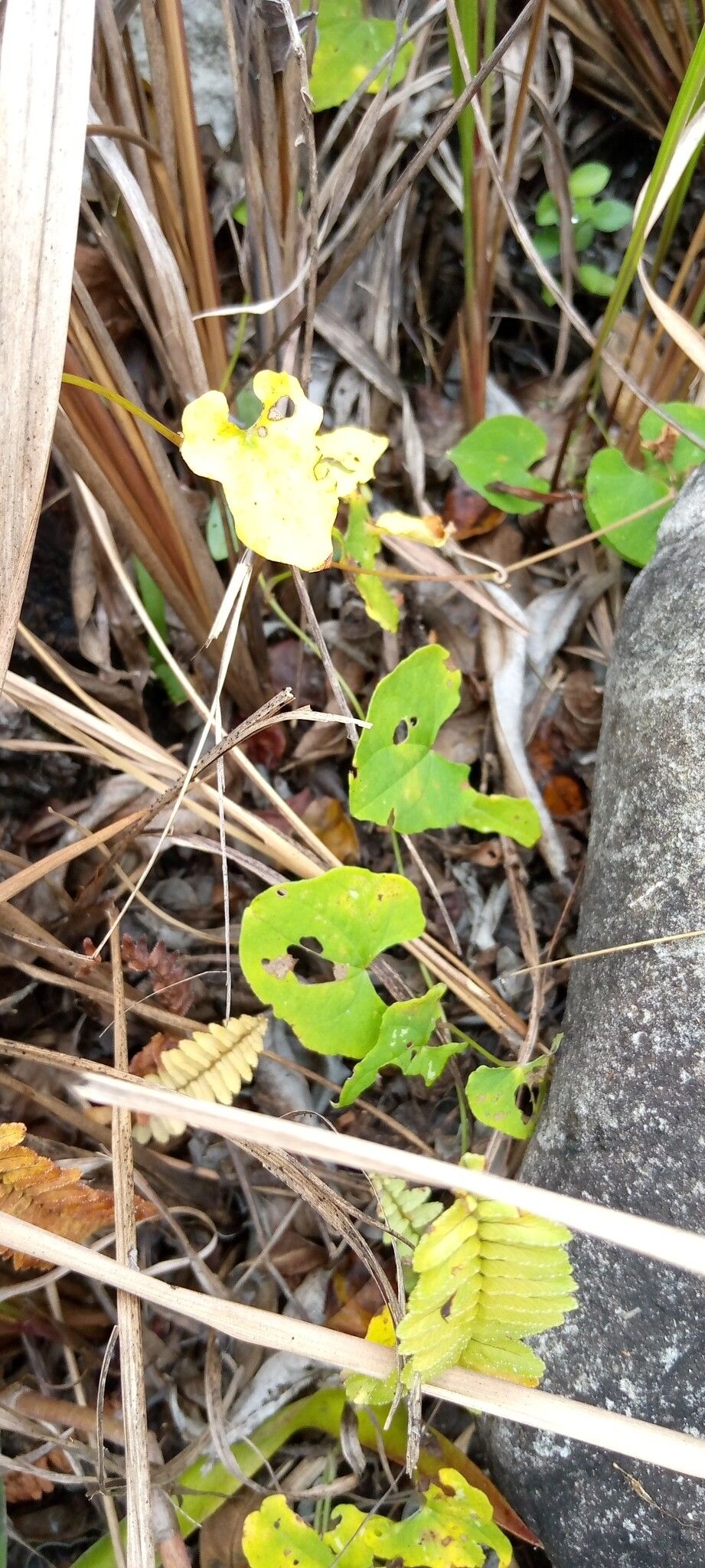
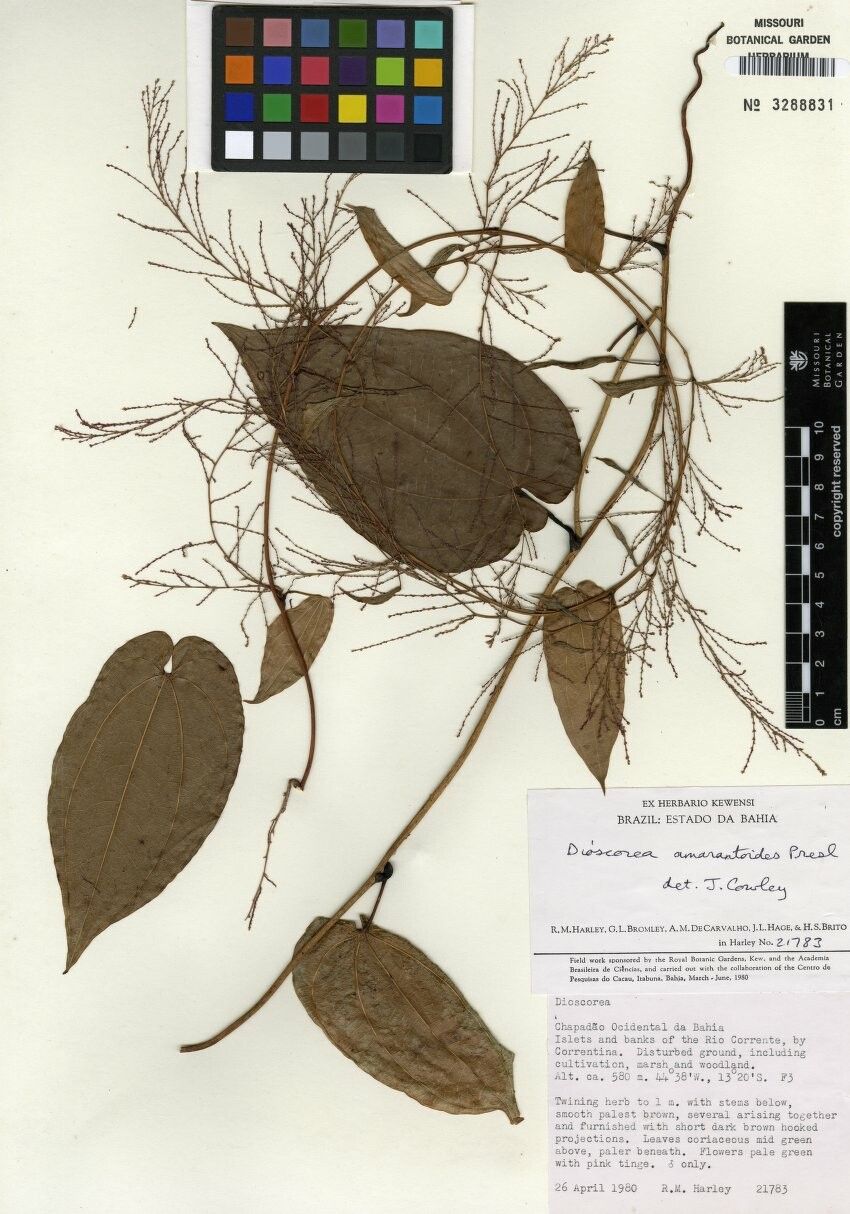
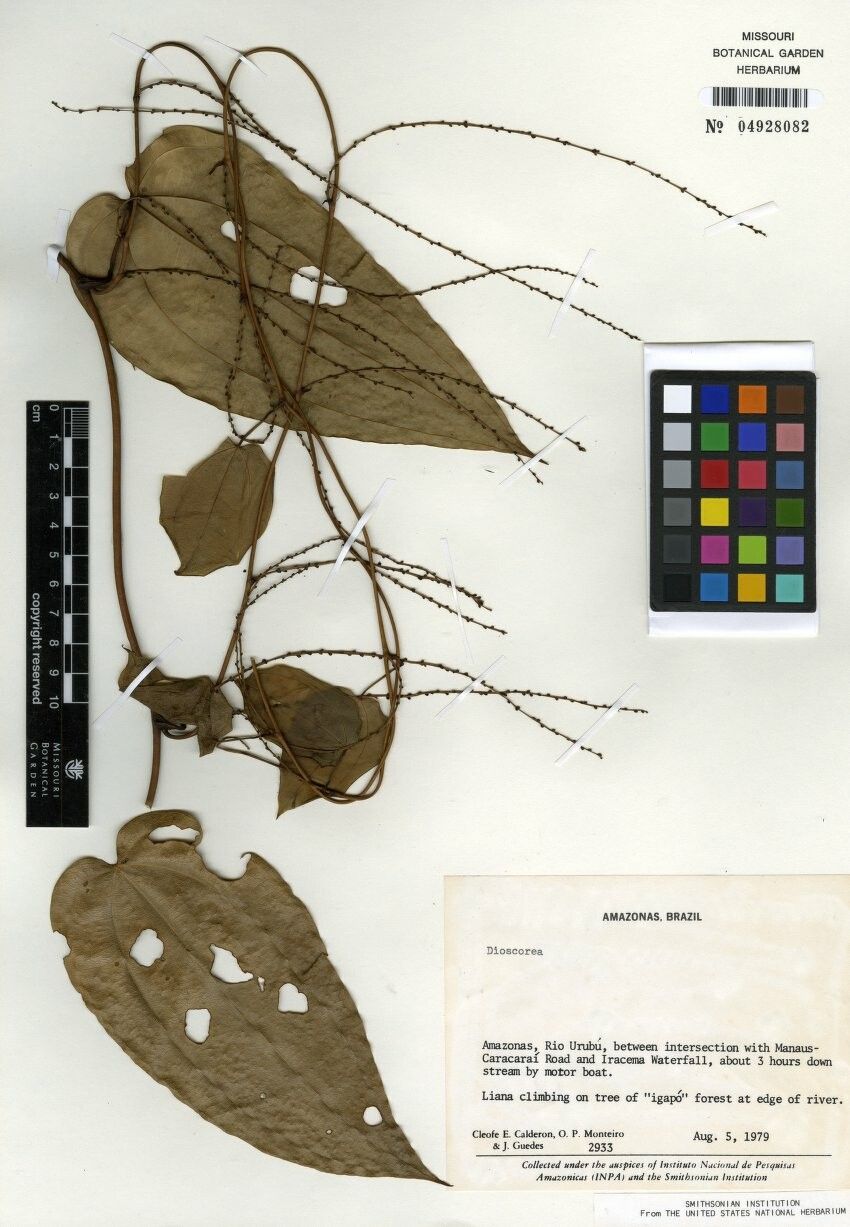
Dioscorea alata, commonly known as the water yam or purple yam, is a species of yam native to Southeast Asia and the Pacific Islands. This perennial vine can grow up to 6 meters in length and produces large tubers that serve as a valuable food source. Rich in carbohydrates, these tubers have also been utilized in traditional medicine for their anti-inflammatory properties for centuries. The plant features heart-shaped leaves with prominent veins and small greenish-yellow flowers that grow on long stalks. Dioscorea alata thrives in warm, humid climates with well-drained soil. It can be propagated either through stem cuttings or by planting the tubers directly into the ground. Due to its high yield potential and nutritional value, Dioscorea alata is an important crop in many tropical regions. However, it can become invasive if not properly managed, as it has the ability to spread rapidly through underground rhizomes.
Water yam has moderate resistance to disease but can be prone to problems such as leaf spot. Its vulnerability to insect pests varies by variety, although most are relatively susceptible to pests. For care, water yam requires regular watering and fertilization, as well as frequent removal of yellow leaves. It is essential to manage pests and diseases when they appear and to harvest the plant promptly. Water yam is appropriate for people who can invest some time and effort in ongoing care.
How to keep Dioscorea Alata.
Light
Water yam is native to habitats like forest understories or rocky spots with natural shade. Its preferred light level is partial sunlight, but it can endure full sun when required. This adaptability lets it prosper under a variety of light exposures.
Water
Water yam, originally from tropical regions, thrives in environments with high humidity and consistent moisture. To mimic its natural habitat, water yam should be watered twice a week, especially during its active growing season. This regular watering is essential for the optimal development of its edible tubers, as the plant is an herbaceous vine cultivated for this purpose.
Temperature
Water yam prefers moderate temperatures, about the same as those people usually find comfortable. It does best in conditions that are not overly hot or cold. High temperatures mainly pose a risk of sunburn, so giving some shade in summer is recommended to avoid excessive heat. When temperatures decline, Water yam becomes dormant. If continuous growth is required, warmer conditions must be maintained through the winter. Frost can injure the plant and should be avoided.
Fertilizer
For Water yam, select natural organic materials such as compost, grass clippings, or manure. A slow‑release granular fertilizer or a commercial fertilizer can be applied sparingly. Work the organic fertilizer into the soil before planting. Typically, one to two fertilizer applications per growing season are enough to yield a bountiful harvest.
Botanical profile.
- Plant Type
- Herb, Vine
- Life Cycle
- Perennial
- Genus
- Dioscorea
- Family
- Dioscoreaceae
- Hardiness Zone
- 9-11
- Mature Height
- 6.1 m to 9.14 m
- Mature Spread
- 2.13 m
- Leaf Color
- Dark Green
- Leaf Type
- Deciduous
- Flower Color
- White
- Flower Size
- 0.25 cm to 0.51 cm
- Bloom Time
- Early summer, Mid summer
- Planting Time
- Summer, Autumn
- Harvest Time
- Late summer, Early fall, Mid fall
- Native Area
- Nepal, India, Malaysia, Indonesia, Vietnam, Myanmar, Papua New Guinea, Philippines, Singapore, Brunei, Thailand, China
Other names.