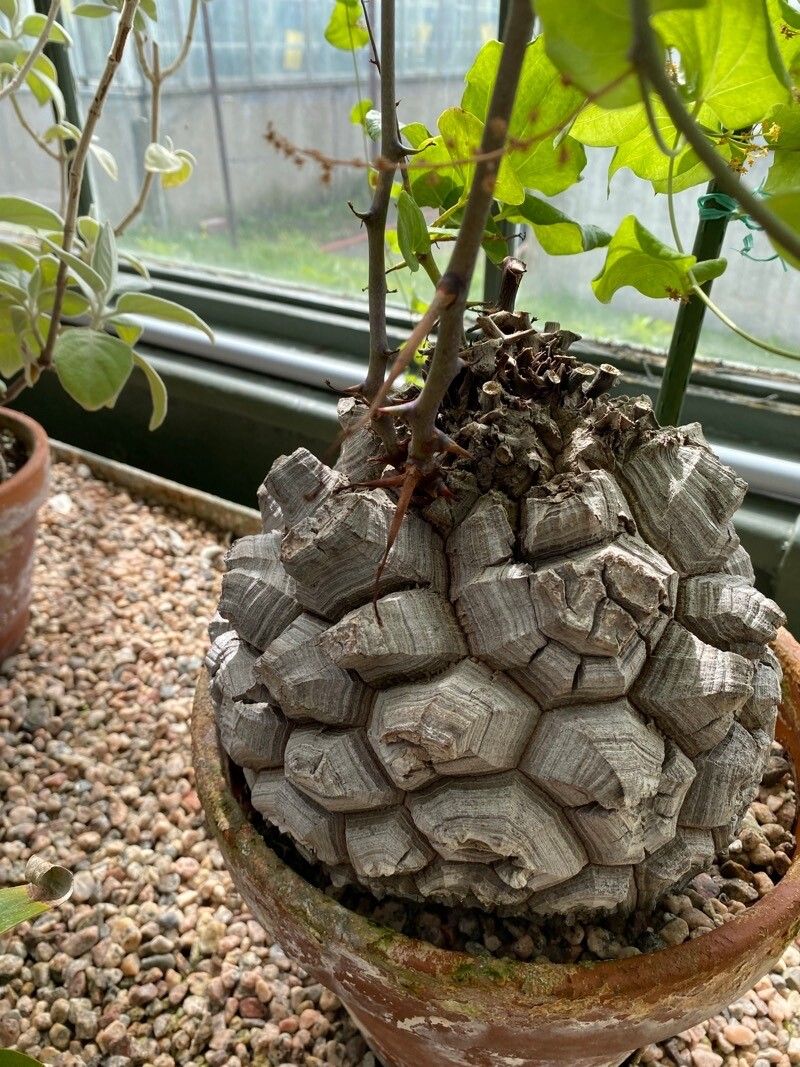
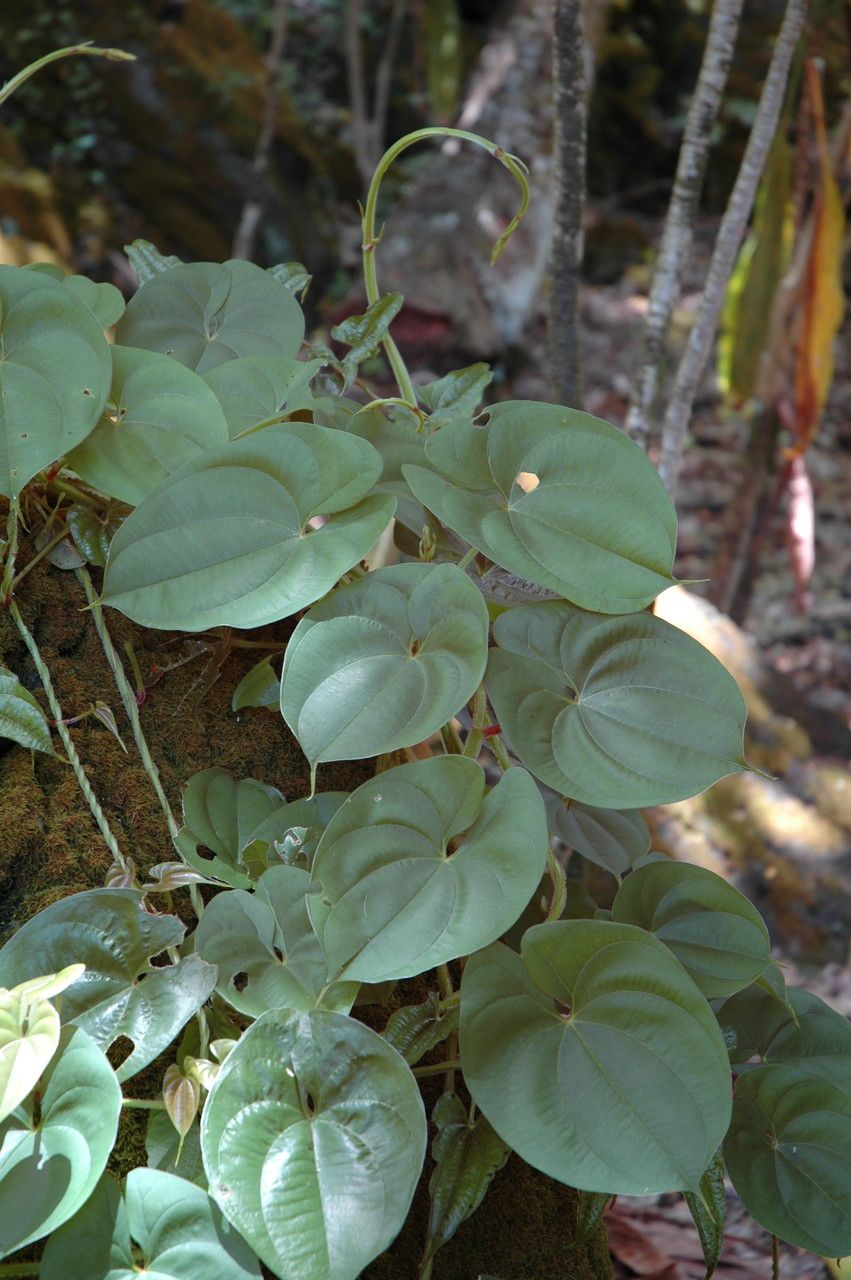
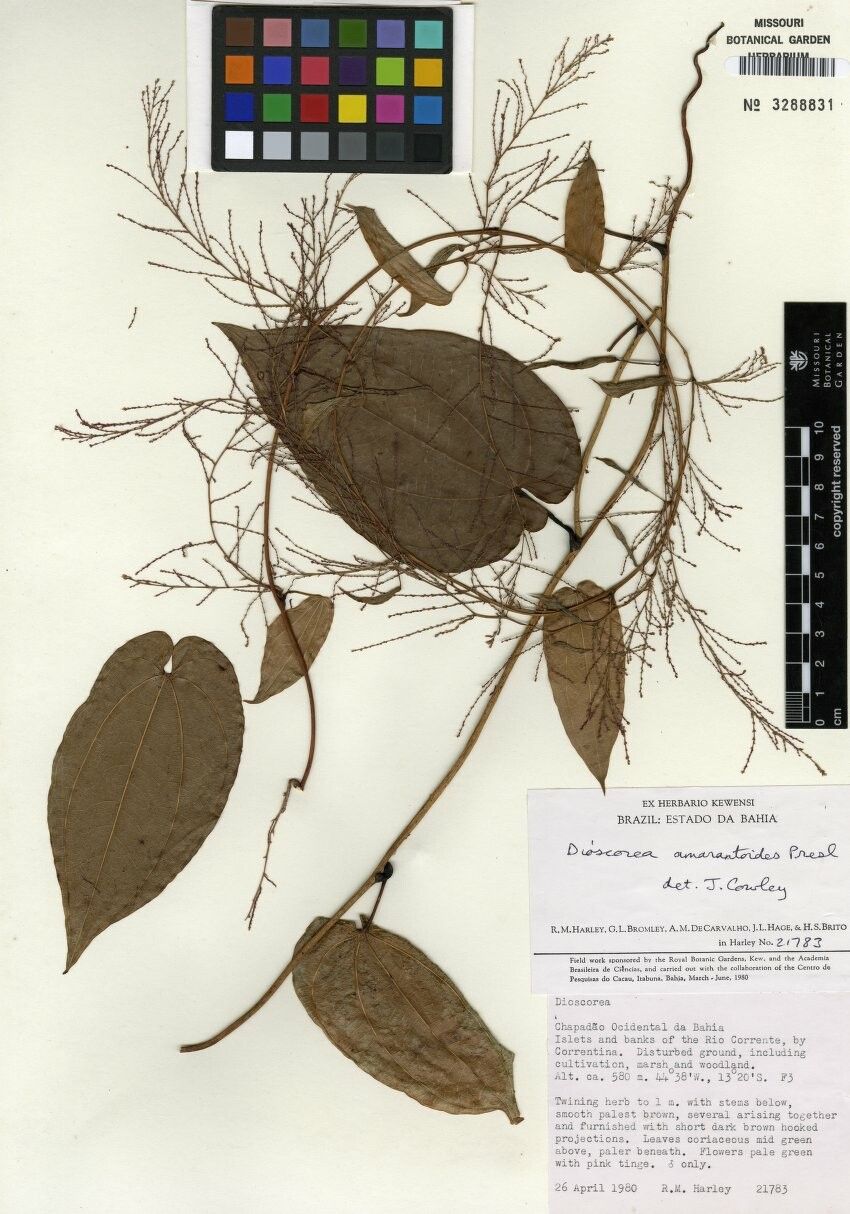
Dioscorea elephantipes, commonly known as Elephant's Foot or Hottentot Bread, is a unique and fascinating plant native to South Africa. It belongs to the Dioscoreaceae family and is a perennial succulent that can grow up to 1 meter in height.
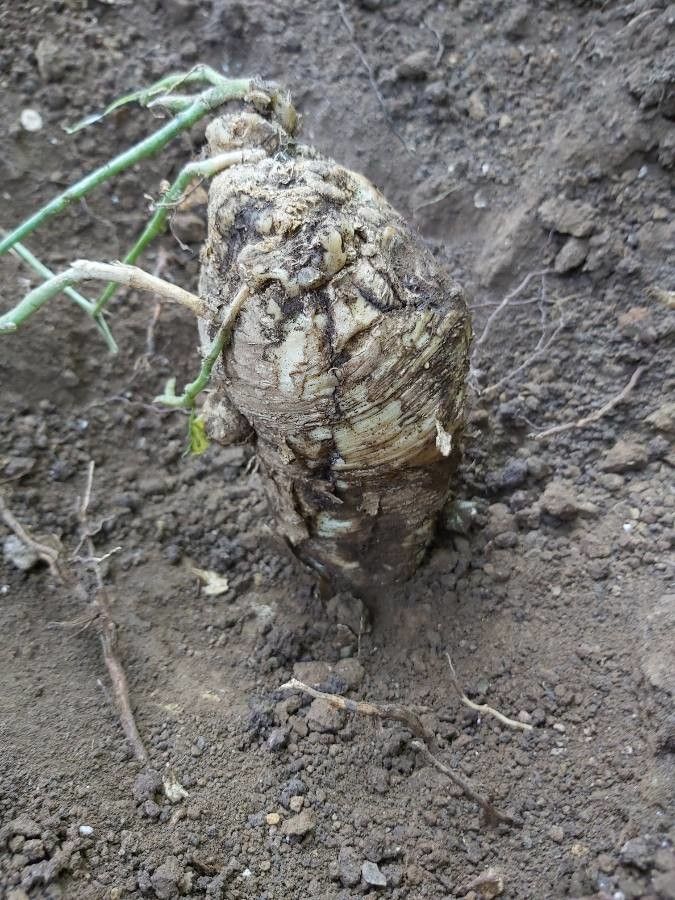
The most distinctive feature of this plant is its large underground tuber, which resembles an elephant's foot, hence the common name. The tuber can grow up to 1 meter in diameter and weigh over 50 kilograms! It stores water during dry periods and provides nutrients for the plant during growth periods.
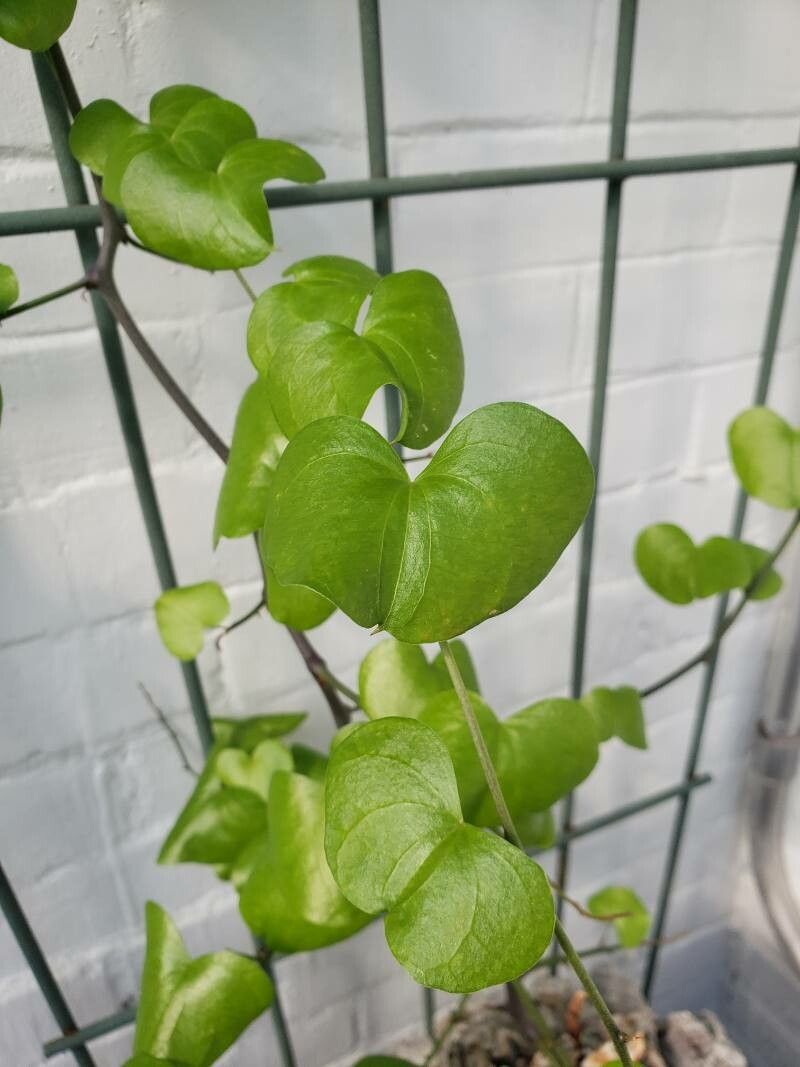
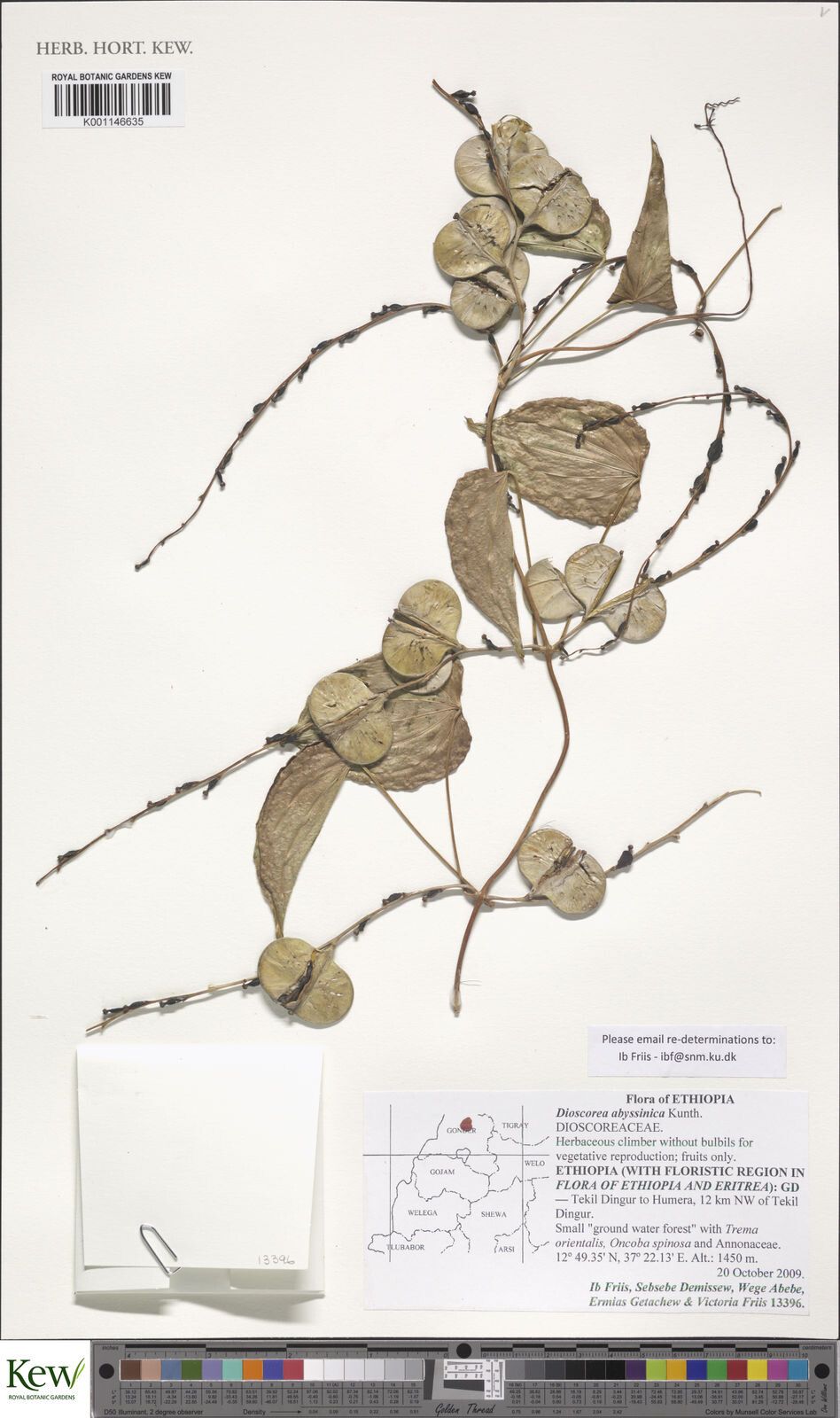
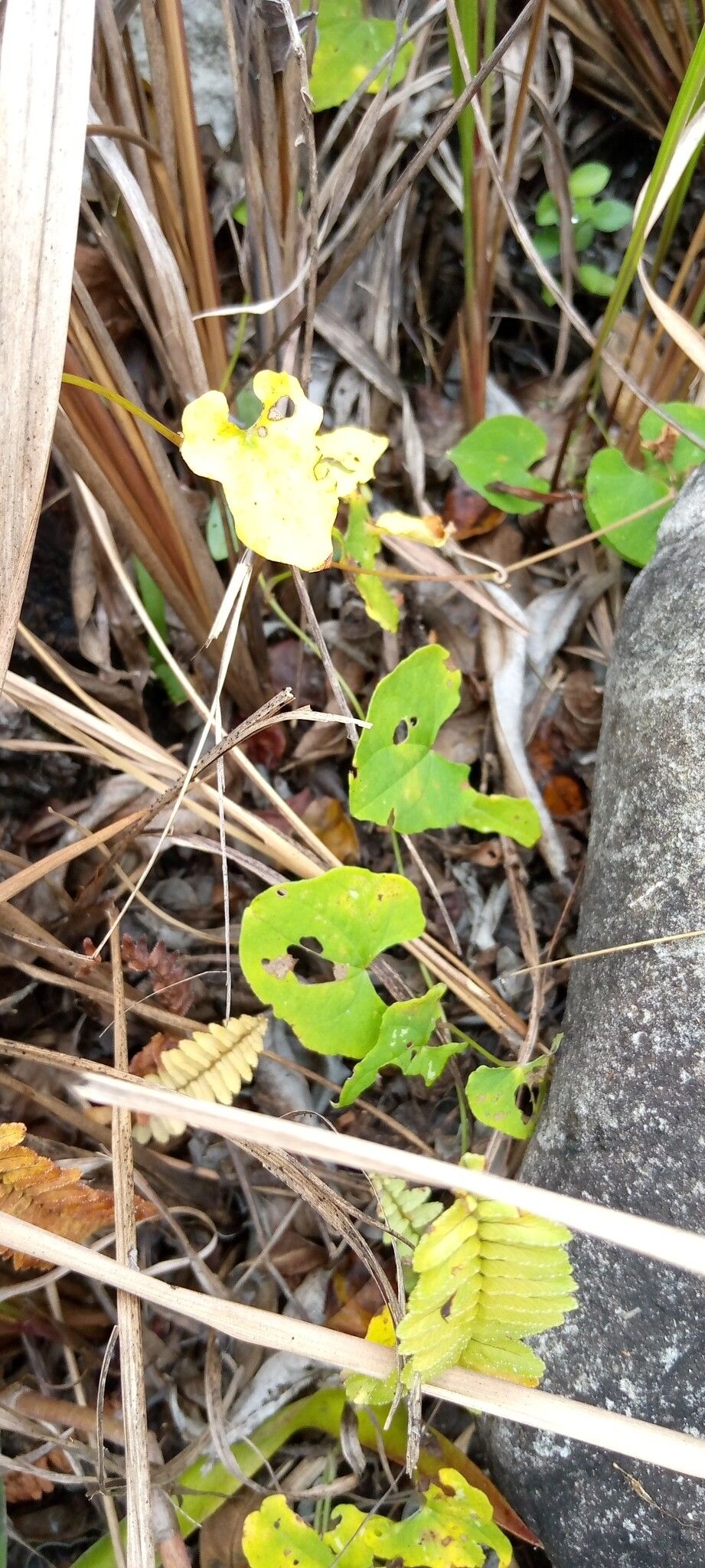
The stem of Dioscorea elephantipes emerges from the center of the tuber and produces several branches. The heart-shaped leaves have a glossy green surface and can grow up to 15 centimeters long.
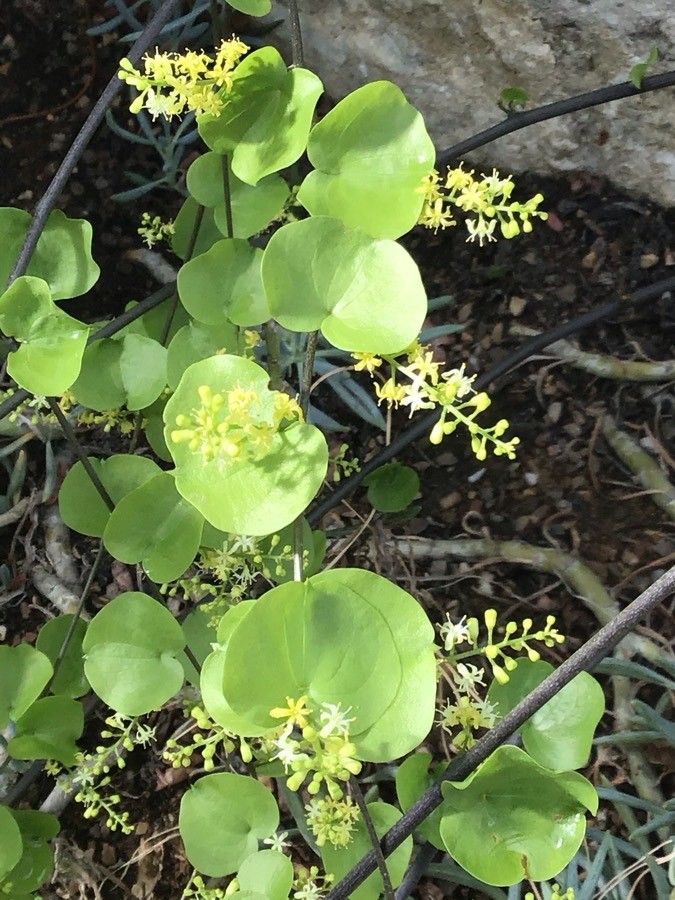
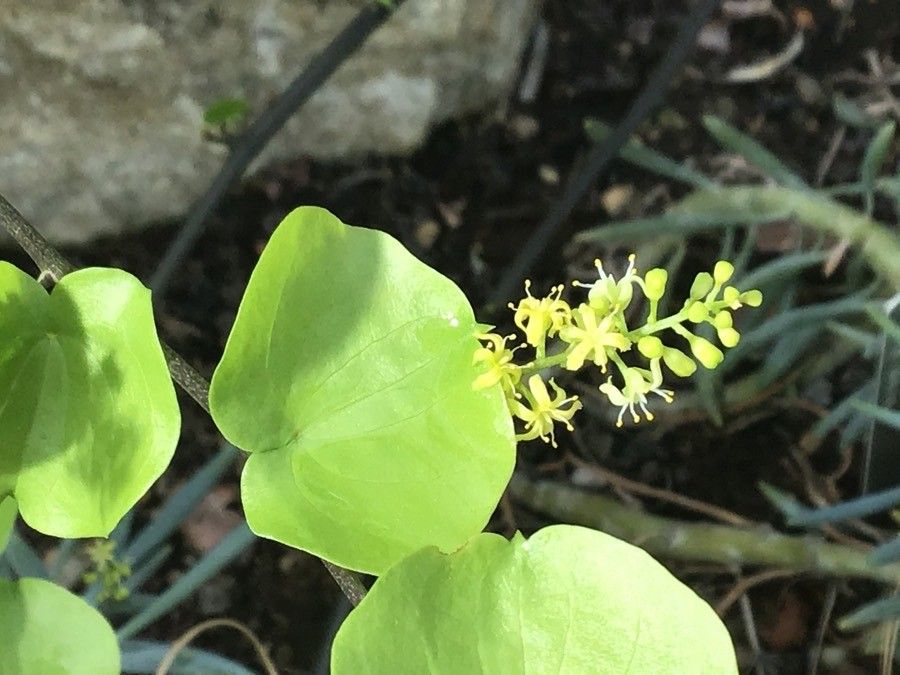
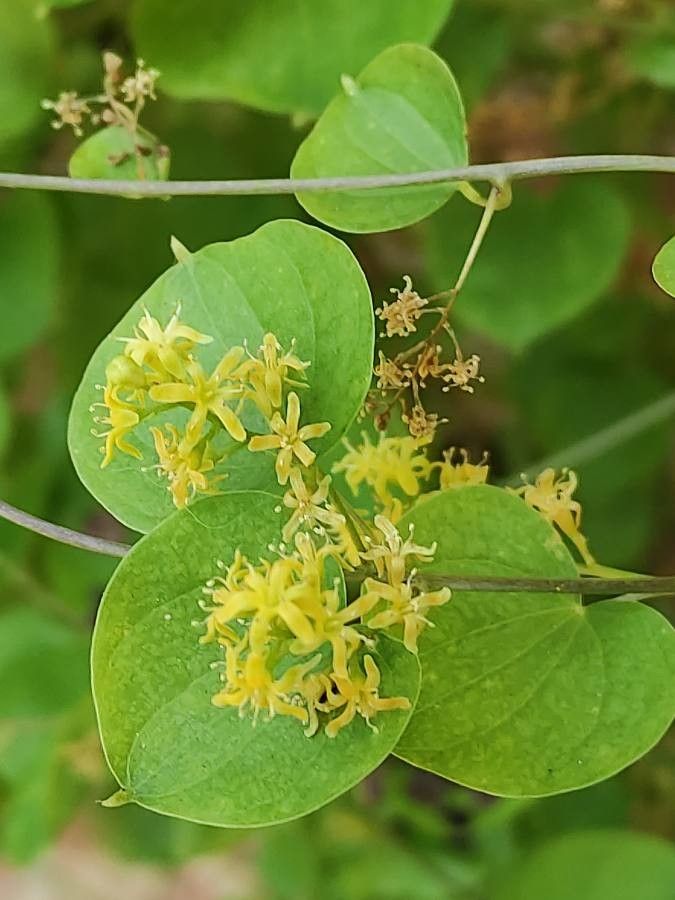
In the summer, this plant produces small greenish-yellow flowers on separate male and female plants. These flowers are followed by small fruits containing seeds.
Dioscorea elephantipes requires well-draining soil and moderate watering during the summer months. However, it should be kept dry in winter when it goes dormant. It prefers full sun or partial shade but must be protected from frost as it cannot tolerate freezing temperatures.
This unique succulent has become popular among collectors due to its unusual appearance, making it an interesting addition to any garden or indoor collection!
Elephant's foot has moderate disease resistance but is more sensitive to humidity. High humidity makes it more vulnerable to disease, and it is prone to root rot during dormancy. For care, Elephant's foot is drought tolerant but requires more water in the growing season. Watering should be greatly reduced or stopped entirely during the dormant period. Elephant's foot is suitable for growers with some experience, though it can be challenging to maintain, particularly during dormancy. It is especially appropriate for people who can dedicate time to its care during the winter months.
How to keep Dioscorea Elephantipes.
Light
The elephant's foot performs best in plentiful sunlight but can also tolerate lower light levels. Native to regions with abundant sun, those lighting conditions are important for its growth and health. Too much or too little sun can negatively affect its development and well-being.
Water
The Elephant's Foot, a plant native to South Africa, is highly drought-tolerant due to its ability to store water in its caudex. It thrives in well-draining soil and typically requires watering every three weeks. During cooler months, when the plant enters a dormant phase, its water needs are even lower. This makes the Elephant's Foot an excellent choice for indoor ornamental use.
Humidity
This plant prefers dry conditions, so don't mist it. However, watering it less often can also thrive in higher humidity.
Temperature
Native to regions with a Mediterranean climate, elephant's foot can tolerate temperatures from 68℉ (20℃) up to 100.4℉ (38℃). During its growing season it prefers temperatures between 77℉ (25℃) and 95℉ (35℃) and can survive winter lows as low as 41℉ (5℃). In colder months, it’s best to keep the plant dry and placed in a warm spot with indirect sunlight.
Fertilizer
Elephant's foot requires only light fertilizer applications once or twice a year during the growing season. Do not fertilize in winter or summer, when the plant is dormant. Use less fertilizer on repotted plants, and wait a couple of months after repotting before resuming fertilization. Fertilizing promotes healthy growth and encourages flowering.
Pruning
The Elephant's Foot tree requires pruning to improve its appearance and this pruning is best done at the beginning of the growing season in the spring. To prune, use sharp scissors to trim back your plant and also cut off the stem to any height above the foot, as this will help stimulate the formation of the trunk. Ensure to disinfect and seal the cut surface to protect it against drying out and in no time, new stems will begin to sprout.
Pot & Repot
When repotting an Elephant's foot, pick a container slightly larger than the current one that provides good drainage. Use a gritty, well-draining cactus or succulent mix. Carefully lift the plant from its old pot, remove excess soil, and place it at the same planting depth. Wait a few days before watering to let any root injuries heal. Repot during spring or fall and keep the plant in a brightly lit location.
Toxicity
According to the American Society for the Prevention of Cruelty to Animals (ASPCA), Elephant's Foot is considered non-toxic to cats, dogs, and horses. This quality makes them fun houseplants that are completely safe around pets and children, and as such, can be kept on coffee tables or near a window for maximum sunlight and decoration.
Further reading →
The toxicity and danger assessments provided are for reference only. We do not assure their accuracy, so it's crucial not to depend on them. Seek professional advice when necessary for accurate guidance.
Botanical profile.
- Plant Type
- Succulent, Vine, Shrub
- Life Cycle
- Perennial
- Genus
- Dioscorea
- Family
- Dioscoreaceae
- Hardiness Zone
- 9-11
- Mature Height
- 2.74 m
- Mature Spread
- 2.13 m
- Leaf Color
- Green, Blue
- Leaf Type
- Deciduous
- Flower Color
- Yellow, Green
- Flower Size
- 0.51 cm to 1.02 cm
- Bloom Time
- Early fall, Mid fall
- Planting Time
- Autumn
- Harvest Time
- Late fall, Early winter
- Native Area
- South Africa, Namibia
Other names.
Reader questions.
How should I water my Elephant's foot plant?
To properly water Elephant's foot, there are a few important considerations. In the spring, when new leaves are starting to grow, it's the right time to water this plant. Before watering, make sure the soil inside the pot is completely dry. You can use tap water or distilled water for watering, but avoid watering from above. Instead, water at the base of the plant, carefully and evenly across the soil surface. This method ensures consistent moisture throughout the soil without wetting the above-ground parts of the plant. You can continue watering until you see a light stream of excess water draining from the pot's hole.
Why do I have to give my Elephant's Foot plant fertilizer?
Fertilizing Elephant's foot is beneficial because it adds nutrients to the growing medium. Despite its ability to store water and nutrients, applying plant food during the growing season is important for promoting healthy growth. Additionally, fertilizing can stimulate mature specimens to produce blooms during the growing season.
What are the sunlight requirements for Elephant's foot?
Elephant's foot requires full sun, meaning it thrives best with above 6 hours of sunlight daily but can also adapt to partial sun, which is about 3-6 hours of sunlight. It's important to monitor the movement of sunlight through your garden to ensure there's a proper balance of light and shade, as both excessive and insufficient sun exposure can negatively impact the plant's growth and health. This species originates from environments with ample sun exposure, making such conditions vital for its optimal growth.
What is the native climate for Elephant's foot, and what temperatures can it tolerate?
Elephant's foot is native to regions with a Mediterranean climate and can tolerate a wide range of temperatures. It does best in temperatures between 77°F (25°C) and 95°F (35°C) during its active growth period. The plant can survive winter temperatures as low as 41°F (5°C), and during colder months, it's best to keep it dry in a warm spot that receives indirect sunlight. The growth season for Elephant's foot is winter, making it crucial to maintain temperatures above 20°C for optimal growth. When the temperature falls below 0°C, the plant should be brought indoors to a well-lit area, with watering adjusted based on the temperature.
What should I do if I give too much water or too little water to my Elephant's foot plant?
An overwatered Elephant's foot is more common than an underwatered one. Overwatering is harmful to the plant's health and can quickly cause it to die. To avoid overwatering, let the soil completely dry before watering. Many people mistakenly water it incorrectly, especially during dormancy. In this case, we'll focus on fixing the problem of overwatering. When your Elephant's foot shows signs of overwatering, remove it from its pot and check the roots for rot or other moisture-related issues. Some roots may need to be removed, while others can be cleaned and return to health. Repot the plant in well-draining soil to reduce the risk of future overwatering. Underwatering, although less likely, can also occur. In such cases, water the plant slightly more frequently, being careful not to overcorrect and overwater it.
When should I put fertilizer on my Elephant's foot plant?
Elephant's foot, unlike other plants, only requires a small amount of fertilizer during its growing season. It is recommended to fertilize it 1-2 times a year, specifically in the spring and autumn. Avoid fertilizing in the winter and summer when it is dormant. When repotting, reduce the amount of fertilizer used and wait a couple of months before starting to apply fertilizer again.
How do I supplement sunlight with artificial lighting for indoor plants?
When natural sunlight is insufficient, especially during winter or in less sunny spaces, artificial lights are essential for indoor plant growth. LED lights are a popular option because they can be customized to provide specific wavelengths needed by your plants. For full sun plants, 30-50W/sq ft of artificial light is recommended, partial sun plants require 20-30W/sq ft, and full shade plants need 10-20W/sq ft. The light source should be placed 12-36 inches above the plant to simulate natural sunlight, and most plants will need 8-12 hours of light per day to mimic the length of natural daylight hours.
How should I care for my Elephant's foot during extreme temperatures?
For extreme low temperatures, Elephant's foot is not tolerant and shows its best growth between 20°C and 38°C. During winter, keep it above 0°C to prevent damage. If temperatures fall below -5°C, the plant may exhibit symptoms like water-soaked necrosis, wilting, and eventually, leaves falling off. For frost damage, trim off the affected areas and move the plant to a warmer indoors place near a south-facing window or set up a makeshift greenhouse for protection, ensuring good ventilation to prevent decay. In cases of high temperatures, particularly above 43°C, the plant enters a dormant state and can be prone to rot if the humidity is high. To mitigate this, remove any dry or rotted parts and relocate the plant to a partially shaded area, reducing watering until conditions improve.
How often do I need to water my Elephant's Foot plant?
Elephant's foot is a succulent plant that doesn't require much water due to its natural habitat being hot and dry. To care for this plant, allow the soil to completely dry between waterings, which usually takes 2-4 weeks. The frequency of watering depends on the season. In spring and summer, when the plant is actively growing, water every 2-3 weeks. During summer, the soil may dry out faster. However, when the temperature drops below 60 degrees or rises above 85 degrees Fahrenheit, the plant becomes dormant or semi-dormant and doesn't need watering. In such cases, reduce or stop watering until the temperature is suitable for growth, and then resume watering.
When is the best time to not add fertilizer to my Elephant's foot plant?
Elephant's foot, like many other plants, goes through a dormancy period where it stops growing. This is the time when you should refrain from applying fertilizer. The plant enters this phase during both summer and winter. Additionally, it is recommended to avoid fertilizing for a few months after repotting in the spring.
What are some common symptoms of improper lighting in Elephant's foot?
Elephant's foot may show several symptoms when subjected to less than ideal lighting conditions. Faster leaf drop can occur as a result of low light, allowing the plant to conserve resources. Slower or halted new growth signifies the plant entering survival mode due to poor lighting. Lighter-colored or pale new leaves indicate a lack of chlorophyll and essential nutrients. Chlorosis, or the yellowing of leaves, suggests chlorophyll breakdown from excessive sunlight, which hampers photosynthesis. Sunscald, leaf curling, wilting, and leaf scorching are additional symptoms indicating damage from improper light exposure.
How much water does my Elephant's foot need? How much water does my Elephant's foot require?
Elephant's foot does not require frequent watering, as it can tolerate periods of drought. However, when it comes time to water, it is important to provide a sufficient amount. There is no specific measure, but it is recommended to keep watering until the soil is completely moist. If you are growing this plant in a pot, ensure proper drainage by allowing water to trickle out of the bottom holes. Another method is to test the moisture level by inserting a pencil into the soil – if it comes out moist, then you have provided enough water.