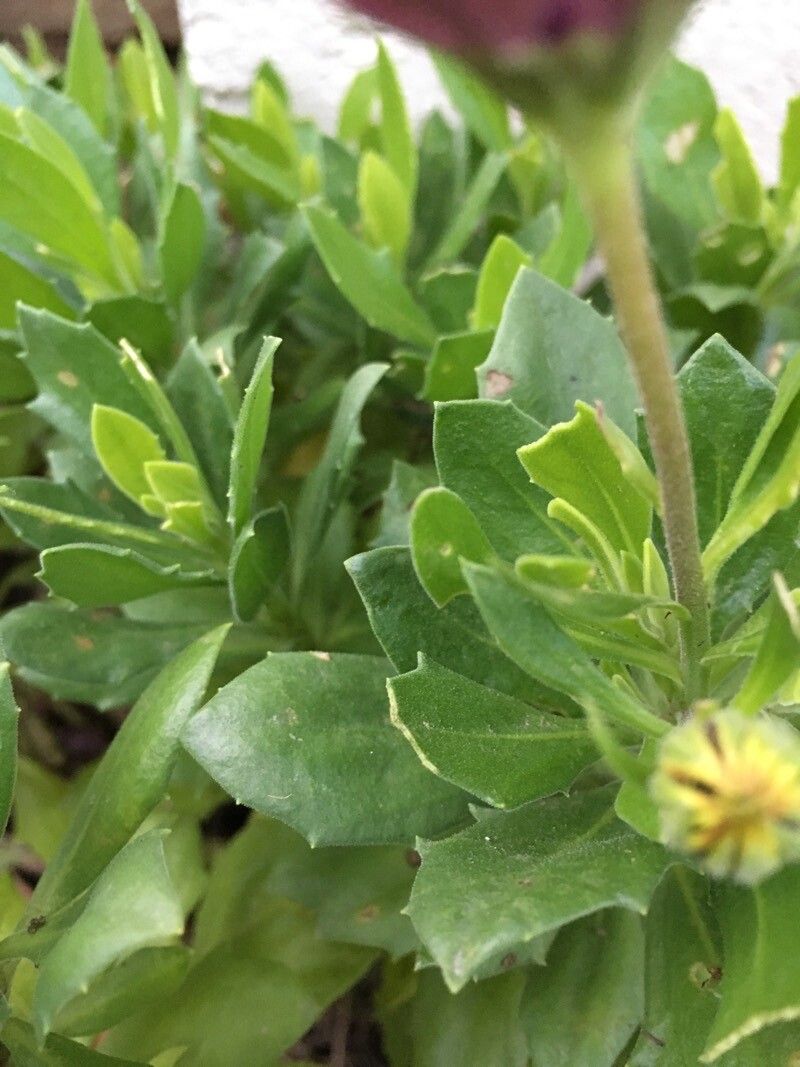
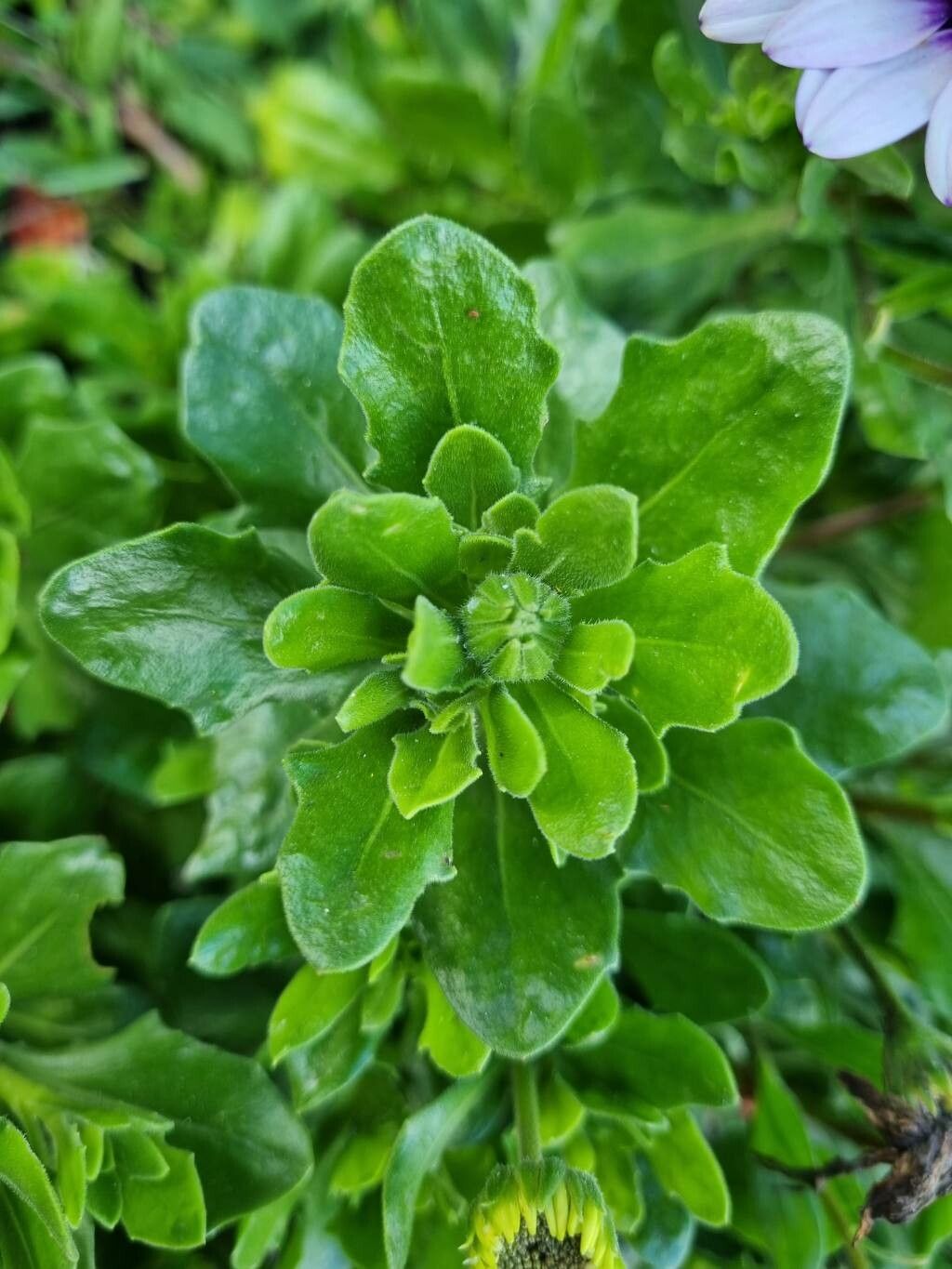
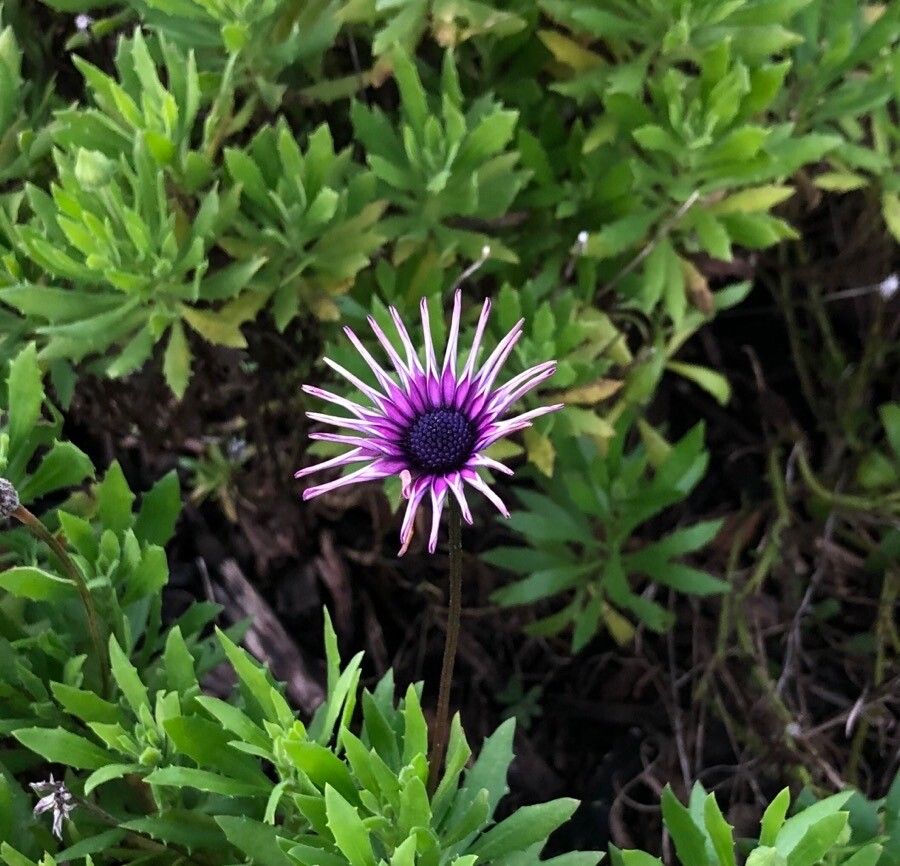
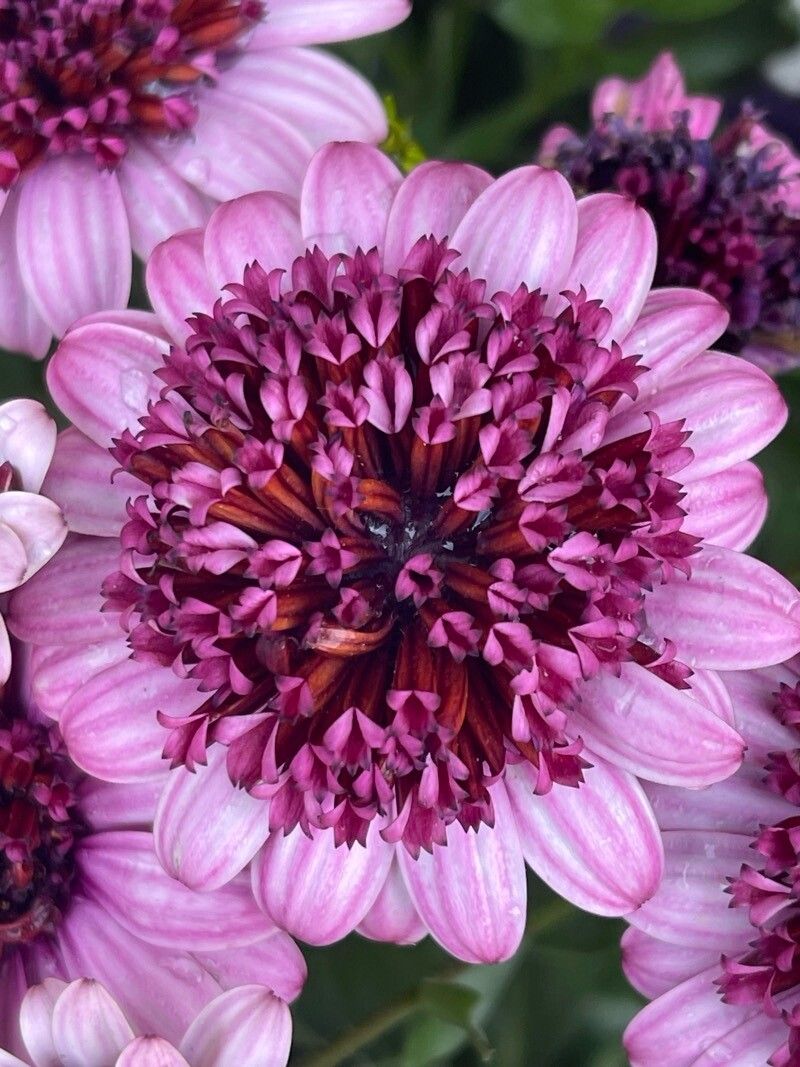
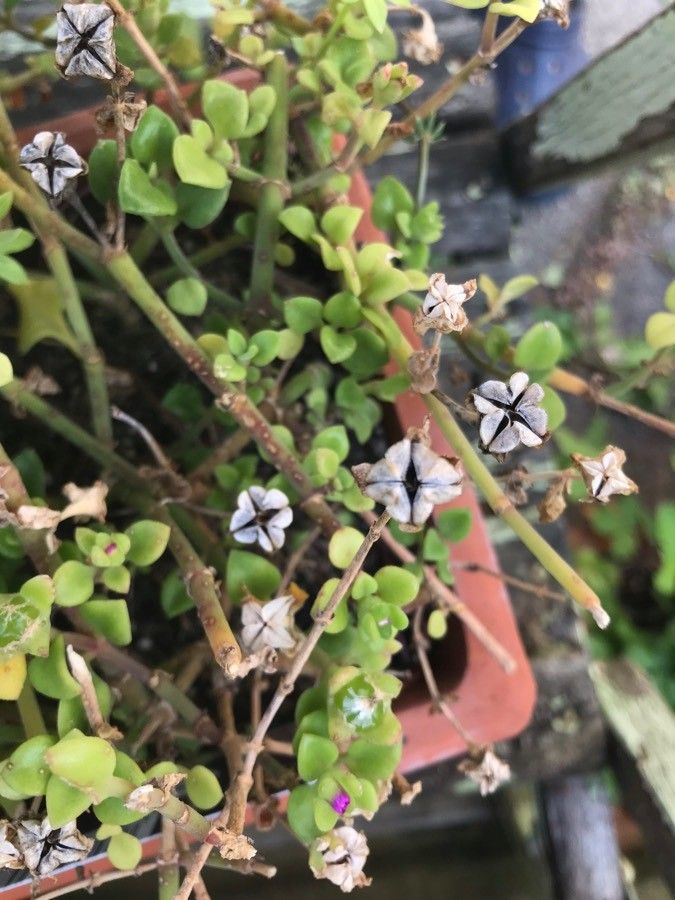
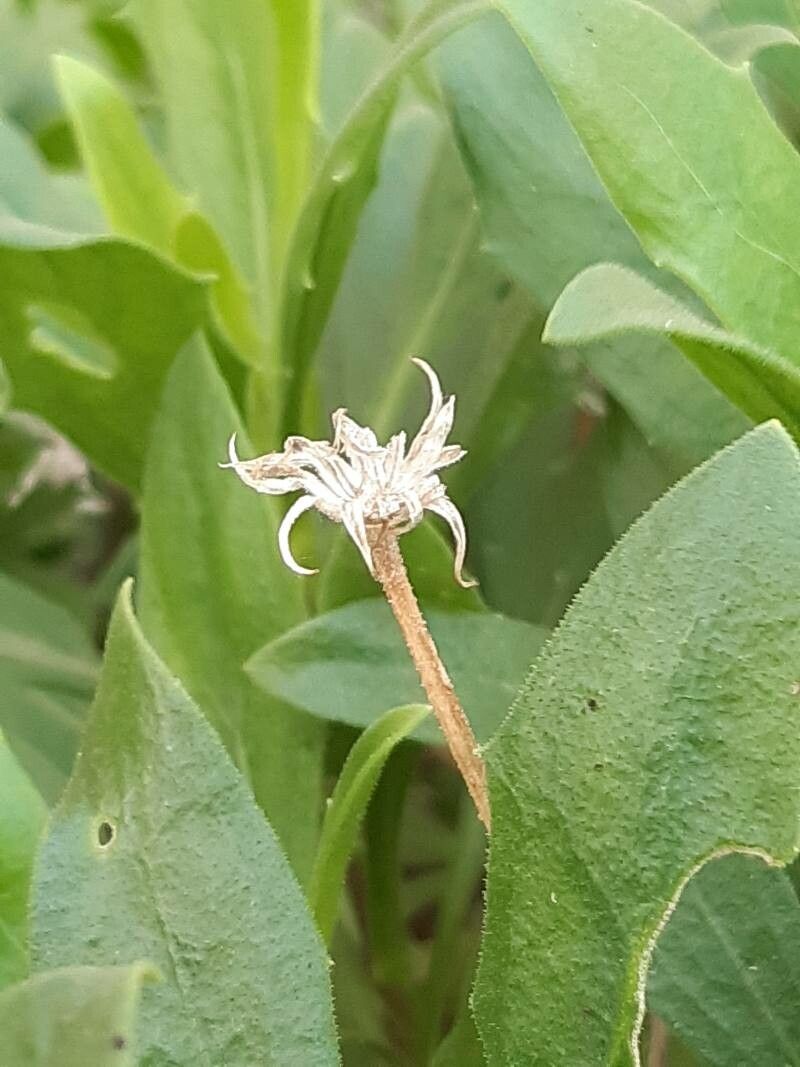
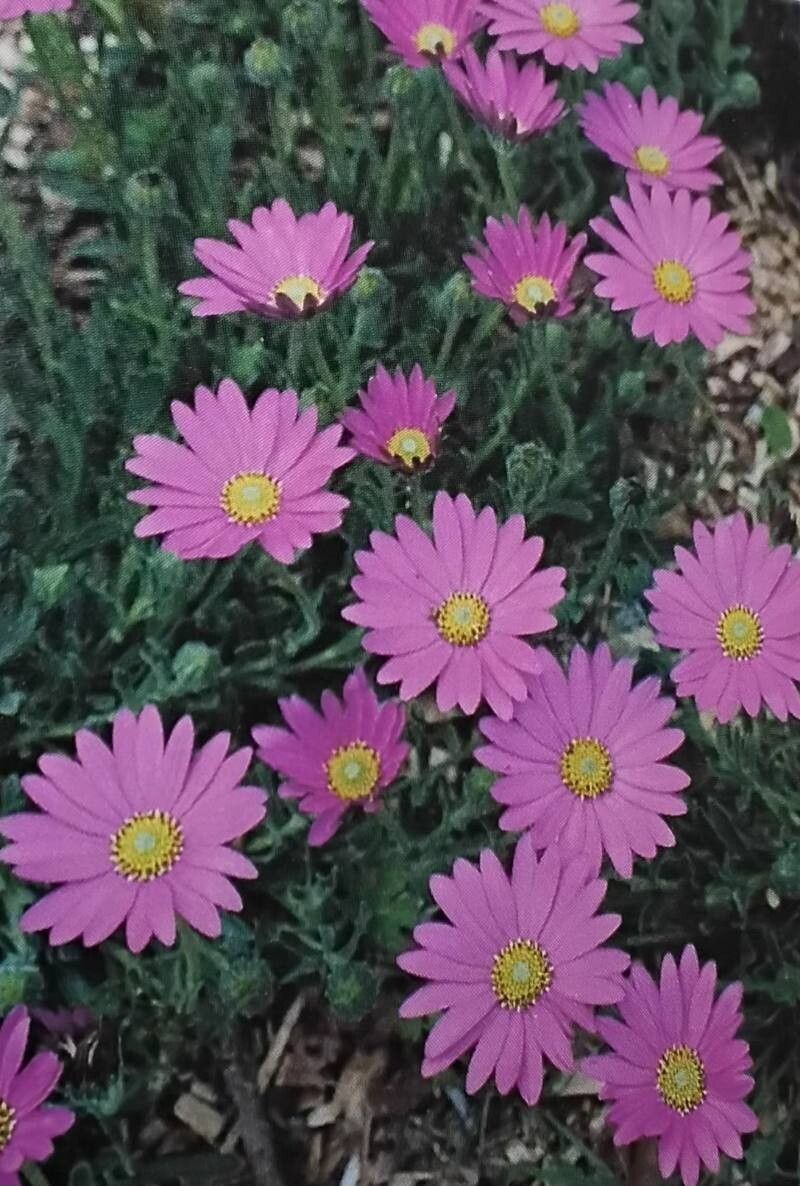
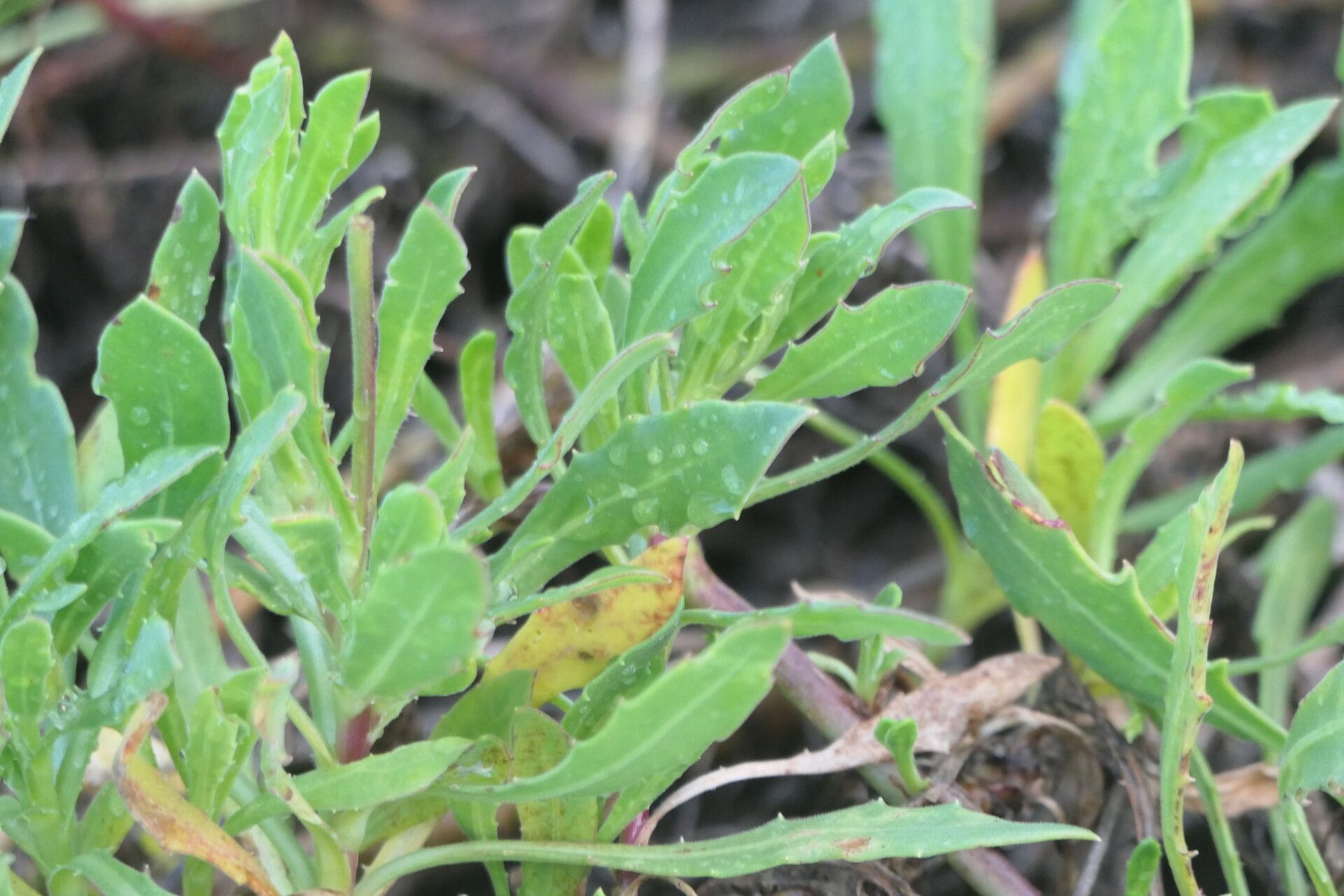
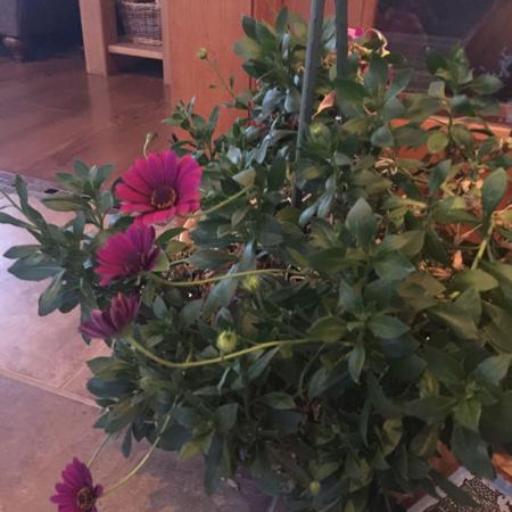
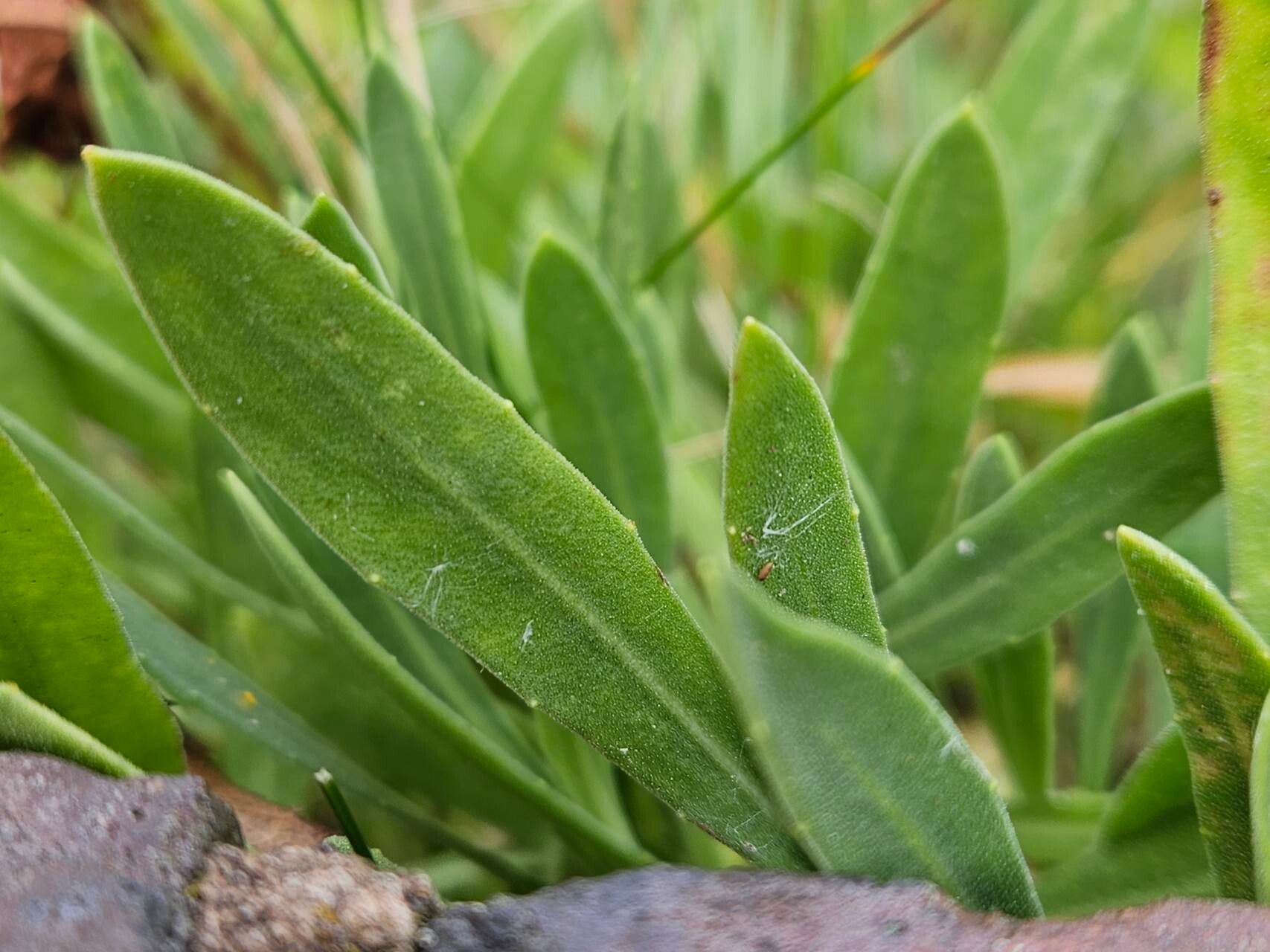
Dimorphotheca fruticosa, is a species of perennial herb native to coastal areas of South Africa. It is commonly known as trailing African daisy, and by its synonym Osteospermum fruticosum.
Shrubby daisybush has good disease resistance and is generally not prone to illnesses. However, it can be vulnerable to pests and diseases present in its environment. These issues are typically not serious. In terms of care, the plant requires a moderate level of maintenance. It should be pruned regularly to preserve a neat appearance and support healthy growth. Fertilization can also encourage flowering. Shrubby daisybush is well suited to anyone with outdoor space, such as a garden or patio, and does not require extensive gardening experience. When kept indoors, it may need more attentive care.
How to keep Dimorphotheca Fruticosa.
Light
Shrubby daisybush does best with plentiful sunlight. This lets the plant develop vigorously and remain healthy. Its native habitat has shaped its need for a large amount of sun. Too little light can impede growth, while too much can overwhelm the plant.
Temperature
Shrubby daisybush originates from areas with a warm climate where temperatures range from 68 to 95 °F (20 to 35 ℃). It performs best within that temperature range, and seasonal adjustments may be necessary to reproduce those conditions.
Fertilizer
Proper fertilization is essential for Shrubby daisybush's health and appearance. Fertilize Shrubby daisybush during summer, repeating the application monthly throughout the season. Nutrients drive growth and help sustain the plant's parts. Fertilization improves Shrubby daisybush's flower display, ensuring the best blooms.
Botanical profile.
- Plant Type
- Herb
- Life Cycle
- Perennial, Annual
- Genus
- Dimorphotheca
- Family
- Asteraceae
- Hardiness Zone
- 10
- Mature Height
- 15 cm to 30 cm
- Mature Spread
- 1.22 m to 1.83 m
- Leaf Color
- Green
- Leaf Type
- Evergreen
- Flower Color
- White, Yellow
- Flower Size
- 5.08 cm to 7.62 cm
- Bloom Time
- Mid spring, Late spring, Summer
- Planting Time
- Spring
- Harvest Time
- Late spring, Summer, Early fall
- Native Area
- South Africa
Other names.