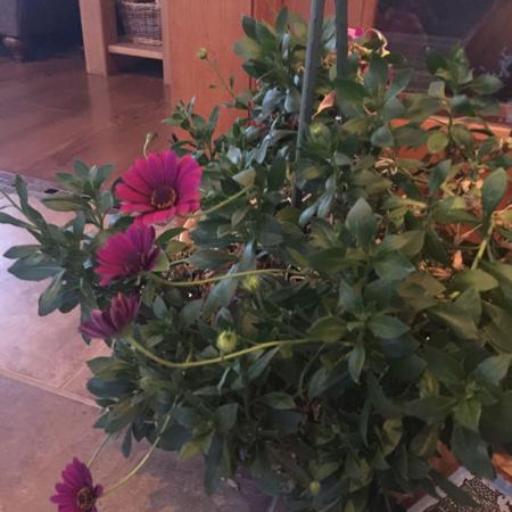
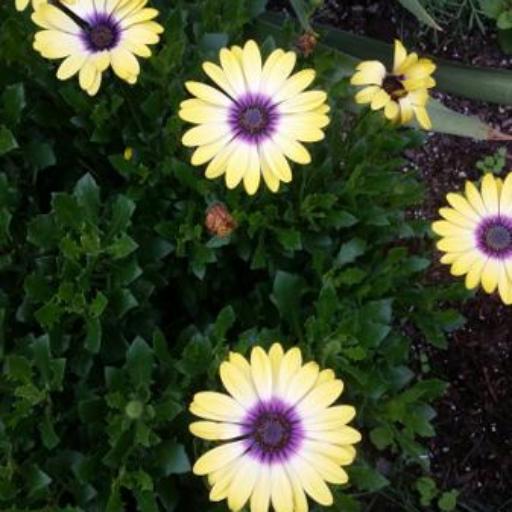
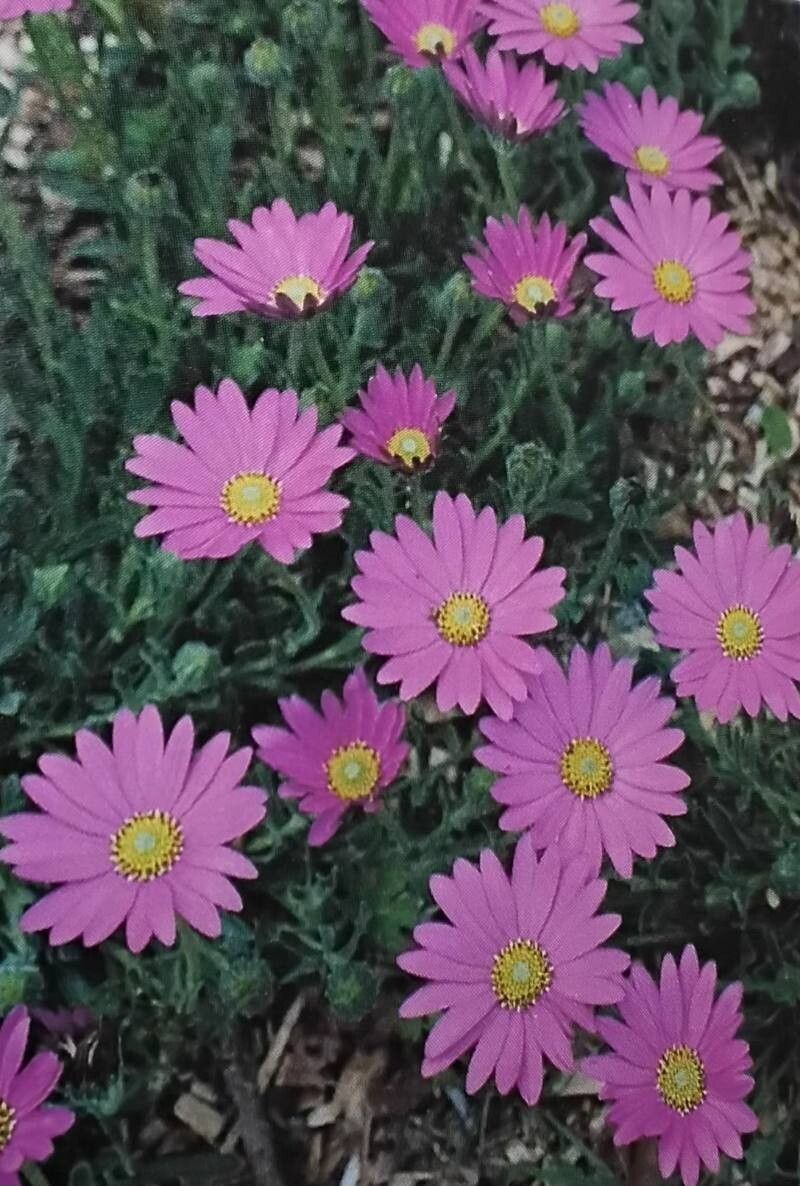
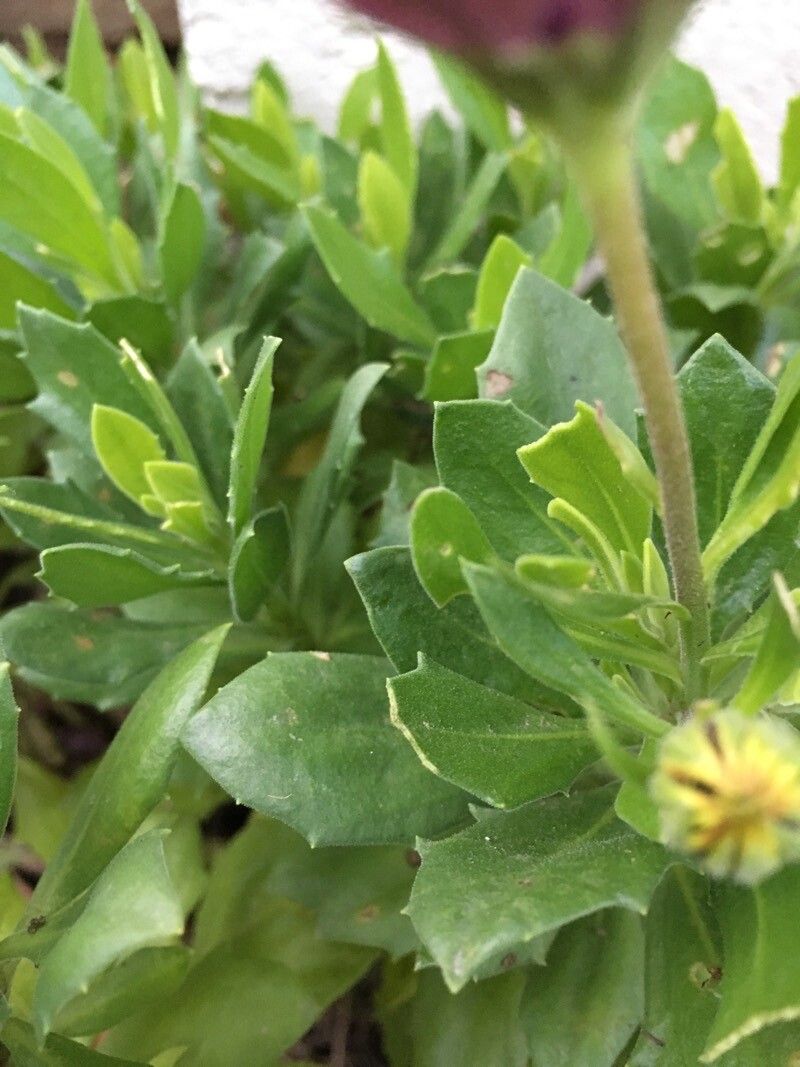
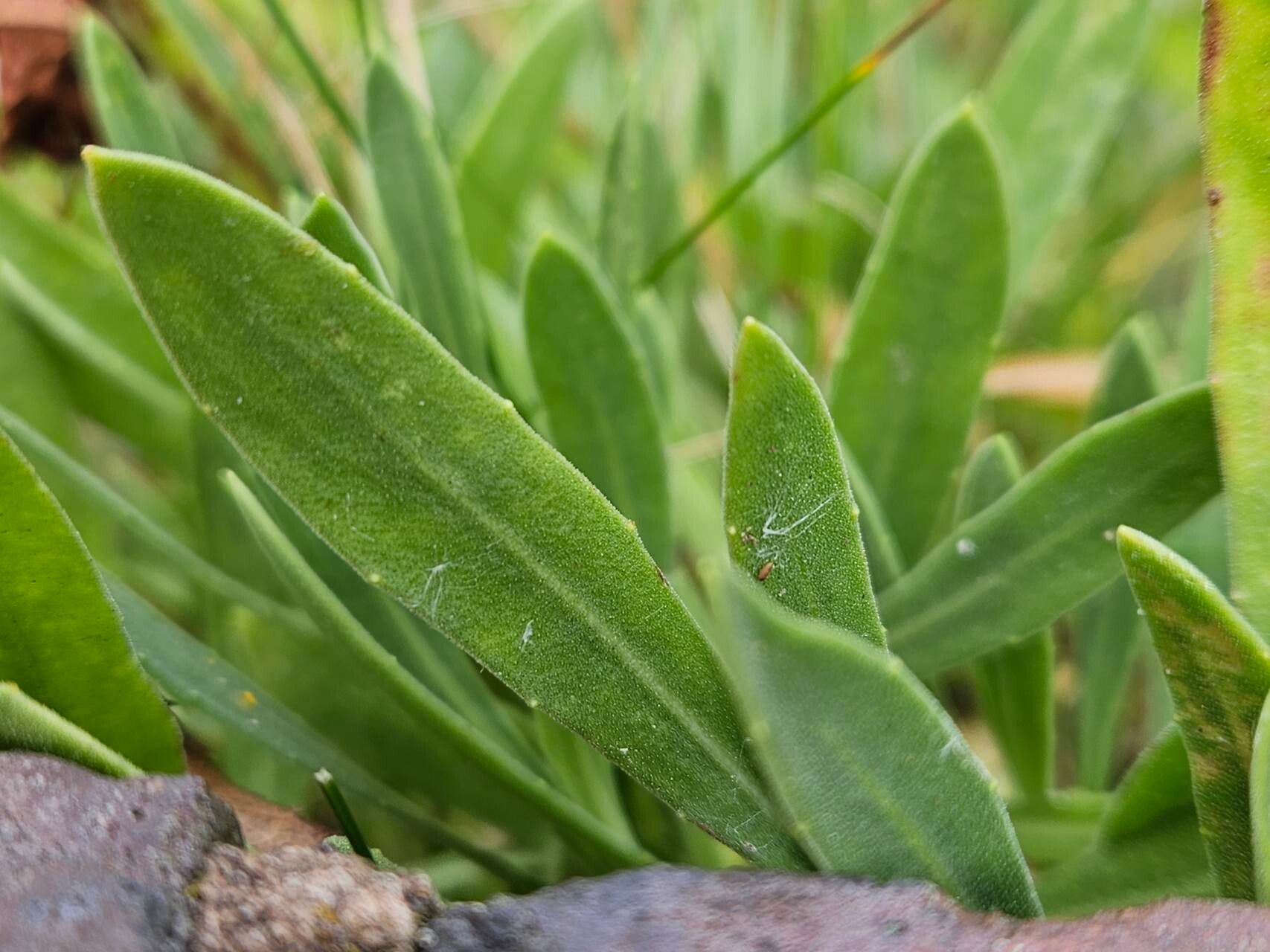
Dimorphotheca ecklonis, also known as Cape marguerite, Van Staden's river daisy, Sundays river daisy, white daisy bush, blue-and-white daisy bush, star of the veldt is an ornamental plant that is native to South Africa. It is now regarded as a weed in parts of Australia, particularly Victoria and Western Australia.
Cape marguerite has strong disease resistance and is generally not prone to illnesses. However, it can be vulnerable to pests and diseases that exist in its environment. These infections are typically mild. Regarding care, this plant needs moderate maintenance. Regular pruning is required to keep an attractive appearance and support healthy growth. Applying fertilizer can also encourage flowering. Cape marguerite is appropriate for anyone with an outdoor area, such as a garden or patio, and does not demand extensive care experience. It may need more attention if grown indoors.
How to keep Dimorphotheca Ecklonis.
Light
The cape marguerite grows most vigorously with ample sunlight, which supports its strong development. While it tolerates shadier locations, it gains the most vigor from plentiful sun. Its native occurrence in bright environments explains this preference. Excessive sun can cause stress, whereas insufficient light can limit flowering and growth.
Temperature
Cape marguerite prospers in its native habitat when specific temperature conditions are met. It favors temperatures ranging from 15 to 38 °C (59 to 100.4 °F). As a temperate woody plant, it adjusts well to different climates. Temperature modifications may be needed across seasons. Protecting it from extreme cold and ensuring good ventilation in cooler periods, while providing shade and sufficient watering during hotter months, supports its optimal growth and vigor.
Fertilizer
The best time to fertilize a Cape marguerite is in early spring, as it comes out of dormancy and starts active growth. Fertilizing supplies essential nutrients for healthy development. Although Cape marguerite requires relatively little feeding, applying fertilizer annually can improve its survival and encourage better, longer-lasting blooms.
Pot & Repot
When repotting Cape marguerite, select a pot 1-2 inches (2.5–5.1 cm) larger with ample drainage. Use a well-draining potting mix. Repot in spring or fall, ensuring the root ball is slightly lower than the rim of the flower pot. Water thoroughly after repotting and place in a warm spot with indirect sunlight.
Botanical profile.
- Plant Type
- Herb
- Life Cycle
- Perennial
- Genus
- Dimorphotheca
- Family
- Asteraceae
- Hardiness Zone
- 7-11
- Mature Height
- 0.2 m to 1.52 m
- Mature Spread
- 0.61 m to 1.22 m
- Leaf Color
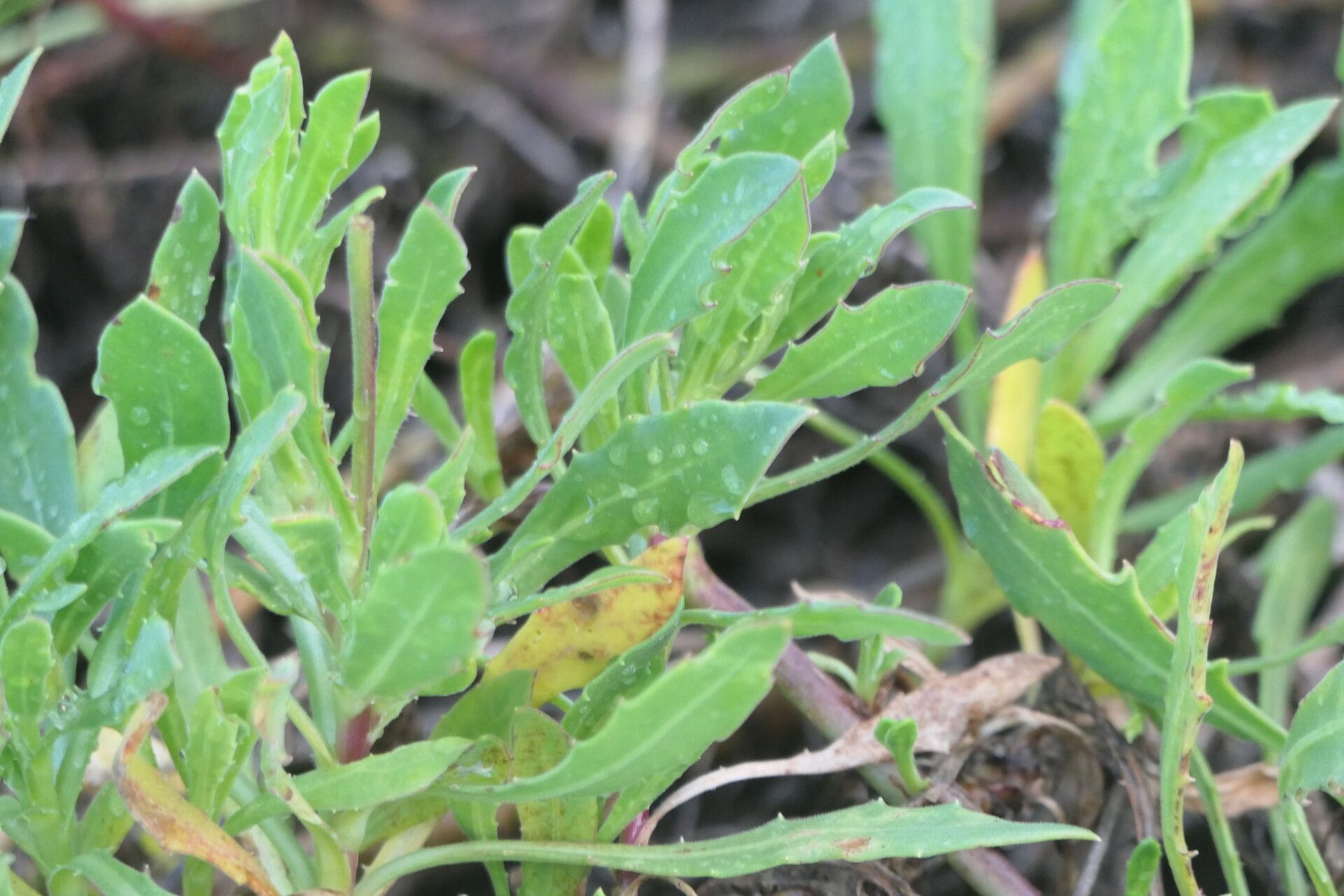
- Green, Silver
- Leaf Type
- Evergreen, Deciduous
- Flower Color
- White, Purple
- Flower Size
- 5.08 cm to 10.16 cm
- Bloom Time
- Mid spring, Late spring, Summer, Early fall
- Planting Time
- Spring
- Harvest Time
- Late spring, Summer, Fall
- Native Area
- South Africa
Other names.