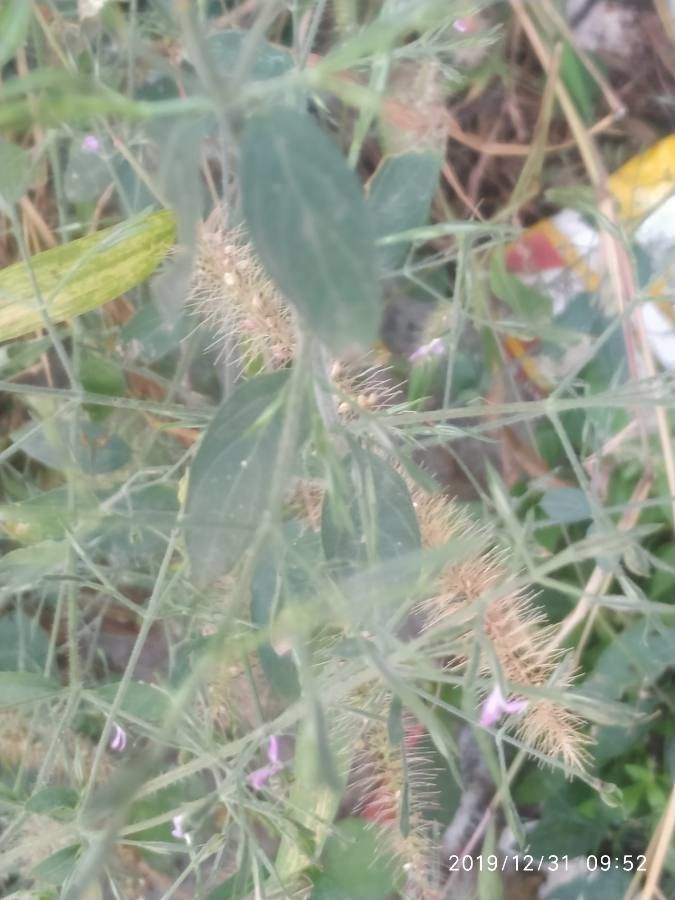
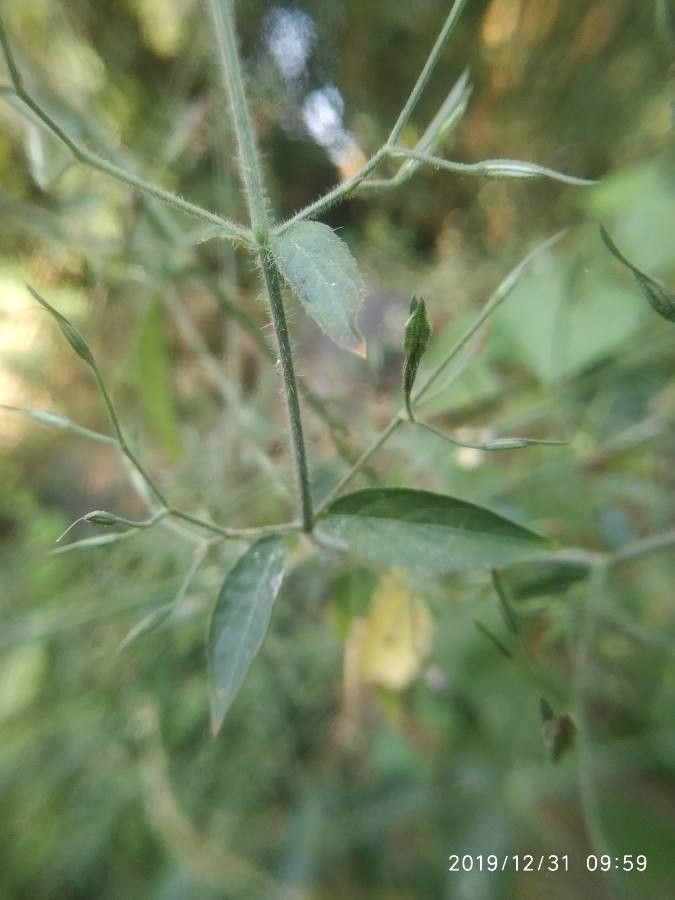
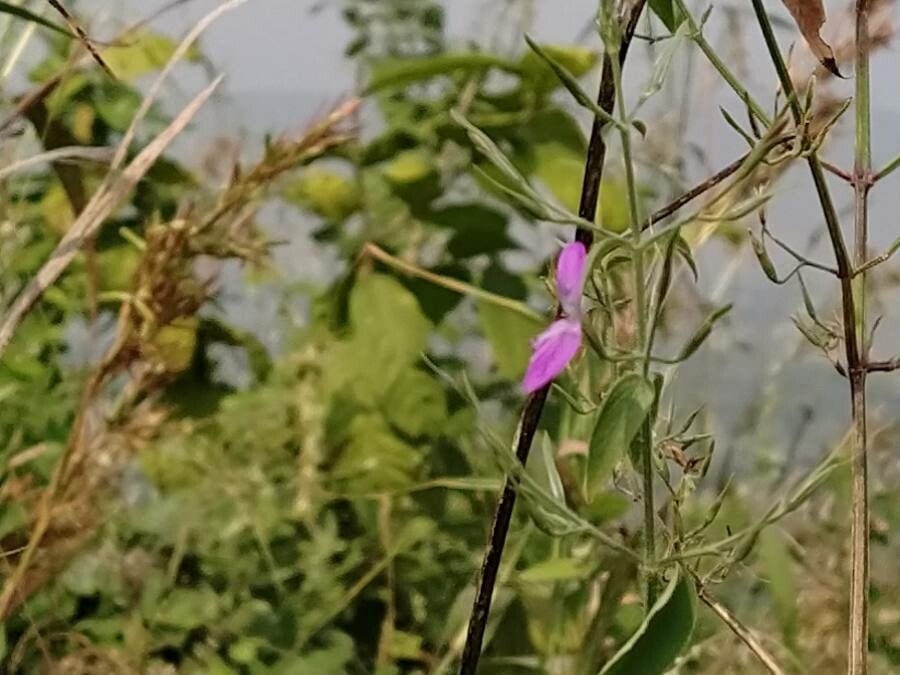
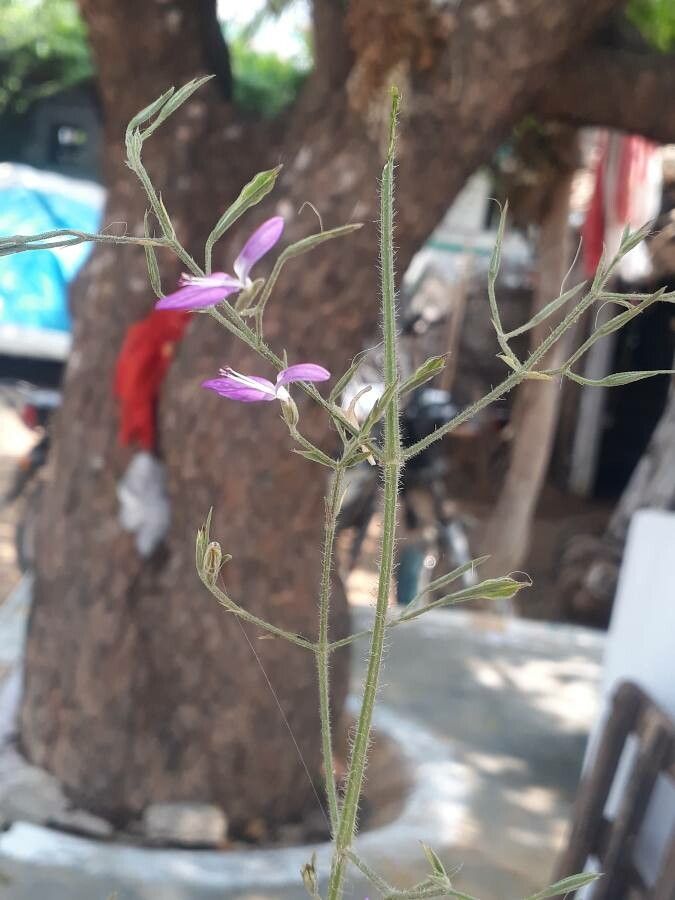
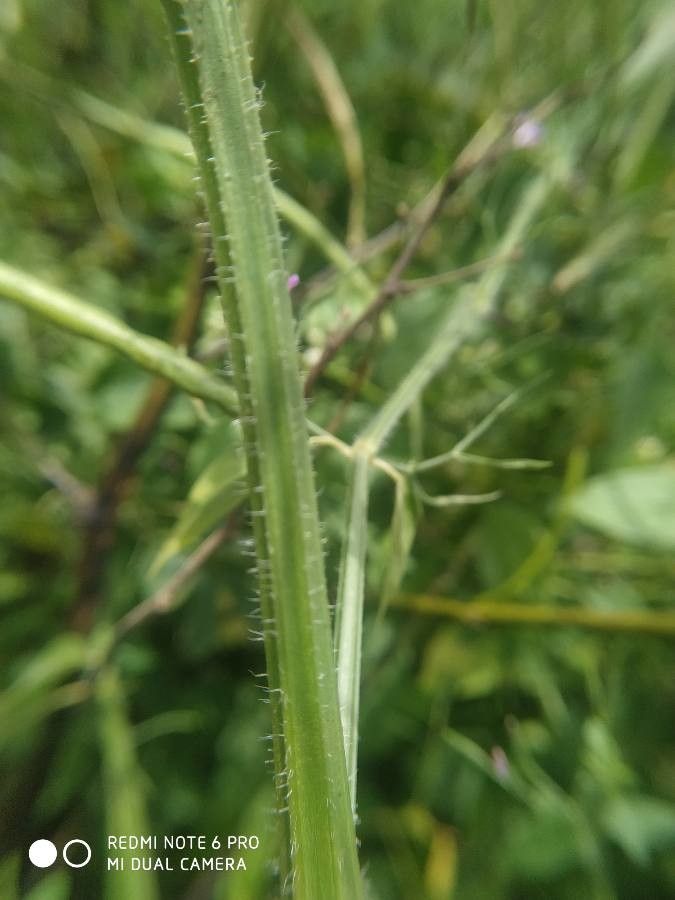
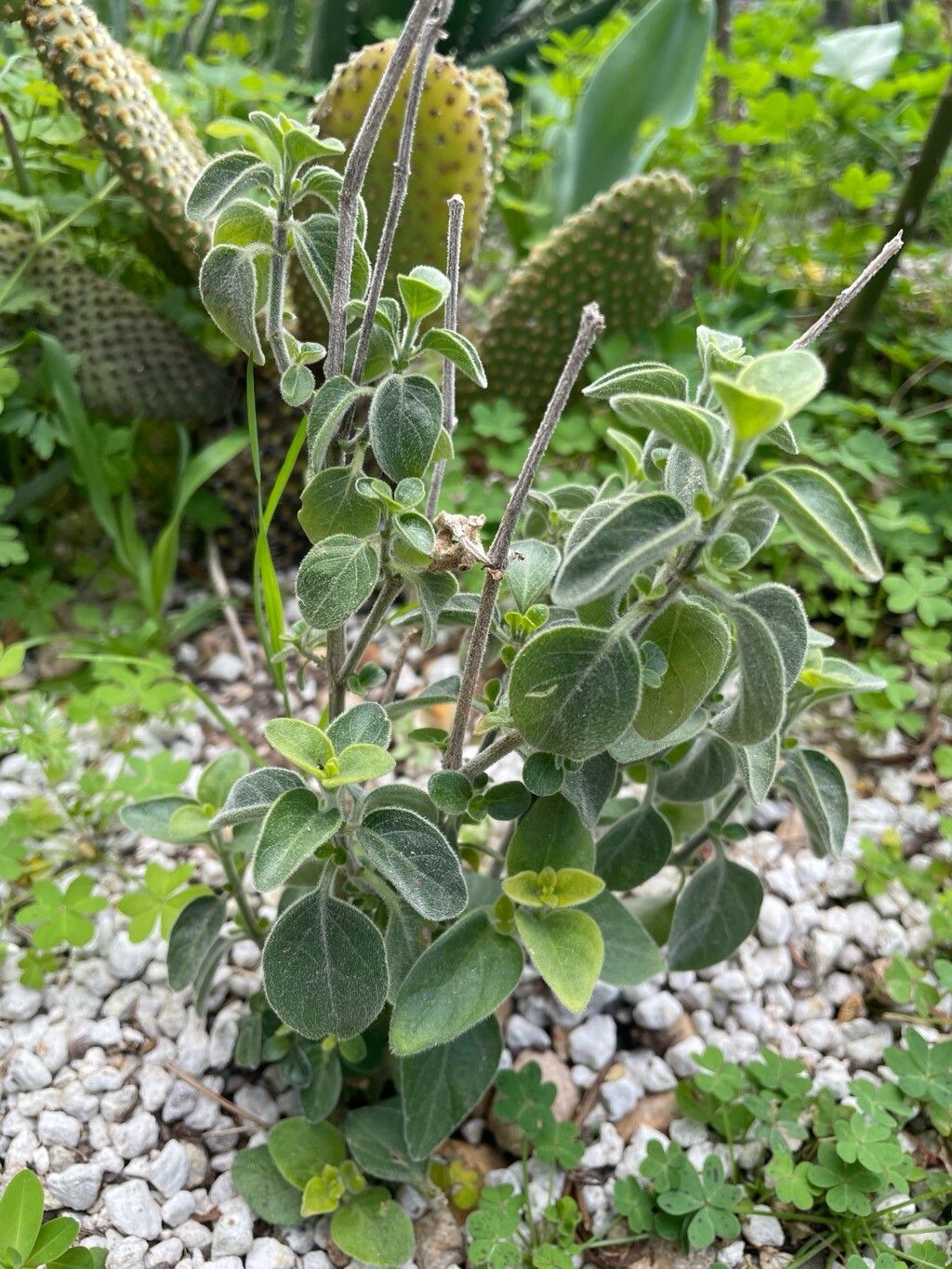
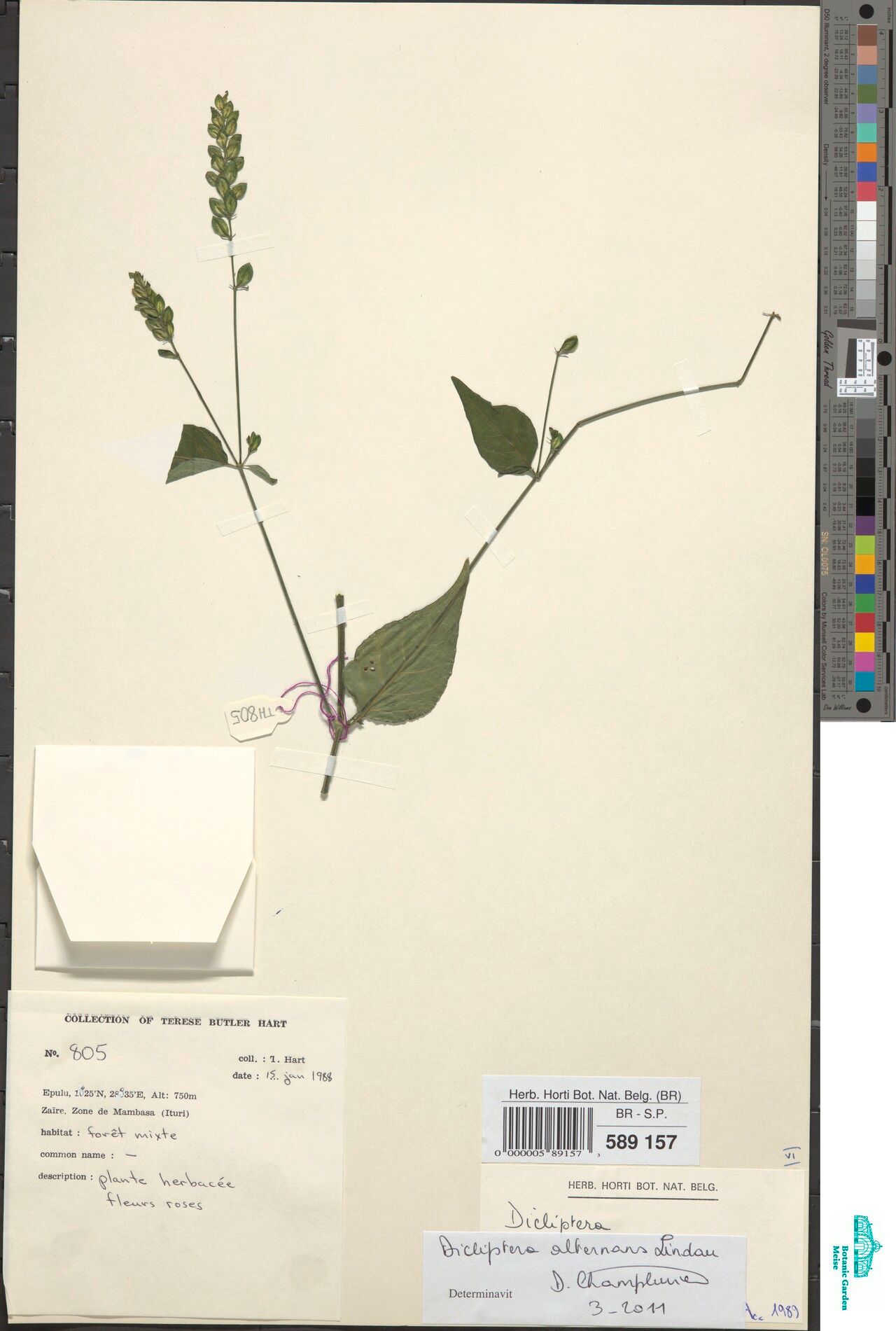
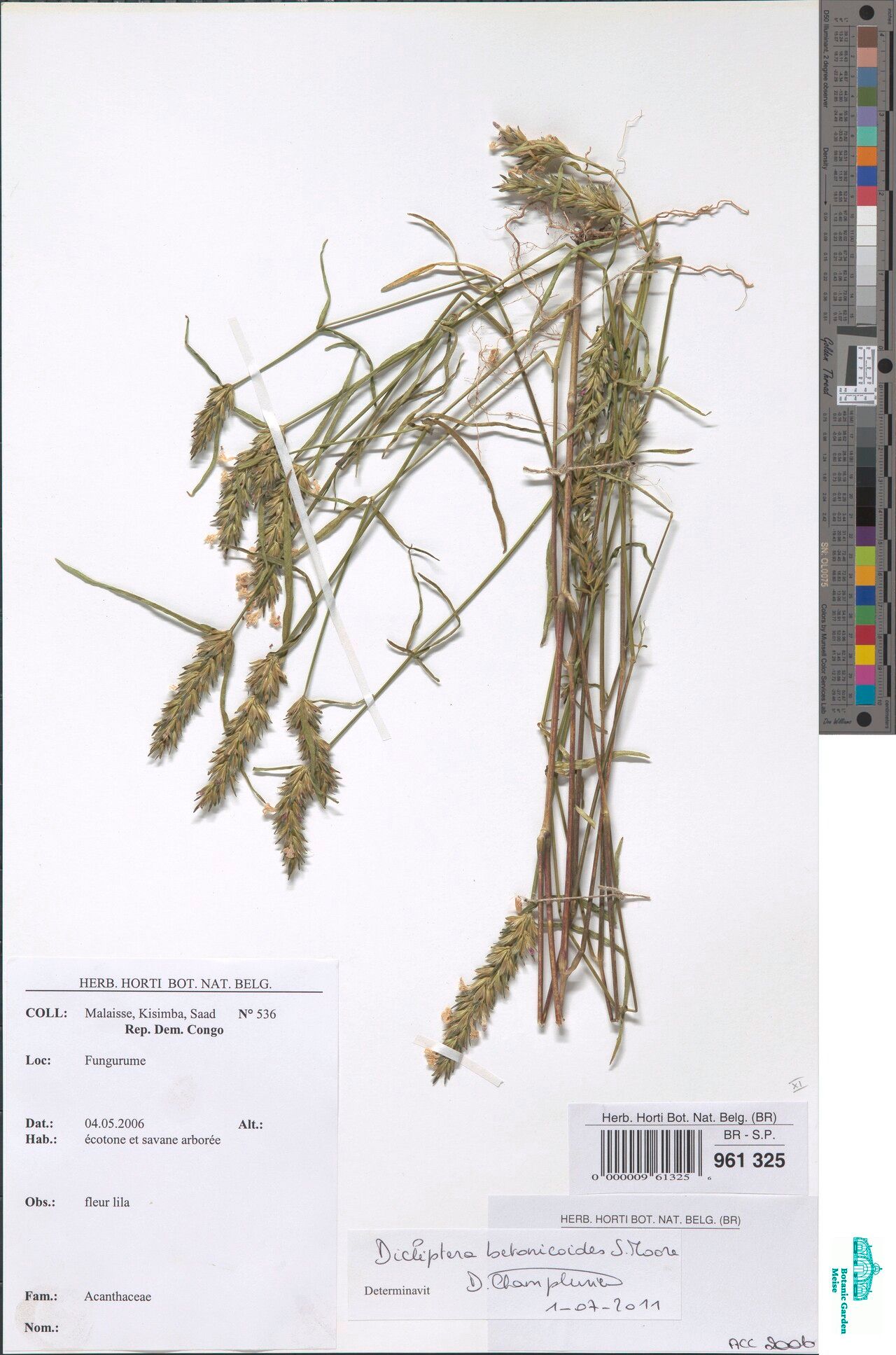
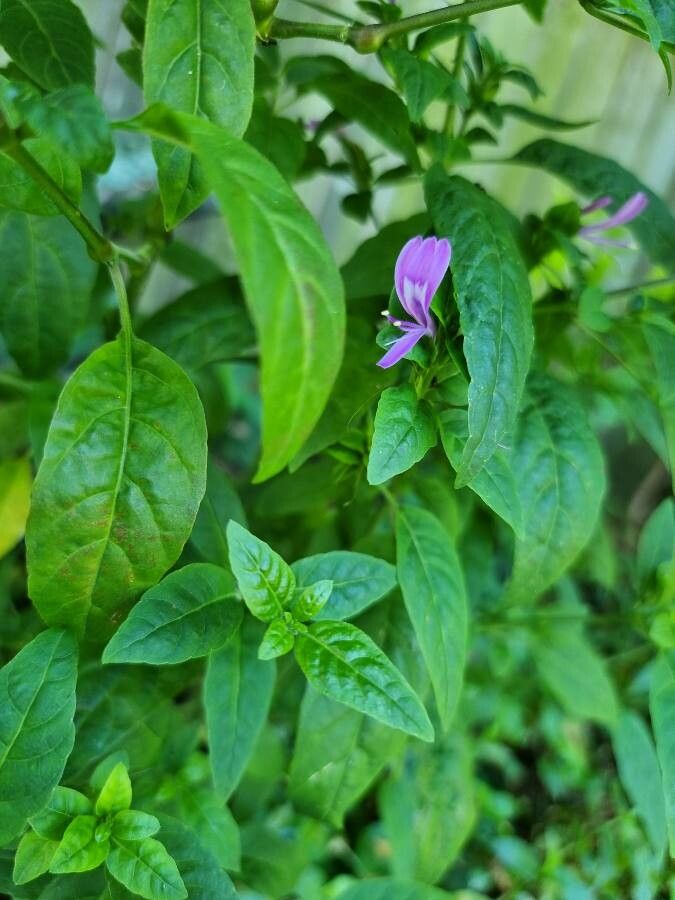
Dicliptera resupinata, the Arizona foldwing, is a perennial plant in the family (Acanthaceae) native to higher areas of southeastern Arizona into Mexico.: 74 Host to the Texas crescentspot (Anthanassa texana).
Branched foldwing shows good resistance to diseases and is generally not susceptible to them. Still, it can be affected by pests and diseases present in its environment. Such problems are typically not serious. Regarding care, this plant needs a moderate level of maintenance. It should be pruned regularly to preserve a neat appearance and promote healthy growth. Applying fertilizer can also encourage flowering. Branched foldwing is appropriate for anyone who has outdoor space, like a garden or patio, and does not demand extensive gardening experience. It may, however, need more attention if grown indoors.
How to keep Dicliptera Resupinata.
Light
Branched foldwing prefers spots with soft sunlight, a residual habit from its original growing environments, which strongly affects its healthy development. Exposure to too much or too little light can harm its growth. The plant's sunlight requirement remains the same at every stage of growth.
Temperature
Branched foldwing naturally grows best in temperatures from 68 to 95 °F (20 to 35 ℃). It favors warmer conditions, so it should not be exposed to freezing temperatures. Seasonal adjustments may be necessary during colder months to ensure optimal growth.
Fertilizer
Generally, a single fertilizer application in spring is adequate for Branched foldwing, though several feedings can maximize growth. Apply fertilizer every four to six weeks. Fertilizing improves the appearance and function of the leaves, helping preserve uniform color and a healthy texture. It also promotes root development and enhances nutrient uptake for the plant’s long-term health.
Pruning
Arizona foldwing plants are known for their vibrant blooms and distinctive foliage. To encourage bushiness and healthy flowers, it's best to prune them in early spring. During this time, remove any dead or damaged branches, but be careful not to over-prune, as this can reduce flowering. Regular pruning helps improve air circulation and prevents disease, ensuring the plant grows optimally.
Botanical profile.
- Plant Type
- Herb
- Life Cycle
- Perennial, Annual
- Genus
- Dicliptera
- Family
- Acanthaceae
- Hardiness Zone
- 4-7
- Mature Height
- 30 cm to 76 cm
- Mature Spread
- 30 cm to 61 cm
- Leaf Color
- Green, Dark Green
- Leaf Type
- Semi-evergreen
- Flower Color
- Purple, Lavender
- Flower Size
- 2.54 cm
- Bloom Time
- Summer, Fall
- Planting Time
- Spring, Summer, Autumn
- Harvest Time
- Late summer, Fall, Early winter
- Native Area
- Georgia, Mexico
Other names.
Reader questions.
What are the sun requirements for Arizona foldwing?
The Arizona foldwing, or Dicliptera resupinata, thrives in various sunlight conditions. For full sun exposure, it requires above 6 hours of sunlight daily, making it ideal for spots that receive a generous amount of daylight. Meanwhile, it can also flourish in partial sun locations, which provide about 3-6 hours of sunlight each day. It's important to watch how sunlight gracefully moves through your garden, and choose spots that provide the perfect balance of light and shade for your plants, ensuring their happiness and facilitating the growth of the Arizona foldwing.
What is the common name of Dicliptera resupinata?
The common name of Dicliptera resupinata is Arizona foldwing.