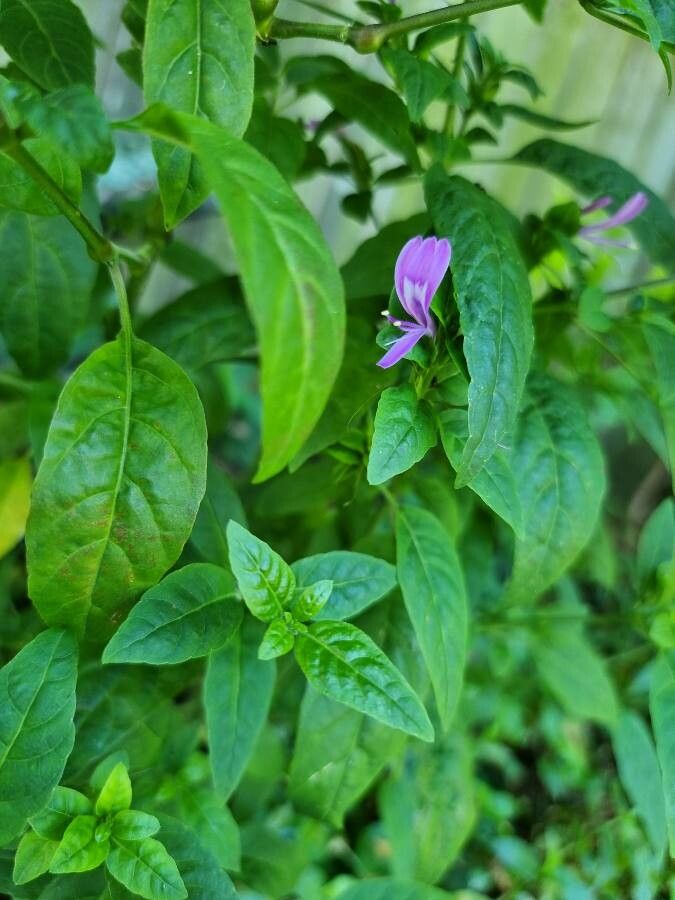
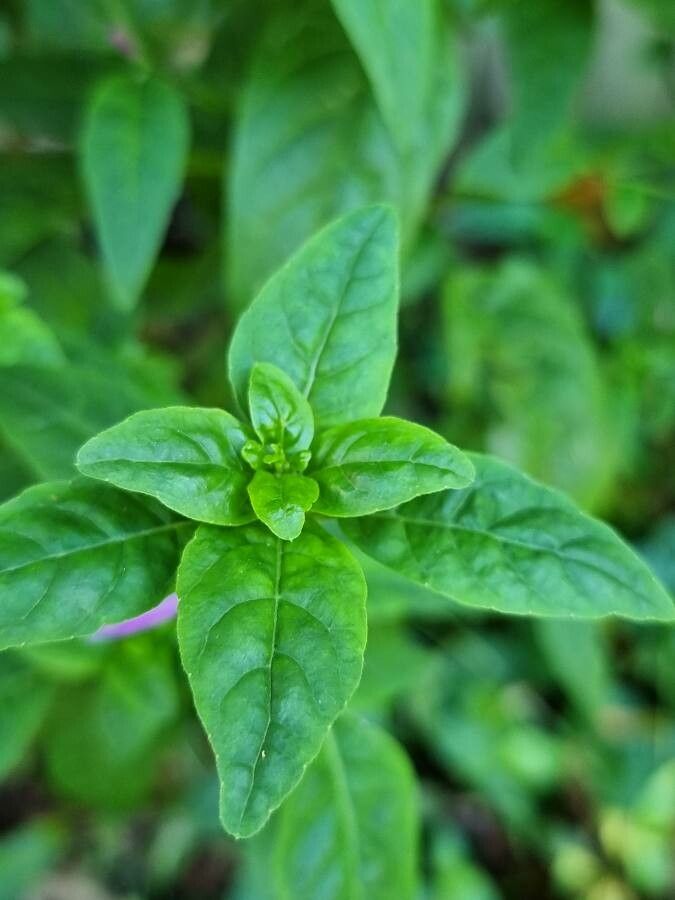
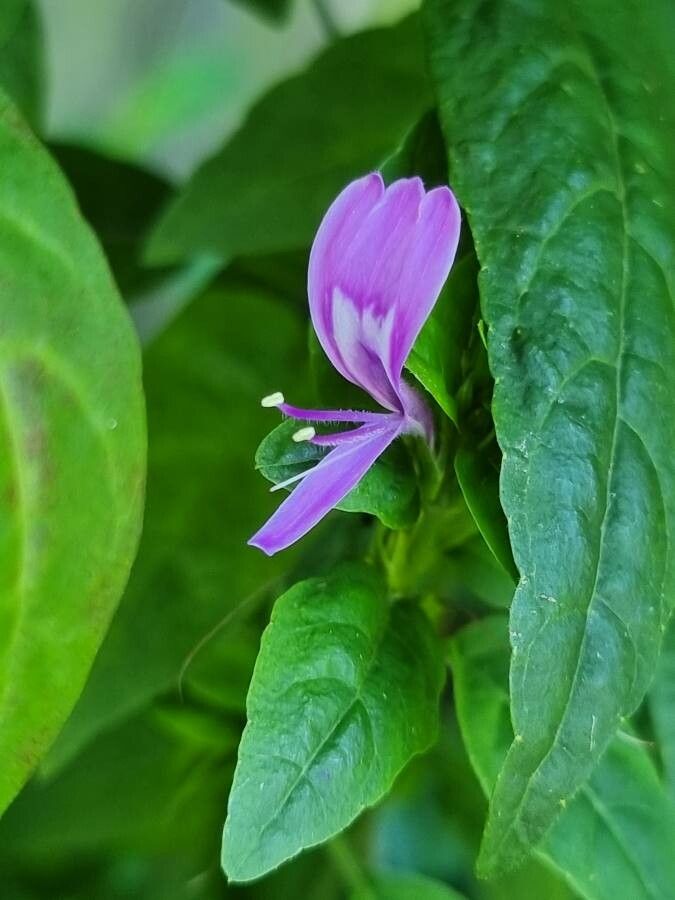
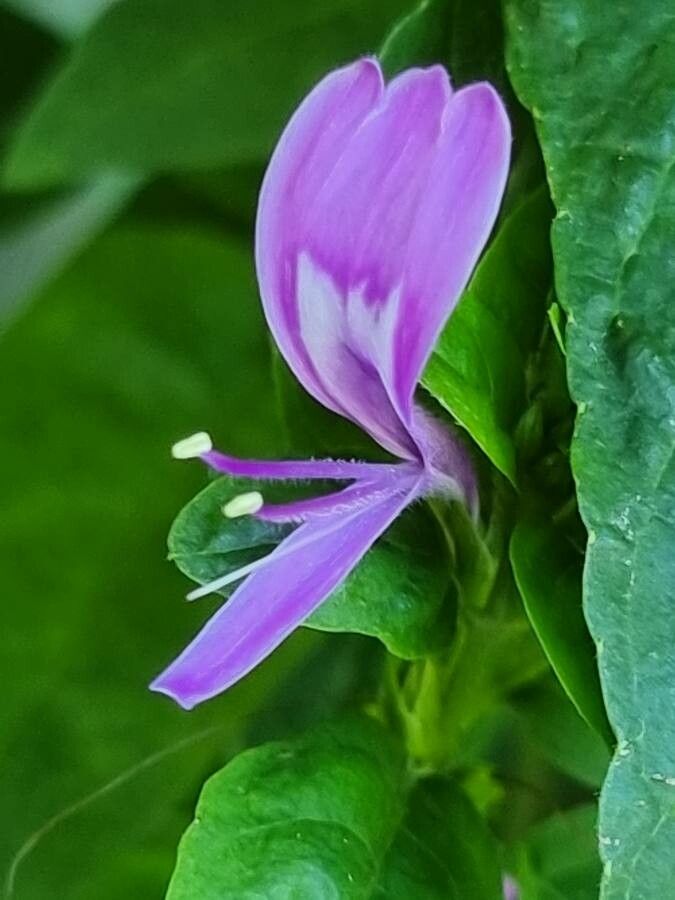
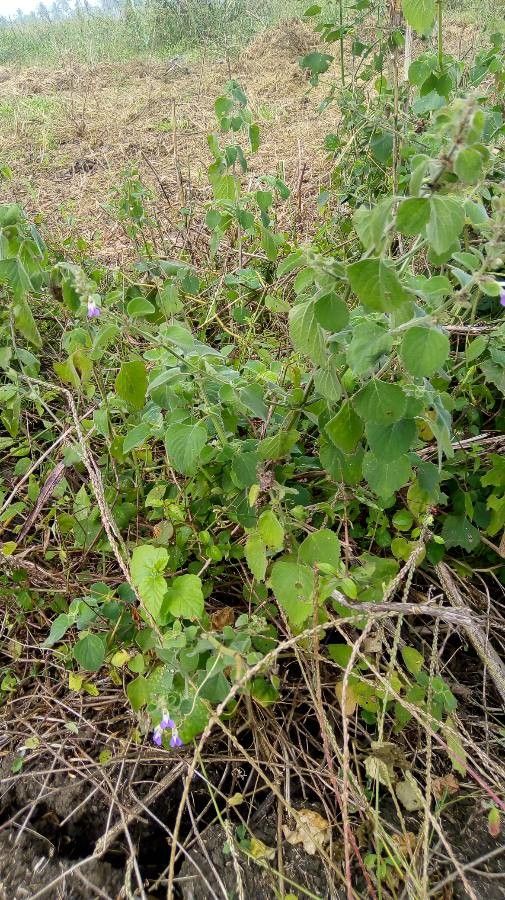
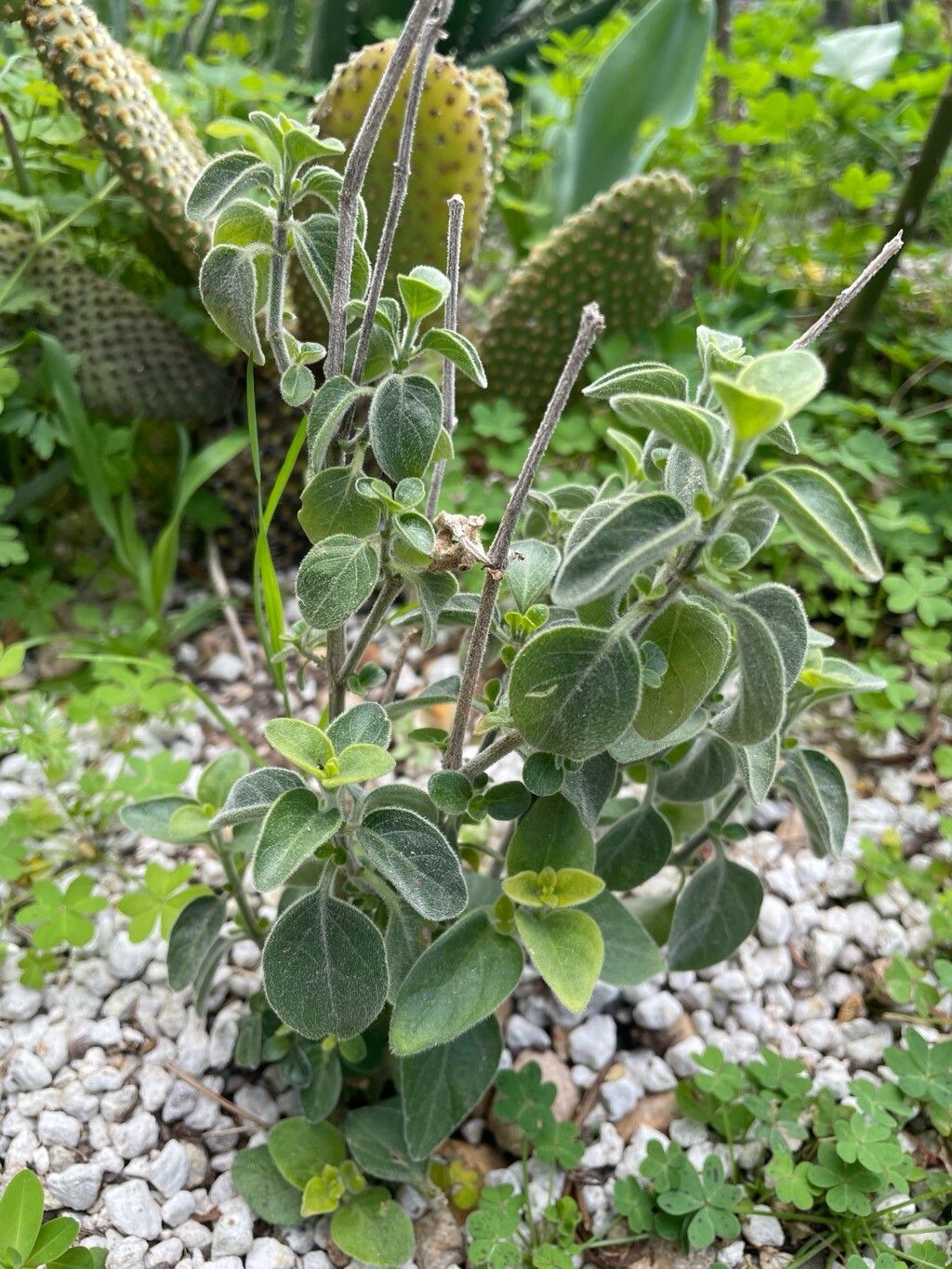
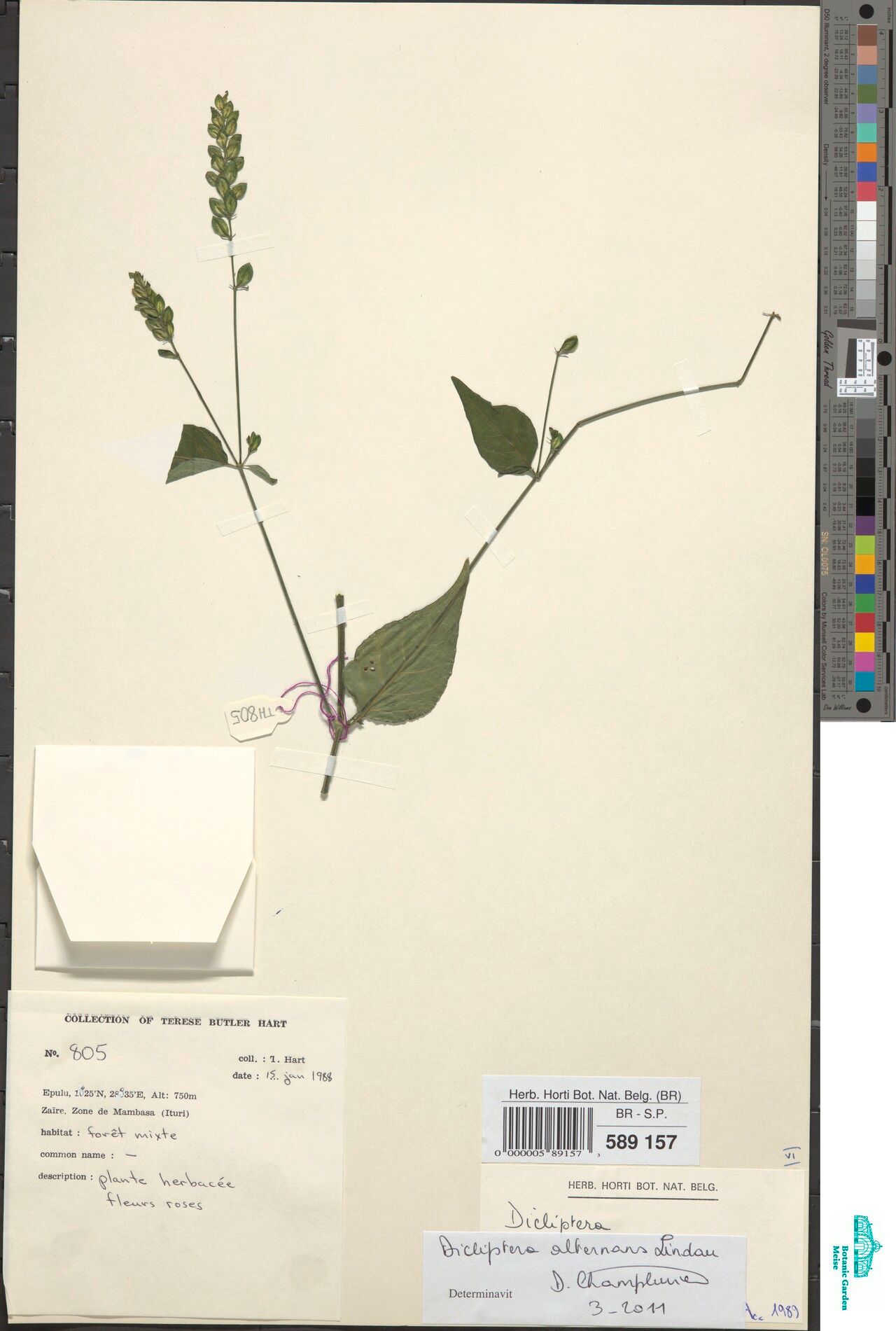
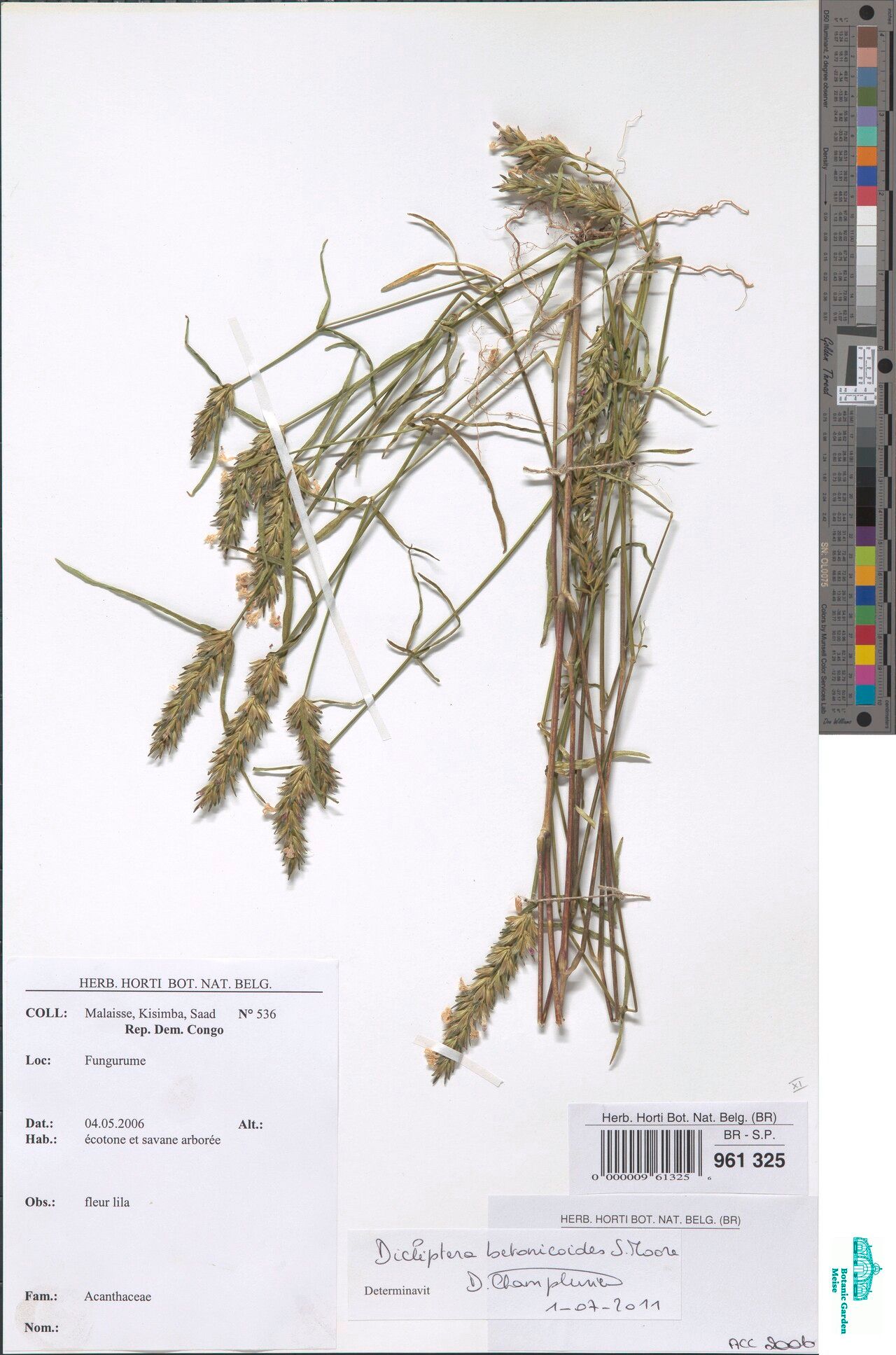
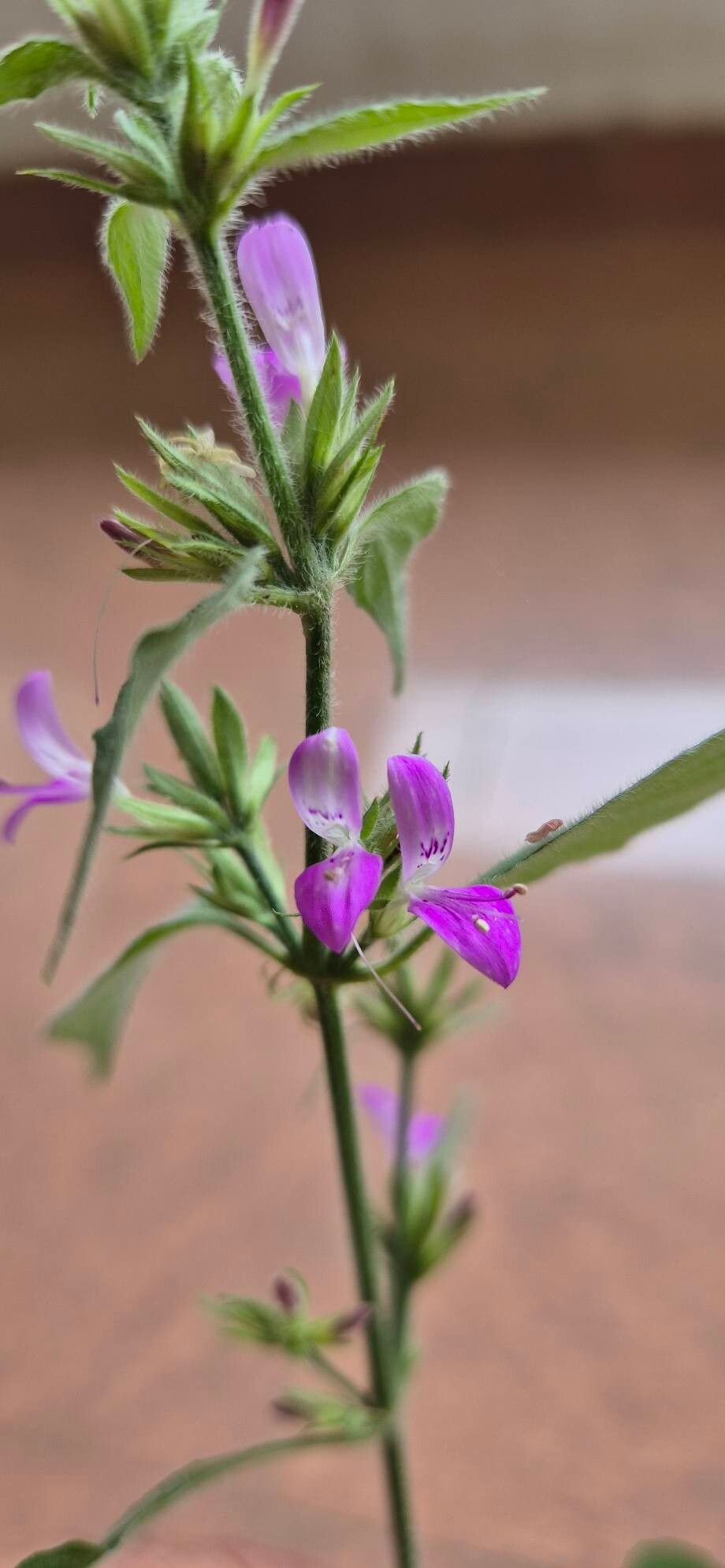
Dicliptera brachiata is a species of plant in the family Acanthaceae. It is an herbaceous perennial native to North America, ranging from the eastern United States to Central America.
Branched foldwing shows good resistance to diseases and is generally not susceptible to them. Still, it can be affected by pests and diseases present in its environment. Such problems are typically not serious. Regarding care, this plant needs a moderate level of maintenance. It should be pruned regularly to preserve a neat appearance and promote healthy growth. Applying fertilizer can also encourage flowering. Branched foldwing is appropriate for anyone who has outdoor space, like a garden or patio, and does not demand extensive gardening experience. It may, however, need more attention if grown indoors.
How to keep Dicliptera Brachiata.
Light
Branched foldwing prefers spots with soft sunlight, a residual habit from its original growing environments, which strongly affects its healthy development. Exposure to too much or too little light can harm its growth. The plant's sunlight requirement remains the same at every stage of growth.
Water
Branched foldwing, a plant native to subtropical regions, prefers moderate humidity and consistent moisture, needing to be watered weekly. While it can adapt to brief dry periods, it grows best indoors with higher humidity. This environment enhances its growth and closely resembles its natural habitat.
Temperature
Branched foldwing naturally grows best in temperatures from 68 to 95 °F (20 to 35 ℃). It favors warmer conditions, so it should not be exposed to freezing temperatures. Seasonal adjustments may be necessary during colder months to ensure optimal growth.
Fertilizer
Generally, a single fertilizer application in spring is adequate for Branched foldwing, though several feedings can maximize growth. Apply fertilizer every four to six weeks. Fertilizing improves the appearance and function of the leaves, helping preserve uniform color and a healthy texture. It also promotes root development and enhances nutrient uptake for the plant’s long-term health.
Pruning
Branched foldwing is a fast-growing shrub with vibrant flowers. To encourage denser growth and more blooms, it's beneficial to prune it in the spring. Begin by removing any dead branches, then shape the plant by trimming back overgrown stems. Regular pruning improves air circulation and reduces the risk of disease. For the best results, use clean, sharp tools.
Botanical profile.
- Plant Type
- Herb
- Life Cycle
- Perennial, Annual
- Genus
- Dicliptera
- Family
- Acanthaceae
- Hardiness Zone
- 4-7
- Mature Height
- 30 cm to 76 cm
- Mature Spread
- 30 cm to 61 cm
- Leaf Color
- Green, Dark Green
- Leaf Type
- Semi-evergreen
- Flower Color
- Purple, Lavender
- Flower Size
- 2.54 cm
- Bloom Time
- Summer, Fall
- Planting Time
- Spring, Summer, Autumn
- Harvest Time
- Late summer, Fall, Early winter
- Native Area
- Georgia, Mexico
Other names.
Reader questions.
How should I water my Branched foldwing to make sure it stays healthy?
To properly water the Branched foldwing, it's best to use filtered water at room temperature. Tap water may have harmful particles, so filtered water is preferable. Since the plant is adapted to warm environments, it's important to avoid using cold water, which can be a shock to its system. Additionally, overhead watering should be avoided as it can cause issues with the foliage. Instead, gently water the soil with your filtered room temperature water until it is completely soaked. This method helps moisten the roots and allows them to spread and collect necessary nutrients from the soil.
What are the sunlight requirements for Branched foldwing?
Branched foldwing thrives best with about 3-6 hours of sunlight daily, fitting into the category of plants that prefer partial sun. It's essential to observe the movement of sunlight through your garden to find a spot that offers a balance of light and shade, ensuring the plant's health and happiness.
What is the optimal temperature range for growing Branched foldwing?
Branched foldwing (Dicliptera brachiata) thrives best in environments where temperatures range from 68 to 95 °F (20 to 35 °C). It prefers warmer conditions and should be protected from exposure to freezing temperatures. Seasonal adjustments may be necessary during the colder months to ensure the plant maintains optimal growth.
What should I do if I give too much or too little water to my Branched foldwing?
Overwatering is a common problem for Branched foldwings and can have detrimental effects on their health. When this plant receives too much water, its stems and leaves may wilt and turn yellow. Additionally, overwatering over a long period can lead to diseases such as root rot, mold, and mildew, which can be fatal. On the other hand, underwatering is less common for Branched foldwings due to their decent drought tolerance. However, it is still possible, and in such cases, the leaves may become brittle and brown. It is crucial to recognize the signs of overwatering early to prevent irreversible damage. If you notice early signs, reduce your watering schedule immediately and assess the quality of the soil. If the soil drains poorly, replace it with a loose, well-draining potting mix. Conversely, if you determine that your plant is not receiving enough water, simply water it more regularly until the signs of underwatering subside.
Why is the right amount of sunlight essential for Branched foldwing?
The right amount of sunlight is crucial for the health and growth of Branched foldwing. Originating from environments that were subtly illuminated by the sun, this plant has a significant need for the correct exposure to light. Both an overabundance and a deficiency of sunlight can harm its growth. The plant's need for sunlight doesn't change through its growth stages, making consistent sunlight exposure essential for its well-being.
Does Branched foldwing require any special winter care to protect it from cold temperatures?
Despite its high cold tolerance, Branched foldwing does not typically require additional frost protection measures. However, to mitigate the risk of drought and water scarcity during winter and early spring, it is recommended to water the plant generously before the first freeze in autumn. This ensures the soil remains moist and freezes in a state conducive to the plant's health.
How often should I water my plant called Branched foldwing?
To determine if your potted Branched foldwing plant needs water, check the soil by inserting your finger. If the top few inches of soil feel dry, it's time to water. The same method applies if you have planted the Branched foldwing outdoors. Typically, you may need to water this plant once a week during spring and early fall. However, in extremely hot weather, you may need to increase watering to twice a week or more. It's worth noting that mature, well-established Branched foldwing plants can withstand drought well.
How can artificial lighting be used for Branched foldwing?
When natural sunlight is insufficient, especially during winter or in less sunny locations, artificial lighting becomes critical for the growth of Branched foldwing. Choosing the right type of artificial light, such as LED lights, can be crucial as these can be tailored to provide specific wavelengths needed by the plant. The amount of artificial light required varies depending on the plant's sunlight needs; full sun plants need 30-50W/sq ft, partial sun plants need 20-30W/sq ft, and full shade plants require 10-20W/sq ft. Additionally, the light source should be placed 12-36 inches above the plant, for a duration of 8-12 hours per day to mimic natural sunlight conditions effectively.
What should be done if the Branched foldwing experiences temperatures below its cold tolerance threshold?
Branched foldwing is extremely tolerant of cold, able to withstand winter temperatures down to -30°C (-22°F). However, if temperatures fall below this threshold, the plant may exhibit a decreased sprouting rate or fail to sprout at all in the spring. If this occurs, it is advised to remove any parts of the plant that have failed to sprout as a corrective measure.
How much water does my Branched foldwing plant need?
To properly water your Branched foldwing, don't be afraid to give it a generous amount of water. When the top two to three inches of soil are dry, it's time for a long, thorough watering. Make sure to saturate the soil completely, allowing excess water to drain out through the holes in the bottom of the pot. If you don't see any excess water draining, you may not have given enough water. However, be careful not to let water accumulate in the soil, as this can harm the plant. On the other hand, if water isn't draining properly from the pot, it may indicate poor soil drainage, which is not good for the plant's health. If the plant is outside, it will generally need about one inch of rain per week.
What are the symptoms of light deficiency in Branched foldwing?
When Branched foldwing is grown indoors with insufficient light, several symptoms can appear. These include small or lighter-colored new leaves, indicative of insufficient chlorophyll and nutrients; leggy or sparse growth, leading to a plant that looks weak and might easily break; premature leaf drop, as the plant tries to conserve resources; and a halt in growth, where the plant goes into survival mode. Additionally, chlorosis can occur, turning the leaves yellow, and sunscald may damage the plant’s tissues if exposed to intense sunlight. Leaf curling, wilting, leaf scorching are other symptoms that can arise from both excessive and insufficient light exposure.
How should Branched foldwing be cared for if it is exposed to temperatures above its heat tolerance?
Branched foldwing struggles in high temperatures, particularly those exceeding 35°C (95°F), which can halt its growth and make it more susceptible to rot. To mitigate heat stress, trim away any sunburned or dried-up parts of the plant. Relocate the plant to a shaded area during the midday and afternoon sun or use a shade cloth to protect it. Additionally, ensure the soil stays moist by watering the plant in the morning and evening.