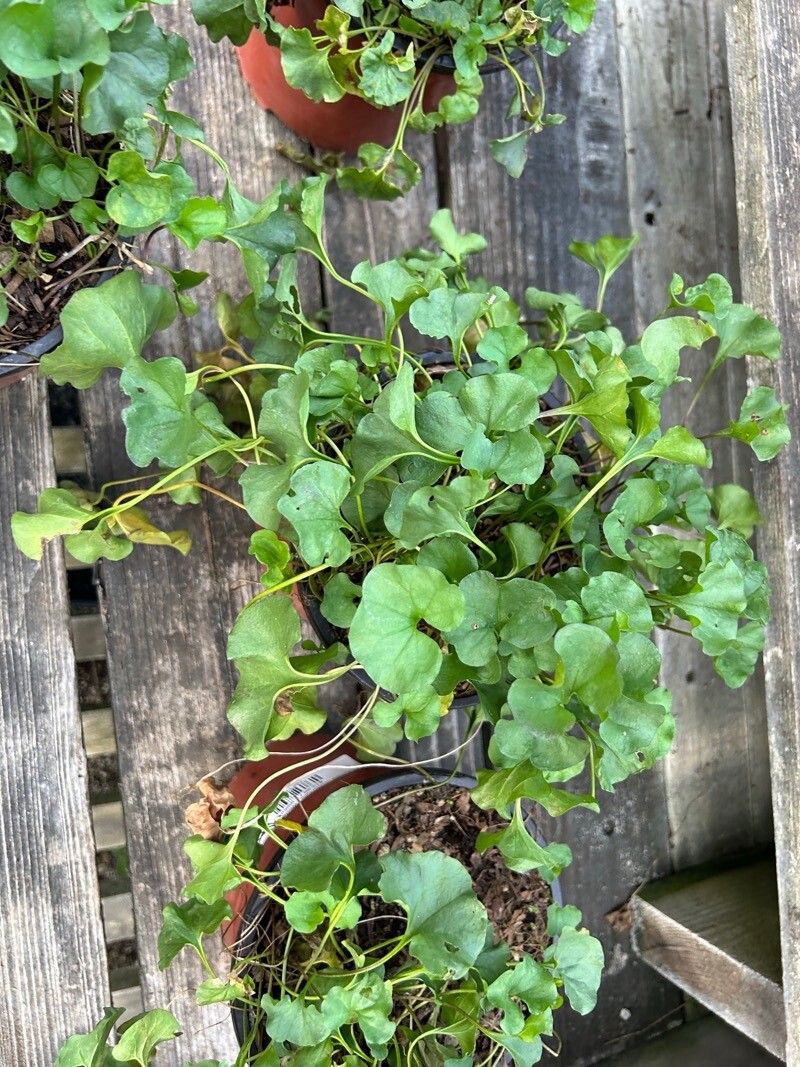
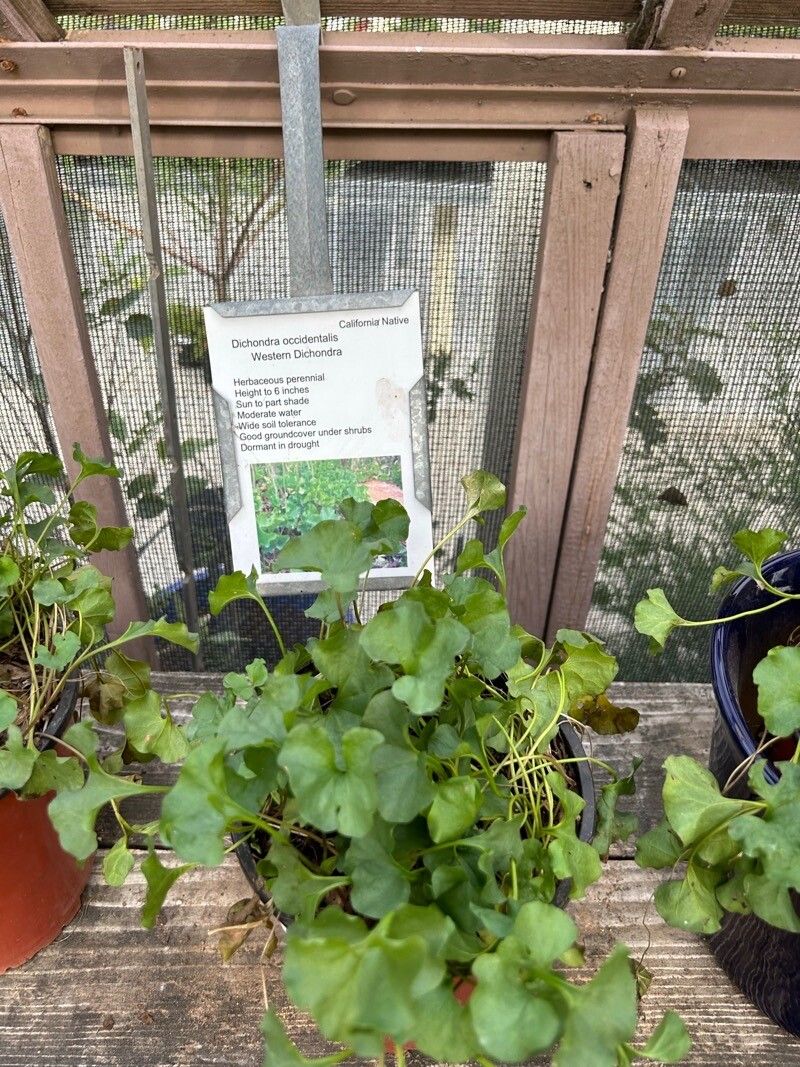
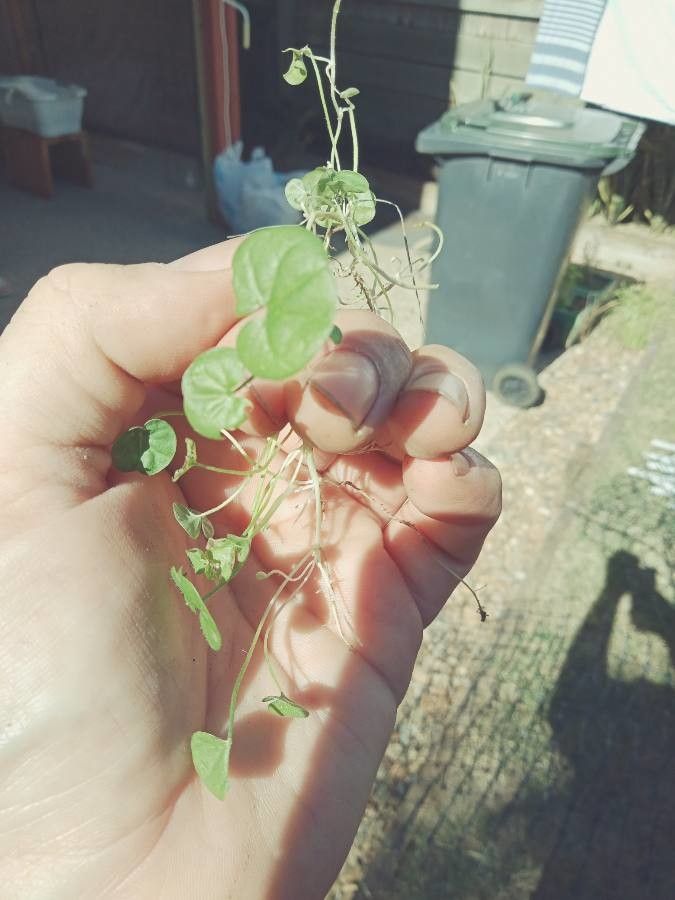
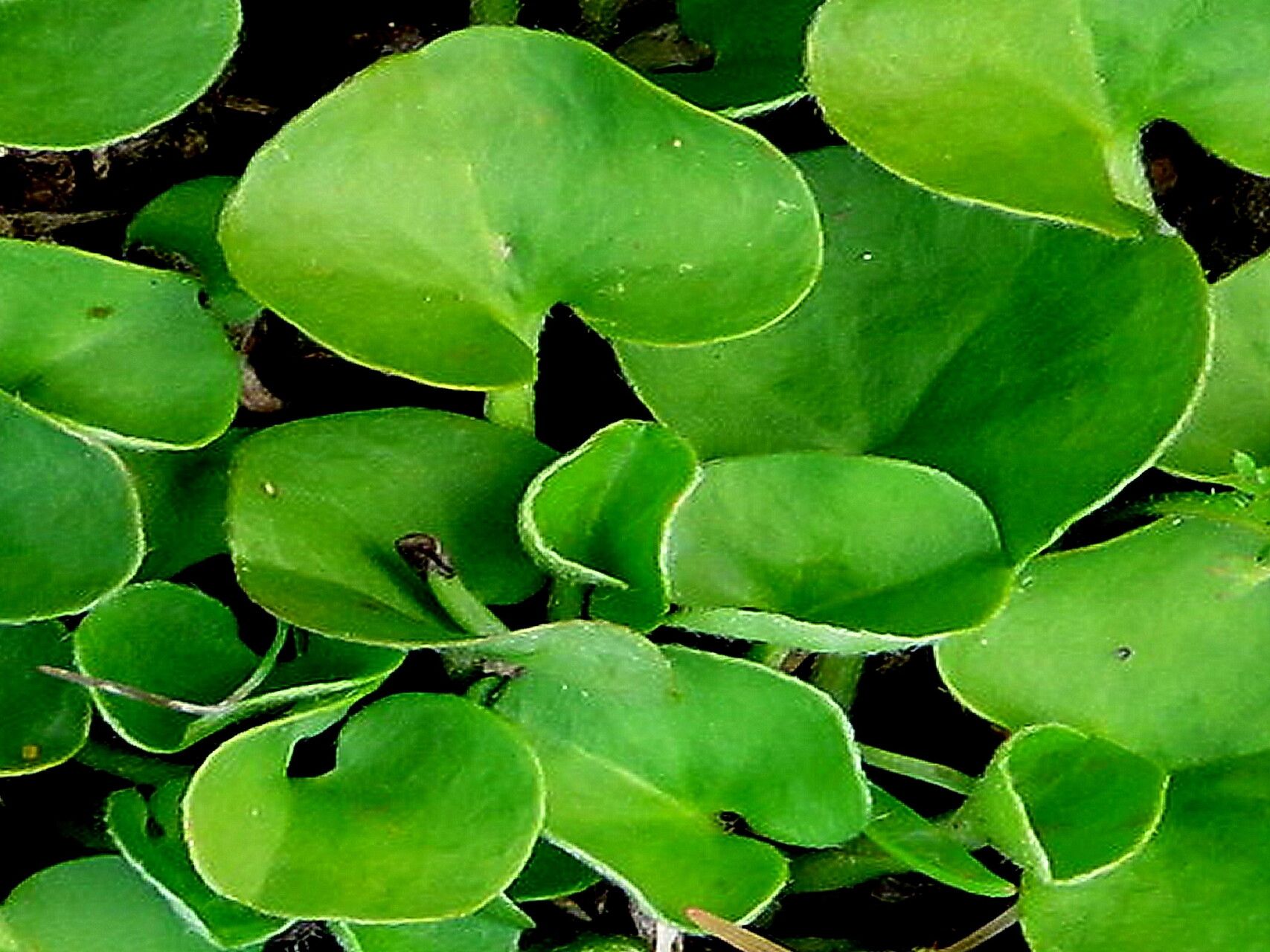
Dichondra occidentalis, commonly known as Western Dichondra, is a low-growing perennial native to the western United States. Belonging to the Convolvulaceae family, it is frequently used as a ground cover due to its rapid spread and ability to form a dense mat of foliage.
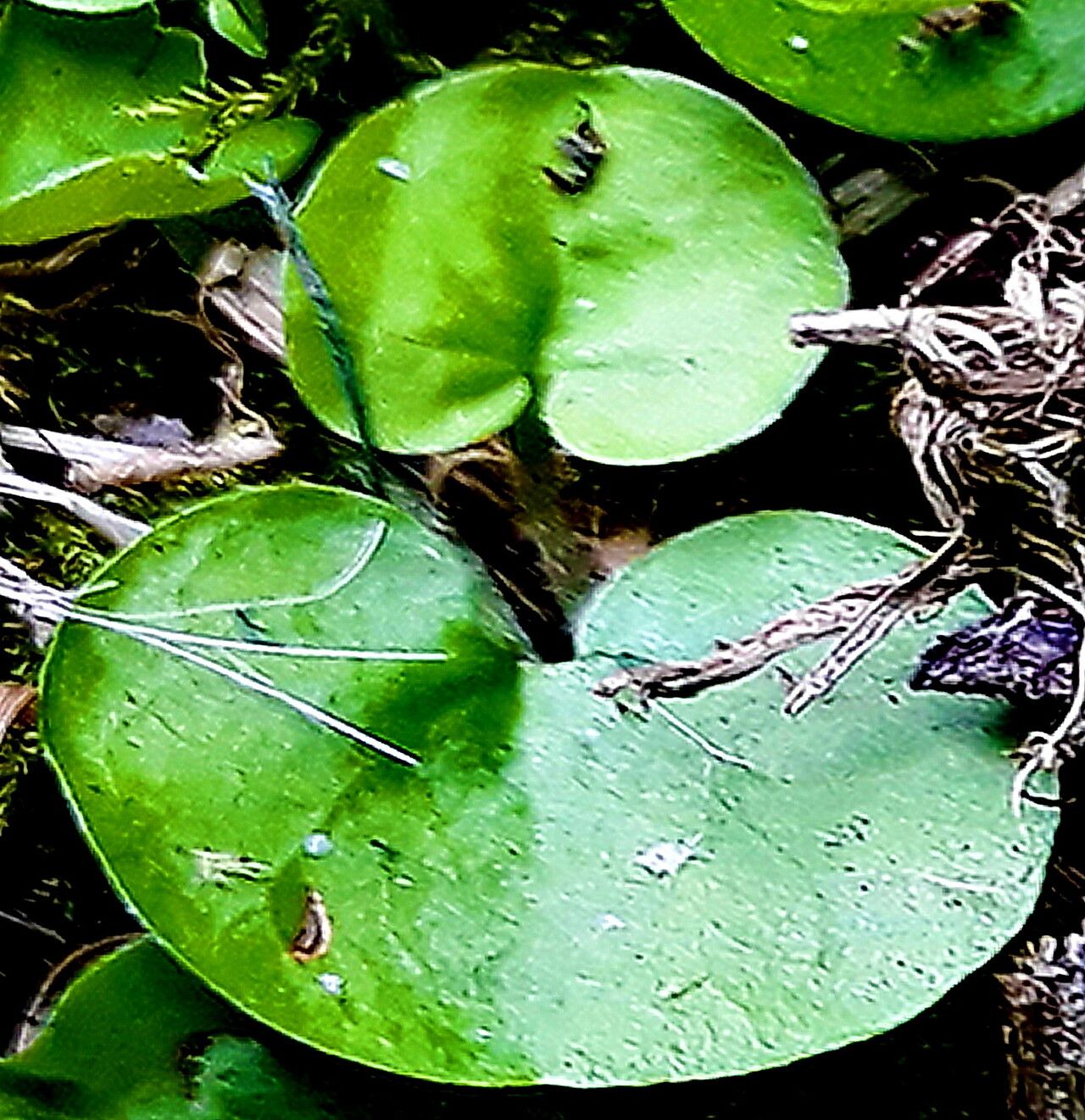
The plant features small, round, bright green leaves that grow on long stems. In the summer, it produces small white or yellow flowers that, though not particularly showy, attract pollinators such as bees.
Dichondra occidentalis thrives in well-drained soil with full sun or partial shade. It is drought-tolerant but does require regular watering during hot summer months.
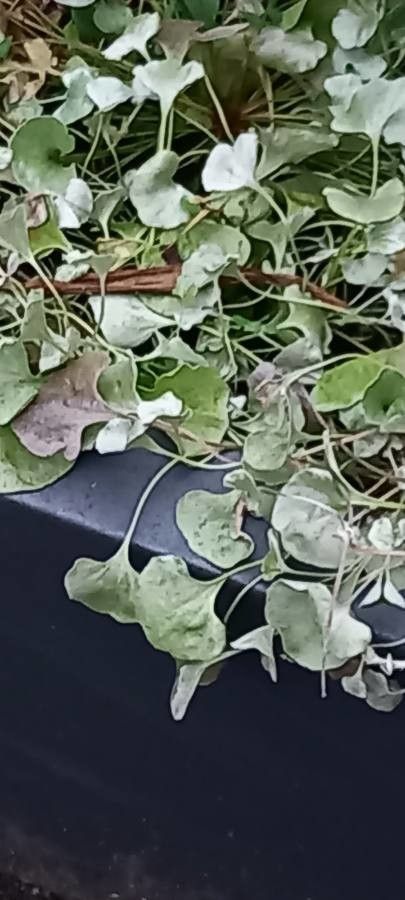
This plant is often utilized in landscaping projects for its attractive, low-maintenance ground cover. It can also be grown in containers or hanging baskets to add visual interest.
Overall, Dichondra occidentalis is an appealing and versatile plant that enhances beauty and texture wherever it is planted.
Western ponysfoot is fairly resistant to disease and typically does not suffer from illnesses. That said, it can be vulnerable to pests and diseases present in its environment, though these problems are generally mild. Regarding care, this plant needs a moderate level of maintenance. Regular pruning is necessary to preserve an attractive appearance and support healthy growth. Applying fertilizer can also encourage more abundant flowering. Western ponysfoot is well suited for anyone with outdoor space, like a garden or patio, and does not demand extensive gardening experience. When kept indoors it can call for increased care.
How to keep Dichondra Occidentalis.
Light
Western ponysfoot is native to habitats like forest understories and rocky areas, which provide natural shade. It prefers partial sun but can tolerate full sun or full shade, showing its hardy, adaptable nature.
Temperature
Western ponysfoot can tolerate a wide range of temperatures, but its distribution may still be restricted by various combinations of water and heat conditions. It grows best in warm summers with adequate rainfall or watering. Extended periods of cloudy, rainy weather and prolonged high temperatures can increase the likelihood of Western ponysfoot dying. In winter, proper protection from cold can improve the plant's survival rate.
Fertilizer
One fertilizer application in spring is generally adequate for Western ponysfoot, though repeated feedings can increase growth. Apply fertilizer every one to one and a half months. Fertilizing improves the leaves' appearance and function, encouraging even color and a healthy texture. It also promotes root development and nutrient uptake, supporting the plant's long-term health.
Pruning
Western ponysfoot displays dense, low-growing foliage that requires minimal pruning. It's best to prune in early spring to remove any damaged stems. Light trimming can help maintain its compact appearance. Be sure to use clean tools to prevent any damage to the plant. Pruning not only enhances the aesthetics but also improves airflow and reduces the risk of disease, promoting resilient growth in favorable conditions.
Botanical profile.
- Plant Type
- Herb
- Life Cycle
- Perennial
- Genus
- Dichondra
- Family
- Convolvulaceae
- Hardiness Zone
- 8-11
- Mature Height
- 5 cm to 10 cm
- Mature Spread
- 30 cm to 61 cm
- Leaf Color
- Green, Dark Green
- Leaf Type
- Evergreen
- Flower Size
- 0.25 cm to 0.51 cm
- Bloom Time
- Spring, Early summer
- Planting Time
- Spring, Autumn
- Harvest Time
- Late spring, Summer
- Native Area
- Mexico
Other names.
Reader questions.
What are the sunlight requirements for Western Ponysfoot (Dichondra occidentalis)?
Western Ponysfoot (Dichondra occidentalis) thrives in full shade, requiring less than 3 hours of sunlight per day. It's important to observe the patterns of sunlight and shadow in your garden to find the ideal spot for your plants. Ensuring the right balance of light and shade will contribute significantly to the health and happiness of your Western Ponysfoot.
What is Western ponysfoot?
Western ponysfoot, known botanically as Dichondra occidentalis, is a plant species recognized by its distinct name. Unfortunately, there are no provided details on the essentials about this plant such as its characteristics, habitat, or uses. Additionally, no information about its symptoms, in case of issues or diseases associated with it, has been shared. This plant belongs to the Dichondra genus and is noted for its unique attributes, though specifics are not provided here.