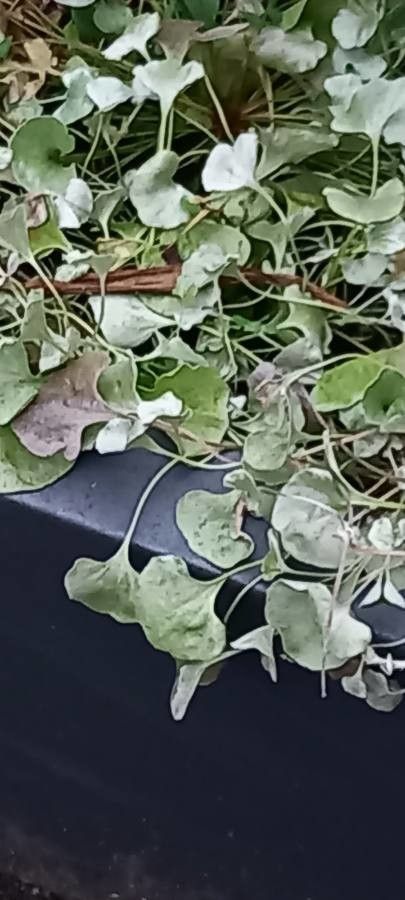
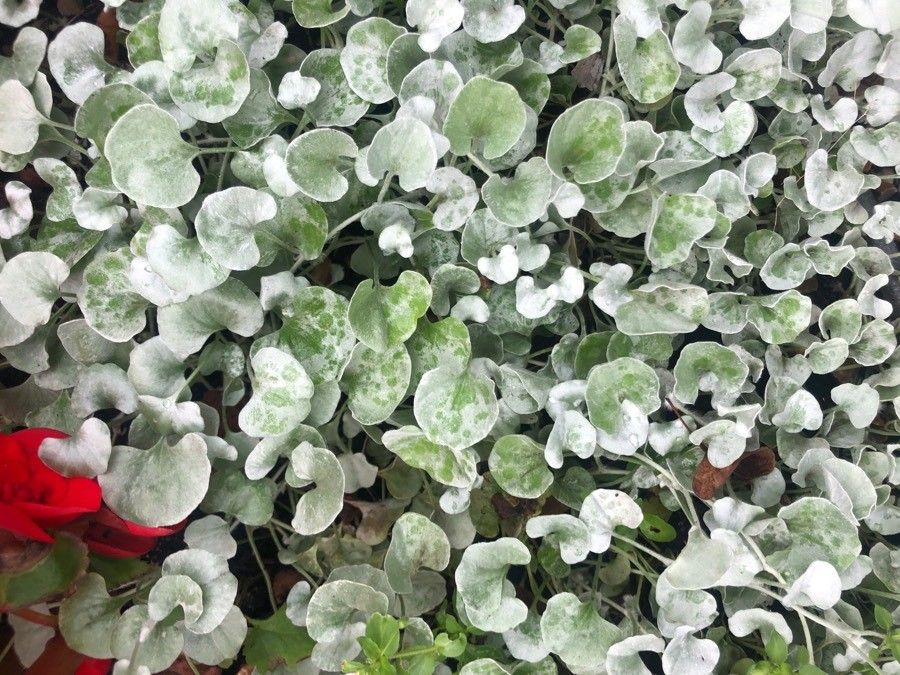
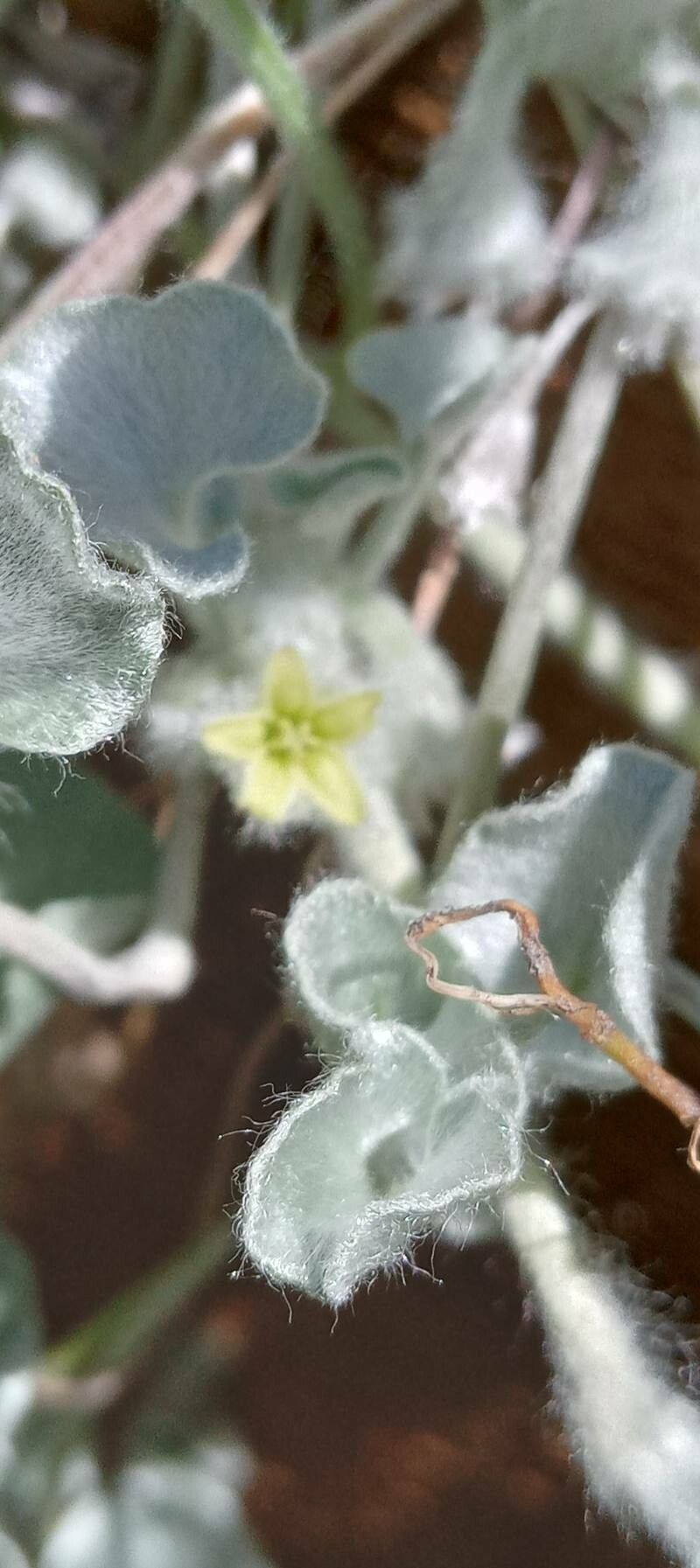
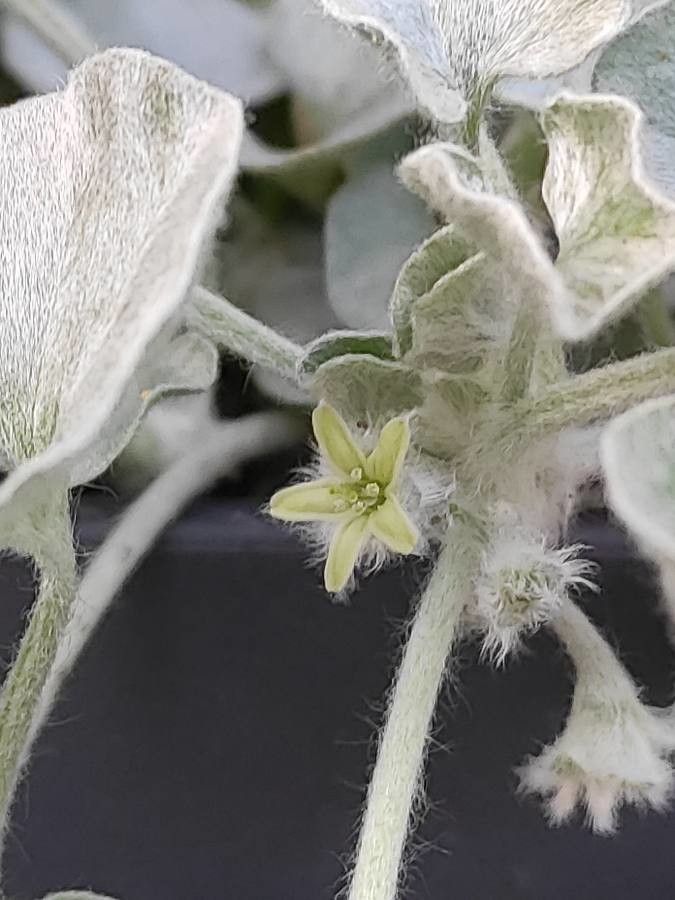
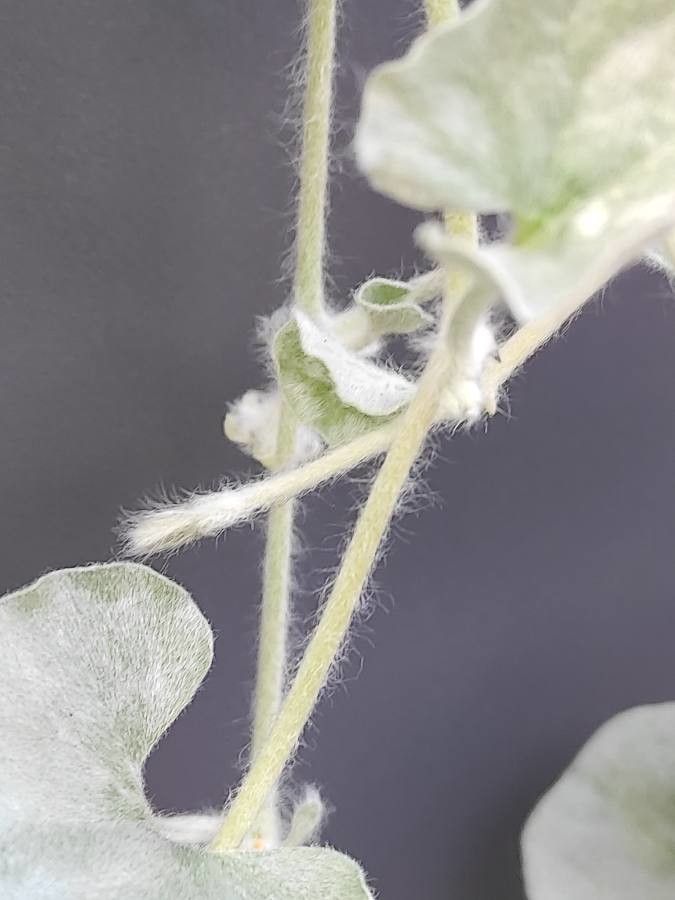
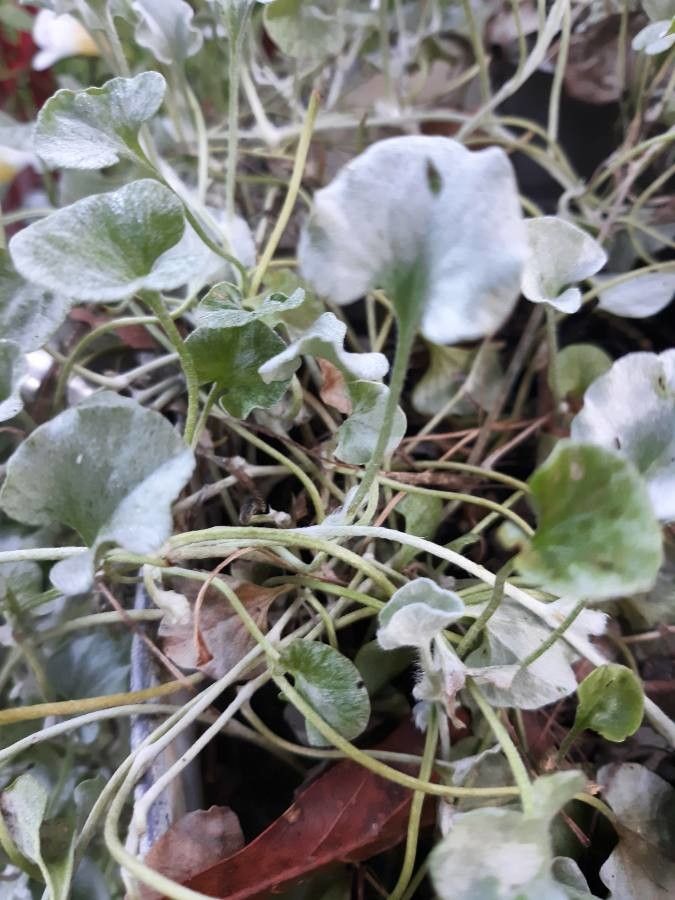
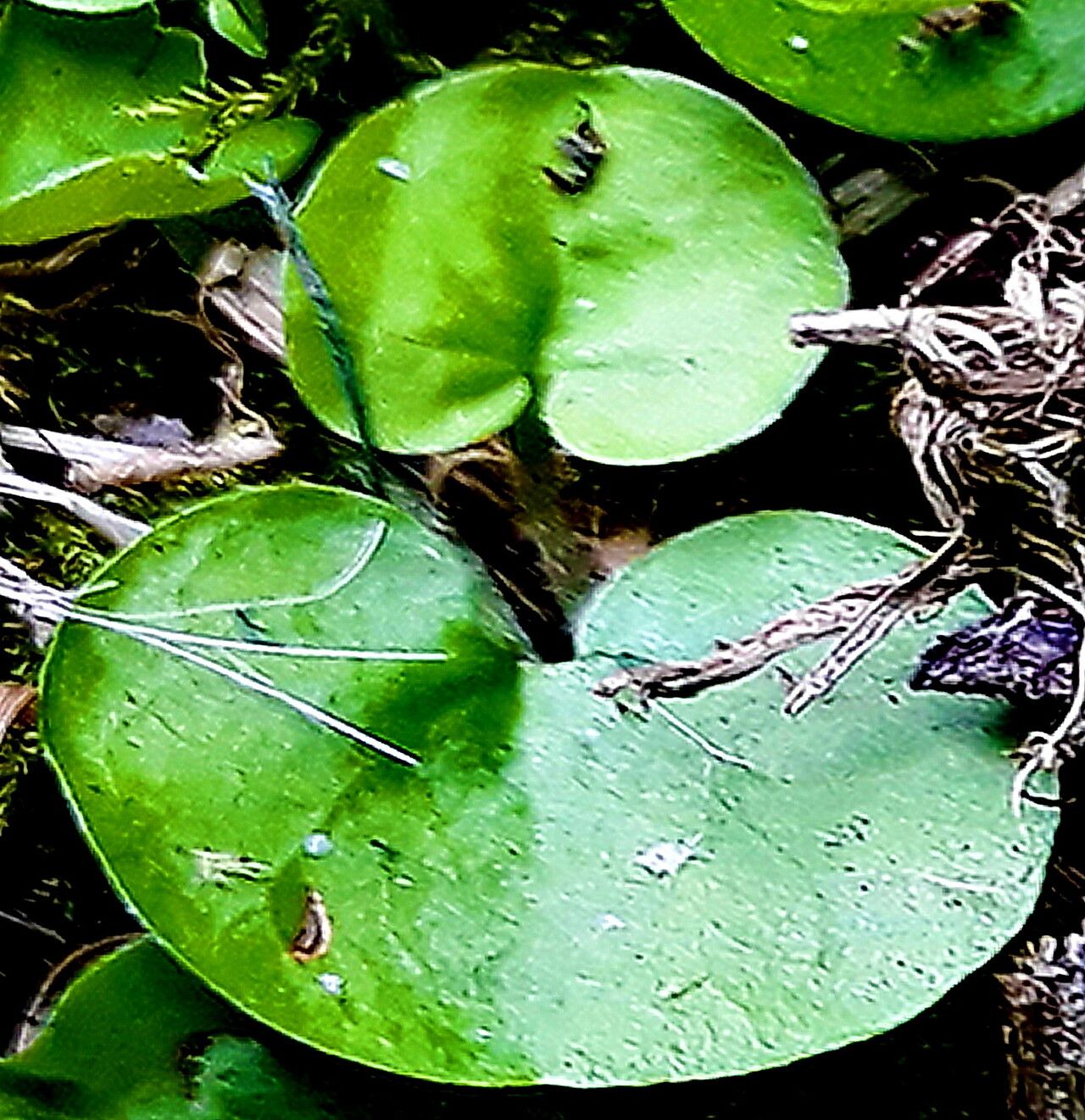
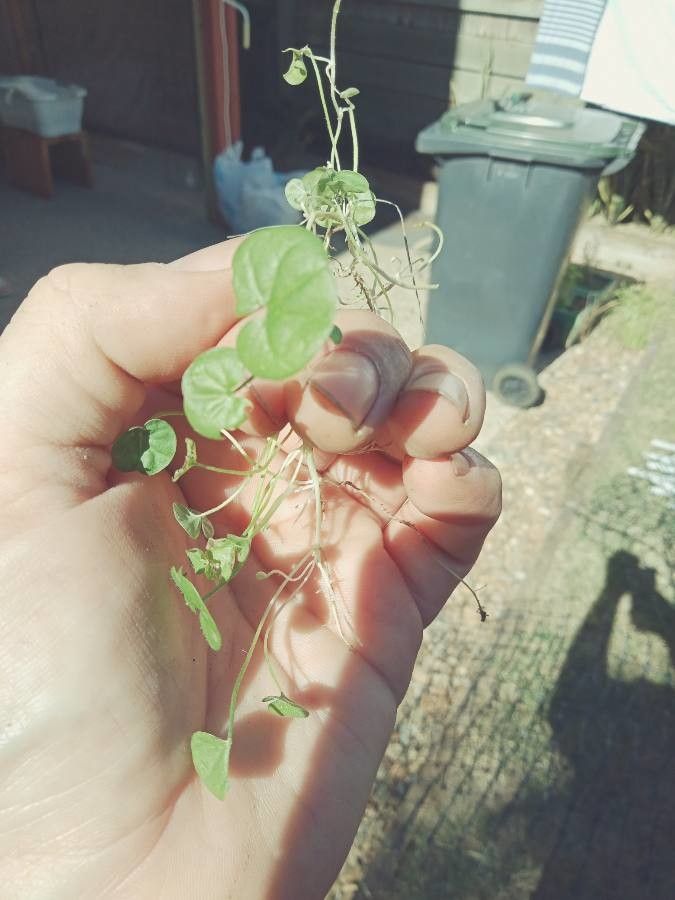
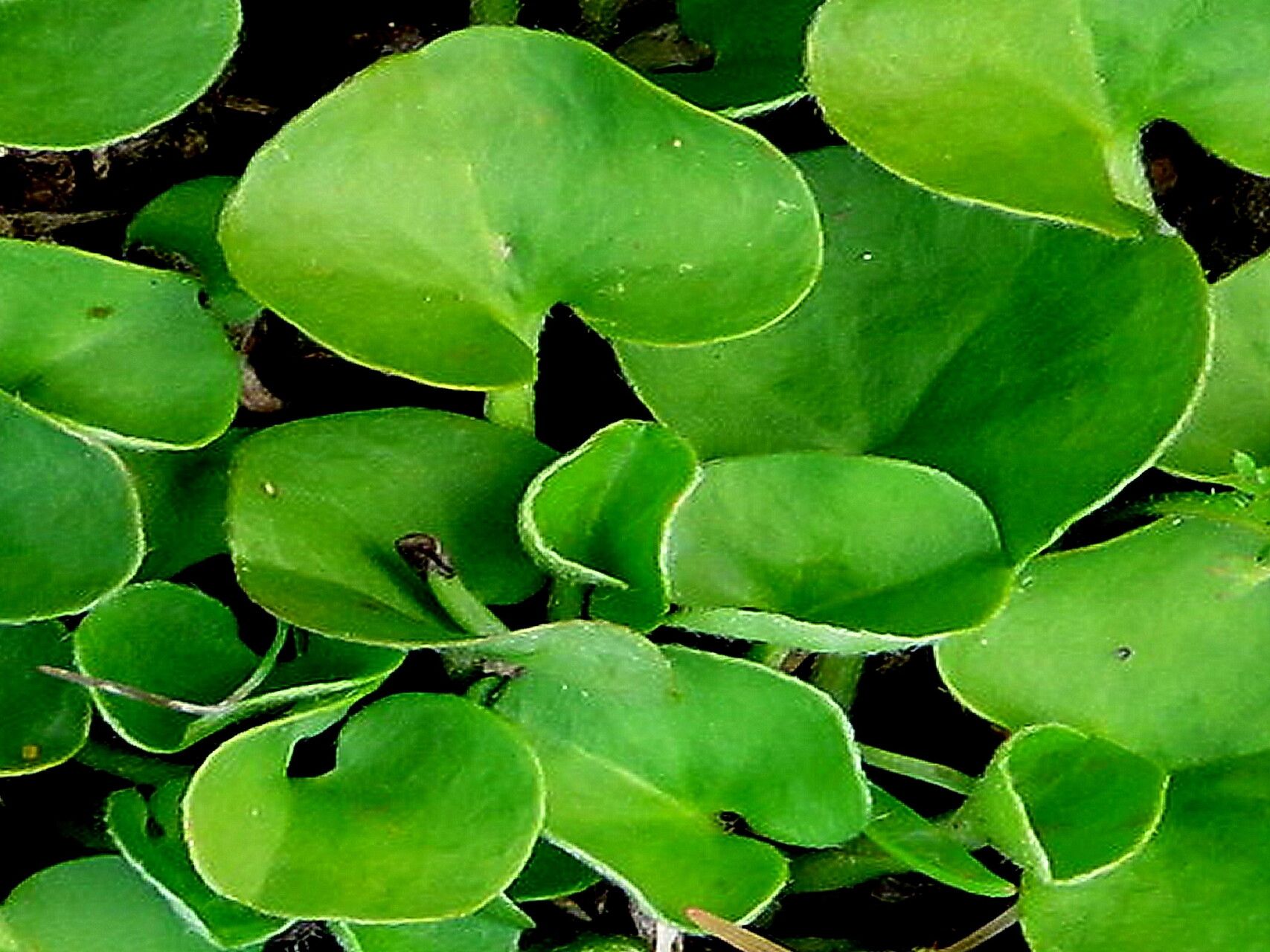
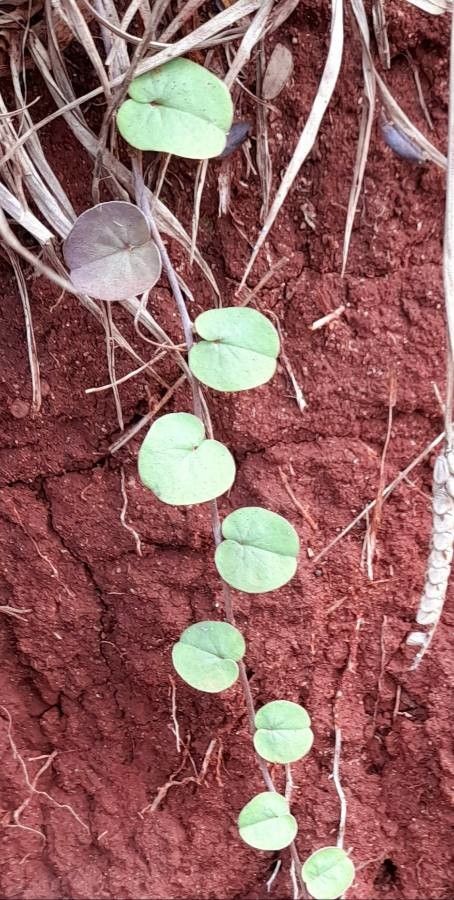
Dichondra argentea, commonly known as silver ponyfoot, is a low-growing perennial native to the southwestern United States and Mexico. A member of the Convolvulaceae family, it is often used as a ground cover due to its attractive silver-green foliage. The plant's small, round or kidney-shaped leaves have scalloped edges and are covered in fine hairs, giving them a soft texture.
Silver ponyfoot thrives in full sun or partial shade and requires well-drained soil. Although it can withstand drought conditions, it benefits from regular watering during hot summer months. The plant spreads through runners that root at nodes along the stem, making it an excellent choice for filling gaps between other plants or covering large areas.
Beyond its ornamental appeal, Dichondra argentea has medicinal properties and has been traditionally used by Native Americans to treat ailments such as fever, coughs, and skin conditions.
Silver ponysfoot is an erosion-resistant ground cover that brings movement and a contrasting sparkle to your garden. It tends to spread quickly, but you can prevent it from becoming invasive by trimming it regularly and keeping it contained within your garden or yard. FUN FACT · FROM THE LIBRARY
Overall, Dichondra argentea is an attractive, low-maintenance ground cover that enhances any garden or landscape while also offering some medicinal benefits.
Silver ponysfoot is fairly disease-resistant and typically not prone to illnesses. It can, however, be vulnerable to pests and diseases found in its environment, though such infections are usually mild. For care, the plant requires a moderate level of maintenance. Regular pruning is needed to keep a neat appearance and support healthy growth, and fertilizing can encourage flowering. Silver ponysfoot is a good choice for anyone with outdoor space, such as a garden or patio, and does not demand much plant-care experience; it may need more attention if kept indoors.
How to keep Dichondra Argentea.
Light
Silver ponysfoot does best when it gets plenty of natural light every day. It can, however, tolerate periods of partial shade during daylight hours. Too much sun can cause the leaves to bleach, while too little light can diminish the foliage's silver hue.
Water
Silver ponysfoot hails from warm, dry regions and is naturally drought-tolerant, requiring moderate watering. To keep it healthy, water it weekly and let the soil dry out completely between waterings to prevent root rot. This plant thrives in full sun and is usually grown outdoors for the best results.
Humidity
This plant will thrive in moderate humidity, which is probably the level in your home. However, misting it a few times a week can be very beneficial. Make sure the room has good ventilation.
Temperature
Silver ponysfoot naturally occurs in habitats with temperatures between 68 and 95 °F (20 to 35 °C). Its preferred temperature conditions reflect those of its evolutionary origins. To ensure healthy development, monitor temperature fluctuations, particularly during harsh seasons.
Fertilizer
Silver ponysfoot needs the most fertilizer during its active growth period, which occurs mainly in spring, summer, and early fall. Fertilization is needed to supply essential nutrients the soil may lack, promoting healthy root and stem development and supporting the attractive foliage that is a notable characteristic of this plant.
Pruning
Silver ponysfoot is a trailing perennial plant known for its silver, coin-shaped leaves. To maintain its shape and promote air circulation, it is best to prune the plant in early to late spring. When pruning, use sterilized tools and be careful not to over-prune, as this can cause stress to the plant. Trim any damaged stems to encourage fuller growth.
Pot & Repot
Silver ponysfoot should be repotted every 2 to 3 years during the spring. Use a shallow and wide container to accommodate its spreading growth. Make sure the soil drains well and keep the moisture consistent, avoiding waterlogging, to encourage recovery and healthy development.
Botanical profile.
- Plant Type
- Herb
- Life Cycle
- Perennial, Annual
- Genus
- Dichondra
- Family
- Convolvulaceae
- Hardiness Zone
- 10
- Mature Height
- 5 cm to 10 cm
- Mature Spread
- 0.91 m to 1.22 m
- Leaf Color
- Green, Silver
- Leaf Type
- Semi-evergreen
- Flower Color
- White
- Flower Size
- 2.54 cm
- Bloom Time
- Late spring, Early summer, Mid summer
- Planting Time
- Spring, Summer
- Harvest Time
- Summer
- Native Area
- Colombia, Mexico, Bolivia
Other names.
Reader questions.
How should I water my Silver ponysfoot plant?
To properly water the Silver ponysfoot, it's best to use filtered water at room temperature. Tap water may contain harmful particles that can affect the plant's health. The plant prefers warm water as it comes from a warm environment, so avoid using cold water to prevent shocking its system. Additionally, overhead watering should be avoided to prevent foliage issues. Instead, gently water the soil with your filtered room temperature water until it is thoroughly saturated. This method benefits the plant by keeping the roots moist and aiding in their spread and nutrient absorption.
Why should I apply fertilizer to my Silver ponysfoot?
All plants, including the Silver ponysfoot, need soil nutrients to grow. However, it's not always guaranteed that the soil will have all the necessary nutrients. To address this, fertilization and soil amendments are used to ensure that plants in your garden receive both the basic nutrients they need and the specific nutrients that are essential to their growth. In the case of the Silver ponysfoot, fertilization is important to support the development of its roots and stems throughout the growing season. Additionally, fertilization will enhance the appearance of its foliage, which is the main ornamental feature of this plant.
What are the sunlight requirements for Silver Ponysfoot?
Silver Ponysfoot (Dichondra argentea) needs a significant amount of sunlight to thrive properly. It requires full sun, which means it should receive more than 6 hours of sunlight daily. However, it can also grow under partial sun conditions, which implies getting about 3-6 hours of sunlight. It's important to observe how sunlight moves through your garden to find spots that provide an optimal balance of light and shade, ensuring the plants remain healthy and happy.
What is the ideal temperature range for Silver ponysfoot?
Silver ponysfoot thrives best in temperatures ranging from 68 to 95 °F (20 to 35 °C), which mirrors its indigenous environmental conditions. It's crucial to monitor and regulate temperature changes closely, especially during extreme seasons, to foster healthy growth. During colder months, maintaining a temperature above 20°C and avoiding exposure to temperatures near or below 5°C is essential for the plant's wellbeing. In regions experiencing cold temperatures, it's advisable to move Silver ponysfoot indoors, positioning it near a bright window but away from direct heat sources to prevent harm.
What should I do if I give too much water or too little water to my Silver ponysfoot plant?
Overwatering is a common issue that can harm the health of your Silver ponysfoot. When this happens, the stems and leaves may wilt and change color. Prolonged overwatering can also lead to diseases like root rot, mold, and mildew, which can be fatal for the plant. However, underwatering is less common because Silver ponysfoot can tolerate drought well. But when underwatering does occur, the leaves become brittle and brown. It's important to pay attention to signs of overwatering to prevent irreversible damage. If you notice early signs, reduce the watering schedule and check the soil's drainage. If it drains poorly, replace it with a loose, well-draining potting mix. If you find signs of underwatering, simply water the plant more regularly until the signs improve.
When should I fertilize my Silver ponysfoot?
During the active growth phase of the Silver ponysfoot, which generally occurs in spring, summer, and early fall, it will require the highest amount of fertilizer. After winter, you should fertilize it approximately every two to four weeks until fall. As fall approaches, you can gradually decrease the amount of fertilizer you give until you stop entirely in preparation for winter, when the Silver ponysfoot will have less growth.
What are the key essentials for nurturing Silver Ponysfoot?
Silver Ponysfoot thrives best when exposed to plenty of natural sunlight daily but can tolerate some intermittent shade. If it receives too much sun, the leaves can bleach, while not enough light may result in less pronounced silver hues on the foliage. For indoor plants, artificial lighting can play a crucial role, especially where natural sunlight is inadequate. LED lights are recommended, as they can be tailored to provide specific wavelengths needed by the plants. Full sun plants require 30-50W per square foot, partial sun plants 20-30W per square foot, and full shade plants 10-20W per square foot. Artificial lights should be positioned 12-36 inches above the plant, mimicking the natural daylight conditions for 8-12 hours per day.
How should you care for Silver ponysfoot in low temperature conditions?
Silver ponysfoot is not tolerant of cold conditions, necessitating particular care during the winter or in chilly weather. It is imperative to keep the plant in environments over 5°C to avoid frostbite and potential damage. If the plant is exposed to temperatures below 1°C, its leaves may discolor, signaling stress. Following frost exposure, affected leaves might turn brown or black, and the plant may exhibit signs of wilting and drooping. The recommended course of action includes trimming off the frost-damaged parts and moving the plant to a warm, brightly lit location indoors, specifically near a south-facing window, while ensuring it's not placed too close to heaters or air vents that could dry out the air excessively.
How much should I water my Silver ponysfoot?
If your Silver ponysfoot is in a pot, you can determine if it needs water by checking the soil moisture. Stick your finger into the soil about two to three inches deep. If that part of the soil feels dry, it's time to water the plant. For Silver ponysfoot grown outdoors, you can use the same method. Check the top few inches of soil, and if it's dry, it needs watering. Typically, you'll need to water this plant once a week during spring and early fall. However, in very hot weather, you may need to water it twice a week or even more. It's important to note that mature and well-established Silver ponysfoot plants have a good ability to tolerate drought.
When is not a good time to add fertilizer to my Silver ponysfoot plant?
For most of the year, including spring, summer, and most of the fall, it's important to regularly feed your Silver ponysfoot. However, there are some exceptions to this. If you notice that your Silver ponysfoot has been over-fertilized or if you have applied fertilizer incorrectly and caused damage, you'll need to fix the issue before resuming regular feeding. The only time you should avoid fertilizing a Silver ponysfoot is during winter. If you have this plant indoors in a cold winter area, it will naturally go into a dormant phase. Feeding the plant during this dormant phase is unnecessary and can actually harm its growth, potentially causing fertilizer burn.
What symptoms indicate Silver Ponysfoot is receiving insufficient light?
When Silver Ponysfoot does not receive enough light, several symptoms may appear, such as smaller new leaves, leggy or sparse growth, faster leaf drop, slower or ceased new growth, paler new leaves, and signs of chlorosis and sunscald. Leaves may curl or twist to conserve water under intense light, or experience wilting from excessive water loss. Leaf scorching, characterized by dry, crispy leaf edges, can occur due to overexposure to sunlight. These symptoms help in identifying when the plant is not in an ideal light environment.
What measures should be taken for Silver ponysfoot in high temperature conditions?
Silver ponysfoot should ideally be kept in temperatures below 95 °F (35 °C) during the summer to prevent heat stress. Exposure to temperatures above 107 °F (41 °C) can lead to leaf discoloration and increase susceptibility to sunburn. To mitigate damage from excessive heat, it is advisable to trim off sunburned or dried portions of the plant and relocate it to a shaded area, particularly away from the intense midday and afternoon sun. Ensuring the plant is watered in the mornings and evenings can help maintain soil moisture, which is crucial for the plant's health in high temperatures.