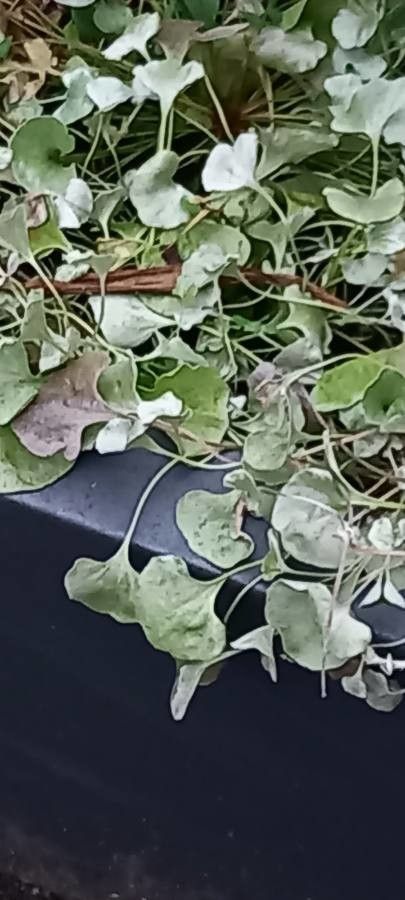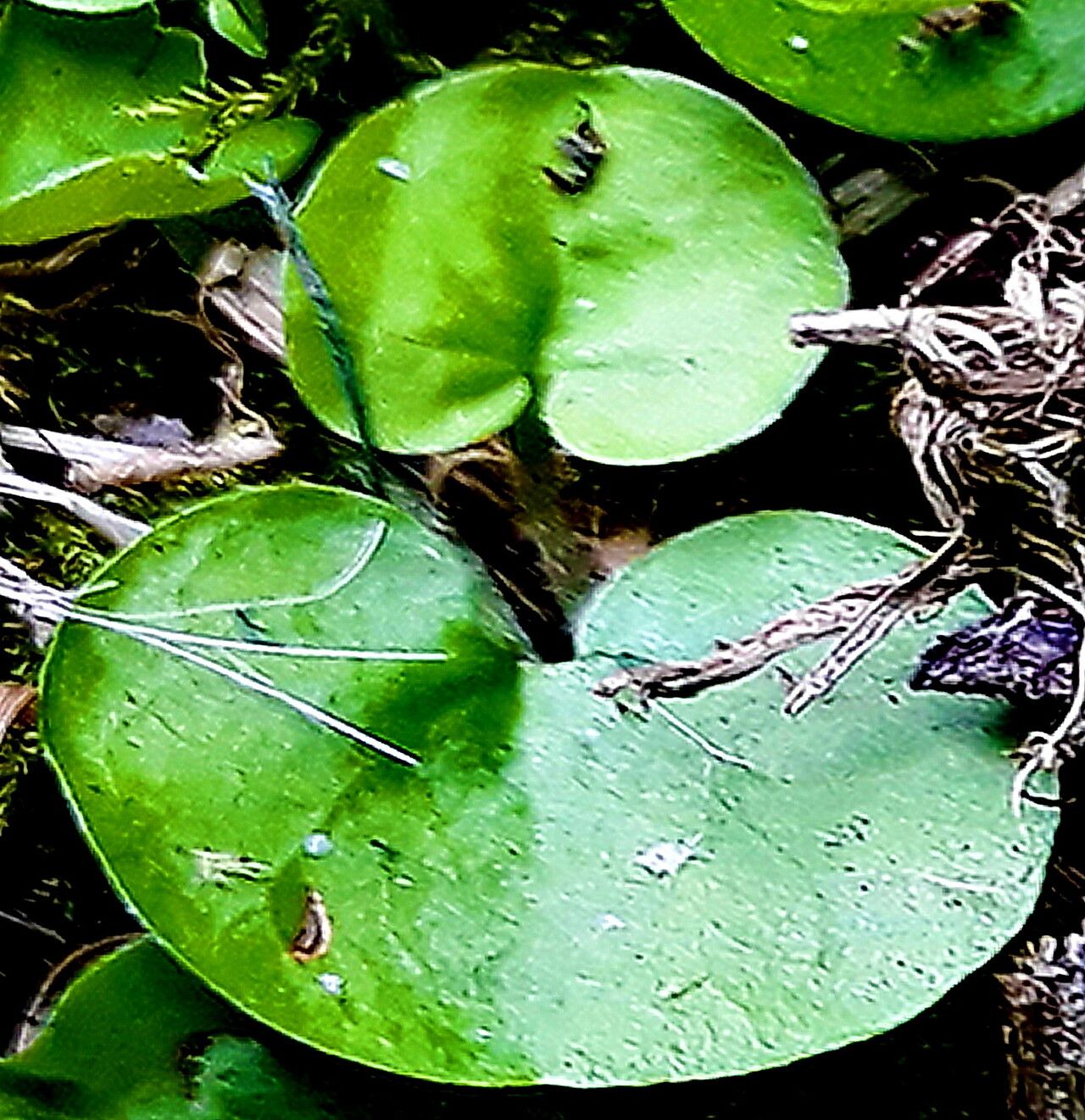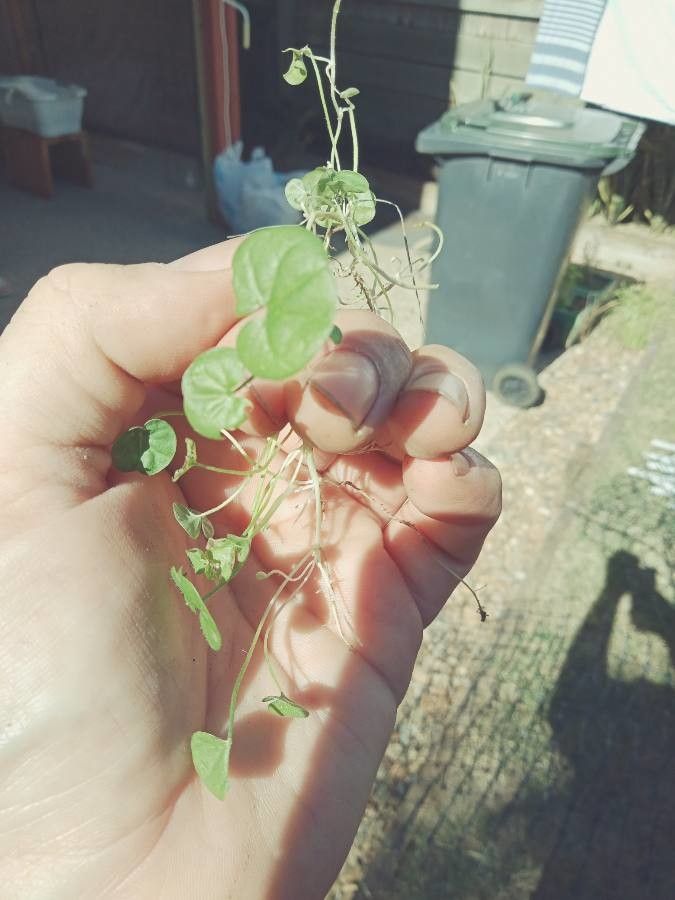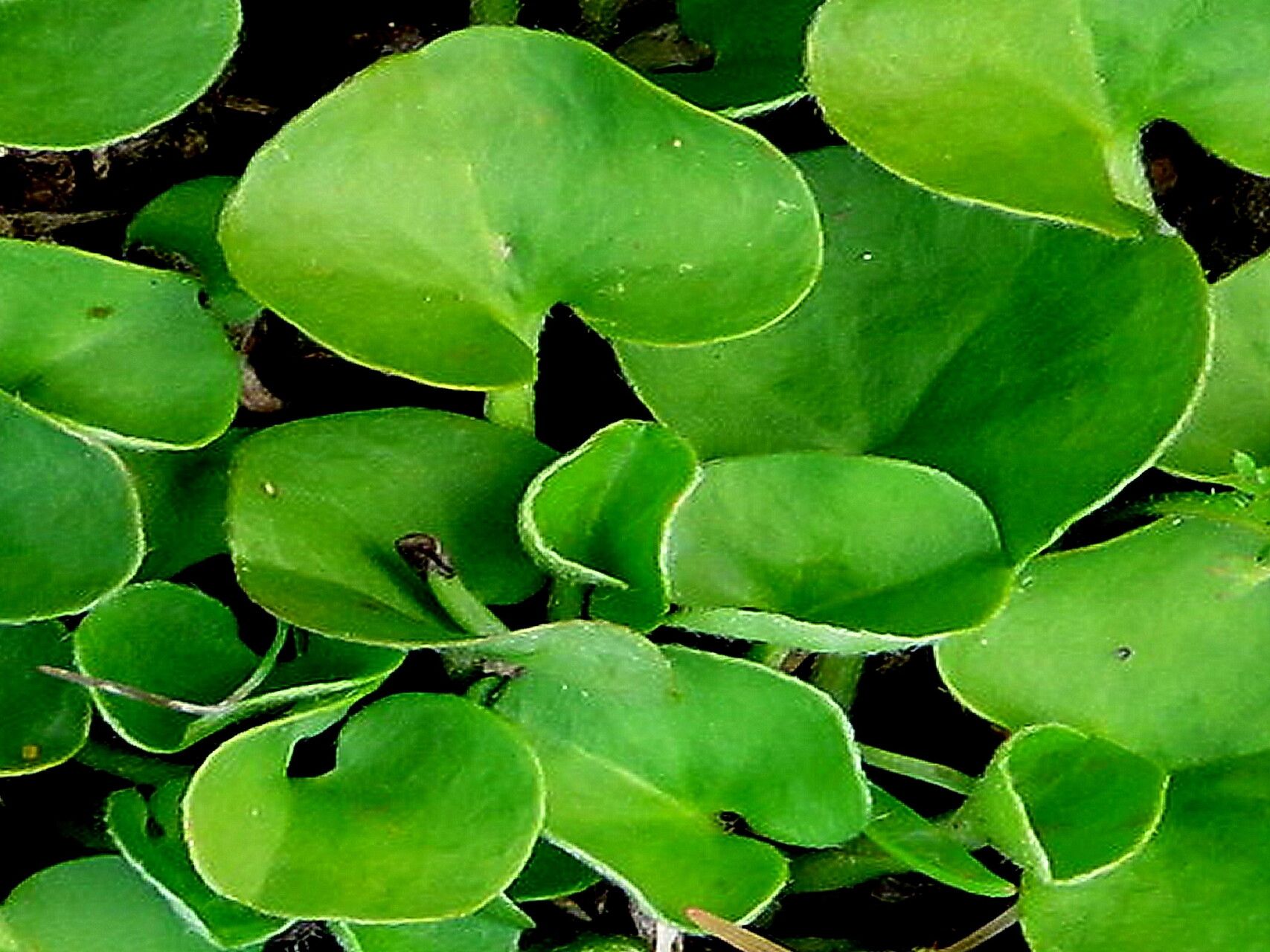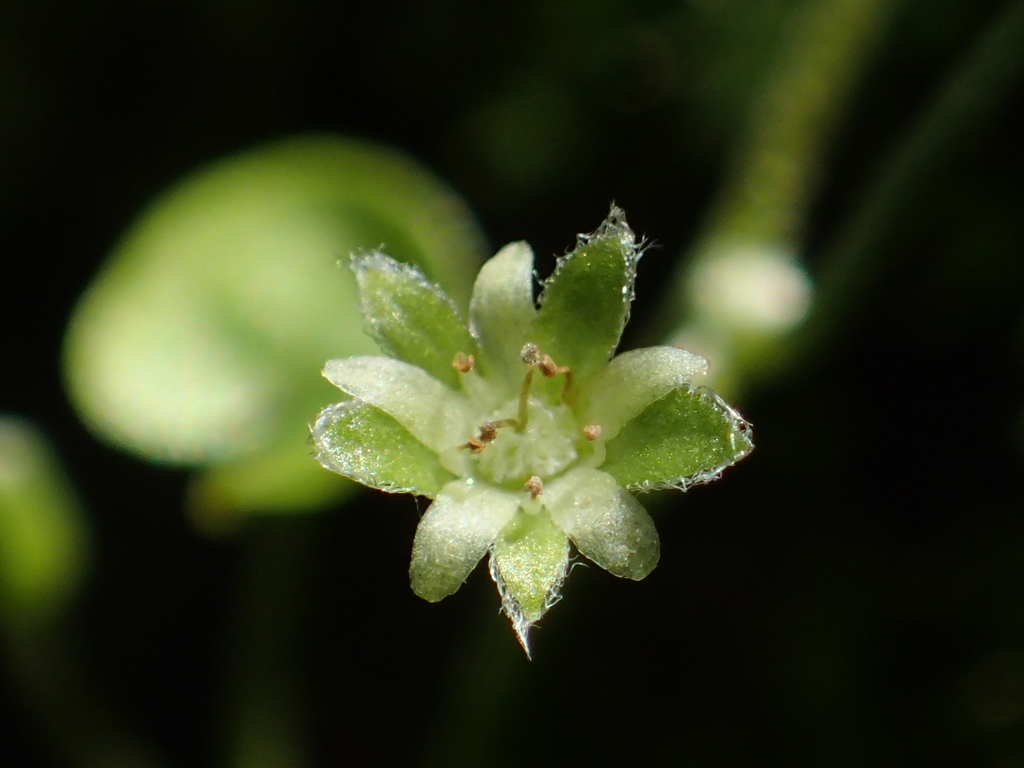
Dichondra micrantha, the Asian ponysfoot or lawnleaf, is a species of flowering plant in the family Convolvulaceae. It is native to Texas, Mexico, and the Caribbean, and it has been introduced worldwide. A prostrate perennial reaching 10 cm (4 in), it prefers wetter soils. In the past it was recommended as a grass substitute in lawns due to its easy maintenance requirements, but proved vulnerable to flea beetles.
Asian ponysfoot displays strong resistance to disease and is generally not prone to illnesses. Still, it can be vulnerable to pests and diseases present in its surroundings. Such infections are generally not severe. In terms of care, the plant needs moderate maintenance. It should be pruned regularly to maintain a neat appearance and healthy growth. Fertilizing can also help encourage flowering. Asian ponysfoot is suitable for anyone with an outdoor area, like a garden or patio, and does not demand extensive gardening experience. It may require more attention when kept indoors.
How to keep Dichondra Micrantha.
Light
Asian ponysfoot does best when it gets a moderate amount of sunlight each day. It endures both deep shade and full sun, demonstrating its resilience. However, too much intense sunlight can cause some leaf yellowing, while too little light may slow its growth. Native to areas with fluctuating light levels, Asian ponysfoot can adjust to various light conditions.
Water
Asian ponysfoot thrives in moist environments and prefers regular watering, ideally twice a week. Although it has moderate drought tolerance, adequate hydration is crucial during the growing season. This is especially important because Asian ponysfoot is often used as ground cover outdoors.
Temperature
Asian ponysfoot grows best at temperatures between 68 and 106 ℉ (20 to 41 ℃). It is adapted to native habitats with consistently warm conditions, but can tolerate seasonal temperature variations to some degree. In cooler seasons, supplying extra warmth with heating mats or locating it in draft-free areas is recommended.
Fertilizer
Asian ponysfoot requires the most fertilizer during its active growth period, which is mainly in spring, summer, and early fall. Fertilizing provides essential nutrients the soil may lack, encouraging healthy root and stem development and maintaining the attractive foliage that is a defining characteristic of this plant.
Pot & Repot
When repotting Asian ponysfoot, pick a pot 1–2 inches (2.5–5.1 cm) larger with good drainage. Use a well-draining potting mix. Repot in spring or fall, making sure the root ball sits slightly below the rim of the flower pot. Water thoroughly after repotting and place the plant in a warm spot with indirect sunlight.
Botanical profile.
- Plant Type
- Herb
- Life Cycle
- Perennial
- Genus
- Dichondra
- Family
- Convolvulaceae
- Hardiness Zone
- 9-13
- Mature Height
- 6 cm to 10 cm
- Mature Spread
- 0.91 m to 1.22 m
- Leaf Color
- Green, Blue
- Leaf Type
- Deciduous
- Flower Color
- White
- Flower Size
- 2.54 cm
- Bloom Time
- Late spring, Early summer, Mid summer
- Planting Time
- Spring, Winter
- Harvest Time
- Summer
- Native Area
- Saudi Arabia, Malawi, Egypt, South Africa, Sudan, Philippines, Mauritania, Laos, Yemen, Kenya, Uganda, Tanzania, Central African Republic, China, Mali, Cameroon, Vietnam, Mozambique, Myanmar, Japan, Bhutan, Ethiopia, South Korea, Thailand, Congo
Other names.
Reader questions.
How should I water my Asian ponysfoot plant?
To properly water the Asian ponysfoot, it's important to use filtered water at room temperature or slightly warmer. Tap water may contain harmful particles for the plant's health. The Asian ponysfoot prefers warm temperatures, so cold water can be stressful for it. It's also best to refrain from overhead watering to avoid issues with the foliage. Instead, focus on thoroughly soaking the soil with your filtered, warm water. This promotes root moisture and allows them to spread and obtain essential nutrients.
Why should I put fertilizer on my Asian ponysfoot plants?
All plants need soil nutrients for growth, including the Asian ponysfoot. However, it's not always guaranteed that the soil will have all the necessary nutrients. To make sure your garden plants have the right nutrients, you can use fertilization and soil amendments. For the Asian ponysfoot specifically, fertilization is crucial to support healthy root and stem development. It will also promote beautiful leaves, which are important for this plant's ornamental appeal.
What are the sunlight requirements for Asian ponysfoot?
Asian ponysfoot thrives in a range of sunlight conditions, from moderate daily sunlight exposure to heavy shade and complete sun. It is a resilient plant that can adapt to various light levels, originating from environments with fluctuating light. While it can sustain both heavy shade and full sun, excessive sunlight may lead to leaf yellowing, and insufficient light could slow down its growth. It's essential to observe the movement of sunlight in your garden to find spots that offer a balance of light and shade, ensuring the plant's well-being.
What is the optimal temperature range for the growth of Asian ponysfoot?
Asian ponysfoot, or Dichondra micrantha, thrives in a temperature range between 68 to 106°F (20 to 41°C) for optimal growth. This plant prefers consistent warm temperatures native to its growth environment but can adapt to some seasonal temperature changes. In cooler seasons, it's beneficial to provide extra warmth with heating mats or by placing the plant in draft-free areas. Since Asian ponysfoot is extremely heat-loving, exposure to cold temperatures can damage it. Therefore, during autumn, it is advisable to move plants grown outdoors indoors and place them near a bright window, keeping them at a safe distance from heaters to avoid harm. It's crucial to maintain temperatures above 20°C during winter to support its growth, as temperatures nearing 0°C can severely affect the plant.
What do I do if I give too much or too little water to my Asian ponysfoot?
Both overwatering and underwatering can harm your Asian ponysfoot, but overwatering is more common. When the plant gets too much water, its stems and leaves may wilt and turn yellow. Overwatering can also cause root rot, mold, and mildew, which can be fatal. Underwatering is less likely since the plant tolerates drought well, but it can still happen. In this case, the leaves will become brittle and brown. It's important to recognize signs of overwatering early, as some diseases cannot be reversed if you wait too long. If you notice early signs, reduce watering immediately and check the soil's drainage. Replace poorly draining soil with a loose, well-draining potting mix if needed. If signs of underwatering appear, simply water the plant more regularly until the signs disappear.
When should I fertilize my Asian ponysfoot plant?
During the active growing seasons of spring, summer, and early fall, the Asian ponysfoot requires the highest amount of fertilizer. As winter comes to an end, you should feed the Asian ponysfoot every two to four weeks until the fall months approach. In fall, gradually decrease the fertilization rate until you completely stop feeding the plant in preparation for the low growth period in winter.
How does artificial lighting affect Asian ponysfoot, and what are the recommendations?
Asian ponysfoot can benefit significantly from artificial lighting, especially when natural sunlight is inadequate, such as in winter or less sunny spaces. Indoor plants require proper lighting to thrive. LED lights are recommended because they can be customized to provide the necessary light wavelengths. The intensity needed varies: full sun plants require 30-50W/sq ft, partial sun plants need 20-30W/sq ft, and full shade plants need 10-20W/sq ft of artificial light. The light source should be placed 12-36 inches above the plant, mimicking natural sunlight for 8-12 hours per day.
How should you care for Asian ponysfoot in low temperatures?
In low temperatures, Asian ponysfoot shows a preference for warm conditions and does not tolerate cold well. It performs best in temperatures above 20°C and should be kept above 0°C during winter months. Exposure to temperatures below -5°C may cause the leaves to lighten in color and, following frost damage, turn brown or black with symptoms like wilting and drooping evident. The recommended solution for frost damage includes trimming off the frost-damaged parts and immediately relocating the plant to a warm environment indoors for cold protection. Placing the plant near a south-facing window ensures it receives ample sunlight. Additionally, it's important to avoid placing the plant too close to heaters or air conditioning vents to prevent the air around it from becoming excessively dry.
How often should I give water to my Asian ponysfoot plant?
If your Asian ponysfoot is in a pot, the best way to check if it needs water is by sticking your finger in the soil. If the top two to three inches of the soil are dry, it's time to water it. If you have it planted outside in the ground, you can use the same method. When the top few inches of soil are dry, it's time to water. Usually, during spring and early fall, you will need to water it about once a week. But during very hot weather, you may need to water it twice or more per week. However, it's worth mentioning that mature, well-established Asian ponysfoot plants can handle drought quite well.
When is the best time to not use fertilizer on my Asian ponysfoot plant?
To ensure the proper growth of your Asian ponysfoot throughout most of the year, including spring, summer, and most of the fall, it is recommended to feed it regularly. However, you should make an exception if you notice that it has already received excessive fertilizer or if there has been a mistake in fertilizing it, resulting in fertilizer burn or any other issues. In such cases, you will need to address these problems before resuming the regular feeding schedule. During winter, do not fertilize your Asian ponysfoot. If you are growing it indoors in a cold winter region, it will go through a dormant phase during this time. Feeding the plant during its dormant phase is unnecessary and counterproductive to its growth, as it is likely to cause fertilizer burn.
What are the signs of inadequate lighting for Asian ponysfoot?
Inadequate lighting can lead to several noticeable symptoms in Asian ponysfoot, such as smaller new leaves, leggy or sparse growth, faster leaf drop, and cease in growth, indicating the plant is in survival mode. Leaves might develop irregular color patterns or appear pale due to insufficient chlorophyll and essential nutrients. Additionally, chlorosis, sunscald, leaf curling, wilting, and leaf scorching are signs of negative light conditions, ranging from too little to excessive sunlight.
What precautions should be taken for Asian ponysfoot in high temperatures?
During the summer, care for Asian ponysfoot involves ensuring the temperature remains below 41°C to prevent stress and damage. If the temperature exceeds 45°C, the plant's leaves may lighten, making it more susceptible to sunburn. To manage sunburn or high temperature damage, trim away any sunburned or dried-up parts. Then, move the plant to an area where it can be shaded from the midday and afternoon sun. Watering the plant in the morning and evening can help keep the soil moist and further protect the plant from the effects of high temperatures.