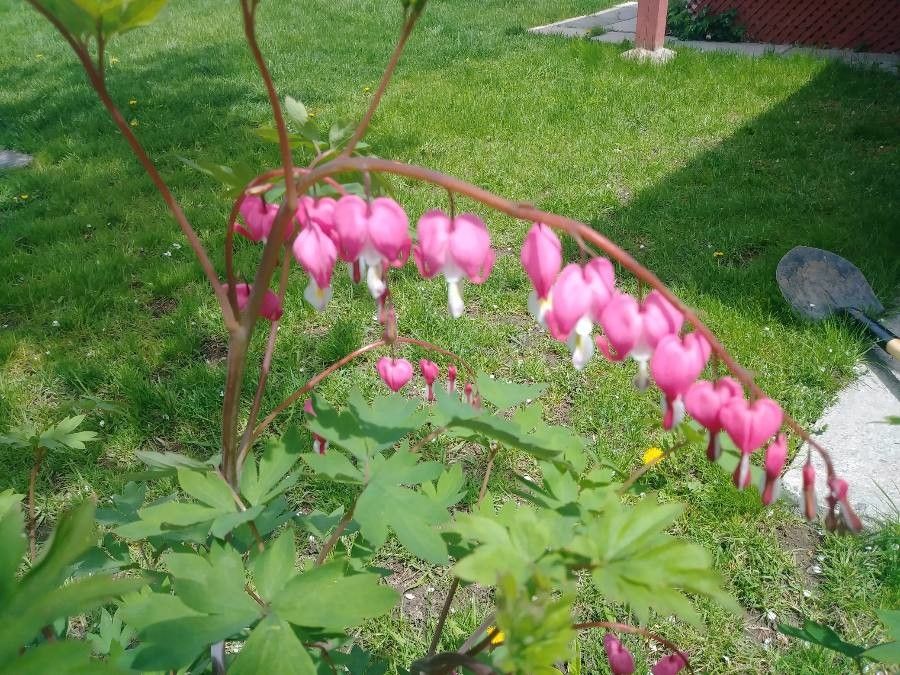
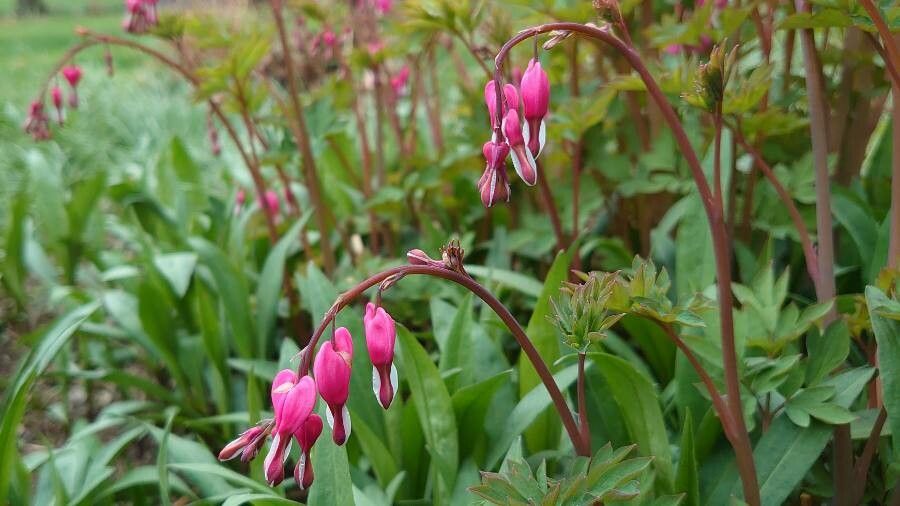
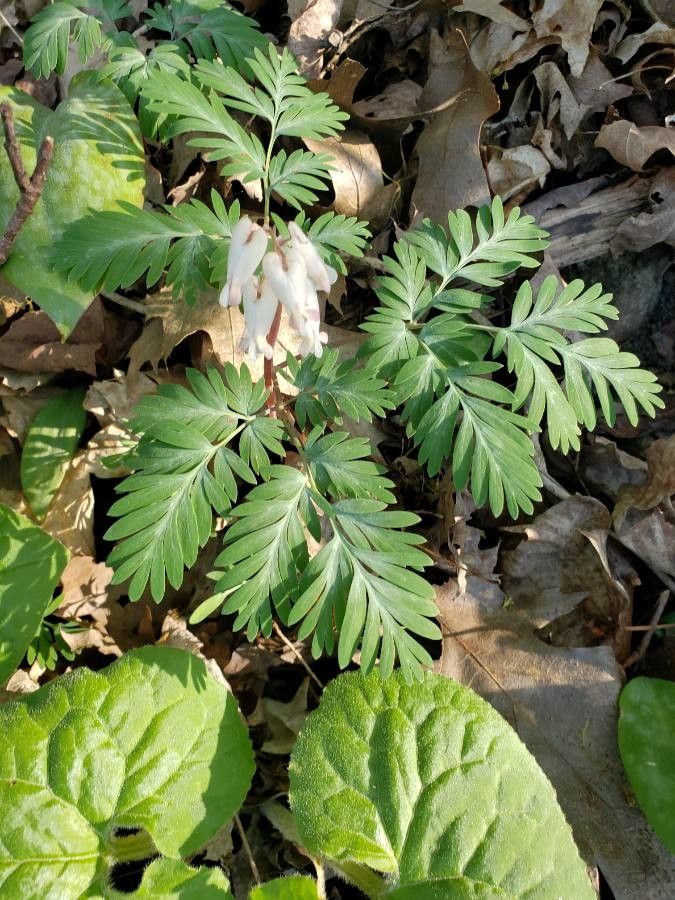
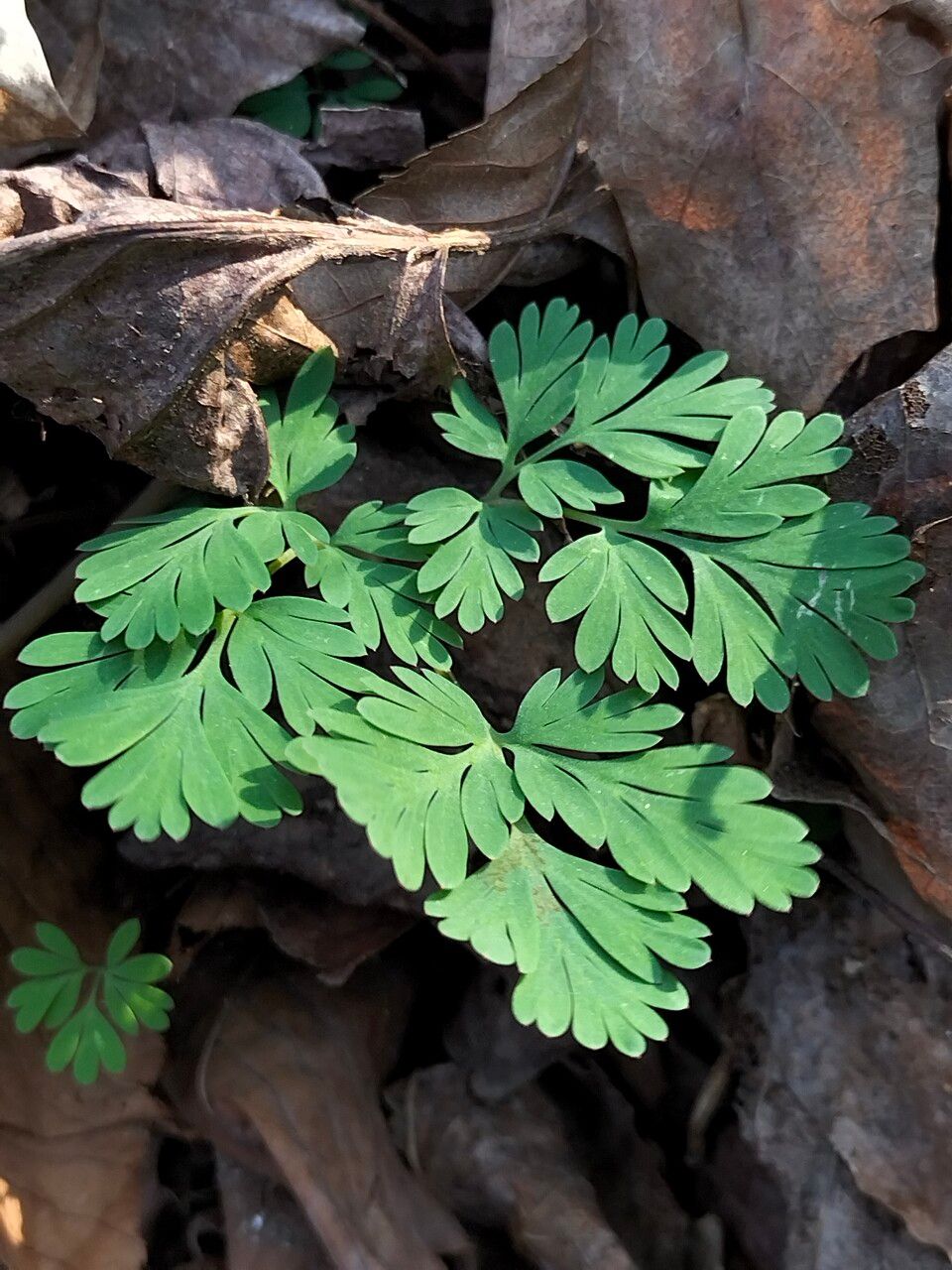
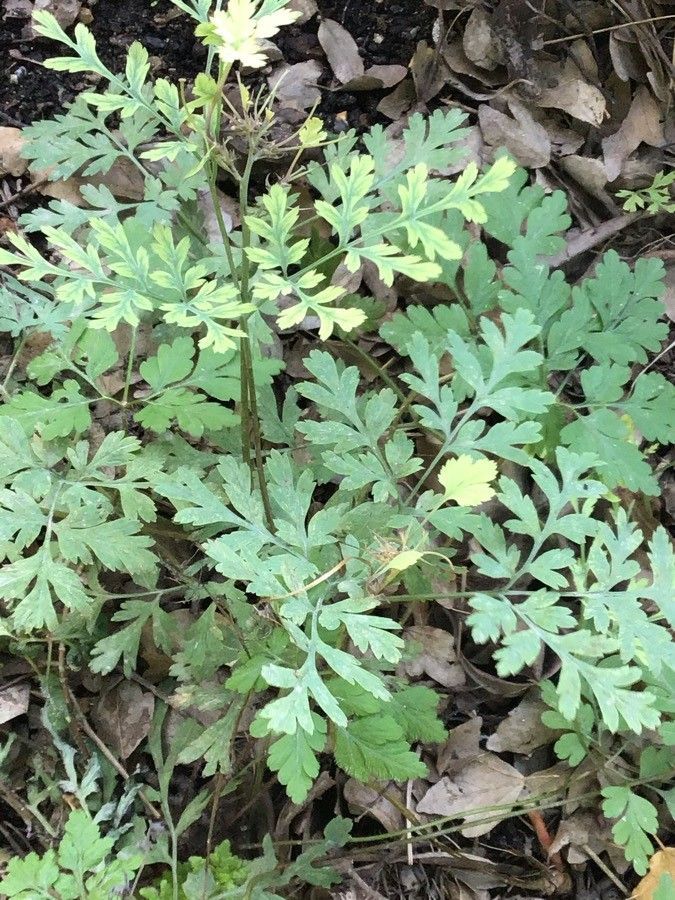
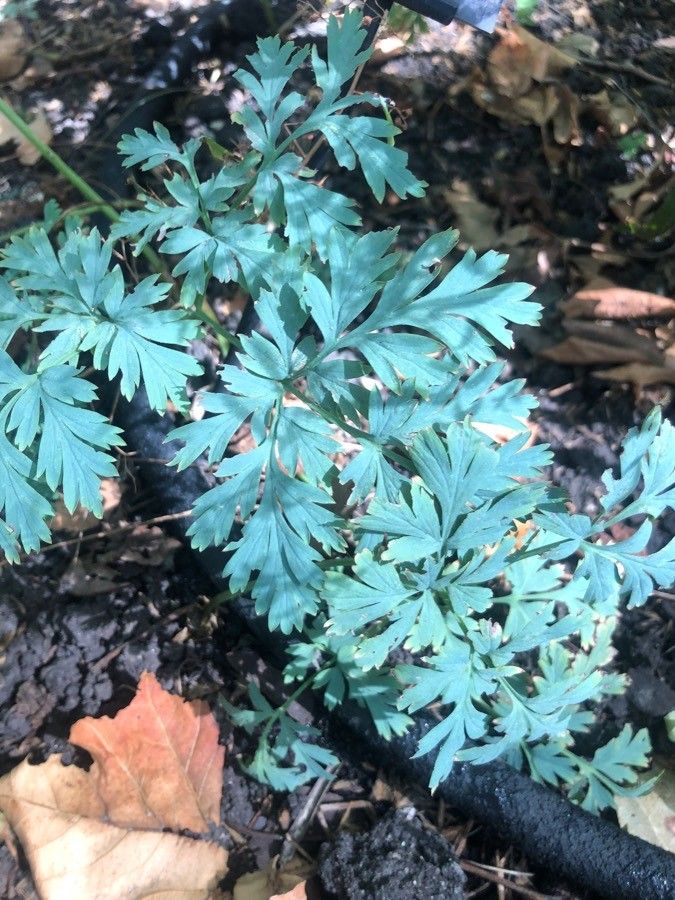
Dicentra spectabilis, commonly known as Bleeding Heart, is a herbaceous perennial plant that belongs to the Papaveraceae family. Originally native to Japan and China, it has gained widespread popularity as a garden plant across the globe due to its unique and attractive appearance.
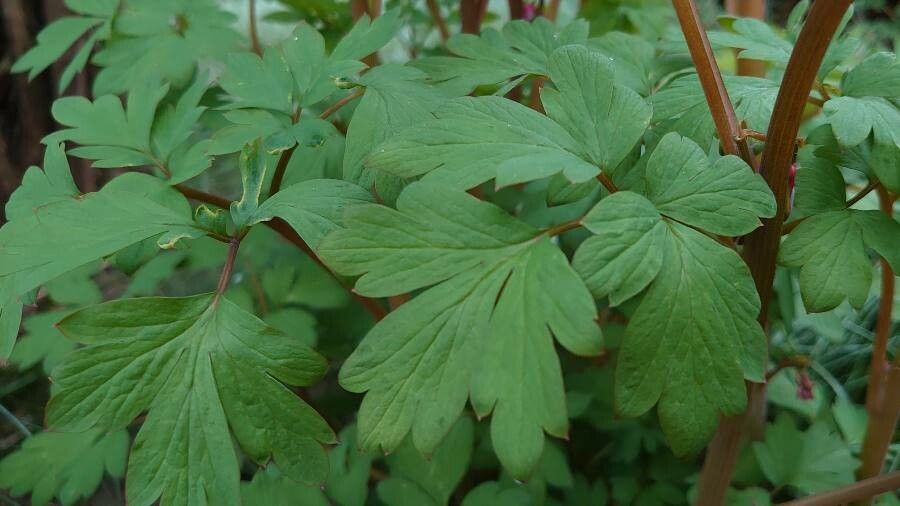
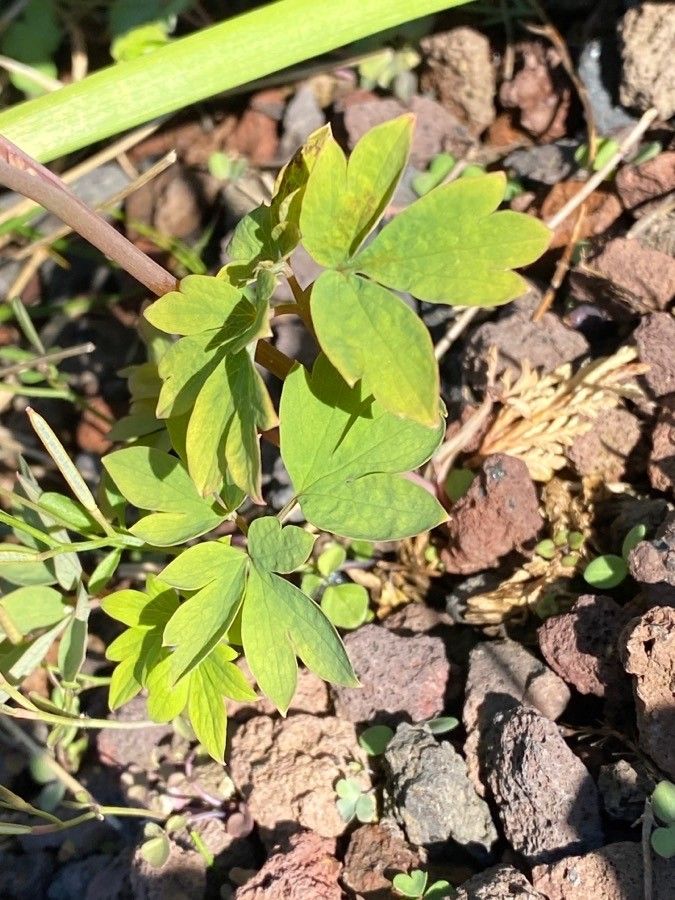
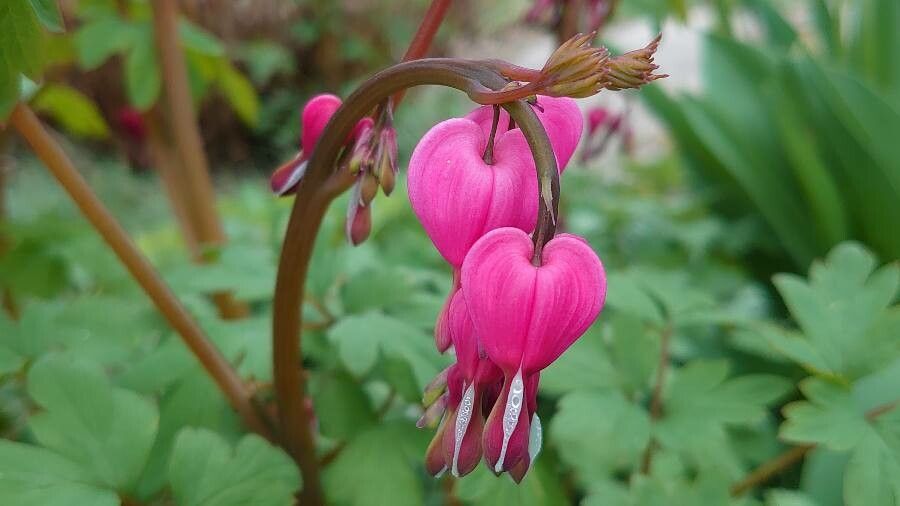
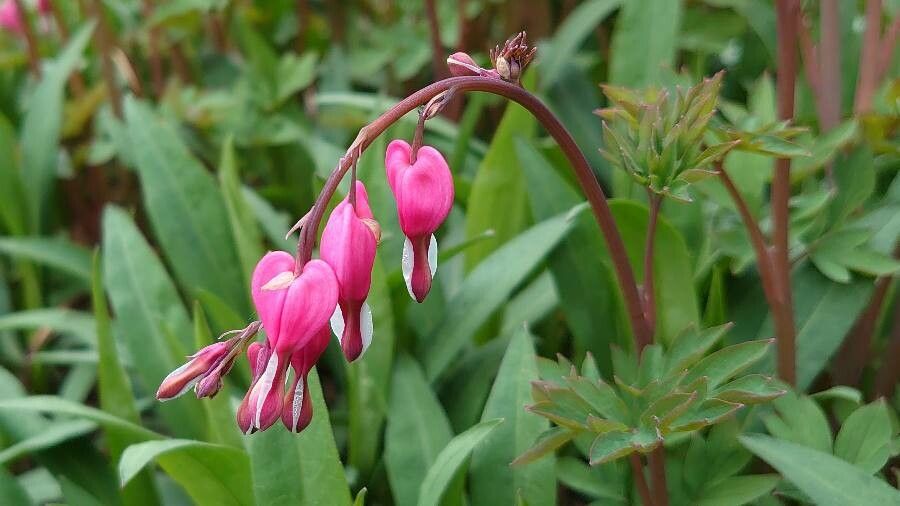
The plant can grow up to 1 meter in height and features finely divided, fern-like green leaves. Its heart-shaped flowers, which come in pink or white, hang gracefully from arching stems. These blooms appear from late spring through early summer, attracting pollinators such as bees.
Bleeding Heart thrives in partial shade or filtered sunlight and prefers moist, well-drained soil. It can be propagated by dividing the rhizomes or sowing seeds.
In traditional Chinese medicine, the plant has been used for its anti-inflammatory properties. However, it is important to note that all parts of the Bleeding Heart are toxic if ingested and can cause skin irritation if not handled properly.
Overall, Dicentra spectabilis makes a beautiful addition to any garden with its distinctive heart-shaped flowers and delicate foliage, but it should be handled with care due to its toxic nature.
Bleeding heart is fairly resistant to disease and is generally not prone to illness. However, it can be affected by pests and diseases present in its environment; these problems are usually mild. In terms of care, the plant requires moderate maintenance. It should be pruned regularly to maintain an attractive appearance and support healthy growth. Fertilizing can also help encourage flowering. Bleeding heart is suitable for anyone with an outdoor area, such as a garden or patio, and does not require extensive care experience. It may need more attention when grown indoors.
How to keep Dicentra Spectabilis.
Light
Bleeding heart does best with moderate light, such as locations where strong daytime sun is shielded by nearby objects, encouraging steady growth. Although it can live in lower-light spots, that often results in weak flowering. Conversely, too much sun can damage the plant, causing leaves to brown or wilt.
Water
Keep your bleeding hearts well-watered, especially throughout the summer. Water them with about an inch of water per week, including rainfall. If your plants are situated near other trees or bushes, you might need to add another inch of water. They are relatively drought-tolerant but prefer thorough watering to keep the soil moist and the roots hydrated.
Temperature
Bleeding heart grows best at temperatures from 41 to 90 ℉ (5 to 32 ℃). It comes from regions with mild climates and prefers cool summers. In winter it can tolerate temperatures as low as -30 ℉ (-34 ℃).
Fertilizer
The best time to fertilize a Bleeding heart is in early spring, as it comes out of dormancy and starts active growth. Fertilization supplies essential nutrients for healthy development. Although a Bleeding heart has relatively low fertilizer requirements, yearly fertilization can improve its survival and encourage better, longer-lasting flowers.
Pruning
You do not have to prune or deadhead your bleeding heart plant since it will likely bloom again later in the season. You can simply cut back any brown or damaged foliage. Fringed-leaf varieties of bleeding hearts can be sheared back once they start looking ragged. Don’t worry; these plants quickly re-leaf and bloom again.
Pot & Repot
When repotting Bleeding heart, select a container 1-2 inches (2.5–5.1 cm) larger that provides good drainage. Use a well-draining potting mix. Repot in spring or fall, making sure the root ball sits slightly lower than the rim of the flower pot. Water thoroughly after repotting and place it in a warm spot with indirect sunlight.
Toxicity
Bleeding heart plants contain squinolone alkaloids, chemicals that are toxic to people and pets. All parts of the plant should not be eaten or touched. It may cause vomiting, diarrhea, convulsions, and breathing issues. Always use protective gloves when handling and ensure it is not within reach of children or pets.
Further reading →
The toxicity and danger assessments provided are for reference only. We do not assure their accuracy, so it's crucial not to depend on them. Seek professional advice when necessary for accurate guidance.
Botanical profile.
- Plant Type
- Herb
- Life Cycle
- Perennial
- Genus
- Dicentra
- Family
- Papaveraceae
- Hardiness Zone
- 5-8
- Mature Height
- 30 cm to 61 cm
- Mature Spread
- 46 cm
- Leaf Color
- Green
- Leaf Type
- Deciduous
- Flower Color
- Pink, White
- Flower Size
- 2.03 cm
- Bloom Time
- Mid spring, Late spring, Early summer
- Planting Time
- Spring
- Harvest Time
- Early summer, Mid summer
- Native Area
- Russia, Koppen, South Korea, China
Other names.