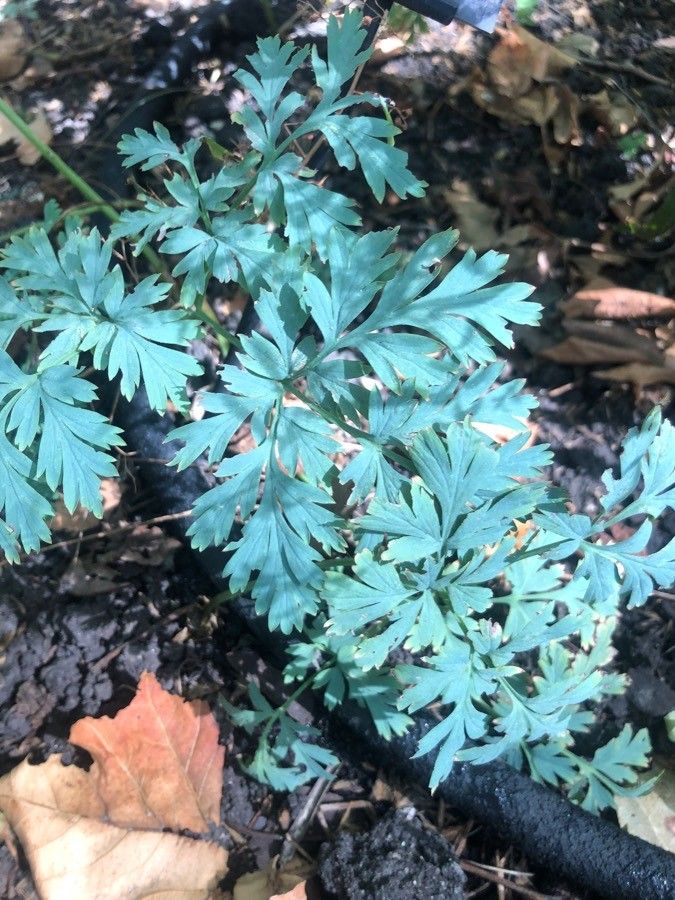
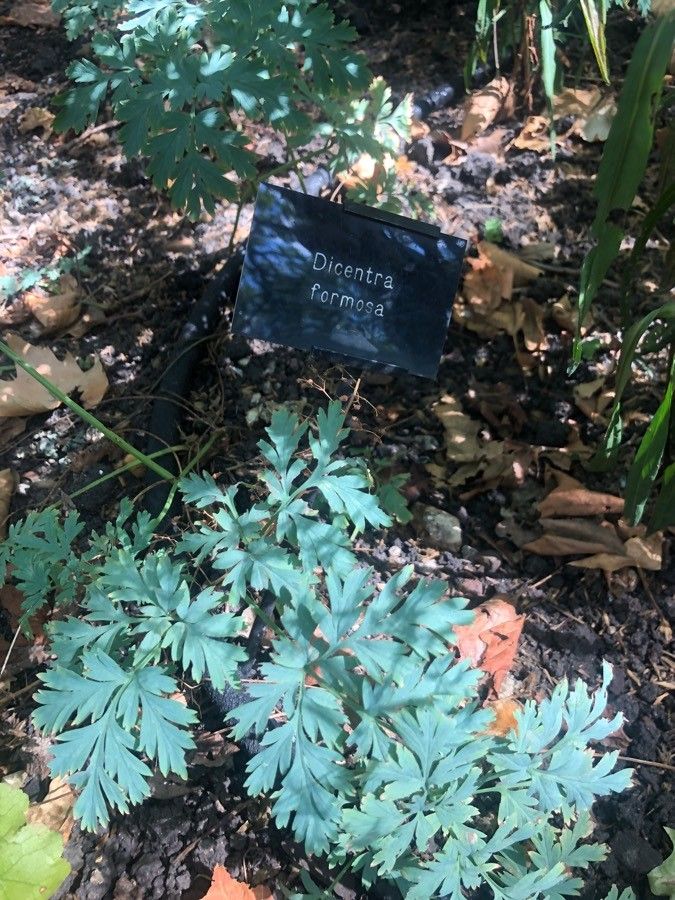
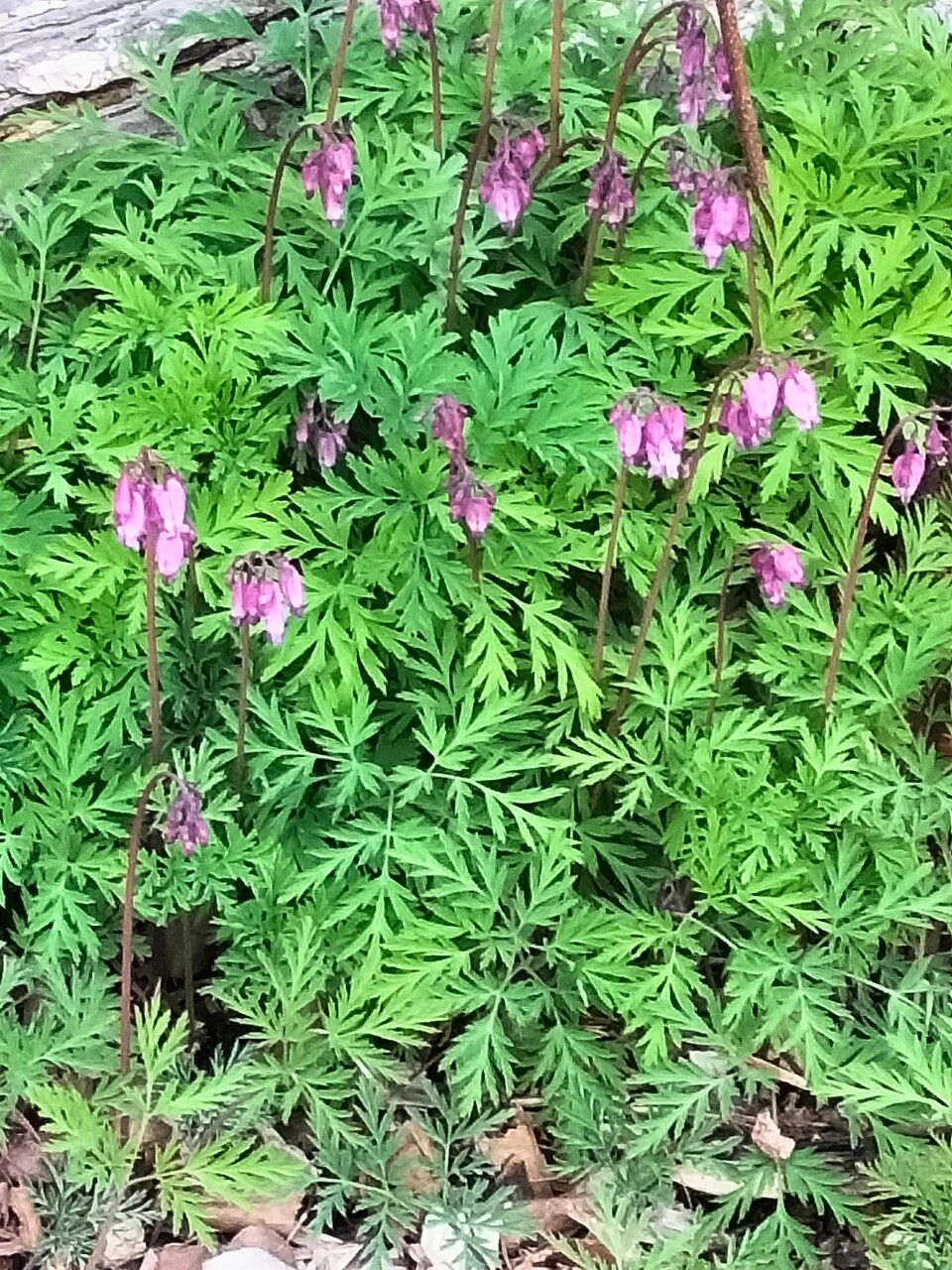
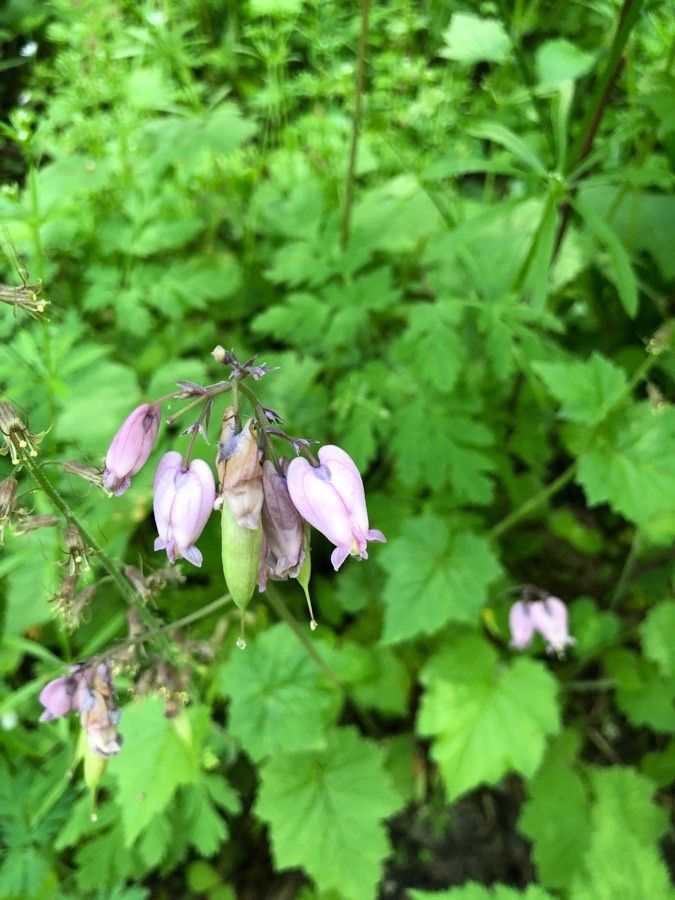
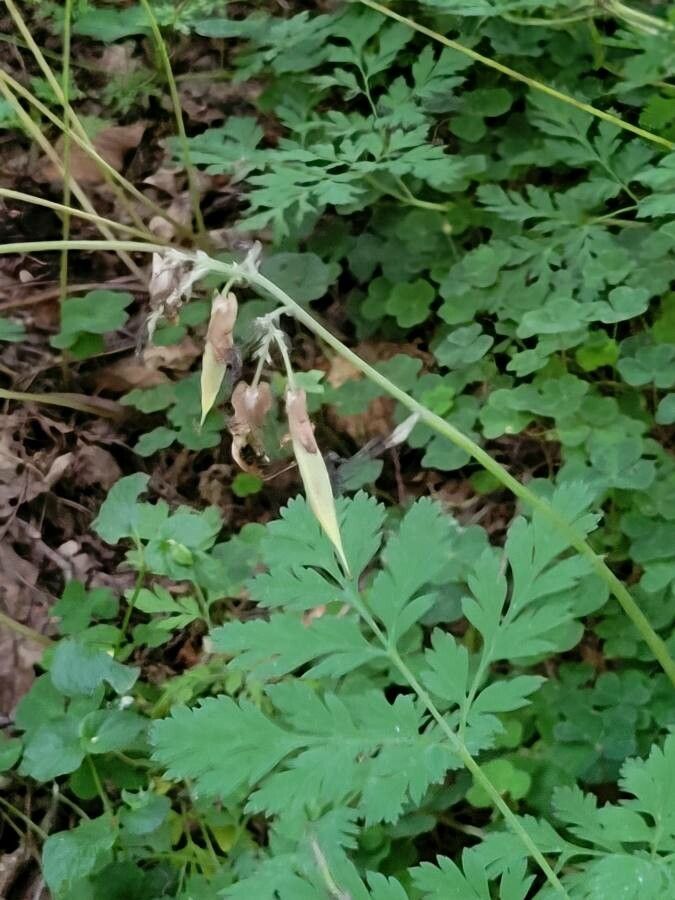
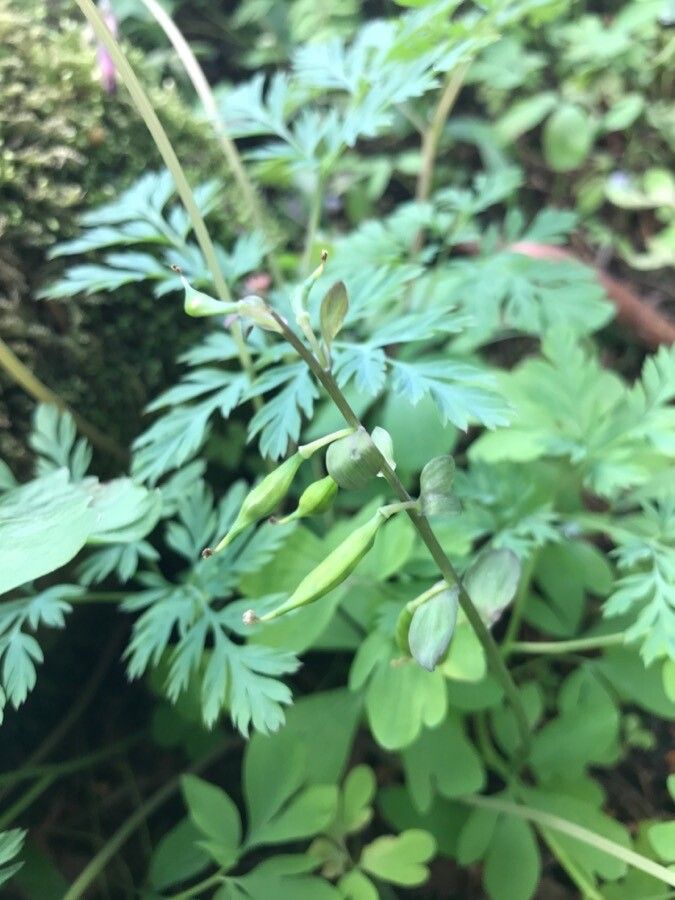
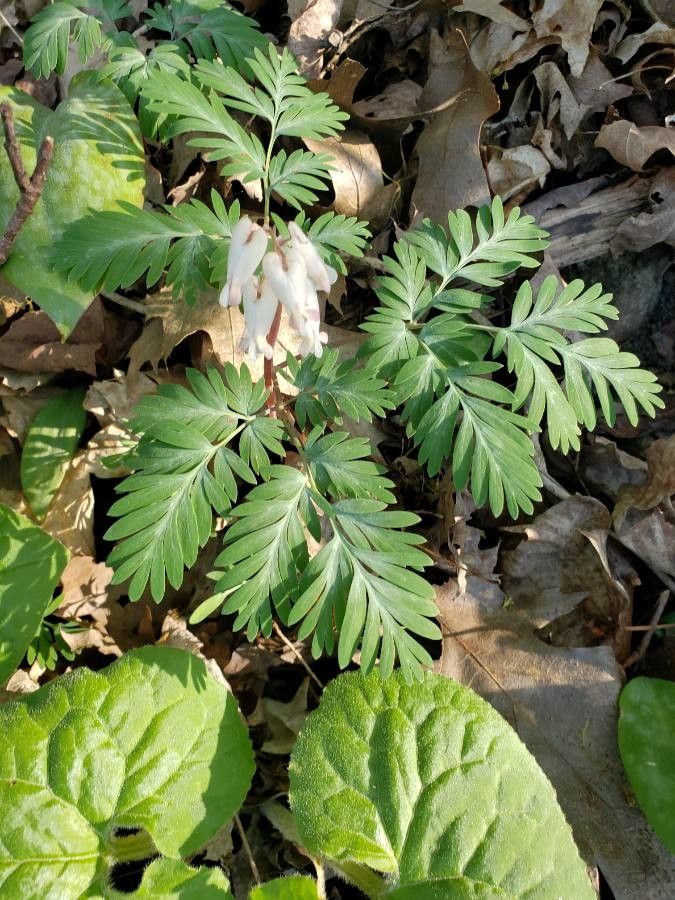
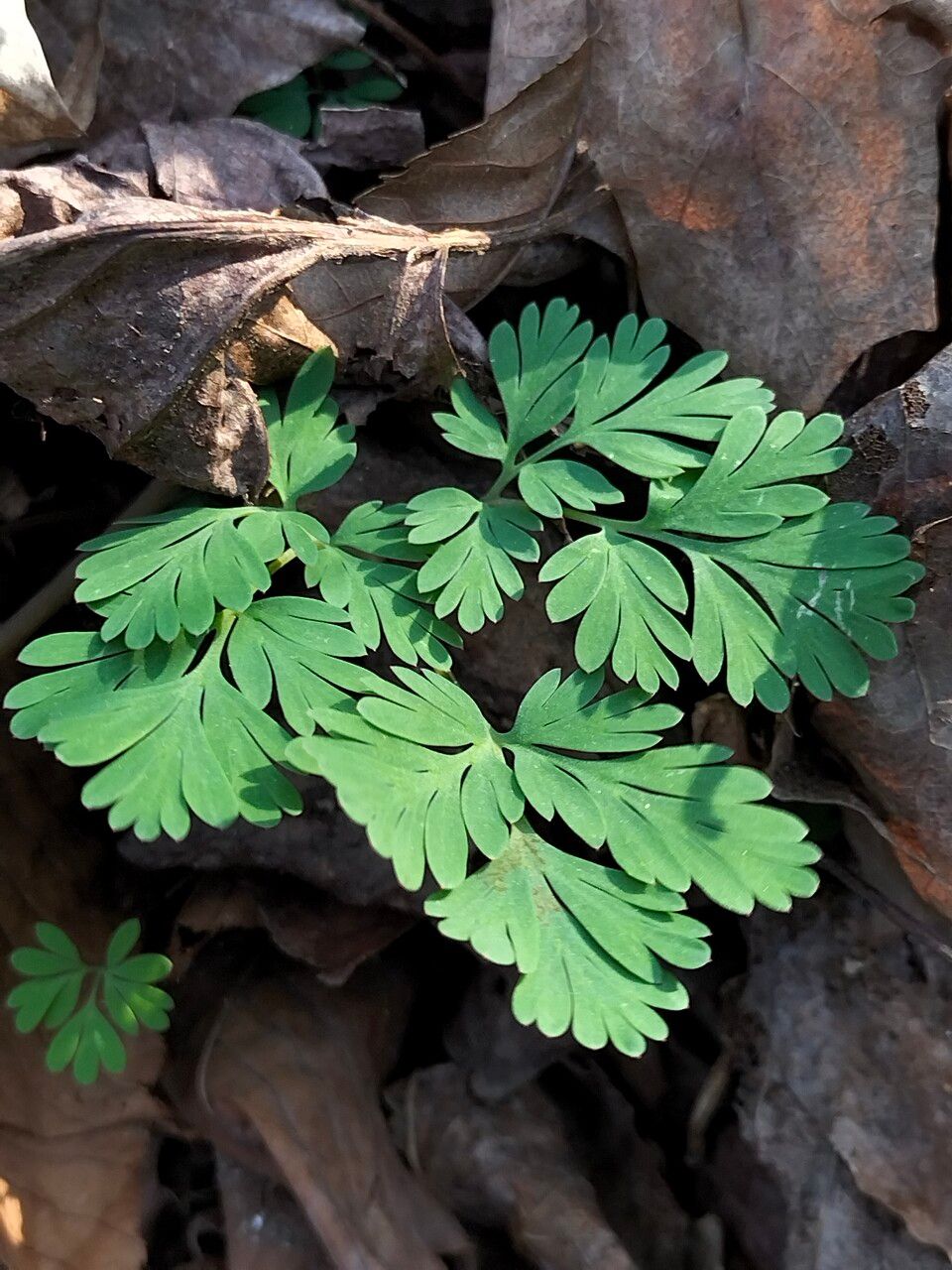
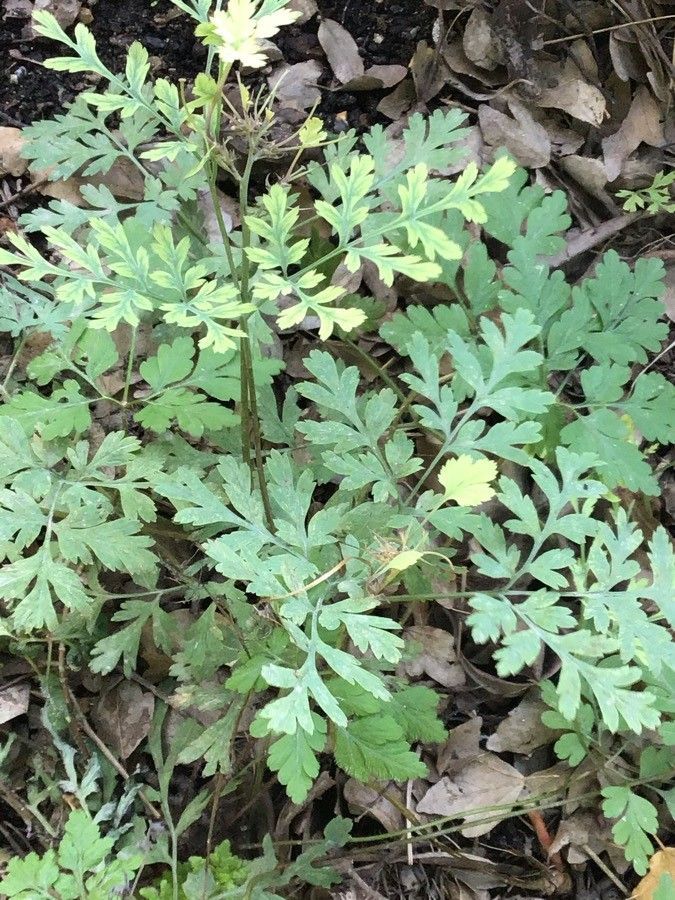
Dicentra formosa, commonly known as Pacific bleeding heart, is a herbaceous perennial plant native to western North America. As a member of the Papaveraceae family, it typically grows to a height of 30-60 cm. The plant features delicate, fern-like foliage and heart-shaped flowers that dangle from arching stems in shades of pink or white. These flowers bloom in the spring and early summer.
Pacific bleeding heart thrives in moist soil conditions and partial shade but can also tolerate full sun in cooler climates. It is often found along stream banks, forest edges, and shaded slopes throughout its native range.
Historically, indigenous peoples have used this plant for medicinal purposes, treating various ailments such as skin irritations, coughs, colds, and fevers. However, it is important to note that the plant can be toxic if ingested.
Due to its unique foliage and delicate blooms, Pacific bleeding heart is an attractive addition to any garden or landscape. It attracts pollinators such as bees and butterflies and also makes an excellent cut flower, thanks to its long-lasting blooms when harvested at the right stage.
Overall, Dicentra formosa is a beautiful perennial with unique characteristics, making it an excellent choice for garden or landscape design projects. Its historical medicinal uses further highlight its significance in the western region of North America.
Botanical profile.
- Plant Type
- Herb
- Life Cycle
- Perennial, Annual
- Genus
- Dicentra
- Family
- Papaveraceae
- Hardiness Zone
- 7
- Mature Height
- 46 cm
- Mature Spread
- 61 cm
- Leaf Color
- Green, Gray, Silver
- Leaf Type
- Deciduous
- Flower Color
- Pink
- Flower Size
- 1.52 cm to 1.78 cm
- Bloom Time
- Mid spring, Late spring, Early summer
- Planting Time
- Spring, Summer
- Harvest Time
- Early summer, Mid summer
- Native Area
- West Coast of North America
Other names.