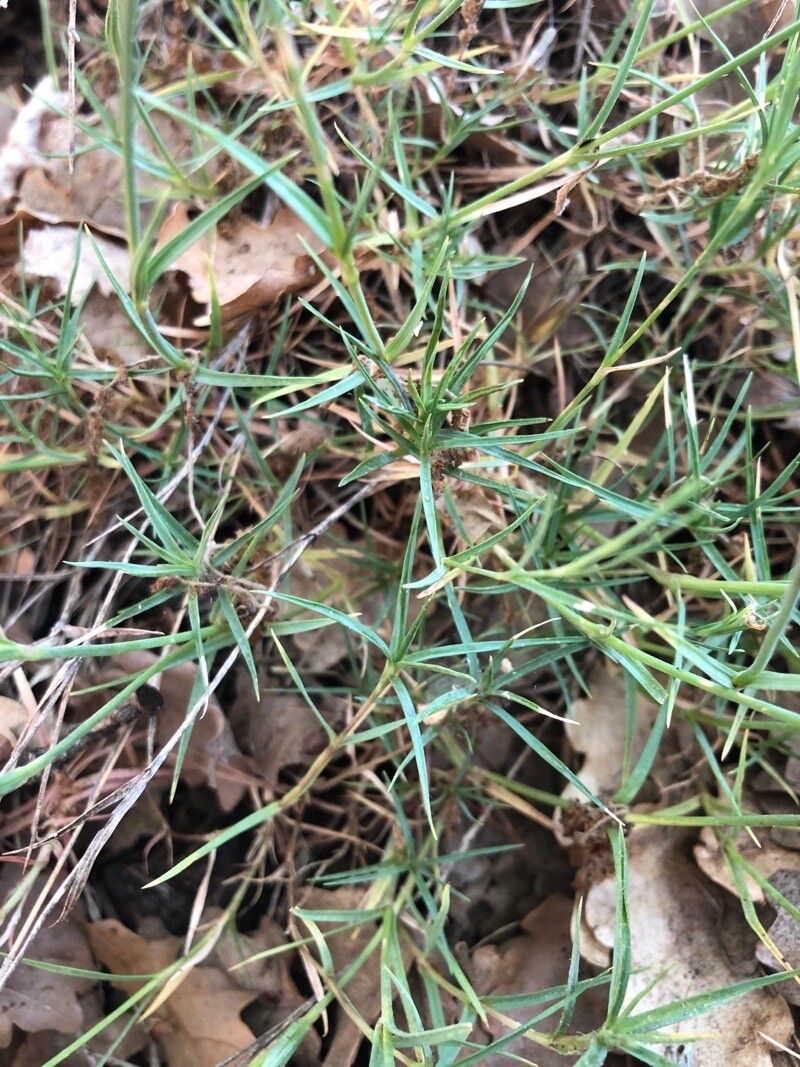
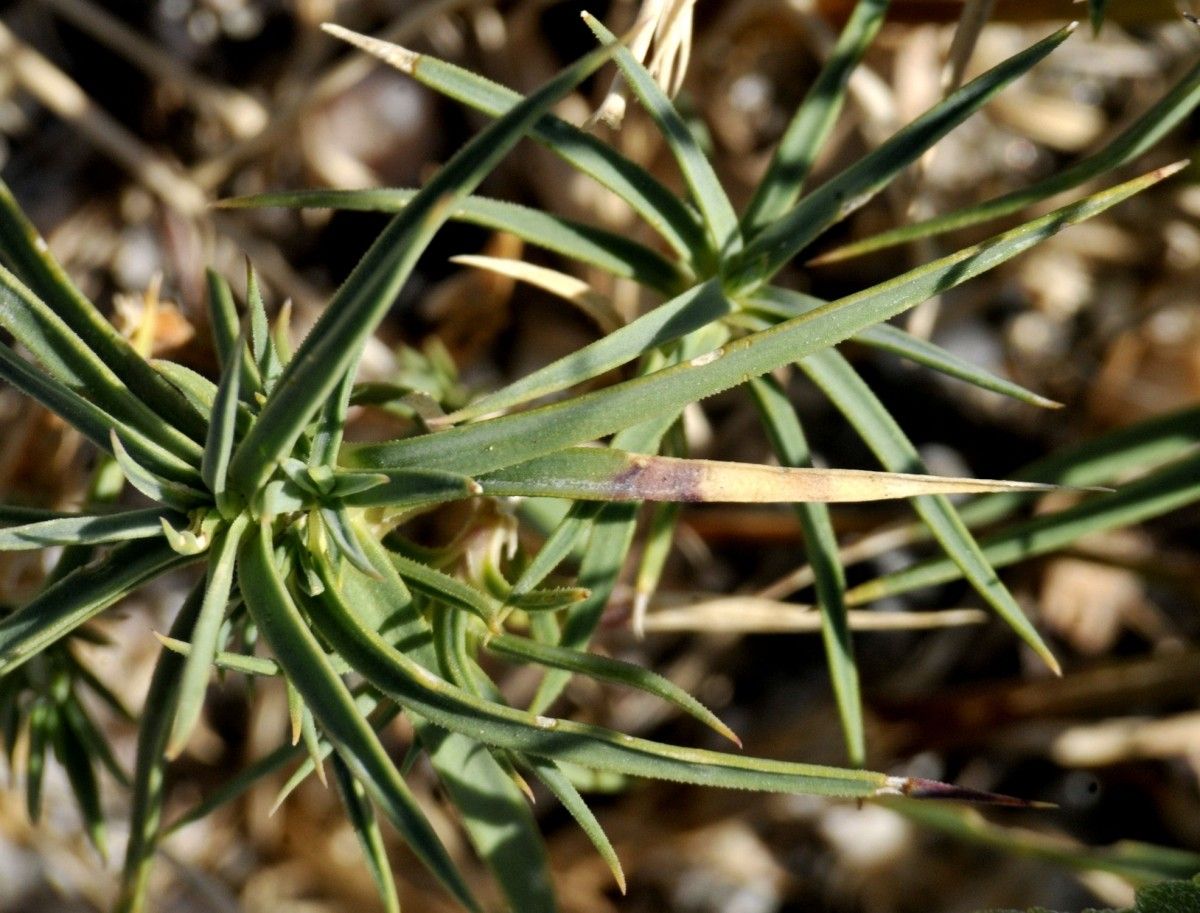
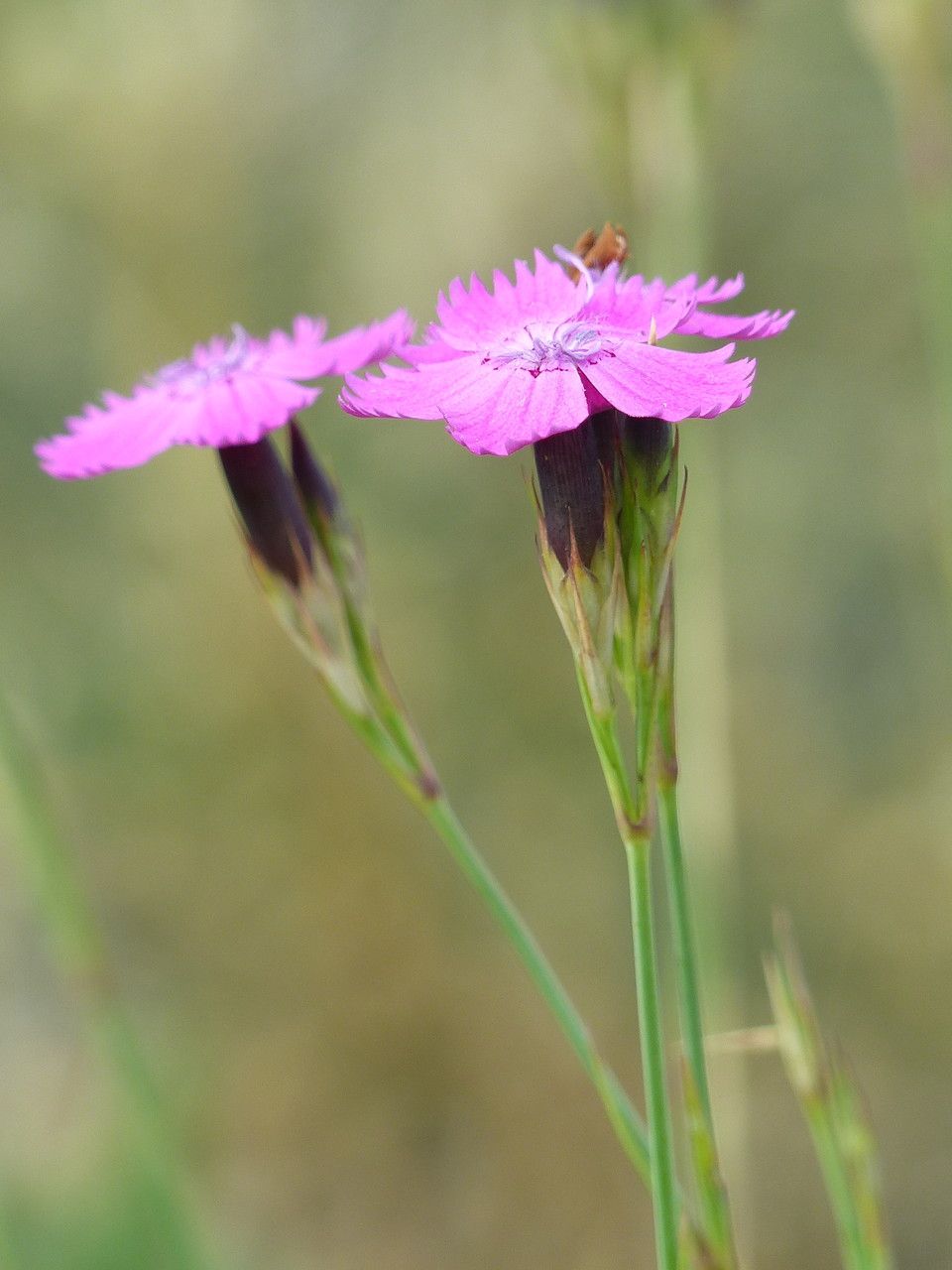
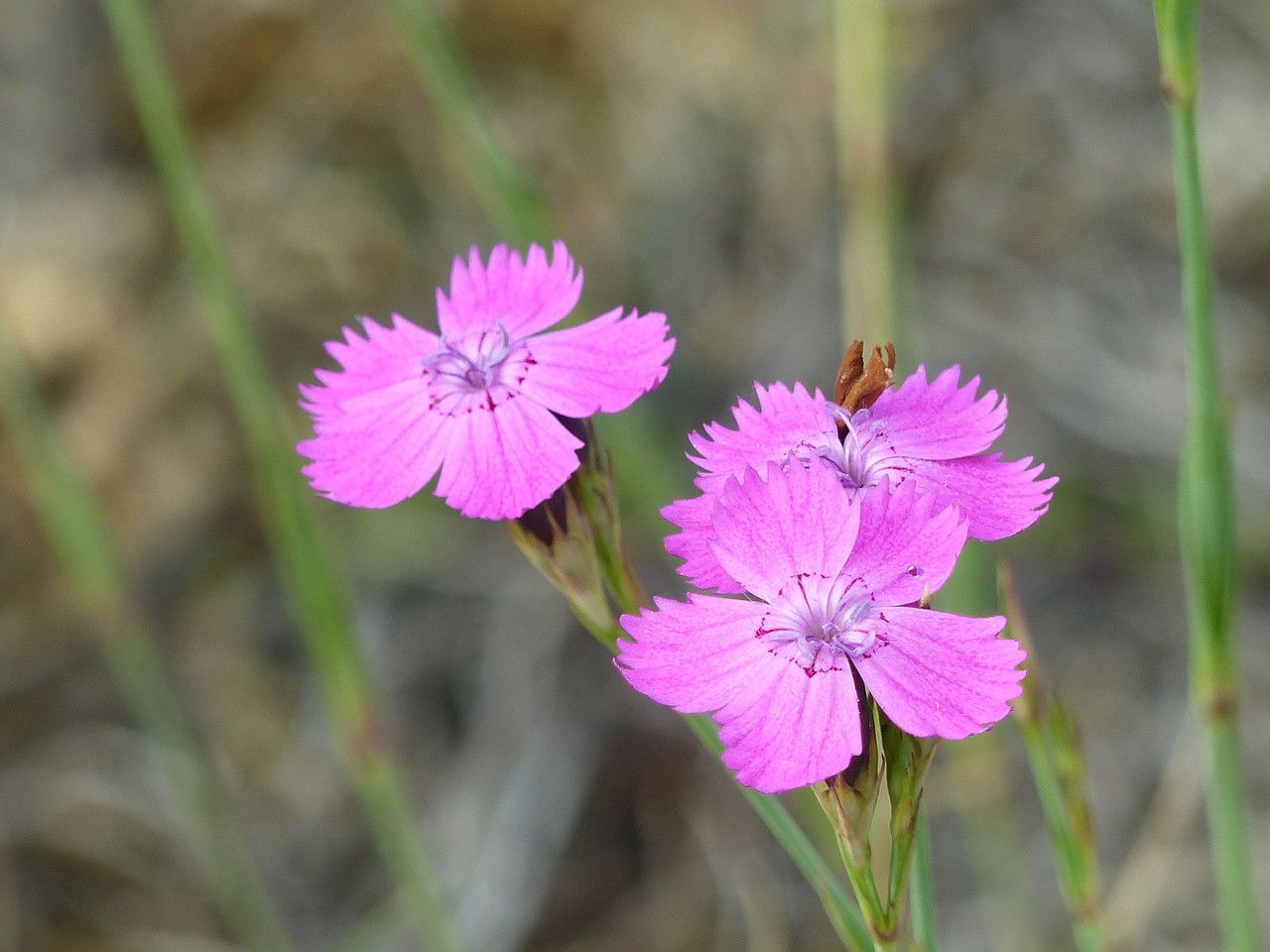
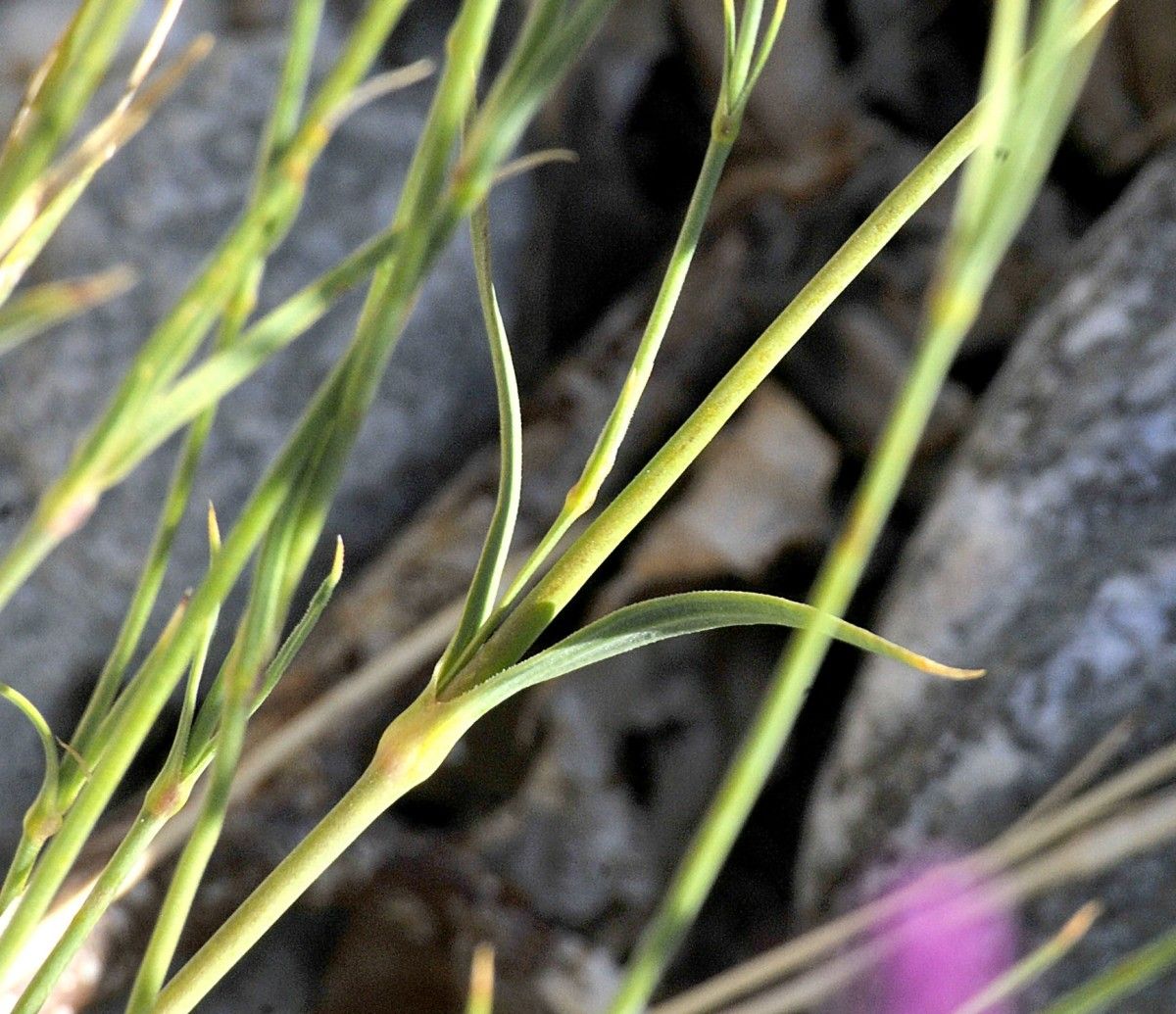
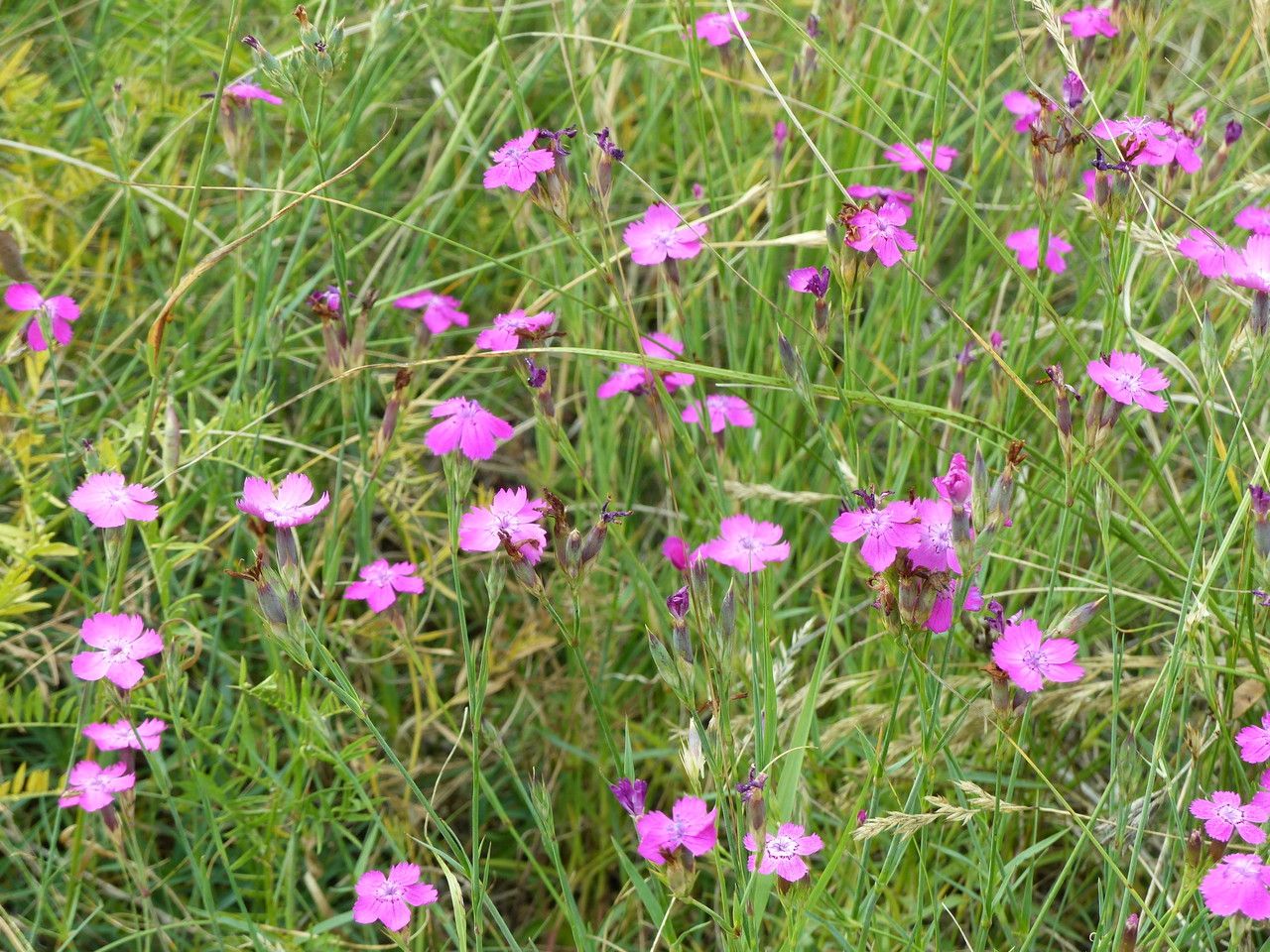
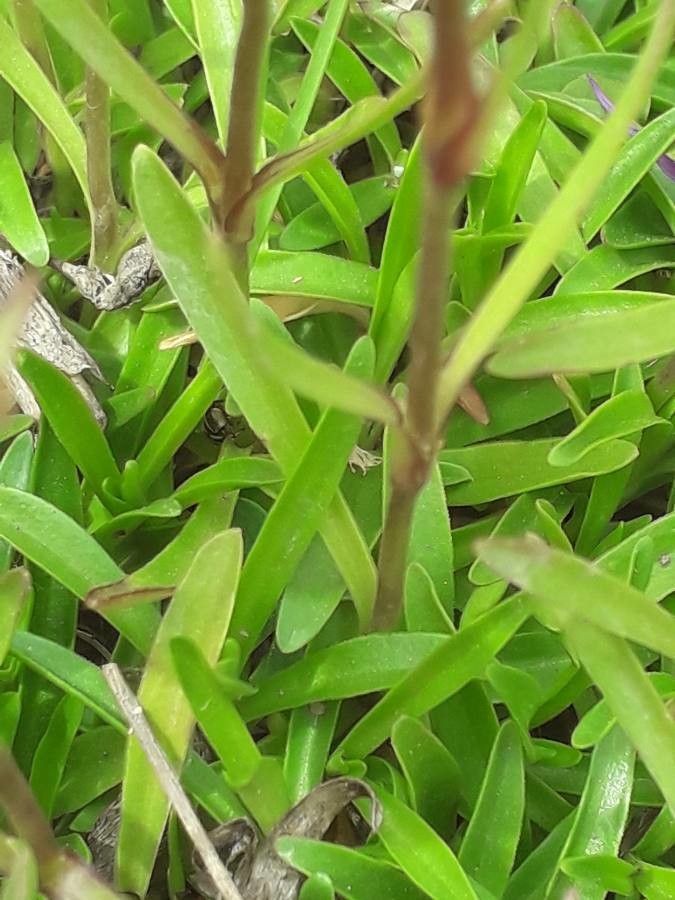
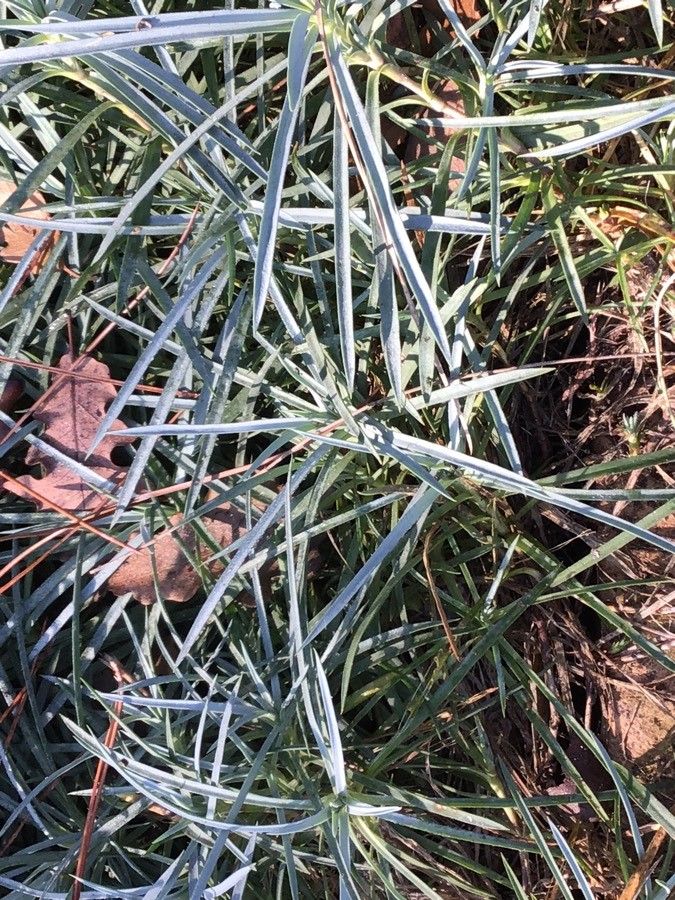
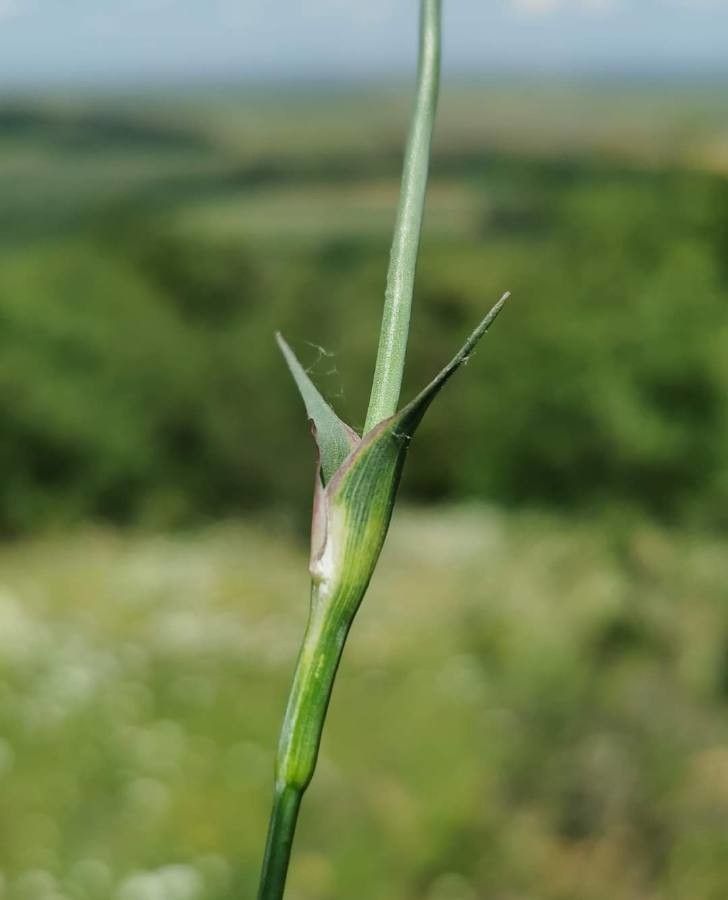
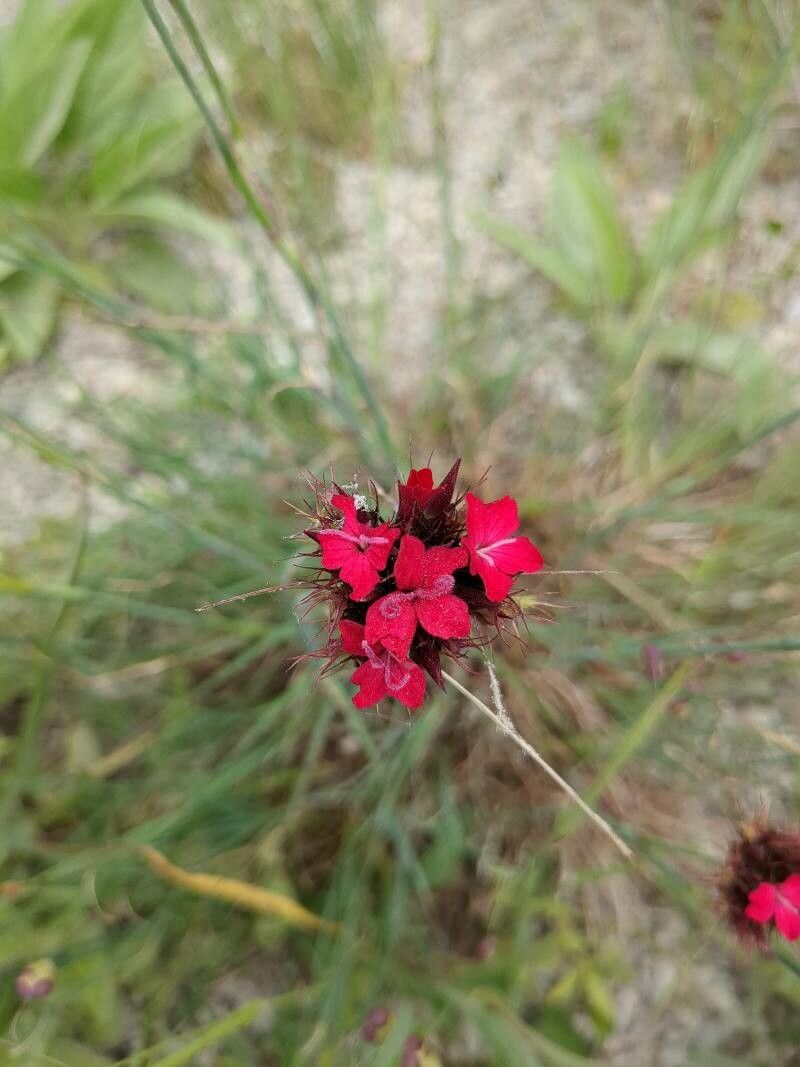
Dianthus scaber has good resistance to disease and generally does not suffer from illnesses. However, it can be vulnerable to pests and diseases present in its environment. These infections are generally mild. Regarding care, the plant requires a moderate amount of attention. It should be pruned regularly to keep a pleasing appearance and support healthy growth. Fertilizing can also encourage flowering. Dianthus scaber is suitable for people with outdoor areas such as a garden or patio and does not demand extensive care experience. It may need more attention if grown indoors.
How to keep Dianthus Scaber.
Light
Dianthus scaber is a perennial herbaceous plant that prefers sunny conditions and comes from open habitats, often thriving in meadows and grasslands. It favors full sun but can also tolerate partial sun.
Water
Dianthus scaber is drought-tolerant, but it does not tolerate flooding. It requires well-drained soil to prevent root rot. Water the plant only when the soil feels dry. During the winter, reduce watering to once every 3-4 weeks until new growth starts again in the spring.
Fertilizer
Usually a single fertilizer application in spring is adequate for Dianthus scaber, though multiple feedings can enhance growth. Apply fertilizer every one to one-and-a-half months. Fertilization improves the appearance and function of the leaves, helping maintain uniform color and a healthy texture. It also promotes root development and nutrient uptake for prolonged plant health.
Pruning
To extend the flowering season of Dianthus scaber, it's helpful to deadhead the plant by removing wilted flowers. This practice redirects nutrients to support the growth of new blooms. Most varieties also benefit from pruning after flowering, which encourages new growth and may result in a second bloom later in the season.
Botanical profile.
- Plant Type
- Herb
- Life Cycle
- Perennial
- Genus
- Dianthus
- Family
- Caryophyllaceae
- Hardiness Zone
- 3-10
- Leaf Type
- Evergreen
- Native Area
- France