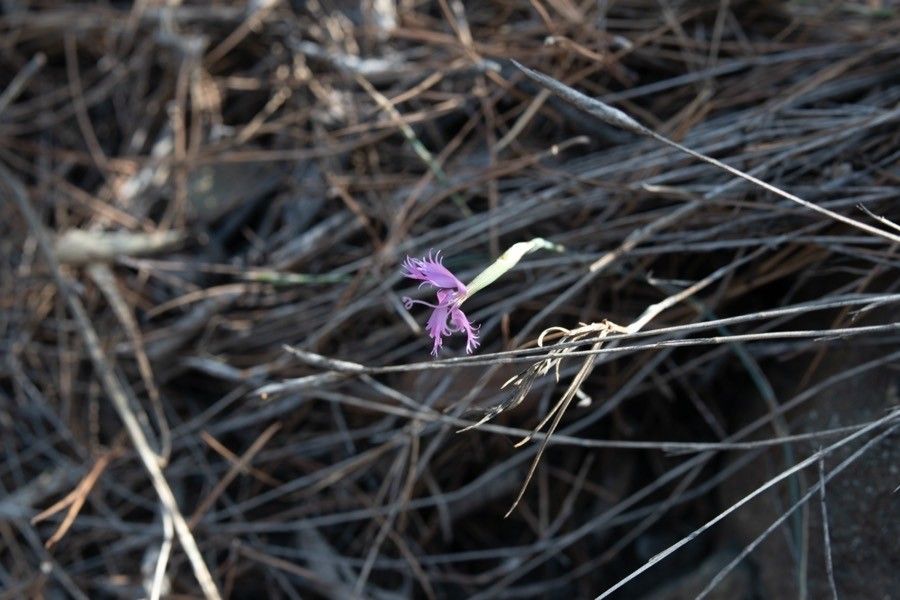
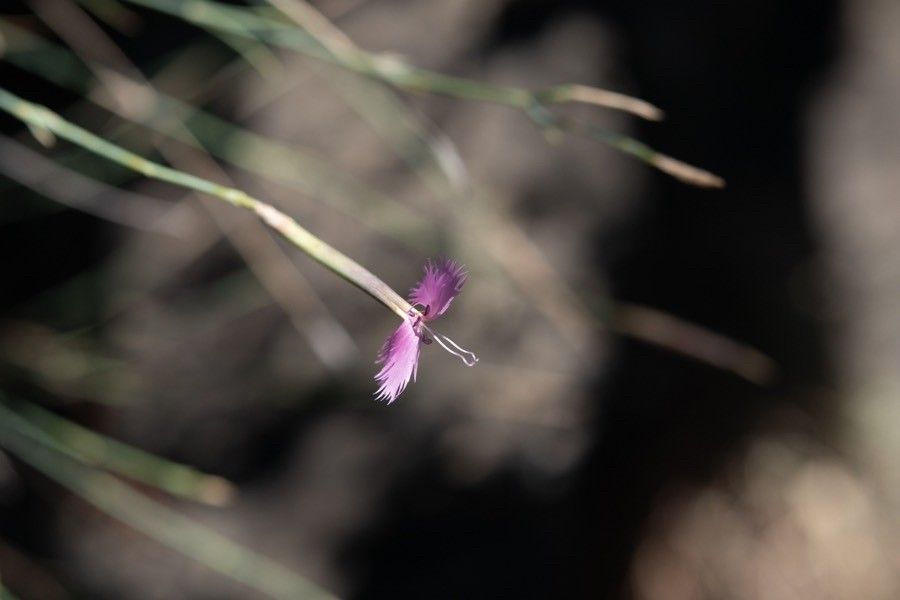
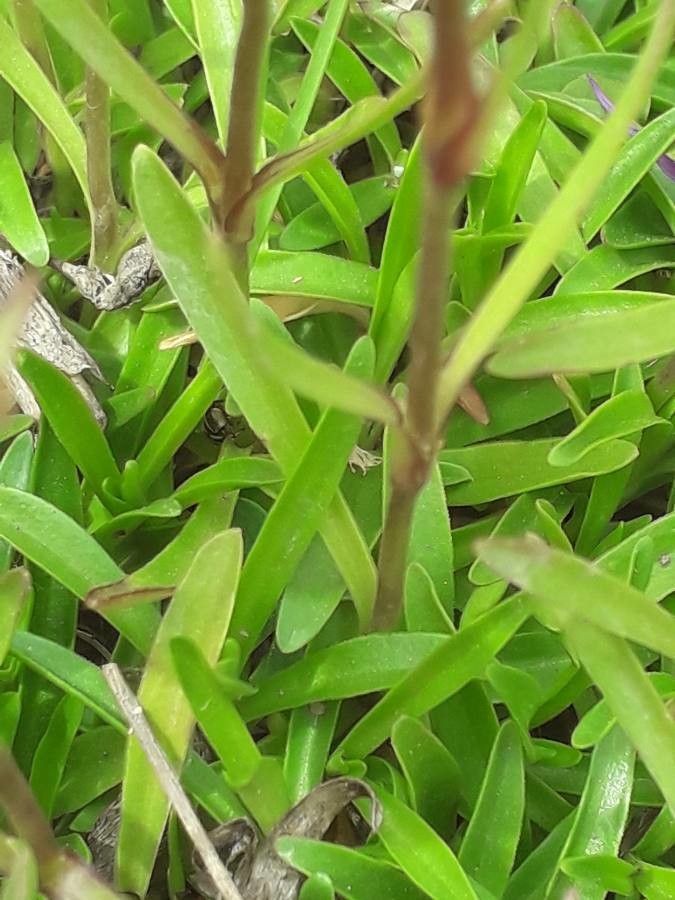
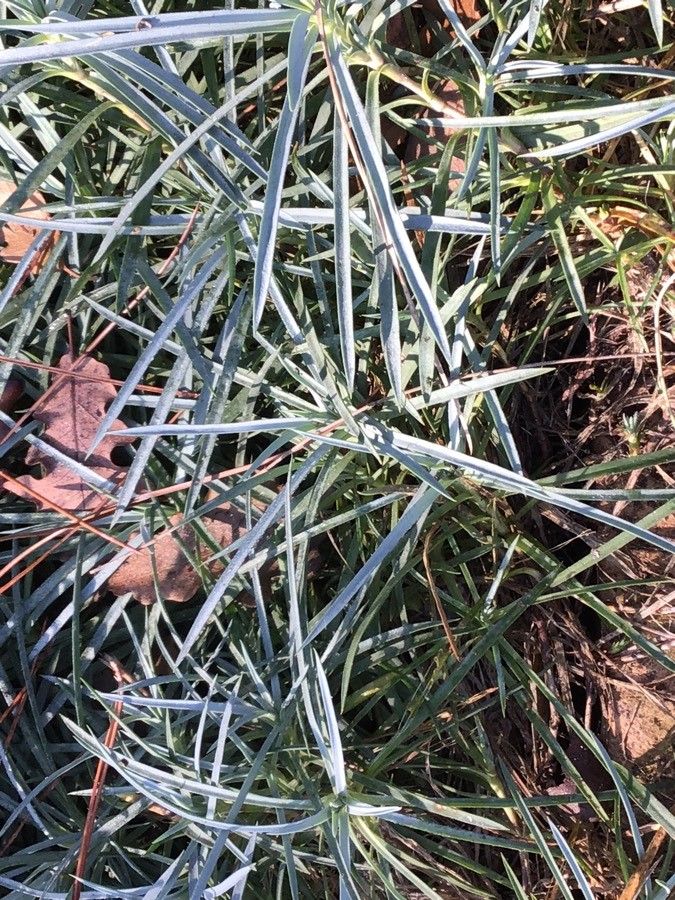
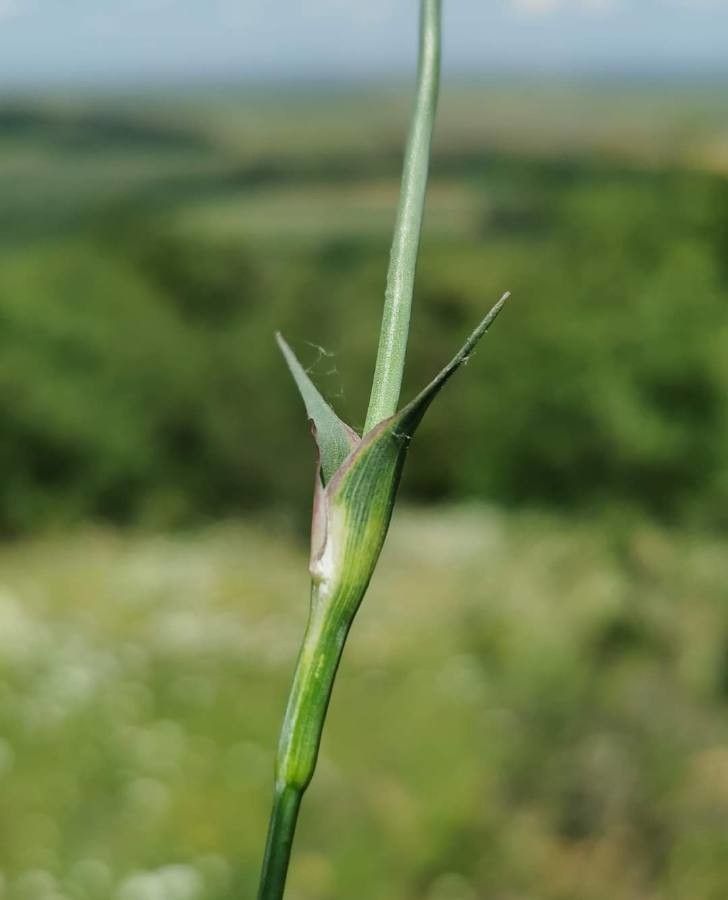
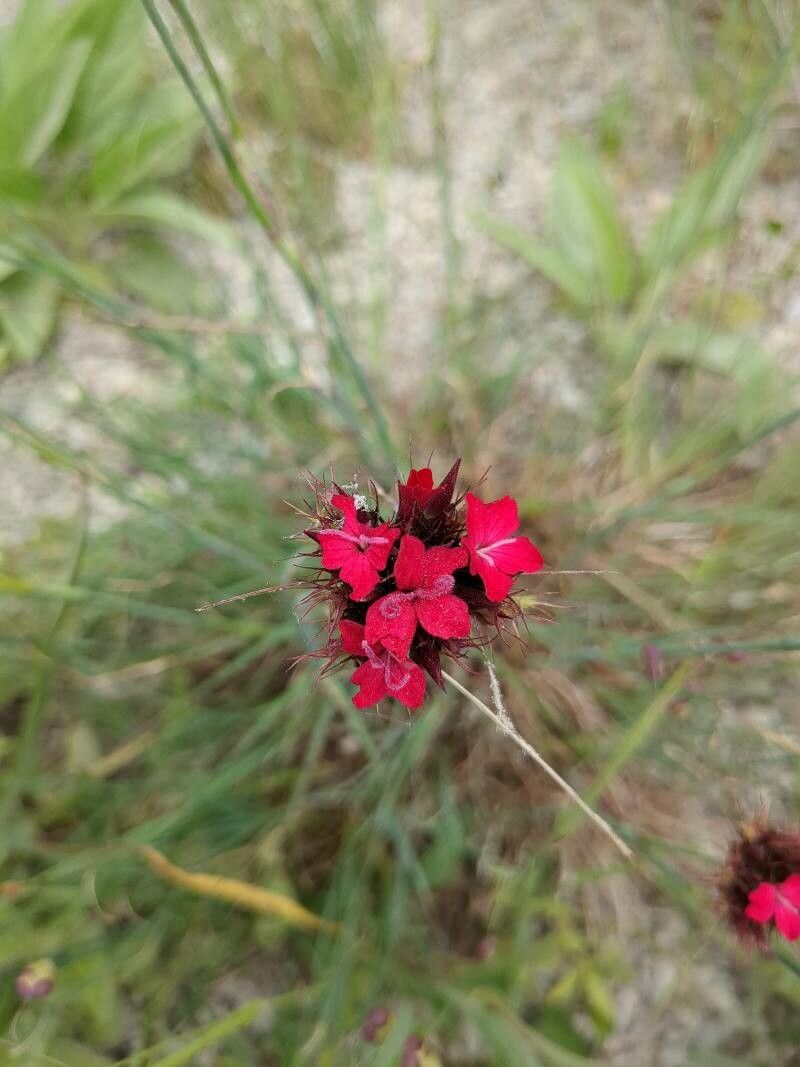
Dianthus orientalis, called the Georgian pink, is a species of pink in the carnation family found in the Levant, Anatolia, the Transcaucasus and the North Caucasus, Iraq and Iran, and disjunctly in Tibet and Xinjiang in China. Given its preference for drier, rocky and alkaline soils, and its attractive lilac‑pink flowers which appear in autumn, it is being studied as a potential ornamental plant, and for use on green roofs.
Dianthus orientalis has strong resistance to disease and is generally unlikely to be affected by them. However, it can still be vulnerable to pests and diseases present nearby. These infections are generally not serious. As for care, this plant requires a moderate level of maintenance. It should be pruned regularly to keep a tidy appearance and promote healthy growth. Fertilizing can also encourage more flowering. Dianthus orientalis is suitable for anyone with outdoor space, such as a garden or patio, and does not demand extensive gardening experience. It may need more attention when grown indoors.
How to keep Dianthus Orientalis.
Light
Dianthus orientalis is a perennial herbaceous plant that favors sunny locations and is native to open habitats, often growing in meadows and grasslands. It prefers full sun but can also tolerate partial sun.
Water
Dianthus orientalis is drought-tolerant but sensitive to flooding. It requires well-drained soil to prevent root rot. Water the plant when the soil feels dry to the touch, which is usually every 3-4 weeks during the winter. Be sure to adjust the watering schedule as the plant starts to grow again in the spring.
Temperature
Dianthus orientalis can tolerate a wide range of temperatures, yet its distribution may still be restricted by specific combinations of moisture and heat. It does best in warm summer climates with enough rainfall or watering. Long stretches of cloudy, rainy weather or sustained high temperatures can increase the risk of Dianthus orientalis dying. In winter, protecting it from the cold can raise its chances of survival.
Fertilizer
The best time to fertilize Dianthus orientalis is in early spring, when it is coming out of dormancy and beginning active growth. Fertilization supplies essential nutrients for healthy development. Although Dianthus orientalis has relatively low fertilizer requirements, annual feeding can improve its survival and encourage better, longer-lasting flowers.
Pruning
Dianthus orientalis is a hardy perennial known for its vibrant, fringed flowers. To encourage healthy growth, prune the plant in early spring and remove any dead stems to improve airflow. Pinch back the spent blooms to promote continuous flowering. With regular care, you can enhance both the appearance and vitality of Dianthus orientalis, ensuring a healthier plant overall.
Botanical profile.
- Plant Type
- Herb
- Life Cycle
- Perennial
- Genus
- Dianthus
- Family
- Caryophyllaceae
- Hardiness Zone
- 4-9
- Mature Height
- 10 cm to 40 cm
- Mature Spread
- 15 cm to 25 cm
- Leaf Color
- Green
- Leaf Type
- Deciduous
- Flower Color
- Pink
- Flower Size
- 2.03 cm to 3.05 cm
- Bloom Time
- Mid spring, Late spring, Early summer
- Planting Time
- Spring, Summer, Autumn
- Harvest Time
- Summer
Reader questions.
What are the sunlight requirements for Dianthus orientalis?
Dianthus orientalis requires specific sunlight conditions to thrive. If you're aiming to provide full sun, it should receive above 6 hours of sunlight daily. For those looking to provide partial sun, about 3-6 hours of sunlight per day is necessary. It's important to observe the movement of sunlight through your garden to find spots that offer the ideal balance of light and shade, ensuring your Dianthus orientalis plants are happy and healthy.
What is the botanical name of Dianthus orientalis?
The botanical name for Dianthus orientalis is Dianthus orientalis itself. This specifies its unique classification in the plant kingdom, helping distinguish it from other varieties within the Dianthus genus.
What is the botanical name of Dianthus orientalis?
The botanical name of Dianthus orientalis is indeed 'Dianthus orientalis'. This name helps distinguish it from other species within the Dianthus genus and ensures accurate identification for gardening or botanical purposes.